How we built this comparison
This page combines traveler discussion patterns, published price ranges, flight schedules, and seasonal data to help you decide between Nuremberg and Munich.
- Reviewed 50+ Reddit threads from r/travel, r/Germany, r/solotravel, and city-specific subreddits.
- Verified current costs and logistics against booking platforms like Booking.com, Deutsche Bahn, and Google Flights (current as of late 2023 / early 2024).
- Cross-referenced seasonal patterns and weather data from reputable meteorological sources to advise on best times to visit.
⚡ The TL;DR Verdict
Choose Nuremberg if you're on a tighter budget, deeply interested in impactful history, and prefer a cozier, walkable city. Opt for Munich for its vibrant big-city feel, world-class museums, iconic beer halls, and as a hub for diverse day trips. Expect to spend €80-€150 ($85-$160) daily in Nuremberg vs. €120-€250 ($130-$270) in Munich.
- Choose Nuremberg: For budget-conscious travelers, history buffs (especially WWII and medieval), and those seeking a more relaxed, authentic German city experience without the big-city hustle.
- Choose Munich: For first-timers to Bavaria, those seeking grand architecture, world-renowned cultural institutions, lively nightlife, and convenient access to the Alps and other iconic sights.
- Choose Both: If you have 5-7 days, combining both is highly recommended. Take a 1.5-hour ICE train between them (€20-€40) – 2-3 days in Nuremberg for history, then 3-4 days in Munich for culture and day trips.
Quick Comparison
| Category | Nuremberg | Munich | Winner |
|---|---|---|---|
| Costs & Budget | Significantly more affordable across the board; accommodation, food, and beer are notably cheaper. | Higher price tag for almost everything; accommodation, dining, and activities can quickly add up. | Nuremberg |
| Culture & History | Deeply impactful history, especially medieval (Imperial Castle) and WWII (Nazi Rally Grounds, Nuremberg Trials). | Rich Bavarian royal history, grand palaces, world-class museums, and a broader cultural offering. | Nuremberg |
| Nightlife & Entertainment | Cozy pubs, charming bars in the Altstadt, less club-focused, more relaxed evening scene. | Vibrant and diverse scene with world-famous beer halls, bustling clubs, and live music venues. | Munich |
| Food & Drink Scene | Famous for Nürnberger Rostbratwürste and Lebkuchen; traditional, hearty Franconian cuisine. | Diverse culinary landscape from traditional Bavarian (Weisswurst, Schweinshaxe) to international fine dining, plus exceptional beer culture. | Munich |
| Accommodation | Generally more affordable with good mid-range options and easier availability. | Significantly more expensive, especially during peak seasons; wider range of luxury but budget options are quickly booked. | Nuremberg |
| Getting Around | Compact and highly walkable Altstadt, efficient but smaller U-Bahn and tram network. | Extensive and well-integrated public transport system (U-Bahn, S-Bahn, tram, bus) covering the entire city and surrounding areas. | Munich |
| Day Trips | Charming medieval towns like Rothenburg ob der Tauber, Bamberg, and Regensburg. | Iconic and diverse options including Neuschwanstein Castle, Zugspitze, Salzburg (Austria), and Dachau Memorial. | Munich |
| Vibe & Ambiance | Cozy, historically rich, authentic medieval feel, less crowded and more intimate. | Grand, cosmopolitan, elegant, energetic, big-city feel with strong traditional Bavarian roots. | Munich |
| Getting There | Smaller international airport (NUE) with fewer direct flights, well-connected by train within Germany. | Major international hub (MUC) with excellent direct connections worldwide, also a primary train hub. | Munich |
| Best Seasons & Events | World-famous Christkindlesmarkt in winter; pleasant spring/summer. | Oktoberfest in autumn; lively spring/summer festivals; multiple Christmas markets. | Nuremberg |
💰 Costs & Budget
Nuremberg is a clear winner for your wallet. A solid mid-range hotel in Nuremberg might run you €90-€130 ($95-$140) per night, while a comparable room in Munich easily starts at €150-€220 ($160-$240), especially outside of Oktoberfest. A hearty meal with a drink at a traditional restaurant in Nuremberg can be found for €18-€25 ($20-$27), whereas in Munich, expect to pay €30-€45+ ($33-$50+) for a similar experience. Even a 0.5L beer at a local pub in Nuremberg is typically €4.50-€5.50 ($5-$6), while Munich's famous beer halls charge €9-€11 ($10-$12) for a liter. Transportation is also marginally cheaper in Nuremberg. This difference really adds up over several days, making Nuremberg much more accessible for budget travelers. "Munich is great, but my wallet cried daily. Nuremberg felt way more chill budget-wise without sacrificing quality."
Winner takeaway
- Winner: Nuremberg
- Why: Nuremberg consistently offers better value for money across accommodation, dining, and activities.
- Who this matters for: Budget-conscious travelers, backpackers, and families looking to stretch their vacation funds.
🏛️ Culture & History
While Munich boasts magnificent royal palaces like the Residenz and Nymphenburg, along with a vast array of museums (Alte Pinakothek, Deutsches Museum), Nuremberg's historical narrative is arguably more impactful and concentrated. The city served as a spiritual center for the Holy Roman Empire (documented at the Imperial Castle) and later became infamously associated with Nazi Germany (Nazi Party Rally Grounds, Documentation Center, and the Courtroom 600 of the Nuremberg Trials). This dark tourism aspect is incredibly potent and educational, offering a unique and sobering perspective on 20th-century history. For those seeking to truly delve into specific, pivotal historical events, Nuremberg is unparalleled. The Albrecht Dürer House also provides a fantastic insight into Renaissance art. "If you're into WWII history, Nuremberg is a must. Munich has great museums and palaces, but Nuremberg hits different with its raw historical sites."
Winner takeaway
- Winner: Nuremberg
- Why: Nuremberg offers a more concentrated and deeply impactful historical experience, particularly regarding medieval and WWII history.
- Who this matters for: History buffs, students, and those interested in dark tourism and significant historical turning points.
🍻 Nightlife & Entertainment
Munich is the undisputed champion for nightlife and entertainment. Its world-renowned beer halls like the Hofbräuhaus and Augustiner-Keller offer a lively, communal drinking experience often accompanied by traditional Bavarian music. Beyond the beer halls, Munich's Glockenbachviertel and Maxvorstadt districts are packed with trendy bars, cocktail lounges, and diverse nightclubs catering to all tastes, from electronic music to live bands. There's always something happening, whether it's a major concert, a festival, or just people spilling out of bars onto the streets. Nuremberg's nightlife is charming with its Altstadt pubs and a few smaller bars like Bar Nuernberg or Wanderer, perfect for a relaxed evening drink, but it can't compete with the sheer scale and variety of Munich's scene. "Munich's nightlife is legendary, you can spend days just hopping beer gardens and clubs. Nuremberg is more about a quiet pint and early nights."
Winner takeaway
- Winner: Munich
- Why: Munich offers a significantly larger, more diverse, and more energetic nightlife, from iconic beer halls to numerous clubs.
- Who this matters for: Party-goers, social travelers, and anyone looking for lively evening entertainment and a wide range of options.
🍽️ Food & Drink Scene
While Nuremberg excels with its specific local delicacies like the Nürnberger Rostbratwürste (small, finger-sized sausages, often served 3 in a bun for €4-€5, or 6-12 on a plate for €12-€20 at places like Bratwursthäusle) and the festive Lebkuchen, Munich offers a much broader and more sophisticated gastronomic experience. You can find everything from authentic Bavarian staples like Weisswurst, Brezen, and Schweinshaxe in traditional restaurants or at the bustling Viktualienmarkt, to high-end Michelin-starred dining and diverse international cuisines. Crucially, Munich's beer culture, with its six major breweries and numerous beer gardens, is globally recognized. While Nuremberg has good local beers, Munich is a beer pilgrimage site. "For classic German fare and amazing beer, Munich is hard to beat. Nuremberg's sausages are famous, but Munich's food scene is just bigger and more varied."
Winner takeaway
- Winner: Munich
- Why: Munich boasts a more diverse and extensive food scene, including world-renowned beer culture and a wider range of culinary options.
- Who this matters for: Foodies, beer enthusiasts, and travelers who enjoy culinary exploration and a wide variety of dining experiences.
🏨 Accommodation
Finding quality, affordable accommodation is noticeably easier in Nuremberg. For a comfortable, well-located 3-star hotel, you can expect to pay around €80-€120 ($85-$130) per night at places like Hotel Drei Raben or Art & Business Hotel. Munich, by contrast, is consistently one of Germany's most expensive cities for lodging. A similar standard of hotel in Munich will likely cost €150-€220 ($160-$240) or more, with prices skyrocketing during major events like Oktoberfest. Even budget hostels like Wombat's City Hostel in Munich can be pricey and sell out months in advance. While Munich offers a broader selection of luxury hotels (e.g., Mandarin Oriental), Nuremberg provides better value and less stress in finding a suitable place to stay. "Finding a decent, affordable hotel in Munich can be a nightmare, especially during Oktoberfest. Nuremberg gives you more bang for your buck and less booking headache."
Winner takeaway
- Winner: Nuremberg
- Why: Nuremberg offers significantly better value for accommodation, with more affordable and readily available options.
- Who this matters for: Budget-conscious travelers, those planning trips during peak season, and anyone prioritizing cost-effective stays.
🚶 Getting Around
Nuremberg's historic center is delightfully walkable, allowing you to explore most key attractions on foot. Its public transport system (VGN) is efficient for reaching areas outside the Altstadt, with a day ticket for Nuremberg/Fürth costing around €8. However, Munich's MVV network is far more extensive and comprehensive, connecting every corner of the sprawling city and its wider region via U-Bahn (subway), S-Bahn (commuter rail), trams, and buses. This makes navigating Munich incredibly easy, whether you're heading to the English Garden, the Allianz Arena, or taking an S-Bahn to a nearby town. A single ticket in Munich's inner district costs about €3.70, with a day ticket for the inner district at €8.80. While Nuremberg is easy to manage due to its size, Munich's sheer connectivity and coverage make it a superior hub for exploration. "Munich's public transport is amazing, gets you everywhere you need to go without a car. Nuremberg is so walkable you barely need a ticket, but for range, Munich wins."
Winner takeaway
- Winner: Munich
- Why: Munich's public transport system is more extensive, integrated, and covers a much larger area, offering superior connectivity.
- Who this matters for: Travelers who prefer to rely solely on public transport, those staying outside the city center, and those planning extensive inner-city exploration.
🏞️ Day Trips
Both cities offer excellent day trip opportunities, but Munich's options are generally more iconic and diverse. From Munich, you can easily reach the fairy-tale Neuschwanstein Castle (entrance €18, requires booking well in advance, about 2-hour train + bus ride). The majestic Zugspitze, Germany's highest peak, is also accessible (cable car ~€60-€70 return). For a poignant historical experience, the Dachau Concentration Camp Memorial is a short S-Bahn ride away (free entry). You can even venture into Austria to visit Salzburg within a couple of hours by train. Nuremberg's day trips, while incredibly charming, tend to be focused on other medieval towns like the picturesque Rothenburg ob der Tauber, UNESCO-listed Bamberg, and Regensburg. These are fantastic, but perhaps lack the sheer variety and global recognition of Munich's offerings. "Munich is the perfect hub for iconic day trips like Neuschwanstein or the Alps. Nuremberg has great medieval towns, but they aren't quite the same global draw."
Winner takeaway
- Winner: Munich
- Why: Munich offers a wider array of iconic and diverse day trip options, from castles and mountains to historical sites and international cities.
- Who this matters for: Adventure seekers, first-time visitors to Germany, and those looking to tick off famous landmarks.
✨ Vibe & Ambiance
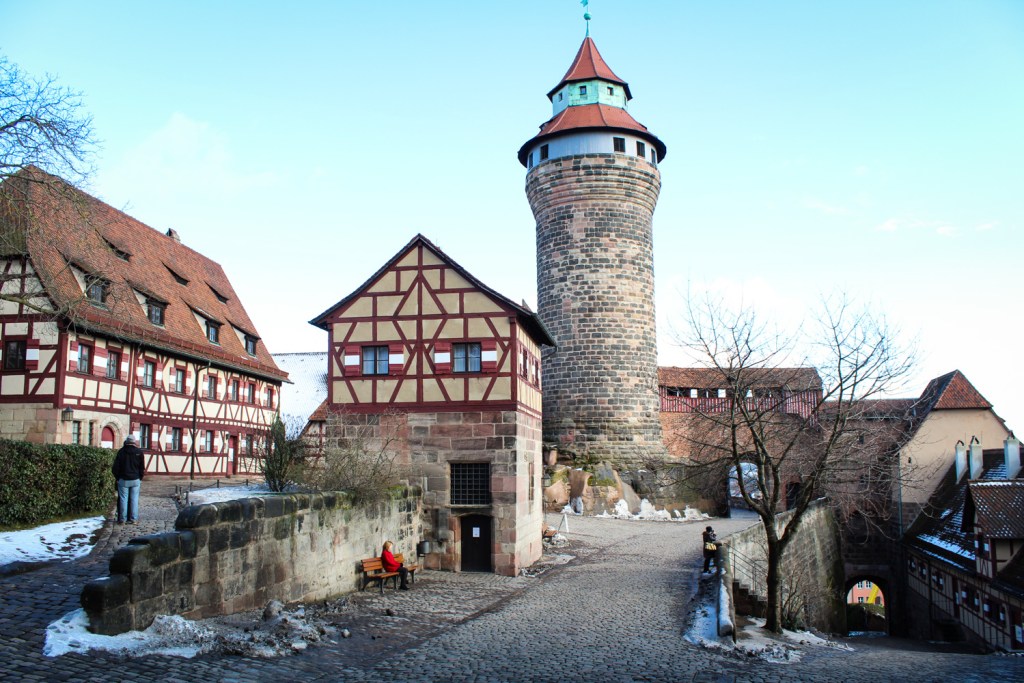
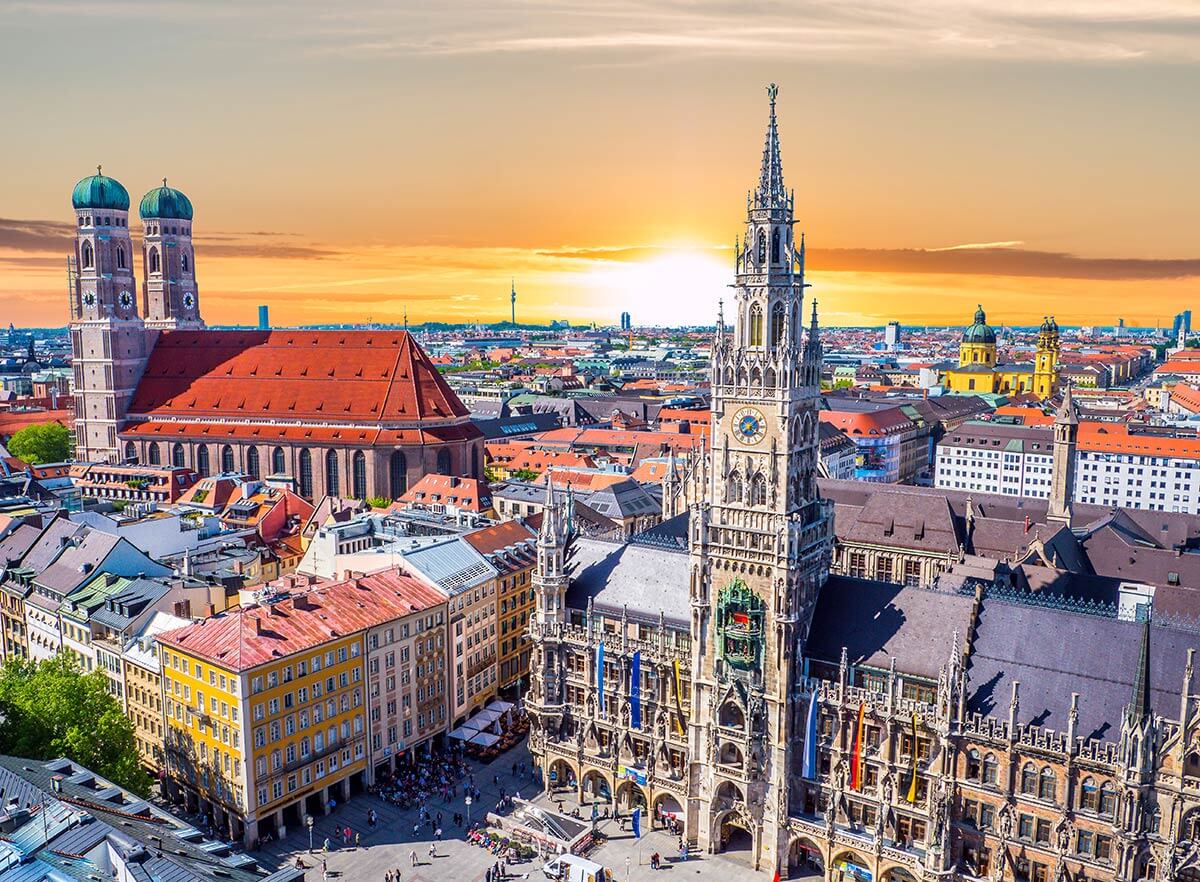
Nuremberg offers a more intimate and historically focused ambiance. Its reconstructed Altstadt, surrounded by medieval walls, evokes a strong sense of stepping back in time, often feeling less bustling than its larger counterpart. It's a city where you can wander cobblestone streets, explore quiet courtyards, and soak in history at a more relaxed pace. Munich, on the other hand, presents a grander, more cosmopolitan, and energetic atmosphere. It combines wide boulevards, impressive royal architecture, and modern amenities with a deeply ingrained traditional Bavarian culture, evident in its beer gardens, lederhosen, and local festivals. It feels like a vibrant capital city that still cherishes its roots. While Nuremberg is charmingly quaint, Munich's blend of tradition and modern dynamism offers a broader appeal for most travelers. "Nuremberg feels like stepping back in time, very cozy and historic. Munich is a bustling capital, but still has that classic Bavarian charm with more going on."
Winner takeaway
- Winner: Munich
- Why: Munich strikes a compelling balance between historical grandeur, modern cosmopolitanism, and vibrant Bavarian traditions.
- Who this matters for: Travelers seeking a dynamic city experience with a mix of history, elegance, and lively atmosphere.
✈️ Getting There
Munich's Franz Josef Strauss Airport (MUC) is Germany's second-busiest airport and a major international hub. It offers direct flights from numerous major cities worldwide, including many from the US (e.g., New York to Munich is typically 8-9 hours, costing €600-€1000+ return, varying seasonally) and the UK. This makes it incredibly convenient for international arrivals. Nuremberg Airport (NUE) is smaller, primarily serving European routes, often requiring a connection from further afield. Both cities are exceptionally well-connected by Deutsche Bahn's ICE train network. For example, an ICE from Frankfurt Airport to Nuremberg takes about 2 hours, while to Munich it's around 3.5 hours. However, for direct international air travel convenience, Munich is the clear leader. "Flying into Munich is so much easier, direct flights from everywhere. Nuremberg usually means a connection or an extra train ride."
Winner takeaway
- Winner: Munich
- Why: Munich offers superior international flight connectivity and is a more accessible major arrival point for global travelers.
- Who this matters for: International travelers, those with limited travel time, and anyone prioritizing direct and efficient transport routes.
🎄 Best Seasons & Events
Both cities experience typical Central European weather, with pleasant summers (June-August, average 18-22°C/64-72°F) and cold winters (Dec-Feb, average 0-3°C/32-37°F). However, their peak event seasons offer distinct draws. Nuremberg is globally renowned for its Christkindlesmarkt, one of the oldest and most famous Christmas markets, running from late November to Christmas Eve. This event alone draws millions and transforms the city into a magical, unforgettable destination. While Munich also hosts excellent Christmas markets, and its Frühlingsfest (Spring Festival) is lovely, nothing quite matches the international pilgrimage that Nuremberg's Christmas market inspires. Munich's iconic Oktoberfest (late Sept-early Oct) is a massive draw, but it comes with sky-high prices and extreme crowds, making it a very specific travel experience. For a more universally appealing and truly special seasonal event, Nuremberg's market takes the crown. "If you love Christmas markets, Nuremberg is THE place to be in December. Munich's are nice, but Nuremberg's is legendary and way less chaotic than Oktoberfest."
Winner takeaway
- Winner: Nuremberg
- Why: Nuremberg's world-renowned Christkindlesmarkt offers a uniquely magical and universally appealing seasonal experience.
- Who this matters for: Travelers seeking a quintessential European Christmas market experience, and those preferring cultural events over large-scale festivals.
❓ Frequently Asked Questions
Is Nuremberg worth visiting if I'm already going to Munich?
Absolutely! Nuremberg offers a distinct experience with its concentrated WWII history and medieval charm that complements Munich's grand Bavarian culture. It's an easy 1.5-hour train ride, making it a perfect addition for 2-3 days, especially if you're a history buff.
Which city is better for a family trip with young kids?
Nuremberg might edge out Munich for families with young kids due to its more manageable size, walkable Altstadt, and engaging history (like the Imperial Castle). Munich has great parks and museums, but its larger scale might be overwhelming for very young children compared to Nuremberg's cozier feel.
How much time should I allocate for each city?
For Nuremberg, 2 full days are usually sufficient to cover the main historical sites and enjoy the city's ambiance. For Munich, 3-4 full days are recommended to explore its museums, palaces, beer halls, and perhaps take one key day trip like Neuschwanstein.
Is one city significantly safer than the other?
Both Nuremberg and Munich are generally very safe cities with low crime rates, typical of German urban centers. You should practice standard travel precautions, especially in crowded tourist areas or late at night, but neither city poses a significant safety concern over the other.
Can I experience Oktoberfest in Nuremberg?
No, Oktoberfest is uniquely a Munich event. While Nuremberg has its own smaller folk festivals (like the Frühlingsfest or Herbstvolksfest), they do not compare in scale or tradition to Munich's Oktoberfest. If Oktoberfest is your goal, Munich is the only option.
Which city has better shopping opportunities?
Munich offers a far superior shopping experience, from luxury boutiques on Maximilianstraße to major department stores and diverse local markets. Nuremberg has good shopping within its city center, but it's on a much smaller scale compared to Munich's extensive options.
Is it easy to travel between Nuremberg and Munich?
Yes, incredibly easy! High-speed ICE trains connect Nuremberg and Munich frequently throughout the day, with travel times of approximately 1 hour and 15 minutes to 1 hour and 40 minutes. Tickets can range from €20-€40 depending on how far in advance you book.
Which city is better for a solo female traveler?
Both cities are excellent choices for solo female travelers, offering safety, efficient public transport, and plenty to see and do. Nuremberg might feel slightly more intimate and less overwhelming due to its smaller size, but Munich's vibrant atmosphere also makes it easy to meet people if desired.
Ready to plan your Bavarian adventure?
Get a free custom itinerary for Nuremberg, Munich, or both — built from real traveler insights and tailored to your interests.
🎟️ Book Tours & Experiences
Hand-picked tours and activities for both destinations — book with free cancellation
Experiences via Viator — free cancellation on most tours