How we built this comparison
This page combines traveler discussion patterns, published price ranges, flight schedules, and seasonal data to help you decide between Oaxaca and Guadalajara.
- Reviewed 50+ Reddit threads from r/travel, r/solotravel, r/mexico, r/oaxaca, and r/guadalajara for real traveler sentiment and tips.
- Verified costs and logistics against current booking platforms (Expedia, Booking.com, ADO, Google Flights) and local news sources.
- Cross-referenced seasonal patterns and weather data from NOAA and local meteorological services to ensure accurate climate advice.
⚡ The TL;DR Verdict
If you're after deep cultural immersion, unparalleled food, and a more laid-back, artsy vibe, Oaxaca is your winner, perfect for a daily budget of $40-80 USD. For those craving vibrant city life, world-class nightlife, diverse cuisine beyond traditional Mexican, and easy access to tequila country, Guadalajara shines brighter, generally requiring $50-100 USD per day.
- Choose Oaxaca: Choose Oaxaca for authentic indigenous culture, a slower pace, incredible mezcal, and the best traditional Mexican food scene. Ideal for history buffs, foodies, and those seeking artisan crafts.
- Choose Guadalajara: Opt for Guadalajara if you want a bustling metropolis with a lively modern arts scene, diverse culinary options, a thriving LGBTQ+ community, and easy day trips to tequila distilleries and mariachi origins. Great for urban explorers and nightlife lovers.
- Choose Both: If you have 2-3 weeks, combining both offers a comprehensive taste of Mexico's cultural and urban diversity. Fly between them (via CDMX) or take a long-haul bus for a budget-friendly but time-consuming option. Start in Oaxaca for culture, then shift to Guadalajara for city vibes.
Quick Comparison
| Category | Oaxaca | Guadalajara | Winner |
|---|---|---|---|
| Food & Drink | UNESCO recognized culinary capital, mole, tlayudas, tamales, incredible street food, vibrant markets, and world-class mezcal. | Diverse culinary scene, birria, tortas ahogadas, international options, craft beer, and the birthplace of tequila and mariachi. | Oaxaca |
| Culture & History | Ancient Zapotec ruins (Monte Albán), colonial architecture, vibrant indigenous artisan traditions, and a strong sense of cultural identity. | Rich colonial history, neoclassical architecture, birthplace of mariachi and tequila, vibrant contemporary art scene, and strong Mexican national identity. | Oaxaca |
| Nightlife | Laid-back mezcalerías, live music in intimate settings, cultural performances, and a focus on conversation over clubbing. | Vibrant club scene, diverse bars, live music venues, active LGBTQ+ nightlife, and a more cosmopolitan party atmosphere. | Guadalajara |
| Costs | Generally more affordable for food, accommodation, and activities, especially for budget travelers. | Slightly higher costs due to being a larger metropolis, but good value for a major city, especially for transport. | Oaxaca |
| Getting There & Around | Small airport, good bus connections, very walkable city center, easy to arrange local tours. | Major international airport, extensive bus network, metro system, ride-sharing, but sprawling city requires more transport. | Tie |
| Accommodation | Charming boutique hotels, colonial haciendas, guesthouses, and a good range of hostels, mostly in the historic center. | Modern hotels, international chains, stylish boutique options, and a wider range of apartments, spread across diverse neighborhoods. | Tie |
| Day Trips | Ancient ruins (Monte Albán), artisan villages (Teotitlán, San Bartolo), mezcal distilleries (palenques), Hierve el Agua. | Tequila distilleries (Jose Cuervo, Herradura), Lake Chapala, Ajijic, Guachimontones pyramids, Tonala and Tlaquepaque artisan towns. | Tie |
| Nature & Outdoors | Hierve el Agua petrified waterfalls, Sierra Norte mountains for hiking, botanical gardens, and unique landscapes. | Barranca de Huentitán canyon, La Primavera Forest, Lake Chapala, and various parks within the city. | Oaxaca |
| Safety | Generally very safe in tourist areas, low violent crime, petty theft can occur, especially at night. | Generally safe in main tourist and affluent areas, but being a large city means higher rates of petty crime and occasional cartel-related issues in outlying areas. | Oaxaca |
| Digital Nomad Vibe | Growing DN scene, co-working spaces, great food and low cost, but can feel slower for networking. | Established and thriving DN community, numerous co-working spaces, fast internet, diverse social scene, excellent infrastructure. | Guadalajara |
🌮 Food & Drink
Oaxaca truly is a culinary paradise, often hailed as Mexico's gastronomic heart. You'll find mind-blowing street food like tlayudas (M$50-80, ~$3-5 USD), amazing tamales, and an endless variety of moles at places like Origen or Los Danzantes (main courses M$250-500, ~$15-30 USD). The Mercado 20 de Noviembre's 'pasillo de humo' (smoke alley) is an unforgettable experience for grilled meats. And the mezcal? It's king here. You can do tastings for M$100-200. Guadalajara, while excellent, offers a more diverse urban palate. You'll find incredible birria (stew) at Birriería Las 9 Esquinas (M$100-180), delicious tortas ahogadas (drowned sandwiches) at El Güero or Las Famosas (M$60-100), and a growing fine dining scene like Alcalde or Hueso (M$600-1500+). Plus, it's ground zero for tequila, with tours easily accessible. But for sheer depth and cultural significance of traditional Mexican cuisine, Oaxaca is unmatched. "Honestly, Oaxaca's food scene ruined me for anywhere else in Mexico. Nothing compares to the variety and quality of the moles alone."
Winner takeaway
- Winner: Oaxaca
- Why: Oaxaca offers a deeper, more authentic, and culturally significant traditional Mexican food experience, especially for mole and mezcal.
- Who this matters for: Foodies, culinary adventurers, and those seeking authentic flavors.
🏛️ Culture & History
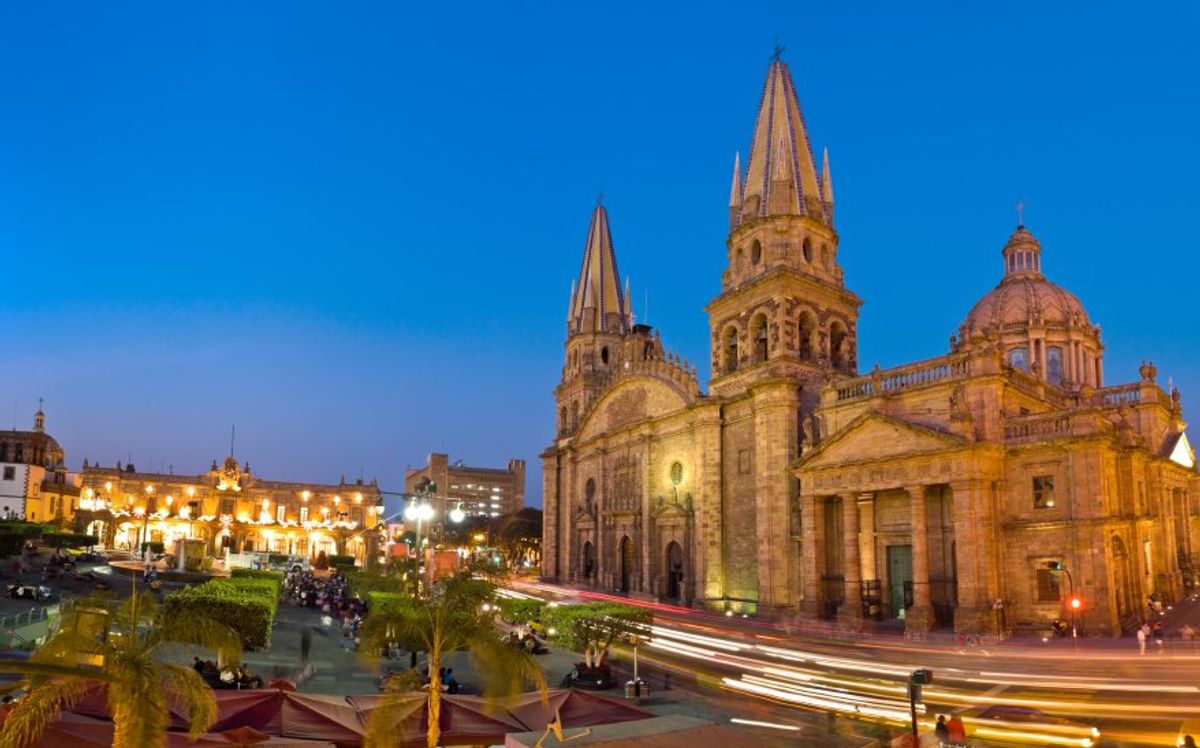
Oaxaca is a living museum, steeped in indigenous Zapotec and Mixtec cultures. The majestic ruins of Monte Albán (M$90 entrance, ~$5 USD, 20 mins drive) offer a profound glimpse into ancient civilizations, while the city's colonial center, a UNESCO World Heritage site, boasts stunning architecture like the Templo de Santo Domingo de Guzmán. You'll find countless artisan workshops in nearby villages (e.g., San Bartolo Coyotepec for barro negro pottery, Teotitlán del Valle for weaving), showcasing centuries-old traditions. Guadalajara, on the other hand, embodies a more mestizo, national Mexican identity. Its historic center is impressive with the Guadalajara Cathedral, Teatro Degollado, and Instituto Cultural Cabañas (M$80 entrance) with Orozco murals. It's the undisputed home of mariachi and tequila, crucial elements of Mexican culture. However, Oaxaca's tangible connection to its deep pre-Hispanic roots and living indigenous traditions feels more immediate and pervasive. "Oaxaca felt like stepping back in time, every corner tells a story. Guadalajara is beautiful, but more stately."
Winner takeaway
- Winner: Oaxaca
- Why: Oaxaca offers a more profound and immediate connection to ancient indigenous cultures and artisan traditions.
- Who this matters for: History buffs, anthropologists, and those interested in indigenous arts and traditions.
🎶 Nightlife
Guadalajara is undeniably the winner for nightlife, offering a breadth and energy that Oaxaca can't match. In areas like Chapultepec, Providencia, and Americana, you'll find everything from sophisticated cocktail bars like El Gallo Altanero or De La O Cantina (drinks M$150-300, ~$9-18 USD) to pulsing nightclubs like Bar Americas (cover M$100-200) and lively gay bars. There's a strong craft beer scene too. Live music is abundant, from rock to electronic to mariachi. Oaxaca's nightlife is charming but more subdued. It revolves heavily around mezcalerías like Sabina Sabe or Mezcaloteca, where the focus is on tasting mezcal and conversation (cocktails M$120-200, ~$7-12 USD). You'll find live music, often traditional or jazz, in intimate venues. There are some dance spots, but nothing on Guadalajara's scale. It's perfect for a relaxed evening, but not for dancing until dawn. "Guadalajara's nightlife is serious, so many options and everyone is out having fun. Oaxaca is great for a chill drink, but if you want to dance, GDL is it."
Winner takeaway
- Winner: Guadalajara
- Why: Guadalajara offers a much wider range of lively bars, nightclubs, and a more vibrant, diverse party scene.
- Who this matters for: Party-goers, social butterflies, and those who enjoy dancing and late nights.
💸 Costs
Oaxaca is typically more budget-friendly than Guadalajara. A good meal at a local comedor can be M$80-150 ($5-9 USD), while street food is even cheaper (tlayudas M$50-80). Hostels average M$250-400 ($15-25 USD) per night, and charming mid-range hotels M$1000-2000 ($60-120 USD). Entry fees for attractions like Monte Albán are M$90. Local bus transport is M$8. In Guadalajara, typical restaurant meals are M$150-300 ($9-18 USD) and fine dining can be significantly more. Hostels range M$300-500 ($18-30 USD), and mid-range hotels M$1200-2500 ($70-150 USD). Public transport (bus/metro) is M$9.50. While both offer excellent value compared to Western countries, Oaxaca's smaller scale and focus on local, traditional offerings naturally make it a bit kinder to the wallet without sacrificing quality. "My daily budget in Oaxaca was easily $50-60 USD, including good food and activities. Guadalajara felt closer to $70-80 for the same comfort level."
Winner takeaway
- Winner: Oaxaca
- Why: Oaxaca offers a slightly lower cost of living and travel, especially for food and local experiences.
- Who this matters for: Budget travelers, long-term nomads, and those seeking maximum value for money.
✈️ Getting There & Around
Getting to both cities is straightforward. Oaxaca (OAX) has a smaller international airport, often requiring a layover in Mexico City (MEX). Direct flights from MEX to OAX are around 1.5 hours and cost M$1000-2500 (~$60-150 USD). ADO buses from Mexico City take 6-7 hours (M$600-900). Once in Oaxaca, the historic center is incredibly walkable. Taxis are affordable (M$50-100 for most city rides). Guadalajara (GDL) has a larger international airport with more direct flights from the US and Canada. Flights from MEX to GDL are also 1.5 hours, similar price range. Bus connections are excellent, with buses from Mexico City taking 6-7 hours (M$600-900). Guadalajara is a much larger, sprawling city. While the historic center is walkable, exploring different neighborhoods like Chapultepec or Tlaquepaque requires buses (M$9.50), the efficient but limited metro (M$9.50), or ride-sharing apps like Uber/Didi (M$60-150 per ride). So, while Oaxaca is easier to navigate on foot, Guadalajara offers more robust public transit options for its size. "Oaxaca's center is a dream for walking, you barely need a taxi. GDL is great for public transport, but you definitely need it to get around."
Winner takeaway
- Winner: Tie
- Why: Oaxaca wins for walkability within its core, while Guadalajara offers better public transit infrastructure for a larger city, making it a tie overall depending on preference.
- Who this matters for: Walkers and those who prefer a compact city will favor Oaxaca; those comfortable with public transport and ride-shares will appreciate Guadalajara.
🏨 Accommodation
Both cities offer excellent accommodation options, catering to various budgets and styles. In Oaxaca, you'll find an abundance of exquisitely restored colonial boutique hotels like Hotel Casa Antonieta or Casa Oaxaca (M$2500-5000, ~$150-300 USD), charming guesthouses, and a strong selection of hostels like Hostal Central or Oaxaca Hostel (M$250-400, ~$15-25 USD). Most are concentrated within or very close to the historic center, making everything easily accessible. Guadalajara, as a major city, has a broader array of choices. You'll find international chain hotels in modern districts like Providencia, alongside stylish boutique hotels in Americana (e.g., Demetria Hotel, M$3000-6000) and numerous Airbnb apartments. Hostels like Hostel Hospedarte Chapultepec are plentiful (M$300-500). The variety in Guadalajara is perhaps wider, but Oaxaca's charm and authenticity in its lodging options are hard to beat. It really comes down to personal taste – historic charm vs. modern amenities and broader selection. "I loved my boutique hotel in Oaxaca, felt so authentic. Guadalajara had more swanky, modern places which was also nice for a change."
Winner takeaway
- Winner: Tie
- Why: Both cities excel in different aspects: Oaxaca for its charming, authentic colonial stays, and Guadalajara for its broader, more modern, and diverse hotel landscape.
- Who this matters for: Travelers seeking historic charm and local character will love Oaxaca; those preferring modern amenities and a wider range of options will appreciate Guadalajara.
🚗 Day Trips
Both Oaxaca and Guadalajara are fantastic bases for day trips, offering distinct experiences. From Oaxaca, the most famous is Monte Albán (M$90 entry, 20 min drive). You can also visit Hierve el Agua (M$50 entry, 1.5-hour drive), stunning petrified waterfalls. Essential are trips to surrounding artisan villages like Teotitlán del Valle for weaving or San Bartolo Coyotepec for barro negro pottery, often combined with a visit to a mezcal palenque (tours M$500-1500 per person including transport). Guadalajara's signature day trip is, of course, the Tequila Route. Tours to distilleries like Jose Cuervo or Herradura (tour prices vary M$500-2000+) are incredibly popular and offer a deep dive into Mexico's national spirit. Another popular option is Lake Chapala and the charming expatriate town of Ajijic, just an hour's drive away. The pre-Hispanic circular pyramids of Guachimontones (M$30 entry) offer a unique historical perspective. The artisan towns of Tlaquepaque and Tonalá (easily accessible by city bus/metro) are also fantastic for shopping. "Oaxaca's day trips felt more about ancient history and craftsmanship. Guadalajara was all about the party and beautiful lakeshore towns."
Winner takeaway
- Winner: Tie
- Why: Both offer excellent and diverse day trip options that cater to different interests, making it a tie based on individual preference.
- Who this matters for: History buffs and cultural explorers will love Oaxaca's ancient sites and artisan villages; social travelers and nature lovers will enjoy Guadalajara's tequila tours and lakeside towns.
🌳 Nature & Outdoors
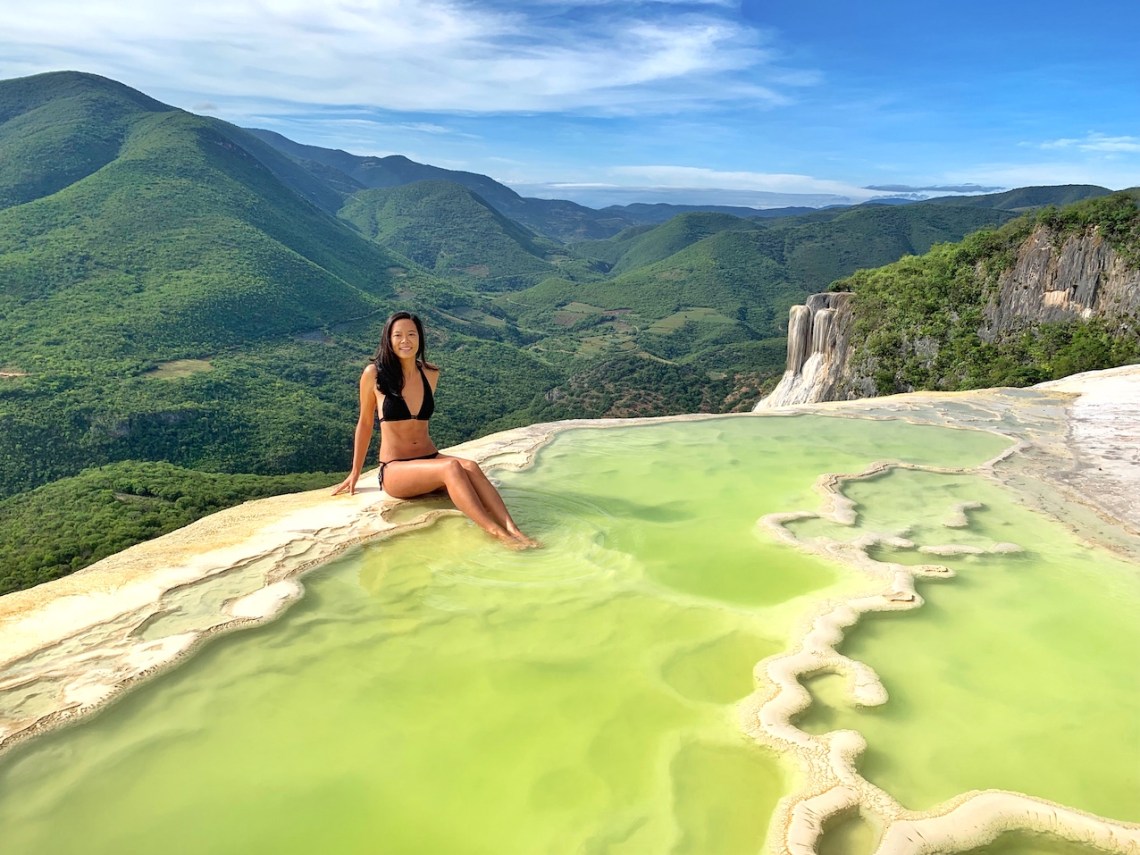
While Guadalajara has its green spaces and the impressive Barranca de Huentitán canyon (great for hiking, free entry), Oaxaca truly shines for its unique natural wonders. Hierve el Agua, the petrified waterfalls (M$50 entry, about 1.5 hours drive), is a geological marvel and offers refreshing natural pools to swim in with breathtaking views. Beyond that, the Sierra Norte mountains, just a couple of hours from the city, provide incredible opportunities for hiking, mountain biking, and ecotourism stays in indigenous communities (e.g., Pueblos Mancomunados, costs vary for guides/lodging). The Ethnobotanical Garden in the city center is also a meticulously curated urban oasis. Guadalajara's La Primavera Forest is a good spot for a nature escape, but it lacks the iconic, unique geological features and vast, accessible mountain ranges that make Oaxaca stand out. "Hierve el Agua is something you truly won't see anywhere else. Oaxaca's mountains are also incredibly rugged and beautiful for hiking."
Winner takeaway
- Winner: Oaxaca
- Why: Oaxaca offers more unique and iconic natural landscapes, including Hierve el Agua and extensive mountain ranges for outdoor activities.
- Who this matters for: Nature lovers, hikers, photographers, and those seeking unique geological formations.
🛡️ Safety
Both cities generally feel safe for tourists, especially in well-trafficked areas, but Oaxaca has a slight edge due to its smaller size and more laid-back atmosphere. In Oaxaca, the historic center is very walkable and safe, even at night, though standard precautions against petty theft apply, especially near markets or crowded events. Violent crime against tourists is rare. Most travelers report feeling very comfortable. Guadalajara, as Mexico's second-largest city, naturally has higher crime rates than Oaxaca. While the popular tourist neighborhoods like Americana, Chapultepec, and the historic center are generally safe, petty crime (pickpocketing, bag snatching) is more common, particularly on public transport or late at night. There have been occasional, isolated incidents of cartel activity, but these rarely affect tourists who stick to well-known areas. It's crucial to be aware of your surroundings and avoid walking alone late at night in less populated areas. "I felt incredibly safe wandering around Oaxaca even after dark. In Guadalajara, I was a bit more cautious, especially with my phone out."
Winner takeaway
- Winner: Oaxaca
- Why: Oaxaca, being a smaller city with a slower pace, generally feels safer and experiences lower rates of serious crime affecting tourists.
- Who this matters for: Solo travelers, first-time international travelers, and those prioritizing peace of mind.
💻 Digital Nomad Vibe
Guadalajara takes the lead for digital nomads. It's a proper big city with robust infrastructure, excellent high-speed internet (fibra optica is widely available), and a well-established, diverse digital nomad community. You'll find numerous co-working spaces like Workósfera or Impact Hub, a plethora of cafes with good Wi-Fi, and an active social scene with meetups and networking events. The cost of living is very reasonable for a major city, with plenty of apartment rentals available. Oaxaca's digital nomad scene is growing rapidly, but it's still smaller and less developed than Guadalajara's. While it offers a lower cost of living, fantastic food, and a beautiful cultural backdrop, the internet can be a bit spottier outside of specific cafes or co-working spaces (e.g., Convivio Oaxaca). The pace is slower, which can be great for focus, but networking opportunities are fewer and less formal. For sustained productivity and a strong community, Guadalajara is the stronger choice. "Guadalajara felt like a real hub for nomads, so many cafes, good internet, and easy to meet people. Oaxaca was charming but sometimes the internet was a struggle for video calls."
Winner takeaway
- Winner: Guadalajara
- Why: Guadalajara offers superior infrastructure, faster internet, a more developed co-working scene, and a larger, more established digital nomad community.
- Who this matters for: Digital nomads, remote workers, and those seeking community and excellent infrastructure.
❓ Frequently Asked Questions
Which city is better for a solo female traveler?
Both cities are generally welcoming, but Oaxaca often feels slightly safer and more relaxed for solo female travelers due to its smaller size and slower pace. Guadalajara is fine, but as a large city, typical urban precautions should be heightened, especially at night.
Is English widely spoken in Oaxaca or Guadalajara?
In both cities, English is increasingly common in tourist-centric areas, hotels, and upscale restaurants. However, knowing basic Spanish will significantly enhance your experience, especially in Oaxaca's local markets or Guadalajara's more traditional neighborhoods.
Which city has better weather year-round?
Guadalajara generally has a more temperate, spring-like climate year-round due to its higher elevation, with warm days and cool nights. Oaxaca can get hotter, especially in the spring (April-May), but also has pleasant, dry winters. Both have a rainy season from June to October, with afternoon showers.
How many days should I spend in each city?
For Oaxaca, aim for 4-5 full days to explore the city, Monte Albán, and a mezcal palenque/artisan village. For Guadalajara, 3-4 days allows you to see the historic center, Chapultepec, and perhaps Tlaquepaque, reserving an additional day for a Tequila tour.
Can I travel between Oaxaca and Guadalajara easily?
The most efficient way is to fly, typically with a layover in Mexico City (total travel time 4-6 hours). Direct buses exist but are long (12-14+ hours), making flying the preferred option if time is a factor. You can also break up the journey in Mexico City.
Which city is better for shopping for souvenirs?
Oaxaca is unparalleled for authentic artisan crafts – pottery (barro negro), textiles, alebrijes, and mezcal. Guadalajara offers unique regional crafts in Tlaquepaque and Tonalá, focusing on ceramics, blown glass, and larger decorative items, but Oaxaca's variety feels more deeply rooted in local culture.
Are there good options for vegetarian/vegan food?
Both cities have growing vegetarian/vegan scenes. Oaxaca, with its focus on fresh, local ingredients, has many naturally plant-based dishes (e.g., tlayudas without meat, vegetable-heavy moles). Guadalajara, as a larger city, has more dedicated vegetarian/vegan restaurants and international options.
What's the best time of year to visit both cities?
The dry season (November to May) is ideal for both. Oaxaca is particularly vibrant during Day of the Dead (late October/early November) and Guelaguetza (July). Guadalajara is lively during festivals like Mariachi Festival (late August/early September) and its temperate climate makes it pleasant any time outside peak rainy season.
Ready to plan your Mexico trip?
Get a free custom itinerary for Oaxaca, Guadalajara, or both — built from real traveler insights.
🎟️ Book Tours & Experiences
Hand-picked tours and activities for both destinations — book with free cancellation
Experiences via Viator — free cancellation on most tours