How we built this comparison
This page combines traveler discussion patterns, published price ranges, flight schedules, and seasonal data to help you decide between Oman and Morocco.
- Reviewed 100+ Reddit threads from r/travel, r/solotravel, r/MiddleEast, r/Morocco, and r/oman for traveler experiences and insights.
- Verified costs and logistics against current booking platforms (Booking.com, Rentalcars.com, Skyscanner, etc.) and official government tourism sites.
- Cross-referenced seasonal patterns and weather data from NOAA and local meteorological services to ensure accuracy.
⚡ The TL;DR Verdict
For those seeking an organized, safe, and often luxurious escape into stunning natural beauty with a relaxed pace, Oman is your pick (daily budget ~$150-300 USD+). If you crave vibrant chaos, deep historical immersion, incredible food, and don't mind a bit of hustle, Morocco offers an unforgettable, more budget-friendly adventure (daily budget ~$70-150 USD).
- Choose Oman: You prioritize safety, pristine nature (mountains, wadis, deserts), modern infrastructure, self-driving exploration, and a more reserved, yet welcoming, cultural experience.
- Choose Morocco: You thrive on sensory overload, ancient medinas, bustling souks, rich history, diverse cuisine, and are comfortable with bargaining and a more immersive, sometimes challenging, travel style.
- Choose Both: If you have 3+ weeks and a decent budget, combining both offers a fantastic contrast of Arab cultures – start with Morocco for the intense immersion, then unwind in Oman's tranquility.
Quick Comparison
| Category | Oman | Morocco | Winner |
|---|---|---|---|
| Costs & Budget | Significantly more expensive, especially for accommodation and activities. Car rental is essential for exploration. | Much more budget-friendly, particularly for food, transport, and souvenirs. Haggling is expected. | Morocco |
| Culture & History | Rich Bedouin heritage, impressive forts (Nizwa, Jabrin), and modern Islamic architecture (Grand Mosque). More reserved and less 'in your face'. | Deep history from Roman to Islamic dynasties, vibrant imperial cities (Fes, Marrakech), and Berber traditions. Intense, sensory, and immersive. | Morocco |
| Nature & Landscapes | Dramatic mountains (Jabal Akhdar), pristine wadis, vast deserts (Sharqiyah Sands), and stunning coastline. Accessible and well-maintained. | Atlas Mountains, Sahara Desert, Atlantic coast, and lush valleys. Diverse but can be more challenging to access independently. | Oman |
| Food & Drink | Subtle, aromatic cuisine focusing on rice, meat, and spices. Excellent fresh seafood. Less street food culture. | Vibrant, flavorful, and diverse cuisine with tagines, couscous, pastillas, and abundant street food. A culinary highlight. | Morocco |
| Safety & Solo Travel | Extremely safe, low crime rates, and very welcoming. Ideal for solo female travelers and families. | Generally safe but requires more vigilance, especially for solo women. Petty crime and aggressive touting are common. | Oman |
| Getting Around | Self-driving (4x4 recommended) is the best and most common way. Roads are excellent. Public transport is limited outside cities. | Good inter-city train and bus network. Taxis are abundant. Navigating medinas is best on foot or by local petit taxi. | Oman |
| Beaches & Water Activities | Pristine, uncrowded beaches, excellent diving/snorkeling, and wadi swimming. Focus on natural beauty. | Atlantic surf beaches (Essaouira), some Mediterranean options, but less focus on pristine swimming/snorkeling. | Oman |
| Accommodation & Experience | Ranges from modern city hotels to luxury desert camps and mountain resorts. High standards. | Iconic riads, guesthouses, and boutique hotels, especially in medinas. Unique, immersive, and often budget-friendly. | Morocco |
| Shopping & Souvenirs | Traditional Omani crafts (khanjars, frankincense, silver jewelry). Less emphasis on haggling. | Vibrant souks with textiles, leather goods, spices, ceramics, carpets. Intense bargaining is part of the experience. | Morocco |
| Weather & Best Time to Visit | Hot summers (May-Sept), pleasant winters (Oct-Apr). Salalah has a monsoon 'khareef' season (June-Aug). | Hot summers (June-Aug), mild winters (Nov-Feb). Spring (Mar-May) and Autumn (Sept-Oct) are ideal. | Tie |
💰 Costs & Budget
Let's be blunt: Oman is a high-end destination. Expect daily costs for a comfortable trip to hover around $150-300+ USD (55-115+ OMR), often more if you opt for luxury desert camps or upscale resorts. A good rental car, which you'll absolutely need, can run $40-60 USD/day (15-23 OMR). Food is also pricier; a meal at a decent restaurant might be $15-25 USD (6-10 OMR). Morocco, on the other hand, is a traveler's dream for value. You can get by comfortably on $70-150 USD (700-1500 MAD) per day. Street food like a 'harira' soup is 5-10 MAD ($0.50-1 USD), and a delicious tagine at a local spot can be 50-80 MAD ($5-8 USD). Taxis are cheap, and riads offer excellent value. The biggest cost in Morocco will be multi-day desert tours if you choose to do one. As one Redditor put it, "Oman felt like Dubai's chill, nature-loving cousin; Morocco felt like stepping back in time for half the price."
Winner takeaway
- Winner: Morocco
- Why: Morocco overwhelmingly wins on affordability, offering incredible experiences for a fraction of Oman's cost.
- Who this matters for: Budget-conscious travelers, backpackers, and those who want to extend their trip without breaking the bank.
🕌 Culture & History
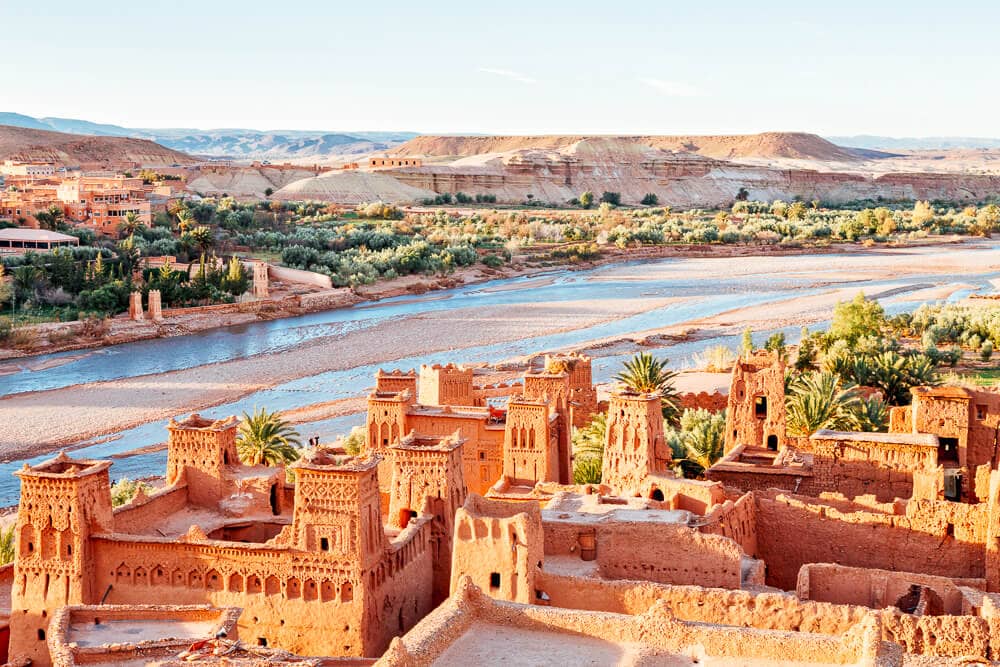
Morocco offers an unparalleled deep-dive into ancient history and living culture. Cities like Fes and Marrakech are UNESCO World Heritage sites where you can literally get lost in centuries-old medinas. The tanneries in Fes, the Djemaa el-Fna square in Marrakech, the Roman ruins of Volubilis, and the traditional Berber villages in the Atlas Mountains provide a constant stream of cultural engagement. Oman's culture, while rich, is more subtle and less outwardly expressive. Its historical forts like Nizwa Fort and Jabrin Castle are beautifully restored but lack the bustling, living history feel of Morocco's ancient cities. The Sultan Qaboos Grand Mosque in Muscat is a breathtaking modern marvel. However, interacting with local culture in Oman often requires more initiative due to the reserved nature. "Morocco felt like walking through a history book, everywhere I looked there was something ancient and alive. Oman was beautiful, but the history felt more... curated." The sheer density and accessibility of historical sites and vibrant traditions make Morocco the clear winner here.
Winner takeaway
- Winner: Morocco
- Why: Morocco's ancient imperial cities, bustling medinas, and deeply ingrained cultural traditions offer a more immersive and intense historical experience.
- Who this matters for: History buffs, culture vultures, and travelers who thrive on sensory exploration and bustling environments.
⛰️ Nature & Landscapes
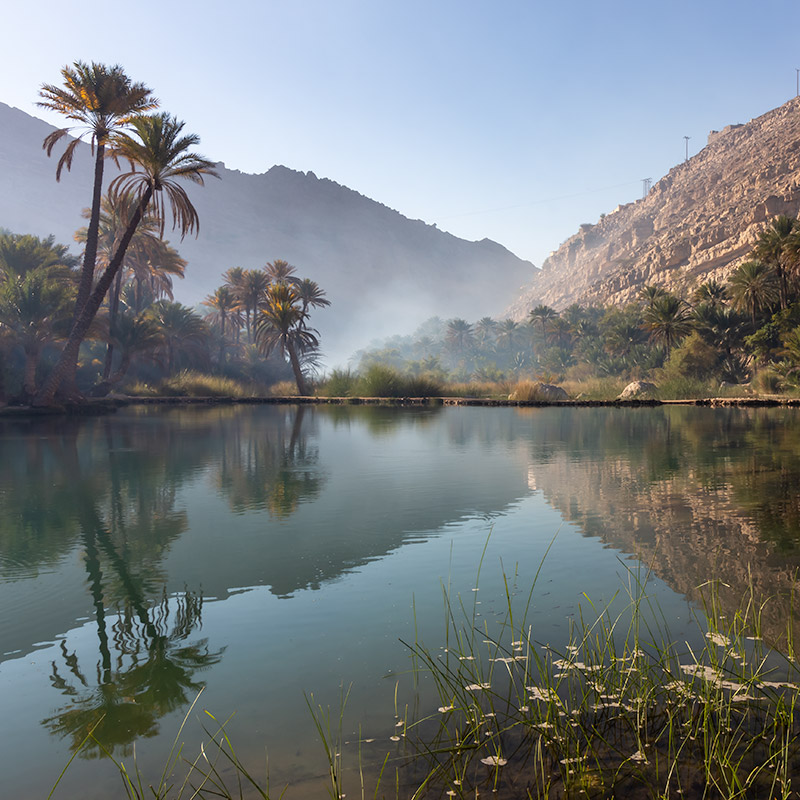
Oman's landscapes are nothing short of spectacular and remarkably diverse. Imagine driving through the dramatic Hajar Mountains, swimming in the turquoise pools of Wadi Shab or Wadi Bani Khalid, dune bashing in the golden Sharqiyah Sands (Wahiba Sands), or exploring the lush 'khareef' season greenery in Salalah. The infrastructure to access these natural wonders is excellent, often with paved roads leading to stunning viewpoints or well-marked hiking trails. Morocco also boasts incredible natural beauty, from the snow-capped Atlas Mountains to the vastness of the Sahara Desert, and the rugged Atlantic coastline around Essaouira. However, independent exploration of these areas can be more challenging due to road conditions, language barriers, and the need for local guides in some parts of the Sahara. "Oman's nature felt pristine and accessible, like a beautiful national park. Morocco's desert was epic, but you needed a tour to really get into it." The sheer variety, accessibility, and untouched quality of Oman's natural wonders give it the edge.
Winner takeaway
- Winner: Oman
- Why: Oman offers a more diverse, pristine, and easily accessible range of natural landscapes, from mountains to deserts and wadis.
- Who this matters for: Outdoor enthusiasts, nature photographers, and travelers who enjoy self-driving adventures through varied scenery.
🍽️ Food & Drink
Moroccan cuisine is a global superstar for a reason. From the iconic tagine and couscous found everywhere to the savory pastillas, flavorful harira soup, and endless varieties of street food like 'brochettes' (kebabs) or 'ma'akouda' (potato fritters), every meal is an adventure. The spices are complex, the portions generous, and the culinary scene in cities like Fes or Marrakech is a foodie's paradise. Don't forget the ubiquitous mint tea! Oman's cuisine is delicious but more understated. It leans towards fragrant rice dishes like Shuwa (slow-cooked lamb), fresh seafood, and aromatic curries influenced by Indian and Persian flavors. While quality is high, especially at local spots or restaurants like Bait Al Luban in Muscat, it lacks the sheer variety and pervasive street food culture of Morocco. "I ate so much incredible food in Morocco I gained weight. Every street vendor had something amazing. Oman was good, but not the same 'wow' factor every meal." The sheer abundance, variety, and flavor explosion make Morocco the clear winner.
Winner takeaway
- Winner: Morocco
- Why: Morocco's vibrant, diverse, and world-renowned cuisine, with its rich spices and ubiquitous street food, offers a superior culinary experience.
- Who this matters for: Foodies, culinary explorers, and travelers who love trying new flavors and eating locally.
🛡️ Safety & Solo Travel
Oman consistently ranks among the safest countries in the world, and you feel it immediately. Crime rates are incredibly low, people are genuinely helpful and welcoming, and you can comfortably explore day or night. It's an ideal destination for solo female travelers, families, or anyone prioritizing peace of mind. You rarely feel hassled or unsafe. Morocco is generally safe, but it requires a higher level of street smarts. Petty crime, like pickpocketing in crowded medinas, is common, and aggressive touting or 'fake guides' can be frustrating, especially for solo women who might experience unwanted attention. While violent crime is rare, the constant need for vigilance can be tiring. "In Oman, I left my bag on a cafe chair and no one touched it. In Marrakech, I felt like I had to guard my wallet constantly. Both great, but different levels of chill." For sheer tranquility and feeling completely at ease, Oman is unmatched.
Winner takeaway
- Winner: Oman
- Why: Oman offers an exceptionally safe and welcoming environment with virtually no hassle, making it ideal for all types of travelers, especially solo women.
- Who this matters for: Solo travelers (especially women), families, and those who prioritize safety and a relaxed, hassle-free experience above all else.
🚗 Getting Around
In Oman, a rental car is almost a necessity for independent exploration, and it's a joy to drive there. Roads are meticulously maintained, signage is clear (in Arabic and English), and traffic is light outside of Muscat's peak hours. A 4x4 isn't always essential but highly recommended for accessing wadis or mountain areas like Jabal Akhdar. Petrol is cheap (around $0.60 USD/liter). Public transport is minimal. Morocco, conversely, boasts a fantastic inter-city train network (ONCF) connecting major cities like Casablanca, Fes, Marrakech, and Tangier, offering comfort and efficiency. Supratours and CTM buses are also excellent for reaching smaller towns. Within cities, 'petit taxis' are cheap, but be ready to negotiate or ensure the meter is on. Navigating the ancient medinas, however, is purely on foot. "Driving in Oman was a dream, just point and go. In Morocco, I loved the trains, but getting around Fes was a whole different challenge for my feet!" While Morocco offers good public transport, Oman's ease of self-drive exploration gives it the edge for freedom and accessibility to remote natural sites.
Winner takeaway
- Winner: Oman
- Why: Oman's excellent road network and ease of self-driving (often with a 4x4) provide unparalleled freedom and access to its diverse landscapes.
- Who this matters for: Independent travelers, those who enjoy road trips, and anyone who wants maximum flexibility to explore off-the-beaten-path locations.
🏖️ Beaches & Water Activities
Oman's coastline is a hidden gem. It boasts miles of undeveloped, pristine beaches like Qantab, Fins Beach, or the wild stretches near Salalah, often completely deserted. The real stars are the wadis (river valleys) like Wadi Shab or Wadi Bani Khalid, where you can swim in crystal-clear emerald pools surrounded by palm trees – a truly unique experience. The diving and snorkeling around the Daymaniyat Islands are world-class, with vibrant coral reefs and abundant marine life. Morocco's coastline is also extensive, particularly along the Atlantic. Essaouira is famous for its windy beaches, popular with kitesurfers and windsurfers, but less for tranquil swimming. Agadir offers resort beaches, but they lack the untouched feel of Oman. "I could spend days just exploring Oman's wadis and finding hidden swimming spots. Morocco's beaches were cool for surfing, but not for just chilling and snorkeling." For natural beauty, clear waters, and unique swimming opportunities, Oman is superior.
Winner takeaway
- Winner: Oman
- Why: Oman offers more pristine, less crowded beaches, stunning wadi swimming experiences, and world-class diving/snorkeling opportunities.
- Who this matters for: Beach lovers, snorkelers/divers, and those seeking serene natural swimming spots away from crowds.
🏨 Accommodation & Experience
Morocco truly excels in unique accommodation experiences, particularly with its riads. These traditional houses, centered around courtyards, offer incredible charm, often with rooftop terraces, intricate tiling, and personalized service. Staying in a riad in Fes or Marrakech, such as Riad Fes or Riad Star, is an integral part of the Moroccan experience and can be surprisingly affordable, with rooms starting from $50-100 USD (500-1000 MAD). Boutique hotels and desert camps are also plentiful. Oman's accommodation options are generally modern, high-quality hotels, luxury resorts like The Chedi Muscat or Alila Jabal Akhdar, and upscale desert camps in the Wahiba Sands. While comfortable and luxurious, they often come with a hefty price tag, typically $150-400 USD+ (58-154 OMR) per night. "The riads in Morocco were just magical, like stepping into a secret garden every evening. Oman's hotels were great, but didn't have that same unique vibe." For character, immersion, and value, Morocco takes the crown.
Winner takeaway
- Winner: Morocco
- Why: Morocco's iconic riads and guesthouses offer a unique, authentic, and often budget-friendly accommodation experience that is deeply integrated into the local culture.
- Who this matters for: Travelers seeking unique, atmospheric accommodations, cultural immersion, and good value for money.
🛍️ Shopping & Souvenirs
Morocco is a shopper's paradise. Its souks, especially in Fes and Marrakech, are sprawling labyrinths filled with everything from intricate leather goods (bags, slippers), vibrant textiles, and handmade ceramics to fragrant spices, argan oil, and stunning Berber carpets. Haggling is not just expected, it's a vital part of the experience, making every purchase an engaging interaction. You can spend hours getting lost and finding treasures. Oman's shopping scene is more subdued, focused on quality traditional items. You'll find beautiful silver 'khanjars' (daggers), frankincense (Dhofar region is famous), traditional Omani hats, and perfumes. The Muttrah Souq in Muscat is the main hub, offering a more relaxed shopping experience with less aggressive touting and often fixed or slightly negotiable prices. "Morocco's souks were overwhelming but so much fun. I literally bought an extra suitcase for all the stuff. Oman was more about specific, high-quality traditional items." For sheer variety, vibrancy, and the interactive experience of shopping, Morocco is the winner.
Winner takeaway
- Winner: Morocco
- Why: Morocco's bustling, diverse souks offer an unparalleled shopping experience with endless unique souvenirs and the excitement of haggling.
- Who this matters for: Shopaholics, souvenir collectors, and those who enjoy the cultural interaction of market bargaining.
☀️ Weather & Best Time to Visit
Both Oman and Morocco share similar climate patterns, generally making spring and autumn the most pleasant times to visit. In Oman, the cooler winter months from October to April (average 20-30°C / 68-86°F) are perfect for exploring the desert, mountains, and wadis, though it can still be hot during the day. Summers (May-September) are extremely hot and humid, especially in Muscat (often above 40°C / 104°F). However, Oman has a unique 'khareef' monsoon season in the southern Salalah region from June to August, transforming it into a lush, misty green landscape – a fantastic contrast. Morocco also shines in spring (March-May) and autumn (September-October), with comfortable temperatures (average 20-28°C / 68-82°F) ideal for city exploration and trekking. Summers can be brutally hot, especially inland (Marrakech, Fes often exceed 40°C / 104°F), while winters are mild but can be chilly in the mountains or at night. "Both countries are best outside of summer, honestly. But Salalah's khareef is a total game-changer if you're stuck in summer travel dates." Neither completely outshines the other, as both have their optimal windows and regional variations.
Winner takeaway
- Winner: Tie
- Why: Both destinations offer distinct optimal travel seasons with similar considerations for avoiding extreme summer heat, and each has unique regional climate variations.
- Who this matters for: Travelers with flexible schedules, those who prefer moderate temperatures, or those interested in specific seasonal phenomena (like Salalah's khareef).
❓ Frequently Asked Questions
Is solo female travel safe in Oman vs Morocco?
Oman is exceptionally safe for solo female travelers, with a very low risk of harassment or crime. Women can generally dress comfortably and expect respect. Morocco is generally safe but requires more vigilance; solo women may experience catcalling or aggressive touting, especially in crowded areas. Modest dress helps, and confidence is key.
Which country is better for adventure activities?
Both offer adventure, but with different flavors. Oman excels in self-guided outdoor adventures like wadi hiking, dune bashing, and mountain trekking, often in serene, untouched landscapes. Morocco offers trekking in the Atlas Mountains, camel trekking in the Sahara, and surfing on the Atlantic coast, often with guided tours and more infrastructure for these activities.
How do the people and hospitality compare?
Omanis are incredibly hospitable, polite, and reserved; interactions are typically calm and genuinely welcoming. Moroccans are also very hospitable and warm, but their approach can be more direct and enthusiastic, sometimes bordering on persistent, especially in tourist areas. Both offer a strong sense of local welcome, just expressed differently.
What are the visa requirements for US/EU citizens?
For Oman, most US/EU citizens require an e-visa obtainable online before arrival. For Morocco, US citizens typically do not need a visa for stays up to 90 days. EU citizens often enjoy similar visa-free entry. Always check the latest official government travel advisories for current regulations before your trip.
Which has better connectivity and internet access?
Oman generally has excellent modern infrastructure, including reliable and fast mobile internet coverage across most populated areas and even in some remote regions. Wi-Fi in hotels is usually very good. Morocco also has good mobile coverage in cities, but it can be spotty in very remote areas of the desert or mountains. Wi-Fi in riads and cafes is decent but can vary.
Can I drink alcohol in Oman and Morocco?
Alcohol consumption is restricted in both countries but available. In Oman, it's generally found in licensed hotels, resorts, and some private clubs. It's illegal to drink in public. In Morocco, alcohol is more readily available in tourist-focused restaurants, hotels, and some supermarkets. While more common, public intoxication is still frowned upon and illegal.
Which is better for a family trip with young children?
Oman is often preferred for families with young children due to its superior safety, excellent modern infrastructure, and more relaxed pace. Self-driving is easy, and natural attractions like wadis offer safe, fun swimming. Morocco's bustling medinas and persistent touts can be overwhelming for small children and parents, requiring more careful planning and supervision.
What's the difference in religious experience?
Both are predominantly Muslim countries. Oman practices Ibadi Islam, which is generally quite conservative but welcoming, with beautiful mosques like the Sultan Qaboos Grand Mosque. Morocco's Islamic culture is more visible in daily life, with the call to prayer echoing through medinas and more public religious festivals, often incorporating Sufi traditions. Both offer rich insights into Islamic heritage.
Ready to plan your Middle East & North Africa trip?
Get a free custom itinerary for Oman, Morocco, or both — built from real traveler insights.
🎟️ Book Tours & Experiences
Hand-picked tours and activities for both destinations — book with free cancellation
Experiences via Viator — free cancellation on most tours