How we built this comparison
This page combines traveler discussion patterns, published price ranges, flight schedules, and seasonal data to help you decide between Oman and Qatar.
- Reviewed 100+ Reddit threads from r/travel, r/solotravel, r/Oman, r/Qatar, etc.
- Verified costs and logistics against current booking platforms like Booking.com and Google Flights.
- Cross-referenced seasonal patterns and weather data from meteorological sources for optimal travel times.
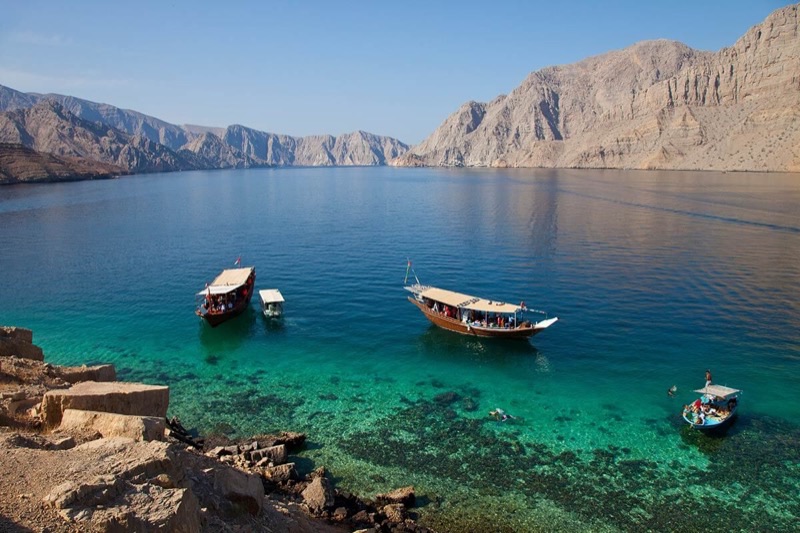
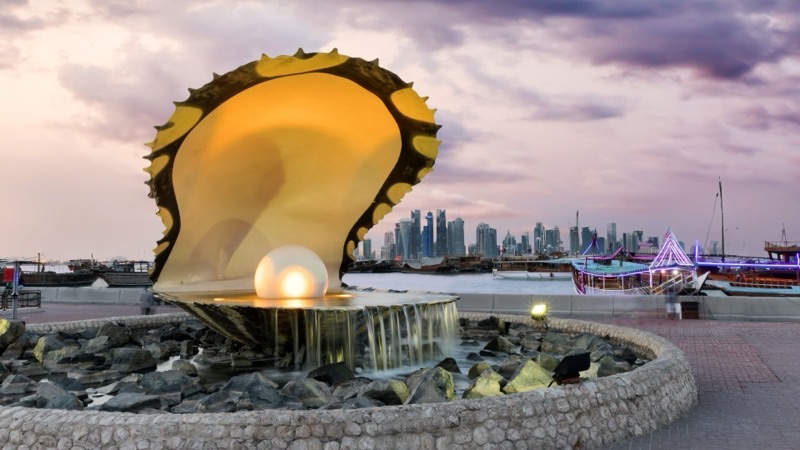
⚡ Quick Answers
⚡ The TL;DR Verdict
For most travelers seeking a broader experience of nature and historical culture on a moderate budget, Oman stands out as the better choice. Qatar suits those prioritizing modern luxury, city exploration, and high-end dining, typically with a larger daily budget. If you have about 7-10 days, Oman offers a more diverse adventure.
- Choose Oman: Travelers who prioritize outdoor activities like hiking, wadi exploration, desert camping, and exploring ancient forts, appreciating traditional Arab culture and a slower pace.
- Choose Qatar: Travelers looking for a sophisticated city break with world-class museums, luxury shopping, fine dining, and modern architecture, often on a short layover or a higher budget.
- Choose Both: If you have 10+ days and want to experience both traditional Gulf culture and futuristic urban development, combining a week in Oman with a 3-4 day stopover in Qatar works well. Flights between Muscat and Doha are short, around 1.5 hours.
Choose Oman
Choose Oman if you're an adventurous traveler seeking a deeper dive into traditional Arab culture and stunning natural landscapes. Explore ancient forts like Nizwa, hike through the dramatic canyons of Wadi Shab, and experience authentic desert camping under the stars, all on a more moderate budget. It's perfect for those desiring a diverse outdoor adventure over 7-10 days.
Choose Qatar
Opt for Qatar if your ideal trip involves sophisticated urban exploration, world-class luxury, and cutting-edge culture. Immerse yourself in the stunning Museum of Islamic Art, indulge in high-end dining at The Pearl, and wander the vibrant Souq Waqif. It's best suited for travelers on a short layover or those prioritizing a lavish city escape with a generous budget.
📊 Visual Scorecard
🌤 When to Visit
Average high temperatures (°C). Green = best months, orange = avoid.
Quick Comparison
| Category | Oman | Qatar | Winner |
|---|---|---|---|
| Costs & Budget | Generally more affordable for food, transport, and basic accommodation; good value for outdoor activities. | Higher costs across the board, especially for hotels, dining, and alcohol; luxury focused. | Oman |
| Nature & Landscapes | Diverse terrain including mountains, wadis, deserts, and coastlines with impressive natural features. | Primarily flat desert landscape with some coastal areas; natural attractions require specific trips. | Oman |
| Culture & History | Preserved traditional Arab culture with ancient forts, souqs, and a slower pace of life; deep historical roots. | Modern Gulf culture with global influences, focusing on museums and curated heritage sites; rapid development. | Oman |
| Beaches | Extensive natural coastline with untouched stretches, good for quiet relaxation and turtle watching. | Primarily city beaches, often artificial, associated with hotels and resorts; some natural options further out. | Oman |
| Food Scene | Focus on traditional Omani cuisine, local cafes, and simple, authentic dining experiences. | Diverse international fine dining, high-end restaurants, and polished street food markets. | Qatar |
| Nightlife & Entertainment | Very limited nightlife, mostly quiet evenings; cultural events are the primary entertainment. | Sophisticated hotel-based bars and lounges, live music, and cultural performances in Doha. | Qatar |
| Getting Around | Car rental is essential for exploration; good road network; some public transport in Muscat. | Excellent public transport (metro) in Doha; taxis and ride-sharing are common; car rental less necessary in the city. | Tie |
| Accommodation | Range from budget guesthouses and desert camps to luxury resorts; more options outside cities. | Primarily high-end hotels and luxury resorts; budget options are scarce. | Oman |
| Safety & Security | Extremely safe with low crime rates; welcoming to solo travelers and families. | Very safe with low crime rates; regulated and secure urban environment. | Tie |
| Day Trips & Excursions | Numerous natural and historical sites within easy reach of major cities; varied landscapes. | Fewer natural sites; focus on cultural and historical forts, and desert experiences. | Oman |
💸 Costs & Budget
Oman generally offers a more budget-friendly experience. Daily costs for a mid-range traveler often range from OMR 25-45 ($65-115 USD) including basic hotels, local meals, and car…
Oman
Qatar
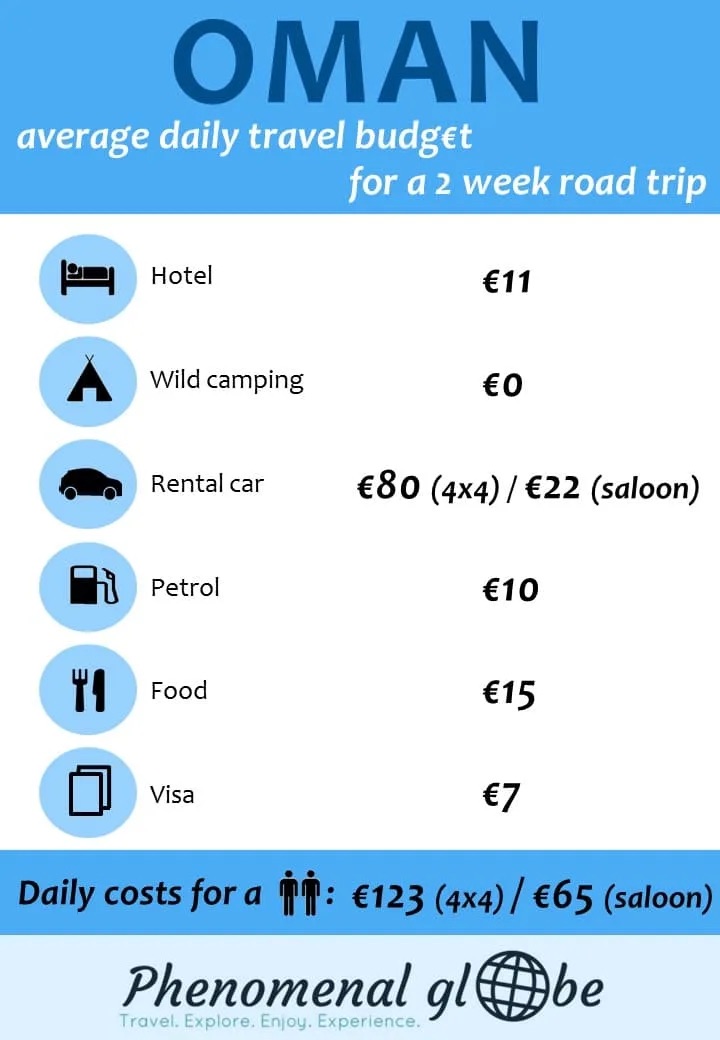
Oman generally offers a more budget-friendly experience. Daily costs for a mid-range traveler often range from OMR 25-45 ($65-115 USD) including basic hotels, local meals, and car rental. A good local meal at a restaurant like Bait Al Luban costs around OMR 7-12 ($18-31 USD). Entry fees for forts (e.g., Nizwa Fort) are typically OMR 5 ($13 USD). Fuel is inexpensive, around OMR 0.250 ($0.65 USD) per liter. Accommodation outside Muscat can be quite economical, with guesthouses starting around OMR 15-20 ($39-52 USD).
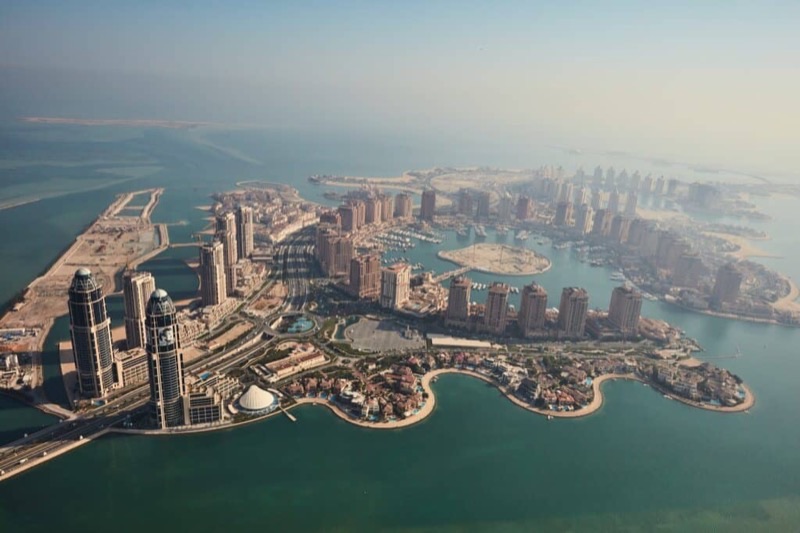
Qatar is noticeably more expensive, catering to a higher-end clientele. A mid-range daily budget often falls between QAR 550-950 ($150-260 USD). A meal at a decent restaurant in Doha like Parisa Souq Waqif can be QAR 150-250 ($41-68 USD). Alcohol is only available in licensed hotels and is very expensive, with a beer costing QAR 45-60 ($12-16 USD). Hotel rooms in Doha frequently start from QAR 400 ($110 USD) even for standard options. The metro is affordable (QAR 2 / $0.55 for a single journey), but taxis and Ubers add up. Oman provides better value for money for most travel styles.
- Winner: Oman
- Why: Oman offers a more accessible price point for accommodation, food, and activities, making a longer trip more feasible for many budgets.
- Who this matters for: Travelers on a moderate budget or those seeking extended stays without high expenditures.
⛰️ Nature & Landscapes
Oman's geography provides extensive natural diversity. The Hajar Mountains offer hiking opportunities and cooler climates, especially around Jebel Akhdar and Jebel Shams, the…
Oman
Qatar
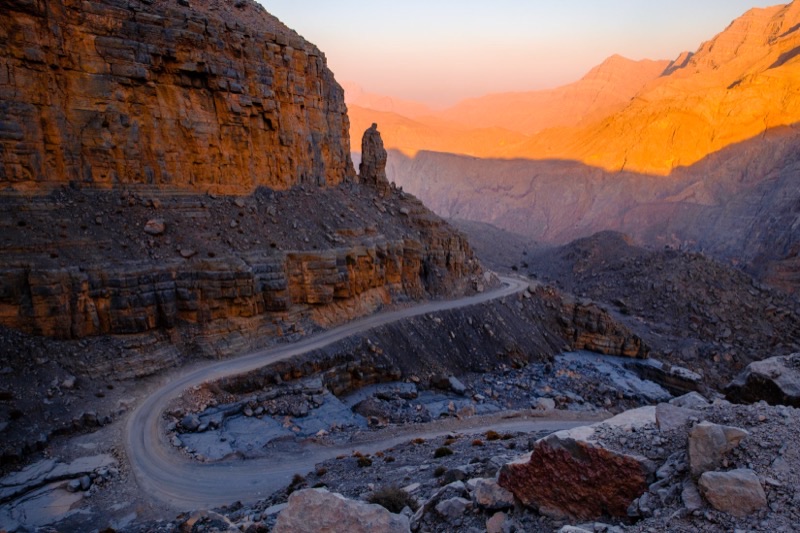
Oman's geography provides extensive natural diversity. The Hajar Mountains offer hiking opportunities and cooler climates, especially around Jebel Akhdar and Jebel Shams, the Arabian Grand Canyon. Wadis like Wadi Shab and Wadi Bani Khalid are popular for swimming and short treks through date palm groves. The Wahiba Sands (Sharqiya Sands) provide dune bashing and overnight desert camping experiences. The coastline around Salalah in the south has a monsoon season (khareef) that transforms the landscape into a green, misty environment. Travelers can spend days exploring different natural settings.
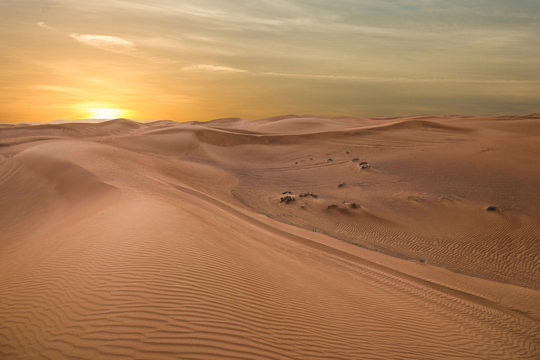
Qatar's natural landscape is predominantly flat desert. While it has some coastal areas, such as the Khor Al Adaid (Inland Sea), which is a UNESCO recognized natural reserve where the sea encroaches into the desert, these are often accessed via organized tours. The 'singing dunes' of Mesaieed are another attraction but less dramatic than Oman's vast deserts. Al Thakhira Mangroves offer kayaking but are a niche experience. For variety and scale in natural features, Oman far surpasses Qatar. Oman delivers a more immersive natural experience.
- Winner: Oman
- Why: Oman's diverse geology, from towering mountains and deep wadis to expansive deserts and varied coastlines, offers far more for nature enthusiasts.
- Who this matters for: Hikers, adventurers, outdoor enthusiasts, and those seeking varied natural scenery.
🕌 Culture & History
Oman maintains a deep connection to its historical roots and traditional Arab culture. The country is home to numerous impressive forts, such as Nizwa Fort, Jabrin Castle, and…

Oman
Qatar
Oman maintains a deep connection to its historical roots and traditional Arab culture. The country is home to numerous impressive forts, such as Nizwa Fort, Jabrin Castle, and Bahla Fort (a UNESCO site), which offer tangible links to its past. Muttrah Souq in Muscat provides an authentic market experience with frankincense, Omani silver, and traditional textiles. Omani hospitality is evident, and interactions with locals are common, especially outside Muscat. The Royal Opera House Muscat showcases both international and local performances, blending old and new cultural expressions. The emphasis is on preserving heritage.
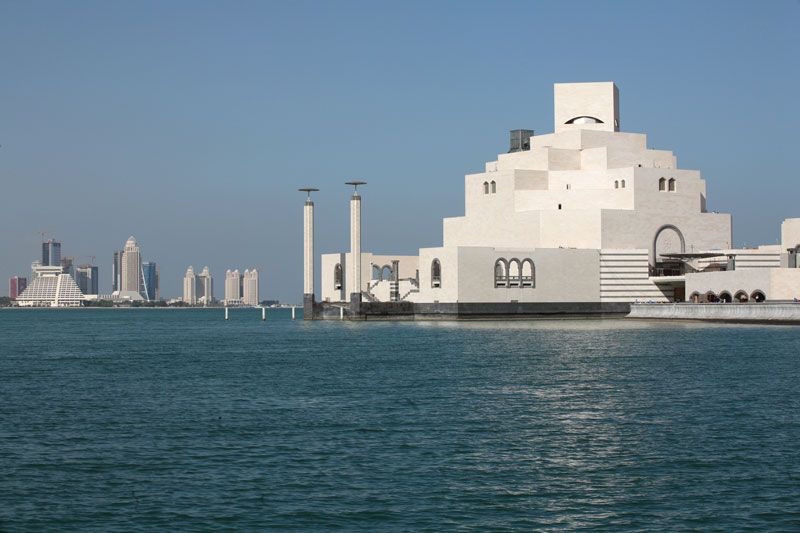
Qatar presents a more contemporary take on Gulf culture, shaped by rapid modernization. The Museum of Islamic Art, designed by I.M. Pei, and the National Museum of Qatar, designed by Jean Nouvel, are significant cultural institutions showcasing artifacts and history. Souq Waqif in Doha offers a glimpse into traditional markets, albeit a more polished and tourist-friendly version, with falconry and horse stables. Katara Cultural Village provides exhibition spaces and amphitheatres. While Qatar has preserved sites like Al Zubarah Fort (a UNESCO site), the country's cultural identity is more intertwined with its futuristic vision. Oman offers a more grounded and widespread historical and cultural immersion.
- Winner: Oman
- Why: Oman provides a more widespread and palpable sense of traditional Arab culture and history, with numerous well-preserved historical sites and authentic local experiences.
- Who this matters for: History buffs, cultural explorers, and those interested in traditional Arab life and architecture.
🏖️ Beaches
Oman boasts a long coastline (over 3,000 km) with a variety of beaches, many of which remain undeveloped and quiet. Near Muscat, Qantab Beach and Bandar Al Khairan offer secluded…
Oman
Qatar
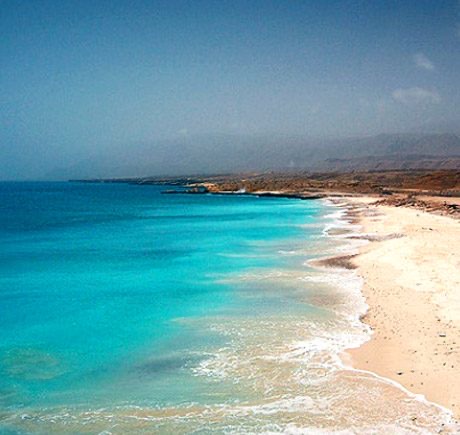
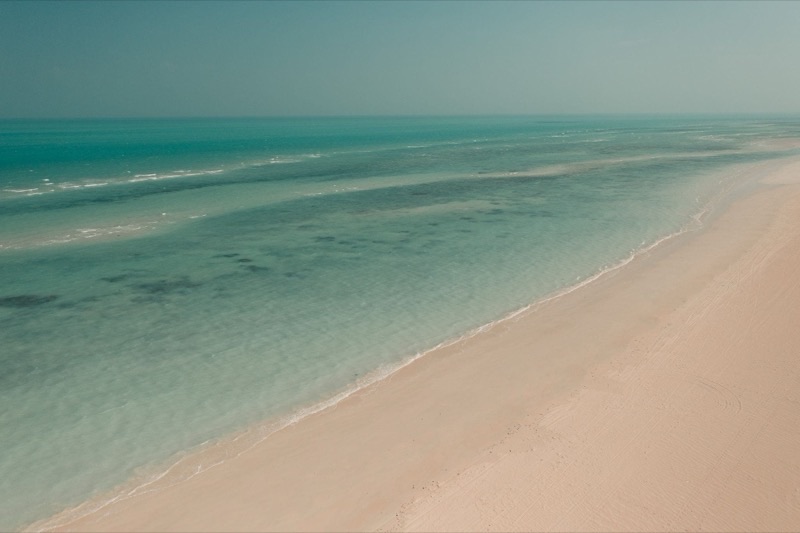
Oman boasts a long coastline (over 3,000 km) with a variety of beaches, many of which remain undeveloped and quiet. Near Muscat, Qantab Beach and Bandar Al Khairan offer secluded coves and clear waters ideal for snorkeling and boating. Further afield, Ras Al Jinz Turtle Reserve is a significant site for observing green sea turtles nesting, particularly from May to September, providing a unique natural beach experience. The beaches in Salalah, like Al Mughsail, are expansive and less crowded, especially during the khareef season when the landscape is green. Beach camping is permitted in many areas, allowing for a rustic coastal experience.
Qatar's beaches are largely concentrated around Doha or are part of luxury resorts. Public beaches in Doha, like Katara Beach, are well-maintained but can be crowded and often require specific attire or offer limited activities. The Pearl-Qatar features artificial beaches within its residential and leisure complexes. For more natural beach experiences, one must travel further from Doha to places like Fuwairit Beach, known for kitesurfing and its quieter atmosphere. However, these are fewer and less accessible than Oman's many natural stretches. For variety and a less commercialized beach experience, Oman is the better choice.
- Winner: Oman
- Why: Oman's vast, largely untouched coastline offers more natural and diverse beach experiences, from quiet coves to significant turtle nesting sites.
- Who this matters for: Beachgoers seeking natural beauty, solitude, water activities like snorkeling, and wildlife observation.
🍲 Food Scene
Oman's food scene emphasizes traditional Omani dishes. Staples include shuwa (slow-cooked lamb or goat), majboos (rice with meat), and harees (wheat and meat porridge). Local…
Oman

Qatar
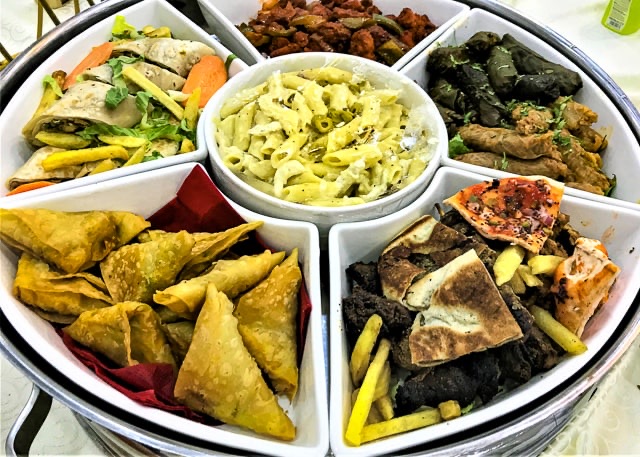
Oman's food scene emphasizes traditional Omani dishes. Staples include shuwa (slow-cooked lamb or goat), majboos (rice with meat), and harees (wheat and meat porridge). Local restaurants like Bait Al Luban in Muscat offer a refined Omani dining experience, while smaller eateries serve more casual fare. Fish is plentiful due to the extensive coastline. For a quick bite, shawarma and falafel stands are common. The focus is on authentic flavors and less on experimental cuisine. While international options exist, they are not as widespread or varied as in Doha. Expect simpler, hearty meals.
Qatar's culinary landscape is significantly more developed, especially in Doha. The city boasts a vast array of international cuisines, from Michelin-starred chefs in luxury hotels (e.g., Jean-Georges Vongerichten at W Doha) to high-quality cafes and global chain restaurants. Souq Waqif offers a concentrated area for a range of Middle Eastern street food, traditional Qatari dishes, and Persian restaurants like Parisa. Msheireb Downtown Doha also features many modern dining concepts. For diverse, high-quality, and luxurious dining options, Qatar is the clear winner. The scale and variety of Doha's food scene are impressive.
- Winner: Qatar
- Why: Qatar offers a far more diverse and high-quality international dining scene, with options ranging from luxury restaurants to polished street food in accessible locations.
- Who this matters for: Foodies, those seeking diverse international cuisine, and travelers who appreciate high-end dining experiences.
🌃 Nightlife & Entertainment
Oman has a very subdued nightlife. Alcohol is typically only served in larger international hotels, and even there, the atmosphere is generally quiet and relaxed. There are no…
Oman has a very subdued nightlife. Alcohol is typically only served in larger international hotels, and even there, the atmosphere is generally quiet and relaxed. There are no nightclubs or late-night entertainment districts. Evenings are often spent enjoying a quiet dinner, strolling through souqs, or attending cultural performances at the Royal Opera House Muscat. For those seeking late-night parties or lively bars, Oman is not the destination. The focus is on early mornings and daytime activities, with evenings for rest and contemplation.
Qatar, specifically Doha, has a much more active nightlife, largely centered around luxury hotels. Establishments like The Irish Harp at Sheraton Grand Doha or Crystal Lounge at W Doha offer live music, DJs, and sophisticated cocktail menus. Alcohol is expensive but available. The Pearl-Qatar and West Bay also have several upscale lounges and bars. Beyond bars, Doha regularly hosts international concerts, sporting events, and cultural festivals, particularly at Katara Cultural Village and the Doha Exhibition and Convention Center. For travelers who value evening entertainment and a social scene, Qatar provides far more options. Qatar delivers a more robust nightlife experience.
- Winner: Qatar
- Why: Qatar, particularly Doha, offers a range of sophisticated hotel-based bars, lounges, and cultural events, providing more entertainment options after dark.
- Who this matters for: Travelers who enjoy evening socializing, live music, and a selection of bars and lounges.
🚗 Getting Around
In Oman, renting a car is strongly recommended, especially if you plan to explore outside Muscat. A 4x4 is advisable for reaching some wadis or desert camps. Roads are generally…
In Oman, renting a car is strongly recommended, especially if you plan to explore outside Muscat. A 4x4 is advisable for reaching some wadis or desert camps. Roads are generally well-maintained, and driving is straightforward. Car rental prices start from OMR 15-20 ($39-52 USD) per day for a basic sedan. While Muscat has a limited public bus system, it does not cover tourist attractions extensively. Taxis are available but can be expensive for longer distances. The freedom of a rental car allows you to access remote natural sites and historical forts at your own pace.
Qatar has invested heavily in its public transport infrastructure, particularly the Doha Metro, which is modern, clean, and efficient, connecting key areas like Hamad International Airport, Souq Waqif, and Katara Cultural Village. A single journey costs QAR 2 ($0.55 USD). Taxis (Karwa) and ride-sharing services like Uber are widely available and reasonably priced within Doha. For staying primarily within Doha, a rental car is not necessary. However, to visit sites outside the city like Al Zubarah Fort or the Inland Sea, a car rental or organized tour is required. Both countries offer efficient ways to navigate their respective primary attractions, depending on the travel style.
- Winner: Tie
- Why: Both destinations offer efficient, albeit different, ways to get around, with Oman favoring self-drive exploration and Qatar excelling in urban public transport.
- Who this matters for: Travelers prioritizing either independent road trips and remote access (Oman) or efficient city navigation (Qatar).
🏨 Accommodation
Oman provides a wider variety of accommodation types suitable for different budgets. In Muscat, you can find mid-range hotels like the City Seasons Hotel from OMR 30 ($78 USD) to…
Oman provides a wider variety of accommodation types suitable for different budgets. In Muscat, you can find mid-range hotels like the City Seasons Hotel from OMR 30 ($78 USD) to luxury resorts like The Chedi Muscat. Outside the capital, options include traditional guesthouses (e.g., in Nizwa, starting OMR 20 / $52 USD), desert camps in Wahiba Sands (from OMR 50 / $130 USD per night including meals), and mountain resorts like Alila Jabal Akhdar. This diversity allows travelers to experience different facets of the country and find lodging that fits their spending plans. Camping is also widely permitted, offering a very low-cost option.
Qatar's accommodation landscape is dominated by luxury and business hotels, especially in Doha. Brands like Mandarin Oriental, St. Regis, and Four Seasons are prominent, with rooms often starting from QAR 400-600 ($110-165 USD) for a standard room. While there are some budget-friendly hotels, they are less common and often less centrally located. The focus is on providing high-comfort, amenity-rich stays. For travelers seeking unique stays outside the city or more affordable options, Qatar's choices are limited. Oman offers better flexibility and value for various budgets.
- Winner: Oman
- Why: Oman offers a more diverse range of accommodation options, including budget-friendly guesthouses, unique desert camps, and mountain resorts, catering to various travel styles and budgets.
- Who this matters for: Budget travelers, those seeking unique local stays, and people who want options beyond luxury hotels.
🛡️ Safety & Security
Oman is recognized as one of the safest countries in the world, with very low crime rates. Travelers, including solo female travelers, generally report feeling very secure, even…
Oman is recognized as one of the safest countries in the world, with very low crime rates. Travelers, including solo female travelers, generally report feeling very secure, even when exploring remote areas. Local communities are welcoming, and incidents of harassment are rare. Road safety is good, though night driving outside cities can be challenging due to unlit roads and stray animals. It is a destination where common sense precautions are sufficient, and trust in the local population is high. The police presence is subtle but effective, ensuring public order.
Qatar also maintains a very high standard of safety and security. Doha is a modern city with effective policing and surveillance, contributing to a secure urban environment. Petty crime is minimal, and serious crime is rare. Tourists can walk around freely at night in most areas without concern. Public spaces are well-managed. Both countries have strict laws, which contribute to their stability. For families and solo travelers, both destinations offer peace of mind. There is little practical difference in terms of traveler safety.
- Winner: Tie
- Why: Both Oman and Qatar maintain exceptionally low crime rates and provide a secure environment for travelers, making them equally safe destinations.
- Who this matters for: All travelers, particularly solo travelers, families, and those who prioritize personal security and peace of mind.
🗺️ Day Trips & Excursions
Oman excels in day trip potential due to its diverse geography and historical depth. From Muscat, travelers can easily visit Nizwa Fort and the nearby Jabrin Castle, or explore…
Oman excels in day trip potential due to its diverse geography and historical depth. From Muscat, travelers can easily visit Nizwa Fort and the nearby Jabrin Castle, or explore the impressive mountain scenery of Jebel Akhdar (approximately a 2-hour drive). Wadi Shab and Wadi Bani Khalid offer refreshing dips in natural pools and short hikes, each about a 2-3 hour drive from the capital. A trip to the Wahiba Sands for dune bashing or an overnight camp is also manageable as a day trip (2-3 hours drive). These excursions cover mountains, deserts, and wadis within close proximity, offering varied experiences. The options are numerous and cater to different interests.
Qatar's day trip options are more limited. A popular excursion is to Al Zubarah Fort, a UNESCO World Heritage site, about a 1.5-hour drive north of Doha, offering a glimpse into Qatar's pearling history. The Inland Sea (Khor Al Adaid) is another option, involving a desert safari and usually a full-day tour from Doha. Other trips include the Barzan Towers or the Al Thakhira Mangroves, but these are less grand in scale compared to Oman's offerings. While interesting, Qatar's day trips generally lack the natural drama and historical density found in Oman. Oman provides a greater range of compelling short excursions.
- Winner: Oman
- Why: Oman offers a greater number and variety of compelling day trips, encompassing stunning natural landscapes, ancient forts, and outdoor activities, all within reasonable driving distances.
- Who this matters for: Travelers who enjoy exploring outside the main cities, appreciate diverse landscapes, and seek active excursions.
🎯 The Decision Framework
Choose Oman If…
- You want to hike in mountains and explore deep wadis.
- You prefer traditional Arab culture and historical forts over modern luxury.
- Your budget is moderate, aiming for $65-115 USD per day.
- You enjoy driving through impressive, varied natural landscapes.
- You seek quiet, undeveloped beaches for relaxation and wildlife viewing.
- You are interested in genuine local interactions and hospitality.
- You want to camp in the desert or by the sea.
- You prioritize a slower travel pace and less commercialized destinations.
Choose Qatar If…
- You are on a layover and want a compact, efficient city experience.
- You seek luxury hotels, high-end dining, and designer shopping.
- Your budget is higher, around $150-260 USD per day.
- You want access to modern public transport like an efficient metro system.
- You appreciate contemporary architecture and world-class museums.
- You enjoy sophisticated, hotel-based nightlife and entertainment.
- You prefer a highly organized, clean, and regulated urban environment.
- You are interested in globalized culture with many international offerings.
📅 Sample Itineraries
Weekend in Oman (3 Days)
💡 Rent a 4x4 for a day trip to the Hajar Mountains or Wahiba Sands. It costs around $50-80, but allows access to areas not reachable by standard cars, saving on guided tour expenses.
Weekend in Qatar (3 Days)
💡 Utilize Doha's modern Metro system to get around the city efficiently. A reusable travel card costs QAR 10 ($2.75), and single journeys are QAR 2 ($0.55), saving significantly on taxi fares.
One Week in Oman (7 Days)
💡 Booking a local SIM card upon arrival, costing around $10-15 for data, is crucial for navigation in less populated areas and to find local eateries, especially when driving independently.
One Week in Qatar (7 Days)
💡 Many museums in Qatar offer free entry on certain days or for specific exhibitions. Check their official websites in advance to save on admission fees, potentially saving $10-15 per museum.
❓ Frequently Asked Questions
Which destination is better for a family trip?
Oman offers more outdoor and nature-focused activities like wadi visits, desert camping, and fort exploration, which can be engaging for children. Qatar's family appeal leans towards theme parks (e.g., Quest Doha), luxury resorts with kids clubs, and modern museums. For budget-conscious families seeking adventure, Oman is likely a better fit; for comfort and curated experiences, Qatar works. Both are very safe.
What is the best time to visit Oman vs Qatar?
The cooler months from October to April are ideal for both, with temperatures around 20-30°C (68-86°F). Summer (May-September) can be extremely hot, exceeding 40°C (104°F). For Oman's Salalah region, the 'khareef' monsoon season (July-August) offers cooler, misty weather and lush greenery, a unique experience.
How long should I spend in each country?
For a good introduction to Oman, plan 7-10 days to cover Muscat, Nizwa, a wadi, and the desert. For Qatar, 2-4 days are usually sufficient to see Doha's main attractions, especially if it's a stopover. If combining both, allocate around 7 days for Oman and 3 for Qatar for a balanced trip.
Is alcohol widely available in either country?
In Oman, alcohol is generally only available at international hotels and a few licensed restaurants, and public consumption is restricted. In Qatar, alcohol is also restricted to licensed hotel bars and restaurants, and it is very expensive, with a beer often costing QAR 45-60 ($12-16 USD). Neither is a party destination for alcohol.
Which country offers better outdoor activities?
Oman significantly surpasses Qatar for outdoor activities. It offers extensive hiking in the Hajar Mountains, swimming and canyoning in numerous wadis (like Wadi Shab), desert safaris and camping in Wahiba Sands, and snorkeling/diving in the Daymaniyat Islands. Qatar's outdoor options are mostly limited to desert safaris to the Inland Sea or kayaking in the mangroves.
How do flight times and costs compare from major hubs?
From Europe (e.g., London), direct flights to Muscat (MCT) or Doha (DOH) are around 6-7 hours. From North America (e.g., NYC), direct flights are roughly 12-13 hours. Qatar Airways often has competitive pricing and excellent service to Doha, while Oman Air is the national carrier for Muscat. Return flights from Europe can start around $500-700 USD, from North America $800-1200+ USD, varying by season.
What is the dress code like for tourists?
Both are conservative Muslim countries. Modest dress is recommended, especially when visiting religious sites. For women, this means covering shoulders and knees. In Oman, traditional dress is more common, and conservative attire is appreciated everywhere. In Qatar's Doha, Western dress is common in modern areas, but modesty is still advisable, particularly in public markets like Souq Waqif. Always carry a headscarf for mosque visits.
Are both countries good for solo female travelers?
Yes, both Oman and Qatar are considered very safe for solo female travelers. Crime rates are low, and locals are generally respectful and helpful. However, dressing modestly is advised to show respect for local customs and to avoid unwanted attention, particularly in more traditional areas of Oman. Public transport in Qatar is modern and secure.
Ready to plan your Middle East trip?
Get a free custom itinerary for Oman, Qatar, or both — built from real traveler insights.
👥 Travelers Also Compared
🎟️ Book Tours & Experiences
Hand-picked tours and activities for both destinations — book with free cancellation
Experiences via Viator — free cancellation on most tours