How we built this comparison
This page combines traveler discussion patterns, published price ranges, flight schedules, and seasonal data to help you decide between Ooty and Munnar.
- Reviewed 50+ Reddit threads from r/travel, r/solotravel, r/IndiaTravel, r/Kerala, r/tamilnadu.
- Verified costs and logistics against current booking platforms like MakeMyTrip, Goibibo, and Google Flights/Hotels.
- Cross-referenced seasonal patterns and weather data from AccuWeather and local tourism boards.
⚡ The TL;DR Verdict
For those seeking a classic, slightly more bustling hill station with a touch of heritage and easier access, Ooty is your pick (daily budget: ~$40-70 USD). If sprawling tea estates, serene landscapes, and a more nature-focused, tranquil escape are priorities, Munnar calls to you (daily budget: ~$35-65 USD).
- Choose Ooty: Choose Ooty if you love charming old-world hill station vibes, historical architecture, a famous toy train ride, and don't mind a bit more crowd. It's great for families and those who prefer a more developed town experience.
- Choose Munnar: Opt for Munnar if you're chasing breathtaking, expansive natural beauty, endless tea gardens, wildlife encounters, and a quieter, more romantic or serene atmosphere. Perfect for honeymooners, nature lovers, and hikers.
- Choose Both: If you have 7-10 days, doing both is absolutely possible and recommended to experience the distinct charms of each. Start with Ooty for 3-4 days, then travel to Munnar for another 3-4 days, perhaps via Coimbatore/Palakkad, to get a full taste of the Western Ghats.
Quick Comparison
| Category | Ooty | Munnar | Winner |
|---|---|---|---|
| Nature & Scenery | Lakes, botanical gardens, pine forests, Doddabetta Peak views, charming but more curated landscapes. | Vast, rolling tea plantations, mist-laden valleys, waterfalls, wildlife parks, raw natural beauty. | Munnar |
| Costs & Budget | Slightly higher accommodation and transport costs due to popularity and older infrastructure. Food is generally affordable. | Generally more budget-friendly, especially for homestays and local food. Day tours can add up but offer good value. | Munnar |
| Getting There | Accessible via Coimbatore Airport (CJB) and the iconic Nilgiri Mountain Railway from Mettupalayam. | Primarily accessed from Kochi Airport (COK), followed by a scenic 4-5 hour drive through winding roads. | Ooty |
| Getting Around | Walkable town center, local buses, auto-rickshaws, and easily hired taxis for further sights. | Reliance on hired taxis or private vehicles for sightseeing due to sprawling nature and distant attractions. | Ooty |
| Accommodation | Wide range from budget hotels to heritage properties, some with a colonial charm. | Specializes in plantation resorts, eco-stays, and charming homestays with stunning views. | Munnar |
| Food & Drink | Mix of South Indian, North Indian, local bakeries, and famous Ooty chocolates. | Focus on authentic Kerala cuisine, tea-themed cafes, and local spices. | Ooty |
| Culture & History | Rich colonial past, British-era architecture, Nilgiri Mountain Railway, Toda tribal culture. | History tied to tea plantations, local Kerala traditions, and spice trade legacy. | Ooty |
| Best Day Trips | Coonoor (tea gardens, Sim's Park), Pykara (lake, waterfalls), Mudumalai Wildlife Sanctuary. | Top Station (panoramic views), Marayoor (sandalwood forests, dolmens), Chinnar Wildlife Sanctuary. | Munnar |
| Weather & Seasons | Pleasant year-round, mild summers (Apr-Jun), chilly winters (Nov-Feb), moderate monsoons (Jul-Oct). | Ideal from Sep-May, especially post-monsoon. Heavy monsoons (Jun-Aug) can bring mist and heavy rains, disrupting plans. | Ooty |
| Overall Vibe & Pace | Bustling, traditional hill station feel, somewhat commercialized, lively, family-friendly. | Serene, tranquil, romantic, nature-focused, slower pace, ideal for relaxation and introspection. | Munnar |
🏞️ Nature & Scenery
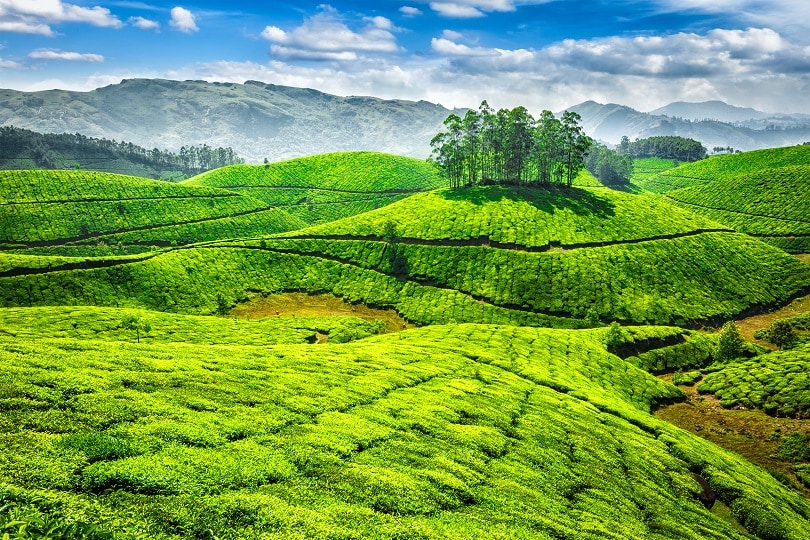
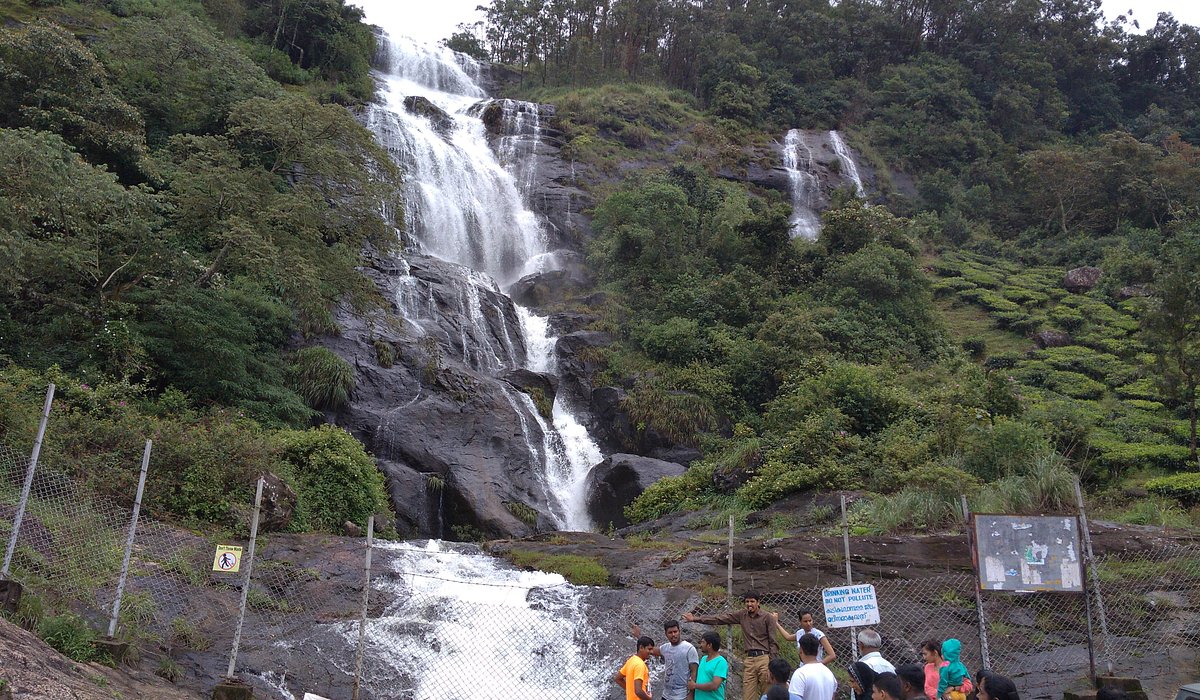
Munnar unequivocally takes the crown for sheer, unadulterated natural splendor. While Ooty offers picturesque spots like Ooty Lake, the Government Botanical Gardens, and the sweeping views from Doddabetta Peak, its beauty often feels more manicured and contained. Munnar, on the other hand, presents an endless canvas of emerald-green tea plantations stretching as far as the eye can see, frequently shrouded in ethereal mist. Sites like Eravikulam National Park, home to the endangered Nilgiri Tahr, and the serene Mattupetty Dam, offer a wilder, more expansive experience. Waterfalls like Attukal and Cheeyappara add to the dramatic landscape, especially post-monsoon. If you're looking to simply be immersed in nature and feel truly 'away from it all,' Munnar's vistas are unparalleled. "Munnar's tea gardens are just something else, photos don't do it justice. We spent hours just driving through them, stopping at random viewpoints. Ooty felt a bit too 'park-like' in comparison." The sheer scale and raw beauty of Munnar's hills, untouched by significant urban development, create a more profound connection with nature.
Winner takeaway
- Winner: Munnar
- Why: Munnar's vast, untouched tea plantations and diverse natural landscapes offer a more immersive and breathtaking experience than Ooty's more cultivated beauty.
- Who this matters for: Nature photographers, hikers, couples seeking romantic, scenic backdrops, and anyone prioritizing raw natural beauty.
💰 Costs & Budget
While both destinations are relatively affordable by international standards, Munnar tends to be slightly easier on the wallet, particularly for accommodation and local experiences. In Ooty, budget hotels can start around INR 1000-1500 (approx. $12-18 USD) per night, with mid-range options like Hotel Rebecca or Sterling Ooty Fern Hill ranging from INR 3000-6000 (approx. $36-72 USD). Due to its status as an older, more established tourist hub, some services and attractions might have slightly inflated prices. Munnar, conversely, offers excellent value, especially with its abundance of homestays and plantation resorts. You can find quality homestays for INR 800-1200 (approx. $10-15 USD) and comfortable mid-range resorts like the Fog Munnar Resort & Spa or Windermere Estate for INR 2500-5000 (approx. $30-60 USD). Food costs are comparable, with a decent South Indian thali costing INR 150-300 (approx. $2-4 USD) in both. Transportation within Munnar, often involving hiring a private taxi for sightseeing loops (INR 2000-3500 for a full day, ~$24-42 USD), can be a fixed cost, but when split, it's very reasonable. "Munnar felt like we got more bang for our buck, especially with the gorgeous homestay we found right in the tea gardens for like $30 a night, Ooty was a bit more crowded and pricey for similar quality."
Winner takeaway
- Winner: Munnar
- Why: Munnar generally offers better value for accommodation and experiences, allowing for a more luxurious stay on a similar budget to Ooty.
- Who this matters for: Budget travelers, backpackers, and anyone looking to maximize their experience without breaking the bank.
✈️ Getting There
Ooty offers a slightly more varied and iconic journey. The nearest major airport is Coimbatore (CJB), which has excellent connectivity from major Indian cities like Chennai, Bengaluru, and Mumbai (flights typically INR 2500-5000, ~$30-60 USD). From Coimbatore, you can take a taxi (approx. 2.5-3 hours, INR 2500-3500, ~$30-42 USD) or a bus to Mettupalayam. The real highlight is the UNESCO-listed Nilgiri Mountain Railway, the 'Toy Train,' from Mettupalayam to Ooty. This narrow-gauge journey, costing INR 205-300 (approx. $2.5-4 USD) for first class, is a must-do experience, making the 'getting there' part of the trip itself an attraction. Munnar's primary gateway is Kochi International Airport (COK), with flights from major cities similar in price to Coimbatore. However, from Kochi, it's a 4-5 hour drive by taxi (INR 3000-4500, ~$36-54 USD) or bus to Munnar. While the drive is incredibly scenic, passing waterfalls and spice plantations, it's a longer and more winding journey than to Ooty. "That Ooty toy train ride? Unforgettable. Best way to arrive at a hill station, period. Munnar's drive was beautiful, but long."
Winner takeaway
- Winner: Ooty
- Why: Ooty wins due to the unique and charming experience of the Nilgiri Mountain Railway, making the journey an attraction in itself.
- Who this matters for: Train enthusiasts, families with children, and travelers who enjoy iconic, scenic journeys.
🚗 Getting Around
Ooty provides more independent and varied options for getting around. The town center itself, with Ooty Lake, Botanical Gardens, and market areas, is quite walkable. For slightly longer distances, local buses are frequent and very cheap (INR 10-30, ~$0.12-0.36 USD), and auto-rickshaws are readily available (bargain needed, e.g., INR 50-150 for short rides, ~$0.60-1.80 USD). Taxis can be hired for half or full days to visit more distant attractions like Doddabetta Peak or Pykara Lake (e.g., INR 1500-2500 for a full day, ~$18-30 USD). Munnar, however, is much more spread out. Its attractions, primarily the tea estates, viewpoints, and national park, are scattered over a wide area, often many kilometers from the main town. While there are local buses, they are less frequent to tourist spots. The most practical and common way to sightsee is by hiring a private taxi for a half-day (INR 1500-2500, ~$18-30 USD) or full-day (INR 2000-3500, ~$24-42 USD) tour, often covering specific routes like the 'local sightseeing' or 'Top Station' routes. This reliance on private transport can be less flexible for solo travelers or those on a very tight budget. "In Ooty, we just walked everywhere in town, or hopped a cheap auto. Munnar, you pretty much need a driver for the day unless you're just staying at your resort."
Winner takeaway
- Winner: Ooty
- Why: Ooty offers greater flexibility and a wider range of affordable public transport options, making independent exploration easier.
- Who this matters for: Solo travelers, budget-conscious visitors, and those who prefer walking or using local transport over private hires.
🏨 Accommodation
Munnar excels in providing unique and atmospheric accommodation experiences that truly blend with its natural surroundings. While Ooty offers a broad spectrum from basic lodges to historic colonial hotels like The Savoy or Fernhills Palace (starting INR 6000-10000, ~$72-120 USD), Munnar's strength lies in its abundance of beautiful plantation resorts and intimate homestays. Imagine waking up to mist rolling over tea gardens right outside your window at places like Windermere Estate (INR 7000-12000, ~$85-145 USD) or Club Mahindra Munnar (INR 8000-15000, ~$96-180 USD). Even mid-range options and homestays are often nestled amidst tea estates or offer incredible valley views, providing a more immersive and tranquil experience. You can find delightful homestays for INR 1500-3000 (approx. $18-36 USD) that offer authentic local hospitality. Ooty's accommodation, while diverse, can sometimes feel more urban or generic, with its older properties occasionally lacking modern amenities. Munnar's newer focus on tourism means many properties are built to maximize the scenic advantage. "Our homestay in Munnar, tucked away in a tea garden, was magical. Felt like we were living inside a postcard. Ooty's hotels felt more... standard, even the nice ones."
Winner takeaway
- Winner: Munnar
- Why: Munnar offers more unique, immersive, and often picturesque accommodation options, particularly plantation resorts and homestays with stunning views.
- Who this matters for: Couples, honeymooners, nature lovers, and travelers seeking unique, scenic, and tranquil stays.
🍽️ Food & Drink
Ooty offers a slightly more diverse culinary scene, benefiting from being an older, more established town with a broader mix of visitors. You'll find a good range of South Indian staples like dosas and idlis at places like Nahar or Hotel Saravana Bhavan, North Indian fare, and even some Chinese restaurants. Ooty is also renowned for its homemade chocolates (e.g., Moddy's Chocolates, King Star), local bakeries (try the Varkey biscuits), and tea shops, offering a delightful mix of snacks and treats. A good meal can cost INR 300-600 (approx. $3.6-7.2 USD) per person. Munnar's food scene, while delicious, is more focused on authentic Kerala cuisine, emphasizing coconut, spices, and seafood (if available locally). You'll find amazing curries, appams, and fish preparations. Many resorts and homestays offer excellent in-house dining. There are also charming tea-themed cafes, but the variety of cuisines is less extensive than Ooty. "Ooty just had more options, especially for snacks and those amazing homemade chocolates. Munnar's Kerala food was great, but after a few days, I missed some variety."
Winner takeaway
- Winner: Ooty
- Why: Ooty provides a greater variety of cuisines, including its famous local chocolates and baked goods, catering to diverse palates.
- Who this matters for: Foodies who enjoy variety, families, and those with specific dietary preferences beyond local cuisine.
🏛️ Culture & History
Ooty boasts a more palpable and visible sense of history and culture. As a prominent hill station developed by the British, it's dotted with colonial-era bungalows, churches like St. Stephen's Church, and the iconic Ooty Club. The Nilgiri Mountain Railway, a UNESCO World Heritage site, is a living piece of history. Beyond the colonial legacy, Ooty is also home to the indigenous Toda tribe, and visitors can learn about their unique traditions and visit their barrel-shaped huts (though interactions should be respectful and pre-arranged). The town has a certain old-world charm that Munnar, being a relatively newer tourist destination, doesn't quite possess. Munnar's history is predominantly linked to the development of its vast tea plantations by the British, with places like the Tata Tea Museum offering insight into this industrial heritage. The local culture is that of Kerala, but it's less overtly displayed or integrated into the tourist experience compared to Ooty's colonial and tribal heritage. "Ooty felt like stepping back in time with all the old buildings and the train, it was really cool to see. Munnar was beautiful, but felt newer, less 'history' in the air."
Winner takeaway
- Winner: Ooty
- Why: Ooty's visible colonial architecture, UNESCO-listed railway, and connection to the indigenous Toda tribe offer a richer and more tangible historical and cultural experience.
- Who this matters for: History buffs, architecture enthusiasts, and those interested in colonial heritage and indigenous cultures.
🗺️ Best Day Trips
Both Ooty and Munnar offer fantastic day trip opportunities, but Munnar edges out Ooty due to the sheer variety and distinctiveness of its nearby attractions. From Munnar, a popular day trip is to Top Station, offering breathtaking panoramic views of the Western Ghats and the valley below, sometimes shrouded in mist (approx. 35km, INR 1000-1500 taxi, ~$12-18 USD). Another unique trip is to Marayoor, known for its natural sandalwood forests and prehistoric dolmens, offering a blend of nature and ancient history. Chinnar Wildlife Sanctuary provides opportunities for wildlife spotting, including elephants and grizzled giant squirrels. Ooty's day trips include the charming town of Coonoor, famous for its tea gardens and Sim's Park (approx. 20km, INR 800-1200 taxi, ~$10-14 USD), and Pykara, with its lake, boat house, and waterfalls. While beautiful, these destinations often feel like extensions of Ooty's own offerings (lakes, gardens, tea). Munnar's day trips feel more distinct in their offerings, moving from high-altitude viewpoints to ancient forests and unique cultural sites. "Munnar's day trips felt like completely different worlds, from the misty Top Station to the dry sandalwood forests of Marayoor. Ooty's trips were nice, but similar vibes to Ooty itself."
Winner takeaway
- Winner: Munnar
- Why: Munnar's day trips offer a more diverse range of experiences, from high-altitude viewpoints and ancient historical sites to distinct wildlife sanctuaries.
- Who this matters for: Adventurous travelers, explorers, and those looking for varied and unique experiences beyond the main town.
☀️ Weather & Seasons
Ooty generally offers a more consistently pleasant and predictable climate throughout the year, making it a safer bet for travel anytime. Summers (April-June) are mild and pleasant, with temperatures ranging from 15-25°C, providing a cool escape from the plains. Winters (November-February) are chilly, often dropping to 5-10°C, requiring warm clothing. The monsoon season (July-October) brings moderate rainfall, usually not severe enough to completely disrupt sightseeing, and the landscapes turn lush green. Munnar's ideal travel season is from September to May, when the weather is cool and clear, perfect for exploring the tea gardens and viewpoints (temperatures 10-25°C). However, Munnar experiences a much heavier and more intense monsoon season from June to August. While some travelers enjoy the misty, rain-soaked landscapes, heavy rainfall can lead to landslides, road closures, and significantly reduced visibility, making sightseeing difficult and potentially unsafe. "We went to Munnar in August and it was beautiful, but so much rain! We couldn't see anything at Top Station. Ooty felt like it had better 'shoulder season' weather if you can't go at peak time."
Winner takeaway
- Winner: Ooty
- Why: Ooty offers more consistent and reliably pleasant weather year-round, with less disruptive monsoon seasons compared to Munnar.
- Who this matters for: Travelers with fixed dates, those sensitive to extreme weather, and anyone prioritizing clear skies for sightseeing.
😌 Overall Vibe & Pace
Munnar offers a distinctly more serene and tranquil vibe, making it the winner for those seeking a true escape. Its sprawling tea estates and relatively less developed town create an atmosphere of calm and romance, perfect for honeymooners, nature enthusiasts, or anyone wanting to unwind. The pace is slower, encouraging long walks through tea gardens, quiet contemplation, and savoring the natural beauty. Ooty, while charming, has a more bustling and commercialized atmosphere. As an older, more established hill station, its town center can be crowded, especially during peak season. It has a lively, traditional hill station feel, which is great for families and those who enjoy a bit more activity and amenities, but it lacks the profound sense of peace found in Munnar. "Munnar just *feels* different. You can literally hear the silence in the tea gardens, it's so peaceful. Ooty was nice, but it felt like a regular town on a hill, you know?" If your goal is relaxation, stunning natural backdrops, and a slower pace, Munnar delivers a more profound and immersive experience.
Winner takeaway
- Winner: Munnar
- Why: Munnar's expansive tea plantations and less commercialized environment provide a more serene, tranquil, and romantic atmosphere.
- Who this matters for: Couples, honeymooners, solo travelers seeking peace, and anyone prioritizing relaxation and natural immersion.
❓ Frequently Asked Questions
Which is better for a honeymoon, Ooty or Munnar?
Munnar is generally preferred for honeymoons due to its romantic, misty tea plantations, serene atmosphere, and unique plantation resorts. Ooty is beautiful but can be more bustling and less intimate, making Munnar the ideal choice for a romantic escape.
Which destination is more family-friendly?
Ooty tends to be more family-friendly. It has a wider variety of attractions like the Toy Train, Ooty Lake for boating, Botanical Gardens, and relatively easier accessibility within the town, offering more diverse activities to keep children engaged.
Is it possible to visit both Ooty and Munnar in one trip?
Yes, it's definitely possible and recommended if you have 7-10 days. You'd typically fly into Coimbatore (for Ooty) or Kochi (for Munnar), spend 3-4 days in the first, then travel to the other, usually involving a scenic but long drive (6-8 hours, potentially via Palakkad or Pollachi).
What's the best time of year to visit Ooty vs Munnar?
For Ooty, almost anytime is good, with April-June being pleasant summers and Nov-Feb chilly winters. For Munnar, September to May is ideal. Avoid Munnar during the peak monsoon (June-August) unless you specifically want to experience heavy rain and mist, as sightseeing can be hampered.
Which has better options for adventure activities?
Munnar generally offers more options for soft adventure. You can enjoy trekking through tea gardens, mountain biking, and exploring waterfalls. Ooty has some hiking around Doddabetta, but it's less focused on extensive outdoor adventure compared to Munnar.
Which destination is easier to reach from major Indian cities?
Ooty is arguably slightly easier due to its proximity to Coimbatore Airport (CJB) and the direct, albeit slow, Nilgiri Mountain Railway. Munnar requires a longer road journey from Kochi Airport (COK), which can be tiring for some.
Do I need a private car for sightseeing in Ooty or Munnar?
While Ooty town is walkable with local transport, a private car or taxi is highly recommended for sightseeing around Munnar due to its sprawling attractions. For Ooty, you can get by with autos and local buses for most attractions, hiring a taxi only for day trips.
Which place is better for shopping for local goods?
Ooty offers a slightly better shopping experience with its famous homemade chocolates, local tea and coffee, spices, Toda handicrafts, and woolen items. Munnar's shopping is more limited to tea, spices, and essential oils from its plantations.
Ready to plan your South India trip?
Get a free custom itinerary for Ooty, Munnar, or both — built from real traveler insights.
🎟️ Book Tours & Experiences
Hand-picked tours and activities for both destinations — book with free cancellation
Experiences via Viator — free cancellation on most tours