How we built this comparison
This page combines traveler discussion patterns, published price ranges, flight schedules, and seasonal data to help you decide between Osaka and Bangkok.
- Reviewed 50+ Reddit threads from r/travel, r/solotravel, r/japantravel, r/thailandtourism, r/osaka, r/bangkok for authentic traveler experiences and advice.
- Verified costs and logistics against current booking platforms (e.g., Booking.com, Google Flights, Skyscanner) and local government tourism sites (e.g., JR Pass, BTS Skytrain fares).
- Cross-referenced seasonal patterns and weather data from meteorological sources to provide accurate climate expectations.
⚡ The TL;DR Verdict
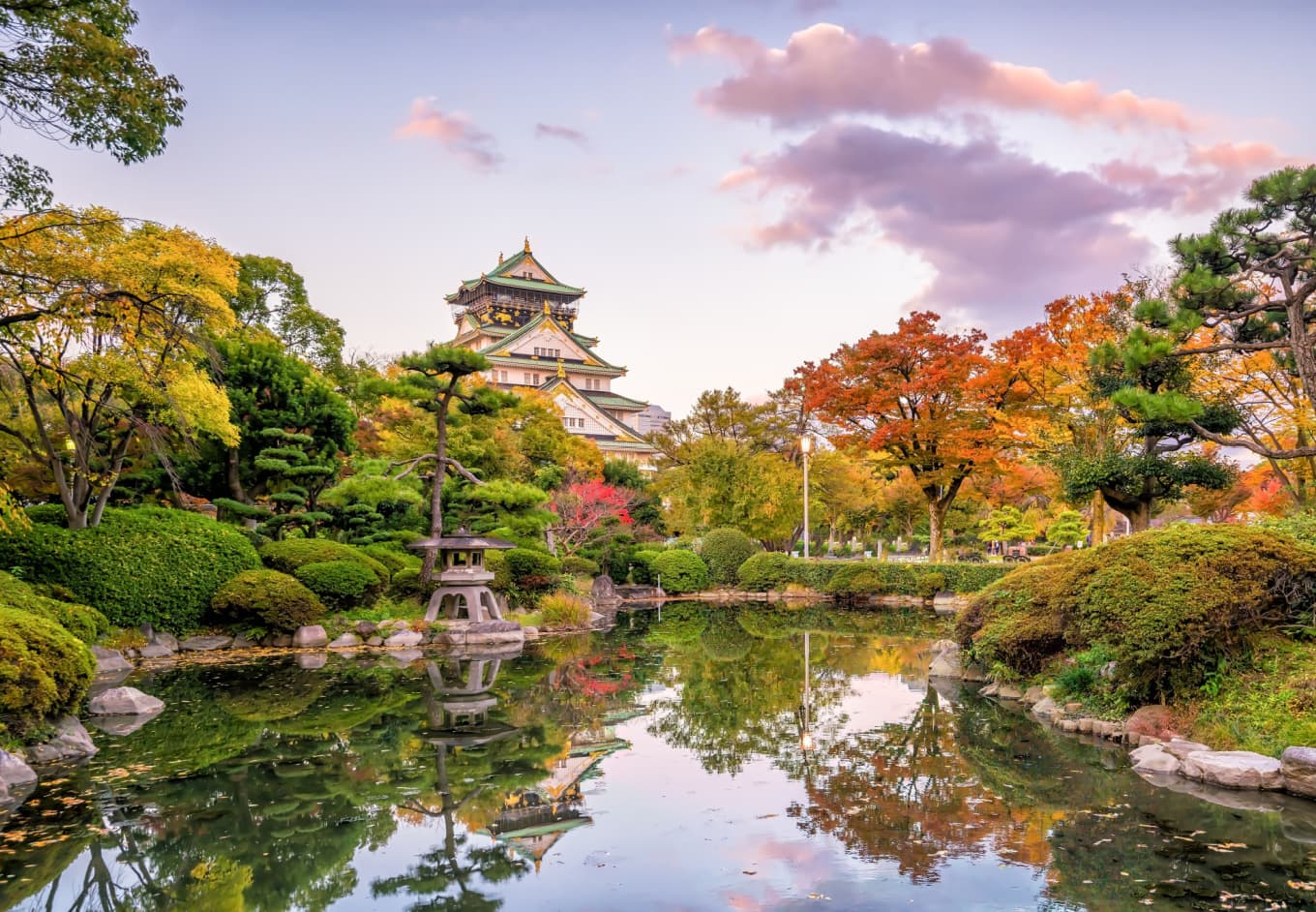
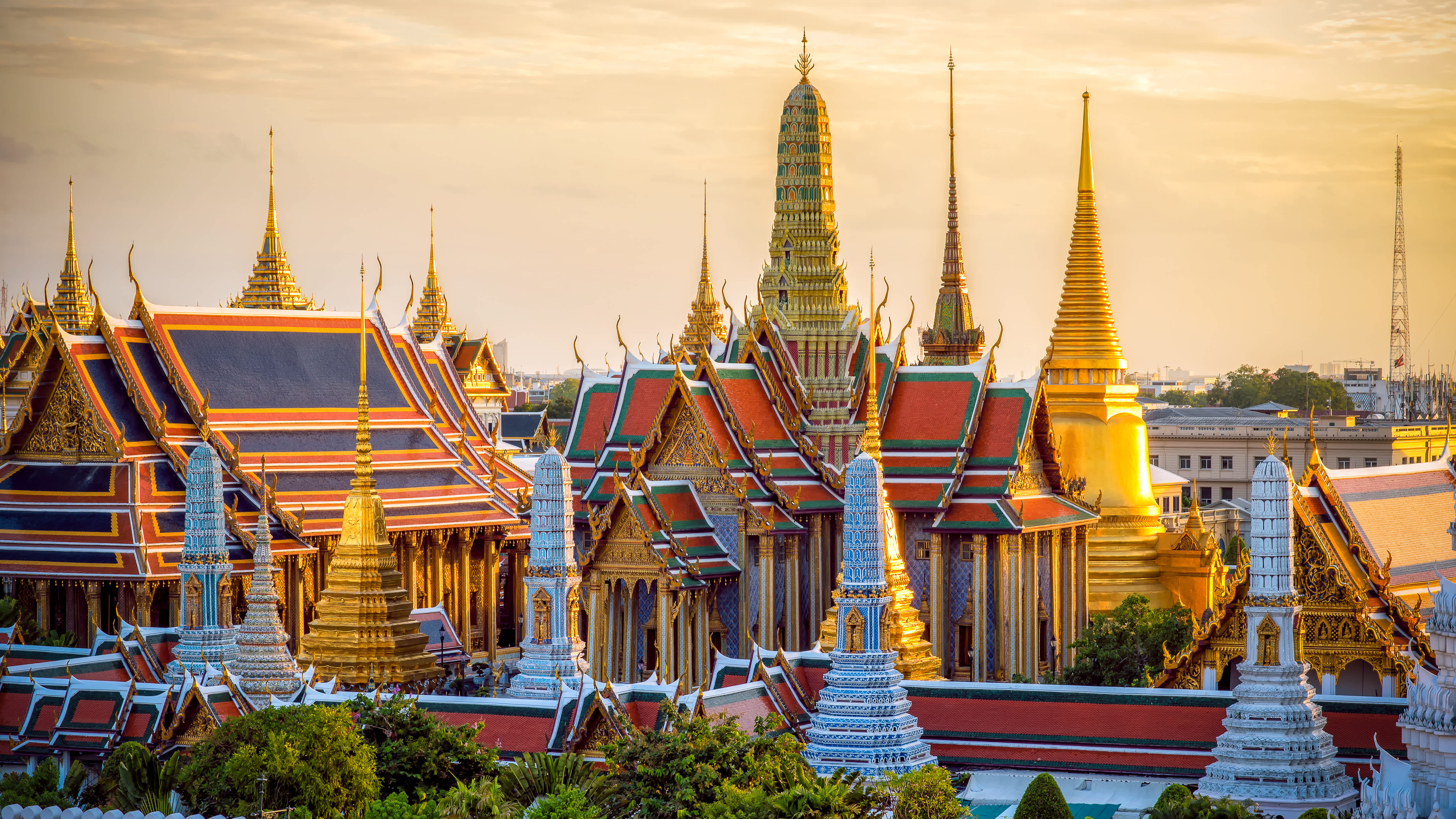
For those craving impeccable organization, culinary precision, and a deeply cultural yet modern experience with a higher budget, Osaka is your haven. If you're seeking an intoxicating blend of ancient traditions, chaotic energy, incredible value, and a bustling nightlife, Bangkok will captivate your senses. Pick Osaka for a refined adventure (daily budget ~$150-250+ USD), or Bangkok for an exhilarating, budget-friendly dive into Southeast Asia (daily budget ~$50-100+ USD).
- Choose Osaka: Choose Osaka if you prioritize pristine safety, efficient transport, world-class food (especially street food and fine dining), unique Japanese culture, and don't mind a higher price tag. It's ideal for those who appreciate order and immersive cultural experiences without the intense sensory overload.
- Choose Bangkok: Opt for Bangkok if you're on a tighter budget, love vibrant street life, want access to incredible, diverse food at every corner, crave lively nightlife, and are comfortable with a more 'rough around the edges' urban environment. It's perfect for adventurous spirits seeking maximum value and sensory stimulation.
- Choose Both: If you have 3-4 weeks and a decent budget, absolutely do both! Start in Bangkok for a week of sensory overload and incredible value, then fly to Osaka (via a hub like Tokyo or Seoul) for a contrasting experience of Japanese efficiency, politeness, and culinary excellence. It's a fantastic way to experience both ends of the Asian spectrum.
Quick Comparison
| Category | Osaka | Bangkok | Winner |
|---|---|---|---|
| Costs & Budget | Significantly higher daily expenses, especially for accommodation and dining. Expect premium pricing for quality. | Extremely budget-friendly. You can live like royalty on a modest budget compared to Western cities. | Bangkok |
| Food & Drink | A foodie paradise, especially for ramen, takoyaki, okonomiyaki. Exceptional quality and diverse options. | World-renowned street food, spicy curries, fragrant soups, and an endless array of culinary adventures. | Tie |
| Nightlife & Entertainment | Lively districts like Namba and Umeda with izakayas, karaoke, and host clubs. More controlled and subtle. | Infamous for its vibrant, diverse, and often wild nightlife, from rooftop bars to bustling night markets and clubs. | Bangkok |
| Culture & History | Rich in modern Japanese culture, but also with historical sites like Osaka Castle and Shitennoji Temple. | A vibrant blend of ancient Buddhist traditions, royal history, and bustling modern life. | Bangkok |
| Getting There (Flights) | Well-connected via Kansai International Airport (KIX), often requiring a layover from North America/Europe. | Served by Suvarnabhumi Airport (BKK) and Don Mueang (DMK), with numerous direct flights from many global hubs. | Tie |
| Getting Around | Highly efficient and extensive subway system. Punctual, clean, and easy to navigate. | Diverse options: BTS Skytrain, MRT subway, taxis, tuk-tuks, Grab, river boats. Traffic can be an issue. | Osaka |
| Accommodation | Wide range from capsule hotels to luxury, but generally pricier. High standards of cleanliness. | Incredible value across all tiers, from budget hostels to opulent 5-star hotels. | Bangkok |
| Day Trips & Surroundings | Gateway to iconic destinations like Kyoto, Nara, and Hiroshima, all easily accessible by train. | Offers historical sites like Ayutthaya, floating markets, and easy access to coastal getaways. | Osaka |
| Safety & Vibe | Extremely safe, even for solo travelers at night. Calm, respectful, and organized atmosphere. | Generally safe, but requires more street smarts due to scams and petty crime. Energetic and sometimes chaotic. | Osaka |
| Shopping | Known for electronics, fashion (especially streetwear), department stores, and unique souvenirs. | A shopper's paradise with vast markets, modern malls, tailor shops, and unique Thai crafts. | Bangkok |
💰 Costs & Budget
When it comes to your wallet, Bangkok is the undisputed champion. A basic but comfortable guesthouse in Bangkok can be found for ฿500-800 (~$15-25 USD) per night, while a similar standard in Osaka will set you back ¥6,000-10,000 (~$40-65 USD) or more. Food is where the difference truly shines: a delicious street food meal in Bangkok might cost ฿40-80 (~$1.20-2.50 USD), whereas a bowl of ramen in Osaka is typically ¥800-1,200 (~$5.50-8 USD). Transportation, too, is cheaper in Bangkok with local buses starting at ฿8 (~$0.25 USD) and BTS/MRT rides around ฿16-59 (~$0.50-1.80 USD), compared to Osaka's subway tickets at ¥180-370 (~$1.20-2.50 USD). For a comfortable traveler, a daily budget of $50-70 USD in Bangkok goes a long way, while in Osaka, you're looking at $150-200+ USD just for basics. "I spent a week in Bangkok eating like a king, getting massages, and taking taxis everywhere for what I'd spend on 2 nights in Tokyo. Osaka is similar, but cheaper than Tokyo, still way more than BKK." This cost difference impacts every aspect of your trip.
Winner takeaway
- Winner: Bangkok
- Why: Bangkok offers significantly better value for money across accommodation, food, transport, and activities, making your travel budget stretch much further.
- Who this matters for: Budget-conscious travelers, backpackers, and those who want to experience luxury without breaking the bank.
🍜 Food & Drink
This is truly a battle of giants, and honestly, it's a tie because both offer unparalleled culinary experiences just in different ways. Osaka is often called 'Japan's Kitchen' for good reason, famous for its Dotonbori street food with takoyaki (octopus balls) at ¥500-700 (~$3.50-5 USD) and okonomiyaki (savory pancakes) around ¥1,000-1,500 (~$7-10 USD). Michelin-starred ramen joints like Ramen Yashichi or unique katsu sando shops are everywhere. The quality and presentation are consistently high. Bangkok, on the other hand, is a vibrant symphony of flavors and aromas. From the legendary Jay Fai's crab omelet (฿1,200+, ~$35 USD) to simple boat noodles at Victory Monument (฿15-20, ~$0.50-0.60 USD) or exquisite curries at a local eatery, the sheer variety and accessibility of incredible food are astounding. You can find everything from delicious mango sticky rice to spicy Pad Thai on almost any street corner. "Osaka's food is precise and delicious, but Bangkok's street food scene has an energy and variety that's just unmatched, you can eat something new every hour." Both cities are a dream for food lovers, it simply depends on your preference for Japanese refinement versus Thai vibrant chaos.
Winner takeaway
- Winner: Tie
- Why: Both cities offer world-class, diverse, and deeply cultural food experiences that cater to different palates and preferences, making it impossible to pick a single winner.
- Who this matters for: Every traveler, but especially dedicated foodies and culinary adventurers.
🌃 Nightlife & Entertainment
Bangkok takes the crown for nightlife with its sheer variety and intensity. You can start your evening with sophisticated cocktails at a sky-high bar like Vertigo at Banyan Tree or Octave Rooftop Lounge & Bar (drinks typically ฿350-500, ~$10-15 USD), then move to the bustling street parties of Khao San Road, or explore the more upscale clubs in Sukhumvit like ONYX or Beam. There are night markets like Ratchada Rot Fai Market offering food, drinks, and live music, and of course, the infamous Go-Go bars in areas like Patpong or Nana Plaza. It's an intoxicating mix for every preference. Osaka's nightlife, centered around Namba and Umeda, offers a fantastic experience, but it's generally more subdued. Think cozy izakayas where a beer costs ¥500-800 (~$3.50-5.50 USD), excellent jazz clubs, karaoke boxes (hourly rates ¥1000-2000, ~$7-14 USD), and themed bars. While vibrant, it lacks the raw, diverse, and sometimes wild energy of Bangkok. "Bangkok's nightlife is just on another level. You can literally find anything you want, from chill rooftop drinks to all-night parties. Osaka is fun, but it's more about good food and a few drinks, not the crazy scene." If you're looking for an unforgettable night out with endless options, Bangkok is your city.
Winner takeaway
- Winner: Bangkok
- Why: Bangkok offers a more diverse, vibrant, and often wild nightlife scene with options ranging from rooftop bars to street parties, catering to every taste.
- Who this matters for: Party-goers, social travelers, and those looking for lively evening entertainment.
🏯 Culture & History
Both cities offer deep cultural experiences, but Bangkok's ancient history feels more immediate and pervasive. The city is home to breathtaking temples like Wat Arun, Wat Pho (home of the Reclining Buddha, entry ฿200, ~$6 USD), and the opulent Grand Palace (entry ฿500, ~$15 USD). The Chao Phraya River serves as a historical artery, with longtail boat tours offering glimpses into traditional riverside life for around ฿1,000-2,000 (~$30-60 USD) for a private tour. The contrast between ancient sites and modern skyscrapers creates a unique cultural tapestry. Osaka, while historically significant with sites like Osaka Castle (entry ¥600, ~$4 USD) and Shitennoji Temple, often feels more modern and focused on contemporary Japanese life. Its cultural richness is often experienced through its food, shopping, and entertainment districts, though traditional arts like Bunraku puppetry are alive. "Bangkok's temples are just... wow. You feel the history and devotion everywhere. Osaka Castle is cool, but it's more rebuilt, and the ancient vibe isn't as strong as in BKK." While Osaka provides a great window into Japanese culture, Bangkok immerses you in a more visibly ancient and spiritual world.
Winner takeaway
- Winner: Bangkok
- Why: Bangkok's ancient temples, royal palaces, and vibrant Buddhist traditions offer a more visibly intense and historically rich cultural immersion.
- Who this matters for: History buffs, spiritual seekers, and travelers looking for a vivid clash of ancient and modern worlds.
✈️ Getting There (Flights)
For long-haul travelers from North America or Europe, both Osaka and Bangkok are typically reached via one-stop flights, though direct options exist for Bangkok from some major cities. Flight times from the US West Coast average 12-15 hours to either destination (e.g., LAX to KIX or BKK), while from Europe, it's generally 10-12 hours. Pricing can fluctuate wildly, but generally, round-trip economy fares range from $800-1400 USD to either, depending on the season and booking time. Bangkok might sometimes be slightly cheaper due to its status as a major regional hub for budget airlines like AirAsia, making onward travel around Southeast Asia very economical. For example, a flight from Bangkok to Chiang Mai can be as low as ฿800-1500 (~$25-45 USD). Osaka's Kansai International Airport (KIX) is also a major hub, especially for flights within Asia and to other Japanese cities. "Flights to both felt equally long, honestly. The real difference is what you want to do next – Bangkok is a better jumping-off point for SE Asia, Osaka for Japan." Neither has a distinct advantage in terms of initial flight access for most international travelers; it often comes down to specific airline deals and preferred layover cities.
Winner takeaway
- Winner: Tie
- Why: Both cities are well-connected international hubs with similar flight durations and pricing from major global origins, making neither a clear winner for initial arrival.
- Who this matters for: All travelers, as initial flight access is a primary consideration for any trip.
🚇 Getting Around
Osaka's public transport system is a marvel of efficiency and punctuality. The city is crisscrossed by an extensive subway and JR train network, making it incredibly easy to reach any major attraction. A 1-day subway pass is around ¥800 (~$5.50 USD), and individual rides are ¥180-370 (~$1.20-2.50 USD). Everything is clearly signed in English, clean, and incredibly safe. You barely need to consider taxis. Bangkok offers a diverse range of transport, from the modern BTS Skytrain and MRT subway (fares ฿16-59, ~$0.50-1.80 USD) to traditional tuk-tuks (negotiate fares, usually ฿100-200 for short rides, ~$3-6 USD), metered taxis, ride-hailing apps like Grab, and charming river boats along the Chao Phraya River. While this variety is fun, Bangkok's notorious traffic can make getting around a slow, frustrating affair, especially for taxis and tuk-tuks during peak hours. "Osaka's subway is like clockwork. You just tap your card and go. In Bangkok, the BTS/MRT is great, but then you step out and it's chaos, especially in traffic." For sheer reliability, comfort, and stress-free navigation, Osaka's transport system is superior.
Winner takeaway
- Winner: Osaka
- Why: Osaka's public transport system (subway and JR) is unparalleled in its efficiency, cleanliness, punctuality, and ease of use, making getting around the city a breeze.
- Who this matters for: Travelers who prioritize convenience, efficiency, and stress-free navigation.
🏨 Accommodation
Bangkok offers an astounding variety and value in accommodation. You can find a clean, comfortable hostel bed for as little as ฿200-400 (~$6-12 USD) per night, or a stylish boutique hotel room for ฿1,000-2,000 (~$30-60 USD). Luxury 5-star hotels like The Peninsula or Mandarin Oriental often have rooms for ฿6,000-10,000 (~$180-300 USD), which would cost double or triple in Osaka. Areas like Sukhumvit, Silom, and Riverside offer diverse options. Osaka also has excellent accommodation, but at a higher price point. Capsule hotels (¥3,000-5,000, ~$20-35 USD) are a unique budget option, business hotels (¥8,000-15,000, ~$55-100 USD) are common, and luxury options are plentiful but expensive. "You can stay in a fancy hotel in Bangkok for the price of a decent business hotel in Osaka. The value is just insane." While Osaka's hotels are impeccably clean and efficient, Bangkok simply offers more for your money, allowing for upgrades or longer stays.
Winner takeaway
- Winner: Bangkok
- Why: Bangkok provides significantly better value for accommodation across all price points, allowing travelers to enjoy higher quality stays for less money.
- Who this matters for: All travelers, especially budget-conscious individuals and those seeking luxury experiences at an affordable price.
🏞️ Day Trips & Surroundings
Osaka serves as an unbeatable base for exploring some of Japan's most iconic and culturally significant destinations. A quick 30-minute train ride (¥580, ~$4 USD) takes you to Kyoto, with its stunning temples, geisha districts, and bamboo forests. Nara, famous for its friendly deer and ancient temples, is also just a 45-minute train journey (¥810, ~$5.50 USD). Even Hiroshima, with its poignant Peace Memorial Park, is a manageable 1.5-hour bullet train ride away (approx. ¥9,700, ~$65 USD). The efficiency of Japan's rail network makes these excursions seamless. Bangkok also offers excellent day trips, including the UNESCO World Heritage site of Ayutthaya, reachable by train (฿20, ~$0.60 USD) or minivan (฿60, ~$1.80 USD), and the famous Damnoen Saduak or Maeklong Railway Floating Markets. Coastal getaways like Pattaya or Hua Hin are also within a few hours' drive. "Being able to zip to Kyoto, Nara, or even Kobe for dinner from Osaka makes it incredible for day trips. Every day can be a different historical site." While Bangkok's trips are fascinating, Osaka's proximity and seamless access to multiple, world-renowned historical and cultural sites give it the edge.
Winner takeaway
- Winner: Osaka
- Why: Osaka offers unparalleled access to a concentration of world-class historical and cultural day trip destinations like Kyoto, Nara, and Hiroshima, all easily reachable by Japan's efficient rail system.
- Who this matters for: Culture vultures, history enthusiasts, and those who enjoy exploring beyond the main city.
✅ Safety & Vibe
Japan is renowned for its exceptional safety, and Osaka is no exception. Walking alone at night, even in busy areas, is perfectly safe, and petty crime is virtually non-existent. The city has a calm, orderly, and incredibly respectful vibe. People are generally polite and helpful, and you'll rarely encounter aggressive behavior. Lost items are often returned. This makes for a very stress-free and comfortable travel experience. Bangkok, while generally safe for tourists, requires a higher degree of awareness. Common scams (e.g., tuk-tuk scams, gem scams) are prevalent, especially around tourist areas. Petty theft, like pickpocketing, can occur in crowded markets or on public transport. The vibe is energetic, vibrant, and sometimes chaotic, which is part of its charm but can be overwhelming for some. "In Osaka, I felt comfortable leaving my phone on a table to save my spot. In Bangkok, I'm always holding my bag tight. It's just a different level of peace of mind." For absolute peace of mind and a consistently safe, respectful environment, Osaka is the clear winner.
Winner takeaway
- Winner: Osaka
- Why: Osaka offers an extremely high level of safety and a consistently calm, respectful, and orderly environment, providing unparalleled peace of mind for travelers.
- Who this matters for: Solo travelers (especially women), families, first-time international travelers, and those who prioritize security and comfort.
🛍️ Shopping
Bangkok truly excels as a shopping destination due to its incredible diversity and value. From the sprawling Chatuchak Weekend Market, where you can find everything from clothing and antiques to home decor (prices incredibly cheap, e.g., a t-shirt for ฿100-200, ~$3-6 USD), to massive, air-conditioned malls like MBK Center, Siam Paragon, or CentralWorld offering international brands and luxury goods, there's something for everyone. Tailor shops offering custom suits for a fraction of Western prices are also abundant. Osaka offers fantastic shopping too, particularly in areas like Shinsaibashi-suji for fashion, Namba for electronics (BIC Camera, Yodobashi Camera), and Umeda for high-end department stores like Hankyu Umeda Main Store. You'll find unique Japanese goods, manga, anime merchandise, and kawaii items. However, prices are generally higher, and the sheer volume and variety of bargain-hunting opportunities in Bangkok are hard to beat. "I spent an entire day just wandering Chatuchak in Bangkok and barely saw half of it. The deals are insane, and the variety of unique stuff you find is endless. Osaka's shopping is great for specific Japanese brands, but for sheer volume and bargains, BKK wins." If you love to shop and hunt for unique items or great deals, Bangkok will keep you busy for days.
Winner takeaway
- Winner: Bangkok
- Why: Bangkok offers a more diverse and extensive shopping experience, from massive markets with incredible bargains to modern luxury malls, catering to all tastes and budgets.
- Who this matters for: Shopaholics, souvenir hunters, and those looking for unique local goods or great deals.
❓ Frequently Asked Questions
Which city is better for a first-time solo female traveler?
Osaka is generally recommended for first-time solo female travelers due to its incredibly low crime rate, efficient and safe public transportation, and respectful local culture. You can feel comfortable exploring at any time of day or night. While Bangkok is generally safe, it requires more street smarts to navigate potential scams or crowded areas, which can be more challenging for a first-timer.
Can I use English in Osaka and Bangkok?
In Bangkok, English is widely spoken in tourist areas, hotels, and by many service staff, though knowing a few Thai phrases is always appreciated. In Osaka, English proficiency is improving, especially in major tourist hubs and train stations, but it's less prevalent than in Bangkok. Google Translate and point-and-speak phrasebooks are highly recommended for deeper immersion in Japan.
Which city has better weather for travel?
Both cities have distinct seasons. Osaka experiences four seasons, with pleasant springs (cherry blossoms in March-April) and autumns (colorful foliage in Oct-Nov), but hot, humid summers (July-Aug) and cold winters (Dec-Feb). Bangkok is tropical, with consistently hot weather year-round. The 'cool' season (Nov-Feb) is the most popular, offering less humidity and temperatures around 25-30°C (77-86°F), while the hot season (March-May) can be very intense and the rainy season (June-Oct) brings heavy downpours.
Is street food safe to eat in both cities?
Yes, street food is generally very safe and highly recommended in both cities! In Osaka, look for stalls with a steady stream of locals, which indicates freshness. In Bangkok, the same rule applies, and observing hygiene practices (e.g., gloves, fresh ingredients) is key. Don't be afraid to try popular spots – they're popular for a reason!
Which city offers a more 'authentic' cultural experience?
This depends on your definition. Osaka offers an authentic modern Japanese experience, blended with historical pockets and a strong food culture. Bangkok delivers a more raw, visceral, and ancient cultural immersion through its vibrant temples, bustling markets, and traditional way of life along the Chao Phraya River. Both are authentic but in different cultural contexts.
What's the internet and connectivity like?
Both cities have excellent internet connectivity. Osaka (and Japan in general) offers fast, reliable Wi-Fi, often free in hotels and cafes, and pocket Wi-Fi rentals are popular. Bangkok also has widespread free Wi-Fi and affordable local SIM cards with generous data plans (e.g., ฿299 for 8 days unlimited data, ~$9 USD), making it easy to stay connected.
Are there any specific cultural etiquette tips for each city?
In Osaka, always be polite, bow slightly as a greeting, avoid loud conversations on public transport, and remove your shoes when entering homes or certain traditional establishments. In Bangkok, never point your feet at people or religious images, avoid touching someone's head, dress modestly when visiting temples, and try to keep your temper in public. Learning 'thank you' (arigato in Japanese, khob khun krap/ka in Thai) goes a long way.
Which city is better for families with young children?
Osaka offers a very family-friendly environment with extremely safe surroundings, clean facilities, efficient transport, and attractions like Universal Studios Japan. While Bangkok also has family attractions, the heat, crowds, and chaotic traffic can be more challenging for young children, though many resorts offer excellent kids' clubs and pools.
Ready to plan your unforgettable trip?
Get a free custom itinerary for Osaka, Bangkok, or both — built from real traveler insights, tailored just for you.
🎟️ Book Tours & Experiences
Hand-picked tours and activities for both destinations — book with free cancellation
Experiences via Viator — free cancellation on most tours