How we built this comparison
This page combines traveler discussion patterns, published price ranges, flight schedules, and seasonal data to help you decide between Osaka and Seoul.
- Reviewed 50+ Reddit threads from r/travel, r/solotravel, r/JapanTravel, r/Korea, r/Seoul, r/Osaka for authentic traveler perspectives.
- Verified costs and logistics against current booking platforms (e.g., Google Flights, Booking.com, local transport sites, official attraction pages).
- Cross-referenced seasonal patterns and weather data with local event calendars for optimal timing recommendations.
⚡ The TL;DR Verdict
For the ultimate foodie and those seeking a blend of tradition and modern charm with easy access to cultural gems, pick Osaka (budget $100-180 USD/day). If you crave a cutting-edge metropolis, K-culture, and bustling nightlife with excellent value, Seoul is your city (budget $80-150 USD/day). Both offer incredible experiences, but their vibes are distinctly different.
- Choose Osaka: You're a serious food lover, want a more relaxed pace than Tokyo, appreciate friendly locals, and plan on extensive day trips to Kyoto and Nara.
- Choose Seoul: You're into modern culture (K-pop, K-beauty), vibrant street life, efficient public transport, fantastic shopping, and want excellent value for money in a dynamic city.
- Choose Both: If you have 10-14 days or more, absolutely do both! Fly into Osaka (KIX), spend 4-5 days, take the Shinkansen to Tokyo, then fly from Narita (NRT) or Haneda (HND) to Seoul (ICN/GMP) for another 4-5 days. It's a classic East Asia combo.
Quick Comparison
| Category | Osaka | Seoul | Winner |
|---|---|---|---|
| Food & Drink | Japan's kitchen – street food paradise, Michelin stars, and unique local specialties like takoyaki and okonomiyaki. Exceptional quality at all price points. | Global food trendsetter – incredible street food, BBQ, hearty stews, and a café culture that's second to none. Diverse and delicious. | Osaka |
| Nightlife | Lively and approachable, with vibrant districts like Namba and Umeda. Karaoke, izakayas, and a mix of casual bars and clubs. | High-energy, trend-setting, and diverse. From K-pop clubs in Gangnam to indie bars in Hongdae and sophisticated lounges in Itaewon. | Seoul |
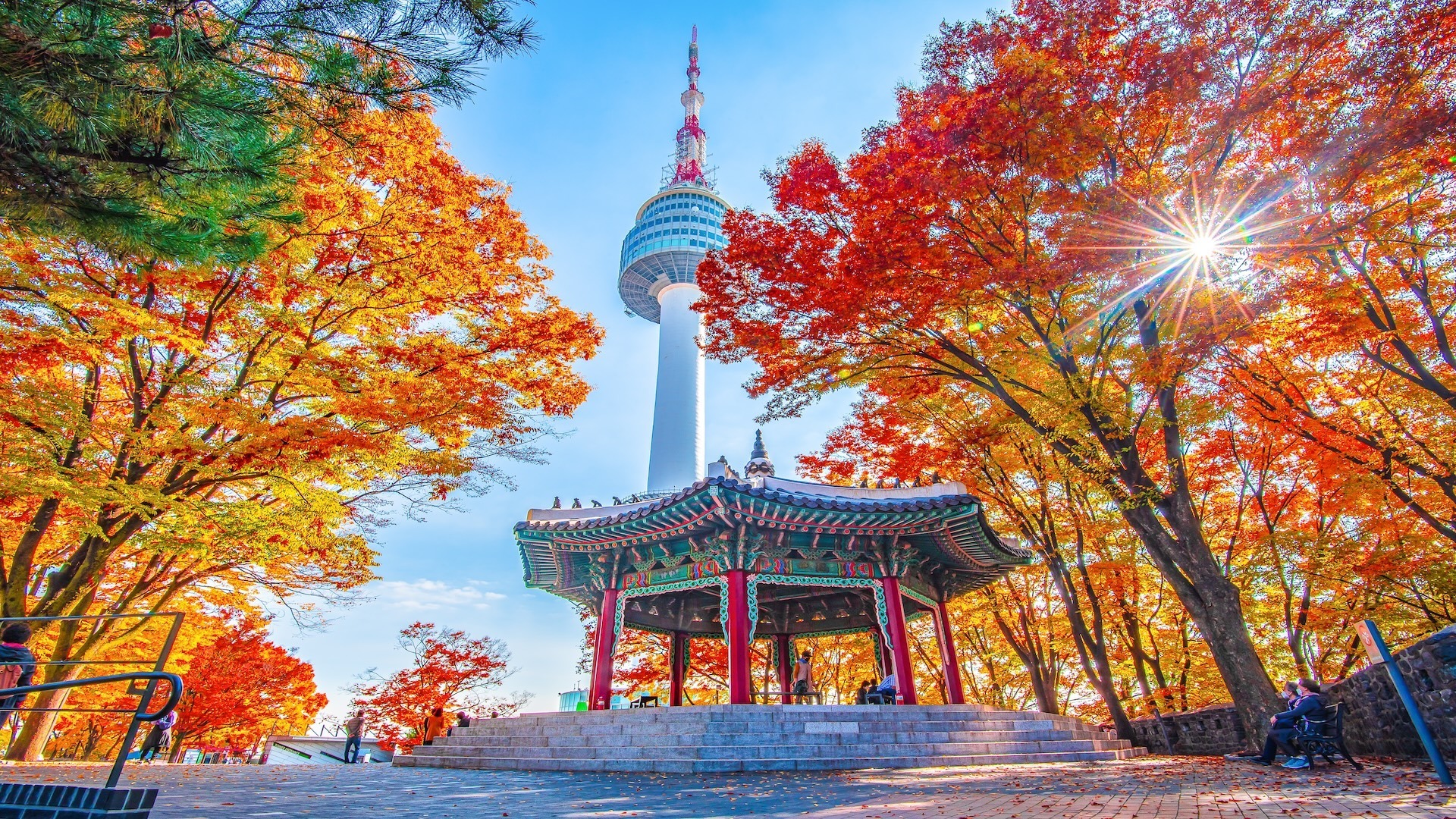
| Culture & History | Rich history, iconic castles (Osaka Castle), traditional temples, and a strong local identity. Excellent base for Kyoto/Nara's ancient sites. | A blend of ancient palaces (Gyeongbokgung), Joseon-era villages, vibrant modern art, and the global influence of K-culture. | Tie |
| Costs & Budget | Generally more affordable than Tokyo, but still Japan. Expect good value for food but higher prices for accommodation and transport. | Excellent value for money across the board – food, transport, and accommodation are typically cheaper than major Japanese cities. | Seoul |
| Getting There & Flights | Served by Kansai International Airport (KIX) with good international connections. Flight times similar to Seoul from most major hubs. | Served by Incheon International Airport (ICN) and Gimpo International Airport (GMP), both excellent, highly-rated hubs with extensive routes. | Seoul |
| Getting Around | Excellent and extensive subway and JR train network. Easy to navigate with IC cards like ICOCA or Suica. | World-class subway system, incredibly efficient, clean, and well-signposted in English. Taxis are also plentiful and affordable. | Seoul |
| Accommodation | Good range of options from capsule hotels to luxury, but generally pricier than Seoul. Boutique hotels and ryokans are available. | Diverse range from budget guesthouses to trendy boutique hotels and luxury stays, often offering better value and more unique options. | Seoul |
| Day Trips | Unbeatable access to Kyoto, Nara, and Hiroshima. Some of Japan's most iconic cultural and historical sites are a short train ride away. | Good options like Nami Island, Suwon Fortress, and the DMZ, offering a mix of nature, history, and unique experiences. | Osaka |
| Shopping | Fashion, electronics, souvenirs, and unique local goods. Shinsaibashi-Suji, Umeda, and Namba offer diverse options. | A global shopping mecca. From K-beauty and fashion to high-tech gadgets and traditional markets, Seoul has it all and often at great prices. | Seoul |
| Safety & Local Vibes | Extremely safe, welcoming locals, and a generally relaxed, friendly atmosphere. Known for its Kansai charm. | Very safe, especially in major tourist areas. Locals are generally helpful, though language can sometimes be a barrier. Fast-paced city energy. | Osaka |
🍜 Food & Drink
Osaka is undeniably Japan's culinary capital, often called 'the nation's kitchen,' and it lives up to the hype. From the bustling Dotonbori with its iconic Glico Man sign and endless street food stalls offering takoyaki (octopus balls) for about ¥600 (~$4 USD) and okonomiyaki (savory pancake) for ¥800-¥1200 (~$5.50-8 USD), to the more traditional Kuromon Ichiba Market where you can indulge in fresh seafood and local produce, your taste buds will be in heaven. The variety is insane, from humble ramen shops like Ichiran (expect ¥900-¥1200 for a bowl, ~$6-8 USD) to sophisticated kappo-style dining. Even convenience store food in Osaka is a cut above! Seoul, on the other hand, offers a fantastic and diverse food scene, famous for its Korean BBQ (expect to pay KRW 20,000-40,000 per person, ~$15-30 USD), comforting stews, and vibrant street food in areas like Myeongdong and Gwangjang Market (tteokbokki for KRW 3,000-5,000, ~$2.25-3.75 USD). Seoul's cafe culture is also unparalleled, with stunningly designed spaces and innovative drinks. While Seoul is excellent, Osaka's food feels more deeply ingrained in its identity, with a passionate local pride for its unique dishes. "Seriously, the food in Osaka changed my life. Dotonbori at night is an assault on the senses in the best way possible. Don't skip the kushikatsu!" It's a foodie's pilgrimage.
Winner takeaway
- Winner: Osaka
- Why: Osaka offers a unique, deeply ingrained food culture with exceptional street food, local specialties, and high-quality dining at every price point.
- Who this matters for: Serious foodies, budget travelers looking for amazing eats, and those who appreciate culinary authenticity.
🌃 Nightlife
Seoul's nightlife is an absolute powerhouse, constantly evolving and setting global trends. Areas like Hongdae cater to a younger, university crowd with indie clubs, live music venues, and budget-friendly bars where a beer might cost KRW 5,000-8,000 (~$3.75-6 USD). Itaewon offers a more international vibe with upscale lounges and diverse pubs, while Gangnam is synonymous with flashy, high-energy K-pop clubs (entry often KRW 15,000-30,000, ~$11-22 USD) and bottle service. The city truly comes alive after dark, with food stalls still buzzing until the early hours. Osaka's nightlife is also fantastic, particularly in districts like Namba and Umeda. You'll find countless izakayas (Japanese pubs) perfect for a relaxed evening of small plates and sake (a sake carafe might be ¥500-¥1000, ~$3.50-7 USD), lively karaoke bars, and some excellent whiskey bars. Shinsaibashi also has a good selection of clubs and bars. Osaka is fun and friendly, but Seoul just has that extra layer of dynamism and variety, pushing boundaries with its sheer scale and modernity. "Seoul's nightlife is insane, way more vibrant than I expected. You can party until dawn and still find places open for a late-night snack. Hongdae is my favorite." For sheer variety, energy, and trendsetting appeal, Seoul takes the crown.
Winner takeaway
- Winner: Seoul
- Why: Seoul offers an unparalleled, diverse, and high-energy nightlife scene, from K-pop clubs to indie bars, catering to all tastes until the early hours.
- Who this matters for: Party-goers, K-pop fans, those looking for cutting-edge bars and clubs, and night owls.
⛩️ Culture & History
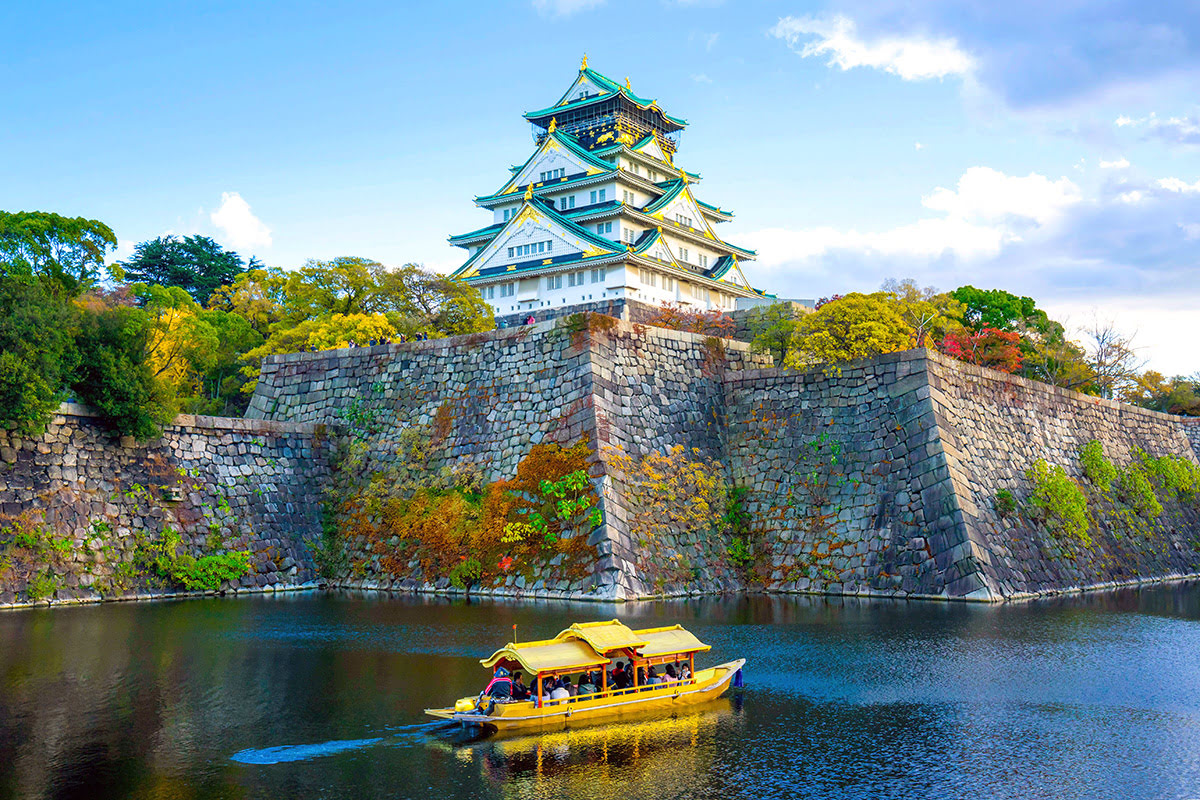
Both cities offer a compelling blend of old and new, making this a tough category. Osaka boasts the impressive Osaka Castle (entry ¥600, ~$4 USD) and numerous historical temples like Shitennoji Temple, one of Japan's oldest. Its culture is characterized by a down-to-earth, merchant spirit, distinct from Tokyo's formality. However, Osaka's major strength lies in its proximity to Kyoto and Nara, both easily accessible via a 30-60 minute train ride (around ¥420-¥820, ~$3-5.50 USD). These nearby cities are overflowing with UNESCO World Heritage sites, ancient temples (Kinkaku-ji, Fushimi Inari), and traditional gardens, making Osaka an ideal cultural hub. Seoul, on the other hand, has a wealth of history within its city limits, including the magnificent Gyeongbokgung Palace (entry KRW 3,000, ~$2.25 USD) and other royal palaces like Changdeokgung. Bukchon Hanok Village offers a glimpse into traditional Korean architecture, while areas like Insadong provide a cultural street experience with tea houses and traditional crafts. Seoul also showcases its modern cultural impact through vibrant art districts and the global phenomenon of K-pop. "Osaka itself has cool history, but being so close to Kyoto and Nara just makes it a cultural goldmine for traditional Japan." While Osaka provides an excellent gateway to Japan's ancient past, Seoul offers a more concentrated historical experience directly within its dynamic urban fabric, alongside its modern cultural exports. It's a tie because they offer different, equally valid, cultural strengths.
Winner takeaway
- Winner: Tie
- Why: Both cities offer unique and rich cultural experiences, with Osaka being a gateway to ancient Japan and Seoul showcasing its history within a modern context.
- Who this matters for: History buffs, culture enthusiasts, and those interested in traditional arts and architecture.
💰 Costs & Budget
When it comes to stretching your travel budget, Seoul generally offers better value than Osaka. A mid-range hotel in Osaka might cost ¥10,000-¥20,000 (~$68-135 USD) per night, whereas a comparable hotel in Seoul could be KRW 80,000-150,000 (~$60-110 USD). Food in both cities offers great value, especially street food, but sit-down meals can be slightly pricier in Osaka. For example, a casual meal in Osaka might be ¥1,500-¥2,500 (~$10-17 USD), while in Seoul, a similar meal could be KRW 12,000-20,000 (~$9-15 USD). Transportation is efficient in both, but daily passes in Seoul, like the T-Money card, can feel more economical for extensive travel (a single subway ride is KRW 1,250, ~$0.95 USD). In Osaka, a subway ride starts around ¥180 (~$1.20 USD). Overall, a comfortable daily budget in Osaka might hover around $100-180 USD, while in Seoul, you can enjoy a similar level of comfort for $80-150 USD. "My yen just didn't go as far in Osaka as my won did in Seoul, especially for drinks and accommodation. Still worth it, but definitely noticed the difference." While neither is 'cheap' by Southeast Asian standards, Seoul allows you to do more for less.
Winner takeaway
- Winner: Seoul
- Why: Seoul consistently offers better value for money across accommodation, food, and transportation compared to Osaka, allowing a more extensive experience on a similar budget.
- Who this matters for: Budget travelers, long-term travelers, and those looking to maximize their spending power without sacrificing quality.
✈️ Getting There & Flights
Both Osaka and Seoul are well-connected international hubs, but Seoul edges out slightly due to the sheer volume and quality of its airports. Incheon International Airport (ICN) is consistently ranked among the world's best, offering an incredibly smooth arrival/departure experience, vast duty-free shopping, and excellent public transport links to the city center (AREX express train takes 43 minutes and costs KRW 9,500, ~$7 USD). Gimpo International Airport (GMP) handles mostly domestic and regional flights, making transfers easy. Osaka is served by Kansai International Airport (KIX), also a fantastic airport, built on an artificial island. It has good connections to Osaka city via JR Haruka train (approx. ¥2,330, ~$15.50 USD) or Nankai Rapid Express (¥1,130, ~$7.50 USD). Flight times from major North American cities are comparable: for example, a direct flight from Los Angeles (LAX) to ICN or KIX is typically 11-12 hours, while from New York (JFK) it's around 14-15 hours. Round-trip flights from the US can range from $800 to $1500+, depending on the season and booking time. "Incheon is just so efficient, it's a dream for international travel. KIX is good, but ICN just has that extra polish." The slight edge goes to Seoul for its slightly better connectivity and the consistently high praise for ICN's passenger experience.
Winner takeaway
- Winner: Seoul
- Why: Seoul's Incheon International Airport (ICN) consistently ranks among the world's best for efficiency and passenger experience, with excellent connections.
- Who this matters for: International travelers, those with tight connections, and anyone valuing a seamless airport experience.
🚇 Getting Around
Seoul's public transportation system is arguably one of the best in the world. The subway network is incredibly extensive, covering virtually every corner of the city, and it's remarkably easy to use. Stations are well-signposted in English, announcements are multilingual, and the T-Money card (a reusable top-up card) makes seamless transfers possible across subway and bus lines. A single subway ride starts around KRW 1,250 (~$0.95 USD). Buses are also excellent, and taxis are plentiful and relatively affordable compared to Western cities (a 10-minute ride might be KRW 8,000-10,000, ~$6-7.50 USD). Osaka also boasts an excellent public transport system, primarily centered around its efficient subway lines and the JR train network. Using an IC card like ICOCA (or Suica/Pasmo from other regions) makes tapping in and out a breeze, with fares starting around ¥180 (~$1.20 USD). However, Osaka's network can feel slightly less intuitive for first-time visitors compared to Seoul's grid-like efficiency, and JR lines and subway lines are operated by different companies, sometimes requiring separate tickets or passes for optimal savings. "Honestly, Seoul's subway is so easy even a complete newbie can navigate it. Never got lost once." While both are fantastic, Seoul's subway system takes the lead for its sheer comprehensiveness, user-friendliness, and integration.
Winner takeaway
- Winner: Seoul
- Why: Seoul's subway system is incredibly extensive, user-friendly, and efficient, offering seamless travel across the entire city with excellent English signage.
- Who this matters for: First-time international travelers, budget-conscious explorers, and anyone who relies heavily on public transport.
🏨 Accommodation
Seoul offers a wider and more varied range of accommodation options that often deliver better value for money. You can find stylish boutique hotels in areas like Hongdae or Ikseondong for KRW 100,000-180,000 (~$75-135 USD), excellent hostels (KRW 20,000-40,000, ~$15-30 USD) with great amenities, and high-end luxury hotels that are still relatively more affordable than their Japanese counterparts. Traditional hanok stays in areas like Bukchon offer a unique cultural experience. Osaka also has a strong accommodation scene, with modern business hotels, capsule hotels (around ¥3,000-¥5,000, ~$20-35 USD), and some charming guesthouses. However, prices are generally higher. A mid-range hotel in a central area like Namba or Umeda will likely cost ¥12,000-¥25,000 (~$80-170 USD) per night. While Osaka offers unique experiences like traditional ryokans (though more common outside the city center), Seoul's options feel more contemporary and budget-friendly without sacrificing quality or style. "I was blown away by the quality of hostels in Seoul, felt more like a boutique hotel for a fraction of the price. Harder to find that kind of value in Japan." For consistent value, variety, and modern aesthetic, Seoul is the winner.
Winner takeaway
- Winner: Seoul
- Why: Seoul offers a more diverse range of accommodation, from budget-friendly guesthouses to trendy boutique hotels, generally providing better value and style.
- Who this matters for: Budget travelers, design-conscious travelers, and those seeking unique, affordable boutique stays.
🏞️ Day Trips
Osaka is an absolute powerhouse for day trips, making it an incredible base for exploring Japan's Kansai region and beyond. Within a 30-60 minute train ride, you can reach the ancient capital of Kyoto (¥580-¥820, ~$4-5.50 USD, depending on train), home to thousands of temples, geisha districts, and stunning gardens. Nara, famous for its deer park and colossal Buddha statue, is also just an hour away (around ¥810, ~$5.50 USD). For a more somber but incredibly impactful trip, Hiroshima (via Shinkansen, approx. ¥9,800, ~$66 USD and 1.5 hours) and Miyajima are also feasible, though longer. This density of world-class cultural and historical sites easily accessible from Osaka is unmatched. Seoul also offers excellent day trip options, including the poignant DMZ (Demilitarized Zone) tours (KRW 50,000-100,000, ~$37-75 USD for a half-day tour), the historical Suwon Hwaseong Fortress (easily reachable by subway, takes about an hour), and the scenic Nami Island. While these are compelling, they don't quite reach the same level of historical and cultural magnitude as Kyoto and Nara combined. "If you want to see all the 'classic Japan' stuff like temples and deer, Osaka is your spot. Kyoto and Nara are literally on its doorstep, can't beat that convenience." Osaka's strategic location makes it the clear winner for day trip enthusiasts.
Winner takeaway
- Winner: Osaka
- Why: Osaka's unparalleled proximity to world-class cultural and historical sites like Kyoto and Nara makes it the ultimate base for diverse day trips.
- Who this matters for: Culture vultures, history buffs, and those who want to explore beyond the main city without constantly changing hotels.
🛍️ Shopping
Seoul is a verifiable shopping paradise that caters to every taste and budget, making it a clear winner. Myeongdong is famous for its endless K-beauty stores and fashion boutiques, with constant sales and free samples. Dongdaemun Design Plaza (DDP) and its surrounding markets offer a futuristic shopping experience, especially for fashion and textiles, often open late into the night. Hongdae targets a younger, trendier crowd with indie shops and unique finds, while Gangnam is home to luxury brands and department stores like Lotte and Shinsegae. Traditional markets like Namdaemun and Gwangjang offer a different kind of treasure hunt. Prices for K-beauty products are particularly competitive (a popular sheet mask pack might be KRW 10,000-20,000, ~$7.50-15 USD). Osaka also offers fantastic shopping, with the covered Shinsaibashi-Suji arcade offering everything from department stores to souvenir shops. Umeda boasts massive underground shopping complexes and high-end department stores. Dotonbori has quirky souvenir shops. Den Den Town is Osaka's answer to Akihabara for electronics and anime goods. "Seoul just has an energy about its shopping. You feel like you're getting the absolute latest trends and amazing deals on beauty products. Myeongdong is overwhelming in the best way!" While Osaka has plenty to offer, Seoul's sheer scale, trendsetting nature, and value-for-money, especially in beauty and fashion, give it the edge.
Winner takeaway
- Winner: Seoul
- Why: Seoul is a global shopping mecca, offering unparalleled variety in K-beauty, fashion, electronics, and traditional goods, often with better prices and a trendier selection.
- Who this matters for: Fashionistas, K-beauty enthusiasts, tech lovers, and anyone looking for great deals and the latest trends.
🚨 Safety & Local Vibes
Both Osaka and Seoul are incredibly safe cities, even for solo travelers, which is a huge plus for East Asia. However, Osaka often feels a touch more relaxed and has a reputation for exceptionally friendly and outgoing locals, particularly compared to Tokyo. The 'Kansai charm' is real; people are more likely to strike up a conversation or offer help, even with a language barrier. Petty crime is almost non-existent, and walking alone at night feels very secure. Seoul is also remarkably safe, with violent crime being rare. Tourist areas are well-patrolled, and public transport is safe at all hours. However, the city moves at a much faster pace, and while locals are helpful, they can sometimes seem less overtly friendly or expressive than their Osaka counterparts, possibly due to the sheer size and speed of the city. English proficiency in both cities is generally limited outside of major tourist hubs, but in Seoul, you might find slightly more English speakers in younger, trendy areas. "I felt so at home in Osaka, the locals were just so genuinely warm and welcoming, even with my terrible Japanese. It just felt very chill and safe." While both are excellent in terms of safety, Osaka's renowned friendly atmosphere and slightly more relaxed pace give it the edge for overall local vibe.
Winner takeaway
- Winner: Osaka
- Why: Osaka is renowned for its extremely safe environment, welcoming locals, and relaxed 'Kansai charm' that makes visitors feel genuinely at home.
- Who this matters for: Solo travelers, first-time international travelers, and those who prioritize a friendly, relaxed, and secure atmosphere.
❓ Frequently Asked Questions
Which city is better for a first-time solo traveler?
Both are excellent, but Osaka might have a slight edge due to its slightly more relaxed pace and reputation for extremely friendly locals. Seoul is also incredibly safe and easy to navigate solo, especially with its efficient public transport and widespread English signage in tourist areas.
Is English widely spoken in Osaka or Seoul?
While major tourist attractions, hotels, and transport hubs will have some English signage and staff, neither city has widespread English fluency. It's always best to have a translation app, learn a few basic phrases, and be prepared for some communication challenges. Seoul tends to have more English speakers among younger generations, particularly in trendy neighborhoods.
Which city is better for families with young children?
Osaka is often preferred for families, mainly due to Universal Studios Japan (USJ) and its excellent accessibility to family-friendly day trips like Nara (deer park) and Kyoto. Seoul also has attractions like Lotte World and Everland, but Osaka's combination of attractions and calmer local vibe might appeal more to families.
What's the best time of year to visit either city?
Spring (late March to early May) for cherry blossoms in Osaka and mild weather in Seoul, or Autumn (late September to early November) for vibrant foliage and comfortable temperatures in both. Summer can be hot and humid, while winter is cold but offers festive lights and fewer crowds.
How many days should I spend in each city?
For Osaka, 3-4 full days are ideal to explore the city and take at least one day trip to Kyoto or Nara. For Seoul, 4-5 full days will allow you to explore its diverse districts, enjoy the food, and perhaps do a day trip like the DMZ. If doing both, aim for at least 10-14 days total.
Which city is more walkable?
Both cities have excellent public transport, but Seoul, with its dense and often hilly terrain, can feel less walkable than flatter parts of Osaka. Within specific districts like Dotonbori in Osaka or Myeongdong in Seoul, walking is the best way to explore, but inter-district travel often requires public transport.
Do I need a visa for Japan or South Korea?
For many nationalities, including US, Canadian, UK, EU, and Australian citizens, no visa is required for stays up to 90 days for tourism in both Japan and South Korea. Always check your specific country's requirements with the respective embassy or consulate before travel.
Which city has better nature or outdoor activities?
Neither city is primarily a 'nature' destination, but both offer escapes. Osaka is close to Minoo Park for hiking. Seoul has numerous mountains surrounding the city, like Bukhansan National Park, offering fantastic hiking trails easily accessible by subway. For raw nature, Seoul has a slight edge due to its immediate mountainous surroundings.
Ready to plan your East Asia trip?
Get a free custom itinerary for Osaka, Seoul, or both — built from real traveler insights.
🎟️ Book Tours & Experiences
Hand-picked tours and activities for both destinations — book with free cancellation
Experiences via Viator — free cancellation on most tours