How we built this comparison
This page combines traveler discussion patterns, published price ranges, flight schedules, and seasonal data to help you decide between Osaka and Taipei.
- Reviewed 50+ Reddit threads from r/travel, r/solotravel, r/JapanTravel, r/Taiwan, etc.
- Verified costs and logistics against current booking platforms (e.g., Agoda, Booking.com, Google Flights)
- Cross-referenced seasonal patterns and weather data with local tourism boards
⚡ The TL;DR Verdict
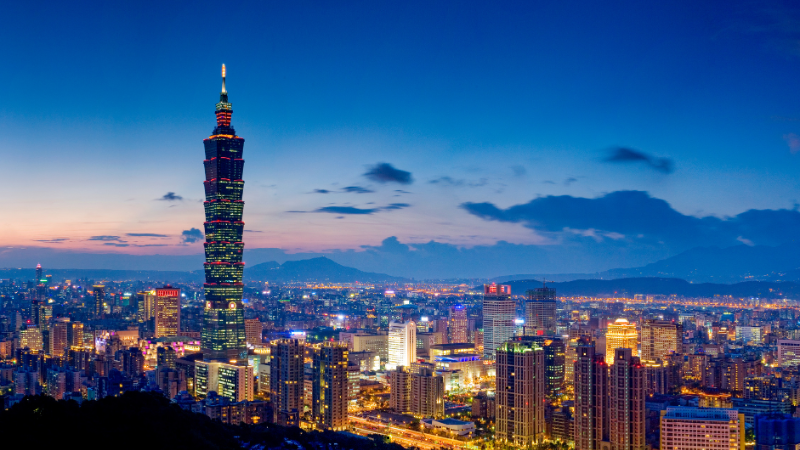
For those seeking world-class historical day trips, iconic street food, and a slightly higher-octane urban buzz, Osaka takes the crown (expect ¥15,000-25,000 / $100-170+ daily). If you're after incredible value, a more laid-back vibe, diverse natural beauty, and arguably the best night market scene in Asia, Taipei is your winner (budget NT$2,500-4,500 / $80-150+ daily).
- Choose Osaka: Choose Osaka if you prioritize iconic Japanese food, want to easily visit Kyoto and Nara, enjoy a bustling, entertainment-focused city, and don't mind a slightly higher budget for an unforgettable experience.
- Choose Taipei: Opt for Taipei if you're a budget-conscious foodie, love vibrant night markets, appreciate accessible nature and unique cultural sites, and prefer a city that feels a bit more chill and easy to navigate as a foreigner.
- Choose Both: If you have 10-14 days and want a comprehensive East Asia experience, combine both! Fly into Osaka (KIX), spend 5-7 days, then take a direct flight to Taipei (TPE) for another 5-7 days. This offers a fantastic contrast in cultures, cuisines, and urban landscapes.
Quick Comparison
| Category | Osaka | Taipei | Winner |
|---|---|---|---|
| Food & Drink | Osaka is Japan's kitchen, famous for street food like takoyaki, okonomiyaki, and kushikatsu, alongside high-end kaiseki and fresh seafood. | Taipei excels in night market culture with diverse street food, beef noodles, xiao long bao, and vibrant bubble tea scene. | Tie |
| Culture & History | Osaka offers a modern, vibrant culture with historical sites like Osaka Castle, Sumiyoshi Taisha, and easy access to Kyoto and Nara. | Taipei showcases a blend of Chinese, Japanese, and indigenous influences, with iconic landmarks like Chiang Kai-shek Memorial Hall, Longshan Temple, and the National Palace Museum. | Osaka |
| Nightlife | Osaka's Dotonbori is a dazzling entertainment district with huge neon signs, bustling bars, izakayas, and clubs. | Taipei's nightlife centers around Xinyi District's clubs and bars, with more relaxed options in Ximending and local pubs. | Osaka |
| Costs & Budget | Osaka is generally more expensive, especially for accommodation and dining out, though street food offers good value. | Taipei offers excellent value for money, with affordable food, accommodation, and transportation making it a budget traveler's dream. | Taipei |
| Getting There & Around | Osaka is served by Kansai International Airport (KIX) and has an incredibly efficient, albeit complex, train and subway system. | Taipei is served by Taoyuan International Airport (TPE) and offers a very user-friendly, clean, and efficient MRT system. | Taipei |
| Accommodation | Osaka offers a wide range from luxury hotels to capsule hotels, but prices are generally higher, especially for central locations. | Taipei provides excellent value in accommodation, with modern hotels, stylish boutiques, and quality hostels at more affordable rates. | Taipei |
| Day Trips | Osaka is an unrivaled base for day trips to world-famous sites like Kyoto, Nara, Himeji, and Koyasan. | Taipei offers excellent day trips to natural beauty like Jiufen, Shifen, Yangmingshan National Park, and accessible hot springs. | Osaka |
| Nature & Outdoors | Osaka is primarily an urban hub, but offers parks and gardens, with mountain and coastal access requiring slightly longer travel. | Taipei boasts incredibly accessible natural beauty, including national parks, hot springs, hiking trails, and scenic coastal areas close to the city. | Taipei |
| Shopping | Osaka offers fantastic shopping, from high-end department stores and fashion boutiques in Umeda to electronics in Den Den Town and unique souvenirs in Namba. | Taipei features modern malls, quirky boutiques in Ximending, and an abundance of unique finds and street fashion at its night markets. | Osaka |
| Solo Travel & Safety | Osaka is incredibly safe for solo travelers, with excellent infrastructure and respectful locals, though English can be limited outside tourist hubs. | Taipei is also extremely safe and welcoming to solo travelers, often with better English proficiency and a slightly more relaxed pace. | Taipei |
🍜 Food & Drink
This is the toughest call, as both cities are absolute culinary titans. Osaka, often dubbed 'Japan's Kitchen,' offers an incredible array of savory delights from Dotonbori's famous takoyaki (around ¥600-800 / $4-5 for 6-8 pieces) and okonomiyaki to the deep-fried skewers of kushikatsu in Shinsekai (¥100-200 / $0.70-1.40 per skewer). For a more upscale experience, don't miss the fresh seafood at Kuromon Ichiba Market. Taipei, however, is the undisputed king of night markets. Shilin, Raohe, and Ningxia Night Markets offer an overwhelming feast of street food classics like pepper buns (NT$60-80 / $2-2.50), stinky tofu, gua bao, and oyster omelets. And of course, the original Din Tai Fung (expect NT$500-800 / $16-26 per person) for world-renowned xiao long bao. Both cities offer incredible value for money in their respective street food scenes. "Honestly, you can't go wrong. Osaka is that hearty, comfort food vibe, while Taipei is all about endless variety and unique flavors at every corner. I gained 5lbs in both." It really comes down to whether you prefer Japanese comfort food or Taiwanese street food adventure.
Winner takeaway
- Winner: Tie
- Why: It's impossible to pick a single winner here; both offer unparalleled and distinct culinary journeys that cater to different palates.
- Who this matters for: Everyone, especially foodies and those who plan their trips around meals.
🏯 Culture & History
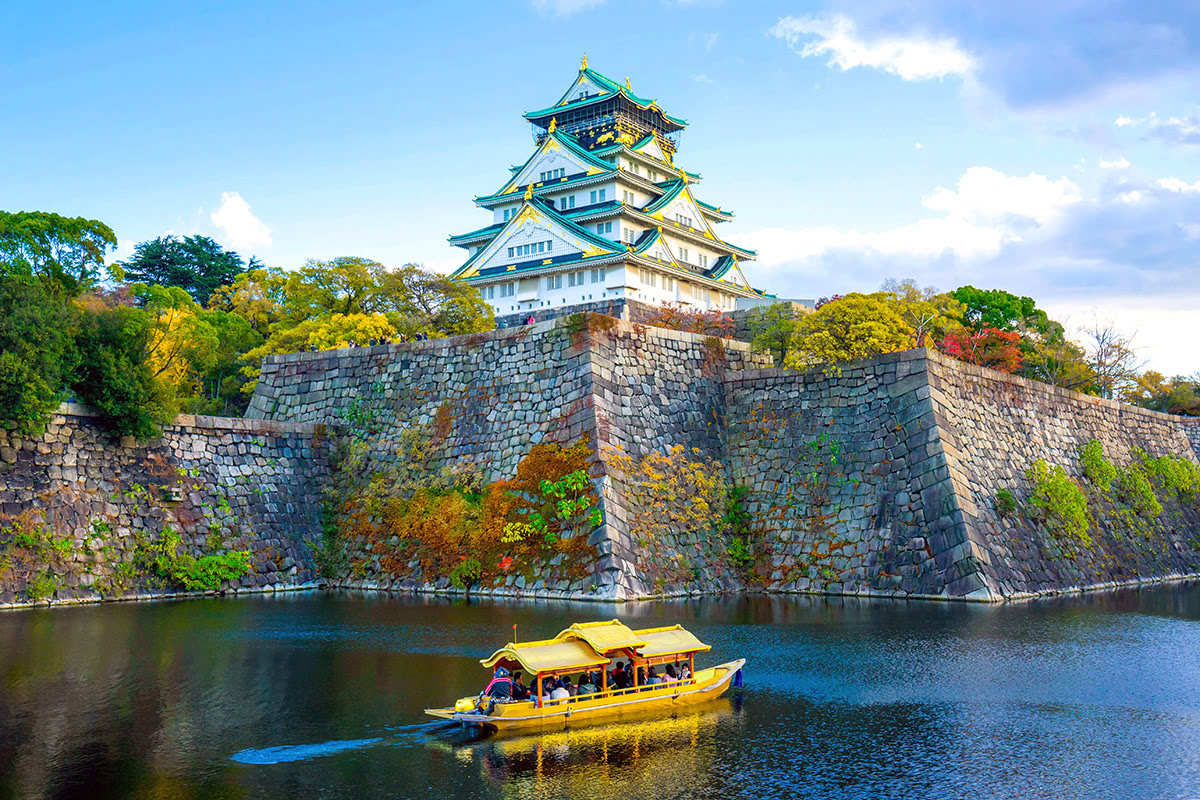
While Taipei has a rich tapestry of history, particularly evident in sites like the magnificent Chiang Kai-shek Memorial Hall, the serene Longshan Temple, and the incredible collection at the National Palace Museum (NT$350 / $11 entry), Osaka takes the edge due to its proximity to world-class historical destinations. Osaka Castle (¥600 / $4) is a prominent landmark within the city, but its true cultural power lies in its role as a gateway to the Kansai region. Kyoto, with its countless temples, geisha districts, and traditional gardens, is just a 30-minute train ride away (¥580 / $4 one-way). Nara, famous for its wild deer and Todai-ji Temple, is equally accessible. This allows visitors to experience both a modern Japanese metropolis and ancient capitals within one trip. "Osaka itself is cool, but being able to hop to Kyoto in no time seals the deal for me. The sheer depth of history and traditional culture available from Osaka is just insane." Taipei's culture is fascinating and unique, but it doesn't quite have the same concentration of globally renowned historical sites right on its doorstep.
Winner takeaway
- Winner: Osaka
- Why: Osaka wins due to its direct access to the globally renowned historical and cultural sites of Kyoto and Nara, offering an unparalleled depth of traditional Japanese experience.
- Who this matters for: History buffs, those interested in traditional Japanese culture, and travelers who want diverse day trip options.
🌃 Nightlife
Osaka's Dotonbori district is an iconic spectacle of neon lights, giant crab and gyoza signs, and an electric atmosphere that's hard to beat. It's a true feast for the senses, with countless izakayas, bars, and clubs open late into the night. You can find everything from karaoke boxes (starting around ¥1,000-2,000 / $7-14 per hour) to sophisticated cocktail bars and lively dance clubs. Namba and Umeda also offer a vibrant array of evening entertainment. Taipei certainly has its hotspots, particularly the upscale clubs and trendy bars in the Xinyi District (club entry often NT$500-800 / $16-26, includes a drink), and the more casual, youthful vibe of Ximending. However, the sheer energy, visual spectacle, and diversity of options in Osaka's core entertainment zones give it a definitive edge for a tourist looking for a 'wow' factor. "Dotonbori at night is just insane, like a movie set. Taipei is good, but Osaka just hits different, especially if you love the bright lights and endless food/drink options." While Taipei offers quality, Osaka provides an experience that is truly world-famous and uniquely Japanese.
Winner takeaway
- Winner: Osaka
- Why: Osaka's Dotonbori offers a more visually stunning, high-energy, and concentrated nightlife experience that is globally renowned.
- Who this matters for: Party-goers, those who love vibrant street scenes, and travelers looking for late-night entertainment and dining.
💰 Costs & Budget
For the budget-conscious traveler, Taipei is a clear winner. Accommodation in Taipei can range from NT$800-1,500 ($26-50) for a clean hostel or budget hotel, while Osaka typically starts around ¥5,000-8,000 ($35-55) for similar quality. Food is where Taipei truly shines in terms of value; a full meal at a night market can cost as little as NT$100-200 ($3-6), and even a sit-down restaurant meal rarely exceeds NT$300-500 ($10-16). In Osaka, while street food is affordable (¥600-1,000 / $4-7 per dish), a typical restaurant meal can easily be ¥1,500-3,000 ($10-20+). Transportation in Taipei is also more affordable, with MRT rides starting at NT$20 ($0.65), compared to Osaka's subway tickets starting at ¥180 ($1.20). "I could eat like a king in Taipei for half of what I'd spend on decent meals in Osaka. My wallet definitely preferred Taiwan." If you're looking to stretch your travel budget without compromising on experience, Taipei is hands down the more economical choice, allowing for longer stays or more activities.
Winner takeaway
- Winner: Taipei
- Why: Taipei offers significantly better value across all major categories — accommodation, food, and transportation — making it more budget-friendly.
- Who this matters for: Budget travelers, long-term travelers, and anyone looking to maximize their experience without overspending.
✈️ Getting There & Around
Both cities boast excellent international airports (KIX for Osaka, TPE for Taipei) with good connections to major cities worldwide. Flight times from major US or European hubs are similar, around 10-14 hours. Where Taipei pulls ahead is the sheer ease and simplicity of its public transportation system. The Taipei MRT is incredibly intuitive, with clear English signage, logical lines, and user-friendly payment options (EasyCard/iPASS). A ride from TPE to downtown Taipei via MRT Express is about 35-40 minutes (NT$160 / $5). Osaka's train and subway network is vast and incredibly efficient, but it can be overwhelming for first-time visitors due to multiple private lines, JR lines, and subway lines, each with different passes and pricing structures. While hyper-efficient, navigating it requires more pre-planning and understanding. "Taipei's MRT felt like a breath of fresh air after Tokyo's maze, and even Osaka felt a bit more complicated with all the different train companies. EasyCard for everything is a game-changer." For sheer ease of use, especially for those less accustomed to complex urban transit, Taipei offers a more stress-free experience.
Winner takeaway
- Winner: Taipei
- Why: Taipei's MRT system is exceptionally user-friendly, making navigation simple and stress-free for international travelers compared to Osaka's more complex network.
- Who this matters for: First-time international travelers, those who prefer simple navigation, and anyone sensitive to transport complexity.
🏨 Accommodation
Accommodation is another area where Taipei consistently offers better value. A well-located, clean, and modern double room in Taipei can be found for NT$1,800-3,000 ($60-100) per night, particularly in areas like Ximending or Zhongshan. Boutique hotels and even some 4-star options are accessible within this range. Hostels are plentiful and high-quality, often starting around NT$600 ($20) for a dorm bed. In Osaka, comparable quality and location will almost always be more expensive. A decent hotel room typically starts from ¥8,000-12,000 ($55-80) per night, and budget options like capsule hotels or business hotels can be slightly cheaper but still often above Taipei's average. "I stayed in a really stylish hotel near Ximending for about $70 a night, which would've been a basic business hotel in Osaka for $100+. Taiwan just gives you more bang for your buck on lodging." While Osaka has unique experiences like ryokans (further afield) and themed hotels, for overall comfort, modernity, and price point, Taipei is the clear winner.
Winner takeaway
- Winner: Taipei
- Why: Taipei offers superior value for money in accommodation, providing more modern and comfortable options at significantly lower prices than Osaka.
- Who this matters for: Budget-conscious travelers, those seeking good value hotels, and anyone planning longer stays.
🏞️ Day Trips
Osaka's strength as a travel hub truly shines when it comes to day trips. From Shin-Osaka Station, you can reach the ancient capital of Kyoto in just 15-30 minutes on the Shinkansen or local trains (Shinkansen from ¥1,420 / $9.50), home to iconic temples like Fushimi Inari-taisha and Kinkaku-ji. Nara, with its charming deer park and the magnificent Todai-ji Temple, is less than an hour away (around ¥800 / $5.50). Himeji Castle, a UNESCO World Heritage site, is also easily accessible. For a spiritual retreat, Koyasan offers an incredible temple stay experience. Taipei's day trip options are fantastic in their own right, focusing more on natural beauty and unique towns. Jiufen, the 'Spirited Away' village, and Shifen with its sky lanterns are popular (bus/train combo ~NT$100-150 / $3-5 one way). Yangmingshan National Park offers hiking and hot springs just outside the city. "No contest here. Kyoto, Nara, Himeji... you can spend weeks just on day trips from Osaka and still not see it all. Taipei's day trips are cool, but they don't have the same global 'must-see' status." While Taipei offers lovely natural escapes, Osaka's access to world-renowned cultural and historical sites is unparalleled.
Winner takeaway
- Winner: Osaka
- Why: Osaka serves as an unparalleled base for day trips to a concentration of world-famous historical, cultural, and natural sites like Kyoto, Nara, and Himeji.
- Who this matters for: Culture vultures, history buffs, first-time visitors to Japan, and those who enjoy exploring beyond the main city.
🌳 Nature & Outdoors
Taipei is a dream for nature lovers who want to combine city exploration with outdoor adventures. Yangmingshan National Park, with its volcanic landscapes, hot springs, and hiking trails, is just a short bus ride from the city center (NT$15-30 / $0.50-1). Elephant Mountain (Xiangshan) offers stunning city views after a manageable hike. Beyond that, day trips to the rugged Northeast Coast, including Yehliu Geopark with its unique rock formations (bus ~NT$100 / $3.30), and the stunning Taroko Gorge (though a longer trip requiring a Hualien train, ~NT$440 / $14.50 one-way, then local transport) are truly spectacular. Osaka, while having beautiful urban parks like Osaka Castle Park and Minoh Park with its waterfall, requires more effort to reach truly significant natural landscapes. "I loved that I could be hiking in a national park in the morning and back in Taipei for night market food by dinner. Osaka is great but it's much more concrete jungle." For easily accessible, diverse, and dramatic natural beauty, Taipei wins hands down.
Winner takeaway
- Winner: Taipei
- Why: Taipei offers significantly more accessible and diverse natural landscapes, from national parks and hot springs to coastal geological wonders, just a short distance from the city.
- Who this matters for: Nature lovers, hikers, outdoor enthusiasts, and those looking for a balance of urban and natural experiences.
🛍️ Shopping
Osaka provides a more comprehensive and diverse shopping experience for most travelers. Umeda boasts massive department stores like Hankyu Umeda and Grand Front Osaka, offering high fashion, luxury brands, and exquisite Japanese goods. Shinsaibashi-suji shopping street is one of Japan's longest and oldest, teeming with fashion, cosmetics, and souvenirs. For electronics and anime/manga goods, Den Den Town in Nipponbashi rivals Tokyo's Akihabara. You can find unique streetwear, vintage clothes, and quirky gifts in the American Village (Amerikamura). Prices for specific electronics or brand-name items might be higher, but the selection is vast. Taipei has great shopping too, especially in the Xinyi District with its modern malls like Taipei 101 Mall and Shin Kong Mitsukoshi. Ximending offers a younger, trendier vibe with street fashion and quirky shops. However, the overall scale, variety, and specialized districts in Osaka provide a more robust and exciting shopping destination. "Osaka's shopping is next level. I could spend days just in Umeda, and Den Den Town is a paradise for tech and anime fans. Taipei's good for unique street finds, but Osaka has everything." From luxury to otaku culture, Osaka's shopping scene has it all.
Winner takeaway
- Winner: Osaka
- Why: Osaka offers a broader, more specialized, and higher-quality shopping experience, from luxury brands and electronics to unique Japanese subcultures.
- Who this matters for: Serious shoppers, fashionistas, tech enthusiasts, and collectors of unique cultural goods.
🚶♀️ Solo Travel & Safety
Both Osaka and Taipei are among the safest cities in the world, making them excellent choices for solo travelers. Violent crime is extremely rare in both, and petty theft is uncommon. You can comfortably walk around at night in almost any district without concern. Where Taipei nudges ahead for solo travelers is often the slightly greater prevalence of English speakers, particularly in tourist areas, hotels, and among younger generations. This can make interactions, ordering food, and asking for directions a bit smoother for those who don't speak the local language. The public transport system in Taipei is also arguably more intuitive, which simplifies getting around alone. Osaka is perfectly safe and easy to navigate with translation apps, but the language barrier can feel a little more pronounced at times. "As a solo female traveler, both felt super safe. But in Taipei, I found it a bit easier to strike up conversations or ask for help in English, which made me feel slightly more comfortable when navigating alone." Both offer fantastic hostel scenes for meeting other travelers, but Taipei's slightly softer landing for non-local language speakers gives it a minor edge.
Winner takeaway
- Winner: Taipei
- Why: Taipei offers a slightly easier experience for solo travelers due to a more prevalent English-speaking population and an incredibly intuitive public transport system.
- Who this matters for: Solo travelers, first-time international travelers, and those less confident with language barriers.
❓ Frequently Asked Questions
Which city is better for a first-time Asia traveler?
Taipei might be a slightly easier entry point for a first-time Asia traveler due to its more accessible English signage, user-friendly public transport, and slightly lower costs. However, Osaka offers a quintessential Japanese experience that is also very welcoming and safe.
Is Universal Studios Japan (USJ) worth it in Osaka?
Yes, USJ, especially The Wizarding World of Harry Potter and Super Nintendo World, is a major draw and considered a must-visit for many. Plan for early arrival, consider a 'Fast Pass' if your budget allows (¥7,800-20,000+ / $50-135+ depending on date), and book tickets in advance to avoid long queues.
How many days should I spend in each city?
For Osaka, 3-4 full days is ideal to explore the city and take one day trip to Nara or Kyoto. For Taipei, 3-5 full days allows you to explore the city, hit a few night markets, and take one or two day trips to places like Jiufen/Shifen or Yangmingshan.
Which city has better weather for travel?
Both cities experience hot, humid summers and mild winters. Spring (March-May) and Autumn (October-November) are the best times for both, offering pleasant temperatures and less rain. Taipei generally has slightly warmer winters and can experience typhoons during summer/early autumn.
Can I use English widely in Osaka vs Taipei?
In major tourist areas, hotels, and train stations, you'll find English information and some English speakers in both. However, English proficiency is generally more common and widespread in Taipei, making communication slightly easier for non-Japanese or non-Mandarin speakers.
Which city is better for families with young children?
Both are great, but Osaka might have a slight edge due to Universal Studios Japan (USJ) and attractions like Osaka Aquarium Kaiyukan. Taipei also offers family-friendly parks, zoos, and museums, and its easier public transport might be a plus for families with strollers.
What's the public transport like in both cities?
Both cities have excellent public transport. Osaka's network is extensive but can be complex with multiple companies. Taipei's MRT is incredibly user-friendly, clean, and efficient, making it arguably easier for tourists to navigate.
Is it easy to find vegetarian/vegan food in Osaka or Taipei?
Taipei is generally easier for vegetarians and vegans, especially with its Buddhist vegetarian restaurants and clearer labeling in many eateries. Osaka has increasing options, but it requires more research and understanding of Japanese dishes, as dashi (fish stock) is common.
Ready to plan your East Asia trip?
Get a free custom itinerary for Osaka, Taipei, or both — built from real traveler insights.
🎟️ Book Tours & Experiences
Hand-picked tours and activities for both destinations — book with free cancellation
Experiences via Viator — free cancellation on most tours