How we built this comparison
This page combines traveler discussion patterns, published price ranges, flight schedules, and seasonal data to help you decide between Oslo and Reykjavik.
- Reviewed 50+ Reddit threads from r/travel, r/solotravel, r/Norway, r/Iceland, etc.
- Verified costs and logistics against current booking platforms (booking.com, Skyscanner, local tour operators) in late 2023 / early 2024.
- Cross-referenced seasonal patterns, weather data, and typical activity availability for optimal travel advice.
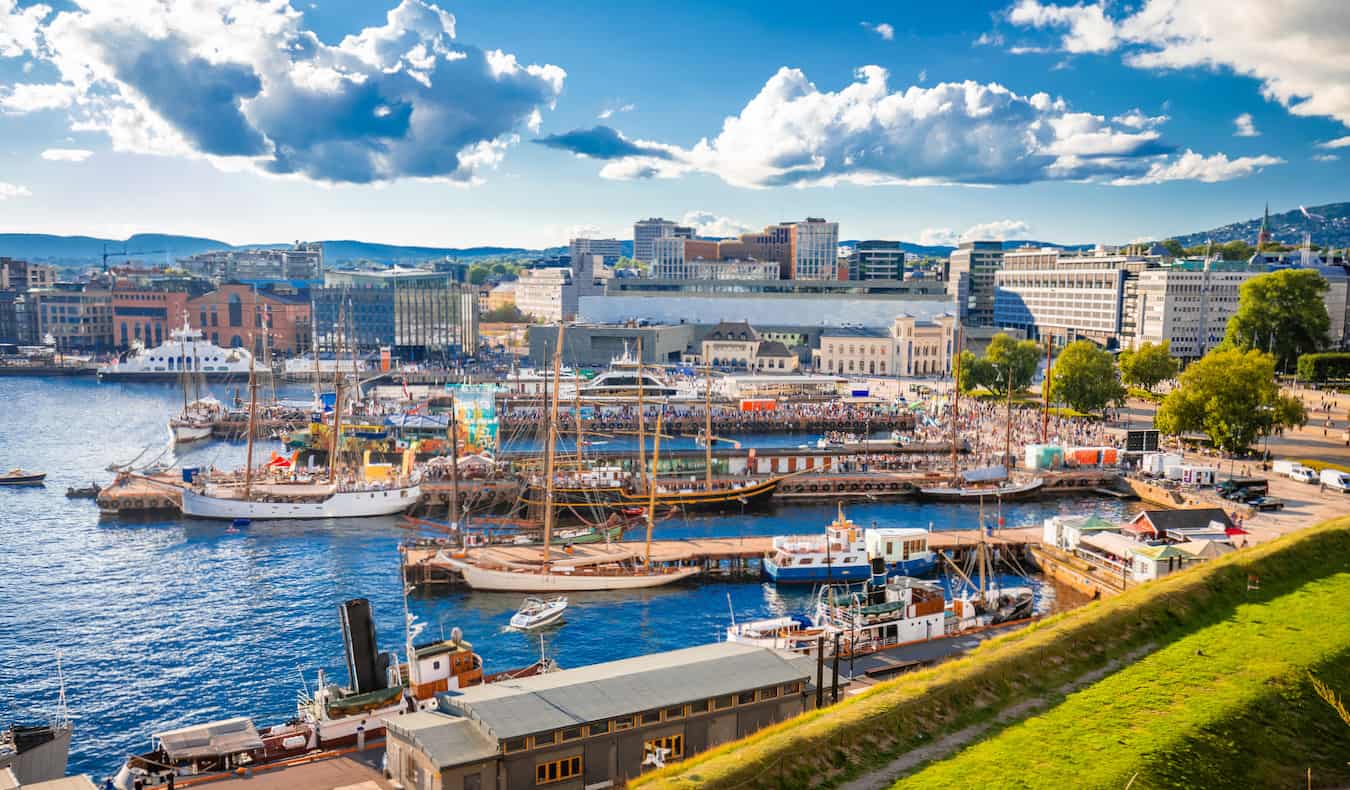
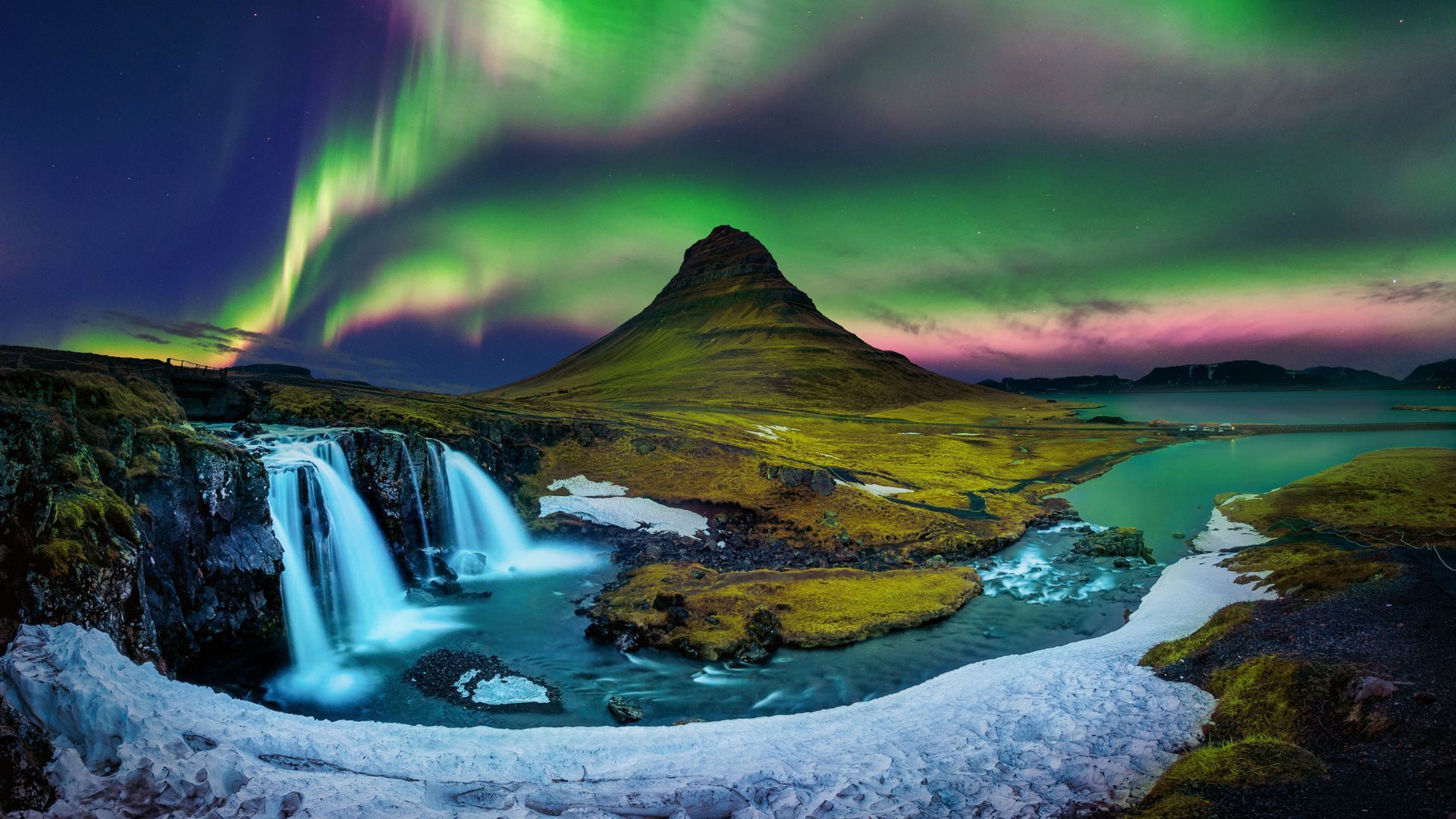
⚡ The TL;DR Verdict
Choose Oslo if you crave cultural depth, urban sophistication, and a more diverse range of activities at a slightly more manageable (but still high) Nordic price point, with a daily budget around $100-180. Pick Reykjavik for unparalleled natural wonders, an epic road trip adventure, and a vibrant, compact city vibe, but prepare for higher costs, often $120-250+ per day, especially with tours.
- Choose Oslo: Perfect for culture vultures, history buffs, and those who enjoy a bustling city with world-class museums, green spaces, and a fantastic food scene. Great for city breaks and public transport adventurers.
- Choose Reykjavik: Ideal for nature lovers, adventure seekers, and road trippers. If your priority is dramatic landscapes, geothermal spas, and outdoor excursions, Reykjavik as a base for exploring Iceland is unparalleled.
- Choose Both: If you have 10-14 days and a generous budget, combine them! A direct flight connects the two, offering the best of both worlds: urban Nordic charm and breathtaking Icelandic wilderness.
Quick Comparison
| Category | Oslo | Reykjavik | Winner |
|---|---|---|---|
| Costs & Budget | Expensive, but offers more free activities and better public transport value. Food and alcohol are particularly pricey. | Extremely expensive, especially tours, car rentals, and imported goods. Accommodation and dining are high. | Oslo |
| Nature & Scenery | Fjords reachable as day trips, lush forests, islands, and a beautiful urban waterfront. More subtle beauty. | Dramatic, otherworldly landscapes: volcanoes, glaciers, black sand beaches, geothermal areas, waterfalls. Unrivaled. | Reykjavik |
| Food & Drink | Sophisticated Nordic cuisine, excellent seafood, diverse international options, and a growing craft beer scene. | Focus on lamb, seafood, and unique Icelandic treats. Famous hot dogs and Skyr. Limited fine dining. | Oslo |
| Accommodation | Good range from hostels to luxury hotels, often with modern design. Booking in advance is key. | Fewer options, often pricier. Hostels fill quickly. More boutique and guesthouse styles, less chain hotels. | Oslo |
| Getting Around | Excellent, efficient, and integrated public transport (metro, tram, bus, ferry). Very walkable. | Compact and walkable city center. Public bus system (Strætó) is less comprehensive for tourists. Car rental is common for excursions. | Oslo |
| Day Trips & Excursions | Fjord cruises, island hopping, Viking history on Bygdøy, hiking in Nordmarka. Focus on culture and nature close to the city. | The iconic Golden Circle, Blue Lagoon/Sky Lagoon, South Coast waterfalls, Snaefellsnes Peninsula, Northern Lights tours. World-class natural wonders. | Reykjavik |
| Culture & History | Rich Viking and maritime history, world-class art (Munch!), modern architecture, royal heritage. Sophisticated. | Unique Norse sagas, Viking settlement history, a vibrant arts scene (music, street art), and a deep connection to nature's power. | Oslo |
| Nightlife | Varied options from trendy cocktail bars to lively pubs and nightclubs. Expensive drinks but a diverse scene. | Compact and energetic, especially on weekends. Famous 'Rúntur' pub crawl. Very expensive drinks, but a unique party atmosphere. | Tie |
| Weather & Seasons | Four distinct seasons. Mild to warm summers, cold and snowy winters. More predictable than Reykjavik. | Extremely unpredictable and windy year-round. Mild summers, long, dark, and often stormy winters. Aurora Borealis potential. | Oslo |
| Solo Travel & Safety | Extremely safe city, easy to navigate solo with excellent public transport. Friendly locals, good hostel scene. | One of the safest countries globally. Easy to meet people on tours or in hostels. Very welcoming, but solo car travel requires care. | Tie |
💰 Costs & Budget
Let's be real, neither is a budget destination. However, Oslo is *relatively* less punishing on your wallet, especially if you're smart. A decent hostel bed in Oslo can be found for 400-600 NOK ($38-57 USD), while Reykjavik starts around 6,000-8,000 ISK ($43-57 USD) but often feels harder to find value. A casual meal in Oslo is 200-350 NOK ($19-33 USD); in Reykjavik, expect 2,500-4,000 ISK ($18-29 USD). The real difference comes in activities. Oslo has numerous free parks (Vigeland Sculpture Park), affordable museums, and excellent public transport (a 24-hour pass is 121 NOK / $11.50). Reykjavik's main draws often involve pricey tours (Golden Circle, South Coast are $80-150+) or car rentals (starting $50-70/day + high gas costs). "Dude, Iceland crushed my bank account. The Golden Circle tour was sick but like, $100 just for that? And a beer was like $12. Oslo felt a little more manageable if you stick to free stuff." While both are steep, Oslo offers more ways to save beyond just cooking your own meals.
Winner takeaway
- Winner: Oslo
- Why: While both are very expensive, Oslo offers more opportunities for free activities and slightly better value on public transport and dining if you're careful.
- Who this matters for: Budget-conscious travelers who still want a Nordic experience without exclusively self-catering.
🏔️ Nature & Scenery
This isn't even a contest. Reykjavik, as a base, wins hands down for sheer natural drama and diversity. Within a short drive, you're amidst active volcanoes (Fagradalsfjall, if active), colossal glaciers (Langjökull), black sand beaches (Reynisfjara), and powerful waterfalls like Seljalandsfoss and Skógafoss. The Golden Circle alone packs in Geysir, Gullfoss waterfall, and Þingvellir National Park. Oslo's nature is beautiful – the Oslofjord, the surrounding forests (Nordmarka for hiking, skiing), and islands like Hovedøya – but it's a more subdued, gentle beauty. You can take a boat trip on the fjord for 300-500 NOK ($28-47), but it doesn't compare to witnessing a glacier or the Northern Lights. "Iceland's landscapes are just unreal. Every turn on the road trip felt like a new planet. Oslo's nice and green, but it's not the same 'wow' factor." If raw, powerful nature is your primary goal, Iceland is a pilgrimage.
Winner takeaway
- Winner: Reykjavik
- Why: Reykjavik (and Iceland as a whole) offers a unique, dramatic, and unparalleled array of natural wonders that are easily accessible from the capital.
- Who this matters for: Adventure seekers, photographers, and anyone prioritizing breathtaking, otherworldly landscapes.
🍽️ Food & Drink
Oslo takes the culinary crown. While both cities are expensive, Oslo's food scene is more diverse, refined, and innovative. You'll find everything from Michelin-starred restaurants (like Maaemo) to trendy food halls (Mathallen), excellent Asian fusion, and traditional Norwegian dishes like Fårikål (mutton stew) or amazing fresh seafood at places like Fjord Restaurant. Don't forget the ubiquitous, delicious 'pølse' (hot dog) from street vendors for around 40-60 NOK ($3.80-5.70). Reykjavik's food scene, while tasty, is more focused on traditional Icelandic fare (lamb, fish soup, fermented shark if you dare), the famous Bæjarins Beztu Pylsur hot dogs for around 600 ISK ($4.30), and popular Skyr yogurt. Fine dining options exist but are fewer and even pricier. Craft beer is big in both, but Oslo feels more established. "Oslo's food was a pleasant surprise, so many cool spots and really good coffee. Reykjavik was good too, but after a few days, it felt a bit samey unless you dropped serious cash." Oslo offers a broader, more adventurous palate.
Winner takeaway
- Winner: Oslo
- Why: Oslo boasts a more diverse, sophisticated, and internationally-influenced culinary scene with better value options across various price points.
- Who this matters for: Foodies, gourmands, and those who enjoy exploring diverse culinary experiences beyond traditional fare.
🏨 Accommodation
Oslo offers a wider and slightly more competitive range of accommodation options, leading to potentially better value. You can find excellent design hostels like The Thief (a luxury design hotel that also has good value rooms) or Saga Hotel Oslo Central, with private rooms in a mid-range for 1200-2000 NOK ($114-190 USD). For budget travelers, a dorm bed is 400-600 NOK ($38-57). Reykjavik's options are generally pricier and fewer, especially outside of peak season. Mid-range hotels like Hotel Borg or CenterHotel Plaza often start at 20,000-35,000 ISK ($145-250 USD), and even a hostel dorm at Kex Hostel or Reykjavík Downtown Hostel will set you back 6,000-8,000 ISK ($43-57 USD), but they book up fast. "Honestly, finding a decent hotel in Reykjavik that wasn't like, absurdly expensive felt impossible sometimes. Oslo had more choices and felt a bit more predictable." While both are expensive, Oslo's larger market generally means more variety and potentially better deals if booked ahead.
Winner takeaway
- Winner: Oslo
- Why: Oslo provides a wider selection of accommodation types, from budget hostels to luxury, often with slightly better value and availability.
- Who this matters for: Travelers seeking diverse lodging options, from design hostels to boutique hotels, with potentially better price points.
🚇 Getting Around
Oslo's public transport system is a dream. The Ruter app makes navigating the metro, tram, bus, and even local ferries incredibly easy and efficient. A single ticket costs 42 NOK ($4 USD), and a 24-hour pass is 121 NOK ($11.50 USD), allowing seamless access to most attractions and even nearby islands in the fjord. The city center itself is very walkable. Reykjavik, while small and very walkable downtown, has a less tourist-friendly public bus system (Strætó); a single fare is 490 ISK ($3.50 USD) but routes are less intuitive for sightseers. The real way to 'get around' in Iceland is often by renting a car, which costs from $50-70+ per day, plus very high gas prices (around 300 ISK / $2.15 per liter). Taxis are incredibly expensive in both cities. "Oslo's trams and metro were so easy to use, literally got everywhere without thinking. In Reykjavik, I walked a lot or had to rely on tours for anything outside the city center, which added up." Oslo offers greater freedom of movement within and immediately around the city without needing a car.
Winner takeaway
- Winner: Oslo
- Why: Oslo boasts a world-class, integrated public transport system making city exploration incredibly easy and affordable without a car.
- Who this matters for: Travelers who prefer to rely on public transport, enjoy walking, and want to explore a city without needing a rental car.
🗺️ Day Trips & Excursions
While Oslo offers delightful day trips, Reykjavik is the undisputed champion for epic excursions that define a trip. From Reykjavik, you can embark on the famous Golden Circle tour (starting around $80-150 USD), visiting Geysir, Gullfoss waterfall, and Þingvellir National Park. Other must-dos include the South Coast (black sand beaches, glaciers, waterfalls, $100-180 USD), the Snaefellsnes Peninsula (often called 'mini-Iceland'), and of course, the geothermal spas like the Blue Lagoon (entry from $60-100 USD) or Sky Lagoon (from $50-80 USD). In winter, Northern Lights tours are a prime attraction (from $50-100 USD). Oslo's day trips are wonderful but different in scale: exploring the museums on Bygdøy (Viking Ship Museum, Fram Museum - ferry ticket included in Ruter pass), hiking in Nordmarka, or scenic fjord cruises (around 300-500 NOK / $28-47 USD). "Every day trip out of Reykjavik was like an adventure movie scene. Oslo's day trips were nice, but nothing compares to seeing a glacier up close." For dramatic, once-in-a-lifetime excursions, Reykjavik is unmatched.
Winner takeaway
- Winner: Reykjavik
- Why: Reykjavik serves as the perfect base for accessing some of the world's most dramatic and unique natural wonders and adventure tours.
- Who this matters for: Adventure travelers, nature enthusiasts, and those whose primary goal is experiencing world-class natural attractions and outdoor activities.
🏛️ Culture & History
Oslo boasts a deeper, more varied, and more accessible cultural and historical tapestry. You can immerse yourself in Viking history at the Viking Ship Museum (temporarily closed, but the Fram Museum and Kon-Tiki Museum are excellent alternatives for 140 NOK / $13.50 each), marvel at Edvard Munch's 'The Scream' at the new Munch Museum (160 NOK / $15), explore the grandeur of the Royal Palace, and wander through the unique Vigeland Sculpture Park (free). The Akershus Fortress offers centuries of history, and the stunning Oslo Opera House is an architectural marvel. Reykjavik's culture is vibrant but more niche – its history revolves around its settlement and sagas, visible in the Settlement Exhibition (2,400 ISK / $17) and the National Museum of Iceland (2,500 ISK / $18). The Harpa Concert Hall is architecturally striking, and the city has a lively street art and music scene. "Oslo felt like a proper capital city with layers of history and art everywhere. Reykjavik was cool for its unique vibe, but I felt like I learned more about Norway's past there." For traditional cultural immersion and historical depth, Oslo shines.
Winner takeaway
- Winner: Oslo
- Why: Oslo offers a richer, more diverse array of historical sites, world-class museums, and architectural marvels that reflect centuries of Nordic culture.
- Who this matters for: History buffs, art lovers, and those who appreciate exploring grand cultural institutions and urban heritage.
🍻 Nightlife
This is a tough one, as both cities offer vibrant but expensive nightlife. Oslo provides a more diverse experience, with everything from sophisticated cocktail bars like Himkok (frequently on 'World's 50 Best Bars' lists) to traditional pubs, and a good selection of nightclubs in areas like Grünerløkka and Youngstorget. Expect a beer to cost 90-120 NOK ($8.50-11.50 USD) and cocktails upwards of 150 NOK ($14 USD). Reykjavik's nightlife, centered along Laugavegur and its surrounding streets, is legendary for its 'Rúntur' – a weekend pub crawl where locals and tourists alike flock to bars that are often quiet during the week. The atmosphere is incredibly friendly and lively, but drinks are even pricier: a beer averages 1,200-1,600 ISK ($8.50-11.50 USD), and cocktails can hit 2,000 ISK ($14.50 USD). "Oslo had more options, felt a bit classier, but Reykjavik on a Saturday night? That was wild, everyone just having a blast despite the insane drink prices." It depends on your preference: diversity vs. concentrated energy.
Winner takeaway
- Winner: Tie
- Why: Both cities offer unique and vibrant, albeit expensive, nightlife experiences that cater to different preferences, making it a tie.
- Who this matters for: Party-goers and those who enjoy experiencing a city's after-dark scene, whether diverse or intensely concentrated.
☀️ Weather & Seasons
Oslo wins for offering more predictable and distinctly seasonal weather, which can be a huge plus for planning. Summers (June-August) are generally mild to warm, often reaching 20-25°C (68-77°F) with long daylight hours, perfect for outdoor activities. Winters (December-February) are cold and snowy, averaging -5°C (23°F), ideal for winter sports. Spring and autumn offer beautiful transitional colors. Reykjavik, however, is notoriously unpredictable year-round. Average summer temperatures are around 10-15°C (50-59°F), often windy and rainy. Winters are long, dark, and often stormy, hovering around 0°C (32°F), with wind chill making it feel much colder. While this unpredictability adds to Iceland's wild charm and offers the chance for Northern Lights (best seen Oct-March), it can also easily derail outdoor plans. "I went to Iceland in July and it snowed, then hailed, then was sunny all in one day. Oslo felt a lot more stable, even in winter you knew what you were getting." If you prefer more stable weather for your activities, Oslo is the safer bet.
Winner takeaway
- Winner: Oslo
- Why: Oslo offers more distinct and predictable seasons, with warmer summers and reliable snowy winters, making planning easier.
- Who this matters for: Travelers who prefer more predictable weather for their chosen activities and appreciate distinct seasonal changes.
🚶♀️ Solo Travel & Safety
Both Oslo and Reykjavik are incredibly safe and welcoming destinations for solo travelers, making this a well-deserved tie. In Oslo, you'll feel completely secure walking alone at night, and the efficient public transport means you're never stranded. The hostel scene (like Saga Hotel Oslo Central or Cochs Pensjonat for a more traditional vibe) is vibrant, making it easy to meet fellow travelers. Locals are generally reserved but helpful if approached. Reykjavik is consistently ranked as one of the safest cities in the world. Its compact downtown is easy to navigate solo, and the 'Rúntur' nightlife fosters a very social environment. Hostels like Kex Hostel are famous for their communal vibe. Solo road tripping in Iceland is popular but requires extra caution due to unpredictable weather and remote areas, so always inform someone of your plans. "I felt super safe walking around Reykjavik alone at 2 AM, same as Oslo. Both are perfect for solo female travel, no worries at all." Both offer peace of mind and ample opportunities to connect with others if desired.
Winner takeaway
- Winner: Tie
- Why: Both cities are among the safest in the world, offer excellent infrastructure for solo travelers, and boast friendly, welcoming environments.
- Who this matters for: Solo travelers prioritizing safety, ease of navigation, and opportunities to connect with other travelers.
❓ Frequently Asked Questions
Which city is better for seeing the Northern Lights?
Reykjavik is by far the superior choice for Northern Lights. While possible from Oslo during winter, light pollution is higher, and Iceland's position closer to the Arctic Circle with less cloud cover typically offers better visibility and frequency. Many tours depart directly from Reykjavik.
Is public transport good in both cities?
Oslo has an excellent, comprehensive public transport system (metro, tram, bus, ferry) making it easy to get around. Reykjavik's city center is very walkable, and its local bus system is decent for residents, but most tourists opt for walking, taxis, or tour buses for excursions outside the city.
Which city is more walkable?
Both cities have highly walkable city centers. Reykjavik's core is perhaps slightly more compact. However, Oslo's extensive pedestrian areas, parks, and easily accessible public transport make exploring the wider city on foot, interspersed with rides, equally enjoyable.
What's the best time to visit each city?
For Oslo, summer (June-August) offers the warmest weather and longest daylight. For Reykjavik, summer (June-August) is best for road trips and outdoor activities, while winter (October-March) is prime for Northern Lights but much colder and darker.
Are day trips from Oslo as scenic as from Reykjavik?
Oslo's day trips offer beautiful fjord scenery, lush forests, and cultural sites on islands like Bygdøy. Reykjavik's day trips, however, lead to world-renowned, dramatic natural wonders like glaciers, volcanoes, and massive waterfalls, which are generally considered more 'epic' and unique.
Which city is better for families with young children?
Oslo might edge out Reykjavik for families. It has more dedicated child-friendly museums (e.g., Nobel Peace Center with interactive exhibits), parks (Vigeland), and a fantastic public transport system, making it easier to navigate with strollers. Reykjavik's nature focus might be less engaging for very young children unless you're prepared for extensive car travel.
Can I easily combine a trip to both Oslo and Reykjavik?
Yes, absolutely! There are direct flights between Oslo Gardermoen (OSL) and Keflavík (KEF) airports, typically around 2-3 hours. This makes combining a trip quite feasible if you have 10-14 days and want to experience both urban Scandinavian culture and Iceland's unique landscapes.
Which city has better options for budget travelers?
While neither is cheap, Oslo offers slightly more budget-friendly options. It has more free attractions (parks, walking tours), more varied hostel options, and public transport that provides better value. Reykjavik's main attractions often require expensive tours or car rentals, which quickly add up for budget travelers.
Ready to plan your Nordic adventure?
Get a free custom itinerary for Oslo, Reykjavik, or both — built from real traveler insights, tailored to your budget and interests.
🎟️ Book Tours & Experiences
Hand-picked tours and activities for both destinations — book with free cancellation
Experiences via Viator — free cancellation on most tours