How we built this comparison
This page combines traveler discussion patterns, published price ranges, flight schedules, and seasonal data to help you decide between Oslo and Stockholm.
- Reviewed 100+ Reddit threads from r/travel, r/solotravel, r/Norway, r/Sweden, r/Oslo, and r/Stockholm for authentic traveler experiences and advice.
- Verified costs for accommodation, transport, food, and attractions against current booking platforms and official tourism sites.
- Cross-referenced seasonal patterns and weather data from meteorological sources to provide accurate best times to visit.
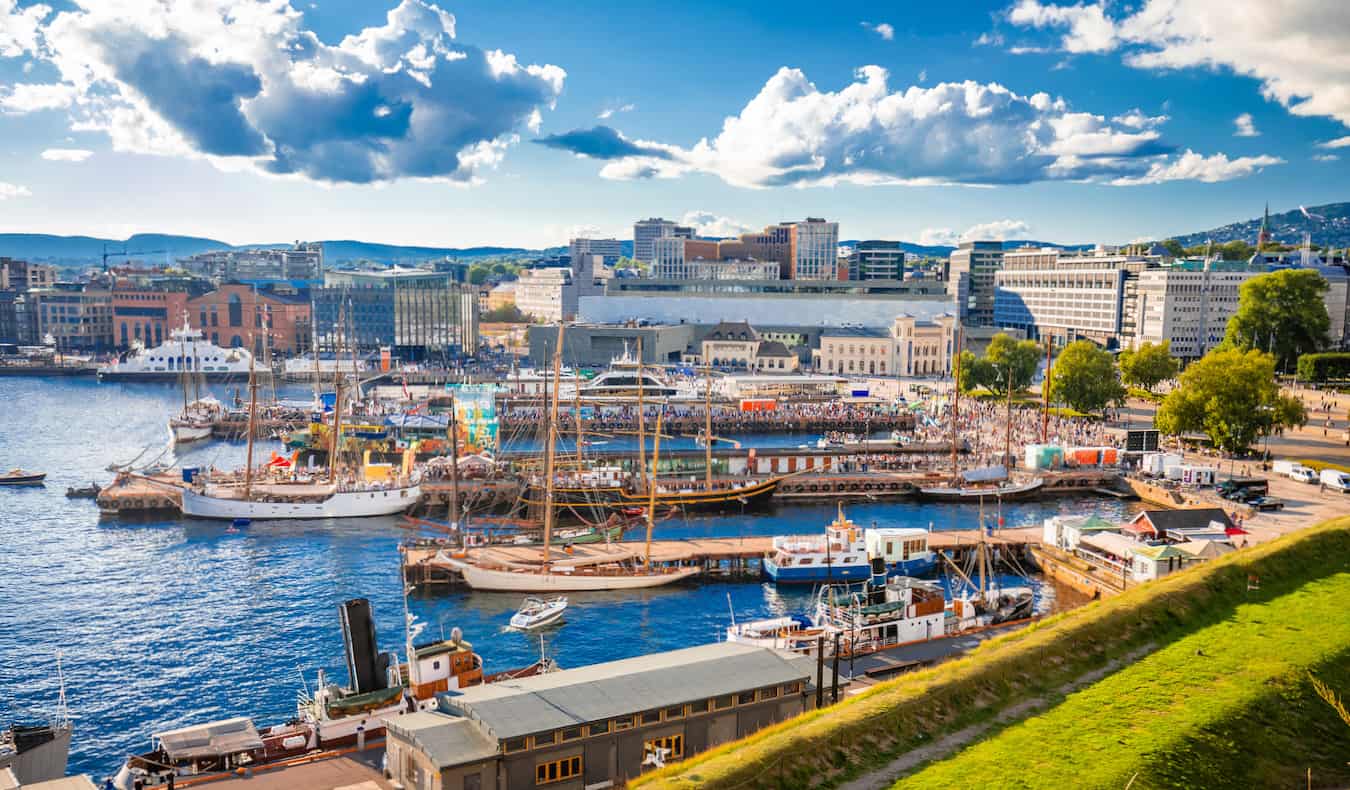
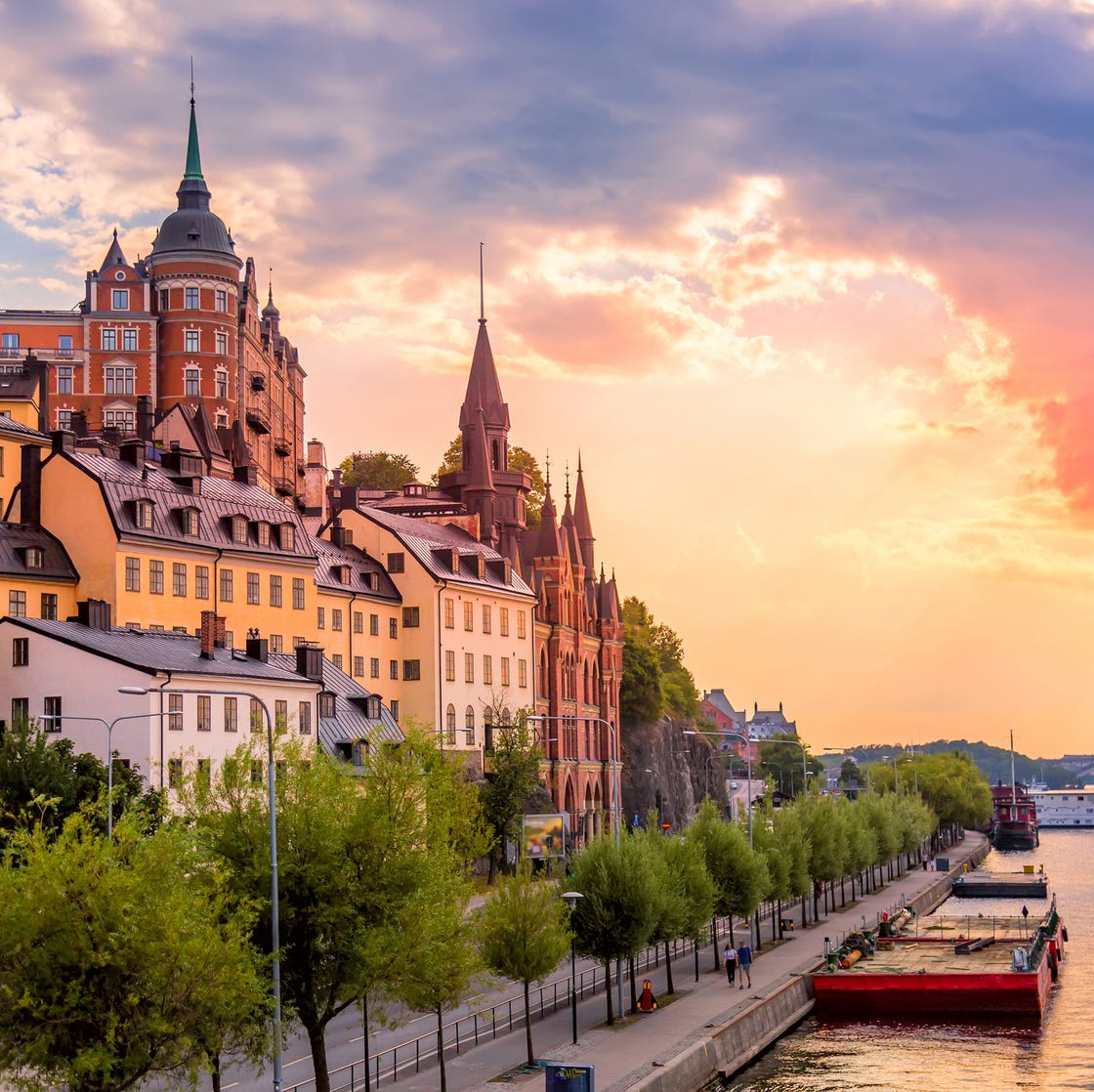
⚡ The TL;DR Verdict
For those craving dramatic nature and a more understated, intimate city vibe, Oslo is your pick, with a daily budget around $150-250 USD. If you're drawn to grand architecture, vibrant island hopping, and a slightly more polished urban experience, Stockholm awaits, expecting a daily spend of $180-300 USD. Both are fantastic but cater to different priorities.
- Choose Oslo: Choose Oslo if you prioritize stunning fjord and forest access, a rich Viking history, contemporary design, and a slightly more relaxed pace. It's fantastic for outdoor enthusiasts and those looking for a more 'local' feel, often with slightly lower prices for certain activities and accommodations.
- Choose Stockholm: Opt for Stockholm if you're captivated by a city built across islands, extensive museums, beautiful historic architecture (especially Gamla Stan), and a more bustling, cosmopolitan atmosphere. It excels in shopping, diverse dining, and a vibrant arts scene, perfect for urban explorers.
- Choose Both: If you have at least 7-10 days, doing both offers a comprehensive Scandinavian experience. A flight between them is only about an hour, making it an easy hop. Start with 3-4 days in one, then fly to the other for another 3-4 days to compare their unique charms firsthand.
Quick Comparison
| Category | Oslo | Stockholm | Winner |
|---|---|---|---|
| Costs & Budget | Generally high, but slightly less expensive for some basics than Stockholm. Public transport and some museums offer better value. | Very high, especially for dining out and alcohol. Accommodation can be pricey, particularly in peak season. Expect to spend. | Oslo |
| Culture & History | Deep Viking roots, modern art, and a strong maritime heritage. Focused on Edvard Munch, polar exploration, and contemporary design. | Rich royal history, medieval old town, and a vast array of world-class museums covering art, ethnography, and nautical wonders. | Stockholm |
| Food & Dining | Focus on New Nordic cuisine, seafood, and traditional Norwegian dishes. Emerging food scene with diverse international options. | More diverse culinary landscape, from Michelin-starred restaurants to traditional Swedish 'husmanskost' and vibrant food markets. | Stockholm |
| Nightlife & Entertainment | Relaxed bars, live music venues, and clubs, especially around Grünerløkka and Youngstorget. More intimate and less frantic. | Vibrant and diverse scene with everything from high-energy clubs to sophisticated cocktail bars, especially in Stureplan and Södermalm. | Stockholm |
| Nature & Outdoors | Unbeatable access to fjords, forests, and islands directly from the city. Excellent hiking, skiing, and boating opportunities. | Beautiful archipelago, numerous parks, and urban green spaces. Good for island hopping and lakeside relaxation. | Oslo |
| Getting There & Around | Oslo Gardermoen Airport (OSL) is well-connected. Excellent public transport (Ruter) for city exploration. | Stockholm Arlanda Airport (ARN) is a major hub. Efficient public transport (SL) with extensive metro, tram, and bus networks. | Tie |
| Accommodation | Good range of hotels from boutique to budget, often slightly better value than Stockholm. Many modern options. | Extensive selection across islands, from luxury to hostels. Can be very pricey, especially in central areas and peak season. | Oslo |
| Day Trips | Focus on natural wonders: fjords, charming coastal towns, and scenic train rides (e.g., Flåm Railway via Myrdal). | Historical castles, charming archipelago islands, and nearby university towns. Easy access to Viking history and nature reserves. | Oslo |
| Shopping | Focus on Norwegian design, local crafts, and outdoor gear. Karl Johans gate is the main shopping street. | Extensive shopping districts with international brands, high-end boutiques, Swedish design, and vibrant markets. | Stockholm |
| Solo Travel & Safety | Extremely safe, easy to navigate alone. Friendly locals, good hostel scene, and many activities suitable for solo explorers. | Very safe, excellent public transport, and a welcoming atmosphere. Vibrant hostel scene and plenty to do independently. | Tie |
💰 Costs & Budget
Both cities are notoriously expensive, but Oslo edges out Stockholm for slightly better value in a few key areas. For example, a budget-friendly meal in Oslo might cost 150-250 NOK ($14-24 USD), while in Stockholm, a similar option is more likely 180-300 SEK ($17-28 USD). Public transport in Oslo (Ruter) is efficient; a single ticket is 42 NOK ($4 USD), comparable to Stockholm's SL system at 42 SEK ($3.90 USD). Museum entry can vary, but Oslo's Munch Museum is 160 NOK ($15 USD) vs. Stockholm's Vasa Museum at 190 SEK ($17.50 USD). Alcohol is a budget killer in both; a pint of local beer is around 90-120 NOK/SEK ($8.50-11 USD). Budget travelers can find hostel beds for 400-600 NOK/SEK ($38-57 USD) in both, but Oslo has a few more modest hotel options. "Honestly, Stockholm felt a bit more 'fancy-expensive' everywhere, even just grabbing a coffee. Oslo was still pricy, but I found good deals on lunch more often." Saving money in either city means cooking some meals and limiting alcohol.
Winner takeaway
- Winner: Oslo
- Why: Oslo offers marginally better value on everyday expenses, making a budget stretch slightly further for most travelers.
- Who this matters for: Budget-conscious travelers and those looking to stretch their kronor/kroner further.
🏛️ Culture & History
Stockholm truly shines in its cultural and historical offerings, feeling like a living museum across its islands. Gamla Stan, the Old Town, is incredibly well-preserved with narrow cobbled streets, historical buildings, and the Royal Palace (entry approx. 190 SEK / $17.50 USD). Beyond that, the Vasa Museum (190 SEK / $17.50 USD) is a must-see for its incredibly preserved 17th-century warship, and Skansen open-air museum offers a journey through Swedish history. Oslo, while culturally rich, feels more contemporary. Its highlights include the Viking Ship Museum (currently closed for renovation but its collection will move to a new museum), the Fram Museum (160 NOK / $15 USD) for polar exploration, and the striking Munch Museum (160 NOK / $15 USD). The Akershus Fortress offers medieval history. "Stockholm's Gamla Stan alone made me feel like I stepped into a postcard, and the Vasa is just mind-blowing. Oslo has cool stuff, but it's more spread out and less 'wow' at first glance." Stockholm's breadth and preservation of its historical sites, combined with its accessibility, give it the edge.
Winner takeaway
- Winner: Stockholm
- Why: Stockholm boasts a more extensive and visually stunning array of historical sites and world-class museums that are easily accessible.
- Who this matters for: History buffs, museum lovers, and those who appreciate grand historical architecture.
🍽️ Food & Dining
Stockholm offers a more dynamic and diverse dining scene, catering to a wider range of tastes and budgets. You can find everything from Michelin-starred experiences like Frantzén to affordable and delicious street food at Hötorgshallen market. Traditional Swedish 'husmanskost' is readily available, often found in 'Dagens Rätt' (dish of the day) lunch specials for 120-180 SEK ($11-17 USD). The city also excels in international cuisine, particularly in neighborhoods like Södermalm. Oslo's food scene is excellent but feels slightly smaller and more focused on New Nordic cuisine and seafood. High-end options like Maaemo (a multi-Michelin-starred restaurant) are outstanding, but mid-range dining can be harder to find. Mathallen Oslo is a great food hall, offering diverse options from 150-250 NOK ($14-24 USD). Traditional Norwegian dishes like 'fårikål' (lamb and cabbage stew) are hearty but less pervasive than Swedish counterparts. "Stockholm just has more variety, especially if you're not trying to spend a fortune every night. I loved the food trucks and market halls there." Stockholm’s greater variety, from traditional to avant-garde, and more accessible mid-range options make it the winner.
Winner takeaway
- Winner: Stockholm
- Why: Stockholm provides a broader, more diverse, and often more accessible culinary experience across all price points.
- Who this matters for: Foodies, gourmands, and anyone who loves exploring diverse culinary options.
🌃 Nightlife & Entertainment
Stockholm offers a more extensive and energetic nightlife scene. Areas like Stureplan are known for upscale clubs and cocktail bars, attracting a fashionable crowd, while Södermalm provides a more bohemian vibe with indie bars and live music venues. Expect to pay around 100-150 SEK ($9-14 USD) for a cocktail and 80-120 SEK ($7.50-11 USD) for a beer. Club entry fees can range from 100-300 SEK ($9-28 USD). Oslo's nightlife is good but feels slightly more laid-back. Grünerløkka is the epicenter for trendy bars, pubs, and smaller music venues, while Youngstorget offers a mix of clubs and casual spots. A beer is typically 90-120 NOK ($8.50-11 USD), and cocktails are similarly priced around 120-160 NOK ($11-15 USD). Entry fees for clubs are generally lower, perhaps 50-150 NOK ($4.50-14 USD). "Stockholm just felt like it had more buzz, more options, and definitely more people out late, especially on weekends. Oslo was chill, but I had more truly 'epic' nights in Stockholm." If you're looking for a wider variety of venues and a more high-energy atmosphere, Stockholm is your best bet.
Winner takeaway
- Winner: Stockholm
- Why: Stockholm provides a more diverse, energetic, and extensive range of nightlife options, from high-end clubs to cozy bars.
- Who this matters for: Party-goers, social butterflies, and those who enjoy vibrant late-night entertainment.
🏞️ Nature & Outdoors
Oslo is a true champion for immediate access to breathtaking nature. The Oslofjord is literally on its doorstep, offering easy ferry access to islands like Hovedøya for swimming and hiking (a Ruter public transport ticket covers these ferries). Just a short metro ride (T-bane) away, you're in Nordmarka forest, perfect for hiking, biking, and in winter, world-class cross-country skiing at Holmenkollen. The Bygdøy peninsula also offers beaches and walking trails alongside its museums. Stockholm has its own stunning archipelago with thousands of islands, excellent for day trips (e.g., Vaxholm ferry ticket ~150-250 SEK return / $14-23 USD) and boasts beautiful urban parks like Djurgården and Hagaparken. However, Oslo's nature feels more dramatic and integrated into the city's fabric, offering a more immediate 'wilderness' experience. "Oslo's nature access is just insane. You can be hiking in deep forest 30 minutes after leaving your downtown hotel, or swimming in the fjord. Stockholm's archipelago is gorgeous, but it feels like more of a planned excursion." For sheer immediacy and diversity of rugged natural experiences, Oslo takes the crown.
Winner takeaway
- Winner: Oslo
- Why: Oslo offers unparalleled and immediate access to diverse natural landscapes, including fjords, forests, and islands, directly from the city center.
- Who this matters for: Outdoor adventurers, nature lovers, hikers, and those seeking active city breaks.
✈️ Getting There & Around
Both cities boast incredibly efficient and well-connected public transport systems, making getting around a breeze. Oslo's Gardermoen Airport (OSL) is served by the Flytoget express train (230 NOK / $22 USD, 20 mins) or the slightly slower, cheaper regional train (124 NOK / $11.50 USD, 23 mins) to the city center. Stockholm's Arlanda Airport (ARN) has the Arlanda Express (320 SEK / $29 USD, 20 mins) or the regional train/commuter rail (160 SEK / $15 USD with a transit pass, 40 mins). Within the cities, Oslo's Ruter system (T-bane, tram, bus, ferry) and Stockholm's SL system (Tunnelbana, tram, bus, ferry) are equally excellent, with single tickets around 42 NOK/SEK ($4 USD) and multi-day passes offering good value. Navigating either city on foot is also highly recommended, especially in compact areas like Gamla Stan in Stockholm or Grünerløkka in Oslo. "Honestly, both cities have public transport that puts most other places to shame. Super easy to get from the airport and then cruise around the city. No real winner here, they're both top-notch." The ease of use, frequency, and coverage of their respective networks are virtually identical.
Winner takeaway
- Winner: Tie
- Why: Both cities offer exceptional, user-friendly, and comprehensive public transportation systems from airport to city and within.
- Who this matters for: All travelers, particularly those who prefer not to rent a car and rely on public transport.
🏨 Accommodation
While both cities are expensive, Oslo generally offers slightly better value for accommodation, particularly in the mid-range hotel category. You can find well-located, comfortable hotel rooms for 1200-2000 NOK ($115-190 USD) per night, with options like the Scandic Vulkan or Clarion Hotel The Hub providing modern amenities. Hostels like Saga Poshtel Oslo Central or K7 Hotel Oslo offer dorm beds for 400-600 NOK ($38-57 USD). Stockholm's accommodation market is typically a bit steeper. A comparable mid-range hotel might start at 1400-2500 SEK ($130-230 USD), especially in popular areas like Gamla Stan or Norrmalm. Hostels like City Backpackers Stockholm or Generator Stockholm are excellent but can also run 450-700 SEK ($42-65 USD) for a dorm bed. "I found a really nice hotel in Oslo for like $30-40 less a night than anything comparable I saw in Stockholm, especially if you book a bit in advance. Quality was still great." While luxury options are abundant in both, Oslo's slightly more competitive pricing for good quality, centrally located hotels gives it the edge.
Winner takeaway
- Winner: Oslo
- Why: Oslo tends to offer slightly better value and more accessible pricing for quality accommodation, especially in the mid-range segment.
- Who this matters for: Budget-conscious travelers, families, and those seeking good value without sacrificing comfort.
🗺️ Day Trips
Oslo's day trip options often lean into Norway's spectacular natural beauty, offering more dramatic and unique experiences. While a full 'Norway in a Nutshell' to the fjords (like Flåm) is a multi-day trip, shorter versions or segments are doable. For example, a picturesque train ride to Myrdal and then the stunning Flåm Railway (though pricey, approx. 500-700 NOK / $47-66 USD one way) can be an incredible, long day out. Closer options include the charming coastal town of Drøbak or hiking in the surrounding forests. Stockholm's day trips are more diverse in a historical and cultural sense. You can visit the Drottningholm Palace (UNESCO World Heritage Site, 150 SEK / $14 USD for entry, plus ferry/bus fare), which is the private residence of the royal family. The idyllic islands of the Stockholm Archipelago, like Vaxholm, are perfect for a relaxed ferry trip (150-250 SEK return / $14-23 USD). Uppsala, a historic university city, is also an easy train ride away. "Oslo's day trips just hit different if you want real nature, like that insane fjord scenery. Stockholm has cool castles and islands, but the sheer 'wow' factor is higher in Norway." While Stockholm offers great options, Oslo's gateway to the unique Norwegian landscape gives it a slight edge for truly memorable excursions.
Winner takeaway
- Winner: Oslo
- Why: Oslo provides access to more dramatic and uniquely Norwegian natural wonders for day trips, offering a distinct 'wow' factor.
- Who this matters for: Nature lovers, scenic explorers, and those looking for iconic Scandinavian landscapes.
🛍️ Shopping
Stockholm is undeniably the superior shopping destination, offering a much broader and more diverse retail experience. The city boasts major shopping streets like Drottninggatan and Biblioteksgatan, filled with international brands, high-end fashion, and flagship stores for iconic Swedish designers (e.g., Acne Studios, COS). Department stores like NK (Nordiska Kompaniet) and Åhléns City offer everything under one roof. For unique finds and vintage, Södermalm is the place to be, with independent boutiques and second-hand shops. Oslo's shopping scene, centered around Karl Johans gate, is good but less extensive. It excels in Norwegian design (think Dale of Norway sweaters, Moods of Norway), local crafts, and outdoor gear, reflecting the country's love for nature. A typical souvenir might be a wool sweater for 1000-2000 NOK ($95-190 USD). "If you're into fashion or just want more options beyond basic souvenirs, Stockholm is miles ahead. I spent way too much time (and money) in their design shops." For sheer variety, fashion, and an overall more engaging shopping experience, Stockholm is the clear winner.
Winner takeaway
- Winner: Stockholm
- Why: Stockholm offers a significantly wider range of shopping options, from high-end fashion and international brands to unique Swedish design and vintage finds.
- Who this matters for: Fashion enthusiasts, design lovers, and those who enjoy extensive retail therapy.
🚶♀️ Solo Travel & Safety
Both Oslo and Stockholm are exceptionally safe and welcoming cities for solo travelers, making either an excellent choice. Crime rates are low, public transport is reliable and runs late, and people generally speak excellent English, making navigation and interaction easy. Solo dining is common and accepted in both, whether you're at a casual cafe or a nicer restaurant. Both cities have vibrant hostel scenes, such as Saga Poshtel Oslo Central and City Backpackers Stockholm, which are great for meeting other travelers (dorm beds 400-700 NOK/SEK / $38-65 USD). Walking alone at night, even in less busy areas, feels secure. Activities like museum visits, exploring neighborhoods, and enjoying nature are perfectly suited for solo exploration. "Honestly, I felt completely safe walking around both Oslo and Stockholm, even late at night. Public transport is super reliable, and people are generally helpful. You can't go wrong either way as a solo traveler." The high level of safety, ease of navigation, and welcoming atmosphere for individuals make them equally fantastic choices for those traveling alone.
Winner takeaway
- Winner: Tie
- Why: Both cities offer an equally high level of safety, ease of navigation, and welcoming environments for solo travelers.
- Who this matters for: Solo adventurers, first-time international travelers, and anyone prioritizing personal safety and independence.
❓ Frequently Asked Questions
Which city is better for a first-time visitor to Scandinavia?
Stockholm often feels more immediately grand and accessible for a first-timer, with its stunning waterfront, concentrated historical center (Gamla Stan), and a wider array of world-class museums. Oslo is fantastic but might require a bit more effort to uncover its charms, which are often tied to its nature access and contemporary scene. If you want classic 'Scandi' beauty and history, Stockholm is a slightly easier entry point.
How many days should I spend in each city?
For either city, a minimum of 3 full days is recommended to get a good feel for the main attractions, explore different neighborhoods, and enjoy an evening out. If you want to include a significant day trip, consider extending your stay to 4-5 days. For both, plan for at least 7-10 days total.
Is it easy to travel between Oslo and Stockholm?
Yes, very easy! The quickest way is a direct flight, which takes about 1 hour and costs anywhere from $50-150 USD (often less if booked in advance). There are also comfortable train services that take around 5-6 hours, offering scenic views and often a more sustainable option, with tickets ranging from $40-100 USD.
Which city is more budget-friendly?
While both are expensive, Oslo tends to be marginally more budget-friendly in certain aspects. Accommodation and some mid-range dining options can be slightly cheaper in Oslo. Alcohol and high-end dining remain pricey in both, so self-catering and utilizing lunch deals are key strategies for saving money in either capital.
What's the best time of year to visit?
Summer (June-August) offers long daylight hours, pleasant temperatures (18-25°C / 64-77°F), and a vibrant atmosphere, perfect for outdoor activities and archipelago hopping. Winter (December-March) brings snow, cozy cafes, and potentially Northern Lights viewing (further north), but also shorter days and colder temperatures (0-5°C / 32-41°F). Shoulder seasons (April-May, September-October) offer fewer crowds and often lower prices, with still-pleasant weather.
Do I need to learn Norwegian or Swedish?
No, not at all! English proficiency in both Oslo and Stockholm is exceptionally high, especially among younger generations and anyone working in tourism or hospitality. You'll have no problem communicating in English in shops, restaurants, hotels, and attractions. Learning a few basic phrases (hello, thank you) is always appreciated, though.
Which city has better access to unique Scandinavian experiences?
Oslo offers more immediate access to Norway's unique fjord and forest landscapes, as well as a strong connection to Viking history and polar exploration. Stockholm, on the other hand, excels in showcasing a grander royal history, a vast archipelago, and a more classic European city feel with a distinctive Swedish design aesthetic. Your preference depends on what 'unique' means to you.
Are there any significant differences in weather?
Both cities experience similar Nordic climates with distinct seasons. Oslo tends to be slightly colder in winter due to its inland position but also sees less wind. Stockholm, being coastal and spread across islands, can feel a bit breezier but often benefits from the moderating effect of the Baltic Sea, leading to slightly milder winters than expected. Summers are pleasantly warm in both.
Ready to plan your Scandinavian trip?
Get a free custom itinerary for Oslo, Stockholm, or both — built from real traveler insights.
🎟️ Book Tours & Experiences
Hand-picked tours and activities for both destinations — book with free cancellation
Experiences via Viator — free cancellation on most tours