How we built this comparison
This page combines traveler discussion patterns, published price ranges, transit details, and seasonal data to make the Pai vs Chiang Mai decision easier to resolve.
- Synthesized 50+ Reddit threads from r/ThailandTourism, r/solotravel, r/travel, and r/backpacking
- Cost data from Numbeo, recent traveler reports, and on-the-ground prices (March 2026)
- Weather from Open-Meteo monthly averages
- Transit times verified against current minivan and bus services
⚡ The TL;DR Verdict
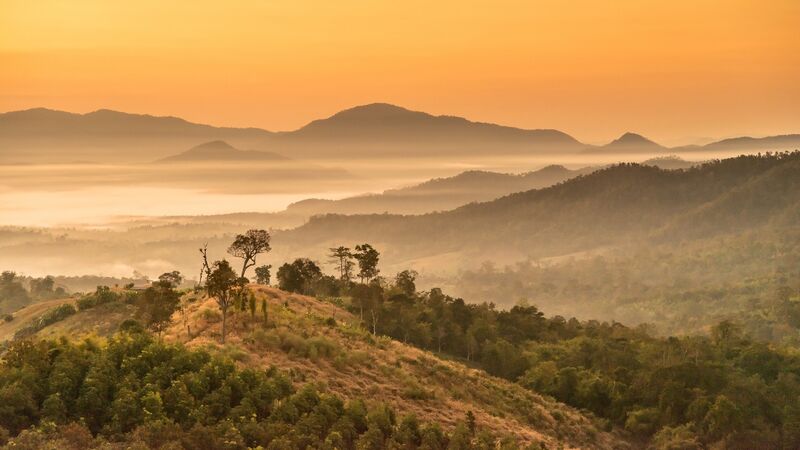
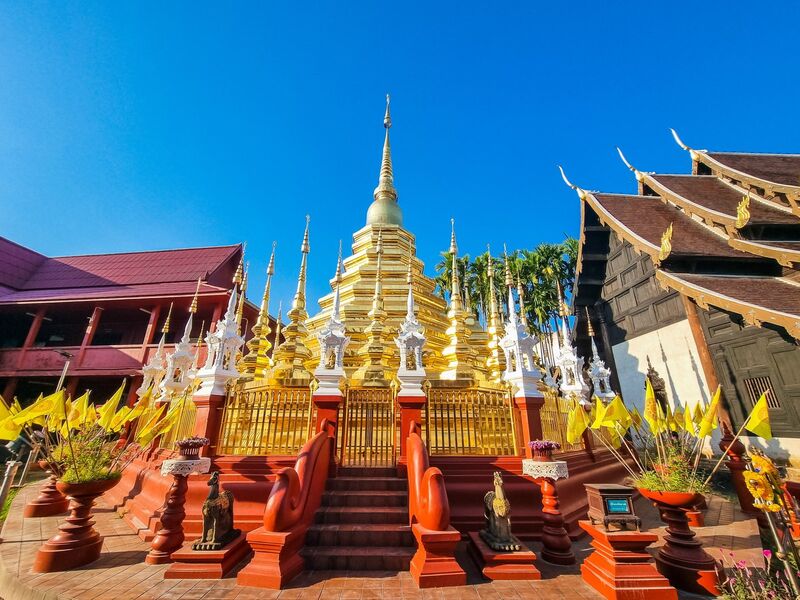
Chiang Mai wins for most travelers. It's a genuine city with 1.24 million people, 300+ temples, one of Southeast Asia's best food scenes, and infrastructure that makes life easy. Pai is a tiny mountain town of ~3,000 people — beautiful, photogenic, and worth 2–3 days as a side trip from Chiang Mai. Choosing Pai over Chiang Mai as your main northern Thailand base would be like choosing a beach shack over a city hotel: lovely for a moment, limiting for a week.
- 🏙️ Chiang Mai wins: food scene, temples, day trips, connectivity, digital nomads, first-timers
- 🌿 Pai wins: mountain scenery, budget bungalows, hippie vibe, detox from city life, slow pace
- 💰 Budget: Pai ฿500–1,200/day ($14–35) vs Chiang Mai ฿900–2,000/day ($25–55) mid-range
- 🛵 The journey: 135 km, 762 curves, 3–4 hours — the road is half the experience
🌿 Choose Pai If…
You want mountain scenery, a hippie/backpacker vibe, cheap bungalows, and a break from city noise. Great for 2–3 days between Chiang Mai legs.
🏙️ Choose Chiang Mai If…
You want temples, food variety, markets, cooking classes, elephant sanctuaries, and a city that rewards a full week. Almost everyone should start here.
Quick Comparison
| Category | 🌿 Pai | 🏙️ Chiang Mai | Winner |
|---|---|---|---|
| Population | ~3,000 (township) | ~1.24 million | Chiang Mai |
| Daily Budget (mid-range) | ฿500–1,200 ($14–35) | ฿900–2,000 ($25–55) | Pai |
| Budget Accommodation | ฿300–600/night ($8–17) | ฿400–800/night ($11–22) | Pai |
| Food Scene | Walking Street, local cafés, limited variety | World-class: khao soi, night markets, 300+ restaurants | Chiang Mai |
| Nature & Scenery | Mountain valley, canyon, bamboo bridges, hot springs | Doi Suthep, Doi Inthanon (day trip), elephant sanctuaries | Pai |
| Temples & Culture | 2–3 local temples, limited cultural depth | 300+ temples, Lanna cultural heritage, monk chats | Chiang Mai |
| Ease of Getting There | 3–4 hrs from Chiang Mai (762 curves) | Direct flights from Bangkok (1h), Singapore, KL | Chiang Mai |
| Nightlife | Walking Street, bars, psychedelic scene | Nimman Rd, Night Bazaar, multiple bar streets | Chiang Mai |
| Vibe | Hippie, backpacker, yoga, slow travel | Cosmopolitan, digital nomads, expats, culture | Depends |
| Best For | 2–3 day side trip, nature lovers, hippie crowd | First-timers, culture seekers, long stays | Chiang Mai |
| Weather (Nov–Feb) | 15–25°C, cool mornings, mountain mist | 18–28°C, dry and pleasant | Tie |
| Digital Nomad Scene | Limited coworking, unreliable WiFi | Excellent — top 10 nomad city globally | Chiang Mai |
🍜 Food & Dining
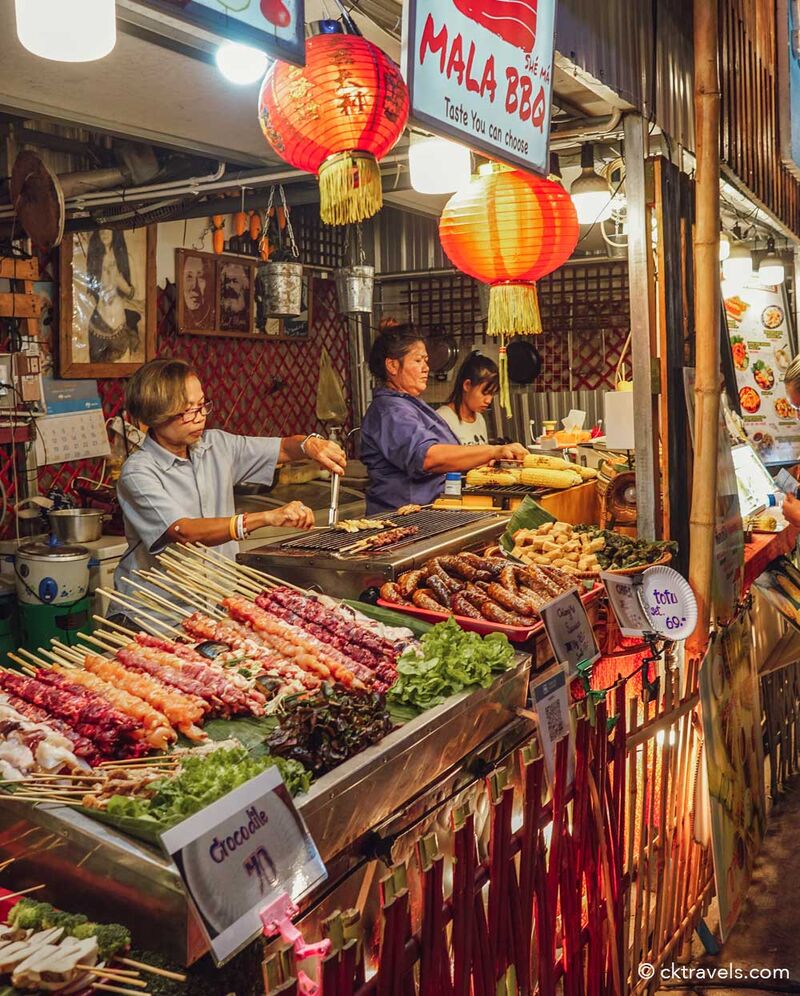
Chiang Mai's food scene is one of the best in Southeast Asia — full stop. Khao soi, the city's signature coconut curry noodle soup, costs ฿50–80 ($1.40–2.30) at legendary spots like Khao Soi Khun Yai and Khao Soi Islam. The best khao soi spots in Chiang Mai are a pilgrimage in themselves. Beyond khao soi: the Sunday Walking Street and Saturday Night Bazaar are loaded with grilled meats, mango sticky rice, northern Thai sausage (sai ua), and regional dishes you won't find elsewhere. The Nimman Road café scene is internationally recognized, and the city has hundreds of restaurants covering every cuisine imaginable.
Pai's food scene is more limited but charming. The Walking Street (open daily, most lively evenings) has Thai standards, fresh juices, smoothie bowls, and some surprisingly good international cafés. Specialty coffee culture is thriving in Pai — there are quality roasters and Instagram-worthy café spots, especially toward the Pai River area. Budget meals run ฿50–80/plate. What Pai lacks is depth — you'll cycle through the same options within a few days.
"Chiang Mai has incredible food. The markets, the khao soi places, the cooking classes... I could eat my way through a week there easily. Pai's Walking Street is cute but you've seen it all by day two." — r/ThailandTourism
"The khao soi at Pai is actually decent — Khao Soi Pai on the Walking Street. But it's not the same depth as Chiang Mai's dedicated shops that have been doing this for 40 years." — r/ThailandTourism
🌿 Nature & Outdoors
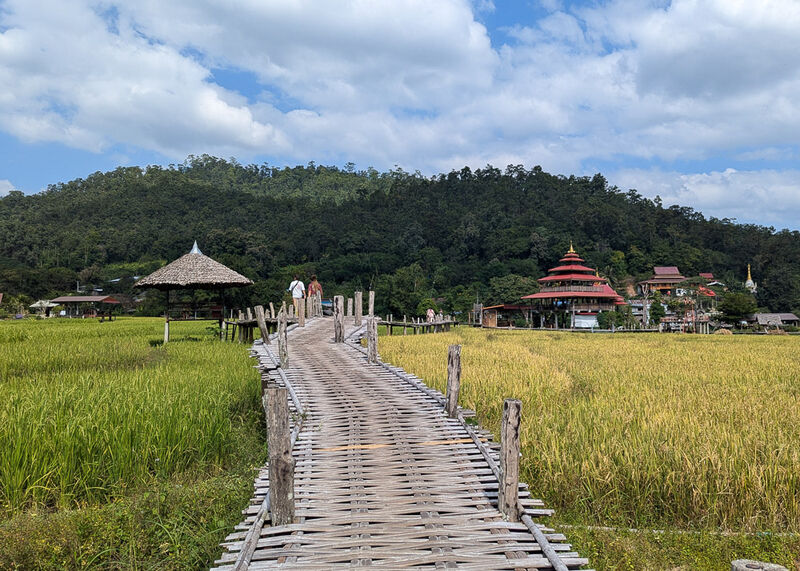
This is Pai's trump card. The entire town sits in a mountain valley at ~440m elevation, surrounded by forested hills — and the scenery is genuinely spectacular. The headline attractions:
- Pai Canyon (Kong Lan): A striking gorge with narrow red-earth ridgelines, best at sunset. Free entry, 30-min scooter ride from town. Moderate scrambling required.
- Boon Ko Ku So Bamboo Bridge: The iconic bamboo bridge across rice fields, most photogenic Nov–Jan when the fields are green.
- Tha Pai Hot Springs: Natural hot springs 8km southeast of town. Entry ฿300 ($8.50). Perfect after a cold mountain morning.
- Yun Lai Viewpoint: The sunrise viewpoint above Pai valley — worth the 5:30am wake-up call when mist fills the valley below.
- Mo Paeng Waterfall: Easy hike, swimmable pools, natural waterslide. Best in rainy season (July–Oct).
- Mae Yen Waterfall: More remote, 8km hike one-way, genuinely rewarding. Multiple Reddit users called it the best activity in Pai.
Chiang Mai's nature is mostly via day trips. Doi Suthep (the temple-topped mountain) is stunning and 30 minutes from the Old City. Doi Inthanon National Park — Thailand's highest peak at 2,565m — is a 90-minute drive with waterfalls, twin royal pagodas, and hill tribe villages. Elephant sanctuaries (notably Elephant Nature Park) let you interact ethically with rescued elephants. But the city itself is flat and urban — you're not in nature when you're in Chiang Mai.
"Do the Mae Yen waterfall hike. Best thing I did in Pai — nobody else was there and the waterfall pools were incredible." — r/solotravel
"I love getting my lunch in a hut overlooking a mountain valley in Pai. Just sitting there for hours. That's what Pai is good at." — r/ThailandTourism (local resident)
💰 Cost Comparison
Both destinations are cheap by global standards, but the gap is smaller than most people expect. Here's a realistic breakdown:
Accommodation
| Type | 🌿 Pai | 🏙️ Chiang Mai |
|---|---|---|
| Dorm bed | ฿200–350/night ($5.50–10) | ฿250–450/night ($7–12.50) |
| Budget bungalow/guesthouse | ฿300–700/night ($8–20) | ฿400–900/night ($11–25) |
| Mid-range hotel | ฿800–1,800/night ($22–50) | ฿900–2,500/night ($25–70) |
| Boutique/resort | ฿2,000–5,000/night ($55–140) | ฿2,000–6,000/night ($55–165) |
Food & Transport
Street food in both cities costs ฿50–80/dish ($1.40–2.30). A proper restaurant meal runs ฿150–300 ($4–8). Where Chiang Mai costs more: tuk-tuks and songthaews (shared pickup trucks) add up if you're moving around a lot. In Pai, everything is close enough to walk or rent a bicycle for ฿80/day ($2.25). Scooter rental: ฿150–200/day ($4–5.50) in both places.
Full-day activities comparison: Pai's Elephant Nature Park alternative doesn't exist — there's nothing comparable to Chiang Mai's reputable elephant sanctuary experience (฿2,500–3,500/$70–100). Chiang Mai cooking classes cost ฿1,200–2,000 ($33–55) and are world-famous. Pai's activities (canyon, hot springs, bamboo bridge) are mostly free or under ฿300 ($8.50).
"Could live on £10 a day in Pai if accommodation, training, and flights are paid for. If you're eating locally, renting a bike, and not partying — it's genuinely that cheap." — r/ThailandTourism
The real cost picture
- Ultra-budget travelers: Pai wins by 20–30% on accommodation
- Mid-range travelers: Nearly equal — Chiang Mai's better infrastructure balances out
- Activity costs: Chiang Mai's big experiences (elephants, cooking class) cost more but are worth it
🛵 Getting There: The 762-Curve Road

The journey from Chiang Mai to Pai is part of the experience — and one of the most-discussed topics in any Pai thread. The mountain road (Route 1095) is exactly 135 km but takes 3–4 hours due to 762 documented curves through forested mountains. Options:
- Minivan (most common): Departs Chiang Arcade Bus Terminal 3–4 times daily. Cost ฿150–200 ($4.20–5.50). Journey: ~3 hours. Serious motion sickness risk — take Dramamine the night before and morning of, sit in front, and don't look at your phone.
- Public bus: Slower (4 hrs), cheaper (฿85/$2.40), same motion sickness risk. Leaves Arcade Terminal.
- Scooter (experienced riders only): ฿150–200/day to rent in Chiang Mai. Scenic but demanding — multiple switchbacks, narrow sections, occasional rain. Accident rates are real. Reddit is full of stories of riders who ended trips early.
- Private car/taxi: ~฿1,500–2,500 ($42–70) one-way. Worth it for groups or motion sickness sufferers.
Getting to Chiang Mai first: Direct flights from Bangkok (1h, ~฿800–2,500 depending on timing), Singapore (2h), Kuala Lumpur (2.5h). Or the famous Bangkok–Chiang Mai overnight train (13h, ฿800–1,200 in sleeper) — one of Thailand's great rail journeys. From Chiang Mai, everything onward is possible.
"I did the scooter ride a couple years ago and it was amazing — but when we went to rent the bikes, a couple came limping back with a smashed scooter. Be realistic about your experience level. The road is NOT beginner-friendly." — r/solotravel
"The mountain drive alone is worth it. Four hours and the whole bus was throwing up. I still recommend it. Just take the pills." — r/ThailandTourism
🌸 Best Time to Visit
Both destinations are in northern Thailand and share similar seasons, but elevation makes Pai noticeably cooler:
Cool Season: November–February ⭐ BEST
This is prime time for northern Thailand. Temperatures in Pai drop to 10–15°C at night (November especially) — colder than most travelers expect. Pack a layer. Chiang Mai stays warmer: 18–28°C days, 15°C nights. The bamboo bridge rice fields are green, Pai Canyon sunsets are clear, and the valley mist at Yun Lai Viewpoint is magical. Chiang Mai's temples and markets are at their best.
Hot Season: March–May 🔥 SMOKY SEASON — AVOID
This is the biggest hidden downside of northern Thailand in general. Agricultural burning in March–April fills the air with thick smoke haze. Air quality in Chiang Mai and Pai can be genuinely dangerous — AQI regularly exceeds 200 (hazardous) during peak burning weeks. If you're visiting March–May, check real-time AQI at aqicn.org before committing. Some years are worse than others, but this is a real health concern, not a minor inconvenience.
Rainy Season: June–October 🌧️ MIXED
Lush and green, with waterfalls at full force (Mae Yen is spectacular July–September). Fewer tourists. Pai Canyon can be muddy. The mountain road to Pai has occasional landslides in heavy rain — check road conditions. Chiang Mai is fine most of this period; occasional flooding in low-lying areas.
"Visited Pai in December — wore a fleece every morning. The mountain air at 5am for the sunrise viewpoint was genuinely cold. Loved it. But pack layers if you're coming November–January." — r/ThailandTourism
🏨 Where to Stay & Vibe
The "vibe" difference between Pai and Chiang Mai is arguably the most important factor in this comparison — and Reddit has opinions.
Pai's Vibe
Pai attracts a very specific traveler archetype: young backpackers, hippie-adjacent tourists, yoga retreaters, people microdosing mushrooms, and long-term slow travelers who've been "in Asia" for months. The town is tiny — you can walk everywhere. It has a counter-culture energy that some people love and others find performative or claustrophobic. The Israeli traveler community is notably large (some Reddit threads delicately note this). The guesthouse scene is great for budget bungalows: bamboo huts, river-view rooms, and jungle retreats all under ฿700/night ($20).
Chiang Mai's Vibe
Chiang Mai is Thailand's second-largest city and a legitimate cosmopolitan hub. The Old City (inside the moat) is the cultural heart — walkable, temples on every block, excellent guesthouses for ฿500–1,500/night ($14–42). Nimman Road (Nimmanhaemin) is where digital nomads, expats, and upscale travelers gravitate — rooftop bars, specialty coffee, boutique hotels. The Night Bazaar area is more tourist-facing but convenient. Chiang Mai rewards longer stays because it has layers: the longer you're there, the more you discover.
"Staying in hostels? Pai. Staying in hotels and needing things to do? Chiang Mai. CM has a population of one million. Pai, 3,000. Think about it." — r/ThailandTourism
"I spent 5 months living in Pai and loved every day of it. But I'm also very clear it's not for everyone. The backpacker element can feel overwhelming if that's not your scene." — r/ThailandTourism
🎒 Day Trips
From Chiang Mai, day trip options are world-class:
- Elephant Nature Park (~40 min): Rescue sanctuary founded by Lek Chailert. Half-day from ฿2,500 ($70), full-day from ฿3,500 ($97). Book weeks ahead — slots sell out.
- Doi Inthanon National Park (90 min): Thailand's highest peak, twin royal pagodas, Wachirathan Waterfall, and hill tribe villages. Best done by rented scooter or organized tour (~฿1,200/$33).
- Doi Suthep Temple (30 min): The mountain temple visible from the city. Songthaew from the moat for ฿50 each way. Combine with Doi Pui hill tribe village.
- Chiang Rai (3 hrs): The White Temple (Wat Rong Khun) and Blue Temple make for a full-day tour — or stay a night and visit the Chiang Rai night markets.
- Mae Kampong (1.5 hrs): A hill tribe village that's the opposite of touristy, with jungle waterfalls and homestays.
- Chiang Mai to Pai: Pai itself is the classic day trip that becomes a 2–3 night stay.
From Pai, day trips are mostly nature-focused:
- Mae Hong Son (2 hrs): The provincial capital is significantly less touristy than Pai, with authentic Burmese-influenced temples and a beautiful lake. Reddit consistently recommends it as "what Pai used to be."
- Tham Lod Cave (1.5 hrs): River cave with prehistoric cave art and bamboo raft rides. Worth the effort.
- Coffin Cliff (30 min): Ancient wooden coffins of the Lawa people, accessible via short hike. Eerie and impressive.
- Mae Yen Waterfall: 8km hike, doable as a long half-day from town.
🎉 Nightlife & Social Scene
These two towns have very different after-dark personalities.
Pai at Night
Pai's Walking Street is lively until around midnight — fire dancers, live music, bars, and the "special" brownies scene. The backpacker hostels run pub crawls. There's a specific cannabis-and-mushrooms culture that's open about itself. One popular thread described Pai's NYE as "stoned 20-something backpackers who fall asleep by 10pm" while Chiang Mai's NYE involves fireworks, lanterns, and bars open until 4am. If you want a specific type of party — outdoors, loose, countercultural — Pai delivers it.
Chiang Mai at Night
Nimman Road has rooftop bars, cocktail lounges, and wine bars catering to expats and upscale travelers. The Night Bazaar area has live music bars and beer garden-style venues. The Zoe in Yellow block (near the Old City moat) is the backpacker party district with open-air bars going until 1–2am. Saturday Walking Street and Sunday Walking Street are evening shopping/food events, not party scenes specifically. Chiang Mai's NYE draws thousands for sky lanterns (Yi Peng) and fireworks along the moat.
"Chiang Mai for NYE — fireworks, likely lanterns, huge party across the city, bars open until 4am. Pai for NYE — stoned backpackers who fall asleep by 10pm." — r/ThailandTourism
"Pai has better music and parties if that's what you're looking for — but it's a specific kind of party. Substances. Forest. The type of people who believe in energy healing." — r/ThailandTourism
🔀 Why Not Both?
The good news: you don't have to choose. The standard northern Thailand itinerary does both, and it's the right move for almost everyone.
The classic approach:
- Arrive in Chiang Mai. Spend 3–5 days: temples, cooking class, Thai massage, Night Bazaar, Doi Suthep, elephant sanctuary.
- Take the minivan to Pai (3.5 hrs). Spend 2–3 nights: bamboo bridge, canyon sunset, hot springs, Mae Yen hike, Walking Street.
- Return to Chiang Mai (you must return through Chiang Mai anyway for most onward connections).
- Continue: Chiang Rai, Bangkok, Koh Samui, Vietnam — whatever's next.
This approach is the Reddit consensus "right answer." As one experienced traveler put it: "Start in Chiang Mai, spend a couple of days, then head to Pai for a couple of days. Then just stay in Pai until you're bored and head back to Chiang Mai. No need to plan this entirely in advance — there's always accommodation and transport available between the two."
Compare also: Chiang Mai vs Chiang Rai and Chiang Mai vs Luang Prabang if you're planning the broader northern Thailand/Southeast Asia route.
🎯 The Decision Framework
Not sure which to pick? Use this:
🌿 Choose Pai (or more time in Pai) If…
- You've already done Chiang Mai and want something totally different
- Mountain scenery and outdoor activities are your priority
- You're traveling for weeks and need to slow down
- The hippie/backpacker social scene appeals to you
- You want yoga, Muay Thai training, or meditation retreat options
- You're on an ultra-tight budget (bungalows from ฿300/night)
- You love photography — the bamboo bridge and canyon are stunning
- The idea of being somewhere genuinely small and quiet sounds right
🏙️ Choose Chiang Mai (or more time in Chiang Mai) If…
- This is your first time in northern Thailand
- You want temples, cultural depth, and authentic Lanna heritage
- Food matters to you — khao soi, markets, cooking classes
- You want an ethical elephant experience (Elephant Nature Park)
- You're a digital nomad needing good WiFi and coworking spaces
- You have a week or more and want variety every day
- You want strong onward flight connections to the rest of Southeast Asia
- Nightlife, bars, and a social scene beyond the backpacker bubble matter
❓ Frequently Asked Questions
Is Pai or Chiang Mai better for first-time Thailand visitors?
Chiang Mai is the better choice for first-timers. It has a million things to do — temples, cooking classes, elephant sanctuaries, a thriving food scene, and strong transport connections. Pai is a small mountain town of ~3,000 people best suited as a 2–3 day side trip from Chiang Mai, not a primary destination.
How far is Pai from Chiang Mai?
Pai is 135 km from Chiang Mai, but the mountain road has 762 curves, making the journey 3–4 hours by minivan or bus. The drive itself is scenic but can cause serious motion sickness — take Dramamine. By scooter it takes 3–4 hours and is popular among experienced riders only.
How many days do you need in Pai?
Most travelers are satisfied with 2–3 days in Pai. You can see Pai Canyon, the bamboo bridges, Tha Pai Hot Springs, and the Walking Street market comfortably in that time. Longer stays (1+ week) are common among those who come for Muay Thai training, yoga, or the hippie/slow-travel scene.
Is Pai safe for solo female travelers?
Yes, both Pai and Chiang Mai are considered safe for solo female travelers. Pai's main safety concern is scooter accidents — the mountain roads and inexperienced riders create real risk. Chiang Mai's Old City area is very well-lit and walkable at night. Standard precautions apply to both.
Which is cheaper, Pai or Chiang Mai?
Pai is marginally cheaper for accommodation — budget bungalows run ฿300–600/night ($8–17). But Chiang Mai has more options at every price point and much cheaper transport within the city. Daily budget: Pai ฿500–1,200/day ($14–35), Chiang Mai ฿900–2,000/day ($25–55) for mid-range travelers.
Can you do Pai as a day trip from Chiang Mai?
Technically possible but not recommended. The 3–4 hour journey each way leaves only a few hours in Pai, and the road is too winding to enjoy twice in one day. At minimum stay one night. Most travelers do 2–3 nights to make the journey worthwhile.
What is Pai famous for?
Pai is famous for its mountain valley scenery, hippie/backpacker scene, Pai Canyon (like a mini Grand Canyon), the Boon Ko Ku So bamboo bridge across rice fields, Tha Pai Hot Springs, and the drive with 762 curves from Chiang Mai. It's also known for its Walking Street night market and relaxed, counter-culture atmosphere.
Is Pai worth visiting or is it overrated?
Reddit is divided. Many travelers love Pai's natural beauty and low-key vibe, but plenty find it too touristy, too drug-focused, or too small to justify the journey. The honest consensus: if you love nature and don't mind the hippie crowd, it's worth 2–3 days. If you want authentic Thai culture, Chiang Mai delivers far more value for your time.
Ready to Plan Your Trip?
Get a custom itinerary for Chiang Mai, Pai, or both — built around your travel dates, budget, and interests.
🎟️ Book Tours & Experiences
Hand-picked tours and activities for both destinations — book with free cancellation
Experiences via Viator — free cancellation on most tours