How we built this comparison
This page combines traveler discussion patterns, published price ranges, flight schedules, and seasonal data to help you decide between Palau and Great Barrier Reef.
- Reviewed 50+ Reddit threads from r/travel, r/solotravel, r/scuba, r/Australia, and r/micronesia.
- Verified costs and logistics against current booking platforms (e.g., Google Flights, Booking.com, dive operator sites).
- Cross-referenced seasonal patterns and weather data from NOAA and local tourism boards.
- Incorporated insights from recent travel blogs and reputable travel guides (e.g., Lonely Planet, Rough Guides).
⚡ The TL;DR Verdict
For serious divers and those seeking untouched natural beauty and solitude, Palau is an unparalleled, albeit expensive, choice. The Great Barrier Reef offers a broader appeal with more accessible options for families, snorkelers, and those who appreciate a vibrant coastal town experience, typically fitting a mid-range daily budget of AUD $150-350 ($100-230 USD). Palau requires a higher daily budget, often USD $250-500+, given its remote nature and dive-focused activities.
- Choose Palau: If you're a certified diver seeking world-class pelagic action, pristine reefs, unique marine lakes, and don't mind a higher price tag for exclusivity and adventure off the beaten path.
- Choose Great Barrier Reef: If you're looking for a more varied coastal experience, accessible snorkeling and diving for all levels, family-friendly activities, and a wider range of accommodation and dining options with easier logistics.
- Choose Both: For the ultimate Pacific marine adventure, consider combining both if you have 3-4 weeks and a substantial budget. Start with the GBR for accessibility and variety, then move to Palau for its unique, intense dive experience.
Quick Comparison
| Category | Palau | Great Barrier Reef | Winner |
|---|---|---|---|
| Nature & Diving | Unparalleled, world-class diving with healthy, vibrant reefs, pelagic action, and unique marine lakes like Jellyfish Lake. | Vast, diverse ecosystem with accessible reefs, colorful coral, and abundant marine life suitable for all skill levels, from snorkeling to diving. | Palau |
| Costs & Budget | High due to remote location and dive-centric activities; expect premium prices for everything from flights to food. | Moderate to high; costs vary widely from budget hostels to luxury island resorts, with tours being the main expense. | |
| Getting There | Remote location requires multiple connecting flights, often via Asian hubs like Manila, Taipei, or Guam, with limited flight frequency. | Well-connected to major Australian cities via direct domestic flights to Cairns, making access relatively straightforward. | |
| Accommodation | Limited options, primarily mid-range hotels and a few luxury resorts; guesthouses are rare but exist. | Wide variety from budget hostels and self-contained apartments to luxury resorts on the mainland and exclusive island getaways. | |
| Food & Dining | Limited variety, focused on fresh seafood and local Palauan dishes; international options are few and often pricy. | Diverse culinary scene with modern Australian cuisine, fresh seafood, Asian fusion, and a wide array of international restaurants. | |
| Culture & History | Rich indigenous Palauan culture, traditional village life, and significant WWII historical sites and relics. | Modern Australian culture with influences from its colonial past, a growing appreciation for Aboriginal heritage, and unique local art scenes. | Palau |
| Weather & Seasons | Consistent tropical climate with year-round warmth; distinct wet and dry seasons, but diving is good any time. | Tropical climate with distinct wet (hot, humid, stinger season) and dry (cooler, less humid, ideal) seasons, plus cyclone risk. | Tie |
| Getting Around | Small island, easy to navigate Koror by taxi or rental car; boat tours are essential for reef access. | Walking in towns, shuttle buses, and taxis for local transport; reef access is almost exclusively via boat tours. | Tie |
| Beaches & Relaxation | Pristine, often remote beaches on the Rock Islands, best accessed via boat tours; less focus on resort-style beach relaxation. | Wide array of mainland and island beaches, from bustling resort fronts to secluded coves, with more focus on traditional beach relaxation and amenities. | |
| Family Friendliness | Best for older children who are keen on diving or adventurous snorkeling; limited activities for very young kids. | Excellent for families with diverse activities, from snorkeling and wildlife parks to easy-access beaches and resort amenities. |
🐠 Nature & Diving
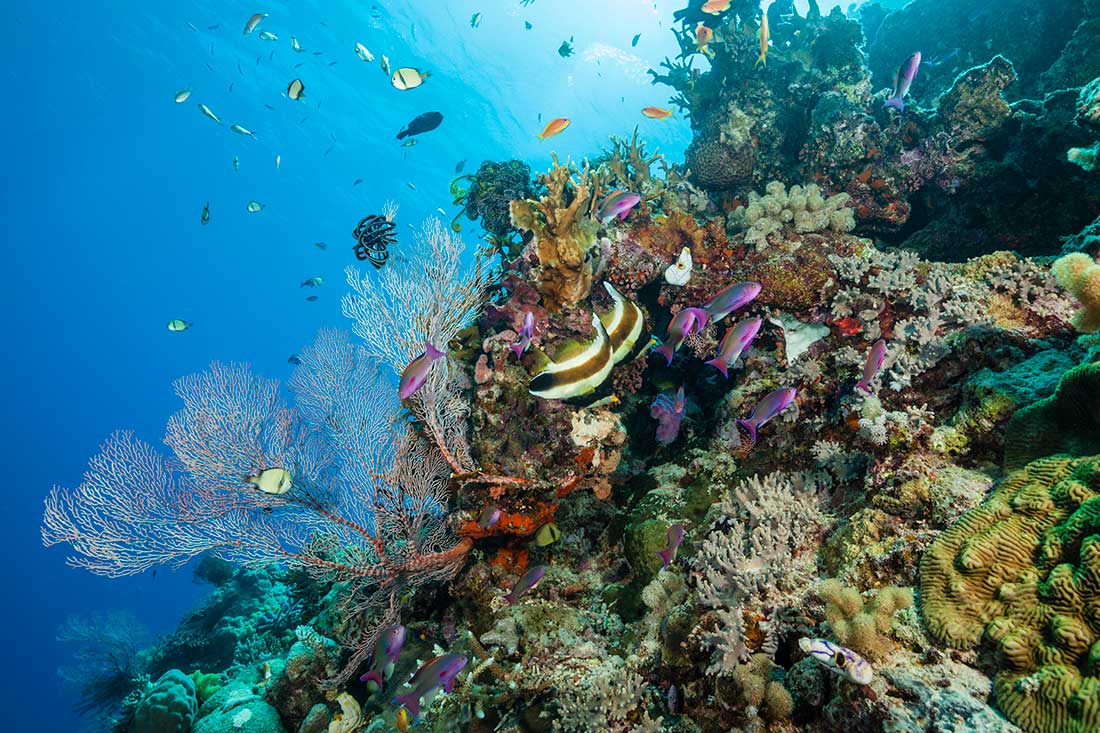
Palau is unequivocally a diver's paradise, often hailed as one of the best dive destinations on the planet. Its healthy, protected reefs boast incredible biodiversity, strong currents that bring in sharks, manta rays, and huge schools of fish at sites like Blue Corner, German Channel, and Peleliu Express. The unique, non-stinging Jellyfish Lake offers an otherworldly snorkeling experience. Dive packages are typically all-inclusive with reputable operators like Sam's Tours or Fish 'n Fins, often costing around $200-300 USD per day for 2-3 dives including lunch and permits. You'll need permits for certain areas; the Rock Islands Southern Lagoon permit is $50 USD. In contrast, the Great Barrier Reef, while immense and beautiful, has faced challenges like coral bleaching. However, its sheer scale means there are still incredibly vibrant sections. Outer reef trips from Cairns or Port Douglas with operators like Quicksilver or Reef Magic cost around AUD $250-350 ($160-230 USD) for a full day of snorkeling and introductory diving. For serious divers, liveaboards like Spirit of Freedom offer multi-day trips to more pristine northern reefs. "Palau's currents are no joke, but the payoff at Blue Corner is insane. Saw like 20 reef sharks on one dive. GBR was pretty but felt more 'touristy' to me." While the GBR is fantastic for accessibility and variety, Palau's untouched quality and sheer abundance of pelagic life give it the edge for serious underwater enthusiasts.
Winner takeaway
- Winner: Palau
- Why: Palau offers a more pristine, intense, and unique world-class diving experience with healthier reefs and unparalleled pelagic encounters.
- Who this matters for: Experienced divers, underwater photographers, and those seeking truly unique marine ecosystems.
💸 Costs & Budget
Palau is an expensive destination, primarily due to its remote location and reliance on imported goods and specialized dive tourism. A typical budget for a diver will be $250-500+ USD per day, excluding international flights. A decent hotel like Palau Central Hotel can run $150-250 USD/night, while a high-end resort like Palau Pacific Resort is $350-600 USD+. A simple meal might cost $15-25 USD, while a nice dinner is $40-70 USD. Dive packages, permits, and boat trips are the biggest chunk of the budget. International flights are often $1500-2500 USD from major hubs like the US or Europe. The Great Barrier Reef, centered around Cairns and Port Douglas, offers a much wider range of budgets. You can find hostel beds for AUD $30-50 ($20-35 USD) in Cairns, or a nice hotel for AUD $150-300 ($100-200 USD). Food costs range from AUD $15 ($10 USD) for a casual meal to AUD $50-80 ($35-55 USD) for a sit-down dinner. The main expenses are reef tours, which, as mentioned, are AUD $250-350 ($160-230 USD) per day. Domestic flights within Australia to Cairns are usually AUD $150-400 ($100-270 USD) return. "Palau was epic, but my wallet definitely felt it. GBR was easier to manage, even with a few tours." The sheer variety of options in Australia makes it more budget-friendly overall, especially if you're not solely focused on daily diving.
Winner takeaway
- Winner: Great Barrier Reef
- Why: The Great Barrier Reef offers a much wider range of accommodation, dining, and activity options to suit various budgets, making it more accessible.
- Who this matters for: Budget-conscious travelers, families, and those seeking more flexibility in spending.
✈️ Getting There
Reaching Palau (Koror, ROR) is a journey. There are no direct flights from North America or Europe. Travelers typically connect through hubs like Manila (Philippines Airlines), Taipei (China Airlines), or Guam (United Airlines). For instance, a flight from Los Angeles (LAX) to Koror can take 18-24+ hours with two layovers, costing anywhere from $1500-2500 USD. Flight frequency is limited, often only a few times a week from each hub, requiring careful planning. Once you land, it's a short 20-30 minute taxi ride to Koror, usually around $25-30 USD. The Great Barrier Reef's primary gateway is Cairns (CNS), which is easily accessible from all major Australian cities. Direct flights from Sydney (SYD) or Melbourne (MEL) to Cairns take around 3 hours and cost AUD $150-400 ($100-270 USD) return, depending on the season and booking in advance. International travelers typically fly into Sydney or Melbourne first, then take a domestic connection. From Cairns airport, it's a quick 10-15 minute taxi or shuttle ride to the city center for AUD $20-30 ($13-20 USD). Port Douglas, another popular GBR hub, is about an hour's drive north of Cairns, with shuttle services readily available for around AUD $40-50 ($27-35 USD). "Flying to Palau felt like a real adventure just getting there. GBR was a breeze compared to that, just a normal domestic flight." The ease and speed of access to the Great Barrier Reef make it a clear winner in this category.
Winner takeaway
- Winner: Great Barrier Reef
- Why: The Great Barrier Reef is significantly easier and quicker to access, especially for those already in Australia or flying into major Australian gateways.
- Who this matters for: Travelers with limited time, those sensitive to long-haul flights, and families with young children.
🏨 Accommodation
Palau's accommodation scene is small, reflecting its niche tourism market. You'll find a handful of mid-range hotels like Palau Central Hotel (around $150-250 USD/night) or Sea Passion Hotel, which cater primarily to divers. For luxury, the Palau Pacific Resort (PPR) is the standout, offering beautiful beachfront bungalows and amenities starting from $350-600 USD/night. Budget options are very scarce; small guesthouses or Airbnb rentals are few and far between and often booked well in advance. During peak season, availability can be tight, and prices even higher. In contrast, the Great Barrier Reef region, particularly Cairns and Port Douglas, boasts an extensive range of accommodation. In Cairns, you can find backpacker hostels like Gilligan's or Cairns Central YHA for AUD $30-60 ($20-40 USD) per night, numerous mid-range hotels like Pacific Hotel Cairns (AUD $150-250 / $100-170 USD), and luxurious options such as the Shangri-La Hotel (AUD $300-500 / $200-330 USD). Port Douglas offers a more upscale, relaxed vibe with many resorts like the Sheraton Grand Mirage (AUD $300-600 / $200-400 USD) and self-contained apartments perfect for families. For a unique experience, you can stay on island resorts like Fitzroy Island Resort (AUD $200-500 / $130-330 USD) or the ultra-luxury Qualia on Hamilton Island (AUD $1500+ / $1000+ USD). "In Palau, it felt like everyone was staying at one of three places. GBR, I could pick literally anything, from a cheap hostel to a private island." The sheer breadth of choices in the GBR region ensures there's something for every budget and preference.
Winner takeaway
- Winner: Great Barrier Reef
- Why: The Great Barrier Reef region offers a vastly greater selection of accommodation types, price points, and locations, from budget hostels to ultra-luxury private islands.
- Who this matters for: Any traveler, from backpackers to luxury seekers, and especially families needing varied options.
🍽️ Food & Dining
Palau's dining scene is primarily centered in Koror, offering a functional rather than gourmet experience. Fresh seafood, often prepared simply, is the highlight. You'll find local eateries serving Palauan staples like taro, breadfruit, and fresh fish, alongside some Americanized diner-style food. Popular spots include Drop Off Bar & Grill for casual fare and nice views, or Elilai for a slightly more upscale experience with prices for mains typically $20-40 USD. International options are limited to a few Asian restaurants (Japanese, Chinese) and some hotel dining. While the food is generally fresh, it's not a destination for culinary exploration. The Great Barrier Reef region, particularly Cairns and Port Douglas, offers a vibrant and diverse food scene. From casual cafes and bustling markets to fine dining, there's something for every palate. Cairns boasts numerous restaurants along the Esplanade serving modern Australian cuisine, fresh seafood platters (expect to pay AUD $40-80 / $27-55 USD for a good one), and a strong Asian influence with excellent Thai, Vietnamese, and Japanese eateries. Port Douglas has a more refined dining scene, with renowned restaurants like Salsa Bar & Grill or Zinc Port Douglas, where mains might be AUD $35-60 ($23-40 USD). You can grab a quick, tasty meal for AUD $15-25 ($10-17 USD) at many places. "Palau food was fine, but after a week, I was craving variety. GBR, I felt like I could eat somewhere new and delicious every night." The greater variety, quality, and accessibility of dining options in the GBR region make it a clear winner for foodies.
Winner takeaway
- Winner: Great Barrier Reef
- Why: The Great Barrier Reef region offers a significantly more diverse, high-quality, and varied culinary landscape catering to all tastes and budgets.
- Who this matters for: Foodies, families with diverse palates, and those who enjoy exploring local and international cuisines.
🗿 Culture & History
Palau offers a deep dive into both ancient traditions and modern history. The Palauan culture is rich with oral traditions, community-centric practices, and impressive bai (traditional meeting houses) with intricate carvings. The Etpison Museum in Koror provides excellent insight into the island's heritage. Beyond culture, Palau played a pivotal role in WWII, particularly the Battle of Peleliu. Visitors can explore well-preserved battlefields, abandoned tanks, and relics, offering a somber yet fascinating historical experience. Many dive sites even feature shipwrecks from the war. Guides can take you on tours of these historical sites, often costing $50-100 USD for a half-day. The Great Barrier Reef region, primarily Queensland, showcases modern Australian culture, influenced by its British colonial past and a growing recognition of its Aboriginal heritage. While there aren't 'ancient' sites in the same vein as Palau, visitors can learn about the local Aboriginal tribes (e.g., the Yirrganydji people near Port Douglas) through cultural tours, art galleries, and performances like the Tjapukai Aboriginal Cultural Park (temporarily closed as of late 2023, but similar experiences exist). Cairns and Port Douglas offer a relaxed, tropical Australian vibe with bustling markets, live music, and a focus on outdoor activities. "Palau's history tours on Peleliu were incredibly moving and something I'll never forget. GBR is more about nature, less about deep history." For unique cultural immersion and tangible historical exploration, Palau is unmatched.
Winner takeaway
- Winner: Palau
- Why: Palau offers a more distinct, preserved indigenous culture and a profound, tangible historical experience, especially concerning WWII.
- Who this matters for: History buffs, cultural enthusiasts, and those interested in unique Pacific island heritage.
☀️ Weather & Seasons
Palau enjoys a consistent tropical climate year-round, with average temperatures hovering around 27-29°C (80-85°F). There's a wet season from July to October, bringing more rain, but usually in short, heavy bursts, and a drier season from November to June. However, diving is excellent all year, as visibility often remains superb, and the rain doesn't typically impact underwater conditions. The biggest concern is occasional typhoons passing through the region, typically outside peak dive season. The Great Barrier Reef region also has a tropical climate but with more pronounced seasonal differences. The 'dry season' from May to October is considered the best time to visit: temperatures are milder (20-28°C / 68-82°F), humidity is lower, and the risk of rain and cyclones is minimal. This is also outside the 'stinger season' when venomous jellyfish are prevalent, requiring wetsuits. The 'wet season' from November to April is hot, humid, and prone to heavy rainfall, thunderstorms, and the possibility of cyclones, which can disrupt travel and reef tours. This is also prime stinger season. "Palau was warm and wet, but honestly, it didn't really affect my diving. GBR in the wet season was a whole different beast with the humidity and stingers." While Palau offers more consistent, year-round good conditions for its primary activity (diving), the GBR's dry season is undeniably pleasant. Conversely, the GBR's wet season can be quite challenging, whereas Palau's wet season is generally less disruptive. It's a tie because each has its pros and cons depending on what you're doing and when you go.
Winner takeaway
- Winner: Tie
- Why: Both destinations offer excellent weather during their peak seasons, but also have distinct periods of less ideal conditions, making it a balanced comparison.
- Who this matters for: Travelers with specific timeframes or those sensitive to humidity, rain, or marine stingers.
🚗 Getting Around
Getting around Palau is straightforward once you're on the main island of Koror. It's a small island, so taxis are readily available and reasonably priced for short distances (e.g., $5-10 USD within Koror). Many hotels offer shuttle services. Rental cars are also an option, usually around $50-70 USD per day, giving you flexibility to explore sites like the Ngardmau Falls or the capital, Ngerulmud. However, the vast majority of activities in Palau involve boat trips to the Rock Islands and dive sites. These are typically organized through your dive shop or tour operator and are included in the price of your activity. In the Great Barrier Reef region, towns like Cairns and Port Douglas are very walkable. Cairns has a free shuttle bus service along the Esplanade. For longer distances, taxis, Uber, and local bus services are available. If you want to explore the Daintree Rainforest or surrounding areas, renting a car (AUD $50-100 / $35-70 USD per day) is highly recommended. Like Palau, access to the actual reef is almost exclusively via organized boat tours, which depart from marinas in Cairns, Port Douglas, or Mission Beach. These range from large catamarans to smaller dive boats. "In Palau, I just let my dive shop handle everything; getting around wasn't really a 'thing'. GBR felt like I had more options, but still relied on boats for the reef." Both destinations rely heavily on organized boat tours for their primary attractions. On land, Palau is smaller and simpler, while GBR offers more traditional transport options for broader exploration.
Winner takeaway
- Winner: Tie
- Why: Both destinations have efficient ways to get around their main hubs and rely heavily on boat tours for marine access, balancing their respective advantages.
- Who this matters for: Travelers who prefer structured tours vs. independent land exploration, and those who prioritize ease of access to marine activities.
🏖️ Beaches & Relaxation
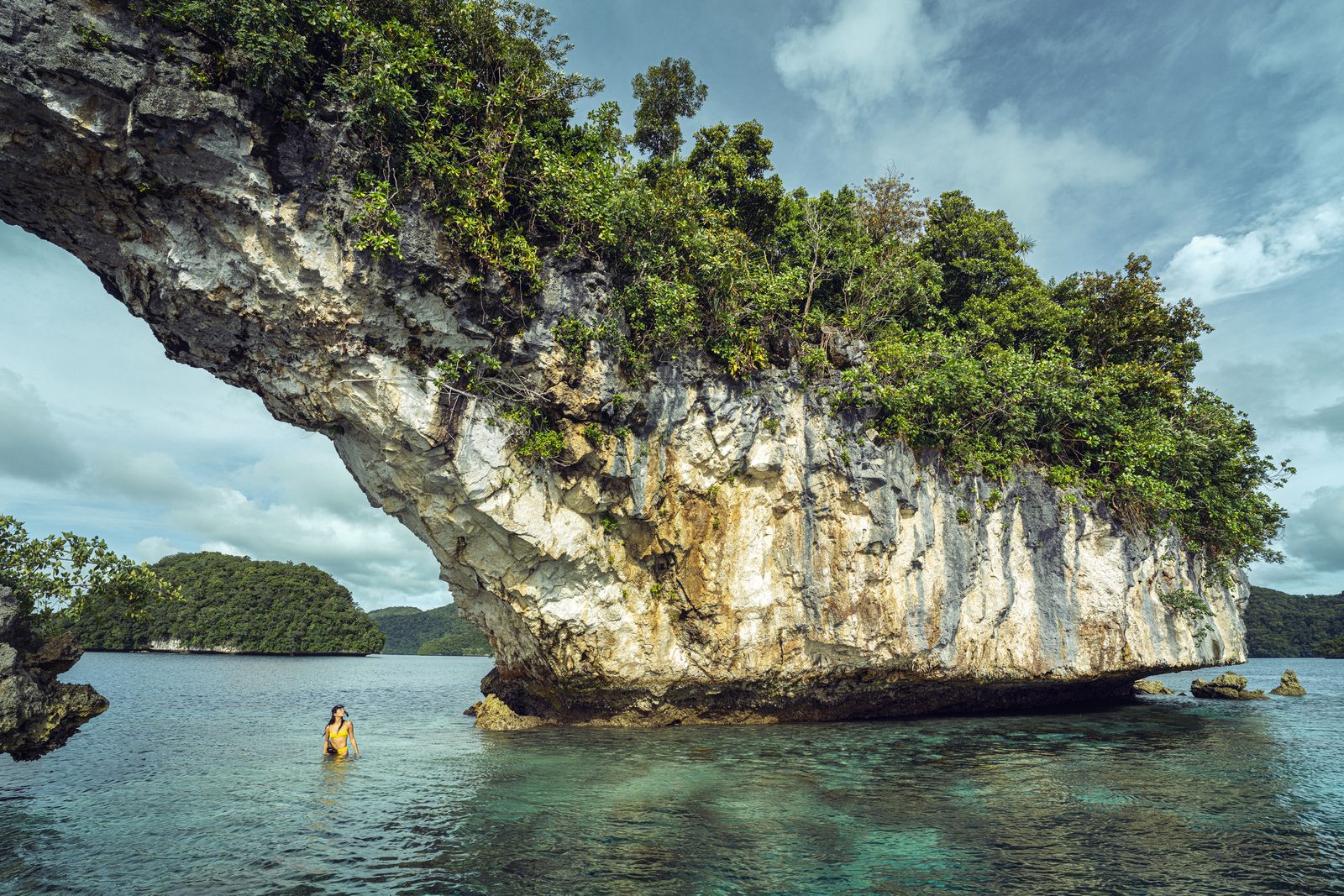
Palau's beaches are incredibly beautiful and pristine, primarily found on the Rock Islands. Think soft white sand, turquoise waters, and lush green backdrops. However, these are often isolated and best accessed as part of a Rock Islands tour or dive trip. Examples include Long Beach, which only appears at low tide, or secluded coves perfect for a quiet lunch stop. While stunning, they aren't typically developed for resort-style relaxation with beach bars and umbrellas. The Palau Pacific Resort offers the most accessible and amenities-rich beach experience. The Great Barrier Reef region, on the other hand, offers a much broader and more accessible array of beaches for relaxation. In Cairns, you have the Esplanade Lagoon for swimming and sunbathing, though not a natural beach. Just north, beaches like Palm Cove, Trinity Beach, and Clifton Beach offer beautiful stretches of sand with resort amenities, cafes, and easy access. Port Douglas boasts the iconic Four Mile Beach, perfect for long walks and relaxation, with many resorts fronting it. Further afield, islands like Fitzroy Island and Green Island offer stunning beaches and activities just a short ferry ride away. "Palau's beaches were gorgeous, but felt more like quick stops between dives. GBR, I could spend a whole day just chilling on the sand, grabbing a drink." For traditional beach relaxation, accessibility, and amenities, the Great Barrier Reef region provides significantly more options.
Winner takeaway
- Winner: Great Barrier Reef
- Why: The Great Barrier Reef region offers a greater variety of easily accessible, amenity-rich beaches suitable for traditional relaxation, sunbathing, and swimming.
- Who this matters for: Families, couples seeking romantic beach strolls, and travelers who prioritize beach relaxation alongside marine activities.
👨👩👧👦 Family Friendliness
Palau, while incredibly safe and beautiful, is primarily geared towards adult divers. For families with very young children, activities are limited. Older children (say, 10+) who are certified or aspiring divers will have an unforgettable experience with snorkeling Jellyfish Lake, light kayaking, or intro dives. However, the long travel times, lack of kid-specific amenities, and the intense focus on diving might make it challenging for younger families. There aren't many kid-friendly museums, theme parks, or specific attractions beyond the marine environment. The Great Barrier Reef region excels in family friendliness. Cairns and Port Douglas offer a plethora of activities for all ages. Kids can enjoy snorkeling on the outer reef (many tours provide kid-sized gear and supervision), visit wildlife parks like Hartley's Crocodile Adventures or the Cairns Wildlife Dome, explore the Cairns Esplanade Lagoon, or simply enjoy the resort pools. Many island resorts, like Fitzroy Island, have dedicated family activities. The accessibility, variety of non-diving activities, and range of family-friendly accommodation options (apartments, resorts with kids' clubs) make it much easier for families to plan a varied and enjoyable trip. "We took our teenagers to Palau, and they loved the diving, but our younger one was a bit bored. GBR had something for everyone, even the little guys." The sheer breadth of family-oriented activities and infrastructure in the GBR region makes it the superior choice for most families.
Winner takeaway
- Winner: Great Barrier Reef
- Why: The Great Barrier Reef offers a much wider range of accessible, age-appropriate activities and amenities for families with children of all ages, beyond just diving.
- Who this matters for: Families with young children, those seeking diverse activities beyond diving, and travelers valuing convenience and accessibility.
❓ Frequently Asked Questions
Which destination is better for non-divers?
For non-divers, the Great Barrier Reef is generally better. It offers a broader range of activities like snorkeling, glass-bottom boat tours, semi-submersibles, scenic flights, island relaxation, and extensive land-based attractions in Cairns and Port Douglas. While Palau has snorkeling and kayaking, its primary allure and infrastructure are heavily dive-focused, meaning non-divers might find options more limited and pricier.
Is either destination safe for solo female travelers?
Both Palau and the Great Barrier Reef region are very safe destinations for solo female travelers. Palau has an extremely low crime rate and a close-knit community. In Australia, the GBR cities like Cairns and Port Douglas are well-developed tourist hubs with standard safety precautions. As always, common sense applies: be aware of your surroundings, especially at night, and inform others of your plans.
What's the best way to get between the two if I wanted to visit both?
There are no direct flights between Palau and Australia. You'd need to fly from Koror (ROR) back to an Asian hub like Manila or Taipei, then connect to a major Australian city (e.g., Sydney or Brisbane), and finally take a domestic flight to Cairns (CNS). This would be a multi-day journey with significant travel time and cost, making it logistically challenging to combine in a single short trip.
How do the crowds compare?
Palau is generally much less crowded, offering a more remote and exclusive experience. You'll often have dive sites with just your boat. The Great Barrier Reef, especially around Cairns and Port Douglas, can be quite busy, particularly during peak dry season, with numerous tour boats and a more bustling atmosphere on land. If solitude is your goal, Palau wins.
What are the visa requirements for each?
For Palau, many nationalities (including US, EU, UK, Canada, Australia) receive a 30-day visa on arrival. For Australia, most non-Australian citizens will require a visa; US and Canadian citizens typically need an Electronic Travel Authority (ETA), while many Europeans require an eVisitor visa, both applied for online prior to travel. Always check current requirements based on your nationality.
Can I see unique marine life at both locations?
Yes, both offer unique marine life! Palau is famous for its dense schools of pelagic fish, strong currents bringing in sharks and manta rays, and the unique, non-stinging golden jellyfish in Jellyfish Lake. The GBR is renowned for its incredible coral diversity, six of the world's seven species of sea turtles, dwarf minke whales (in season), and the sheer abundance of colorful reef fish.
Are there land-based excursions beyond the reef in both places?
Yes, but they differ greatly. In Palau, land excursions include exploring WWII historical sites on Peleliu, visiting traditional Bai meeting houses, hiking to Ngardmau Falls, and kayaking through the Rock Islands. In the GBR region, you have extensive options like exploring the ancient Daintree Rainforest (a UNESCO site), visiting waterfalls in the Atherton Tablelands, bungee jumping, skydiving, and various wildlife parks.
Which destination is better for ethical tourism and conservation efforts?
Both destinations have significant conservation efforts. Palau is a global leader, having created the Palau National Marine Sanctuary, one of the world's largest marine protected areas, and implementing the 'Palau Pledge' for visitors. Australia also has extensive conservation programs for the GBR, though the reef faces immense challenges. Choosing ethical operators and supporting local initiatives is key in both locations.
Ready to plan your Pacific adventure?
Get a free custom itinerary for Palau, Great Barrier Reef, or both — built from real traveler insights.
🎟️ Book Tours & Experiences
Hand-picked tours and activities for both destinations — book with free cancellation
Experiences via Viator — free cancellation on most tours