How we built this comparison
This page combines traveler discussion patterns, published price ranges, flight schedules, and seasonal data to help you decide between Palau and Micronesia.
- Reviewed 100+ Reddit threads from r/travel, r/solotravel, r/scuba, r/Palau, and r/Micronesia for traveler sentiment and logistics.
- Verified costs and logistics against current booking platforms (United Airlines, local hotel websites, dive shop operators).
- Cross-referenced seasonal patterns and weather data from NOAA and local tourism boards.
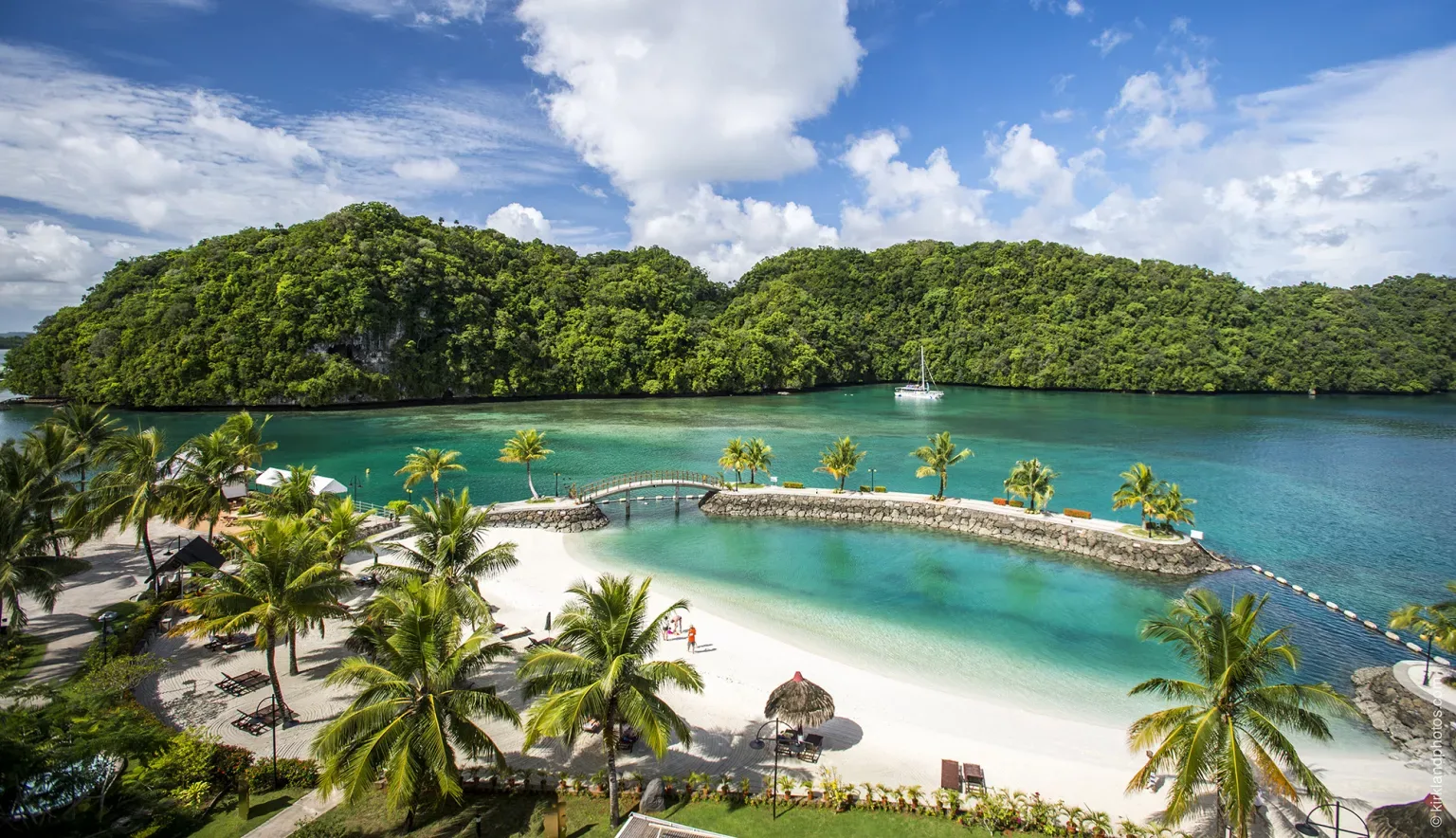
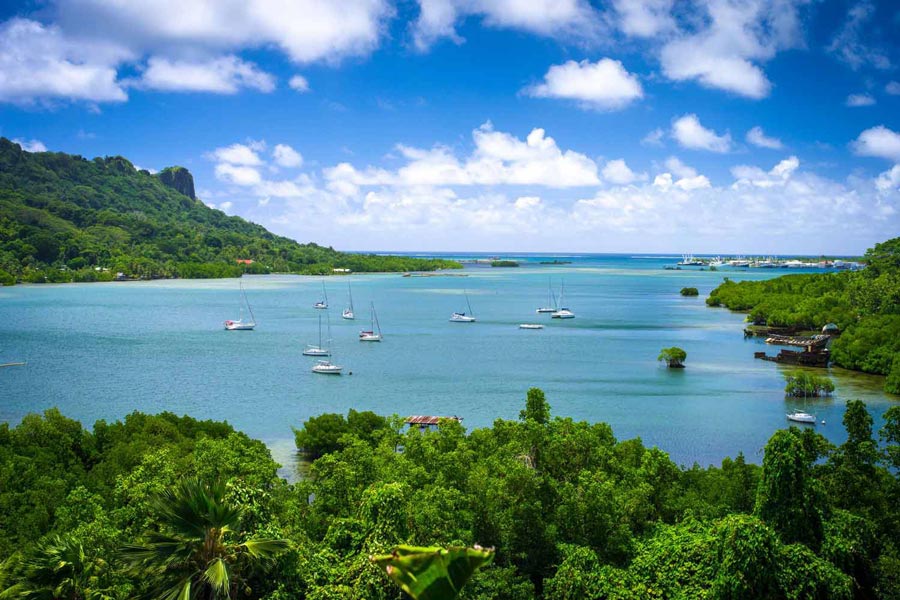
⚡ The TL;DR Verdict
If you're chasing world-class diving with well-established infrastructure and don't mind a higher price tag, Palau is your dream. For the intrepid explorer seeking raw cultural immersion, WWII history, and a genuinely off-the-beaten-path experience on a more modest budget (but with more logistical hurdles), Micronesia's Federated States are calling. Budget roughly $250-500+ daily in Palau, versus $100-300+ for Micronesia.
- Choose Palau: For divers of all levels seeking vibrant reefs, unique marine life (like Jellyfish Lake), and a comfortable, organized travel experience. Also great for those who appreciate eco-tourism initiatives and resort amenities.
- Choose Micronesia: For history buffs, wreck divers (Truk Lagoon is epic!), and cultural adventurers who value authenticity over luxury. Ideal for travelers who are patient with logistics and want to explore less-trodden paths.
- Choose Both: If you have 3+ weeks and a healthy budget, doing both offers an incredible contrast. Start with Palau for 7-10 days of diving and rock island exploration, then fly to Guam and catch the 'Island Hopper' for another 10-14 days exploring FSM islands like Chuuk (Truk) and Pohnpei. This combines the best of marine biodiversity with profound cultural and historical depths.
Quick Comparison
| Category | Palau | Micronesia | Winner |
|---|---|---|---|
| Nature & Diving | Unrivaled marine biodiversity, iconic dive sites like Blue Corner, German Channel, Ulong Channel, and the unique Jellyfish Lake. Pristine Rock Islands. | Legendary wreck diving at Truk Lagoon, pristine untouched reefs around Kosrae and Yap, ancient stone money on Yap, Nan Madol on Pohnpei. | Palau |
| Costs & Budget | Significantly higher, reflecting world-class services and eco-tourism fees. Permits, tours, and luxury accommodations add up. | Generally lower daily expenses for food and basic accommodation, but inter-island flights can be costly. Tours are fewer and often need private arrangement. | Micronesia |
| Getting There | More direct flights from major Asian hubs (Taipei, Manila, Seoul, Tokyo) and Guam. Easier to access. | Primarily via United's 'Island Hopper' flight (from Honolulu or Guam), which makes multiple stops. Less frequent and longer travel times. | Palau |
| Accommodation | Range from luxury resorts (Palau Pacific Resort) to boutique hotels (Palau Central Hotel) and budget guesthouses. Good variety. | Mostly basic guesthouses and a few mid-range hotels. Limited luxury options, but authentic local stays are common. | Palau |
| Culture & History | Rich WWII history (Peleliu battlefield), traditional Bai (meeting houses), strong emphasis on conservation and local customs. | Deeply preserved traditional cultures (Yap's stone money, Pohnpei's Nan Madol), significant WWII sites (Truk Lagoon, Kosrae). More untouched. | Micronesia |
| Beaches & Relaxation | Iconic white sand beaches, hidden coves in the Rock Islands, picturesque Long Beach. | Remote, undeveloped beaches, often more rugged and less tourist-oriented. Great for solitude but fewer amenities. | Palau |
| Food & Nightlife | Diverse dining, strong Japanese influence, fresh seafood. Limited but friendly bars for casual drinks. | Very local cuisine, limited restaurant options beyond basic eateries. Nightlife is almost non-existent outside of a few local bars. | Palau |
| Getting Around | Easy to rent cars, taxis available. Most tours include transport. Main island is small and navigable. | Relies on local taxis (often shared), hitchhiking, or privately arranged transport. Inter-island travel is mostly by air or infrequent cargo boats. | Palau |
| Safety & Security | Very safe for tourists, low crime rates. Strong emphasis on marine conservation regulations. | Generally safe, but requires more awareness of local customs and community interactions. Petty crime can occur, especially in more populated areas like Chuuk. | Palau |
| Solo Travel / Adventure | Excellent for solo divers looking to join group trips. Easier to navigate independently. | For the truly intrepid solo traveler seeking raw adventure and deep cultural immersion. Requires more self-reliance. | Tie |
🐠 Nature & Diving
Palau is unequivocally a diver's paradise, boasting the Rock Islands Southern Lagoon, a UNESCO World Heritage site. Dive sites like Blue Corner are consistently ranked among the world's best for pelagic action (sharks, giant trevally), while German Channel is a manta ray hotspot. Then there's the truly unique experience of snorkeling in Jellyfish Lake (permit required, approx. $50-100 for the Rock Islands permit which includes Jellyfish Lake). Expect dive packages to run around $150-200 per day for 2-3 dives, excluding gear rental. Micronesia (FSM) counters with the unparalleled historical significance of Truk Lagoon (Chuuk), home to an entire WWII Japanese fleet, offering incredible wreck diving for advanced divers (daily dive trips around $120-180). Pohnpei and Kosrae offer healthy, less-dived reefs, but the logistics and infrastructure aren't as polished. 'Palau felt like a marine life explosion, every dive was a spectacle. Truk was like diving into a time capsule, utterly haunting and profound in a different way.'
Winner takeaway
- Winner: Palau
- Why: While Truk Lagoon is iconic, Palau offers a broader appeal for all levels of divers and snorkelers with its incredible biodiversity and accessible unique sites like Jellyfish Lake.
- Who this matters for: Serious divers, snorkelers, marine photographers, and nature enthusiasts.
💸 Costs & Budget
Palau is an expensive destination. The Rock Islands Southern Lagoon (RISL) permit, mandatory for most activities, costs $100 for 10 days. A typical 3-star hotel like Palau Royal Resort can be $250-400 USD per night, while budget options start around $100-150. Diving is $150-200 per day. Meals average $20-50 per person at mid-range restaurants like The Drop Off Bar & Grill. Expect a daily budget of $250-500+. In contrast, Micronesia (FSM) offers more budget-friendly local experiences. A guesthouse on Pohnpei or Chuuk might cost $50-100 USD/night (e.g., The Village Hotel on Pohnpei is around $120-180 for a nice bungalow), and local meals are $10-25. The big expense for FSM is inter-island travel; a one-way United 'Island Hopper' flight between Pohnpei and Chuuk can be $150-250 USD. 'Palau hit my wallet hard, but everything was top-notch. FSM was cheaper on the ground, but getting between islands added up fast and required more patience.'
Winner takeaway
- Winner: Micronesia
- Why: Micronesia offers a more accessible daily budget for basic travel, though multi-island trips can negate some savings due to flight costs.
- Who this matters for: Budget-conscious travelers, backpackers, and those preferring local experiences over luxury resorts.
✈️ Getting There
Getting to Palau (Koror) is relatively straightforward. United Airlines operates flights from Guam (approx. 1.5 hours, ~3-4 times a week), and there are also direct connections from Taipei (China Airlines, Eva Air, 4-5 hours), Manila (United/Palau Pacific Airways, 2-3 hours), and seasonal charters from Seoul and Tokyo. Return flights from Taipei can range from $400-800 USD. This connectivity makes it a much quicker and easier destination to reach for most international travelers. Micronesia (FSM) is served almost exclusively by United Airlines' famous 'Island Hopper' flight, which originates in Honolulu and stops in Majuro, Kwajalein, Kosrae, Pohnpei, and Chuuk before reaching Guam, or vice-versa. This means long travel days (e.g., Guam to Pohnpei is 4+ hours with stops, often $300-500 one way) and less flexibility in scheduling. 'Palau was an easy hop from Taipei. Micronesia felt like a proper expedition just to get there; the Island Hopper is an experience in itself, but it takes time.'
Winner takeaway
- Winner: Palau
- Why: Palau offers more direct and frequent flight options from multiple international hubs, significantly reducing travel time and complexity.
- Who this matters for: Travelers with limited vacation time, those who prefer direct flights, and anyone prioritizing convenience.
🏨 Accommodation
Palau offers a much broader and higher-quality range of accommodation options. At the top end, you have the Palau Pacific Resort, a beautiful beachfront property with rooms starting at $350-500+ USD per night. Mid-range options like the Palau Central Hotel or Sea Passion Hotel offer comfortable stays around $150-250. There are also smaller guesthouses and dive resorts like Sam's Tours Bungalows ($100-150) that cater specifically to divers. In Micronesia (FSM), options are far more limited and generally simpler. On Pohnpei, The Village Hotel offers charming bungalows with great views for $120-180, while the PCR Hotel (Pohnpei Central Resort) is a more functional option around $100-150. In Chuuk, the Truk Stop Hotel is the main choice for divers, costing $150-200/night. Throughout FSM, expect clean but basic accommodations; true luxury resorts are virtually non-existent. 'Palau had actual resorts where you could relax by the pool after diving. In Micronesia, it was more about a clean bed and a shower, which was fine for the adventure I was seeking.'
Winner takeaway
- Winner: Palau
- Why: Palau provides a wider array of accommodation, from luxury resorts to specialized dive operations, ensuring comfort and amenities for diverse traveler needs.
- Who this matters for: Travelers seeking comfort, amenities, variety, and higher-end lodging options.
🗿 Culture & History
Micronesia (FSM) truly shines in terms of raw, preserved culture and history. Pohnpei is home to Nan Madol, a UNESCO World Heritage site and an ancient city built on artificial islands, often called the 'Venice of the Pacific' (entry usually $5-10 USD, guide recommended $30-50). Yap is famous for its massive stone money (Rai stones) and well-preserved traditional village life, where you can often see locals in traditional dress. Chuuk (Truk) Lagoon offers an unparalleled underwater museum of WWII history. Palau also has significant WWII sites, particularly the battlefields of Peleliu (boat tours around $150-250 USD, plus permit fees), and traditional meeting houses (Bai). However, Palau's rapid tourism development has somewhat diluted the immediate cultural immersion experience compared to FSM. 'Visiting Yap felt like stepping back in time; the stone money is just incredible to see in person. Palau's history is fascinating, but FSM felt more alive in its traditions.'
Winner takeaway
- Winner: Micronesia
- Why: Micronesia offers a more profound and untouched cultural immersion, from ancient ruins to living traditions, making its historical sites feel more integral to the present.
- Who this matters for: History buffs, anthropologists, cultural explorers, and those seeking authentic indigenous experiences.
🏖️ Beaches & Relaxation
Palau is quintessential South Pacific postcard material when it comes to beaches. The Rock Islands are dotted with countless hidden white sand coves accessible by boat, perfect for picnics and snorkeling. Long Beach, a sandbar that only appears at low tide, is a magical experience (part of the Rock Islands tour, around $100-150 for a full day boat trip). Many resorts, like Palau Pacific Resort, have their own beautiful stretches of beach. The vibe is very much about relaxing post-dive or simply enjoying the stunning scenery. In Micronesia (FSM), while there are beautiful beaches, they are generally less developed for tourism. On Pohnpei, Nett Point offers a pleasant spot, and Kosrae has some truly pristine, deserted stretches of sand like those on the Walung Protected Area, but reaching them often requires effort and local guidance. You won't find beach clubs or extensive resort amenities. 'Palau's beaches were exactly what I pictured for a tropical paradise – soft sand, clear water, perfect for unwinding. Micronesia's beaches were wilder, more remote, and I often had them all to myself, which was a different kind of relaxation.'
Winner takeaway
- Winner: Palau
- Why: Palau offers more accessible, picturesque, and amenity-rich beaches, catering better to a relaxing, traditional beach vacation experience.
- Who this matters for: Families, couples, and travelers seeking classic tropical beach relaxation and stunning photo opportunities.
🍽️ Food & Nightlife
Palau's culinary scene is surprisingly diverse for its size, heavily influenced by Japanese and Filipino flavors, alongside fresh local seafood. Restaurants like Elilai Restaurant offer upscale dining with stunning views (main courses $30-50), while Fisherman's Seafood BBQ is great for fresh fish at around $20-40 a plate. You'll find plenty of noodle shops, sushi, and local Palauan dishes like taro and breadfruit. Nightlife is modest; there are a few friendly bars like The Drop Off Bar & Grill where divers gather for a beer (local beer $4-6). Micronesia (FSM) is much more about local, authentic cuisine. Expect simple, hearty meals with rice, taro, fresh fish, and often canned meats. Restaurants are few and far between, mostly basic eateries or hotel dining rooms. For instance, on Pohnpei, you might find a few Chinese restaurants or local spots, but gourmet dining is not an option. Nightlife is extremely limited, usually just a few local kava bars or small establishments where locals gather. 'Palau had amazing sashimi and fresh seafood every night. In Micronesia, I mostly ate at my guesthouse or found small local spots; it was authentic, but don't expect fine dining.'
Winner takeaway
- Winner: Palau
- Why: Palau provides a much more varied and developed dining scene with international influences and fresh seafood, along with more options for casual evening entertainment.
- Who this matters for: Foodies, those who enjoy dining out, and travelers looking for a social evening atmosphere.
🚗 Getting Around
Getting around Palau's main island of Koror is very easy. Rental cars are readily available at the airport or through hotels, costing around $40-60 USD per day, making independent exploration simple. Taxis are also plentiful, especially around the main town. For most diving or snorkeling excursions, tour operators like Sam's Tours or Fish 'n Fins provide boat transport directly from your accommodation or their shop. The island is small enough that nothing feels too far. In Micronesia (FSM), getting around requires more planning and patience. On Pohnpei, shared taxis are common and cheap (a few dollars for most trips), but having a local contact for private arrangements is often helpful for day trips (e.g., to Nan Madol, which might cost $50-100 for a private driver). On Yap, you might rely on hotel transfers or local guides. Inter-island travel within FSM is primarily by the United 'Island Hopper' or occasionally by slower, less reliable cargo ships. 'Palau felt like I could just grab a rental and go. In Micronesia, I learned to love the shared taxi system and definitely relied on my guesthouse for organizing trips.'
Winner takeaway
- Winner: Palau
- Why: Palau offers more convenient and familiar transportation options, including rental cars and organized tour transport, making independent travel smoother.
- Who this matters for: Independent travelers who prefer to drive themselves, and those who value ease of local transit.
🚨 Safety & Security
Both Palau and Micronesia (FSM) are generally considered safe destinations, especially compared to many parts of the world. However, Palau edges out slightly due to its more developed tourism infrastructure and extremely low crime rate. Tourists can generally feel very secure exploring Koror, day or night. The main concerns are adhering to marine conservation rules (e.g., no touching coral) and being aware of strong currents while diving. In Micronesia, while violent crime against tourists is rare, petty theft can occur, particularly in urban centers like Weno (Chuuk). It's advisable to be more cautious with valuables, especially at night, and to be respectful of local customs and traditions. A common tip is to not walk alone at night in certain areas. 'I felt completely safe walking around Koror at night in Palau. In Chuuk, I was advised to stick to my hotel after dark and be more aware of my surroundings, which is standard for many developing areas.'
Winner takeaway
- Winner: Palau
- Why: Palau boasts an extremely low crime rate and a more established tourist-centric environment, making it feel slightly safer and less demanding for visitors.
- Who this matters for: Solo travelers, families, and those who prioritize peace of mind and minimal safety concerns.
🎒 Solo Travel / Adventure
For solo travelers, both destinations offer unique appeals. Palau is fantastic for solo divers; it's incredibly easy to book onto daily dive boats (e.g., with Sam's Tours or Fish 'n Fins) and meet fellow travelers. The organized nature of tours means solo travelers aren't isolated, and there's a good social scene among divers. You can also rent a car and explore independently. A solo diver should expect to spend $250-400+ per day. Micronesia (FSM), on the other hand, is for the more hardcore solo adventurer. While less infrastructure means fewer organized group tours, it opens up opportunities for truly independent exploration and genuine local interaction. It requires more planning, patience, and a willingness to step out of your comfort zone, but the rewards are profound cultural insights and off-the-beaten-path experiences. Think finding local guides on the spot rather than pre-booked tours. 'As a solo diver, Palau was perfect – easy to join trips, always someone to chat with. Micronesia was a different beast entirely; I had to be much more self-sufficient, but that's exactly why I went, for the real adventure.'
Winner takeaway
- Winner: Tie
- Why: Palau excels for solo travelers seeking organized activities and social interaction within a structured environment, particularly divers. Micronesia wins for the solo adventurer who craves raw, independent exploration and deeper cultural challenges.
- Who this matters for: Palau for solo divers/social travelers; Micronesia for intrepid, independent, culturally curious adventurers.
❓ Frequently Asked Questions
What's the best time to visit Palau vs. Micronesia?
Both regions share similar weather patterns. The dry season (and peak tourist season) runs from November to April, offering calmer seas and less rain. The wet season (May to October) brings more rain and potentially rougher waters but fewer crowds and sometimes better deals.
Do I need a visa for Palau or Micronesia (FSM)?
For Palau, many nationalities (including US, EU, and most Asian countries) receive a 30-day visa on arrival. For Micronesia (FSM), US citizens do not need a visa, and other nationalities often receive a 30-90 day visa on arrival, but it's crucial to check specific requirements for your nationality before travel.
Is English widely spoken in Palau and Micronesia?
Yes, English is an official language in both Palau and the Federated States of Micronesia and is widely understood, especially in tourist-facing areas, hotels, and among younger generations. This makes communication relatively easy for English-speaking travelers.
What about internet and mobile connectivity?
Palau has reasonably good internet connectivity, especially in Koror, with hotels offering Wi-Fi and local SIM cards available for purchase (PNCC). Micronesia's internet is generally slower, more expensive, and less reliable, particularly outside of main towns on Pohnpei or Chuuk. Don't expect seamless connectivity; embrace the digital detox!
Are these destinations suitable for families with young children?
Palau is more family-friendly, with resorts offering amenities, accessible snorkeling spots, and well-organized tours for all ages. Micronesia is less so, as its more rugged nature, limited infrastructure, and focus on deep cultural or wreck diving experiences make it better suited for older children or adults.
How do Palau and Micronesia approach sustainability and conservation?
Palau is a global leader in marine conservation with the Palau Pledge and the Palau National Marine Sanctuary, a massive no-take zone. They are very strict on environmental protection. Micronesia also has protected areas and local conservation efforts, but the scale and national policy aren't as globally recognized as Palau's.
Is diving in these regions suitable for beginners?
Palau offers excellent conditions for all dive levels, with numerous shallow reefs, calm lagoons, and many dive schools for certifications. While Micronesia has some beginner-friendly sites, its most famous diving (Truk Lagoon wrecks) is primarily for experienced and advanced divers. Kosrae offers some fantastic, less-dived reefs suitable for beginners.
Can I easily travel between Palau and the different islands of Micronesia?
Traveling between Palau and FSM directly is not easy; you'll typically need to route through Guam. Within FSM, the United 'Island Hopper' flight is the primary (and often only) way to travel between the states of Kosrae, Pohnpei, Chuuk, and Yap. These flights are infrequent and can be expensive.
Ready to plan your Western Pacific trip?
Get a free custom itinerary for Palau, Micronesia, or both — built from real traveler insights.
🎟️ Book Tours & Experiences
Hand-picked tours and activities for both destinations — book with free cancellation
Experiences via Viator — free cancellation on most tours