How we built this comparison
This page combines traveler discussion patterns, published price ranges, flight schedules, and seasonal data to help you decide between Palermo and Naples.
- Reviewed 50+ Reddit threads from r/travel, r/solotravel, r/ItalyTravel, r/Sicily, and r/Napoli.
- Verified costs and logistics against current booking platforms (e.g., Booking.com, Trenitalia, Rome2rio, Google Flights).
- Cross-referenced seasonal patterns, weather data, and major local events for optimal visitor experience.
⚡ The TL;DR Verdict
If you crave an unvarnished, street-food-fueled dive into history with fewer crowds, Palermo is your pick for around €60-90 (~$65-95) a day. For those who prioritize world-famous ancient sites, iconic pizza, and a more robust transport network, Naples delivers intense energy for €75-110 (~$80-120) daily.
- Choose Palermo: Go for authentic street food, unique Arab-Norman history, a more relaxed pace outside the city center, and excellent value for money. Ideal for history buffs and foodies on a budget who enjoy a grittier charm.
- Choose Naples: Choose Naples for unparalleled access to Pompeii and the Amalfi Coast, the birthplace of pizza, and a city buzzing with an almost overwhelming, unforgettable energy. Perfect for those who want iconic sights and don't mind a bustling, intense urban experience.
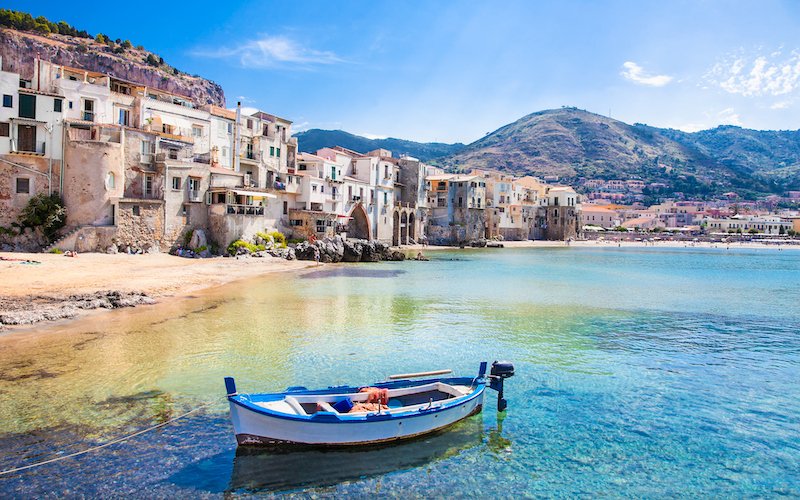
- Choose Both: If you have 10-14 days, you can absolutely do both. Fly into Naples (NAP), spend 4-5 days exploring the city and day-tripping to Pompeii/Amalfi. Then take a budget flight (e.g., Ryanair/Volotea) from Naples to Palermo (PMO) for another 4-5 days to explore Sicily's capital and its surrounds like Monreale and Cefalù. It's a fantastic way to experience both the mainland's Campanian intensity and Sicily's distinct island allure.
Quick Comparison
| Category | Palermo | Naples | Winner |
|---|---|---|---|
| Food & Drink | Palermo is a street food paradise: arancini, panelle, sfincione. Authentic, rustic, and incredibly affordable. Markets like Ballarò and Vucciria are sensory overload. | Naples is the undisputed home of pizza (Neapolitan style). Also famous for seafood, pastries like sfogliatella, and rich coffee. Culinary tradition runs deep and is fiercely protected. | Palermo |
| Culture & History | Palermo boasts a unique Arab-Norman-Byzantine heritage, reflected in its stunning palaces, churches, and the eerie Capuchin Catacombs. A city of layered history and crumbling grandeur. | Naples is surrounded by ancient wonders like Pompeii and Herculaneum, and its own historic center is a UNESCO site with grand palaces, underground Roman ruins, and a vibrant artistic legacy. | Naples |
| Costs | Palermo is generally more budget-friendly across the board, from accommodation and food to local transport. Excellent value for money for travelers. | Naples is still very affordable compared to Northern Italy but is slightly pricier than Palermo, especially for popular accommodation and tourist activities. | Palermo |
| Getting There | Palermo is served by Falcone Borsellino Airport (PMO). Connections from mainland Italy are frequent, but direct international flights are fewer than Naples. | Naples is served by Capodichino Airport (NAP), with excellent direct flight connections across Europe and better high-speed rail links to major Italian cities. | Naples |
| Getting Around | Palermo's historic center is very walkable, but public transport (buses) can be unreliable. Driving is chaotic, though useful for wider Sicily exploration. | Naples has a more developed public transport network, including a metro and funiculars, making it easier to navigate its dense, sprawling layout. Driving is equally chaotic. | Naples |
| Day Trips | From Palermo, explore Monreale Cathedral, the charming coastal town of Cefalù, medieval Erice, and the Greek temples of Agrigento. | Naples is the perfect base for iconic day trips to Pompeii, Herculaneum, Mount Vesuvius, the stunning Amalfi Coast, and the islands of Capri and Ischia. | Naples |
| Nightlife | Palermo's nightlife is more local and focused on piazza gatherings, street-side bars, and a few hidden jazz clubs, especially in the Vucciria and Kalsa districts. | Naples offers a more varied nightlife, from chic cocktail bars in Chiaia to lively student-filled squares in the historic center and a robust live music scene. | Naples |
| Beaches | Palermo's closest beach is Mondello, a popular sandy stretch easily accessible. Better beaches require short day trips to places like Cefalù. | Naples itself lacks good city beaches. Travelers head to the islands (Capri, Ischia) or the Amalfi Coast for spectacular coastal experiences. | Palermo |
| Safety | Palermo, like many large Italian cities, has petty crime (pickpocketing) but is generally safe, especially in tourist areas. Be aware of chaotic driving. | Naples also has a reputation for petty crime and chaotic streets. While its image is improving, visitors should remain vigilant, especially in crowded areas and on public transport. | Palermo |
| Accommodation | Palermo offers excellent value for money, with many charming B&Bs, boutique hotels, and guesthouses in historic buildings, particularly in the Kalsa and Politeama districts. | Naples has a wider range of accommodation options, from budget hostels to luxury hotels, often with stunning views of the Bay of Naples or Mount Vesuvius, but generally at a slightly higher price point. | Palermo |
🍕 Food & Drink
While Naples famously gave the world pizza – and a margherita from places like L'Antica Pizzeria da Michele or Sorbillo for €5-8 is a pilgrimage – Palermo truly shines for its sheer diversity and accessibility of authentic, cheap eats right on the street. You can grab a massive arancina (fried rice ball) for €2-3, a panino con panelle e crocchè (chickpea fritters) for €2, or a slice of sfincione (thick, spongy pizza-like bread) for €1-2. The markets, especially Ballarò and Vucciria, are an intoxicating feast for the senses, offering everything from fresh seafood to sweet cannoli (often filled on the spot for €3-4). Naples has incredible pastries like sfogliatella riccia for €1.50-2 and robust espresso for €1, but Palermo’s street food culture feels more embedded in daily life, an adventure in every bite. "Honestly, I thought Naples pizza was amazing, but Palermo's street food game is just next level. I ate for like €10 a day and was stuffed with incredible stuff." Palermo offers a more raw, visceral culinary journey.
Winner takeaway
- Winner: Palermo
- Why: Palermo's vibrant street food scene offers unmatched variety, authenticity, and value for an immersive culinary experience.
- Who this matters for: Budget travelers, adventurous eaters, and those who love trying many small, local dishes.
🏛️ Culture & History
Naples truly edges out Palermo when it comes to the sheer scale and global significance of its historical offerings. While Palermo's Arab-Norman architecture, like the Palermo Cathedral (€1.50 for treasury/tombs, free entry) and the stunning Palatine Chapel in Palazzo dei Normanni (€19 for combo ticket), is uniquely beautiful and a UNESCO World Heritage site, Naples serves as the gateway to Pompeii and Herculaneum (€18 for Pompeii, €13 for Herculaneum), which are mind-blowing glimpses into ancient Roman life, perfectly preserved. The Museo Archeologico Nazionale in Naples (€15) houses an unparalleled collection of artifacts from these sites. Within Naples itself, explore the Naples Underground (Napoli Sotterranea, €15 tour) or the elegant Royal Palace of Naples (€10). Palermo has its own fascinating, if morbid, draw with the Capuchin Catacombs (€5), but the overall impact of ancient Rome and the Bourbon legacy in and around Naples is simply more profound and internationally recognized. "You just can't beat Pompeii. It's like stepping back in time. Palermo's history is cool, but Naples has that and then some, right on its doorstep."
Winner takeaway
- Winner: Naples
- Why: Naples offers direct access to world-renowned ancient Roman sites and a grander scale of historical significance.
- Who this matters for: Classical history buffs, those fascinated by ancient civilizations, and anyone wanting to see UNESCO World Heritage sites easily.
💰 Costs
Palermo consistently offers better value for money, making it a dream for budget-conscious travelers. You can find charming B&Bs in the historic center for €40-70 (~$43-75) a night, whereas similar quality in Naples might start at €60-100 (~$65-110). Street food in Palermo is incredibly cheap, allowing you to eat well for under €10 a day. A full meal at a trattoria might cost €15-25, compared to Naples where it's more likely €20-35. Local bus tickets in Palermo are €1.40, similar to Naples' €1.30 metro/bus ticket, but overall, the daily expenses add up less. Attractions are often slightly cheaper in Palermo too; many churches are free, and major sites like the Cathedral or Palazzo dei Normanni are €1.50-€19 depending on access. In Naples, Pompeii is €18, and the National Archaeological Museum is €15. "I spent a week in Palermo for what I'd usually spend in 3 days in Rome. It's genuinely cheap for how much history and food you get." For a daily budget, expect to spend €60-90 (~$65-95) in Palermo versus €75-110 (~$80-120) in Naples, excluding major splurges.
Winner takeaway
- Winner: Palermo
- Why: Palermo provides a more affordable travel experience without compromising on quality or authenticity, especially for food and accommodation.
- Who this matters for: Budget travelers, backpackers, and anyone looking to maximize their travel funds.
✈️ Getting There
When it comes to accessibility, Naples has a clear advantage. Capodichino Airport (NAP) is a major international hub with numerous direct flights from across Europe (e.g., London, Paris, Berlin, Barcelona via EasyJet, Ryanair, Wizz Air). Flights from Rome Fiumicino (FCO) are quick and cheap, often around €30-60. Crucially, Naples is also incredibly well-connected by Italy's high-speed rail network. A Frecciarossa train from Rome Termini takes just over an hour for €30-50, making it a very easy addition to a broader Italy trip. Palermo's Falcone Borsellino Airport (PMO) is also well-served by domestic flights from Rome and Milan, and some international budget carriers, but the direct international routes are less frequent and often pricier than Naples. From mainland Italy, flying is usually the most practical option to Palermo, as the ferry takes 10+ hours. "Getting to Naples from Rome was a breeze on the high-speed train, felt like it took no time at all. Palermo was a bit more of a trek, had to fly in." If you're coming from outside Italy or combining with other Italian cities, Naples offers more seamless and frequent options.
Winner takeaway
- Winner: Naples
- Why: Naples offers superior air and high-speed rail connections, making it easier and often cheaper to reach from other parts of Italy and Europe.
- Who this matters for: Travelers combining with other Italian cities, those flying from broader Europe, and anyone valuing convenience.
🚶 Getting Around
Navigating both cities requires patience, but Naples' public transport system is slightly superior. While both cities have highly walkable historic centers where you'll spend most of your time on foot, Naples offers a metro system with two main lines (L1 and L2) that efficiently connect key areas like the train station, historic center, and Vomero hill. The funiculars are also excellent for ascending the city's hills to areas like Castel Sant'Elmo. A single ticket for metro/bus/funicular costs €1.30, a daily pass €4.50. Palermo relies primarily on buses, which, while cheap (€1.40 per ticket), can be less frequent and reliable, especially on weekends. Taxis and ride-sharing apps are available in both cities but can be expensive for longer distances. Driving in both Palermo and Naples is a true challenge, with narrow streets, aggressive drivers, and limited parking. For day trips from Naples, the Circumvesuviana train is invaluable for reaching Pompeii, Herculaneum, and Sorrento for just a few euros. Palermo's train network for day trips is less comprehensive. "The Naples metro was a lifesaver, especially getting up to Vomero. Palermo's buses were... an experience, let's just say." For intra-city and immediate regional travel, Naples has a more robust infrastructure.
Winner takeaway
- Winner: Naples
- Why: Naples' metro and funicular network provides more efficient and reliable public transport for navigating the city and nearby attractions.
- Who this matters for: Travelers who prefer to rely on public transport, those staying in hilly areas, and those planning regional train day trips.
🚗 Day Trips
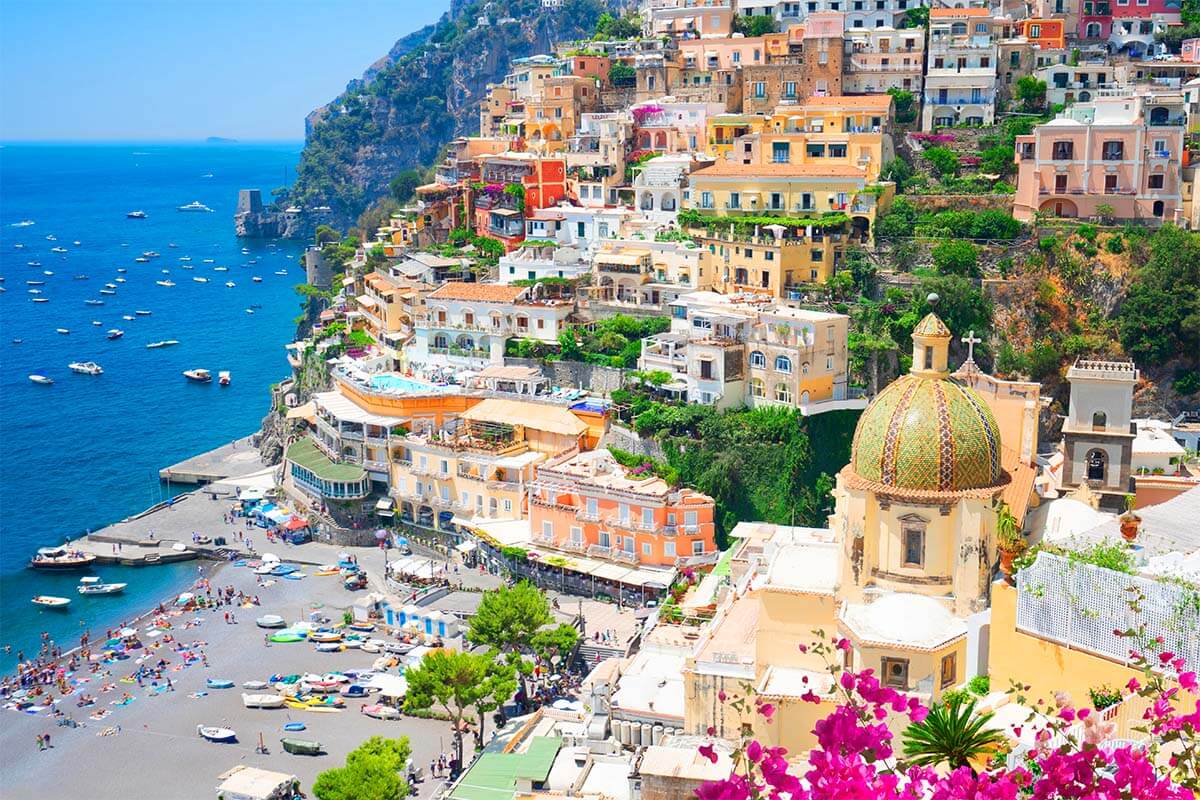
Naples is an undisputed champion for world-class day trips. Within easy reach are the haunting ruins of Pompeii and Herculaneum (take the Circumvesuviana train, €2.80-3.50 one way), allowing you to step back into Roman times. The dramatic Mount Vesuvius looms large and offers hiking opportunities (bus from Pompeii, €3.10). The Amalfi Coast, with its pastel-hued towns like Positano and Amalfi, is a breathtaking coastal drive or ferry ride (ferries from Naples to Capri/Sorrento are €20-30). The islands of Capri, Ischia, and Procida offer stunning beauty and relaxation. Palermo offers fantastic day trips too, like the magnificent Monreale Cathedral (short bus ride, €1.40), the picturesque coastal town of Cefalù (train, €6-8 return), and the ancient Greek temples of Agrigento (bus, €12-15 one way, 2-3 hours). While Sicily's offerings are superb, the sheer density and iconic status of Naples' surrounding attractions give it the edge. "The Amalfi Coast and Pompeii from Naples were just unbelievable, bucket list stuff. Palermo's day trips were good, but not quite *that* level." For a high concentration of globally renowned sights, Naples is unbeatable.
Winner takeaway
- Winner: Naples
- Why: Naples provides direct and easy access to an unparalleled array of world-famous, iconic day trip destinations.
- Who this matters for: Travelers prioritizing major sightseeing, ancient history, and stunning coastal landscapes.
🍻 Nightlife
While Palermo has its charm with locals spilling out into squares like Piazza Sant'Anna in Kalsa or the historic Vucciria market transforming into an open-air bar scene, Naples offers a more diverse and vibrant nightlife. In Palermo, you'll find laid-back bars with Aperitivo culture (drinks around €7-10) and occasional live music. Naples, however, caters to a wider range of tastes. The Chiaia district is known for its upscale cocktail bars and lounges, perfect for a sophisticated evening (cocktails €10-15). The historic center, particularly around Piazza San Domenico Maggiore and Piazza Bellini, buzzes with student life, inexpensive bars, and outdoor seating (beers for €4-6). There's also a more developed live music and club scene in Naples. For a more energetic and varied evening experience, Naples typically delivers more options and a livelier atmosphere that extends later into the night. "Naples just felt more alive after dark. So many cool bars and places to hang out, especially in the historic centre. Palermo was a bit quieter once the street food vendors packed up." If you're looking for more options beyond a casual drink, Naples has more to offer.
Winner takeaway
- Winner: Naples
- Why: Naples boasts a more diverse and energetic nightlife scene, offering options from chic bars to lively student squares and live music.
- Who this matters for: Younger travelers, party-goers, and those seeking varied evening entertainment options.
🏖️ Beaches
For immediate beach access from the city, Palermo wins. While Mondello Beach isn't a pristine, secluded paradise, it's a long, sandy urban beach just a short bus ride (line 806, €1.40) from Palermo's city center. It's popular with locals, lively, and has good facilities, restaurants, and lidos where you can rent chairs and umbrellas for €10-20. For truly stunning beaches, a day trip to Cefalù (about an hour by train, €6-8 return) offers a picturesque medieval town right on a beautiful golden beach. Naples, on the other hand, is not a beach city. Its coastline is primarily industrial or port-related. To enjoy beaches from Naples, you absolutely need to take a day trip to the islands like Capri or Ischia (ferries are €20-30 one way and take 45-90 minutes) or venture to the Amalfi Coast. While these destinations boast world-class beaches, they are not directly accessible from the city, requiring more travel time and cost. "Mondello was perfect for a quick swim and some sun after sightseeing in Palermo, super easy to get to. In Naples, you have to really plan a whole day just for the beach." If having a decent beach nearby is important, Palermo offers a much more convenient option.
Winner takeaway
- Winner: Palermo
- Why: Palermo provides direct and easy access to a respectable city beach (Mondello), unlike Naples which requires significant travel for beach access.
- Who this matters for: Travelers who want convenient beach access without extensive travel, families, and those seeking a quick cool-down.
🚨 Safety
Both Palermo and Naples are safe for tourists, but both require common sense and awareness of your surroundings. Petty crime like pickpocketing is prevalent in crowded tourist areas and on public transport in both cities. Naples has a historically more entrenched reputation for organized crime, though this rarely affects tourists directly. However, the general atmosphere in Naples can feel more intense and overwhelming, with more aggressive street vendors and a higher sense of chaotic energy, which might contribute to a feeling of less safety for some. Palermo, while gritty in parts, often feels slightly more relaxed once you're off the main thoroughfares, and its tourist zones are generally well-lit and busy. Drivers in both cities are notoriously aggressive, so pedestrian awareness is key. "I felt perfectly safe walking around Palermo's center, even at night. Naples was fine too, but I definitely kept a tighter grip on my bag, especially on the metro." While neither city is inherently dangerous, Palermo generally evokes a slightly calmer and less 'on-edge' feeling, making it marginally 'safer' in terms of perceived comfort for the average traveler.
Winner takeaway
- Winner: Palermo
- Why: Palermo generally presents a slightly calmer and less overwhelming urban environment, contributing to a greater sense of perceived safety for tourists.
- Who this matters for: Solo travelers, first-time visitors to Southern Italy, and those who prefer a slightly less intense urban atmosphere.
🏨 Accommodation
Palermo truly excels in offering charming and affordable accommodation. You can find beautifully restored B&Bs and guesthouses in the historic center, often in grand, if slightly faded, palazzos, for €40-70 (~$43-75) per night. Areas like Kalsa or near Teatro Massimo offer fantastic boutique hotels like Hotel Politeama or B&B Ponticello, combining character with comfort. Naples, while having a broader selection from budget hostels (e.g., Ostello Bello Napoli, €25-40 for a dorm) to luxury hotels (e.g., Grand Hotel Vesuvio, €250+), generally commands slightly higher prices for comparable quality. A good mid-range hotel in Naples might cost €60-100 (~$65-110). Naples also has more options with stunning views of the bay or Vesuvius, which can justify higher costs, but for sheer value and unique, authentic stays, Palermo often delivers more bang for your buck. "I stayed in this amazing B&B in Palermo, felt so authentic and only paid like €60 a night. Found similar places in Naples, but they were definitely pushing €90-100." If you're seeking characterful stays at a budget-friendly price point, Palermo is hard to beat.
Winner takeaway
- Winner: Palermo
- Why: Palermo offers exceptional value for money with charming and authentic accommodation options in historic settings.
- Who this matters for: Budget-conscious travelers, those seeking unique boutique stays, and visitors prioritizing character over modern luxury.
❓ Frequently Asked Questions
Is Palermo or Naples better for a first-time visitor to Southern Italy?
For a gentler introduction with incredible food and unique history at a lower cost, Palermo might be slightly more approachable. Naples is more intense but offers immediate access to world-famous sites like Pompeii, which can be very appealing for a first-timer prioritizing iconic landmarks. Both require street smarts.
Which city has better access to beaches?
Palermo wins here. Its main city beach, Mondello, is a short bus ride away. Naples requires day trips to islands like Capri or Ischia, or the Amalfi Coast, to reach good beaches, adding significant travel time and cost.
Is the food better in Palermo or Naples?
This is subjective, but for diverse, authentic, and incredibly affordable street food, Palermo is a paradise. Naples is the undisputed king of pizza and offers refined pasta dishes and pastries. Both are culinary powerhouses, but Palermo offers a wider range of cheap eats.
How many days should I spend in each city?
For either city, a minimum of 3 full days is recommended to explore the main sights and soak in the atmosphere. To include a couple of day trips (e.g., Cefalù from Palermo; Pompeii/Amalfi from Naples), allow 4-5 days for each destination.
Which city is easier to navigate with public transport?
Naples generally has a more developed and reliable public transport system, including a metro and funiculars, making it easier to get around its dense urban sprawl and access key day trips via regional trains. Palermo relies mostly on buses, which can be less reliable.
Is it safe to travel solo to Palermo or Naples?
Yes, both cities are generally safe for solo travelers, but vigilance against petty crime like pickpocketing is essential, especially in crowded areas. Palermo might feel slightly less overwhelming, but common sense applies equally to both. Stay aware of your belongings.
What's the best time of year to visit Palermo or Naples?
Spring (April-May) and early Autumn (September-October) offer the best weather – pleasant temperatures, fewer crowds, and lower prices than peak summer. Summers (July-August) can be very hot and crowded, while winters are mild but can be rainy.
Can I easily travel between Palermo and Naples?
Yes, budget airlines like Ryanair or Volotea offer direct flights between Naples (NAP) and Palermo (PMO) in about an hour for as little as €30-60. There are also overnight ferries, which are longer (10+ hours) but can save on a night's accommodation.
Ready to plan your Southern Italy trip?
Get a free custom itinerary for Palermo, Naples, or both — built from real traveler insights.
🎟️ Book Tours & Experiences
Hand-picked tours and activities for both destinations — book with free cancellation
Experiences via Viator — free cancellation on most tours