How we built this comparison
This page combines traveler discussion patterns, published price ranges, flight schedules, and seasonal data to help you decide between Pantanal and Borneo.
- Reviewed 50+ Reddit threads from r/travel, r/solotravel, r/Brazil, r/Malaysia, and various country-specific subreddits for authentic traveler experiences.
- Verified costs and logistics against current booking platforms (e.g., Booking.com, Skyscanner, local tour operators) in late 2023 / early 2024.
- Cross-referenced seasonal patterns, weather data, and health advisories from official sources (e.g., CDC, government travel sites).
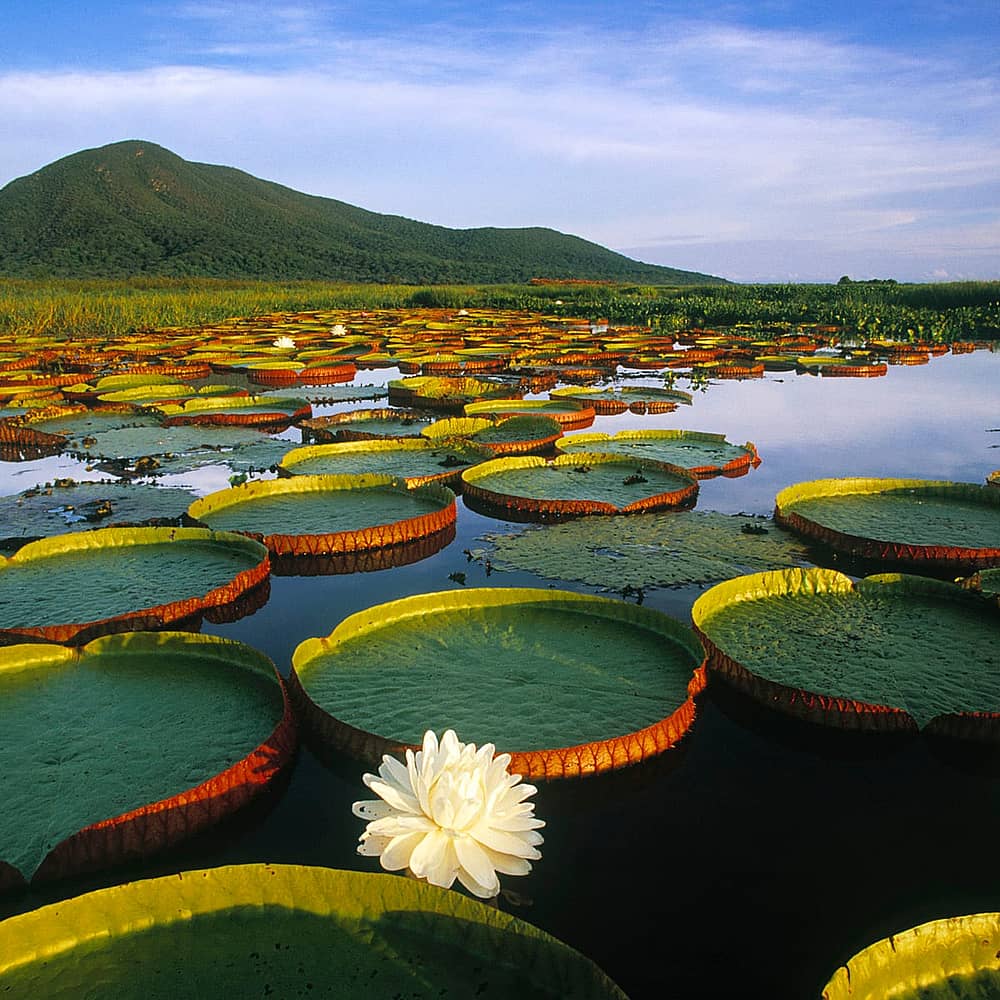
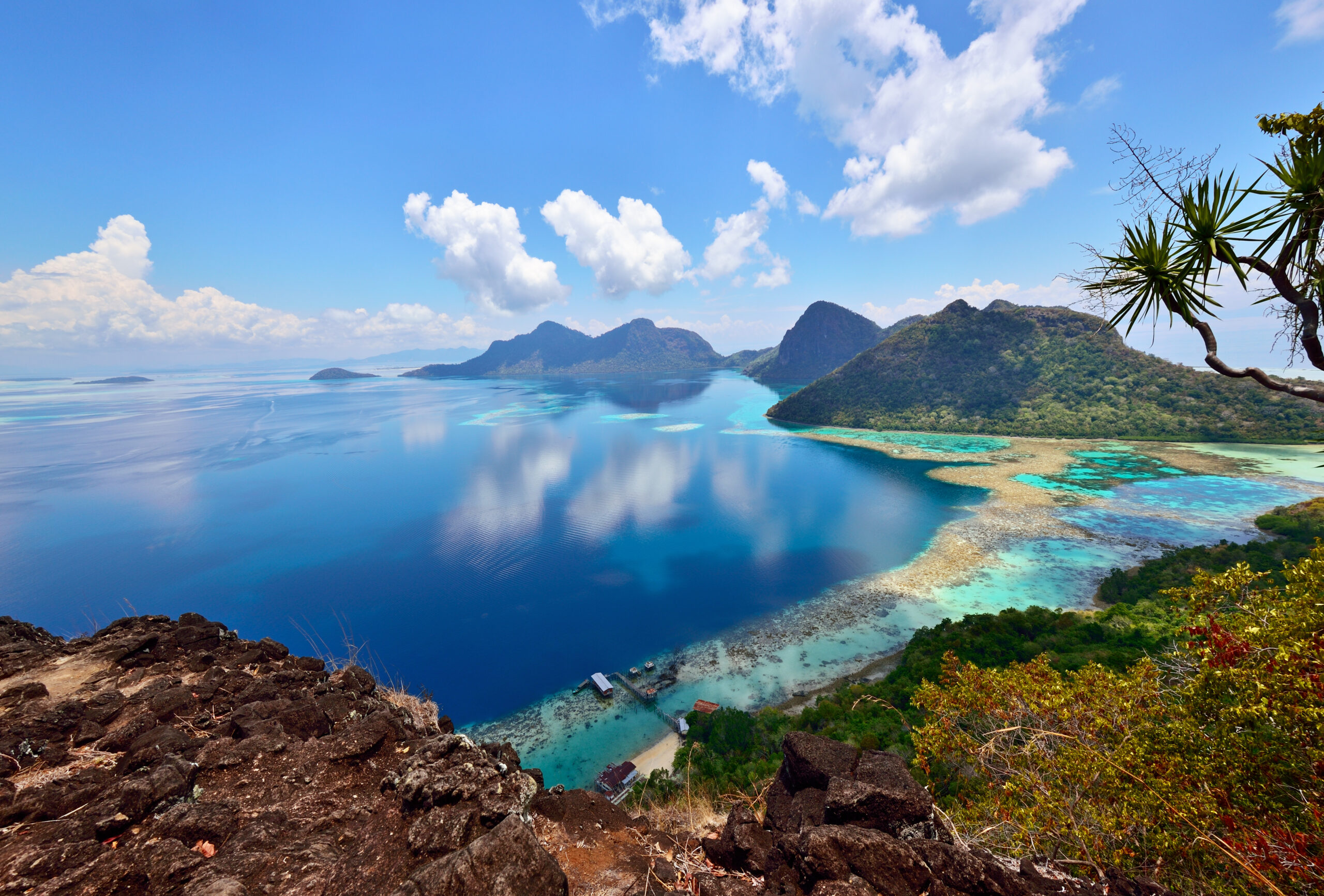
⚡ The TL;DR Verdict
For guaranteed, in-your-face wildlife spectacles, especially jaguars, the Pantanal is your undisputed champion, albeit at a higher daily budget of $200-$400+. If you crave a more diverse adventure combining orangutans, cultural experiences, and stunning beaches with a daily budget closer to $100-$250+, Borneo offers a richer, more varied experience.
- Choose Pantanal: Go if you're a serious wildlife enthusiast with a focus on big cats (jaguars!), caimans, and a true sense of remote wilderness. You prioritize nature viewing above all else and are comfortable with a less developed tourist infrastructure and higher costs for guided tours.
- Choose Borneo: Pick Borneo if you want a diverse adventure: orangutan encounters, jungle trekking, island hopping, diving, and cultural immersion. It's generally more budget-friendly for independent travelers and offers a broader range of activities beyond just wildlife spotting.
- Choose Both: If wildlife is your ultimate passion and you have ample time (4-6 weeks) and budget, combining both offers an unparalleled global safari. Start with Borneo for orangutans and rainforest diversity, then head to the Pantanal for its unique wetland ecosystem and jaguars. It's a serious commitment, but utterly unforgettable.
Quick Comparison
| Category | Pantanal | Borneo | Winner |
|---|---|---|---|
| Wildlife & Nature Immersion | Unrivaled density of visible wildlife; open wetlands guarantee sightings, especially jaguars. | Iconic orangutans, diverse rainforest ecosystem, but wildlife often harder to spot. | Pantanal |
| Costs & Budget | Higher daily costs due to remote logistics and specialized guided tours. | Generally more affordable for accommodation and food, diverse options for various budgets. | Borneo |
| Getting There & Around | Long international flights to Brazil, then domestic flights and organized transfers to remote lodges. | Long international flights to Southeast Asia, then relatively easy domestic flights and local transport. | Borneo |
| Accommodation Experience | Rustic eco-lodges and pousadas, often all-inclusive, focused on nature immersion. | Wide range from city hostels to luxury resorts, including unique jungle lodges and homestays. | Borneo |
| Safety & Health | Malaria risk (low), dengue, remote medical access; generally safe within eco-tourism zones. | Dengue risk, some areas of Sabah have past security concerns (now generally safe), good medical in cities. | Tie |
| Best Time to Visit (Weather/Seasons) | Dry season (May-October) is ideal for wildlife spotting and accessibility. | Generally tropical year-round, but dry seasons vary by region (e.g., May-September for Malaysian Borneo). | Pantanal |
| Activities & Excursions | Focused on wildlife safaris (boat, jeep, horseback), piranha fishing, birdwatching. | Diverse: jungle trekking, orangutan encounters, diving, caving, mountain climbing, cultural visits. | Borneo |
| Culture & Local Interaction | Limited cultural interaction, mainly with 'pantaneiros' (cowboys) at lodges. | Rich indigenous cultures (Dayak), vibrant cities, diverse food scene, easy local interaction. | Borneo |
| Food & Drink | Hearty Brazilian ranch food, often included in lodge packages, focused on meat. | Diverse, affordable Southeast Asian cuisine with Malay, Chinese, and indigenous influences. | Borneo |
| Family Friendliness | Excellent for older, patient children interested in wildlife; rustic amenities. | Good for all ages with diverse activities, beaches, and better infrastructure. | Borneo |
🐅 Wildlife & Nature Immersion
The Pantanal is, hands down, the best place in the Americas for wildlife viewing. Its open wetlands mean animals like caimans, capybaras, and giant otters are virtually everywhere, and the chance of spotting a jaguar on a boat safari along the Cuiabá River (Porto Jofre area) is incredibly high – often over 90% on a multi-day trip. Expect to pay R$1500-R$3000 (approx. $300-$600) per day for an all-inclusive jaguar safari. Borneo, on the other hand, boasts incredible biodiversity with orangutans (Sepilok Rehabilitation Centre or Kinabatangan River), proboscis monkeys, pygmy elephants, and various bird species. However, the dense rainforest makes spotting them a challenge, requiring more patience and luck. While Sepilok guarantees orangutan sightings, seeing them truly wild requires more effort. "Honestly, if you want to SEE animals, Pantanal blows everything else out of the water. We saw like 8 jaguars in 3 days, it was insane. Borneo was amazing but felt more like 'hunting' for glimpses." A multi-day Kinabatangan River tour might cost MYR 700-1500 (approx. $150-$320).
Winner takeaway
- Winner: Pantanal
- Why: Pantanal's open landscape and high animal density make wildlife sightings, particularly jaguars, almost guaranteed and easier to observe.
- Who this matters for: Serious wildlife photographers, big cat enthusiasts, and those who prioritize seeing animals over general trekking.
💰 Costs & Budget
Travel in the Pantanal typically requires booking package tours, especially for multi-day safaris from hubs like Cuiabá or Campo Grande. Expect to pay R$1000-R$2500 (approx. $200-$500) per person per day for a mid-range, all-inclusive tour covering transport, accommodation, food, and guided excursions. Flights within Brazil can add R$500-R$1500 ($100-$300) return to the gateway cities. Borneo is generally more budget-friendly. You can find hostels for MYR 40-80 ($8-$17) in cities like Kota Kinabalu or Kuching, and mid-range hotels for MYR 150-300 ($32-$65). Food is cheap and delicious, with street food meals costing MYR 10-25 ($2-$5). Entrance fees to national parks like Bako or Kinabalu Park are around MYR 20-50 ($4-$10). A 3-day Kinabatangan River tour might be MYR 700-1500 ($150-$320), which is a significant chunk, but you have many other cheaper activities. "Borneo felt like I could stretch my dollar way further, especially if I ate local and used buses. Pantanal, you're pretty much stuck with the tour prices." Overall, Borneo offers much greater flexibility for independent travelers to control their budget.
Winner takeaway
- Winner: Borneo
- Why: Borneo provides a wider range of budget options for accommodation, food, and activities, making it generally more accessible for travelers on various budgets.
- Who this matters for: Budget-conscious travelers, backpackers, and those who prefer independent travel without expensive package deals.
✈️ Getting There & Around
Getting to the Pantanal typically involves a long-haul flight to Brazil (e.g., São Paulo or Rio de Janeiro), followed by a domestic flight to Cuiabá (CGB) or Campo Grande (CGR). From there, it's often a 3-5 hour drive via arranged transfers (usually included in tour packages) to your lodge or 'pousada'. Public transport into the heart of the Pantanal is virtually non-existent, making independent travel challenging and costly. Expect to pay R$300-R$800 ($60-$160) for a one-way private transfer if not on a package. Borneo, conversely, is accessed via major international hubs like Kuala Lumpur (KUL) or Singapore (SIN), with numerous budget airlines like AirAsia offering affordable and frequent flights to Kota Kinabalu (BKI) or Kuching (KCH) in Malaysian Borneo. From these cities, internal flights are common, and local buses, ride-sharing apps (Grab), and taxis are readily available and affordable. For example, a flight from Kuala Lumpur to Kota Kinabalu can be as low as MYR 100-200 ($20-$40). "Getting around Borneo was a breeze compared to trying to figure out how to get deep into the Pantanal. We just flew, then Grab everywhere, super easy."
Winner takeaway
- Winner: Borneo
- Why: Borneo benefits from excellent regional flight connections and a more developed, affordable local transportation network, making independent travel much simpler.
- Who this matters for: Independent travelers, those who prefer to arrange their own logistics, and budget travelers seeking ease of access.
🏨 Accommodation Experience
In the Pantanal, accommodation largely revolves around 'pousadas' (ranches converted into guesthouses) or eco-lodges, like Pousada do Rio Mutum or Araras Eco Lodge. These are typically rustic, comfortable, and often include all meals and guided activities. They range from basic to moderately upscale, but generally prioritize functionality for wildlife viewing over luxury. Prices are usually bundled into tour packages. Expect a mid-range pousada to cost R$800-R$1500 ($160-$300) per night, per person, for all-inclusive. Borneo offers a far wider variety. You can stay in vibrant city hostels (e.g., Refpackers Hostel in Kota Kinabalu for MYR 50/$10), mid-range hotels like Hotel Dreamtel, luxury resorts (e.g., Shangri-La Rasa Ria), unique jungle lodges along the Kinabatangan River, or traditional longhouse homestays for cultural immersion. This diversity caters to every budget and travel style. "The lodges in Pantanal were great for wildlife, but after a few days, I missed having options. Borneo had everything from cheap hostels to amazing beachfront resorts like in Tanjung Aru."
Winner takeaway
- Winner: Borneo
- Why: Borneo offers a significantly broader and more diverse range of accommodation types and price points, catering to all traveler preferences.
- Who this matters for: Travelers who appreciate choice, varied comfort levels, and the ability to tailor their lodging to their budget and desired experience.
🩺 Safety & Health
Both destinations require precautions. In the Pantanal, the primary health concerns are mosquito-borne diseases like dengue and, to a lesser extent, malaria (consult your doctor for prophylaxis, especially for longer stays in wet season). Medical facilities are very limited and basic once you're deep in the Pantanal, so good travel insurance is crucial. Crime is not a concern within the Pantanal's eco-tourism areas, but standard big-city precautions apply in gateway cities like Cuiabá. Borneo, particularly Malaysian Borneo, is generally safe. However, dengue is also present, and past security concerns in eastern Sabah (Sulu Sea islands) due to kidnapping incidents have led to travel advisories, though these areas are now heavily policed and generally safe for tourists. Major cities like Kota Kinabalu and Kuching have good hospitals. "I felt safe enough in both, but you need to be smart. Mosquito repellent is non-negotiable everywhere, and in Pantanal, knowing your lodge's emergency plan is key because you're really out there." Overall, both are safe with sensible precautions, but the remote nature of the Pantanal means medical help is much further away.
Winner takeaway
- Winner: Tie
- Why: Both destinations present unique safety and health considerations that balance each other out, requiring similar levels of traveler vigilance and preparation.
- Who this matters for: All travelers, as safety and health are universal concerns, requiring careful planning for either destination.
☀️ Best Time to Visit (Weather/Seasons)
The Pantanal has a distinct dry season from May to October, which is the absolute best time to visit. Water levels recede, concentrating wildlife around fewer water sources, making sightings much easier. Roads are also more accessible. The wet season (November to April) brings lush landscapes and more birds but makes travel challenging due to flooding, and wildlife is more dispersed. Temperatures are hot year-round, averaging 25-35°C (77-95°F). Borneo's weather is tropical and humid year-round. Malaysian Borneo generally experiences its drier period from May to September, which is good for hiking Mount Kinabalu and beach activities, though short, heavy showers can occur anytime. The 'wet' season from October to March sees heavier rainfall, especially on the west coast (Kuching). Sabah's east coast (Kinabatangan, Sipadan) can be slightly drier during these months. "We went to Pantanal in August, and it was perfect – saw so much, no muddy roads. Borneo in July was also great, but you still get those random downpours even in 'dry' season, just part of the jungle experience." The predictability of Pantanal's dry season offers a more reliable 'best' time.
Winner takeaway
- Winner: Pantanal
- Why: The Pantanal's dry season offers a more predictable and optimal window for wildlife viewing and accessibility, making trip planning simpler.
- Who this matters for: Travelers who want to maximize their chances of seeing wildlife and prefer more comfortable travel conditions.
🚣 Activities & Excursions
Activities in the Pantanal are almost exclusively centered around wildlife viewing. This includes boat safaris (essential for jaguar spotting), jeep safaris, horseback riding through the wetlands, piranha fishing (and then often cooking your catch!), and incredible birdwatching. It's a pure nature immersion experience. While incredibly rewarding for wildlife lovers, the range of activities is narrower. "After a few days of safaris, which were amazing, I kinda ran out of other stuff to do in Pantanal. It's all about the animals." Borneo, however, offers a dizzying array of activities. You can trek through primary rainforests in Bako National Park, visit orangutans at Sepilok, climb Mount Kinabalu (permit costs approx. MYR 200/person, guide MYR 250/group), go caving in Mulu National Park, dive world-class sites like Sipadan (permits are limited and expensive, ~$400-500 USD/day including boat/food), or explore traditional longhouses. This diversity provides a richer, multi-faceted adventure. A snorkeling trip to Tunku Abdul Rahman Park costs around MYR 150-250 ($32-$54).
Winner takeaway
- Winner: Borneo
- Why: Borneo offers a far more diverse range of activities beyond wildlife, catering to adventure seekers, cultural enthusiasts, and nature lovers alike.
- Who this matters for: Adventure travelers, those seeking varied experiences, and travelers who want more than just animal spotting from their trip.
🤝 Culture & Local Interaction
Cultural immersion in the Pantanal is minimal. Your primary interaction will be with the 'pantaneiros' – local cowboys who run the ranches and guide tours. Their way of life is fascinating, but it's a specific, isolated culture. Beyond that, the focus is entirely on nature. There aren't traditional villages or vibrant markets to explore in the heart of the wetlands. "We learned a lot from our Pantaneiro guide, but it wasn't a cultural trip, you know? It was all about the animals and the ranch life." Borneo, especially Malaysian Borneo, is a cultural melting pot. You can visit traditional Iban (Dayak) longhouses in Sarawak, learn about their customs, and even stay overnight. Cities like Kuching and Kota Kinabalu offer bustling markets, Chinese temples, mosques, and delicious fusion cuisine. The mix of indigenous, Malay, Chinese, and Indian influences creates a rich cultural tapestry easily accessible to travelers. You can visit the Mari Mari Cultural Village near Kota Kinabalu (MYR 100-180 / $21-$38) for an overview of various local tribes.
Winner takeaway
- Winner: Borneo
- Why: Borneo offers a vibrant and accessible tapestry of indigenous cultures, diverse urban experiences, and opportunities for genuine local interaction.
- Who this matters for: Culture enthusiasts, travelers seeking meaningful local connections, and those interested in indigenous traditions and history.
🍽️ Food & Drink
Food in the Pantanal is typically hearty, Brazilian ranch-style fare. Expect lots of grilled meats (churrasco), rice, beans, salads, and often fresh fish (like piranha or pacu) caught locally. Desserts are usually fresh fruit or simple sweet treats. Meals are often served buffet-style at your lodge and are usually included in your package. While delicious and satisfying, the variety can be limited over several days. "The food at our pousada was good, very filling, but it was basically the same kind of stuff every day – meat, rice, beans. No complaints, but not a 'foodie' destination." Borneo, however, is a food lover's paradise. From street food stalls to hawker centers and restaurants, the cuisine is incredibly diverse, affordable, and flavorful. Highlights include Sarawak Laksa, Kolo Mee, Nasi Lemak, fresh seafood, and various Chinese and Malay dishes. In Kota Kinabalu, don't miss the Night Market for cheap, delicious grilled seafood (e.g., a whole grilled fish for MYR 30-50 / $6-$10). A full meal at a local eatery might cost MYR 15-30 ($3-$6).
Winner takeaway
- Winner: Borneo
- Why: Borneo offers an incredibly diverse, flavorful, and affordable culinary landscape with a mix of local and international influences.
- Who this matters for: Foodies, adventurous eaters, and travelers who enjoy exploring local cuisine and street food.
👨👩👧👦 Family Friendliness
The Pantanal can be a fantastic, almost magical experience for families with older children (8+) who have a genuine interest in wildlife and are comfortable with a rustic, nature-focused environment. The 'guaranteed' animal sightings, especially jaguars, are thrilling. However, the remote nature, long transfers, potential for intense heat, and lack of diverse activities (beyond wildlife) might be challenging for younger children or those with shorter attention spans. Most lodges cater to a quieter, adult crowd. "Our kids (10 and 12) absolutely loved the jaguar safaris in Pantanal, it was the highlight of their lives. But I wouldn't take toddlers there, too much sitting and waiting." Borneo, on the other hand, offers a broader appeal for families of all ages. Beyond orangutan centers and river cruises, you have beautiful, family-friendly beaches (e.g., Manukan Island, accessible from Kota Kinabalu for MYR 25-50 ($5-$10) boat ride), cultural villages, easy hikes, and more developed urban areas with modern conveniences. The diverse activities mean there's always something to keep everyone entertained, from nature lovers to those who just want to relax by the pool. Plus, the food options are generally more palatable for diverse tastes.
Winner takeaway
- Winner: Borneo
- Why: Borneo offers a wider array of family-friendly activities, better infrastructure, and diverse environments that cater to a broader age range and different interests within a family.
- Who this matters for: Families with younger children, those seeking a mix of adventure and relaxation, and families who appreciate more developed tourist amenities.
❓ Frequently Asked Questions
Which destination is better for seeing jaguars?
The Pantanal, specifically the Porto Jofre area, is unequivocally the best place in the world to see jaguars in the wild. Sightings are extremely common, often guaranteed on multi-day boat safaris during the dry season (May-October).
Which destination is better for seeing orangutans?
Borneo (both Malaysian and Indonesian sides) is the primary habitat for orangutans. Sepilok Orangutan Rehabilitation Centre in Sabah, Malaysia, offers reliable viewing, while the Kinabatangan River provides excellent opportunities to see them in their natural habitat.
Is independent travel feasible in either location?
Independent travel is much more feasible and common in Borneo, with good public transport, budget airlines, and a range of accommodation. The Pantanal is very remote and best explored via organized tours from gateway cities, making independent travel challenging and often more expensive.
What kind of clothing should I pack for each?
For both, pack light, breathable, quick-drying clothing in neutral colors. Long sleeves and pants are essential for mosquito protection. A wide-brimmed hat, sunglasses, sturdy walking shoes, and waterproof gear (especially for Borneo) are highly recommended. Don't forget swimsuits!
Are there any vaccination requirements or specific health precautions?
For Pantanal, Yellow Fever vaccination is highly recommended or required for entry into Brazil for some nationalities. For both, consult your doctor about Tetanus, Hepatitis A/B, and Typhoid. Malaria prophylaxis might be recommended for Pantanal, and strong insect repellent is a must for both due to dengue risk.
Can I combine a trip to both the Pantanal and Borneo?
Yes, but it's a significant undertaking requiring substantial time (at least 4-6 weeks) and budget due to the long-haul flights between South America and Southeast Asia. It's an epic journey for the truly dedicated wildlife enthusiast.
Which destination has better infrastructure for tourists?
Borneo, particularly Malaysian Borneo, has a more developed and varied tourist infrastructure, offering a wider range of hotels, restaurants, transportation options, and activities. The Pantanal's infrastructure is more focused on rustic eco-lodges and tour operations.
What's the best way to book a trip to each place?
For the Pantanal, booking a reputable all-inclusive tour package from Cuiabá or Campo Grande is generally the best approach. For Borneo, you can easily book flights and accommodations independently and then arrange specific tours (e.g., Kinabatangan River, Mount Kinabalu) locally or through online operators.
Ready to plan your unforgettable wildlife adventure?
Get a free custom itinerary for Pantanal, Borneo, or both — built from real traveler insights and expert recommendations.
🎟️ Book Tours & Experiences
Hand-picked tours and activities for both destinations — book with free cancellation
Experiences via Viator — free cancellation on most tours