How we built this comparison
This page combines traveler discussion patterns, published price ranges, flight schedules, and seasonal data to help you decide between Pantanal and Okavango.
- Reviewed 100+ Reddit threads from r/travel, r/solotravel, r/safari, r/Brazil, r/Botswana, etc.
- Verified costs and logistics against current booking platforms (e.g., SafariBookings, local tour operators, flight aggregators)
- Cross-referenced seasonal patterns, weather data, and expert wildlife viewing reports
- Incorporated insights from experienced wildlife guides and travel bloggers specializing in South American and African safaris
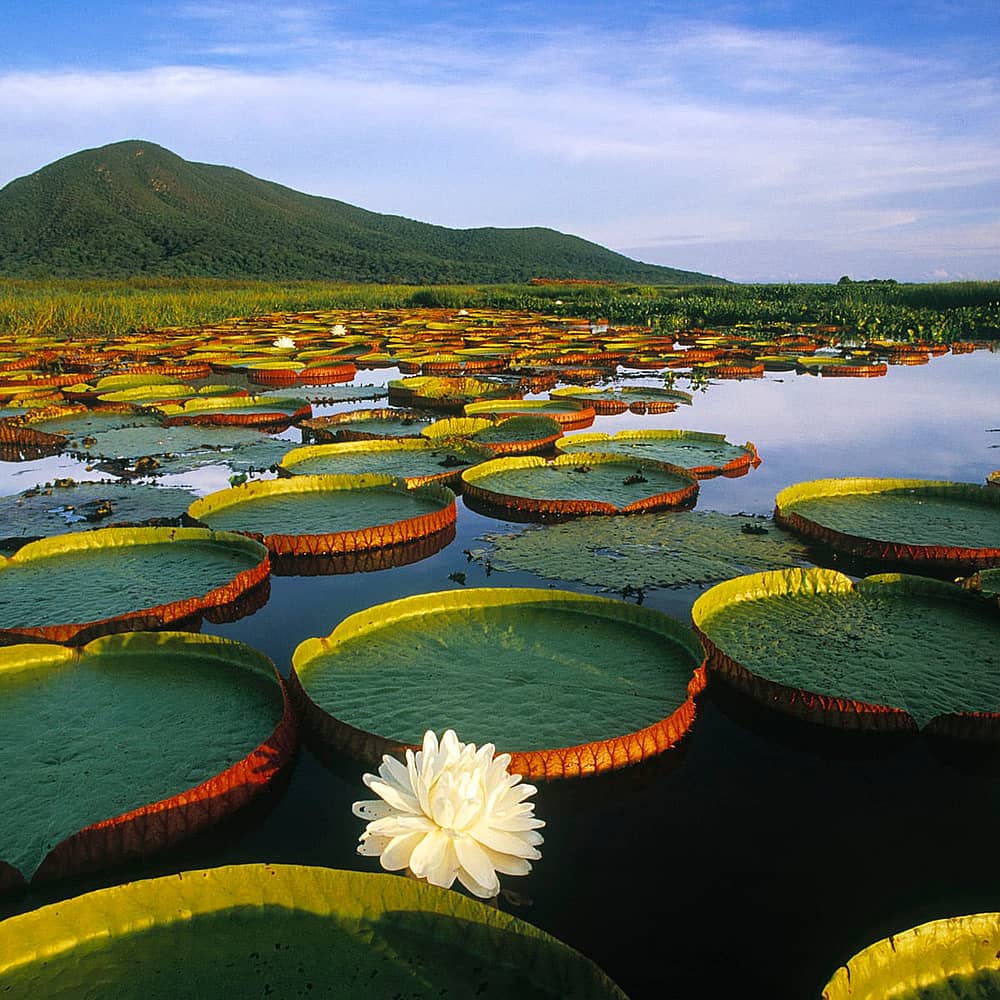
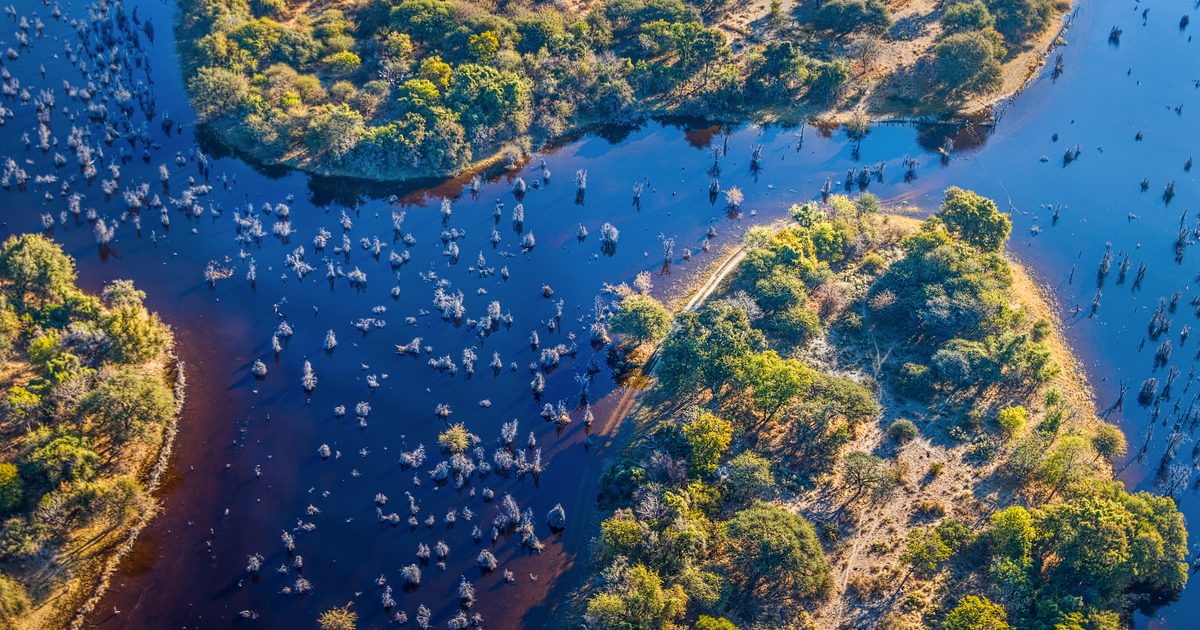
⚡ The TL;DR Verdict
If your dream is high-density wildlife, diverse activities, and a more budget-friendly adventure, the Pantanal (daily budget $150-$400) is your winner. For unparalleled wilderness luxury, Big Five exclusivity, and a truly remote, 'fly-in' safari experience, the Okavango Delta (daily budget $500-$1500+) is worth the splurge.
- Choose Pantanal: Choose the Pantanal if you're a passionate birder, fascinated by jaguars and aquatic wildlife, prefer a more active and varied itinerary (horseback riding, piranha fishing), and want a substantial wildlife experience without the African safari price tag. It's fantastic for nature photography and travelers who appreciate rustic charm over ultra-luxury.
- Choose Okavango: Opt for the Okavango Delta if you're chasing the iconic African Big Five, prioritize an exclusive, low-impact safari experience with luxurious tented camps, and are willing to invest significantly for pristine wilderness and incredible game viewing. It's ideal for honeymooners, special occasions, or those seeking ultimate tranquility and untouched landscapes.
- Choose Both: If you have the time (at least 3-4 weeks) and budget (easily $10,000+), combining both offers an incredible biodiversity comparison. Start with the Pantanal for its unique wetlands and jaguars, then head to the Okavango for the classic African savanna experience. This offers the best of both worlds, contrasting South American and African ecosystems.
Quick Comparison
| Category | Pantanal | Okavango | Winner |
|---|---|---|---|
| Wildlife Viewing & Diversity | Unmatched density of aquatic wildlife, jaguars, caimans, capybaras. Excellent birding. | Iconic African Big Five, wild dogs, massive elephant herds. Pristine wilderness. | Tie |
| Costs & Budget | Significantly more affordable, daily costs from R$750-R$2000 (US$150-US$400). | Much more expensive, daily costs from US$500 to US$1500+ for mid-range to luxury. | Pantanal |
| Accessibility & Getting There | Fly into Cuiabá or Campo Grande, then road transfers (2-6 hours). More independent travel options. | Fly into Maun, then light aircraft transfers to camps. Less independent, more organized. | Pantanal |
| Accommodation & Comfort | Rustic to comfortable fazendas (ranches). Authentic, family-run options. | Luxury tented camps and lodges. High-end, all-inclusive, often with plunge pools. | Okavango |
| Activities & Experience | Diverse: boat safaris, jeep safaris, horseback riding, piranha fishing, night drives, walking. | Classic: game drives, mokoro trips, walking safaris. Focus on game viewing. | Pantanal |
| Best Time to Visit & Weather | Dry season (May-Oct) best for wildlife concentration. Hot, humid wet season (Nov-Apr) offers lush views. | Dry season (May-Oct) best for game viewing as animals gather around water. Mild, dry. | Okavango |
| Safety & Logistics | Generally safe within lodges/tours. Road conditions can be challenging; language barrier (Portuguese). | Extremely safe within safari concessions. Highly organized, seamless logistics. English widely spoken. | Okavango |
| Solo Travel Friendliness | Easier to join group tours, lower single supplements. Social atmosphere at fazendas. | High single supplements common. Less spontaneous; organized tours are the norm. | Pantanal |
| Ecosystem & Immersion | World's largest tropical wetland. Dynamic landscape, strong human-wildlife interaction. | Pristine, untouched inland delta. Sense of deep wilderness, minimal human footprint. | Okavango |
| Cultural Experience | Rich 'Pantaneiro' cowboy culture, traditional fazendas, local cuisine. | Safari-focused, less emphasis on local culture beyond camp staff interaction. | Pantanal |
🐅 Wildlife Viewing & Diversity
Both destinations are wildlife powerhouses, but they excel in different areas. The Pantanal boasts an incredible density of wildlife, making sightings almost guaranteed. You're practically tripping over caimans and capybaras, and it's arguably the best place in the world to see a jaguar in the wild, particularly along the Cuiabá River in Porto Jofre. Birdlife is spectacular, with hyacinth macaws, toucans, and jabiru storks everywhere. Activities like boat safaris and horseback riding bring you incredibly close. The Okavango Delta, on the other hand, offers the quintessential African safari experience. You'll find the Big Five (lion, leopard, elephant, rhino, buffalo), though rhino sightings are less common. What truly sets it apart are the vast herds of elephants, the elusive African wild dog, and the sense of untamed wilderness. Game drives, mokoro excursions, and walking safaris offer varied perspectives. While the Okavango has more 'star power' animals for some, the Pantanal's sheer volume and unique species like giant otters and anacondas give it a distinct edge in accessibility and density. "Honestly, for jaguars, Pantanal is the only real choice. Saw three in two days. Blew my mind how close we got." - r/wildlife traveler.
Winner takeaway
- Winner: Tie
- Why: Both offer world-class wildlife, excelling in different species and viewing styles.
- Who this matters for: Wildlife photographers, first-time safari-goers, and anyone with a specific 'bucket list' animal in mind.
💰 Costs & Budget
This is where the Pantanal truly shines for many travelers. A 4-day, 3-night package at a reputable fazenda or lodge in the North or South Pantanal can range from R$3,000-R$8,000 (US$600-US$1600) per person, including transfers, accommodation, meals, and all excursions. This works out to an average of US$150-US$400 per day. For instance, a stay at Pousada Rio Claro or a mid-range lodge near Porto Jofre offers excellent value. Flights within Brazil are also relatively cheap. The Okavango Delta, due to its remote, fly-in nature and focus on high-end, low-impact tourism, is substantially more expensive. A 3-day, 2-night stay at a mid-range tented camp like Camp Okavango or Moremi Crossing can easily start from US$1,500-US$3,000 per person, reaching US$5,000+ for luxury camps like Mombo Camp for the same duration. This puts daily costs at US$500 to US$1500+. The logistics of light aircraft transfers (e.g., from Maun to your camp) add significant expense, often US$200-US$400 per flight leg. "The Pantanal blew Botswana out of the water for value. We saw more unique animals for a third of the price, easy." - r/solotravel user.
Winner takeaway
- Winner: Pantanal
- Why: The Pantanal offers an exceptional wildlife experience at a fraction of the cost of the Okavango Delta, making it accessible to more travelers.
- Who this matters for: Budget-conscious travelers, backpackers, and families looking for significant wildlife encounters without breaking the bank.
✈️ Accessibility & Getting There
Getting to the Pantanal is generally more straightforward and flexible. You'll typically fly into either Cuiabá (CGB) for the Northern Pantanal (e.g., Porto Jofre) or Campo Grande (CGH) for the Southern Pantanal (e.g., Bonito, Miranda). Major international airports like São Paulo (GRU) or Rio de Janeiro (GIG) have frequent, affordable domestic flights to these hubs, often costing R$300-R$800 (US$60-US$160). From there, road transfers (private shuttle, shared van, or rental car) take 2-6 hours, depending on your lodge's location. While some roads are unpaved, driving yourself is an option for the adventurous. For the Okavango Delta, the primary gateway is Maun (MUB). International flights connect via Johannesburg (JNB) or Gaborone (GBE). From Maun, almost all safari camps require a light aircraft transfer, which is part of the iconic Delta experience but adds to the cost and complexity. These flights are scenic but strict on luggage weight (typically 20kg/44lbs in soft bags). Independent travel within the Delta itself is virtually impossible due to the terrain and exclusive concessions. "Landing on a dirt airstrip in the Delta was cool, but getting to Cuiabá and just driving in felt way less stressful and more like a real adventure." - r/traveler.
Winner takeaway
- Winner: Pantanal
- Why: The Pantanal offers more diverse and generally more affordable travel options to reach the wildlife areas, including self-drive.
- Who this matters for: Independent travelers, those on a tighter schedule, or anyone preferring road travel over multiple small plane transfers.
🏨 Accommodation & Comfort
Accommodation styles are vastly different. In the Pantanal, you'll primarily stay in 'fazendas' or lodges, which are working ranches converted to host tourists. They range from basic, rustic setups like Pousada Alegre to more comfortable options like Caiman Ecological Refuge or Araras Pantanal Eco Lodge. Expect comfortable, air-conditioned rooms, decent food, and a more communal, often family-run atmosphere. While some offer pools, it's generally a more grounded, less opulent experience focused on activities. The Okavango Delta, conversely, is synonymous with luxury safari camps. These are typically fly-in, all-inclusive tented camps, often elevated on stilts, offering opulent 'tents' with en-suite bathrooms, private decks, and sometimes plunge pools. Camps like Sanctuary Chief's Camp, Vumbura Plains, or Xigera Safari Lodge provide exceptional service, gourmet meals, and often twice-daily game drives and mokoro trips. The focus is on comfort, exclusivity, and seamlessly integrated safari experiences. While Pantanal lodges are comfortable, they don't reach the same level of lavishness and personalized service found in the Okavango's top-tier camps. "You really feel like royalty in an Okavango camp, everything is taken care of. The Pantanal was great, but more like a cozy guesthouse." - r/safari enthusiast.
Winner takeaway
- Winner: Okavango
- Why: The Okavango Delta offers a consistently higher standard of luxury, exclusivity, and all-inclusive service in its safari camps.
- Who this matters for: Luxury travelers, honeymooners, and those seeking pampering and exclusivity in a remote setting.
🛶 Activities & Experience
The Pantanal offers a broader range of activities that get you deeply immersed in the environment. Boat safaris on rivers like the Cuiabá are paramount for jaguar spotting and aquatic birdlife. Jeep safaris cover the land, but unique experiences like horseback riding (a traditional way of getting around for Pantaneiros) allow you to traverse flooded areas and get incredibly close to animals. Piranha fishing is a fun, hands-on activity, and night safaris are excellent for spotting nocturnal creatures like ocelots and giant anteaters. Walking safaris are also common. The Okavango Delta's activities are more focused on traditional game viewing. Early morning and late afternoon game drives are the backbone, providing opportunities to see large mammals. Mokoro (dugout canoe) trips offer serene glides through the waterways, allowing for quiet birding and elephant viewing from a different perspective. Walking safaris provide an intimate connection with the bush, focusing on tracking and smaller details. While the Okavango offers iconic experiences, the Pantanal’s variety provides a more active and diverse itinerary, appealing to those who want more than just vehicle-based game viewing. "The horseback riding in the Pantanal was a game-changer; never felt so connected to the landscape and wildlife." - r/travel testimonial.
Winner takeaway
- Winner: Pantanal
- Why: The Pantanal provides a richer and more varied array of activities, offering multiple unique ways to experience the wildlife and landscape.
- Who this matters for: Active travelers, families, and those who enjoy hands-on experiences beyond traditional game drives.
☀️ Best Time to Visit & Weather
Both destinations share a similar 'best time to visit' window, which is their dry season. For the Pantanal, the dry season (May to October) is ideal, as water levels recede, concentrating wildlife around fewer water sources and making jaguar spotting more frequent along riverbanks. Temperatures can be hot, often reaching 30-35°C (86-95°F), with high humidity. The wet season (November to April) transforms the landscape into a lush, flooded paradise, excellent for birding and photography, but some areas become inaccessible and wildlife disperses. The Okavango Delta's dry season (May to October) is similarly optimal for game viewing. As the floodwaters from Angola arrive, the delta expands, but the surrounding plains dry up, forcing animals to congregate along the permanent waterways. This makes game drives and mokoro safaris highly productive. The weather during this period is generally mild and dry, with warm days (25-30°C/77-86°F) and cool nights, offering more comfortable safari conditions than the Pantanal's often intense humidity. The lack of rain during this period also means fewer mosquitoes. While both have peak seasons, the Okavango's dry season offers a more consistently comfortable climate for safari activities. "Botswana in August was just perfect. Cool mornings, warm days, zero humidity, and animals everywhere by the water." - r/safari advice.
Winner takeaway
- Winner: Okavango
- Why: The Okavango Delta's dry season offers consistently comfortable weather with ideal conditions for concentrated game viewing and fewer insects.
- Who this matters for: Travelers sensitive to heat and humidity, or those prioritizing clear, comfortable conditions for photography.
🛡️ Safety & Logistics
Safety in both destinations, particularly within organized tours and lodges, is generally high. However, the overall logistical ease and perceived safety differ. In the Pantanal, once you're on a tour or at a fazenda, you're quite safe. The main challenges come from independent travel: navigating unpaved roads which can be tricky, and the language barrier, as Portuguese is the primary language outside of tourist operations. Theft and petty crime are more prevalent in Brazilian cities you might pass through (Cuiabá, Campo Grande) than in the Pantanal itself, requiring standard urban precautions. For the Okavango Delta, safety within the safari concessions is exceptionally high. The camps are remote, secure, and highly regulated. Logistics are almost entirely handled by the safari operators, from Maun transfers to daily activities, making for a seamless, stress-free experience. English is widely spoken by guides and camp staff. The main 'danger' is wildlife, which is expertly managed by professional guides. There's virtually no crime concern within the Delta itself. This highly organized, protected environment gives the Okavango a clear edge in terms of perceived and actual safety and logistical simplicity. "Felt completely secure in Botswana, everything was handled by the camp. Brazil felt a bit more 'on your own' outside the lodge." - r/travel thoughts.
Winner takeaway
- Winner: Okavango
- Why: The Okavango Delta offers a more seamless, secure, and logistically simpler experience due to its highly organized, all-inclusive safari model.
- Who this matters for: First-time international travelers, those traveling with young children, or anyone prioritizing a completely hassle-free experience.
🚶♀️ Solo Travel Friendliness
Solo travelers will generally find the Pantanal more accommodating and budget-friendly. Many lodges and tour operators have lower or no single supplements, making it more accessible financially. The communal dining and activity structures at fazendas foster a social environment, making it easy to meet other travelers, share experiences, and even split costs for private transfers or guides if desired. You can often book a package that includes transfers from the airport, minimizing solo logistical headaches. The Okavango Delta, while incredibly safe for solo travelers once there, can be financially prohibitive due to very high single supplements, sometimes doubling the per-person cost. Most camps are designed for couples or small groups, and while you'll interact with guides and staff, the remote, exclusive nature means less spontaneous mingling with other guests compared to the Pantanal's more open lodge setups. Booking an organized safari package is essential, leaving less room for independent exploration or flexibility. "Traveled solo to the Pantanal, had a blast. Met people easily at the lodge, and the single supplement wasn't a killer like it would've been in Botswana." - r/solotravel post.
Winner takeaway
- Winner: Pantanal
- Why: The Pantanal is more budget-friendly and conducive to meeting other travelers, making it a better choice for solo adventurers.
- Who this matters for: Solo travelers, backpackers, and those looking to connect with other adventurers on their trip.
🌿 Ecosystem & Immersion
The immersive experience in both regions is profound but distinct. The Pantanal, the world's largest tropical wetland, offers a dynamic, ever-changing landscape shaped by seasonal floods. While it's wild, there's often a stronger sense of human interaction with the environment, particularly through the working fazendas and the 'Pantaneiro' cowboy culture. This provides a fascinating cultural layer to the wildlife viewing. You feel deeply connected to the unique wetland ecosystem, but it's not always a completely 'untouched' wilderness. The Okavango Delta, a UNESCO World Heritage site, provides an unparalleled sense of pristine, untouched wilderness. Its status as an inland delta, expanding and contracting with seasonal floods, creates a unique aquatic and terrestrial mosaic. The focus on low-impact, high-value tourism means fewer people, fewer vehicles, and vast, protected areas where wildlife roams freely with minimal human interference. You truly feel like you've stepped into an ancient, wild Africa, far removed from civilization. The silence, the vastness, and the feeling of being a small observer in a grand natural theatre are incredibly powerful. "Nothing compares to the Okavango for feeling truly 'off the grid' and immersed in pure wilderness. It's almost spiritual." - r/traveler's reflection.
Winner takeaway
- Winner: Okavango
- Why: The Okavango Delta offers a more profound and exclusive sense of pristine, untouched wilderness and deep immersion.
- Who this matters for: Travelers seeking ultimate solitude, pristine nature, and a profound connection with an ancient ecosystem.
🇧🇷 Cultural Experience
While both destinations are primarily about wildlife, the Pantanal offers a more discernible cultural layer. The 'Pantaneiro' cowboy culture is integral to the region, with many fazendas being working ranches where you can observe or even participate in aspects of their daily life. This can include horseback riding with vaqueiros (cowboys), learning about cattle herding, and experiencing local hospitality. The cuisine, with fresh fish, churrasco (BBQ), and regional dishes, is also a significant part of the cultural immersion. You'll interact more directly with local Brazilians outside of just your guides. In the Okavango Delta, the focus is almost exclusively on the safari experience. While you'll interact with incredibly knowledgeable and hospitable Botswanan guides and camp staff, the 'cultural experience' is less about a distinct local way of life and more about the safari industry's service. The camps are self-contained ecosystems, and while staff share insights into their culture, it's not as integrated into the overall visitor experience as the Pantaneiro culture is in the Pantanal. There's less opportunity to visit local villages or experience broader cultural traditions directly within the Delta's pristine, protected areas. "The Pantanal felt like a true cultural exchange alongside the wildlife, the cowboys were awesome. Botswana was just awesome wildlife." - r/Brazil travel comment.
Winner takeaway
- Winner: Pantanal
- Why: The Pantanal provides a richer, more integrated cultural experience through its 'Pantaneiro' heritage and local interactions.
- Who this matters for: Travelers interested in combining wildlife viewing with local cultural immersion and authentic regional experiences.
❓ Frequently Asked Questions
Which destination is better for jaguar sightings?
The Pantanal, especially the Porto Jofre area along the Cuiabá River, is widely considered the best place in the world to see jaguars in the wild. While not guaranteed, chances are incredibly high during the dry season (May-Oct) due to their concentration near water sources. Okavango has leopards, but jaguars are exclusively South American.
Which destination is better for seeing the 'Big Five'?
For the African 'Big Five' (lion, leopard, elephant, rhino, buffalo), the Okavango Delta is the undisputed champion. It offers excellent opportunities to spot all five, though rhino sightings are less common and require specific camps or areas. The Pantanal has no rhinos or lions, offering different iconic predators like jaguars.
Do I need a yellow fever vaccine for both regions?
Yes, a yellow fever vaccination is highly recommended or required for travel to the Pantanal region of Brazil. For Botswana and the Okavango Delta, it's generally required if you are arriving from a country with risk of yellow fever transmission, including Brazil. Always check the latest health advisories from your local embassy/consulate.
What's the food like in each place?
In the Pantanal, expect hearty Brazilian fare: lots of fresh fish, churrasco (BBQ), rice, beans, and local produce. Meals are often communal and plentiful at fazendas. In the Okavango Delta, safari camps offer high-quality, often gourmet, international cuisine with fresh ingredients, often served in beautiful settings. Dietary restrictions are usually well-accommodated in both.
Can I do a self-drive safari in either location?
Self-driving is possible in some parts of the Pantanal (e.g., Transpantaneira Highway), especially for the adventurous traveler, though roads can be challenging. In the Okavango Delta, self-drive safaris are generally not feasible or recommended within the exclusive concession areas where most camps are located. The terrain is difficult, and specific permits are required.
Which destination is better for birdwatching?
Both are birding paradises, but the Pantanal likely edges out the Okavango for sheer density and diversity of aquatic and wetland birds. Species like the Hyacinth Macaw, Jabiru Stork, and various raptors are abundant and easily spotted. The Okavango also has incredible birdlife, but its focus often leans more towards large mammals.
How long should I plan to stay in each region?
For a good immersion and solid wildlife viewing, aim for at least 4-5 days (3-4 nights) in the Pantanal. This allows for diverse activities and time for spotting. For the Okavango Delta, a minimum of 3-4 days (2-3 nights) is recommended, often split between two different camps to experience varied ecosystems (e.g., land-based and water-based). More time is always better if your budget allows.
What's the mosquito situation like?
Both are tropical/subtropical wetlands, so mosquitoes and other biting insects are present, especially during the wetter seasons. The Pantanal can be quite humid and buggy, requiring strong repellent. The Okavango's dry season generally sees fewer mosquitoes, but they are still a factor, and malaria prophylaxis is often recommended for both regions. Always use repellent and wear long sleeves/pants.
Ready to plan your ultimate wildlife trip?
Get a free custom itinerary for Pantanal, Okavango, or both — built from real traveler insights.
🎟️ Book Tours & Experiences
Hand-picked tours and activities for both destinations — book with free cancellation
Experiences via Viator — free cancellation on most tours