How we built this comparison
This page combines traveler discussion patterns, published price ranges, flight schedules, and seasonal data to help you decide between Patagonia and Alaska.
- Reviewed 70+ Reddit threads from r/travel, r/solotravel, r/Patagonia, r/Alaska, r/Argentina, r/Chile for firsthand experiences and tips.
- Verified costs for flights, accommodation, tours, and car rentals against current booking platforms like Google Flights, Booking.com, and local tour operator websites.
- Cross-referenced seasonal patterns, weather data, and national park regulations to ensure accurate and timely advice.
⚡ The TL;DR Verdict
If you dream of rugged, self-guided trekking on a more modest budget and don't mind long travel days, Patagonia is your pick. For a wildlife-rich, often cruise-based, and more structured adventure with a larger budget and easier access from North America, Alaska wins. Expect daily budgets from $70-150 USD in Patagonia and $150-400+ USD in Alaska.
- Choose Patagonia: Choose Patagonia if you are an avid hiker, enjoy independent travel, speak some Spanish, and are looking for a more budget-friendly epic adventure, especially if you have 2-3 weeks to explore.
- Choose Alaska: Choose Alaska if you prioritize abundant wildlife viewing, glacier experiences, prefer organized tours or cruises, have a more generous budget, and want a wild US adventure with shorter travel times from North America.
- Choose Both: Consider both if you have a significant travel fund and extended time (at least 5-6 weeks total). Do Alaska in its summer (June-August) and Patagonia in its summer (December-February) for optimal weather, perhaps a year apart to truly savor each.
Quick Comparison
| Category | Patagonia | Alaska | Winner |
|---|---|---|---|
| Nature & Scenery | Jagged granite peaks, massive glaciers, turquoise lakes, vast pampas. Focus on trekking. | Towering fjords, immense icefields, temperate rainforests, incredible wildlife. Focus on diverse ecosystems. | Patagonia |
| Costs & Budget | Generally more affordable, especially in Argentina due to favorable exchange rates. Requires careful planning for Chile. | Significantly more expensive, comparable to high-cost US destinations, especially for tours and accommodation. | Patagonia |
| Getting There | Long, multi-leg flights, typically via Buenos Aires or Santiago. Requires patience. | Shorter, more direct flights from major North American cities. Easier access for US/Canadian travelers. | Alaska |
| Getting Around | Reliance on comfortable long-distance buses; some car rental options but less common. | Car rental is almost essential for independent travel; cruises are popular for coastal access. | Alaska |
| Accommodation | Variety from rustic refugios and hostels to boutique hotels; camping is very popular. | Hotels, lodges, and B&Bs dominate; fewer budget options, higher prices, booking far in advance is crucial. | Patagonia |
| Weather & Seasons | Best during Southern Hemisphere summer (Dec-Feb), characterized by strong winds and variable mountain weather. | Best during Northern Hemisphere summer (June-Aug), mild temperatures, long daylight hours, but also rain. | Tie |
| Activities & Adventure | World-class multi-day trekking, glacier viewing, horseback riding, wildlife spotting (penguins, whales in coastal areas). | Unparalleled wildlife viewing (bears, moose, whales), glacier cruises, flightseeing, fishing, kayaking, dog sledding. | Alaska |
| Food & Drink | Argentine steak, Patagonian lamb, empanadas, Malbec wine. Hearty and delicious. | Fresh seafood (salmon, halibut), wild game, craft beers. Hearty and distinctly American. | Patagonia |
| Culture & Local Life | Vibrant Latin American culture, strong gaucho traditions, Spanish-speaking, friendly locals. | American frontier spirit, strong indigenous influences, focus on self-reliance and the outdoors. | Patagonia |
| Solo Travel & Safety | Excellent for solo hikers and backpackers; generally safe with common-sense precautions. | Safe but often better with a companion or on organized tours; less backpacker infrastructure. | Patagonia |
🏔️ Nature & Scenery
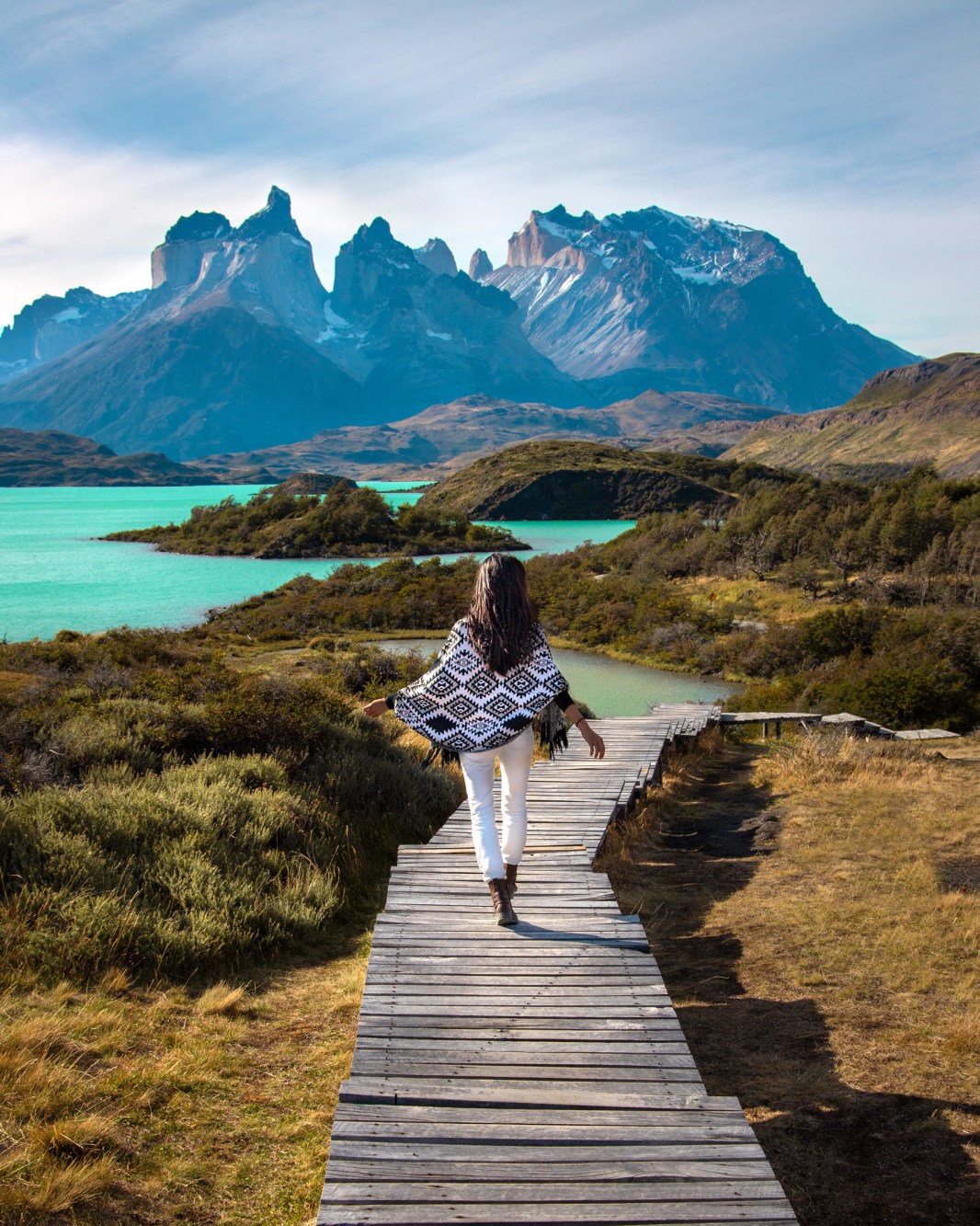
Patagonia’s scenery is dominated by the dramatic Andes, featuring iconic granite spires like Fitz Roy and Cerro Torre in Argentina, and the legendary Towers of Paine in Chile. The region boasts the Perito Moreno Glacier, one of the few advancing glaciers in the world, where you can witness ice calving into Lago Argentino. The landscapes are more consistently grand and geared towards epic multi-day treks. Torres del Paine's 'W' or 'O' circuits are world-renowned, offering continuous, breathtaking vistas. "Patagonia just hits different. Every turn is a postcard, and the sheer scale of the mountains makes you feel tiny in the best way. Nothing I've seen in Alaska quite compares to the Torres del Paine sunrise." While Alaska has incredible beauty, like the scale of Denali National Park or the fjords of Kenai, Patagonia's raw, uninterrupted mountain grandeur for trekkers is arguably more singular and consistently breathtaking.
Winner takeaway
- Winner: Patagonia
- Why: Patagonia wins for its sheer concentration of iconic, world-class mountain scenery and unparalleled trekking opportunities.
- Who this matters for: Serious hikers, landscape photographers, and those seeking iconic, dramatic mountain vistas.
💸 Costs & Budget
Patagonia, while not 'cheap,' offers better value, especially on the Argentine side. A daily budget of $70-150 USD (approx. 60,000-130,000 ARS, 65,000-140,000 CLP) can get you by, including hostels or budget guesthouses (~$20-40 USD), local buses (~$10-30 USD per segment), and eating out at modest restaurants or cooking. In El Chaltén, a steak dinner might be 12,000 ARS (~$14 USD). Torres del Paine entry is around $35-49 USD. Alaska, however, is a budget killer. Expect $150-400+ USD per day (or much more). A basic motel room in Anchorage is $150-250 USD, and a modest meal can easily be $25-40 USD. Car rentals are $80-150+ USD/day, and essential tours like a Denali flightseeing tour can be $300-600 USD. "Alaska's incredible, but my wallet felt like it got mugged daily. Patagonia felt like a steal in comparison, especially buying groceries in El Calafate." The cost difference is substantial, making Patagonia more accessible for many.
Winner takeaway
- Winner: Patagonia
- Why: Patagonia offers a far more budget-friendly experience, especially for independent travelers willing to cook and use public transport.
- Who this matters for: Budget-conscious travelers, backpackers, and those wanting to maximize trip duration without breaking the bank.
✈️ Getting There
Reaching Patagonia is an expedition in itself. From New York, you're looking at a 10-11 hour flight to Buenos Aires (EZE) or Santiago (SCL), followed by another 2-4 hour domestic flight to hubs like El Calafate (FTE), Ushuaia (USH), or Punta Arenas (PUQ). Total travel time, including layovers, can easily be 18-30 hours. Flights often cost $1000-2000 USD round trip. Alaska, conversely, is much more accessible for North American travelers. A direct flight from Seattle to Anchorage (ANC) is just 3.5 hours, and from Chicago it's around 6.5 hours. Even from the East Coast, a flight from New York to Anchorage with one stop can be as short as 9-12 hours, costing $500-1000 USD round trip. "Getting to Patagonia felt like a mission, but it was worth it. Still, the ease of flying into Anchorage and just getting going in Alaska was a huge plus." For sheer convenience and reduced travel fatigue, Alaska is the clear winner.
Winner takeaway
- Winner: Alaska
- Why: Alaska offers significantly shorter and more direct flight times, especially for travelers originating from North America.
- Who this matters for: Travelers with limited vacation time, those who dislike long-haul flights, and North American residents.
🚌 Getting Around
In Patagonia, getting around is primarily by comfortable, often 'cama' (sleeper) style long-distance buses. Routes like El Calafate to El Chaltén (~3 hours, ~$20 USD) or across the border to Puerto Natales (~5 hours, ~$30-40 USD) are well-established. While car rental is an option, roads can be rough (ripio/gravel), and one-way international rentals are complex. Public transport is efficient for major tourist hubs. Alaska, however, practically demands a car rental for independent exploration outside of major cities. Distances between attractions like Anchorage, Seward, and Denali are vast. For example, Anchorage to Seward is a beautiful ~2.5-hour drive (125 miles). Rental cars are expensive, often $80-150+ USD per day. Cruises are a popular way to see coastal Alaska, but limit inland exploration. "Trying to do Alaska without a rental car was a headache. Patagonia's bus system, while slow, was totally doable and surprisingly comfy." The flexibility and freedom a car provides in Alaska, coupled with its generally better road infrastructure (outside of some remote areas), gives it the edge for getting around effectively.
Winner takeaway
- Winner: Alaska
- Why: Alaska provides more convenient and flexible transport options, especially with car rentals for independent exploration, despite the cost.
- Who this matters for: Travelers who prefer driving themselves, value flexibility, or opt for structured cruise tours.
🛌 Accommodation
Patagonia offers a fantastic range of accommodation for different budgets and styles. In towns like El Chaltén or Puerto Natales, you'll find plenty of hostels (~$20-40 USD/night), cozy guesthouses, and mid-range hotels (~$80-150 USD). For trekkers, the 'refugios' in Torres del Paine (~$30-60 USD for a bed, more with meals) or the free campsites in El Chaltén are essential and iconic. Booking ahead, especially for refugios and popular hostels in peak season (Dec-Feb), is critical. Alaska's accommodation is generally pricier and more limited. Expect to pay $150-300+ USD per night for a standard hotel room in Anchorage, Fairbanks, or Seward. Budget options like hostels are rare and fill up fast. Lodges near national parks are often luxury-priced and require booking 6-12 months in advance. "Finding a decent hostel in Patagonia for under $30 was easy. In Alaska, I paid $200 for a pretty basic motel and felt lucky to get it." The diversity and affordability of choices, especially for budget travelers and hikers, make Patagonia a winner here.
Winner takeaway
- Winner: Patagonia
- Why: Patagonia provides a wider range of accommodation options, including budget-friendly hostels and essential trekking refugios, at more accessible price points.
- Who this matters for: Budget travelers, backpackers, and trekkers who want diverse lodging choices, including camping and refugios.
☀️ Weather & Seasons
Both regions are best visited in their respective summers, but the experiences differ. Patagonia's peak season is December to February, with average daily temperatures around 50-60°F (10-15°C). However, the wind (especially around El Chaltén and Torres del Paine) can be legendary, often gusting over 60 mph. Weather is highly unpredictable, with 'four seasons in one day' being common. "Patagonia's wind is no joke. I saw tents shredded. But those long summer days for hiking were glorious!" Alaska's summer (June to August) offers mild temperatures, typically 55-75°F (13-24°C) in the interior, with incredibly long daylight hours (up to 19-20 hours around the solstice). This allows for extended exploration, but rain is also frequent, especially in coastal areas like Juneau or Seward. While Patagonia's wind is a challenge, Alaska's consistent rain can also dampen spirits. Both require layering and readiness for varied conditions. It's a tie because each presents its own unique weather challenges and benefits during their optimal seasons.
Winner takeaway
- Winner: Tie
- Why: Both destinations offer ideal but distinct summer experiences, each with unique weather challenges (wind in Patagonia, rain in Alaska) that require careful preparation.
- Who this matters for: Travelers who are prepared for unpredictable weather, but prefer specific peak seasons for outdoor activities.
🏞️ Activities & Adventure
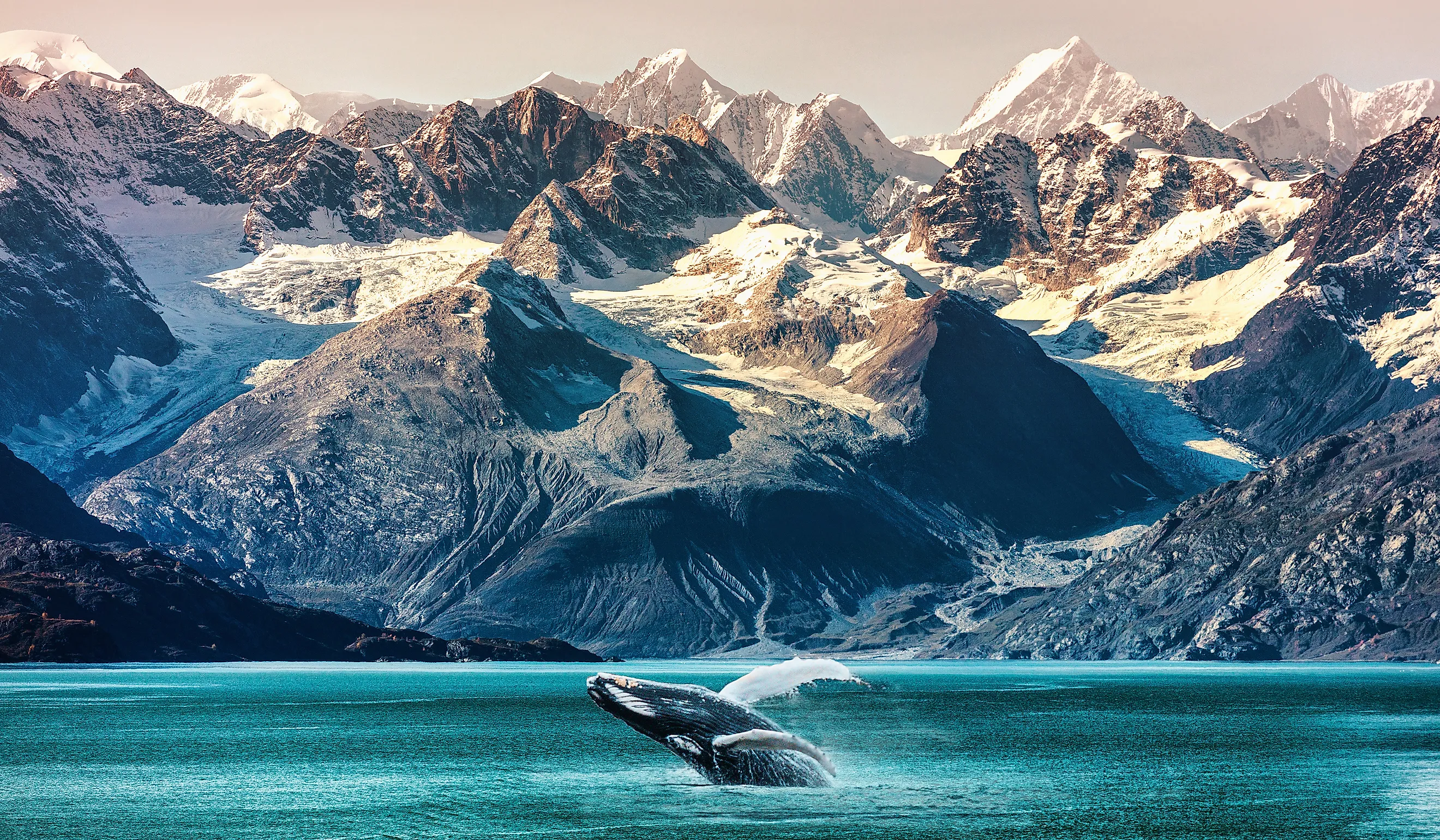
While Patagonia is a trekking paradise with iconic trails around Fitz Roy and the 'W' circuit in Torres del Paine, Alaska offers a broader spectrum of high-impact adventure activities for a wider audience. In Alaska, you can take a boat tour through Kenai Fjords National Park to see tidewater glaciers and abundant marine wildlife (whales, sea lions, puffins) for about $100-200 USD. Denali National Park provides unparalleled opportunities for bear, moose, and caribou viewing from shuttle buses. Flightseeing tours over Denali are breathtaking, though expensive (~$300-600 USD). Fishing, kayaking in Resurrection Bay, and even summer dog sledding on glaciers are unique to Alaska. Patagonia's trekking is legendary, and seeing Perito Moreno Glacier is incredible, but its wildlife (especially terrestrial) is less guaranteed and diverse than Alaska's. "Alaska just hits different for wildlife. Saw grizzlies, moose, and humpbacks all in one week. Patagonia's hikes are epic, but the wildlife isn't as 'in your face'." For the sheer diversity of high-adrenaline and accessible wildlife-focused adventures, Alaska takes the win.
Winner takeaway
- Winner: Alaska
- Why: Alaska offers a greater diversity of iconic, high-impact adventure activities, especially around wildlife and glacier access, appealing to a broader range of travelers.
- Who this matters for: Wildlife enthusiasts, those seeking a variety of guided outdoor excursions, and travelers who prefer less strenuous but highly impactful experiences.
🍖 Food & Drink
Patagonia's food scene, particularly in Argentina, is a meat lover's dream. Imagine succulent Patagonian lamb roasted 'al asador' (on a cross over an open fire), huge, perfectly cooked Argentine steaks from an 'parrilla' in El Calafate (e.g., La Zaina), and delicious empanadas for a quick bite. Pair it with an excellent, affordable Malbec wine. Calafate berries are used in desserts and liqueurs. While Chile offers fantastic seafood, the overall Patagonian experience leans into hearty, flavorful comfort food. A full steak dinner with wine can be ~$20-30 USD (approx. 17,000-26,000 ARS). Alaska, meanwhile, excels in fresh seafood – world-class salmon and halibut, often prepared simply but well. You'll find hearty American diner fare, and good craft breweries (like Anchorage Brewing Company). However, prices are much higher, and the variety outside of seafood and standard American cuisine is less pronounced. "Nothing beats an Argentine steak after a long hike in El Chaltén. The Malbec just seals the deal. Alaska's salmon is good, but it's not the same culinary experience." For a distinct, robust, and more affordable culinary identity, Patagonia wins.
Winner takeaway
- Winner: Patagonia
- Why: Patagonia offers a more distinct and universally beloved culinary experience, particularly with its world-class meats and wines, at a better price point.
- Who this matters for: Foodies, meat-lovers, wine enthusiasts, and those seeking a unique cultural culinary experience.
💃 Culture & Local Life
Patagonia offers a richer, more distinct cultural immersion compared to Alaska. On the Argentine side, you'll encounter the strong 'gaucho' (cowboy) culture, with ranches offering experiences in traditional horsemanship. The Latin American warmth, the prevalence of Spanish, and the vibrant social scene in towns like El Calafate or Puerto Natales contribute to a more profound cultural interaction. You can experience tango shows in larger cities before heading south or simply enjoy the lively evening atmosphere with locals. "The vibe in Patagonia, especially in smaller towns, felt genuinely South American and welcoming. People were so keen to chat even with my broken Spanish." Alaska's culture is a blend of American frontier spirit, strong outdoor recreation focus, and significant indigenous heritage. While valuable, it often feels more 'American' with a wild twist. Interactions tend to be more transactional, and while friendly, it lacks the overt cultural vibrancy of a Latin American region. For example, visiting the Alaska Native Heritage Center in Anchorage provides insight, but it's a dedicated activity rather than an omnipresent cultural fabric.
Winner takeaway
- Winner: Patagonia
- Why: Patagonia provides a more immersive and distinct cultural experience with its Latin American heritage, gaucho traditions, and lively social atmosphere.
- Who this matters for: Culture vultures, travelers interested in local traditions, Spanish speakers, and those seeking a vibrant social scene.
🚶♀️ Solo Travel & Safety
Patagonia is a haven for solo travelers, particularly hikers and backpackers. The well-trodden trekking routes like those in El Chaltén are very safe and easy to navigate independently, with many solo travelers on the trails. Hostels are plentiful and great for meeting fellow adventurers. Local transport is reliable, and crime rates are generally low, with petty theft being the main concern in larger towns. "I hiked Torres del Paine solo and felt totally safe and met so many awesome people at the refugios. It's built for independent adventurers." Alaska is also a very safe destination overall, but it's less geared towards solo backpackers. Accommodation is pricier, and many activities (e.g., car rentals, tours) are more cost-effective or designed for pairs/groups. While possible, navigating without a car as a solo traveler can be isolating and expensive. Its vastness means less spontaneous social interaction outside of tour groups. For the sheer ease of meeting people, cost-effectiveness, and infrastructure tailored to independent exploration, Patagonia is a stronger choice for solo adventurers.
Winner takeaway
- Winner: Patagonia
- Why: Patagonia offers superior infrastructure and a more social environment for solo hikers and backpackers, making it easier and more cost-effective to travel alone.
- Who this matters for: Solo travelers, backpackers, and those seeking a safe and welcoming environment for independent exploration.
❓ Frequently Asked Questions
Which destination is better for wildlife viewing?
Alaska generally offers more abundant and diverse wildlife viewing opportunities. You're almost guaranteed to see bears, moose, and marine mammals like whales and sea lions, often quite close, on tours. Patagonia has impressive wildlife like guanacos, condors, and penguins (on specific coastal tours), but it's less consistent and varied than Alaska's.
Do I need to speak Spanish for Patagonia?
While not strictly necessary, having some basic Spanish phrases will significantly enhance your experience in Patagonia, especially in more remote areas or when dealing with local bus companies and restaurants. In major tourist hubs like El Calafate or Puerto Natales, English is more widely spoken, but a little Spanish goes a long way.
When is the best time to visit each destination?
For Patagonia, the best time for hiking and general tourism is during the Southern Hemisphere summer, from December to February. For Alaska, the optimal window is the Northern Hemisphere summer, from June to August, when daylight hours are longest and wildlife is most active.
Which destination is better for families with young children?
Alaska might be slightly better for families with young children due to easier access, more structured tours (like cruises that cater to all ages), and generally better infrastructure for car travel. Patagonia's focus on strenuous hiking and long bus journeys might be less suitable for very young kids, though shorter excursions are possible.
Can I see glaciers in both Patagonia and Alaska?
Absolutely! Both regions are famous for their magnificent glaciers. In Patagonia, the Perito Moreno Glacier in Argentina is a must-see, and you'll find many others in Torres del Paine. In Alaska, you can see tidewater glaciers in Kenai Fjords, Exit Glacier near Seward, and massive icefields via flightseeing tours.
Are there good opportunities for camping in both places?
Yes, both offer excellent camping. Patagonia is renowned for its trekking and camping in national parks like Torres del Paine (requiring reservations) and free campsites in El Chaltén. Alaska also has numerous campgrounds in state parks and national forests, though wild camping might require more research and permits in some areas.
Which destination is more remote or 'off-the-grid'?
While both feel wild, Patagonia, particularly some of its more remote corners or multi-day treks, can feel more 'off-the-grid.' The lack of cell service on many trails and the journey to get there contribute to this. Alaska, while vast, has more robust tourist infrastructure and connectivity in its accessible areas.
What kind of clothing should I pack for either trip?
For both, layers are key! Pack waterproof and windproof outerwear, warm base layers, sturdy hiking boots, and a mix of mid-layers. The weather is unpredictable in both regions, so being prepared for sun, rain, and strong winds, even in summer, is essential.
Ready to plan your unforgettable adventure?
Get a free custom itinerary for Patagonia, Alaska, or both — built from real traveler insights and tailored to your preferences.
🎟️ Book Tours & Experiences
Hand-picked tours and activities for both destinations — book with free cancellation
Experiences via Viator — free cancellation on most tours