How we built this comparison
This page combines traveler discussion patterns, published price ranges, flight schedules, and seasonal data to help you decide between Patagonia and Dolomites.
- Reviewed 70+ Reddit threads from r/travel, r/solotravel, r/Patagonia, r/Dolomites, etc. for authentic traveler experiences and tips.
- Verified costs and logistics against current booking platforms (booking.com, Skyscanner, Rome2Rio) and park official websites.
- Cross-referenced seasonal patterns and weather data from meteorological sources to provide realistic expectations.
⚡ The TL;DR Verdict
For those craving raw, epic wilderness and a true sense of adventure, Patagonia is your calling, budgeting around $70-150 USD/day. If you prefer breathtaking, well-maintained trails with creature comforts, incredible food, and easier logistics, the Dolomites beckon, with daily budgets from $80-200 USD/day.
- Choose Patagonia: Pick Patagonia if you dream of massive glaciers, guanacos roaming wild, multi-day treks through remote landscapes, and don't mind longer travel times and unpredictable weather. It's for the intrepid, the 'go with the flow' adventurer seeking truly wild frontiers.
- Choose Dolomites: Opt for the Dolomites if you want dramatic, jagged peaks, a fantastic hut-to-hut hiking system, incredible Italian-Austrian food, and efficient transport, all within a more accessible and comfortable European setting. It's perfect for hikers who appreciate a good cappuccino and strudel after a challenging day.
- Choose Both: If you have ample time (4+ weeks) and budget, experience both! Start with the Dolomites for their structured beauty and then challenge yourself with Patagonia's wild grandeur. This would be a dream trip spanning two distinct mountain cultures.
Quick Comparison
| Category | Patagonia | Dolomites | Winner |
|---|---|---|---|
| Nature & Scenery | Vast, untamed wilderness; massive glaciers, towering granite peaks (Fitz Roy, Torres del Paine), vast steppes, diverse wildlife. | Dramatic, jagged limestone peaks; lush alpine meadows, pristine lakes (Braies), via ferrata routes, charming alpine villages. | Patagonia |
| Costs & Budget | Higher international flight costs, mid-range local costs for food/accommodation. Can be done on a budget but still adds up. | Lower international flight costs from Europe, mid-to-high local costs. Budget-friendly options exist (rifugios). | Dolomites |
| Getting There | Long-haul flights to Buenos Aires/Santiago, then domestic flights to El Calafate/Puerto Natales. Time-consuming. | Easily accessible from major European cities (Venice, Munich) via short flights, trains, or rental cars. | Dolomites |
| Getting Around | Intercity buses are primary, rental cars offer flexibility but distances are vast. Hitchhiking is common in some areas. | Excellent public bus network, extensive cable car system, rental cars provide ultimate flexibility. Distances are shorter. | Dolomites |
| Accommodation | Hostels and basic hotels in towns, camping and refugios (shelters) on trails. Quality varies. | Charming B&Bs, high-end hotels, and extensive network of mountain rifugios (huts) with half-board options. | Dolomites |
| Food & Drink | Hearty, meat-focused Argentine/Chilean cuisine. Empanadas, Patagonian lamb. Good wine. | Exceptional Italian-Austrian fusion cuisine. Pasta, dumplings, polenta, strudel, excellent wines and craft beer. | Dolomites |
| Activities & Adventure | Multi-day trekking (W Trek, O Trek), glacier hiking, kayaking, wildlife spotting. Raw, challenging. | Day hikes, hut-to-hut trekking, via ferrata, climbing, mountain biking, skiing. More structured. | Tie |
| Weather & Seasons | Highly unpredictable year-round, infamous Patagonian winds, four seasons in a day. Best in summer (Dec-Feb). | Distinct four seasons, warm summers, snowy winters. Generally more stable than Patagonia. Best summer (June-Sept). | Dolomites |
| Culture & Local Vibe | Gaucho culture, frontier town feel, Latin American warmth, focus on outdoor adventure. | Unique Ladin culture, strong Italian & Austrian influences, charming alpine villages, focus on mountain life & hospitality. | Dolomites |
| Safety & Logistics | Generally safe, but remoteness requires planning. Petty crime can occur in larger cities. | Extremely safe, efficient systems for trails, transport, and emergencies. High level of infrastructure. | Dolomites |
🏔️ Nature & Scenery
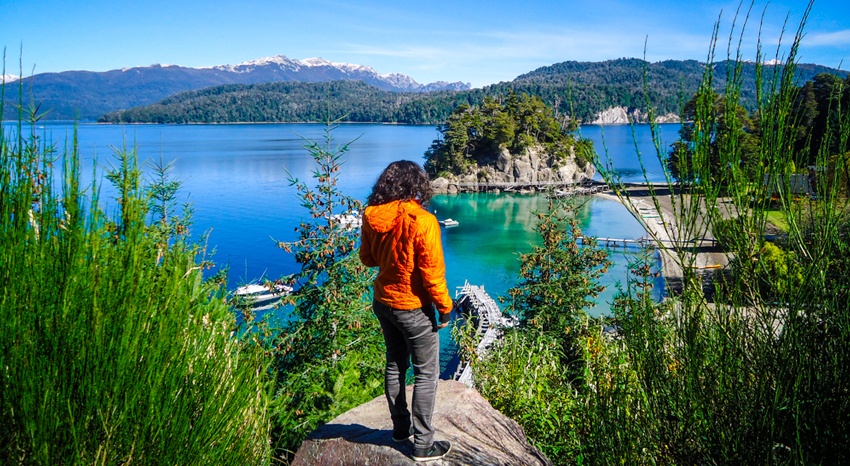
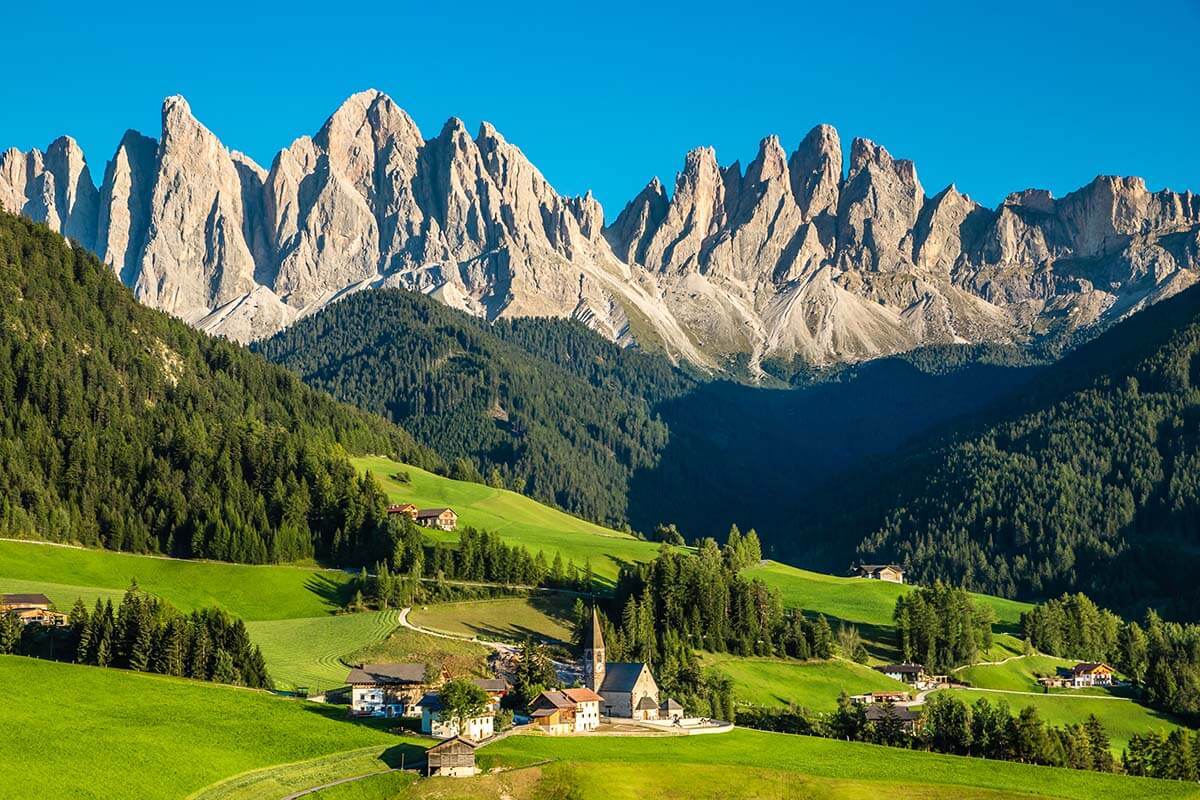
Patagonia simply feels more 'epic' and untamed. The sheer scale of the landscapes, from the colossal Perito Moreno Glacier that calves with thunderous roars, to the iconic granite spires of Fitz Roy and Torres del Paine, is mind-boggling. You'll encounter guanacos, condors, and perhaps even pumas in truly wild settings. The weather can be brutal, adding to the raw adventure. For instance, standing at Mirador Las Torres after a grueling hike, feeling the Patagonian wind whip around you, is an unparalleled experience. The Dolomites, while stunning with their distinctive 'pale mountains' and accessible beauty like Tre Cime di Lavaredo or Seceda's ridgeline, offer a more manicured and human-integrated alpine experience. They are like a perfectly sculpted garden compared to Patagonia's raw jungle. Both are jaw-dropping, but Patagonia provides a deeper sense of wild immersion. One Redditor put it well: "Patagonia makes you feel tiny in the best way possible. Torres del Paine changed my life. The Dolomites are beautiful, but Patagonia is *wild*."
Winner takeaway
- Winner: Patagonia
- Why: Patagonia's scale, raw untamed nature, and extreme weather provide a more visceral and awe-inspiring wilderness experience.
- Who this matters for: Adventure seekers, wildlife enthusiasts, and those who prioritize remoteness over comfort.
💸 Costs & Budget
Generally, the Dolomites tend to be slightly more budget-friendly, especially for European travelers. A flight from London to Venice can be as low as €50-100 (approx. $55-110 USD) round trip. Accommodation in a rifugio costs around €40-70 ($45-75 USD) per night for a dorm bed with half-board, offering incredible value. A full meal at a pizzeria might be €15-25 ($17-28 USD). Patagonia, on the other hand, starts with significantly higher flight costs. Expect $1000-1500 USD+ for a round trip from North America to Buenos Aires or Santiago, plus another $100-300 USD for internal flights to El Calafate or Puerto Natales. Budget dorms in El Chalten or Puerto Natales run $20-40 USD, but private rooms are $70-150 USD+. Park entrance fees, like Torres del Paine's approx. $35-40 USD, add up. Food prices are comparable, but tours (e.g., Perito Moreno Glacier walk $150-200 USD) are steeper. "My flight to Buenos Aires alone was more than my entire 10-day Dolomites trip, including car rental and fancy meals," a Redditor quipped.
Winner takeaway
- Winner: Dolomites
- Why: The Dolomites generally offer better value, particularly with cheaper flights from Europe and cost-effective rifugio stays.
- Who this matters for: Budget-conscious travelers, especially those starting from Europe.
✈️ Getting There
Getting to the Dolomites is remarkably straightforward. Fly into major hubs like Venice Marco Polo (VCE), Milan Malpensa (MXP), or Munich (MUC). From there, a scenic train ride to Bolzano or a direct bus to a key town like Cortina d'Ampezzo or Ortisei typically takes 2-4 hours and costs €20-50 ($22-55 USD). Renting a car is also very popular, with competitive rates from €30-50 ($33-55 USD) per day. Patagonia, however, is a journey. From the US, expect 10-14 hours to Buenos Aires (EZE) or Santiago (SCL), then another 3-5 hour domestic flight to El Calafate (FTE) or Punta Arenas (PUQ)/Puerto Natales (PNT). Total travel time can easily be 24+ hours door-to-door. A flight from NYC to El Calafate could take two full days of travel. "It took me longer to get to El Chalten than it did to fly from Canada to Rome and take a train to the Dolomites," shared one traveler.
Winner takeaway
- Winner: Dolomites
- Why: The Dolomites boast superior accessibility with shorter, cheaper flights from major global hubs and efficient ground transport options.
- Who this matters for: Travelers with limited vacation time, those preferring shorter travel days, and European residents.
🚗 Getting Around
The Dolomites win hands down for ease of internal travel. The public bus system (Südtirol Mobil) is incredibly efficient and connects nearly every major trail head, village, and rifugio starting point. Many regions offer a 'guest card' for free public transport. Cable cars are abundant, whisking you up to scenic viewpoints for €15-30 ($17-33 USD) round trip, saving hours of hiking. Renting a car is also highly recommended for ultimate freedom, with well-maintained roads and easy navigation. In Patagonia, distances are vast. While intercity buses (e.g., El Calafate to El Chalten ~$30-40 USD) are reliable, they can be infrequent and time-consuming. Rental cars are available but pricier and come with high mileage costs and potential gravel road challenges. "I spent half my Patagonian trip on buses. In the Dolomites, I was hiking from a bus stop within an hour of arriving," noted a traveler on Reddit. The convenience of hopping on a bus or cable car after a long hike in the Dolomites is a major advantage.
Winner takeaway
- Winner: Dolomites
- Why: The Dolomites offer a seamless blend of efficient public transport, extensive cable car networks, and easy car rentals, making exploration effortless.
- Who this matters for: Anyone who prefers convenience, doesn't want to drive long distances, or relies on public transport.
🛌 Accommodation
The Dolomites offer a more diverse and generally higher-quality accommodation experience. The rifugio system is legendary – these mountain huts provide beds (dorm or private), hot meals (often half-board), and stunning views, typically costing €40-70 ($45-75 USD) for a dorm with dinner and breakfast. They're clean, comfortable, and a fantastic cultural experience. In towns like Ortisei or Cortina d'Ampezzo, you'll find charming B&Bs for €80-150 ($90-165 USD) and luxury hotels. Patagonia's accommodation leans more towards functional. Towns like El Chalten and Puerto Natales have a good selection of hostels ($20-40 USD for a dorm) and basic hotels ($70-150 USD for a private room). On the trails, you'll find 'refugios' in Torres del Paine (e.g., Refugio Chileno, $50-100 USD for a bed) or designated campsites. These are often more basic than their Dolomitic counterparts. "Staying in a rifugio with fresh strudel after a 20km hike is peak travel. Patagonia's refugios are… character-building," remarked a Redditor, highlighting the comfort difference.
Winner takeaway
- Winner: Dolomites
- Why: The Dolomites excel with their world-class rifugio system offering comfort, amenities, and delicious food high in the mountains, alongside charming village stays.
- Who this matters for: Hikers seeking comfort on the trails, foodies, and those who appreciate a wider range of lodging options.
🍝 Food & Drink
This is a no-brainer: the Dolomites are a culinary paradise. The region's unique blend of Italian and Austrian influences results in incredibly delicious and satisfying food. Imagine fresh pasta dishes like Schlutzkrapfen (spinach ravioli), hearty Knödel (dumplings), rich polenta, and exquisite cured meats and cheeses. Every rifugio serves gourmet-level food – often homemade – paired with excellent local wines or craft beers. Dining at Rifugio Lagazuoi with panoramic views and a fantastic meal is an experience in itself. Patagonian food is good, don't get me wrong. The 'cordero al palo' (spit-roasted lamb) is legendary in places like Puerto Natales, and Argentine beef and Malbec wine are fantastic. Empanadas are a staple. However, the variety and sophistication don't quite match the Dolomites. "I could eat my way through the Dolomites every day for a month and still find new amazing things. Patagonia's lamb is great, but that's kinda it," a Reddit user commented, summing up the difference.
Winner takeaway
- Winner: Dolomites
- Why: The Dolomites offer a superior and more diverse culinary experience with its unique Italian-Austrian fusion, high-quality local ingredients, and exceptional rifugio dining.
- Who this matters for: Foodies, wine lovers, and anyone who believes a good meal is essential after a day of adventure.
🧗 Activities & Adventure
Both regions offer incredible adventure, but cater to slightly different styles. Patagonia excels in raw, multi-day trekking challenges like the Torres del Paine 'W' or 'O' circuit, or the classic hikes around El Chalten (Fitz Roy, Cerro Torre). Glacier trekking on Perito Moreno is a truly unique experience. It's about enduring the elements and pushing limits. The Dolomites, conversely, are a mecca for via ferrata (protected climbing routes), offering accessible 'climbing lite' adventures for all skill levels, like the Ivano Dibona or Sass de Stria. Hut-to-hut hiking (Alta Via routes) is also a highlight, allowing you to cover significant ground with only a day pack. Mountain biking is huge here, and come winter, it's a world-class ski destination. Patagonia feels more about survival and grand vistas, while the Dolomites offer a more diverse, structured range of adrenaline-pumping activities. "If you want to feel truly tiny and wild, Patagonia. If you want a fun, challenging climb with a cappuccino at the top, Dolomites. Both scratch a different itch," a traveler weighed in.
Winner takeaway
- Winner: Tie
- Why: Both destinations offer world-class adventure activities, catering to different preferences for wilderness vs. structured mountain sports.
- Who this matters for: Depends on the adventurer: Patagonia for raw trekking, Dolomites for via ferrata, climbing, and hut-to-hut comfort.
☀️ Weather & Seasons
The Dolomites offer a much more predictable and generally pleasant weather experience. Summer (June-September) brings warm, sunny days perfect for hiking, with occasional thunderstorms. Temperatures typically range from 15-25°C (59-77°F) in the valleys, cooler at altitude. Fall is stunning with larch trees turning golden, while winter transforms the region into a snowy wonderland for skiing. Patagonia, however, is notoriously fickle. Even in its 'summer' (December-February), you can experience blazing sun, torrential rain, heavy snow, and gale-force winds all within a few hours. The 'four seasons in a day' cliché is absolutely true. Winds can reach 100km/h (60mph), making hiking incredibly challenging. While this adds to the wild charm, it can significantly impact plans. "My Patagonia trip was 50% sunshine, 50% sideways rain and wind. Dolomites gave me clear skies for days. If you hate wind, pick Dolomites," a Redditor bluntly stated. For reliable hiking weather, the Dolomites have an edge.
Winner takeaway
- Winner: Dolomites
- Why: The Dolomites offer more stable and predictable weather patterns, making trip planning and outdoor activities less prone to disruption than Patagonia's notorious unpredictability.
- Who this matters for: Travelers who prefer more reliable weather, those sensitive to extreme winds, and anyone wanting to maximize outdoor activity time.
🗣️ Culture & Local Vibe
The Dolomites boast a richer and more distinct cultural tapestry due to the unique Ladin people, an ancient Rhaeto-Romanic ethnic group, alongside strong Austrian and Italian influences. Villages like Ortisei or Val Gardena feel like they're plucked from a fairytale, with ornate wooden carvings, vibrant floral displays, and a blend of German and Italian spoken. The 'Heimat' (homeland) pride is palpable, expressed through traditional dress, festivals, and the warm hospitality of rifugio owners. Patagonia's culture is more of a blend of Argentine and Chilean 'gaucho' (cowboy) traditions, mixed with a frontier town spirit driven by tourism and adventure. While there's a strong sense of community among adventurers and a relaxed vibe in towns like El Chalten, it lacks the deep, historical cultural identity found in the Dolomites. "The Dolomites aren't just mountains; they're a living culture. Patagonia is more about the raw land itself," a Reddit comment perfectly summarized.
Winner takeaway
- Winner: Dolomites
- Why: The Dolomites offer a more deeply entrenched and unique cultural experience with the Ladin people, historic villages, and a blend of Italian and Austrian traditions.
- Who this matters for: Culture enthusiasts, those interested in unique regional identities, and travelers who enjoy exploring charming villages alongside natural beauty.
🔒 Safety & Logistics
The Dolomites are renowned for their safety and incredibly efficient logistics. The trail system is meticulously marked (e.g., trail number '6' clearly signposted), mountain rescue services are top-notch, and the public transport is reliable. Crime is virtually non-existent in the mountain regions. You can trust the system. Patagonia is also generally very safe in its tourist hubs, but its sheer remoteness introduces more logistical challenges. Distances between towns are vast, phone signal can be spotty, and weather changes can strand travelers. While violent crime is rare, petty theft can occur in transit cities like Buenos Aires or Santiago, and gear theft in hostels isn't unheard of. The level of infrastructure and emergency response, while present, isn't as immediate or comprehensive as in a densely populated and well-developed European region. "I felt safer leaving my bag unattended in a Dolomites rifugio than I did checking into a hostel in El Calafate. The infrastructure is just on another level in Italy," a traveler recounted.
Winner takeaway
- Winner: Dolomites
- Why: The Dolomites offer a higher level of safety and more seamless logistics due to excellent infrastructure, well-marked trails, and efficient emergency services.
- Who this matters for: Solo travelers, families, those less experienced in remote travel, and anyone prioritizing peace of mind.
❓ Frequently Asked Questions
Which destination is better for solo travelers?
Both are great for solo travel! The Dolomites are slightly easier due to better public transport, a safer feel, and the social aspect of rifugios. Patagonia offers incredible solitude, but requires more self-reliance and planning for vast distances.
Do I need to speak the local language in Patagonia or the Dolomites?
In both regions, English is widely spoken in tourist areas. In Patagonia, basic Spanish phrases will be helpful. In the Dolomites, knowing a few Italian or German phrases (depending on the valley) will be appreciated, especially in smaller villages or rifugios.
Which destination is better for photography?
It's a tie! Patagonia offers dramatic, raw landscapes, massive glaciers, and unique wildlife for epic shots. The Dolomites provide incredibly picturesque jagged peaks, vibrant alpine meadows, and charming villages, perfect for landscape and cultural photography. Both are a photographer's dream.
What's the best time of year to visit each region?
For hiking, visit Patagonia during its summer (December to February) and the Dolomites during their summer (June to September). Shoulder seasons (spring/fall) offer fewer crowds but more unpredictable weather in both, with the Dolomites being a bit more pleasant during shoulder seasons.
Are the hikes in Patagonia and the Dolomites equally challenging?
Both offer a range of hikes from easy to strenuous. Patagonia's multi-day treks (like the W or O in Torres del Paine) are generally longer, more exposed to extreme weather, and more rugged. Dolomites offer challenging hikes and via ferrata, but often with better trail infrastructure and the convenience of rifugios for overnight stays.
Can I combine a visit to Patagonia with other parts of Argentina/Chile?
Absolutely! Many travelers combine Patagonia with a trip to Buenos Aires, Mendoza's wine region, or the Lake District in Argentina/Chile. Just factor in additional domestic flights and travel time due to the vast distances.
Is it easy to rent a car in both locations?
Yes, car rental is available in both. It's highly recommended in the Dolomites for flexibility, with good roads. In Patagonia, rental cars are pricier, roads can be rougher, and distances are much longer, making intercity buses a popular alternative for some routes.
Which destination is better for families with young children?
The Dolomites are generally better for families with young children due to their excellent infrastructure, easier accessibility to scenic spots via cable cars, well-maintained shorter trails, and a wider range of family-friendly accommodations and activities like playgrounds and interactive museums.
Ready to plan your mountain escape?
Get a free custom itinerary for Patagonia, the Dolomites, or both — built from real traveler insights and expert advice.
🎟️ Book Tours & Experiences
Hand-picked tours and activities for both destinations — book with free cancellation
Experiences via Viator — free cancellation on most tours