How we built this comparison
This page combines traveler discussion patterns, published price ranges, flight schedules, and seasonal data to help you decide between Patagonia and Faroe Islands.
- Reviewed 100+ Reddit threads from r/travel, r/solotravel, r/Argentina, r/Chile, r/FaroeIslands, etc.
- Verified costs and logistics against current booking platforms (e.g., Booking.com, Skyscanner, local bus/tour operators).
- Cross-referenced seasonal patterns, weather data, and national park regulations from official tourism and park websites.
- Incorporated insights from recent travel blogs and forums to ensure up-to-date practical advice.
⚡ The TL;DR Verdict
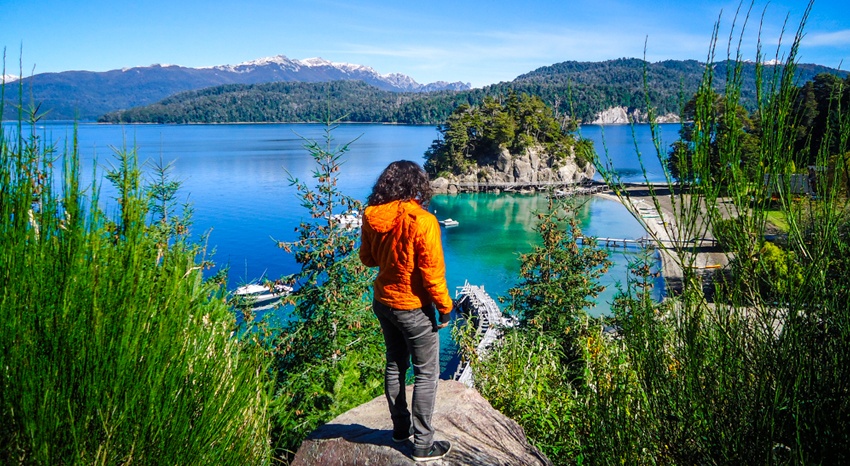
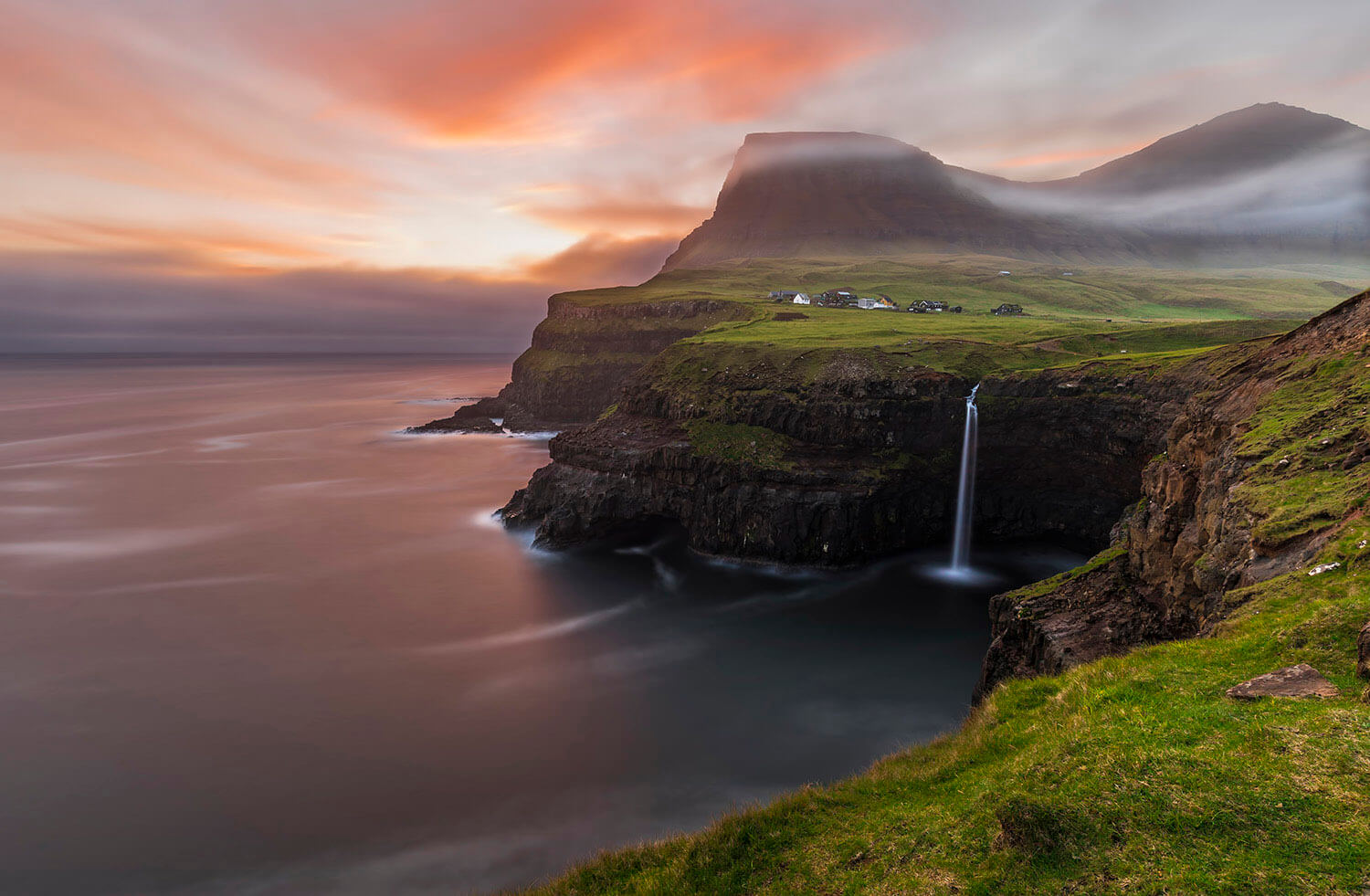
For raw, untamed wilderness and adventurous trekking on a more flexible budget, Patagonia is your epic South American dream. If you crave dramatic, moody landscapes, unique Nordic culture, and don't mind a premium price tag for a more serene, accessible experience, the Faroe Islands await. Budget travelers should lean Patagonia ($50-150 USD/day), while the Faroes typically require $150-300+ USD/day.
- Choose Patagonia: You're seeking expansive, diverse landscapes – from glaciers to mountains to steppes – with world-class multi-day treks like the 'W' in Torres del Paine or the Fitz Roy circuit. You're budget-conscious, enjoy a more rugged travel style, and are open to longer travel times to reach this remote corner of the world.
- Choose Faroe Islands: You prioritize unique, dramatic coastal scenery, charming isolated villages, and a sense of quiet solitude. You appreciate Nordic design and culture, are comfortable with higher European prices (especially for accommodation and rental cars), and prefer shorter, self-guided hikes over multi-day expeditions. You're seeking a 'road trip with views' experience.
- Choose Both: If you're a true nature addict with ample time (4+ weeks total) and budget, both offer unparalleled natural beauty. Consider Patagonia for a late spring/early autumn trip (November/March) and the Faroes for a summer adventure (June-August) to maximize good weather windows in both hemispheres.
Quick Comparison
| Category | Patagonia | Faroe Islands | Winner |
|---|---|---|---|
| Nature & Scenery | Vast, diverse, and grand: towering granite peaks, massive glaciers, turquoise lakes, arid steppes. Truly epic scale. | Dramatic, moody, and intimate: sheer sea cliffs, green valleys, waterfalls plunging into the ocean, unique basalt formations. | Patagonia |
| Costs & Budget | Generally more budget-friendly, especially in Argentina. Hostels, camping, and local eateries keep costs down. National park fees add up. | High, typical of Nordic countries. Accommodation, car rentals, and food are significant expenses. Public transport is limited. | Patagonia |
| Getting There | Long-haul flights to Buenos Aires or Santiago, then domestic flights/long buses. Journey is part of the adventure. | Direct flights from Copenhagen, Edinburgh, Paris, etc. Shorter, easier access from Europe. | Faroe Islands |
| Getting Around | Buses are main mode between towns. Hitchhiking common. Rental cars for flexibility but costly and often 4x4 recommended. | Rental car is highly recommended for flexibility. Limited public buses, inter-island ferries. Tunnels connect most islands. | Faroe Islands |
| Accommodation | Wide range: basic hostels, guesthouses, camping (free/paid), estancias, to luxury hotels. Booking ahead is crucial in peak season. | Mainly guesthouses, Airbnbs, and a few hotels. Options are limited, especially outside Tórshavn. Camping available but weather dependent. | Patagonia |
| Weather & Seasons | Southern Hemisphere summer (Nov-Mar) is best, but highly unpredictable with strong winds. Expect four seasons in one day. | Mild but very changeable year-round. Summer (Jun-Aug) is best for hiking, but expect rain, fog, and wind even then. | Tie |
| Food & Drink | Hearty Patagonian lamb, beef, trout, and Argentinian wines. Simple but fulfilling, especially after a long hike. | Focus on fresh seafood, lamb, and traditional Faroese fermented dishes. Limited vegetarian options. Higher prices. | Patagonia |
| Culture & Local Vibe | South American warmth, 'gaucho' culture, vibrant towns with a mix of trekkers and locals. Spanish is essential. | Unique Nordic island culture, quiet and reserved but friendly. Strong ties to fishing and sheep farming. Faroese and Danish spoken. | Patagonia |
| Activities & Adventure | World-class trekking, glacier hiking, kayaking, horseback riding, rock climbing. True multi-day wilderness expeditions. | Stunning coastal hikes, birdwatching (puffins!), boat trips to sea caves, photography, exploring charming villages. Shorter excursions. | Patagonia |
| Safety & Solo Travel | Generally safe, especially in tourist areas. Common sense applies. Solo travel is popular, especially for trekking. | Extremely safe, one of the safest places globally. Very welcoming to solo travelers, with a serene and secure atmosphere. | Faroe Islands |
🏞️ Nature & Scenery
Patagonia is an overwhelming symphony of natural grandeur, offering an unparalleled diversity of landscapes across Argentina and Chile. From the iconic spires of Fitz Roy and Cerro Torre near El Chaltén, Argentina, to the colossal Perito Moreno Glacier, which calves icebergs with thunderous roars, it's a land of extremes. Across the border, Torres del Paine National Park in Chile boasts the 'W' trek, a multi-day journey through valleys and past the famous Torres del Paine granite towers. The scale is immense, often requiring long bus journeys between epic spots. You can literally hike through alpine forests in the morning and witness vast, arid steppe ecosystems in the afternoon. The sheer variety and the feeling of untamed wilderness are second to none. "Honestly, nothing prepares you for Torres del Paine. That 'W' trek was brutal but the views at Mirador Base Torres? Worth every single blister, feels like you're on another planet." The sheer size and variety make it a landscape photographer's dream and a trekker's ultimate challenge.
Winner takeaway
- Winner: Patagonia
- Why: Patagonia's sheer scale, diversity, and iconic, monumental geological features provide a more universally awe-inspiring and varied natural experience.
- Who this matters for: Hikers, mountaineers, landscape photographers, and anyone seeking 'epic' natural wonders.
💸 Costs & Budget
When it comes to your wallet, Patagonia offers a much more accessible adventure compared to the Faroe Islands. In Argentina, you can find a hostel bed for ARS 10,000-20,000 (around $10-20 USD, depending on exchange rates) in towns like El Chaltén or El Calafate. Simple meals at a 'parrilla' or 'lomitería' might cost ARS 5,000-10,000 ($5-10 USD). Chilean Patagonia is a bit pricier, with hostels around CLP 15,000-25,000 ($15-25 USD) and park fees for Torres del Paine at around $35 USD for non-residents. Buses are affordable, connecting major towns. Conversely, the Faroe Islands hit your budget hard. A basic guesthouse or Airbnb can easily run DKK 800-1,500 ($115-215 USD) per night, with hotels even higher. A rental car, almost essential, starts at DKK 350-500 ($50-70 USD) per day, plus DKK 100-150 ($15-20 USD) for tunnel tolls. A simple meal can be DKK 150-250 ($20-35 USD). "My F.I. trip was incredible but I burned through cash just existing. Patagonia felt like a bargain even with the long flights to get there." Expect to spend at least double in the Faroes for a comparable travel style.
Winner takeaway
- Winner: Patagonia
- Why: Patagonia's overall lower cost for accommodation, food, and transport makes it significantly more budget-friendly for most travelers.
- Who this matters for: Budget travelers, backpackers, and anyone looking to extend their trip without breaking the bank.
✈️ Getting There
Reaching Patagonia is a journey in itself, often involving multiple long-haul flights. From North America or Europe, you'll typically fly to Buenos Aires (EZE) or Santiago (SCL), which can take 10-15+ hours. From there, it's another 2-4 hour domestic flight to regional airports like El Calafate (FTE), Ushuaia (USH), or Punta Arenas (PUQ), followed by bus transfers. Total travel time can easily be 20-30+ hours door-to-door. A round-trip flight from New York to El Calafate might cost $1000-1800 USD. The Faroe Islands, while remote, are much more accessible for European travelers. Vagar Airport (FAE) has direct flights from Copenhagen (CPH), Edinburgh (EDI), Paris (CDG), and other hubs, typically lasting 1-3 hours. A round-trip flight from Copenhagen can be DKK 1,500-3,000 ($215-430 USD). "Getting to Patagonia felt like an odyssey, but stepping off that plane into the crisp Patagonian air was pure magic after all that travel." For those coming from outside Europe, you'll still have a transatlantic flight, but the final leg to the Faroes is much quicker and simpler than the multi-stage journey to Patagonia.
Winner takeaway
- Winner: Faroe Islands
- Why: The Faroe Islands offer significantly shorter and simpler travel logistics, especially for European travelers, with direct flights to a single airport.
- Who this matters for: Travelers with limited time off, those averse to long-haul flights, and European residents.
🚗 Getting Around
Navigating the Faroe Islands is surprisingly straightforward once you have a rental car, which is almost essential for maximizing your trip. The road network is excellent, well-maintained, and connects most islands via bridges and subsea tunnels (some with tolls, approx. DKK 100-150 each way). Having your own car (starting around DKK 350-500 / $50-70 USD per day) allows for spontaneous stops at stunning viewpoints and access to remote trailheads. Public buses exist but are infrequent and don't cover all scenic routes. In Patagonia, getting around can be more challenging and time-consuming. Long-distance buses are the primary mode of inter-town transport, often taking 4-8+ hours between major hubs like El Calafate and El Chaltén, or Puerto Natales and El Calafate. Rental cars are available but are more expensive (ARS 30,000-60,000+ / $30-60+ USD per day) and roads can be rough, especially off main routes, sometimes requiring 4x4. Hitchhiking is also common and relatively safe in certain areas. "Renting a car in the Faroes made the trip. We just stopped whenever we saw a waterfall or a cool sheep, no stress." The sheer distances in Patagonia often mean more time spent in transit than exploring on a given day.
Winner takeaway
- Winner: Faroe Islands
- Why: The Faroe Islands' compact size, excellent road network, and the necessity/ease of a rental car offer superior flexibility and efficiency for exploring.
- Who this matters for: Independent travelers, those who prefer self-driving road trips, and anyone who wants maximum flexibility to explore at their own pace.
🏡 Accommodation
Patagonia offers a more varied and often more affordable range of accommodation options. You'll find plenty of hostels in towns like El Chaltén, El Calafate, and Puerto Natales, with dormitory beds from ARS 10,000-20,000 ($10-20 USD) or CLP 15,000-25,000 ($15-25 USD). Camping is popular and can be very cheap or even free in designated areas, especially around El Chaltén. For a splurge, there are charming estancias and boutique hotels. Booking well in advance, particularly for popular park refugios like those in Torres del Paine (e.g., Refugio Chileno, costs $80-150 USD per night per person with meals), is non-negotiable. The Faroe Islands have a much more limited selection, predominantly guesthouses, Airbnbs, and a handful of hotels, mostly concentrated in Tórshavn. Prices are high, with a basic guesthouse room starting at DKK 800-1,500 ($115-215 USD) per night. Options in smaller villages are sparse and book up very quickly. "Finding a last-minute room in the Faroes felt like winning the lottery, and then the price hit me. Patagonia at least has options for every budget." While camping is possible (e.g., Tórshavn Campsite), the weather can be very unpredictable, making it less appealing for many.
Winner takeaway
- Winner: Patagonia
- Why: Patagonia provides a broader spectrum of accommodation types and price points, catering to various budgets and travel styles, from luxury to free camping.
- Who this matters for: All travelers, but especially those on a budget or seeking diverse lodging experiences like camping or staying on a working ranch (estancia).
☀️ Weather & Seasons
Both Patagonia and the Faroe Islands are defined by their notoriously unpredictable and challenging weather, making this a tough call. In Patagonia, the peak season is November to March (Southern Hemisphere summer). Expect long daylight hours, but also notoriously strong, sustained winds, especially in areas like Torres del Paine. Temperatures can swing wildly from sunny and 20°C (68°F) to cold and rainy 5°C (41°F) within hours. "Patagonia's winds are no joke. I saw tents get ripped right out of the ground near Fitz Roy. Be prepared for anything!" The Faroe Islands experience a mild oceanic climate year-round, never too hot nor too cold, but perpetually damp, windy, and foggy. Summer (June-August) offers the longest daylight and 'best' hiking weather, with average temperatures around 10-13°C (50-55°F). However, you must be prepared for rain, mist, and sudden squalls at any time. Visibility can drop to zero instantly. Both require layering and waterproof gear, regardless of the season you visit. Neither is a place to chase guaranteed sunshine; instead, embrace the dramatic, ever-changing elements.
Winner takeaway
- Winner: Tie
- Why: Both destinations are defined by their famously unpredictable and challenging weather patterns, requiring robust preparation regardless of the season, making a direct 'winner' difficult.
- Who this matters for: Travelers who are well-prepared for all weather conditions, embrace dramatic elements, and understand that good weather is a bonus, not a guarantee.
🍖 Food & Drink
Patagonia's food scene, while not Michelin-starred, is hearty, delicious, and perfectly suited for refueling after long days of trekking. The star is undoubtedly 'cordero al palo' (spit-roasted lamb), especially in Chilean Patagonia, or succulent Argentinian 'asado' (BBQ beef). You'll find excellent trout and king crab in southern coastal towns. In Argentina, don't miss the 'alfajores' (dulce de leche cookies) and the surprisingly good local craft beer scene in places like El Chaltén. A good steak dinner might cost ARS 15,000-30,000 ($15-30 USD). The Faroe Islands offer fresh, high-quality ingredients, with a strong emphasis on lamb and various seafood – everything from cod to langoustines. Traditional Faroese cuisine, however, can be an acquired taste, featuring fermented and wind-dried meats like 'skerpikjøt'. Vegetarian options are limited outside Tórshavn. Expect fine dining in Tórshavn, like at Ræst or Koks (currently on Greenland), to be very expensive. Even a casual meal can be DKK 150-250 ($20-35 USD). "Eating lamb in Patagonia after a full day on the trails felt like the most satisfying meal of my life, especially with that cheap Malbec." Patagonia's food is more universally appealing and better value.
Winner takeaway
- Winner: Patagonia
- Why: Patagonia's robust and delicious meat-focused cuisine, combined with good local wine and better value, offers a more satisfying and accessible culinary experience for most travelers.
- Who this matters for: Meat lovers, those seeking hearty and comforting meals after physical activity, and budget-conscious foodies.
🎭 Culture & Local Vibe
Patagonia's cultural vibe, particularly in Argentina and Chilean towns, feels more vibrant and engaging for a visitor. You'll encounter the 'gaucho' (cowboy) culture, especially on estancias, and towns like El Chaltén buzz with a friendly, international mix of trekkers and local residents. The South American warmth and hospitality are palpable, and while English is spoken in tourist hotspots, making an effort with Spanish goes a long way. There's a tangible sense of adventure and community among fellow travelers. The Faroe Islands offer a unique and deeply rooted Nordic island culture, but it's generally more reserved and quiet. Life revolves around the sea, sheep farming, and close-knit communities. While incredibly welcoming, Faroese people are less outwardly expressive than their South American counterparts. The culture is fascinating, with traditional sod-roofed houses, local legends, and a strong emphasis on preserving their heritage. "The energy in El Chaltén after a big hike, with everyone sharing stories over cheap beer, that's something special. Faroes are beautiful but quieter." For a more interactive and lively cultural experience, Patagonia often wins.
Winner takeaway
- Winner: Patagonia
- Why: Patagonia's more overtly vibrant and interactive South American culture, combined with the camaraderie of fellow trekkers, offers a more engaging and accessible cultural experience.
- Who this matters for: Social travelers, those interested in interacting with locals and other adventurers, and people who enjoy a lively atmosphere.
🧗 Activities & Adventure
Patagonia is an adventurer's playground, offering a vast array of activities that lean towards true wilderness expeditions. The multi-day treks are legendary: the 'W' and 'O' circuits in Torres del Paine, the Fitz Roy and Cerro Torre circuits near El Chaltén are bucket-list items. You can go ice trekking on Perito Moreno Glacier, kayaking among icebergs on Lago Grey, or horseback riding across the vast steppes. Rock climbing, fly fishing, and even multi-day expeditions into remote areas are all possible. "My glacier trek on Perito Moreno was insane, truly once-in-a-lifetime. You feel tiny against that ice." The Faroe Islands specialize in breathtaking coastal hikes, often to iconic viewpoints like the Drangarnir sea stack or the village of Gásadalur and its Múlafossur waterfall. Birdwatching, especially for puffins (e.g., Mykines island), and boat tours to sea caves (e.g., Vestmanna bird cliffs) are popular. While hiking is a primary activity, the trails are generally shorter and less strenuous than Patagonia's multi-day challenges. The adventure here is more about dramatic scenery and unique natural phenomena rather than arduous physical feats.
Winner takeaway
- Winner: Patagonia
- Why: Patagonia offers a broader range of high-adventure, multi-day, and physically demanding activities, making it the ultimate destination for serious outdoor enthusiasts.
- Who this matters for: Experienced trekkers, mountaineers, kayakers, and those seeking challenging, multi-day wilderness adventures.
🧍 Safety & Solo Travel
The Faroe Islands are renowned for being one of the safest places in the world, with virtually no crime. This makes them an ideal destination for solo travelers who prioritize peace of mind and security. Locals are incredibly friendly and trustworthy, and you can feel comfortable exploring independently at any time. The biggest 'dangers' are environmental – sudden weather changes or misjudging a cliff edge, not human-related. "As a solo female traveler, the Faroes felt incredibly safe. I never worried about my car or myself, just about the weather!" Patagonia is generally very safe for tourists, especially in the main trekking towns like El Chaltén, El Calafate, and Puerto Natales. Petty theft can occur in larger cities like Buenos Aires or Santiago, but not typically in the Patagonian wilderness. Solo travel is incredibly popular, with many hikers embarking on the 'W' or Fitz Roy circuits alone or joining small groups. The main safety concerns are natural: unpredictable weather, getting lost on trails, or encountering wildlife. However, the almost non-existent crime rate and the serene, welcoming atmosphere of the Faroe Islands give it the edge for a truly worry-free solo experience.
Winner takeaway
- Winner: Faroe Islands
- Why: The Faroe Islands offer an unparalleled level of safety and a completely serene, crime-free environment, making it exceptionally appealing for solo travelers seeking peace of mind.
- Who this matters for: Solo travelers (especially solo females), those prioritizing utmost safety and a peaceful, low-stress travel environment.
❓ Frequently Asked Questions
Which destination is better for wildlife spotting?
Patagonia offers more diverse and iconic wildlife, including guanacos, condors, pumas (rarely seen), and a vibrant marine life (whales, penguins, seals) in coastal areas like Puerto Madryn. The Faroe Islands primarily feature an abundance of sheep and incredible birdlife, most notably puffins during breeding season (May-August).
Do I need a guide for hiking in either location?
In both destinations, many popular trails are well-marked and can be done independently. However, for multi-day treks in Patagonia (e.g., Torres del Paine 'O' circuit, glacier treks) or for specific guided excursions, a guide is recommended or sometimes mandatory. In the Faroes, a guide can enhance your experience with local insights, especially for some lesser-known or challenging hikes.
What's the best time of year to visit each?
For Patagonia, the Southern Hemisphere summer (November to March) is ideal for trekking, offering longer daylight hours and 'warmer' temperatures, despite strong winds. For the Faroe Islands, the Northern Hemisphere summer (June to August) is best for hiking, puffin viewing, and milder weather, though rain and fog are always possible.
Is it easy to get vegetarian/vegan food in either place?
Patagonia (especially Argentina) can be challenging for vegetarians/vegans outside of major cities, as meat is central to the cuisine, but hostels and some restaurants offer options. The Faroe Islands, with its emphasis on lamb and fish, also has limited specialized options, but Tórshavn has a few restaurants catering to dietary needs. Both require some planning and self-catering.
What kind of clothing should I pack for these trips?
For both, layering is key due to unpredictable weather. Pack waterproof and windproof outer layers (jacket and pants), warm fleeces/down jacket, moisture-wicking base layers, sturdy hiking boots, and a warm hat/gloves. Sunglasses and sunscreen are also essential, even on cloudy days.
Are these destinations suitable for families with young children?
Both can be challenging but rewarding. Patagonia requires a high tolerance for long travel days and limited amenities, better for families with older, active children. The Faroe Islands, with its shorter drives and unique landscapes, can be more manageable for younger children, but stroller access on trails is limited, and costs are higher.
What are the visa requirements for US citizens?
For US citizens, both Argentina and Chile (Patagonia) generally allow visa-free entry for tourism for up to 90 days. The Faroe Islands, as a territory of Denmark, also allow visa-free entry for US citizens for up to 90 days within a 180-day period as part of the Schengen Area rules.
Which one offers better opportunities for photography?
Both are absolutely stunning for photography, but offer different aesthetics. Patagonia excels in grand, expansive landscape photography with dramatic peaks and glaciers. The Faroe Islands are a dream for moody, intimate coastal landscapes, unique villages, and wildlife (puffins) photography. Your preference for scale vs. intimacy dictates the 'better' choice.
Ready to plan your unforgettable trip?
Get a free custom itinerary for Patagonia, Faroe Islands, or both — built from real traveler insights.
🎟️ Book Tours & Experiences
Hand-picked tours and activities for both destinations — book with free cancellation
Experiences via Viator — free cancellation on most tours