How we built this comparison
This page combines traveler discussion patterns, published price ranges, trek logistics, and seasonal data to make the Patagonia vs Iceland decision easier to resolve.
- Reviewed Reddit discussions from r/Patagonia, r/VisitingIceland, r/solotravel, r/hiking, and r/travel — focusing on real cost reports, trip reports, and candid opinions.
- Checked numeric claims like accommodation ranges, trek costs, transfer times, and seasonal patterns against recent traveler reports (2024–2026).
- Updated regularly to reflect current prices and changing travel conditions.
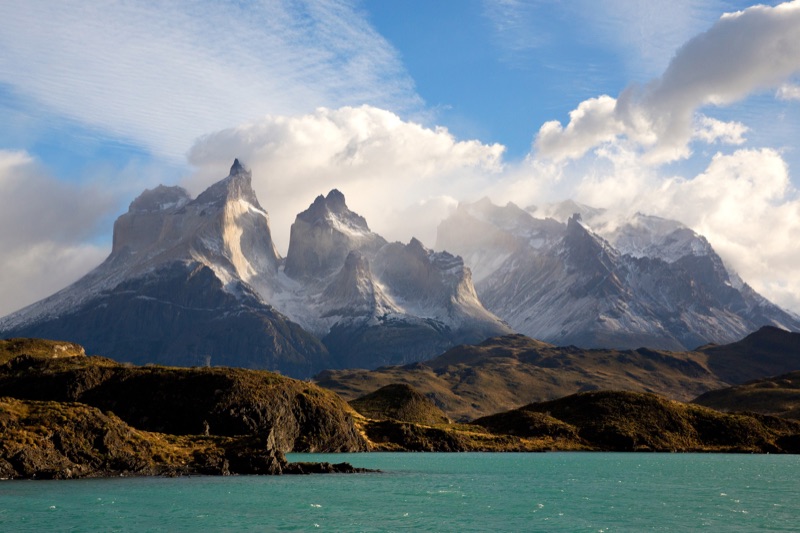
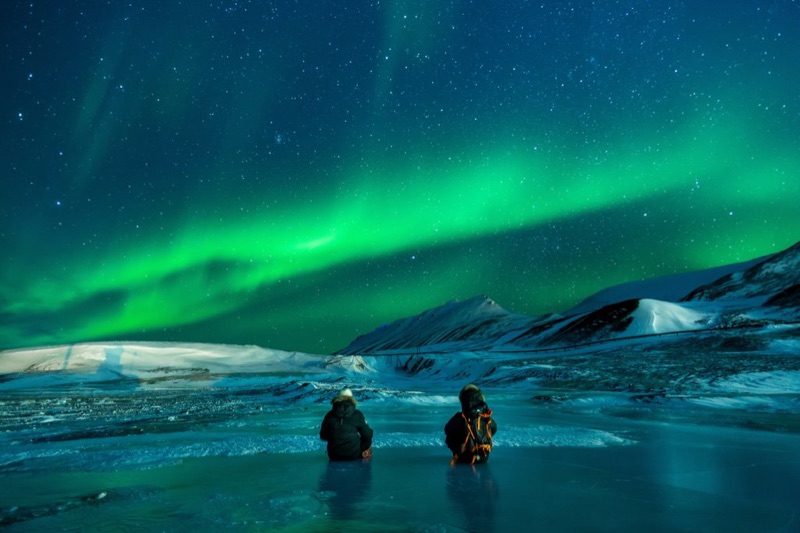
⚡ The TL;DR Verdict
Patagonia is better for serious trekkers who want raw, untamed wilderness on an epic scale. Iceland is better for road-trippers who want dramatic nature in a compact, easy-to-navigate package with the Northern Lights thrown in. Mid-range budget: Iceland $150–250 USD/person/day vs Patagonia $80–130 USD/person/day.
- Choose Patagonia: Multi-day trekkers, wilderness seekers, photographers, bird-watchers, and travelers with 2+ weeks.
- Choose Iceland: Road-trippers, Northern Lights chasers, geology nerds, first-time "epic nature" travelers, and anyone with under 10 days.
- Budget snapshot: Patagonia: $80–130 USD/person/day (mid-range, Argentina side). Iceland: $150–250 USD/person/day. Both expensive; Iceland more consistently so.
Choose Patagonia
You want truly remote, untamed wilderness at a scale that dwarfs Iceland. The W Trek through Torres del Paine and the Fitz Roy massif near El Chaltén are among the greatest hiking experiences on Earth. Glaciers here are bigger, wildlife is more diverse, and the sense of scale is overwhelming. Best for: serious hikers, those with 14+ days, wildlife enthusiasts.
Choose Iceland
You want maximum variety in minimum time — volcanoes, glaciers, geysers, black sand beaches, hot springs, and the Northern Lights within a 1,332 km ring road. Iceland is compact, road-trip-friendly, and requires no technical hiking skills to experience its best moments. Best for: road-trippers, aurora hunters, first-time "wild nature" travelers.
Quick Comparison
| Category | 🏔️ Patagonia | 🧊 Iceland | Winner |
|---|---|---|---|
| Daily Budget (mid-range) | $80–130 USD/person (ARG side) | $150–250 USD/person | Patagonia |
| Trip Length Needed | 14–21 days minimum | 7–10 days covers highlights | Iceland |
| Hiking & Trekking | W Trek, O Circuit, Fitz Roy — world-class multi-day | Laugavegur, Fimmvörðuháls — excellent day hikes | Patagonia |
| Glaciers | Perito Moreno, Grey, Viedma — massive & accessible | Vatnajökull — Europe's largest, with ice caves | Patagonia |
| Northern/Southern Lights | Aurora Australis (occasional, southern tips) | Northern Lights (reliable, Sep–Mar) | Iceland |
| Ease of Getting There | Long connections via Santiago/Buenos Aires | Direct flights from Europe (3–5h), US (5–7h) | Iceland |
| Road Trip | Scenic but roads rough, self-drive complex | Ring Road: simple, paved, one loop | Iceland |
| Wildlife | Condors, pumas, guanacos, penguins, whales | Puffins, Arctic foxes, reindeer, whales | Patagonia |
| Unique Experiences | W Trek, Perito Moreno walk, Tierra del Fuego | Northern Lights, geysers, hot springs, lava fields | Tie |
| Best Season | October–April | June–August (hiking), Nov–Feb (aurora) | Tie |
| Crowds (peak season) | High at Torres del Paine in Jan–Feb | Very high on Ring Road Jun–Aug | Tie |
🏔️ Nature & Landscapes
Both destinations deliver jaw-dropping landscapes, but they do it in completely different ways. Patagonia is vast, raw, and overwhelming in scale — a place where you feel genuinely small. Iceland is compact, dramatic, and geologically surreal — a place that constantly surprises you.
Patagonia: scale and raw wilderness
Patagonia spans roughly 1 million km² across southern Chile and Argentina. The iconic Torres del Paine National Park alone covers 2,400 km². The landscapes are dominated by:
• Torres del Paine — Three granite towers rising 2,800m above sea level, reflected in jade-green lakes
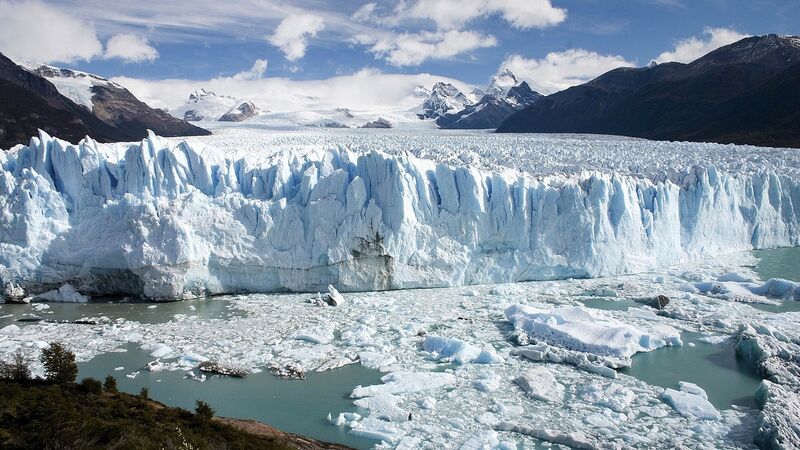
• Los Glaciares National Park — Perito Moreno Glacier (30km long), Fitz Roy massif, Cerro Torre
• Tierra del Fuego — The world's southernmost forests, channels, and islands
• Carretera Austral — 1,200km of Chile's most dramatic scenery: fjords, hanging glaciers, ancient forests
• Patagonian Steppe — Endless windswept plains that go on forever in Argentina
Iceland: geological theater in a compact package
Iceland is tiny by comparison (103,000 km²) but packs an extraordinary diversity of geological phenomena into a single ring road:
• Golden Circle — Þingvellir (tectonic plates meet), Geysir (erupts every 5–8 minutes), Gullfoss (massive waterfall)
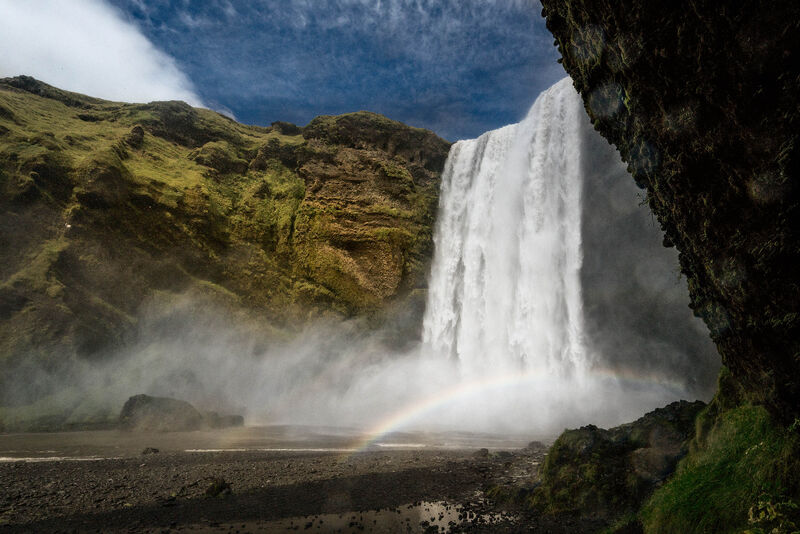
• South Coast — Seljalandsfoss, Skógafoss, Reynisfjara (black sand beach), Jökulsárlón (glacier lagoon with floating icebergs)
• Snæfellsnes Peninsula — Called "Iceland in miniature" for good reason
• Highland Interior — Landmannalaugar's multicolored rhyolite mountains (4x4 required, summer only)
• Active volcanoes — Ongoing volcanic activity; lava fields you can walk through
• Hot springs — Natural geothermal pools everywhere, including the famous Blue Lagoon
Winner takeaway
- Winner: Patagonia
- Why: For sheer, overwhelming scale, Patagonia wins. The glaciers are dramatically larger, the wilderness feels more untouched, and the sense of remoteness is genuinely unmatched on Earth. Iceland wins on geological variety (lava, geysers, volcanoes, hot springs) but loses on scale. For first-timers wanting dramatic landscapes without trekking commitment, Iceland is easier to access.
- Who this matters for: Matters most if landscape type — vast wilderness vs compact geological drama — is your top trip factor.
🥾 Hiking & Trekking
This is where the real divergence happens. If hiking is your primary motivation, this section will decide your trip. If hiking is a side activity, read on but weight accordingly.
Patagonia: among Earth's greatest trekking
Torres del Paine W Trek (4–5 days, 80km) is consistently ranked as one of the world's top 5 multi-day hikes. You walk through three distinct ecosystems — granite towers, glacial valleys, and wind-scoured plains — camping or staying in refugios. The challenge is real: wind gusts hit 100+ km/h regularly, and weather changes hourly.
O Circuit (7–10 days, 130km) is the full loop — everything in the W Trek plus the remote "back side" that most visitors never see. True wilderness camping, river crossings, and days without seeing another person.
El Chaltén / Fitz Roy (Argentina): Day hikes to the base of Fitz Roy and Cerro Torre are among the most dramatic in the world — no permits needed, free, and genuinely accessible as day trips. El Chaltén is the hiking capital of Argentina.
Iceland: excellent day hiking
Laugavegur Trail (4 days, 55km) is Iceland's best multi-day hike, connecting Landmannalaugar to Þórsmörk through geothermal vents and lava fields. It's exceptional — but far shorter and less demanding than Patagonia's big treks. Huts are comfortable; it's not a wilderness experience.
Fimmvörðuháls (1 day, 25km) links Skógafoss waterfall to Þórsmörk — possibly Iceland's finest day hike. Glymur Waterfall and Landmannalaugar loops round out a solid menu of day hikes.
Glacier hiking on Vatnajökull or Sólheimajökull (guided, 3–5 hours, $60–120) is an Iceland-exclusive experience.
Winner takeaway
- Winner: Patagonia
- Why: If multi-day wilderness trekking is what you're after, Patagonia wins decisively. The W Trek and Fitz Roy day hikes are genuinely world-class in a way that Iceland's trails simply can't match. Iceland wins for glacier hiking and accessible day hikes — great for non-technical hikers or those with limited time.
- Who this matters for: Critical if trekking is your main purpose. Less important if hiking is just one activity among several.
💰 Cost Comparison
Both destinations are expensive by global standards. Neither is a budget destination. But there's a meaningful gap, and it depends heavily on how you travel.
| Expense | 🏔️ Patagonia (USD) | 🧊 Iceland (USD) |
|---|---|---|
| Hostel dorm | $25–45/night | $50–70/night |
| Mid-range hotel | $70–150/night | $140–250/night |
| Budget meal | $10–20 | $15–25 |
| Restaurant dinner (2 people) | $40–70 | $70–110 |
| Car rental (per day) | $50–90 | $80–130 |
| W Trek camp booking (full) | $180–250 for 4 nights | N/A (Laugavegur hut: $110–160/night) |
| Perito Moreno glacier walk | $430 (Big Ice), $95 (walkways) | $60–120 (guided glacier hike) |
| Park entry | $40–60 (Torres del Paine) | Free or $3–5 (most parks) |
| Blue Lagoon / thermal pools | N/A (natural hot springs free) | $75–115 (Blue Lagoon) |
| Daily total (mid-range) | $80–130/person (Argentina) | $150–250/person |
The Patagonia nuance: Argentina's favorable exchange rates (as of 2025–2026) make everyday costs in El Calafate and El Chaltén cheaper than you'd expect — groceries, local restaurants, and accommodation are genuine bargains vs. Iceland. But the premium experiences (Big Ice glacier walk, W Trek camps, flights between towns) cost similar to or more than Iceland equivalents.
The Iceland floor: Iceland's minimum daily spend is hard to keep below $80–100/person even with grocery shopping and free camping. The infrastructure is first-world expensive — gas, car rental, activities all carry premium pricing. Budget travelers can camp ($20–30/night at official sites), cook their own food, and skip paid attractions, but Iceland resists budget travel more than Patagonia does.
Winner takeaway
- Winner: Patagonia
- Why: Day-to-day costs in Argentine Patagonia run 30–40% cheaper than Iceland, and budget travelers have more options (free camping, cheap hostel dorms, affordable local food). Iceland is one of the world's most expensive countries — it resists budget travel. However, Patagonia's premium experiences (Big Ice walk, W Trek camps, inter-region flights) can be as expensive or more than Iceland's equivalents.
- Who this matters for: Critical for travelers with a fixed budget. Less important if you're splurging regardless.
✈️ Getting There & Around
This is where Iceland wins decisively, and it's a bigger factor than many travelers realize at the planning stage.
Getting to Iceland
Iceland is extraordinarily well-connected. Keflavik International Airport (30 minutes from Reykjavik) receives direct flights from:
• New York/Boston: 5–6 hours, $300–500 round trip (Icelandair, PLAY)
• London/Paris/Amsterdam: 2.5–3.5 hours, $150–350 round trip
• Chicago/Toronto: 6–7 hours, $400–600 round trip
• Free stopover: Icelandair allows a free multi-day stopover in Iceland when flying between North America and Europe — essentially a free Iceland trip bolted onto another destination.
Getting around Iceland: Rent a car and drive the Ring Road (Route 1). It's 1,332 km, fully paved, and straightforward. No guide needed. Car rental: $60–100/day for a basic 2WD. Most attractions are signed and accessible.
Getting to Patagonia
Patagonia requires significantly more travel effort. From North America or Europe, typical routing includes:
• From North America: 10–14 hours to Santiago + 3–4 hour domestic flight to Punta Arenas = 16–20 hours total
• From Europe: 12–14 hours to Buenos Aires or Santiago + domestic connections
• Internal flights: Santiago → Punta Arenas ($80–200 one-way), Buenos Aires → Ushuaia or El Calafate ($80–250)
• Inter-town logistics: El Calafate, El Chaltén, Puerto Natales, Punta Arenas — connected by bus (3–5 hours each) or expensive regional flights
Getting around Patagonia: Rental cars work well in Argentina (El Calafate → El Chaltén road is 220km, 3.5 hours). Chilean Patagonia is harder — many roads are unpaved, some require 4WD, and the Park itself requires bus transfers from Puerto Natales (2.5 hours). Plan for significant logistics time.
Winner takeaway
- Winner: Iceland
- Why: Iceland is dramatically easier to get to and get around. Short flights from Europe and North America, a single paved ring road, clear signage, no guide needed. Patagonia requires long-haul connections, expensive domestic flights, and logistical planning for inter-region travel. If convenience matters, Iceland wins by a wide margin.
- Who this matters for: Critical for travelers with limited time or complex itineraries. The extra logistics days for Patagonia add up.
☀️ Best Time to Visit
Their opposite hemispheres create a useful planning advantage: Patagonia and Iceland have opposite peak seasons. You can visit both in one calendar year without compromising on weather.
Patagonia's seasons
October–April (Southern Hemisphere Summer): The only viable season for most Patagonia activities. All hiking trails open, ferries running, stable (if unpredictable) weather. Peak season is December–February — warmest, longest days, but also most crowded and most expensive for W Trek camp bookings. Shoulder season (October–November, March–April) offers fewer crowds and lower prices with only slightly worse weather.
May–September: Chilean and Argentine Patagonia's winter. Most trekking trails close or become dangerous. Torres del Paine's iconic towers can be spectacular in the snow, but nearly all tourist infrastructure shuts down. For wildlife (penguins at Punta Tombo), September–October is actually excellent as the colonies are active before peak trek season crowds arrive.
Iceland's seasons
June–August (Midnight Sun): All highland roads open, maximum daylight (up to 22 hours in June), warmer temperatures (12–15°C). Best for hiking, waterfalls at full flow, puffins breeding. Also peak tourist season — Reykjavik is crowded, popular sites like Seljalandsfoss and the Blue Lagoon are packed.
September–October: Excellent shoulder season. Northern Lights start appearing, crowds thin out significantly, fall colors on the highlands. Still warm enough to hike.
November–February: Northern Lights prime season. Cold (-5 to 5°C), some highland roads closed, short daylight hours (4–6 hours). Reykjavik's Christmas markets are atmospheric. Ice caves in Vatnajökull only accessible in winter.
Winner takeaway
- Winner: Iceland
- Why: Iceland offers meaningful experiences year-round — summer for hiking, winter for Northern Lights and ice caves. Patagonia has essentially one viable season for its iconic experiences (October–April), and even within that window, weather is notoriously unpredictable. The planning flexibility advantage goes to Iceland.
- Who this matters for: Matters if you can only travel in specific months. If you can travel October–April, Patagonia is fully accessible; if stuck in May–September, Iceland is the clear choice.
🦅 Wildlife
Both destinations offer genuinely memorable wildlife encounters. Patagonia's diversity edges ahead, but Iceland has one unique prize: puffins.
Patagonia's wildlife
Patagonia's size and ecological diversity produce an extraordinary range of animals:
• Andean Condor — Massive wingspan (3m+), soaring on thermals above the Torres. One of the world's largest birds by wingspan. Regular sightings in Torres del Paine and El Chaltén.
• Puma — Torres del Paine has one of the highest puma densities in the world and is one of the best places on Earth for reliable puma sightings. Guided puma tours run $120–200.
• Guanaco — Wild relatives of the llama, seen in huge herds across the steppe. Common and easily photographed.
• Magellanic Penguins — Punta Tombo (Argentina) hosts 500,000+ penguins during breeding season (September–March). Also viewable near Punta Arenas.
• Southern Right Whales — Península Valdés (northern Patagonia) hosts whale watching September–December.
• Flamingos, rheas, armadillos — The steppe and salt lakes host diverse birdlife.
Iceland's wildlife
Iceland's wildlife is focused but memorable:
• Puffins — Iceland hosts 60% of the world's Atlantic Puffin population (roughly 8–10 million birds). Látrabjargl cliffs, Westman Islands, and Tjörnesvík are exceptional. Active May–August.
• Arctic Fox — Iceland's only native land mammal. Best seen in the Westfjords at Melrakkaslétta Nature Reserve.
• Reindeer — Wild reindeer in East Iceland, introduced in the 18th century. Several hundred remain.
• Whales — Humpback, minke, and orca visible from Húsavík and Reykjavik on whale watching tours ($70–100).
• Seabirds — Gannets, razorbills, guillemots at Iceland's sea cliffs.
Winner takeaway
- Winner: Patagonia
- Why: Patagonia's wildlife diversity wins outright — condors, pumas, penguins, guanacos, whales, and flamingos across multiple ecosystems. Iceland's puffins and Arctic foxes are special but limited in variety. If wildlife is a major trip motivator, Patagonia is significantly richer.
- Who this matters for: Critical for wildlife photographers and birdwatchers. Less relevant for travelers focused primarily on landscapes and geology.
🏨 Where to Stay
Patagonia base towns
El Calafate, Argentina — Gateway to Perito Moreno Glacier and Los Glaciares National Park. Decent infrastructure — supermarkets, restaurants, a range of accommodation. Not a charming destination in itself, but functional. Budget hostel: $25–40/night. Mid-range: $70–120/night.
El Chaltén, Argentina — Argentina's hiking capital. A purpose-built trekking village at the base of Fitz Roy. Smaller, more atmospheric than Calafate. Budget hostel: $20–35/night. Mid-range: $60–100/night. Excellent local restaurants that punch above their weight.
Puerto Natales, Chile — Gateway to Torres del Paine. The main logistics hub for W Trek and O Circuit hikers. More backpacker-oriented. Hostel: $20–35/night. Mid-range: $70–130/night. Book W Trek camps 6–12 months in advance for peak season (Dec–Feb).
Ushuaia, Argentina — "The End of the World." Dramatic location at the tip of South America, gateway to Tierra del Fuego and Antarctic cruises. More upscale options, some luxury eco-lodges. Hotel: $80–200/night.
Iceland base towns
Reykjavik — The only real city (pop. 140,000). Most travelers base here for 1–2 nights at the start and end. Laugavegur street has bars, restaurants, and design shops. Great for Golden Circle and Blue Lagoon day trips. Hotels: $140–250/night mid-range. Hostels: $50–70/night.
Ring Road accommodations — Distributed along the Ring Road: guesthouses, farm stays, and simple hotels. Typically $90–180/night for a double room. Book ahead for June–August. Many have breakfast included.
Camping — Extensive network of official campsites along Ring Road and in National Parks. $15–25/person/night. Free camping is now restricted in most areas — always use official sites.
Winner takeaway
- Winner: Iceland
- Why: Iceland's accommodation infrastructure is more developed — better quality for the price, easier to book, and distributed conveniently along the Ring Road. Patagonia's remote base towns are functional but limited, and W Trek camps require booking many months ahead. Budget travelers actually have more options in Patagonia (cheaper hostels), but overall quality-to-price is better in Iceland.
- Who this matters for: Matters for travelers who value comfort, spontaneity, or are traveling as a couple/family.
🛡️ Safety & Logistics
Both destinations are genuinely safe for independent travelers, but the safety considerations are very different in character.
Patagonia safety considerations
Weather is the primary danger. Patagonia's wind is legendary and genuinely dangerous — sustained gusts of 100+ km/h are common at Torres del Paine, especially in the "Roaring Forties" latitude. Flash floods can close trails without warning. Lightning strikes exposed hikers. Hypothermia is a real risk even in summer if weather changes while you're in the backcountry. The park requires registration; rescue services exist but response time is long in remote areas.
Crime is low. Chilean and Argentine Patagonia are very safe. The base towns have petty theft typical of tourist areas, but violent crime is rare. Solo travelers, including solo women, regularly complete the W Trek without issue.
Logistics failures are the bigger risk — missing a bus connection, underestimating trail conditions, running out of food in the backcountry. Patagonia rewards careful preparation.
Iceland safety considerations
Road safety is the primary concern. Iceland's "F-roads" (highland interior) require 4WD and experience — driving them in a regular car is illegal and dangerous. Weather changes rapidly and roads close without much warning. Driving into a whiteout is a real risk for unprepared visitors.
Nature hazards: Sneaker waves at black sand beaches (several tourists have died at Reynisfjara). "Never turn your back to the ocean" signs are serious. Approach unstable geothermal areas only on marked paths — some areas hide boiling water under a thin crust.
Crime is essentially nonexistent. Iceland consistently ranks as one of the world's safest countries. Solo travel, including solo female travel, is as safe as any country on Earth.
Winner takeaway
- Winner: Iceland
- Why: Both destinations are safe from crime. Iceland's safety risks (roads, ocean waves) are more avoidable with basic awareness. Patagonia's safety risks (extreme weather in backcountry, remote rescue times) are more consequential for hikers who underestimate conditions. Iceland is also significantly easier to navigate with clear signage, reliable cell service, and better emergency infrastructure.
- Who this matters for: Matters most for solo travelers and first-time adventure travelers unfamiliar with backcountry logistics.
🔀 Why Not Both?
Unlike Tokyo and Kyoto (2 hours apart by bullet train), Patagonia and Iceland are on opposite sides of the planet. But here's the thing: their opposite seasons actually make them ideal companions in a single calendar year — just not in a single trip.
The ideal two-trip sequence
Year plan: Patagonia in January (southern hemisphere summer, peak hiking season) → Iceland in July (midnight sun, all roads open). Both at their absolute best. No weather compromise.
Or reversed: Iceland in September (Northern Lights starting, less crowded) → Patagonia in November or March (shoulder season, fewer crowds, reasonable prices).
Can you combine them in one trip?
Technically yes, but it doesn't make sense logistically:
• Keflavik to Buenos Aires: ~16 hours of flying + connections
• If you visit Iceland in its summer (June–August), Patagonia is in its winter (June–August) — trails closed, wildlife inactive
• The cost of the long-haul connection eats your budget for days of in-destination experiences
The smart move: save both for separate trips. Each destination rewards slow travel — Iceland is best at 10+ days, Patagonia at 14+ days. Rushing either to combine them in one trip shortchanges both.
Winner takeaway
- Winner: Do both — separately
- Why: Their opposite seasons make them perfect back-to-back annual trips. Iceland in northern hemisphere summer, Patagonia the following southern hemisphere summer. Combining them in a single trip requires a costly and time-consuming long-haul connection and forces a weather compromise. Plan two trips; they'll be among the best experiences of your life.
- Who this matters for: Relevant for any traveler who loves both destinations and is wondering about sequencing.
🎯 The Decision Framework
Choose Patagonia If…
- Multi-day wilderness trekking is your primary goal
- You have 14+ days (ideally 21)
- The W Trek or Fitz Roy is a bucket list item
- You want wildlife diversity (condors, pumas, penguins)
- You can travel October–April (southern hemisphere summer)
- You want glaciers that dwarf anything in Iceland
- You're willing to invest in logistics planning
- You're OK with less "comfort" in exchange for more wilderness
- South America is already on your radar (pair with Buenos Aires, Chile)
- You want somewhere that genuinely feels remote and undiscovered
Choose Iceland If…
- You have 7–10 days (Iceland fits perfectly)
- You want Northern Lights (September–March)
- A simple, well-marked ring road sounds perfect
- You're visiting from Europe (short, cheap flight)
- Geological variety excites you (volcanoes, geysers, hot springs)
- You want ice cave experiences (winter only)
- You're a first-time "epic nature" traveler
- Logistics simplicity matters (one road, clear signs, good cell coverage)
- You want the Icelandic stopover deal (free layover on intercontinental flights)
- Budget is a concern (still expensive, but more avoidable splurges than Patagonia's camps)
❓ Frequently Asked Questions
Is Patagonia or Iceland better for hikers?
Patagonia edges ahead for serious trekkers. The W Trek and O Circuit in Torres del Paine and the Fitz Roy area near El Chaltén are among the greatest hiking experiences on Earth. Iceland's Laugavegur Trail is excellent but shorter (4 days) and far more crowded. That said, Iceland offers glacier hiking and ice cave experiences that don't exist in Patagonia.
Which is cheaper — Patagonia or Iceland?
Patagonia's day-to-day costs run 30–40% lower on the Argentine side (around $80–130/person/day mid-range vs Iceland's $150–250). However, premium Patagonia experiences — Big Ice glacier walk ($430 USD), W Trek camp bookings, inter-region flights — can rival or exceed Iceland's activity costs. Budget travelers have more options in Patagonia; overall Iceland is the pricier destination.
When is the best time to visit Patagonia vs Iceland?
Opposite seasons. Patagonia's best time is October–April (southern hemisphere summer). Iceland's hiking season peaks June–August; Northern Lights are best November–February. This actually makes them ideal back-to-back destinations in a single calendar year — Patagonia in January, Iceland in July.
How long do you need for Patagonia vs Iceland?
Iceland: 7–10 days covers the Ring Road highlights well. Even 5 days hits the Golden Circle and South Coast. Patagonia: minimum 10 days, ideally 14–21 days. The W Trek alone is 4–5 days. Factor in 2+ travel days getting to remote trailheads from Santiago or Buenos Aires.
Can you see Northern Lights in Patagonia?
Yes — the Southern Lights (Aurora Australis) occasionally appear near Ushuaia and southern Torres del Paine during winter (May–August). But they're significantly less reliable and vivid than Iceland's Northern Lights. If aurora viewing is a primary goal, Iceland is the decisive winner. Patagonia's nighttime stargazing on clear summer nights (no light pollution, Milky Way overhead) is genuinely spectacular.
Which is harder to get to — Patagonia or Iceland?
Patagonia is significantly harder. From North America or Europe, you're looking at 16–20+ hours of total travel to reach Puerto Natales or El Calafate, typically via Santiago or Buenos Aires plus a domestic flight. Iceland is 3–5 hours from Western Europe and 5–7 hours from the US East Coast, with Icelandair's free stopover option adding value.
Is it worth visiting both Patagonia and Iceland?
Absolutely — they're two of Earth's most spectacular wilderness destinations and offer completely different experiences. Iceland: compact, geological, otherworldly. Patagonia: vast, wild, dominated by trekking and scale. Their opposite seasons make them ideal as separate annual trips. Most travelers who've done both rank them among their best ever experiences.
Do you need a guide for Patagonia or Iceland?
Iceland: No guide needed. The Ring Road is straightforward to self-drive, signs are clear, and most attractions are well-marked. Patagonia: Day hikes in Torres del Paine and El Chaltén don't require a guide. But the W Trek requires advance camp/refugio bookings (6–12 months ahead for peak season), and glacier walks like Perito Moreno Big Ice require certified guides by law. Remote backcountry routes benefit significantly from local knowledge.
Ready to plan your adventure?
Get a free custom itinerary for Patagonia, Iceland, or anywhere else — built from real traveler insights, not generic templates.
🎟️ Book Tours & Experiences
Hand-picked tours and activities for both destinations — book with free cancellation
Experiences via Viator — free cancellation on most tours