How we built this comparison
This page combines traveler discussion patterns, published price ranges, flight schedules, and seasonal data to help you decide between Patagonia and Lofoten.
- Reviewed 50+ Reddit threads from r/travel, r/solotravel, r/Patagonia, and r/Norway.
- Verified costs and logistics against current booking platforms (booking.com, Skyscanner, local tour operators).
- Cross-referenced seasonal patterns, weather data, and major trekking requirements for peak travel times.
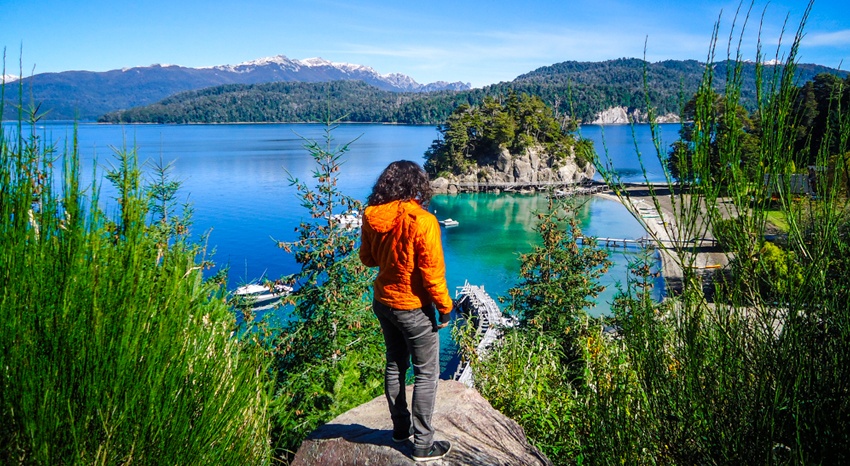
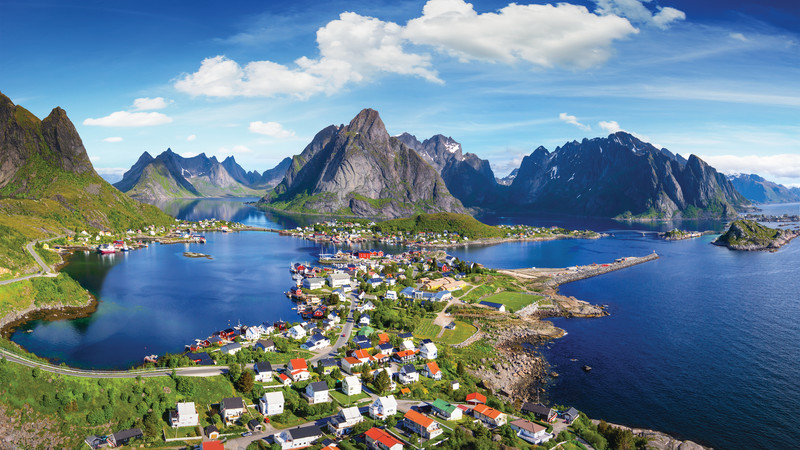
⚡ The TL;DR Verdict
If your budget is tighter and you crave vast, untamed frontiers with epic multi-day treks, Patagonia is your winner, expect roughly $80-150 USD daily. For those prioritizing accessible, stunning fjords, charming villages, and don't mind a premium price tag, Lofoten is a dream, budgeting $150-300+ USD per day.
- Choose Patagonia: For the seasoned hiker seeking multi-day backcountry challenges, vast open spaces, unique wildlife (guanacos!), and a more 'expeditionary' feel without Scandinavian prices. Best in their summer (Dec-Feb).
- Choose Lofoten: Ideal for those who want dramatic scenery, charming coastal culture, stunning photography opportunities (especially Northern Lights or Midnight Sun), and don't mind paying significantly more for comfort and ease of access. Best in summer (Jun-Aug) for hiking or winter (Oct-Mar) for aurora.
- Choose Both: If you have ample time (4-6 weeks) and budget, experience both! They offer complementary experiences – Patagonia's raw, glacial might versus Lofoten's rugged, fjord-carved beauty. You'll need to plan for significant travel time between hemispheres.
Quick Comparison
| Category | Patagonia | Lofoten | Winner |
|---|---|---|---|
| Nature & Scenery | Massive glaciers, granite spires (Fitz Roy, Torres del Paine), vast steppes, diverse wildlife. Grand and epic. | Dramatic fjords, jagged peaks rising directly from the sea, white sand beaches, vivid green valleys, charming fishing villages. Picturesque and intense. | Patagonia |
| Costs | Generally more affordable than Lofoten, especially if self-catering and camping. Flights are a major expense. | Significantly more expensive across the board, reflecting Norway's high cost of living. Budget travelers will struggle. | Patagonia |
| Getting There | Long, multi-leg flights, often 20-30+ hours from North America/Europe. Main hubs: Buenos Aires (EZE), Santiago (SCL). | Generally shorter overall travel time from Europe/North America, requiring connection in Oslo (OSL) then a domestic flight to Bodø (BOO) or Evenes (EVE). | Lofoten |
| Getting Around | Relies on long-distance buses, limited rental cars (can be expensive/hard to find), hitchhiking. Distances are vast. | Excellent road network (E10), easy rental car access, local buses (though less frequent). Distances are manageable. | Lofoten |
| Accommodation | Hostels, guesthouses, camping (including park refugios). Options range from basic to comfortable, often booked far in advance. | Iconic rorbuer (converted fishing cabins), hotels, guesthouses, some camping. Generally high quality but very expensive. | Patagonia |
| Food & Drink | Hearty Patagonian lamb (cordero), empanadas, fresh seafood (Ushuaia), Malbec wine. Decent value. | Fresh fish (cod, stockfish), local cheeses, berries. High quality but extremely expensive. | Patagonia |
| Weather & Seasons | Southern Hemisphere summer (Dec-Feb) is peak, long daylight, highly variable weather (wind!). Winter is cold, snowy. | Northern Hemisphere summer (Jun-Aug) for hiking/Midnight Sun; winter (Oct-Mar) for Northern Lights, cold. Weather is changeable. | Tie |
| Activities & Adventures | World-class multi-day trekking, glacier trekking/kayaking, horseback riding, wildlife spotting. Focus on grand scale. | Scenic day hikes, sea kayaking, surfing (cold water!), fishing, Northern Lights tours, cycling. Focus on diverse experiences. | Patagonia |
| Safety | Generally very safe for tourists, low crime rates in tourist towns. Main risks are environmental (weather, hiking accidents). | Extremely safe, virtually no violent crime. Risks are almost exclusively environmental (weather, hiking). | Lofoten |
| Solo Travel | Excellent for solo travelers, easy to meet others in hostels/on treks. Good infrastructure for independent exploration. | Very safe and beautiful for solo travelers, but can be expensive and logistically challenging without a car. Less hostel culture. | Patagonia |
⛰️ Nature & Scenery
Patagonia offers an unparalleled sense of scale and wilderness. Think of the staggering granite towers of Torres del Paine (Chile) or the Fitz Roy massif (Argentina), massive glaciers like Perito Moreno, and endless, windswept steppes. It’s a land where nature feels truly untamed and you can hike for days without seeing a soul on certain routes. Wildlife like guanacos, condors, and rheas are common sightings. Lofoten, while undeniably stunning, presents a more 'condensed' beauty – dramatic peaks like Reinebringen plunging into turquoise fjords, interspersed with charming red rorbu cabins and white sand beaches. It’s postcard-perfect at every turn, but the sheer vastness of Patagonia, with its varied ecosystems from desert to ice fields, gives it an edge for raw, overwhelming grandeur. "Patagonia just felt like a different planet, especially when you're watching a condor soar over the Andes with no one else around. Lofoten is gorgeous, but it's like a really pretty painting; Patagonia is the whole wild gallery."
Winner takeaway
- Winner: Patagonia
- Why: Patagonia's sheer scale, diversity, and raw, untamed wilderness provides a more epic and overwhelming natural experience.
- Who this matters for: Serious trekkers, landscape photographers, and those seeking true wilderness immersion.
💸 Costs
This is where Lofoten really bites the wallet. A basic meal in Lofoten, say a simple fish and chips, can easily be 200-300 NOK ($20-30 USD). Accommodation, even a hostel bed, often starts at 400-600 NOK ($40-60 USD). A rental car for a week can be 5000-8000 NOK ($500-800 USD) or more in peak season. Patagonia, while not 'cheap' by South American standards, offers much better value. A decent meal in El Chalten might be 10,000-15,000 ARS ($10-15 USD, highly variable with inflation), a hostel bed 15,000-25,000 ARS ($15-25 USD). Park entrance fees for Torres del Paine are around $35-50 USD for foreigners. Flights to South America are often the biggest hurdle, frequently $1000-2000+ USD return from North America or Europe, but once there, your daily spend is much lower. Lofoten daily budget for mid-range travelers: $150-300+ USD. Patagonia: $80-150 USD. "Dude, Lofoten was breathtaking, but my bank account cried. Patagonia felt like a steal after that, even with the long flights."
Winner takeaway
- Winner: Patagonia
- Why: Patagonia offers a significantly more budget-friendly experience for accommodation, food, and activities once you arrive.
- Who this matters for: Budget-conscious travelers, backpackers, and anyone trying to maximize their trip length without breaking the bank.
✈️ Getting There
Getting to Patagonia is an expedition in itself. From New York (JFK) or London (LHR), you're looking at a minimum of 15-20 hours of flight time just to Buenos Aires (EZE) or Santiago (SCL), often with a layover, followed by another 3-4 hour domestic flight to a Patagonian hub like El Calafate (FTE) or Punta Arenas (PUQ). Total travel time can easily exceed 24-30 hours one-way, not including potential overnight stays. For Lofoten, the journey is far more streamlined. From a major European city like London (LHR), you can be in Oslo (OSL) in 2 hours, then a connecting domestic flight to Bodø (BOO) or Evenes (EVE) takes another 1.5-2 hours. From Bodø, a scenic ferry or bus ride gets you into the heart of Lofoten within a few hours. From North America, you'd add the transatlantic flight to Oslo, but still typically arrive faster than to Patagonia. "I flew from NYC to Patagonia and felt like I aged a decade. Lofoten was a breeze in comparison, just a long day of travel, not an epic journey."
Winner takeaway
- Winner: Lofoten
- Why: Lofoten is significantly more accessible with shorter overall travel times from major international hubs.
- Who this matters for: Travelers with limited vacation time or those who prefer less grueling journeys.
🚗 Getting Around
Lofoten offers a fantastic self-drive experience. The E10 highway snakes through the islands, connecting all major towns and attractions, making a rental car the ideal way to explore. Distances between points of interest like Reine, Nusfjord, and Svolvær are relatively short (30-90 minutes). Rental cars are readily available at Evenes (EVE) or Bodø (BOO) airports, though they are pricey (e.g., 800-1200 NOK/day or $80-120 USD). In Patagonia, distances are truly immense. A bus from El Calafate to El Chalten is a 3-hour journey, and Puerto Natales to El Calafate is 5-6 hours. While buses are efficient and comfortable, they limit spontaneity. Rental cars are possible, especially in Argentina, but can be expensive and require careful planning for border crossings into Chile. Hitchhiking is common and relatively safe for backpackers but can be slow. "We rented a tiny car in Lofoten and just cruised the E10, stopping at every scenic viewpoint. In Patagonia, I spent so much time on buses, which was fine, but it felt less flexible."
Winner takeaway
- Winner: Lofoten
- Why: Lofoten's compact size and excellent road infrastructure make self-driving easy and highly recommended for exploration.
- Who this matters for: Independent travelers who enjoy road trips, photographers, and those seeking maximum flexibility.
🏠 Accommodation
Patagonia's accommodation scene, while varied, wins on both value and unique experiences for the adventurous. You can find hostel dorms in El Chalten or Puerto Natales for $15-30 USD, or comfortable guesthouses for $60-100 USD. Camping is a huge part of the experience, especially within national parks like Torres del Paine, where managed campsites (e.g., Camping Central, Chileno) cost $10-30 USD/night, or even free (e.g., Campamento Poincenot near Fitz Roy). For the W-trek in TDP, booking refugios like Refugio Grey (bunk + dinner ~ $100-150 USD) months in advance is essential. Lofoten's highlight is the traditional rorbu – renovated fishing cabins often over water, offering a charming, authentic stay. However, these come at a steep price, typically 1500-3000 NOK ($150-300 USD) per night for a basic one. Hotels are similarly expensive. Hostels exist, but even a dorm bed can be 400-600 NOK ($40-60 USD). "I loved staying in a rorbu in Hamnøy, but it cost me a fortune. In Patagonia, I camped under Fitz Roy for free and that was way more epic than any hotel."
Winner takeaway
- Winner: Patagonia
- Why: Patagonia offers a wider range of accommodation choices at much better price points, including fantastic camping opportunities.
- Who this matters for: Budget travelers, campers, and those who prioritize unique, immersive backcountry stays over luxury.
🍽️ Food & Drink
Patagonia offers a more varied and value-for-money culinary experience. The star is undoubtedly 'cordero al palo' – spit-roasted Patagonian lamb, a must-try (expect around $30-50 USD for a generous portion). Empanadas are ubiquitous and delicious ($1-2 USD each), and Argentina's world-class Malbec wine is incredibly affordable ($5-10 USD for a good bottle). In Ushuaia, fresh king crab is a highlight. You can eat well and hearty without breaking the bank. Lofoten's food scene revolves heavily around its fishing heritage, with cod (bacalao, stockfish) being paramount. Restaurants like Børsen Spiseri in Svolvær serve excellent, fresh seafood, but expect main courses to be 350-500 NOK ($35-50 USD). Alcohol is heavily taxed and very expensive (a beer can be 100-120 NOK or $10-12 USD). Self-catering from supermarkets like REMA 1000 is almost essential for budget travelers in Lofoten. "I ate so much incredible lamb and drank so much Malbec in Patagonia for less than a single average dinner in Lofoten. Don't get me wrong, the fish in Lofoten was amazing, but my wallet screamed."
Winner takeaway
- Winner: Patagonia
- Why: Patagonia provides more diverse, flavorful, and significantly more affordable dining and drinking options.
- Who this matters for: Foodies, wine lovers, and anyone who enjoys eating out without excessive spending.
☀️ Weather & Seasons
Both regions are known for their notoriously unpredictable weather, making a 'winner' subjective to what you seek. Patagonia's summer (Dec-Feb) offers long daylight hours (up to 16-17 hours) and generally milder temperatures (5-15°C or 40-60°F), but it's infamous for its fierce, relentless winds that can literally knock you off your feet. Rain and even snow can occur any day of the year. For hiking, summer is non-negotiable. Lofoten's summer (Jun-Aug) also has long daylight (Midnight Sun in June-July) and milder temperatures (10-20°C or 50-70°F), perfect for hiking and kayaking, but rain is frequent. Winter (Oct-Mar) is cold (0-5°C or 30-40°F), snowy, and dark, but offers the magic of the Northern Lights and dramatic, snow-dusted landscapes. It's truly a coin toss based on your preference. "Honestly, both places will throw all four seasons at you in a single day. Just pack layers and accept it. I loved the Midnight Sun in Lofoten, but Patagonian wind gave me PTSD."
Winner takeaway
- Winner: Tie
- Why: Both destinations offer distinct and equally compelling experiences depending on the season, each with its own weather challenges.
- Who this matters for: Depends on preference: Patagonia for summer hiking and raw wind; Lofoten for Midnight Sun, winter aurora, and fjord views.
🛶 Activities & Adventures
Patagonia is a mecca for serious hikers and mountaineers. The iconic 'W' trek in Torres del Paine (4-5 days, requires reservations months in advance) and the Fitz Roy/Cerro Torre hikes in El Chalten (day hikes to multi-day, more free-form) are bucket list items. You can also do glacier trekking on Perito Moreno Glacier, or kayaking among icebergs. Horseback riding across estancias offers a unique cultural immersion. It's all about grand, physical challenges. Lofoten offers equally stunning adventures but often on a smaller scale. Iconic day hikes like Reinebringen (steep, incredible views) are popular. Sea kayaking through calm fjords, cold-water surfing at Unstad Beach, fishing trips from traditional villages, and cycling along the E10 are all fantastic. In winter, Northern Lights hunting is a primary draw. While Lofoten's activities are diverse and beautiful, Patagonia's sheer scale and the legendary nature of its multi-day treks give it the edge for adventure seekers. "Nothing beats the feeling of finishing the W-Trek in Torres del Paine; it just felt epic. Lofoten hikes were amazing, but they were mostly day trips from the car."
Winner takeaway
- Winner: Patagonia
- Why: Patagonia offers unparalleled world-class multi-day trekking and grand-scale wilderness adventures.
- Who this matters for: Hardcore hikers, mountaineers, and those seeking truly challenging and immersive outdoor expeditions.
✅ Safety
Both destinations are remarkably safe for travelers, particularly regarding personal crime, which is refreshing in the current global climate. In Patagonian towns like El Calafate or El Chalten, violent crime is rare, and petty theft is low, though one should always be aware of surroundings in larger cities like Buenos Aires or Santiago before heading south. The main safety concerns in Patagonia are environmental: unpredictable weather, strong winds, and the inherent risks of backcountry trekking, requiring proper gear and preparation. Lofoten, being part of Norway, boasts an exceptionally low crime rate. It's one of the safest places you can travel, with virtually no concerns about personal safety or theft in towns like Reine or Svolvær. Environmental risks (slippery trails, sudden weather changes, cold water during kayaking) are the only real considerations. "I felt safer leaving my stuff unattended in Lofoten than I do in my own city. Patagonia felt very safe too, but Norway is just on another level for peace of mind."
Winner takeaway
- Winner: Lofoten
- Why: Lofoten, as part of Norway, offers an almost unparalleled level of safety and security for travelers.
- Who this matters for: Solo female travelers, families, and anyone who prioritizes absolute peace of mind regarding personal safety.
🚶♀️ Solo Travel
Patagonia shines for solo travelers. The vibrant hostel culture in towns like El Chalten and Puerto Natales makes it incredibly easy to meet like-minded hikers and form groups for treks. Shared dorms are common, and communal kitchens foster interaction. Many tours, especially to glaciers or for specific treks, are group-oriented, providing opportunities to socialize. The bus network, while extensive, is a shared experience. Lofoten is also a safe and beautiful destination for solo adventurers, but the experience can feel more isolated. Hostels exist (e.g., in Svolvær), but they are fewer and often more expensive than in Patagonia, and the emphasis is less on communal backpacking culture. Without a rental car, relying on infrequent public transport can make solo exploration more challenging and limit spontaneity. The higher costs can also hit a solo traveler harder. "Patagonia was perfect for solo travel, I met so many people in hostels for hiking buddies. Lofoten was beautiful solo, but I definitely felt the isolation and the cost more acutely."
Winner takeaway
- Winner: Patagonia
- Why: Patagonia's strong hostel culture, more affordable options, and group-oriented trekking make it easier and more social for solo travelers.
- Who this matters for: Solo backpackers, those looking to meet other travelers, and budget-conscious independent explorers.
❓ Frequently Asked Questions
Which destination is better for wildlife viewing?
Patagonia generally offers more diverse and visible wildlife, including guanacos, rheas, condors, and various birds. Marine life like whales and penguins can be seen on coastal excursions. Lofoten's wildlife is more focused on marine birds and occasional sea eagles, with reindeer or moose sightings rare but possible on the mainland.
Can I see the Northern Lights in Patagonia?
No, the Northern Lights (Aurora Borealis) are a phenomenon of the Northern Hemisphere. In Patagonia, which is in the Southern Hemisphere, you might theoretically see the Aurora Australis (Southern Lights), but it's much rarer, fainter, and requires very specific conditions and latitudes further south than typical tourist routes.
What's the best time to visit Lofoten for hiking vs. Northern Lights?
For hiking, visit Lofoten during its summer (June-August) for long daylight hours and milder weather. For the Northern Lights, aim for the darker winter months (October-March), when clear, cold nights increase your chances of seeing the aurora dance across the sky.
Do I need to speak Spanish for Patagonia or Norwegian for Lofoten?
In Patagonia's main tourist towns (El Chalten, El Calafate, Puerto Natales), English is widely understood by those in tourism. However, knowing basic Spanish phrases will significantly enhance your experience. In Lofoten, almost everyone speaks excellent English, so language is rarely a barrier for travelers.
Are there good opportunities for photography in both places?
Absolutely! Both are photographer's paradises. Patagonia offers dramatic mountainscapes, glaciers, and unique wildlife. Lofoten provides picturesque fishing villages, dramatic fjords, white sand beaches, and the stunning light of the Midnight Sun or Northern Lights. Each offers distinct but equally captivating photographic subjects.
How long should I plan for a trip to each destination?
For Patagonia, aim for at least 10-14 days to properly explore one region (e.g., Torres del Paine & El Chalten) without feeling rushed. For Lofoten, 7-10 days allows for a good road trip, several hikes, and experiencing a few different villages, though a shorter 5-day trip is possible if focused.
Is it easy to find vegetarian/vegan food in both places?
Lofoten generally has more options for vegetarians and vegans, especially in larger towns like Svolvær, although it can still be limited outside of main eateries. Patagonia is improving but can be challenging. In Argentina, meat is king; look for 'verduras' (vegetables) or 'sin carne' (without meat). Self-catering is a good option in both.
Which destination is more family-friendly?
Lofoten might be slightly more family-friendly due to its shorter distances, excellent infrastructure, and extremely safe environment. Many activities like gentle hikes, boat trips, and visiting charming villages are suitable for various ages. Patagonia, with its longer travel times and more demanding treks, might be better for families with older, more adventurous children.
Ready to plan your next epic trip?
Get a free custom itinerary for Patagonia, Lofoten, or both — built from real traveler insights, tailored just for you.
🎟️ Book Tours & Experiences
Hand-picked tours and activities for both destinations — book with free cancellation
Experiences via Viator — free cancellation on most tours