How we built this comparison
This page combines traveler discussion patterns, published price ranges, flight schedules, and seasonal data to help you decide between Patagonia and New Zealand.
- Reviewed 50+ Reddit threads from r/travel, r/solotravel, r/Patagonia, r/newzealand, and related subreddits for authentic traveler experiences and advice.
- Verified current costs for flights, accommodation, and activities against major booking platforms and government park websites.
- Cross-referenced seasonal patterns, weather data, and regional climate reports to ensure accurate travel timing recommendations.
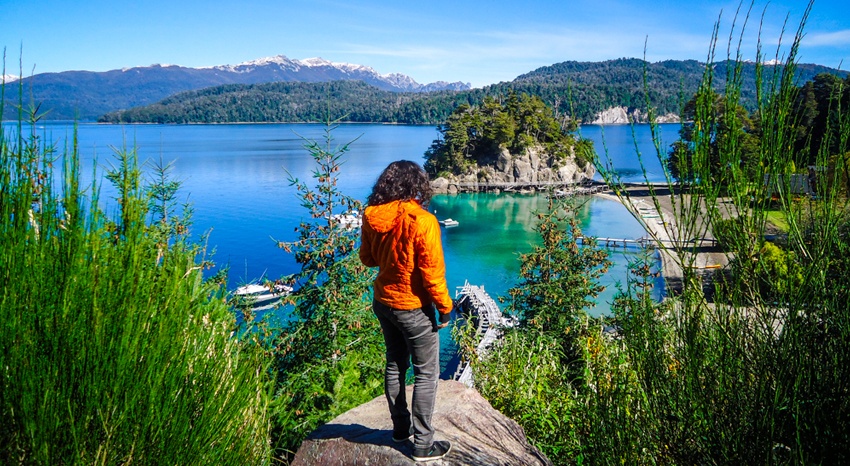
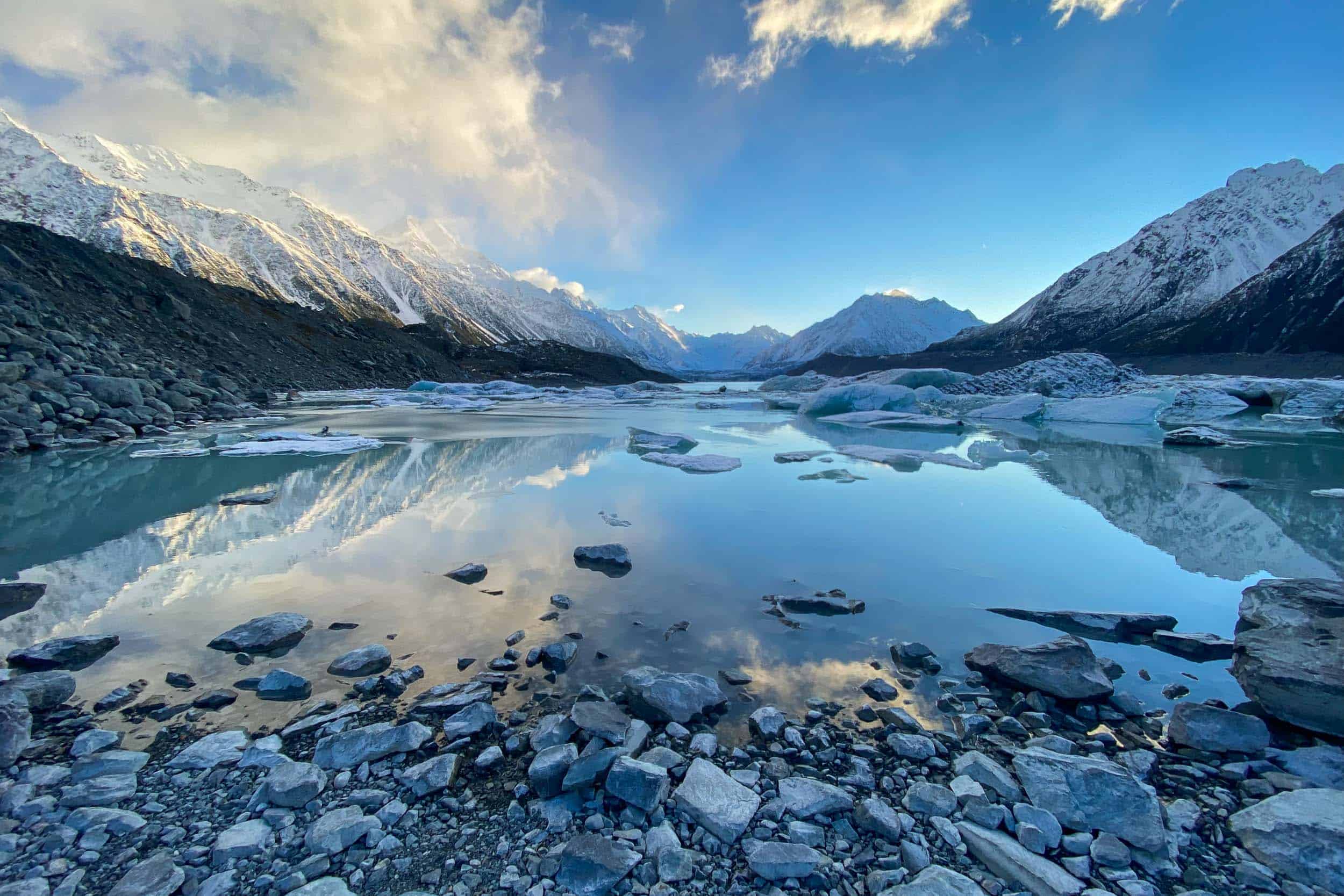
⚡ The TL;DR Verdict
If your dream is raw, untamed wilderness and multi-day trekking with a tighter budget, Patagonia is your winner. For those seeking diverse adventure sports, impeccable infrastructure, and a slightly higher budget, New Zealand shines. Expect to budget $50-100 USD/day in Patagonia (excluding flights) and $80-150 USD/day in New Zealand.
- Choose Patagonia: Choose Patagonia for an immersive, budget-conscious trekking experience amidst dramatic, untouched mountains and glaciers. It's for the traveler who values solitude and challenging wilderness.
- Choose New Zealand: Opt for New Zealand if you crave a seamless blend of stunning scenery, world-class adventure activities, and modern conveniences. It's ideal for those wanting diverse experiences from fiords to volcanoes with excellent infrastructure.
- Choose Both: Consider doing both if you have 6+ weeks and a substantial budget. You'll get the best of both hemispheres' adventure, but prepare for significant travel time and cost between continents.
Quick Comparison
| Category | Patagonia | New Zealand | Winner |
|---|---|---|---|
| Nature & Scenery | Unrivaled dramatic mountains, vast glaciers, and endless steppes; feels truly wild and remote. | Incredibly diverse landscapes in a smaller area: fiords, volcanoes, golden beaches, lush rainforests, geothermal areas. | Patagonia |
| Costs | Generally more budget-friendly on the ground, but international flights can be pricey; local currency (CLP/ARS) goes further. | Significantly more expensive overall, especially for accommodation, activities, and food; NZD is strong. | Patagonia |
| Getting There & Around | Requires long flights, often with multiple connections; buses are primary transport, rental cars possible but challenging. | Also long flights, but generally easier internal travel with excellent road infrastructure and popular campervan rentals. | New Zealand |
| Accommodation | Good range of hostels, basic hotels, 'refugios' (mountain huts) for trekkers, and some unique estancias. | High-quality hostels, motels, B&Bs, holiday parks (for campervans), and luxury lodges; generally higher standards and prices. | New Zealand |
| Weather & Seasons | Notoriously unpredictable; strong winds, 'four seasons in one day' common, best in summer (Dec-Feb) but still variable. | More temperate, distinct seasons; generally milder with regional variations; North Island warmer than South Island. | New Zealand |
| Activities (Hiking & Adventure) | World-class multi-day treks (W Circuit, Fitz Roy), glacier hiking, horseback riding; focused on raw wilderness exploration. | Incredible diversity: Great Walks, bungee jumping, skydiving, whitewater rafting, canyoning, caving; adventure sports capital. | Tie |
| Food & Drink | Hearty Patagonian lamb (cordero), Argentinian steak, Chilean seafood, good wine; simpler, rustic fare. | Excellent cafe culture, fresh seafood, succulent lamb, world-class wine regions, craft beer scene; diverse and high quality. | New Zealand |
| Safety | Generally safe, but remote areas require preparedness; petty theft in tourist hubs; natural hazards (weather) are main concern. | Extremely safe, low crime rates; well-marked trails and clear safety guidelines for adventure activities. | New Zealand |
| Culture & Local Experience | Gaucho culture, indigenous influences, vibrant Latin American warmth; rustic and intertwined with the land. | Rich Maori heritage, strong outdoorsy 'Kiwi' identity, modern Western influence; friendly and welcoming. | Patagonia |
| Solo Travel | Great for independent trekkers; hostel network and buses facilitate meeting others, but some areas feel very remote. | Excellent infrastructure, safe, easy to meet people in hostels/campervan parks, diverse activities suit solo adventurers. | New Zealand |
🏞️ Nature & Scenery
Patagonia offers a raw, immense, and often overwhelming sense of grandeur. The granite spires of Torres del Paine (Chile) and Mount Fitz Roy (Argentina) are iconic, while the Perito Moreno Glacier near El Calafate is an active, colossal wonder. The scale of the landscapes here is simply breathtaking, making you feel tiny and insignificant in the best possible way. Think windswept plains meeting jagged peaks and brilliant turquoise lakes. New Zealand, while stunning, feels more manicured and accessible. Its beauty is more diverse: from the Milford Sound fiord to the volcanic Tongariro Alpine Crossing and the golden beaches of Abel Tasman. It packs an incredible variety into a compact space, but it lacks that truly untamed, 'end-of-the-world' feeling that Patagonia exudes. "Patagonia just hits different. The sheer scale of Fitz Roy makes everything else feel small. Even Torres del Paine feels more rugged than anything I saw in NZ." The constant wind in Patagonia adds to its wild charm, but it's a force to be reckoned with. New Zealand's landscapes are often more immediately photo-ready, but Patagonia’s are etched into your soul.
Winner takeaway
- Winner: Patagonia
- Why: Patagonia wins for its unparalleled, raw, and immense natural grandeur that evokes a profound sense of wilderness.
- Who this matters for: Serious trekkers, landscape photographers, and those seeking truly untamed, epic vistas.
💰 Costs
On the ground, Patagonia offers a more budget-friendly experience, especially if you stick to hostels and self-catering. A hostel dorm bed in El Chaltén might cost 8,000-15,000 ARS ($8-15 USD) and a basic meal around 5,000 ARS ($5 USD). Trekking is largely free in Argentina (e.g., Fitz Roy trails), while Torres del Paine's entrance fee is around 35,000 CLP ($37 USD) for foreigners. Buses between towns like Puerto Natales and El Calafate cost 25,000-40,000 CLP/ARS ($25-40 USD). New Zealand, however, can be a budget killer. A dorm bed in Queenstown or Wanaka will easily run you 30-50 NZD ($18-30 USD), and a modest restaurant meal 25-40 NZD ($15-25 USD). Activities like bungee jumping ($200+ NZD), Milford Sound cruises ($100+ NZD), or even basic National Park huts (DOC huts from $5-50 NZD/night) add up fast. "Honestly, NZ blew my budget out of the water. Patagonia felt like a steal compared to what I was paying for hostels and groceries in Wanaka." While flights to either can be expensive from North America/Europe (expect $1000-2000+ USD), once you're there, your daily expenses will be noticeably higher in New Zealand. Patagonia allows for more extended travel on a tighter daily spend.
Winner takeaway
- Winner: Patagonia
- Why: Patagonia offers significantly lower daily costs for accommodation, food, and many activities, making it more accessible for budget travelers.
- Who this matters for: Backpackers, long-term travelers, and anyone highly sensitive to daily travel expenses.
✈️ Getting There & Around
Both destinations demand serious flight time. From North America or Europe, expect 15-20+ hours flying time to reach either. For Patagonia, you typically fly into Buenos Aires (EZE) or Santiago (SCL), then take another 3-4 hour domestic flight to Ushuaia, El Calafate (FTE), or Punta Arenas (PUQ). Internal travel in Patagonia largely relies on long-distance buses; a journey from El Calafate to El Chaltén is about 3 hours, or Puerto Natales to El Calafate is 5-6 hours. Roads can be unpaved or poorly maintained in sections, making car rental adventurous. New Zealand, on the other hand, is built for road trips. Fly into Auckland (AKL) or Christchurch (CHC), and you're ready to rent a car or, more popularly, a campervan. The road network is superb, well-maintained, and scenic, making self-driving a joy. "Renting a campervan in NZ was the best decision; freedom to stop anywhere and the roads are so good. Patagonia buses felt like a necessary evil sometimes." Inter-island ferries (e.g., Wellington-Picton for ~60-80 NZD) are efficient, and domestic flights are plentiful for covering large distances quickly. While both are remote, NZ's internal logistics are far smoother and more comfortable, offering greater flexibility and less reliance on fixed bus schedules.
Winner takeaway
- Winner: New Zealand
- Why: New Zealand's excellent road infrastructure and popular campervan culture make getting around significantly easier and more enjoyable.
- Who this matters for: Travelers who prioritize convenience, comfort, and the freedom of self-drive road trips.
🏡 Accommodation
Patagonia offers a decent variety, but it leans towards practicality. You'll find plenty of budget-friendly hostels (e.g., Hostel America in El Calafate, Patagonia Travellers Hostel in Puerto Natales), basic hotels, and 'refugios' or 'domos' within national parks like Torres del Paine (e.g., Refugio Chileno, Refugio Grey) that offer dormitory beds and sometimes private rooms for trekkers. These mountain huts are functional but often expensive for what they are (e.g., $50-100 USD/night for a dorm bed). Outside the parks, you might find charming 'estancias' offering a rustic farm stay experience. New Zealand, however, boasts a far more developed and higher-standard accommodation scene across the board. Hostels like YHA and Base are consistently clean and modern, often with excellent facilities. Motels are abundant, offering good value and private rooms. Holiday parks are a staple, perfect for campervan users with great amenities. "The hostel scene in NZ is next level compared to anywhere else. Always clean, good kitchens, and reliable Wi-Fi. Patagonia was more hit-or-miss." For those with a higher budget, NZ offers world-class luxury lodges like Blanket Bay near Queenstown. While you pay more, the comfort, cleanliness, and range of options in New Zealand are superior, especially for non-trekkers.
Winner takeaway
- Winner: New Zealand
- Why: New Zealand provides a wider range of higher-quality and more consistently comfortable accommodation options across all budget levels.
- Who this matters for: Travelers who value comfort, cleanliness, and a wide array of lodging choices beyond basic hostels or mountain huts.
☀️ Weather & Seasons
Patagonia's weather is infamous for its volatility. Expect strong, relentless winds, especially in southern Patagonia, and prepare for 'four seasons in one day' – sunshine, rain, snow, and hail can all occur within hours, even in peak summer (December-February). The best time to visit is during their summer for longer daylight hours and slightly warmer temperatures (averaging 10-20°C / 50-68°F), but even then, storms are common. Shoulder seasons (Oct-Nov, Mar-Apr) offer fewer crowds but colder, more unpredictable weather. "I got snowed on in January in Torres del Paine, then it was 20C the next day. Pack for EVERYTHING in Patagonia." New Zealand offers a more predictable and generally milder climate. Its summer (Dec-Feb) brings warm temperatures (15-25°C / 59-77°F) ideal for beaches and hiking, while autumn (Mar-May) is beautiful with changing leaves and crisp air. Winter (Jun-Aug) is perfect for skiing, especially in the South Island. While New Zealand also experiences regional variations and occasional unpredictable weather, it's far less extreme and less consistently windy than Patagonia. The North Island is generally subtropical, and the South Island more temperate. This makes planning and packing considerably easier for NZ travelers.
Winner takeaway
- Winner: New Zealand
- Why: New Zealand offers a more predictable, milder climate with distinct, enjoyable seasons, making travel planning more straightforward.
- Who this matters for: Travelers who prefer more stable weather conditions and a broader range of seasonal activities without extreme unpredictability.
⛰️ Activities (Hiking & Adventure)
This is tough because both are adventure havens, but they excel in different aspects. Patagonia is primarily a hiking and trekking paradise. The 'W Circuit' and 'O Circuit' in Torres del Paine National Park, and the trails around El Chaltén leading to Fitz Roy and Cerro Torre, are legendary multi-day expeditions. Glacier trekking on Perito Moreno or Viedma Glacier offers a unique icy thrill. Horseback riding through estancias is another authentic experience. The focus here is on challenging, self-supported wilderness exploration. New Zealand, however, is the undisputed 'adventure capital of the world' for a reason. While it boasts incredible multi-day treks like the Milford Track, Routeburn Track, and Tongariro Alpine Crossing (part of the 'Great Walks'), it truly shines in its extreme sports offerings: bungee jumping (invented here!), skydiving, whitewater rafting, jet boating, canyoning, and caving are all readily available and expertly run. "NZ has literally everything. I did a multi-day hike, then bungee jumped, then rafted all in one week. Patagonia was mostly just epic hiking." If your adventure appetite includes more than just hiking, NZ offers an unparalleled smorgasbord of adrenaline-pumping activities. If you just want to trek, Patagonia might edge it for sheer scale and wildness, but for overall adventure diversity, it's a tie, depending on your specific interests.
Winner takeaway
- Winner: Tie
- Why: It's a tie because Patagonia offers unparalleled trekking in raw wilderness, while New Zealand is the global leader in diverse adventure sports.
- Who this matters for: Hikers and trekkers will love Patagonia equally to New Zealand's Great Walks, but adrenaline junkies will lean toward NZ.
🍷 Food & Drink
Patagonia offers robust, hearty fare perfect after a long day of trekking. In Argentina, expect fantastic grass-fed beef 'asado' and the famous Patagonian lamb ('cordero al palo'), often slow-roasted over an open fire. Chilean Patagonia leans more towards seafood, especially in coastal towns, and excellent Chilean wines are plentiful. Empanadas, choripán, and dulce de leche are common staples. Food tends to be simple, satisfying, and rustic. New Zealand, on the other hand, boasts a more sophisticated and diverse culinary scene. Its cafe culture is world-class, offering exceptional coffee and brunch. Expect fresh seafood (green-lipped mussels!), delicious lamb, and high-quality local produce. The wine regions, particularly Marlborough (Sauvignon Blanc) and Central Otago (Pinot Noir), are globally renowned. Craft beer is also huge, with breweries scattered across the country. "NZ's food scene surprised me. Every cafe was amazing, and the fresh seafood was divine. Patagonia was good, but more 'fuel up' than 'gourmet experience'." While Patagonia has its specific charms, NZ's overall quality, variety, and emphasis on fresh, local ingredients, coupled with its thriving cafe and wine culture, make it the superior destination for foodies.
Winner takeaway
- Winner: New Zealand
- Why: New Zealand offers a more diverse, higher-quality culinary experience with an excellent cafe culture, fresh produce, and world-class wine regions.
- Who this matters for: Foodies, coffee lovers, wine enthusiasts, and those who appreciate diverse dining options beyond basic hearty meals.
🛡️ Safety
Both Patagonia and New Zealand are generally very safe destinations for travelers. In Patagonia, the primary safety concerns revolve around the unpredictable weather and the remoteness of some areas. Trekkers need to be well-prepared with appropriate gear, navigation skills, and inform others of their plans. Petty theft can occur in more crowded tourist towns like El Calafate or Ushuaia, but violent crime is rare. Driving can be hazardous due to unpaved roads and wildlife. "I felt super safe hiking solo in Patagonia, but the weather was actually the scariest part. Always check forecasts!" New Zealand consistently ranks among the safest countries in the world. Crime rates are very low, and travelers, including solo female travelers, generally feel extremely secure. The outdoor adventure industry is highly regulated, with strict safety protocols for activities like bungee jumping, skydiving, and whitewater rafting. Trails are exceptionally well-maintained and marked, and emergency services are efficient. While natural hazards like earthquakes or changeable weather can occur, the infrastructure for dealing with them is robust. The overall sense of security and reliability in New Zealand is simply unmatched.
Winner takeaway
- Winner: New Zealand
- Why: New Zealand boasts exceptionally low crime rates and highly regulated safety standards for its adventure activities, making it one of the safest destinations globally.
- Who this matters for: Solo travelers, families, and anyone prioritizing a destination with an outstanding reputation for safety and reliability.
🎭 Culture & Local Experience
Patagonia offers a distinct cultural flavor, deeply rooted in its 'gaucho' (cowboy) heritage, especially in the Argentinian steppe. You can visit working estancias and experience a traditional way of life. There's also a noticeable indigenous influence, particularly from the Mapuche people in parts of Chile. The blend of Latin American warmth, passionate tango music (though more prominent further north), and a rugged, self-sufficient frontier spirit creates a unique atmosphere. Interactions with locals, while sometimes limited by language barriers (Spanish is essential), often feel authentic and less tourism-driven outside the main hubs. "Learning a bit of Spanish really opens up Patagonia. The locals in smaller towns were so welcoming and shared their stories easily." New Zealand has a rich and vibrant Maori culture, which is beautifully preserved and celebrated through 'haka' performances, 'hangi' feasts, and cultural centers like Te Puia in Rotorua. The modern 'Kiwi' identity is strongly linked to the outdoors, sports (rugby!), and a friendly, laid-back attitude. While welcoming, NZ's cultural interactions can sometimes feel more curated for tourists. Patagonia's culture feels more organically integrated into its wild landscape and the daily lives of its people, offering a more rustic and immersive experience.
Winner takeaway
- Winner: Patagonia
- Why: Patagonia provides a more raw, authentic, and immersive cultural experience deeply tied to its gaucho heritage and wild landscape.
- Who this matters for: Travelers seeking a deeper dive into local traditions, indigenous cultures, and a less Westernized cultural interaction.
🚶♀️ Solo Travel
Both destinations are fantastic for solo travelers, but New Zealand edges out Patagonia due to its superior infrastructure and overall ease. In Patagonia, solo travelers will find a robust hostel network in towns like El Chaltén, El Calafate, and Puerto Natales, making it easy to meet fellow trekkers for day hikes or share bus rides. The trails themselves are popular, so you're rarely truly alone on main routes. However, language can be a barrier if you don't speak Spanish, and some parts feel genuinely remote. "I met so many awesome people doing the W Trek solo in Patagonia, but planning logistics without Spanish was a bit of a challenge sometimes." New Zealand is practically built for solo adventurers. The excellent hostel network (YHA, Base) makes social connections effortless, and the campervan culture fosters a strong community among solo road-trippers at holiday parks. The abundance of organized tours for activities means you always have a group, and the country's high safety rating provides immense peace of mind. Public transport is reliable, and the English language eliminates communication hurdles. From multi-day hikes to adventure sports, NZ offers a seamless and highly social experience for those traveling alone.
Winner takeaway
- Winner: New Zealand
- Why: New Zealand's excellent safety, robust infrastructure, ease of communication, and vibrant social scene make it slightly better suited for solo travelers.
- Who this matters for: First-time solo travelers, those who prefer comfort and ease, and individuals looking for varied social interactions while traveling alone.
❓ Frequently Asked Questions
Which destination is better for experienced multi-day trekkers?
For experienced multi-day trekkers, Patagonia's iconic 'W' and 'O' Circuits in Torres del Paine, or the extensive network around El Chaltén, offer some of the most challenging and rewarding wilderness treks on Earth. The raw, untamed nature and dramatic scale are unparalleled. New Zealand's Great Walks are stunning but generally more accessible and often have more developed facilities.
What's the best way to save money in each country?
In Patagonia, save money by staying in hostels with kitchen facilities, cooking your own meals, utilizing free trekking trails in Argentina, and taking local buses. In New Zealand, a campervan can save on accommodation and some food costs, or opt for free activities like hiking and wild camping where permitted. Grocery stores are always cheaper than restaurants in both.
How long should I plan for a trip to each destination?
For Patagonia, aim for at least 2-3 weeks to properly explore both the Argentinian (El Chaltén, El Calafate) and Chilean (Torres del Paine) sides without feeling rushed. For New Zealand, a minimum of 3-4 weeks is recommended to cover both the North and South Islands adequately, given the travel time between regions and the sheer diversity of activities.
Do I need to speak Spanish for Patagonia or English for New Zealand?
English is universally spoken in New Zealand, making communication easy. In Patagonia, Spanish is highly recommended outside major tourist hubs. While some tour operators and hostel staff speak English, knowing basic Spanish phrases will significantly enhance your experience and interactions with locals.
Which destination has better wildlife viewing opportunities?
Patagonia offers incredible opportunities to spot guanacos, condors, rheas, and potentially pumas (especially on organized tours). Coastal areas also host penguins and whales. New Zealand has unique endemic birds (kiwi, kea), seals, dolphins, and whales (Kaikoura is famous), but overall, Patagonia feels wilder with larger, more visible wildlife on land.
Is it possible to visit both in one trip, and what's the typical route?
It's possible but requires significant time and budget. A common route might involve flying from Santiago or Buenos Aires (after Patagonia) to Auckland or Christchurch, typically with a layover in a major hub like Sydney or Los Angeles. Expect 15-20+ hours of travel time and a hefty flight cost. This usually makes sense for trips longer than 6 weeks.
Which destination is better for photography?
Both are photographer's dreams. Patagonia excels with dramatic, grand landscapes – towering granite peaks, colossal glaciers, and vast, windswept plains, offering epic wide shots. New Zealand provides incredible diversity in a smaller area, from moody fiords and volcanic vistas to golden beaches and lush forests, perfect for varied compositions and quick changes of scenery.
What are the essential packing items for each?
For Patagonia, absolutely pack layers, a windproof/waterproof outer shell, sturdy hiking boots, and sun protection (hat, sunscreen, sunglasses) due to extreme winds and UV. For New Zealand, layered clothing is also key, especially for the South Island, but less emphasis on extreme wind protection. Good walking shoes, swimwear, and rain gear are essential for both.
Ready to plan your unforgettable adventure?
Get a free custom itinerary for Patagonia, New Zealand, or both — built from real traveler insights.
🎟️ Book Tours & Experiences
Hand-picked tours and activities for both destinations — book with free cancellation
Experiences via Viator — free cancellation on most tours