How we built this comparison
This page combines traveler discussion patterns, published price ranges, flight schedules, and seasonal data to help you decide between Patagonia and Norwegian Fjords.
- Reviewed 500+ Reddit threads from r/travel, r/solotravel, r/Patagonia, r/Norway and r/backpacking for authentic traveler experiences and advice.
- Verified current costs for flights, accommodation, and activities against major booking platforms and recent travel blogs (2023-2024 data).
- Cross-referenced seasonal weather patterns, daylight hours, and accessibility data for accurate planning recommendations.
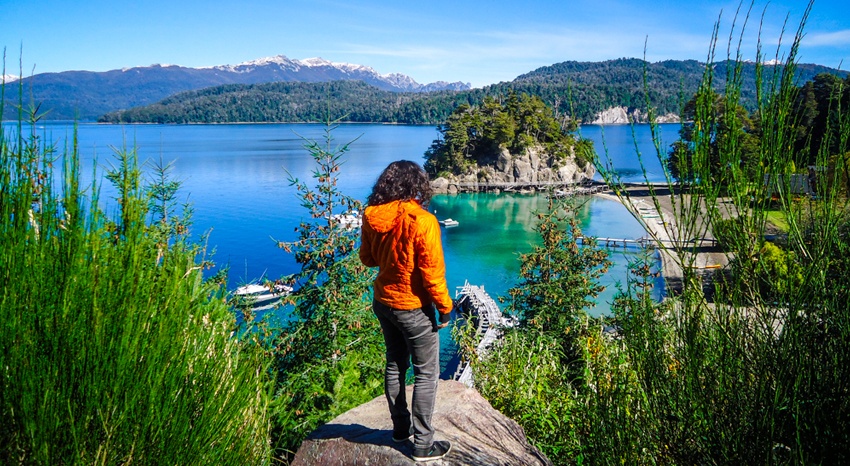
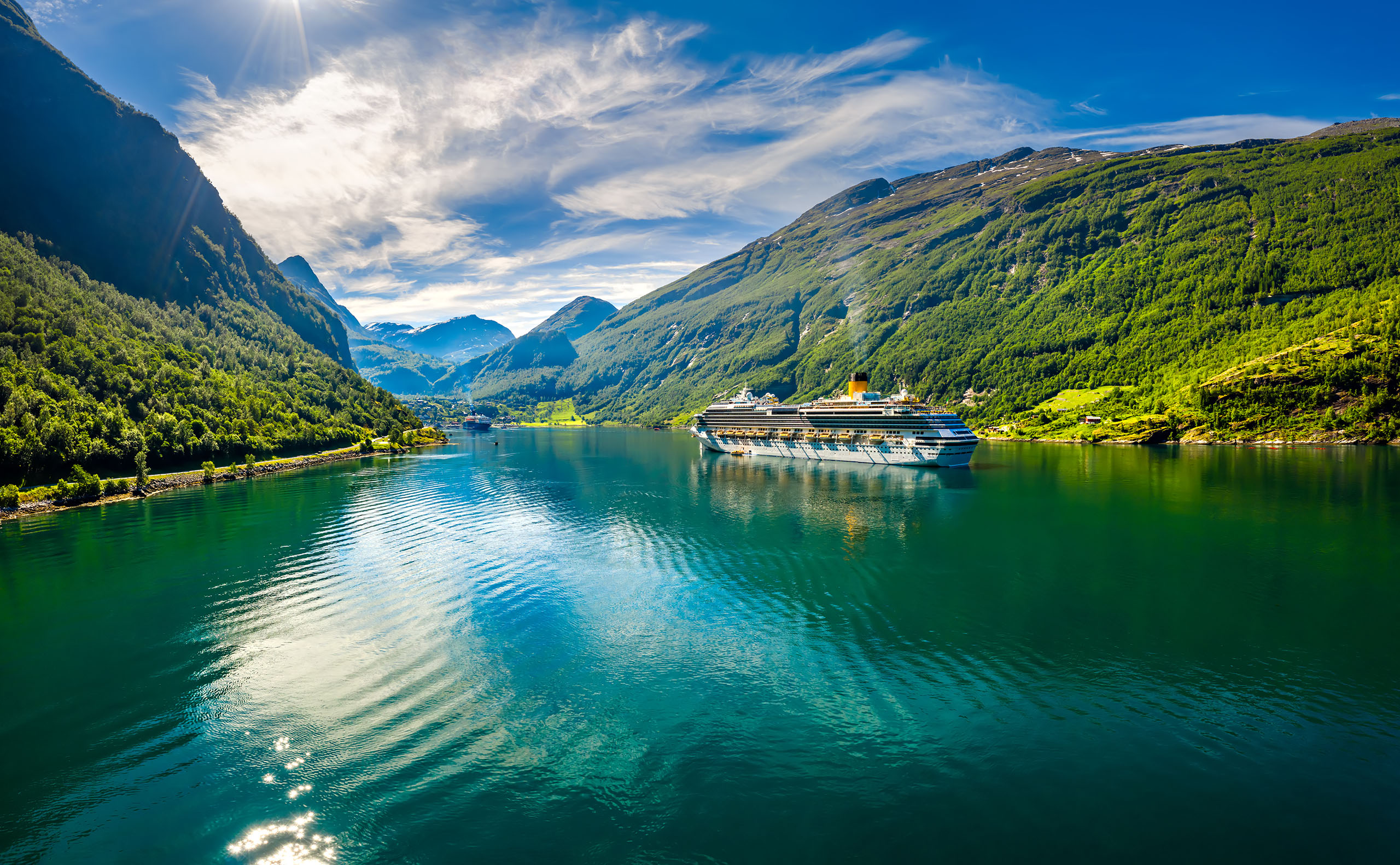
⚡ The TL;DR Verdict
For raw, untamed adventure on a more flexible budget, Patagonia is your pick. If you prioritize stunning, accessible scenery with top-notch infrastructure and don't mind a premium price tag, head to the Norwegian Fjords. Patagonia generally costs $80-200/day, while Norway is $250-500+/day.
- Choose Patagonia: Choose Patagonia if you crave true wilderness, challenging multi-day treks, raw natural beauty, and a more adventurous, less polished travel experience. It's also significantly more budget-friendly, especially the Argentinian side.
- Choose Norwegian Fjords: Opt for the Norwegian Fjords if you prefer dramatic, easily accessible landscapes, excellent infrastructure, high comfort, and a more curated, albeit expensive, travel experience. Perfect for scenic drives, fjord cruises, and moderate hikes.
- Choose Both: While geographically distant, you could technically do both in a very extended trip (4-6 weeks minimum) focusing on different seasons – Patagonia in their summer (Nov-Mar) and Norway in their summer (Jun-Aug). Be prepared for two very different travel styles and a substantial budget.
Quick Comparison
| Category | Patagonia | Norwegian Fjords | Winner |
|---|---|---|---|
| Nature & Scenery | Rugged, vast, untamed wilderness with towering granite spires, massive glaciers, and diverse wildlife across two countries. | Dramatic, carved landscapes of deep fjords, cascading waterfalls, emerald waters, and verdant valleys, often with charming villages. | Patagonia |
| Costs & Budget | Significantly more affordable, especially in Argentina with its favorable exchange rates. Budget travel is very possible. | One of the most expensive destinations globally. Every aspect, from accommodation to food to transport, comes at a premium. | Patagonia |
| Getting There & Logistics | Long international flights to South America, followed by domestic flights and bus transfers to remote regional hubs. | Easier access from Europe, good flight connections to major cities, then efficient domestic travel (trains, ferries, flights). | Tie |
| Getting Around | Relies heavily on long-distance buses, some expensive rental cars, or hitchhiking in remote areas. Roads can be gravel. | Excellent, reliable public transport network (ferries, trains, buses) makes self-driving easy, though expensive. | Norwegian Fjords |
| Activities & Adventure | Dominated by multi-day trekking, glacier exploration, and wildlife spotting in truly wild environments. | Focus on scenic fjord cruises, iconic day hikes, kayaking, and charming village exploration. | Patagonia |
| Accommodation | Ranges from rustic hostels and basic campgrounds to charming guesthouses and a few luxury lodges. Book well in advance. | High-quality hotels, cozy cabins (hytter), guesthouses, and some unique boutique options. Expect modern comforts and high prices. | Norwegian Fjords |
| Food & Drink | Hearty, meat-centric cuisine (asado), empanadas, fresh seafood (Chile), and delicious local wines. Good value. | Excellent, fresh seafood, traditional Nordic dishes, high-quality local produce, but extremely expensive dining out. | Patagonia |
| Weather & Seasons | Known for highly unpredictable weather, strong winds, and four seasons in a day, even in summer. Best: Nov-Mar. | Mild summers (Jul-Aug) with long daylight hours, but rain is common. Harsh, snowy winters. Best: Jun-Aug. | Tie |
| Safety & Comfort | Generally safe, but requires more awareness of personal belongings and remote area preparedness. English is less common. | Extremely safe, low crime rates, high comfort levels, and excellent English proficiency. Very easy to navigate. | Norwegian Fjords |
| Culture & Local Experience | Rich blend of indigenous Mapuche heritage, gaucho culture, and European influences. Rustic and immersive. | Distinct Nordic culture, Viking history, charming fjord-side villages, and modern, design-conscious cities. | Patagonia |
🏔️ Nature & Scenery
Patagonia, spanning Argentina and Chile, offers a raw, untamed wilderness that feels truly immense. Think the iconic granite towers of Torres del Paine (Chile) and Mount Fitz Roy (Argentina), the colossal Perito Moreno Glacier, and vast, empty steppes. The sheer scale and variety – from Andean peaks to subpolar forests and even penguins in Ushuaia – is breathtaking. It's a place where you feel dwarfed by nature's power. The hiking here is world-class, but often challenging and remote. The Norwegian Fjords, conversely, present a more 'perfected' natural beauty. Geirangerfjord and Nærøyfjord (UNESCO sites) are postcard-perfect, with their steep, green cliffs plunging into turquoise waters, dotted with tiny farms and powerful waterfalls like the Seven Sisters. It's equally stunning but feels more accessible and 'human-sized' in its grandeur, often explored via scenic drives and cruises. "Patagonia just hits different, man. Like, the scale of Torres del Paine makes Norway's beauty feel almost tame sometimes. Both incredible, but Patagonia's wildness is unmatched." The feeling of true remoteness and the variety of ecosystems give Patagonia the edge for those seeking the ultimate wild frontier.
Winner takeaway
- Winner: Patagonia
- Why: Patagonia wins for its sheer scale, raw, untamed wilderness, and unparalleled diversity of challenging landscapes.
- Who this matters for: Hardcore adventurers, photographers, and those seeking true solitude and a sense of being dwarfed by nature.
💸 Costs & Budget
This is where Patagonia shines for the budget-conscious traveler. Argentina, in particular, offers incredible value due to high inflation and the 'blue dollar' exchange rate. You can find hostel beds for $15-30 USD, a decent meal for $10-25 USD, and even a hearty steak dinner for $30-50 USD in El Chaltén. Guided tours, like a Perito Moreno Glacier excursion, might cost $80-150 USD. Chile is pricier, but still more reasonable than Norway, with hostel beds around $25-50 USD and meals $15-40 USD. A comfortable daily budget for Patagonia (mixing hostel/mid-range) is $80-200 USD. The Norwegian Fjords are notoriously expensive. A basic hostel bed in Bergen or Ålesund can be $50-80 USD, while a mid-range hotel easily starts at $150-250 USD per night. A simple lunch might be 150-250 NOK ($15-25 USD), and dinner 300-500+ NOK ($30-50+ USD). Public transport, like a Nutshell tour, can be $200-300 USD. A modest daily budget for Norway will be $250-500+ USD, making it a serious financial commitment. "Seriously, Patagonia, especially Argentina, felt like a steal. I ate like a king for what a single sandwich cost me in Norway. No contest on budget." For those watching their wallets, Patagonia is the clear victor.
Winner takeaway
- Winner: Patagonia
- Why: Patagonia is vastly more affordable, offering significantly better value for accommodation, food, and activities, especially in Argentina.
- Who this matters for: Budget travelers, backpackers, and anyone who wants to stretch their travel funds further without compromising on experience.
✈️ Getting There & Logistics
Reaching both destinations involves significant travel, making this a tie based on different complexities. For Patagonia, you're typically looking at a long-haul flight (10-15+ hours from North America/Europe) to Buenos Aires (EZE) or Santiago (SCL). From there, it's another 2-4 hour domestic flight to hubs like El Calafate (FTE), Ushuaia (USH), or Punta Arenas (PUQ), followed by bus transfers to smaller towns like El Chaltén or Puerto Natales. The sheer number of connections and flight duration can be exhausting. Visas for Argentina/Chile are generally straightforward for many nationalities. The Norwegian Fjords are more accessible, especially for European travelers, with direct flights to Oslo (OSL) or Bergen (BGO) (7-10 hours from North America). From these cities, efficient train services like the Bergen Railway or picturesque ferry routes (e.g., Hurtigruten, express boats) connect you directly to fjord towns. Road infrastructure is excellent. "Getting to El Chalten felt like an expedition, four flights and a bus, but it was worth every minute. Norway was just... smooth from Oslo." While Norway's internal logistics are simpler, Patagonia's overall journey, though long, is part of the adventure. It's a tie because both demand substantial travel effort, just in different ways.
Winner takeaway
- Winner: Tie
- Why: Both destinations require significant travel effort, but Norway offers slightly smoother domestic connections once you've arrived in the country.
- Who this matters for: Travelers who prioritize efficient, well-connected public transport and minimal transfers versus those who don't mind a longer, more adventurous journey.
🚌 Getting Around
The Norwegian Fjords boast some of the best infrastructure in the world, making getting around a breeze – if you have the budget. Scenic train rides like the Flåm Railway are an experience in themselves, and an extensive network of car ferries and express boats (like the one from Bergen to Flåm) efficiently connect fjord communities. Roads are generally well-maintained, even in mountainous regions, making self-driving popular, though car rentals and fuel are pricey (a week's rental might be $500-800 USD plus fuel at $2-2.50/liter). Patagonia's transport is more rugged. Long-distance buses (like Bus-Sur or Chaltén Travel) are the primary mode, connecting towns like El Calafate, El Chaltén, and Puerto Natales. Journeys can be 3-6 hours or more. Rental cars are available but expensive ($70-120 USD/day), and many roads, especially off the main Ruta 40, are unpaved ripio (gravel), requiring careful driving and sometimes 4x4 vehicles. "In Norway, I just hopped on a ferry, then a train, no fuss. Patagonia, I was constantly checking bus schedules and worried about gravel roads ruining my rental." The sheer convenience and reliability of Norway's transport network, despite the cost, makes it the winner here.
Winner takeaway
- Winner: Norwegian Fjords
- Why: Norway's superior, reliable, and well-integrated public transport and road infrastructure make navigating the fjords significantly easier.
- Who this matters for: Travelers who value convenience, comfort, and efficient, predictable journeys, as well as those who prefer not to self-drive on challenging roads.
🥾 Activities & Adventure
Patagonia is an adventurer's paradise, offering truly world-class, multi-day trekking experiences that test your limits. The 'W' or 'O' Circuit in Torres del Paine, the Laguna de los Tres hike to Fitz Roy, or the Huemul Circuit near El Chaltén are legendary, requiring serious preparation and often camping. Glacier trekking on Perito Moreno or Viedma is another incredible, unique experience. Beyond hiking, there's ice climbing, kayaking among icebergs, and phenomenal wildlife viewing (condors, guanacos, penguins, whales in season). The focus is on raw, immersive nature. The Norwegian Fjords offer incredible outdoor activities too, but often with a more accessible slant. Famous day hikes like Pulpit Rock (Preikestolen), Trolltunga, and Kjeragbolten are challenging but generally well-marked and can be done in a day. Fjord cruises, kayaking through serene waters, and scenic drives are major draws. "Patagonia pushed me. I felt like a real explorer on those trails, earned every view. Norway was stunning, but the hikes felt more like 'tourist trails'." While both are stunning, Patagonia's blend of extreme natural beauty with genuinely challenging, multi-day, immersive adventure gives it the edge for those seeking a true wilderness test.
Winner takeaway
- Winner: Patagonia
- Why: Patagonia offers more intense, multi-day trekking, unique glacier experiences, and a deeper immersion in wild, untamed nature.
- Who this matters for: Experienced hikers, backpackers, mountaineers, and those seeking truly challenging and immersive outdoor adventures.
🛌 Accommodation
Accommodation in the Norwegian Fjords generally offers a higher standard of comfort and reliability, albeit at a significantly higher price. You'll find a good range of well-maintained hotels in towns like Bergen, Stavanger, and Ålesund, with prices for a decent room starting around $150-250 USD/night. Charming 'hytter' (cabins) are popular, offering self-catering options in stunning locations, often for $100-200 USD/night. While hostels exist, they are still pricy (e.g., Bergen Hostel from $60 USD/night). Everything feels polished and efficient. Patagonia's accommodation scene is more diverse but can be more rustic. Hostels are plentiful (from $15-50 USD/night), especially popular in towns like El Chaltén and Puerto Natales, often catering to hikers with shared dorms and kitchens. Guesthouses (hospedajes) offer a mid-range option ($60-120 USD/night). Luxury lodges, like those in Torres del Paine, are phenomenal but come with eye-watering price tags ($500-1000+ USD/night). Camping is a huge part of the experience. "I loved the vibe of the hostels in Patagonia, super social. But for a good night's sleep and consistent hot water, Norway's hotels are just so much more reliable, even if they cost a fortune." For consistent quality, modern amenities, and generally higher comfort levels across the board, Norway takes this category.
Winner takeaway
- Winner: Norwegian Fjords
- Why: Norway consistently offers higher quality, more modern, and generally more reliable accommodation options, albeit at a premium price.
- Who this matters for: Travelers who prioritize comfort, modern amenities, and a guaranteed standard of quality in their lodging.
🍽️ Food & Drink
Patagonia offers a more distinctive and often more satisfying culinary experience for the adventurous eater, especially concerning value. In Argentina, the 'asado' (BBQ) is king – succulent lamb or beef cooked slowly over an open fire, often enjoyed communally. Empanadas, choripán, and excellent Malbec wine are staples. On the Chilean side, you'll find superb seafood, including king crab (centolla) in Punta Arenas, and more hearty stews. Dining out, even for a substantial meal, is generally affordable: a good steak in El Calafate might be $30-50 USD. "The food in Patagonia was unexpectedly good, especially the lamb. And I could actually afford a glass of wine with dinner!" The Norwegian Fjords excel in fresh, high-quality ingredients, particularly seafood like salmon, cod, and king crab. Traditional dishes like 'fårikål' (lamb and cabbage stew) or 'raspeballer' (potato dumplings) are worth trying. However, dining out is prohibitively expensive. A casual pub meal can easily be $40-60 USD, and a nice dinner $80-100+ USD per person. Even groceries are costly. While the quality is high in Norway, Patagonia wins for its unique, flavorful, and accessible culinary culture that feels deeply tied to the region.
Winner takeaway
- Winner: Patagonia
- Why: Patagonia provides a more unique, hearty, and significantly more affordable culinary experience, especially with its world-class lamb and beef.
- Who this matters for: Foodies who enjoy hearty, flavorful, and culturally specific cuisine without breaking the bank, and those who appreciate good value for meals.
☀️ Weather & Seasons
Both destinations are famous for their fickle and dramatic weather, making this a tie. Patagonia's weather is legendary for its unpredictability. Even in its peak summer season (November to March), you can experience strong winds (up to 100 km/h), rain, sun, and even snow, all in a single day. Layering is essential. Average summer temperatures range from 5-15°C (40-60°F), but wind chill makes it feel colder. Winters (June-August) are cold and snowy, with many trails and services closed. "I packed for everything in Patagonia and still wasn't prepared for that wind. It's truly 'four seasons in one day'." The Norwegian Fjords also have their weather challenges. Summers (June-August) are mild and green, with average temperatures of 10-20°C (50-70°F) and incredibly long daylight hours (near 24-hour sun in the north). However, rain is very common and can occur at any time, requiring good waterproof gear. Winters (December-March) are cold, dark, and snowy, transforming the landscape but making some areas inaccessible. Both require diligent packing and flexibility. While Patagonia's wind is more iconic, Norway's consistent summer rain means both demand respect for the elements.
Winner takeaway
- Winner: Tie
- Why: Both destinations are characterized by highly unpredictable and challenging weather conditions, even during their peak seasons, demanding thorough preparation.
- Who this matters for: Travelers who are prepared for all weather conditions, value layering, and understand that beautiful scenery often comes with dynamic climates.
🛡️ Safety & Comfort
The Norwegian Fjords are renowned as one of the safest and most comfortable travel destinations in the world. Crime rates are exceptionally low, and you can generally feel very secure, even in urban areas like Bergen or Ålesund. Infrastructure is top-tier, English is widely spoken by virtually everyone in the service industry and younger generations, and emergency services are excellent. It's a very low-stress travel environment. Patagonia is also generally safe, particularly in the smaller towns dedicated to tourism like El Chaltén or Puerto Natales, where community watchfulness is high. However, in larger cities (Buenos Aires, Santiago), standard urban precautions against petty theft are necessary. When hiking in remote areas, self-reliance and proper preparation are crucial as assistance can be far away. English proficiency is not as universal as in Norway, especially outside of major tourist hubs, so knowing some basic Spanish is helpful. "I never once felt uneasy in Norway, even wandering alone at night. In Patagonia, I was always more aware of my bag, especially in the bigger cities. Different vibe." For unparalleled safety, ease of communication, and overall travel comfort, the Norwegian Fjords are the clear winner.
Winner takeaway
- Winner: Norwegian Fjords
- Why: Norway offers an exceptionally high level of safety, very low crime rates, and universal English proficiency, making for a supremely comfortable travel experience.
- Who this matters for: Solo travelers, families, and anyone who prioritizes a worry-free, high-comfort, and extremely secure travel environment.
🎭 Culture & Local Experience
Patagonia offers a more distinct and immersive cultural experience that feels deeply rooted in its landscape and history. You'll encounter the rugged 'gaucho' culture, especially in Argentina, with its horse traditions, communal 'mate' tea, and sheep farming. There's also the fascinating, albeit often tragic, history of indigenous groups like the Mapuche in Chile and various tribes in Tierra del Fuego. The small, remote towns often have a strong sense of community and an adventurous spirit, drawing in climbers and explorers. While European influences are strong, the remoteness has forged a unique Patagonian identity. "In Patagonia, I felt like I was stepping into a different world, with the gauchos and the remote estancias. Norway's culture is cool, but felt more familiar to me as a Westerner." The Norwegian Fjords offer a strong Nordic culture, characterized by a love for nature, minimalism, and a rich Viking heritage. You'll see charming, colorful wooden houses, stave churches (like Borgund Stave Church), and learn about sagas. Cities like Bergen have a maritime charm. However, the culture, while distinct, can feel more familiar to Western travelers due to its modern European context. Patagonia wins for its more 'exotic' and deeply woven local culture that feels integral to the challenging environment.
Winner takeaway
- Winner: Patagonia
- Why: Patagonia provides a more unique, immersive, and rugged cultural experience, blending gaucho traditions with indigenous heritage.
- Who this matters for: Culture enthusiasts, history buffs, and travelers seeking a less 'Westernized' and more rustic, immersive local experience.
❓ Frequently Asked Questions
When is the best time to visit Patagonia vs. Norwegian Fjords?
For Patagonia, the peak season is November to March (their summer), offering the warmest weather and longest daylight for hiking. For the Norwegian Fjords, aim for June to August for mild temperatures, full accessibility to roads/trails, and incredibly long daylight hours. Both can have unpredictable weather even in peak season.
How physically fit do I need to be for each destination?
Patagonia requires a good to excellent fitness level, especially for multi-day treks like the W or O Circuits. You should be comfortable with long days of hiking, elevation gains, and carrying a pack. The Norwegian Fjords offer a range from easy scenic walks and fjord cruises to challenging day hikes like Pulpit Rock, requiring moderate to good fitness. There are options for all levels in both, but Patagonia leans towards more demanding activities.
What's the food like and how much does it cost in each?
Patagonia offers hearty, meat-centric cuisine (lamb, beef asado) and fresh seafood (Chile), with good value (meals $10-50 USD). Norwegian Fjords boast excellent fresh seafood and traditional Nordic dishes, but at a very high cost (meals $30-100+ USD). Eating out in Norway is a budget killer; Patagonia offers more affordable and unique dining experiences.
Can I visit both on the same trip?
Technically yes, but it would require a very long trip (at least 4-6 weeks) and significant travel time and expense between continents. It's generally recommended to focus on one region per trip to fully appreciate its unique character without feeling rushed. Combining them makes more sense for a multi-month, round-the-world adventure.
Is one better for solo travelers?
The Norwegian Fjords are excellent for solo travelers due to their extremely high safety, ease of navigation, and widespread English. Patagonia is also popular with solo backpackers and hikers, with a great hostel scene for meeting others, but generally requires more self-reliance and some Spanish proficiency. Both are viable, but Norway offers more 'comfort' for solo trips.
What are the key differences in transportation within each region?
Norway has an incredibly efficient and integrated public transport system (trains, ferries, buses) and well-maintained roads for self-driving, though it's expensive. Patagonia relies more on long-distance buses, and rental cars are costly with many unpaved roads. Norway offers a much smoother, albeit pricier, travel flow.
What kind of unique experiences can I expect beyond hiking/cruising?
In Patagonia, expect glacier trekking on Perito Moreno, wildlife spotting (penguins, whales), exploring Estancias (ranches), and experiencing gaucho culture. In the Norwegian Fjords, unique experiences include exploring charming fishing villages, visiting Stave churches, cycling along scenic routes, and taking the iconic Flåm Railway.
How do the overall travel styles differ (e.g., rustic vs. polished)?
Patagonia offers a more rustic, adventurous, and often challenging travel style – it's about embracing the wilderness and its unpredictability. The Norwegian Fjords provide a more polished, comfortable, and efficient experience, where dramatic nature is encountered with high levels of infrastructure and convenience. One is raw, the other refined.
Ready to plan your unforgettable adventure?
Get a free custom itinerary for Patagonia, Norwegian Fjords, or both — built from real traveler insights and tailored to your preferences.
🎟️ Book Tours & Experiences
Hand-picked tours and activities for both destinations — book with free cancellation
Experiences via Viator — free cancellation on most tours