How we built this comparison
This page combines traveler discussion patterns, published price ranges, flight schedules, and seasonal data to help you decide between Patagonia and Scottish Highlands.
- Reviewed 50+ Reddit threads from r/travel, r/solotravel, r/Patagonia, r/Scotland, etc., focusing on recent traveler experiences and advice.
- Verified costs and logistics against current booking platforms (e.g., Skyscanner, Booking.com, local tour operators) for Q4 2023 / Q1 2024.
- Cross-referenced seasonal patterns, weather data, and regional specific challenges (e.g., Patagonian winds, Scottish midges).
⚡ The TL;DR Verdict
If you crave immense, raw wilderness, challenging multi-day treks, and don't mind a higher price tag for the ultimate adventure, Patagonia is your calling (budget $80-150 USD/day). For a more accessible blend of stunning nature, rich history, charming villages, and cozy pub culture without breaking the bank, the Scottish Highlands offers an unforgettable experience (budget $60-120 USD/day).
- Choose Patagonia: For hardcore hikers, wilderness photographers, and those seeking awe-inspiring, massive landscapes and challenging treks away from crowds, willing to spend more for the experience.
- Choose Scottish Highlands: For travelers desiring accessible natural beauty, deep cultural immersion, historical sites, charming towns, and a more comfortable, perhaps romantic, outdoor adventure experience.
- Choose Both: If you have ample time (4+ weeks total) and budget, experience both! Patagonia in shoulder season (Oct-Nov or Mar-Apr) and Scottish Highlands in late spring (May-June) or early autumn (Sept-Oct) for optimal weather.
Quick Comparison
| Category | Patagonia | Scottish Highlands | Winner |
|---|---|---|---|
| Nature & Scenery | Unparalleled scale: massive glaciers, jagged granite peaks, vast steppes. Extreme and dramatic. | Misty lochs, ancient glens, rolling hills, dramatic coastlines, iconic single-track roads. Ethereal and historical. | Patagonia |
| Hiking & Activities | World-class multi-day treks, ice trekking, mountaineering. Challenging and remote. | Munro bagging, coastal walks, gentler trails, kayaking, mountain biking. Varied and accessible. | Patagonia |
| Costs | Generally more expensive due to remoteness, flight costs, and import taxes. Expect $80-150 USD/day. | More budget-friendly for flights and accommodation, but food and tours can add up. Expect $60-120 USD/day. | Scottish Highlands |
| Getting There | Long-haul flights to South America, then domestic flights or long bus rides. Significant travel time. | Easier access from Europe and North America with direct flights to major cities (Edinburgh, Glasgow). | Scottish Highlands |
| Getting Around | Limited public transport, long-distance buses, expensive car rentals. Often involves tours. | Excellent road network (though some single-track), reliable train/bus, easier car rentals. Self-driving is popular. | Scottish Highlands |
| Accommodation | Hostels, guesthouses, some upscale hotels. Limited options in very remote areas, booking essential. | Abundant B&Bs, charming guesthouses, hotels, self-catering cottages, hostels. Wide variety. | Scottish Highlands |
| Food & Drink | Hearty Argentinean/Chilean fare: excellent steak, empanadas, some seafood. limited fine dining. | Hearty Scottish cuisine: haggis, fresh seafood, pub fare, and world-renowned whisky. | Scottish Highlands |
| Culture & History | Indigenous heritage, gaucho culture, frontier towns. More about natural history. | Rich with ancient castles, clan history, Jacobite legends, Gaelic language, and vibrant folk traditions. | Scottish Highlands |
| Weather & Seasons | Extremely variable, high winds are common, can experience all four seasons in a day. Best in summer/shoulder. | Changeable, often rainy and misty, but less extreme. Midge season can be challenging in summer. | Scottish Highlands |
| Safety & Solitude | Very safe, but remote wilderness means self-reliance. Can find profound solitude. | Extremely safe, good infrastructure. Can find solitude but popular areas get busy. | Patagonia |
🏞️ Nature & Scenery
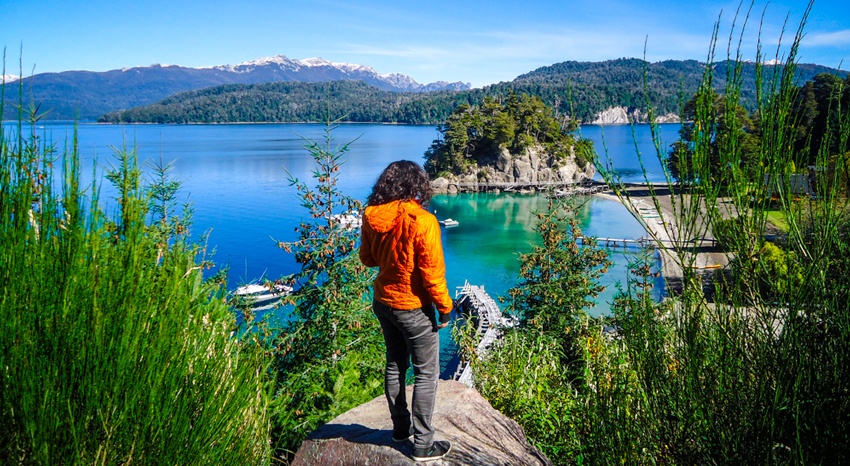
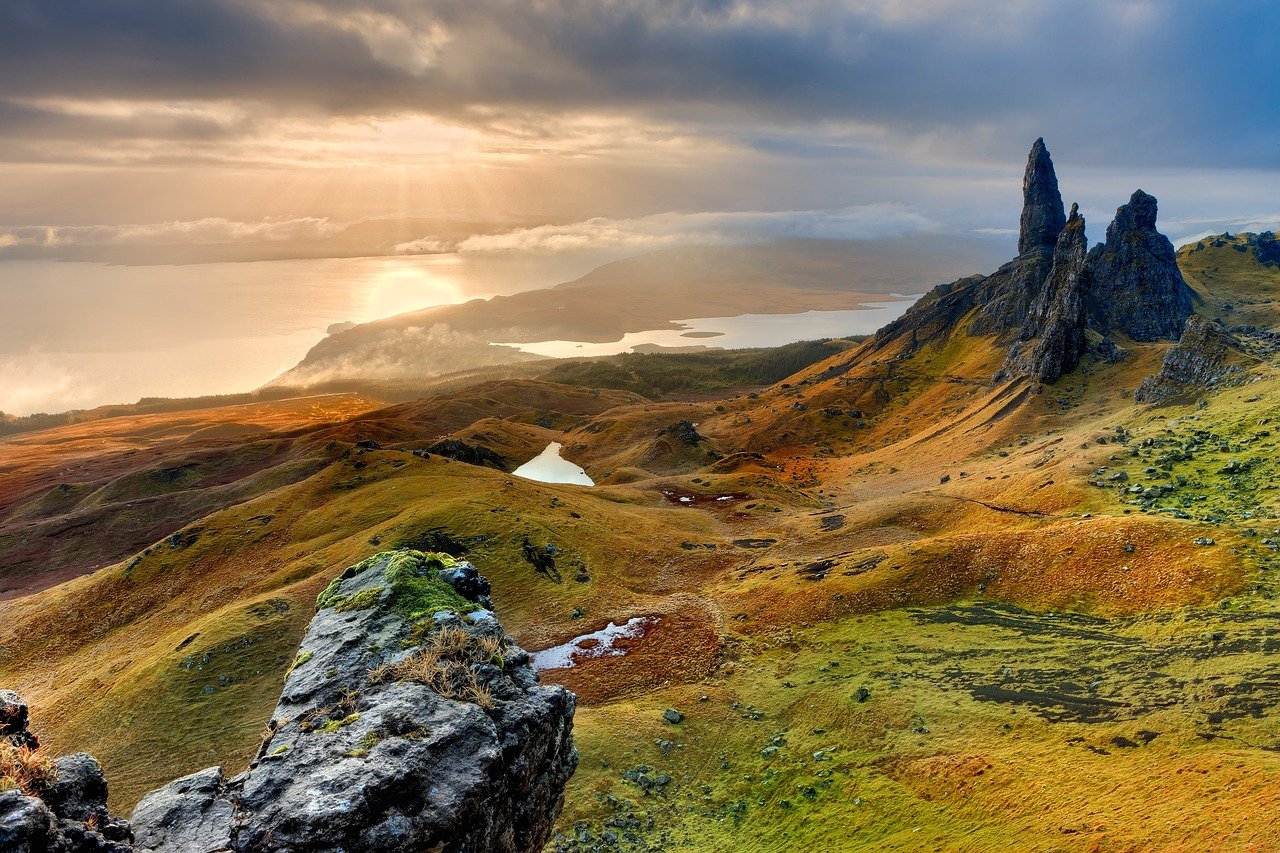
Patagonia simply operates on a grander, more extreme scale. From the colossal Perito Moreno Glacier, which calves icebergs with thunderous roars, to the iconic granite spires of Torres del Paine (Chile) and Fitz Roy (Argentina), the sheer vastness and geological drama are unmatched. You'll find landscapes that feel truly alien and untouched, demanding respect and promising unparalleled photographic opportunities. The Patagonian steppe also offers a unique, stark beauty. While the Scottish Highlands are incredibly beautiful with their moody lochs (Loch Ness, Loch Lomond), ancient glens (Glen Coe), and rugged coastline (Isle of Skye), they feel more intimate and 'tamed' by human history. Patagonia's wildness is raw and immense. "Nothing prepares you for Torres del Paine, it's like a dream you didn't know you had. Scotland is pretty, but Patagonia is mind-blowing."
Winner takeaway
- Winner: Patagonia
- Why: Patagonia's sheer scale, dramatic peaks, and active glaciers offer a more 'epic' and awe-inspiring natural experience.
- Who this matters for: Landscape photographers, extreme adventurers, and those who prioritize raw, immense wilderness.
🥾 Hiking & Activities
Patagonia is a hiker's paradise, renowned for legendary multi-day treks like the 'W' circuit or 'O' circuit in Torres del Paine, and the challenging trails around El Chaltén to Laguna de los Tres (Fitz Roy) and Laguna Torre. You can even do ice trekking on the Perito Moreno Glacier (around $100-200 USD for a mini-trek). These hikes often involve significant elevation gain and exposure to extreme weather, requiring good fitness and preparation. The Scottish Highlands offer fantastic hiking too, particularly 'Munro bagging' (climbing mountains over 3,000 feet), but the trails are generally less remote and technically demanding than Patagonia's iconic routes. You'll find more variety in activities like kayaking on Loch Ness, mountain biking in Fort William, or exploring historic sites. "I did the W trek in Paine and it changed my life. Scotland's hikes are great, but Patagonia is another level of commitment and reward."
Winner takeaway
- Winner: Patagonia
- Why: Patagonia offers more iconic, challenging, and multi-day trekking opportunities that are world-renowned.
- Who this matters for: Experienced hikers, trekkers, and those seeking significant outdoor challenges and multi-day wilderness immersion.
💰 Costs
While neither destination is 'cheap,' the Scottish Highlands generally offer a more budget-friendly experience. Round-trip flights from North America to Glasgow or Edinburgh can often be found for $600-900 USD, whereas flights to Buenos Aires or Santiago, then onward to El Calafate or Puerto Natales, typically range from $1200-2000 USD+. Accommodation in Patagonia can be pricey; a decent hostel bed in El Chaltén might be $30-50 USD, while mid-range hotels are $100-200 USD. In Scotland, B&Bs on Skye might be £80-150 ($100-190 USD) and hostels £25-40 ($30-50 USD). Food costs are comparable, but Patagonian tours (glacier trekking, boat trips) can be $100-300+ USD. Car rental in Scotland can be as low as £30-50 ($40-65 USD) per day, while in Patagonia, it's often $70-120 USD. "Patagonia was brutal on my wallet. Every tour, every meal felt like a splurge. Scotland felt like I could stretch my pounds a bit further for a similar quality of experience."
Winner takeaway
- Winner: Scottish Highlands
- Why: Lower flight costs, more competitive accommodation, and slightly cheaper everyday expenses make the Scottish Highlands more accessible budget-wise.
- Who this matters for: Budget-conscious travelers, those looking for value, and anyone planning a longer trip.
✈️ Getting There
Reaching Patagonia is a journey. From North America, you're looking at 10-14 hours flight time to Buenos Aires (EZE) or Santiago (SCL), followed by another 2-4 hour domestic flight to El Calafate (FTE) or Punta Arenas (PUQ), then bus transfers. Total travel time can easily exceed 24-30 hours one way. For example, a flight from New York (JFK) to El Calafate (FTE) might involve two layovers. The Scottish Highlands are far more accessible. Direct flights from North America to Edinburgh (EDI) or Glasgow (GLA) are typically 6-7 hours. From major European hubs, it's often a 1-2 hour flight. Once in Scotland, you're just a few hours' drive or train ride from the heart of the Highlands. "Getting to Patagonia felt like an expedition before the actual hiking even started. Scotland was just a quick hop across the pond."
Winner takeaway
- Winner: Scottish Highlands
- Why: The Scottish Highlands benefit from significantly shorter flight times and better connections from major international hubs.
- Who this matters for: Travelers with limited vacation time, those who prefer shorter journeys, and anyone looking for less complex logistics.
🚗 Getting Around
Navigating the Scottish Highlands is relatively straightforward, with a good network of A-roads and B-roads, although many scenic routes on the Isle of Skye or North Coast 500 are single-track roads with passing places. Car rental is highly recommended for flexibility and readily available from major airports for around £30-60 ($40-75 USD) per day. There are also reliable bus services (e.g., Citylink) and scenic train lines (e.g., West Highland Line). In Patagonia, distances are vast, and public transport primarily consists of long-distance buses between major towns like El Calafate, El Chaltén, and Puerto Natales. Car rental is possible but expensive ($70-120 USD/day) and can be risky on unpaved roads. Many travelers rely on organized tours to access remote areas like the Perito Moreno Glacier or specific trek trailheads. "Driving the North Coast 500 was epic and so much easier than trying to figure out buses and transfers in Patagonia. Plus, I could stop wherever I wanted."
Winner takeaway
- Winner: Scottish Highlands
- Why: The Scottish Highlands offer a more robust road network, better public transport options, and more affordable car rentals for independent exploration.
- Who this matters for: Independent travelers, road trippers, and those who prefer self-guided exploration over organized tours.
🏨 Accommodation
The Scottish Highlands boast a fantastic array of accommodation options, catering to all budgets and styles. You'll find charming family-run B&Bs in nearly every village (typically £80-150/night), cozy self-catering cottages, well-maintained hostels (e.g., SYHA hostels around £25-40/night), and a selection of hotels from boutique to luxury. Booking in advance is wise, especially in peak season (July-August) for popular spots like the Isle of Skye. Patagonia has good options in the main hubs like El Calafate and El Chaltén (hostels $30-50, hotels $100-200), but outside these towns, choices are very limited or non-existent unless you're staying in a lodge within a national park like Torres del Paine (which can be very expensive, $300-500+). Infrastructure is less developed. "Finding a last-minute B&B in Scotland was always possible, even if it meant driving a bit further. In Patagonia, if you didn't book weeks ahead, you were pretty much camping or sleeping in your car."
Winner takeaway
- Winner: Scottish Highlands
- Why: The Scottish Highlands offer a greater variety of accommodation types and price points, with better availability across the region.
- Who this matters for: Travelers seeking comfort and choice, families, and those who prefer a wide range of lodging experiences.
🍽️ Food & Drink
While Patagonia offers incredible Argentine beef and some decent local fare like trout and lamb, the overall culinary scene isn't its main draw. You'll find good, hearty meals to fuel your adventures, but gourmet dining is rare, and vegetarian options can be limited outside the main towns. Expect excellent steaks and empanadas in Argentina, and more seafood in Chilean Patagonia. The Scottish Highlands, however, excel in both hearty comfort food and exceptional local produce. Think fresh seafood (langoustines, scallops), delicious game, traditional haggis, neeps and tatties, and fantastic pub grub. Crucially, it's also the home of Scotch whisky! Distillery tours (e.g., Talisker on Skye, or those near Inverness) are a major draw, offering tastings and insights. The pub culture provides a warm, social atmosphere often missing in Patagonia. "Scotland's food was surprisingly good, especially the seafood, and obviously the whisky tours were a highlight. Patagonia had great steak, but after a few days, I was craving more variety."
Winner takeaway
- Winner: Scottish Highlands
- Why: The Scottish Highlands offer a more diverse culinary experience, including world-class whisky and a robust pub culture.
- Who this matters for: Foodies, whisky enthusiasts, and those who enjoy a vibrant social dining and drinking scene.
🏰 Culture & History
The Scottish Highlands are steeped in millennia of human history and culture, offering a profoundly rich experience beyond just nature. You'll find ancient castles like Eilean Donan and Urquhart Castle, battlefields (Culloden), Jacobite legends, and the enduring legacy of clan culture. The Gaelic language, traditional music, and storytelling are still vital parts of life. Visiting a local pub and hearing traditional music (a 'ceilidh') is an unforgettable cultural immersion. Patagonia's cultural offerings are more focused on its rugged frontier past, the gaucho (cowboy) traditions, and indigenous heritage, which is fascinating but less pervasive and accessible to the casual tourist. It's more about the sheer natural history than human endeavors. "Every turn in Scotland felt like stepping into a history book. From castles to ancient battlefields, it was incredible. Patagonia's culture is interesting, but it's not the main draw like in Scotland."
Winner takeaway
- Winner: Scottish Highlands
- Why: The Scottish Highlands offer a vastly richer and more accessible historical and cultural tapestry, from ancient castles to living traditions.
- Who this matters for: History buffs, culture seekers, and those interested in ancient traditions, folklore, and historical architecture.
🌦️ Weather & Seasons
Patagonia's weather is famously unpredictable and extreme. High winds (up to 120 km/h) are a constant companion, and you can experience sun, rain, sleet, and even snow within hours, even in summer (Dec-Feb). This variability can significantly impact hiking plans or visibility for photography. The shoulder seasons (Oct-Nov, Mar-Apr) offer slightly milder conditions and fewer crowds, but still demand preparedness. The Scottish Highlands also have famously changeable weather – 'four seasons in a day' is a common phrase. Rain, mist, and cool temperatures are always possible, even in summer. However, it's generally less extreme than Patagonia's winds and sudden blizzards. The main challenge in the Scottish summer (June-Sept) is the infamous midge, a tiny biting insect that can be a nuisance, especially at dusk. While both require layers and waterproofs, Scotland's weather is arguably more 'manageable' and less likely to completely derail plans. "Patagonia's wind nearly blew me off a trail; it's no joke. Scotland's weather is wet, sure, but it rarely felt dangerous like Patagonia's could."
Winner takeaway
- Winner: Scottish Highlands
- Why: While both are unpredictable, the Scottish Highlands' weather is generally less extreme and less likely to pose a significant risk or logistical challenge than Patagonia's fierce winds and rapid changes.
- Who this matters for: Travelers who prefer less extreme conditions, and those sensitive to strong winds or rapid temperature shifts.
🧘♀️ Safety & Solitude
Both Patagonia and the Scottish Highlands are incredibly safe destinations in terms of crime. The primary safety concerns in both are related to the wild environment – changeable weather, remote terrain, and potential for accidents. However, Patagonia offers a far greater chance for profound solitude, particularly on longer treks or away from the main tourist hubs like Torres del Paine's 'W' circuit. Its vastness means you can truly get away from people for days, fostering a deep sense of connection with nature and self-reliance. The Scottish Highlands, while offering remote areas for hiking, are generally more populated and developed. Popular spots like the Fairy Pools on Skye or Glen Coe can get quite crowded, especially during peak season. While you can find quiet trails, achieving true wilderness solitude for extended periods is harder. "I spent a week in Patagonia barely seeing another soul on some trails; it was incredible. In Scotland, even on remote hikes, I'd usually pass a few people eventually."
Winner takeaway
- Winner: Patagonia
- Why: Patagonia's immense, sparsely populated wilderness offers unparalleled opportunities for true solitude and a deep connection with nature, away from crowds.
- Who this matters for: Solo travelers, introverts, and those seeking true wilderness immersion and escape from the modern world.
❓ Frequently Asked Questions
Which destination is better for solo female travelers?
Both Patagonia and the Scottish Highlands are considered extremely safe for solo female travelers. Patagonia offers a raw, empowering adventure, though distances are vast. The Scottish Highlands provide a more accessible, charming experience with excellent B&Bs and a friendly local culture. Both are fantastic, choose based on your adventure style.
When is the best time to visit Patagonia vs. Scottish Highlands?
For Patagonia, the best time is shoulder season (October-November or March-April) for fewer crowds and slightly milder weather. Peak summer (December-February) is also popular but windier. For the Scottish Highlands, late spring (May-June) offers long daylight hours and fewer midges, while early autumn (September-October) brings beautiful colors and fewer crowds after summer.
Do I need a car in both destinations?
In the Scottish Highlands, a car is highly recommended for maximum flexibility and to reach many scenic spots, though public transport exists. In Patagonia, a car offers more freedom but is expensive; many travelers rely on long-distance buses and organized tours for specific attractions or trek access.
What's the wildlife like in each place?
Patagonia boasts unique wildlife like guanacos, condors, rheas, and sometimes pumas (though rare to spot), plus diverse marine life on the coast. The Scottish Highlands feature red deer, eagles, puffins (on coasts), and a rich birdlife, but generally less megafauna than Patagonia.
Are there good options for non-hikers?
Yes! In Patagonia, non-hikers can enjoy scenic drives, glacier boat trips, and visiting towns like El Calafate. The Scottish Highlands offer numerous castles, distilleries, boat tours on lochs, charming villages, and short, accessible walks, making it excellent for those who prefer less strenuous activity.
Which destination is more 'rugged'?
Patagonia is unequivocally more rugged. Its landscapes are vast, untamed, and often harsh, demanding more self-reliance and preparedness. The Scottish Highlands are wild and dramatic but have a more established infrastructure and a softer, more ancient feel due to centuries of human habitation.
What kind of clothing should I pack for each?
For both, layers are crucial! Expect all four seasons in a day. Pack waterproof and windproof outerwear, warm base layers, hiking boots, and comfortable walking clothes. Patagonia requires more robust wind protection and potentially warmer layers for colder extremes, while Scotland needs good rain gear year-round, especially for the notorious midges in summer.
Which offers a better 'off-the-beaten-path' experience?
Patagonia generally offers more opportunities for a truly 'off-the-beaten-path' experience due to its sheer size and fewer developed areas outside the main tourist circuits. While remote parts of the Scottish Highlands exist, the overall infrastructure is more pervasive, making true isolation harder to find than in Patagonia's vast wilderness.
Ready to plan your next wild adventure?
Get a free custom itinerary for Patagonia, Scottish Highlands, or both — built from real traveler insights.
🎟️ Book Tours & Experiences
Hand-picked tours and activities for both destinations — book with free cancellation
Experiences via Viator — free cancellation on most tours