How we built this comparison
This page combines traveler discussion patterns, published price ranges, flight schedules, and seasonal data to help you decide between Patagonia and Swiss Alps.
- Reviewed 50+ Reddit threads from r/travel, r/solotravel, r/Patagonia, r/Switzerland, etc.
- Verified costs and logistics against current booking platforms (booking.com, Rome2Rio, Google Flights)
- Cross-referenced seasonal patterns and weather data from NOAA and local tourism boards
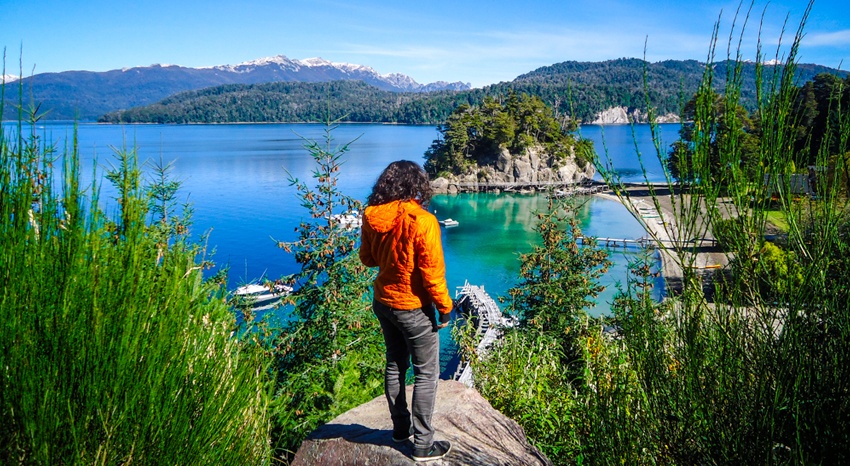
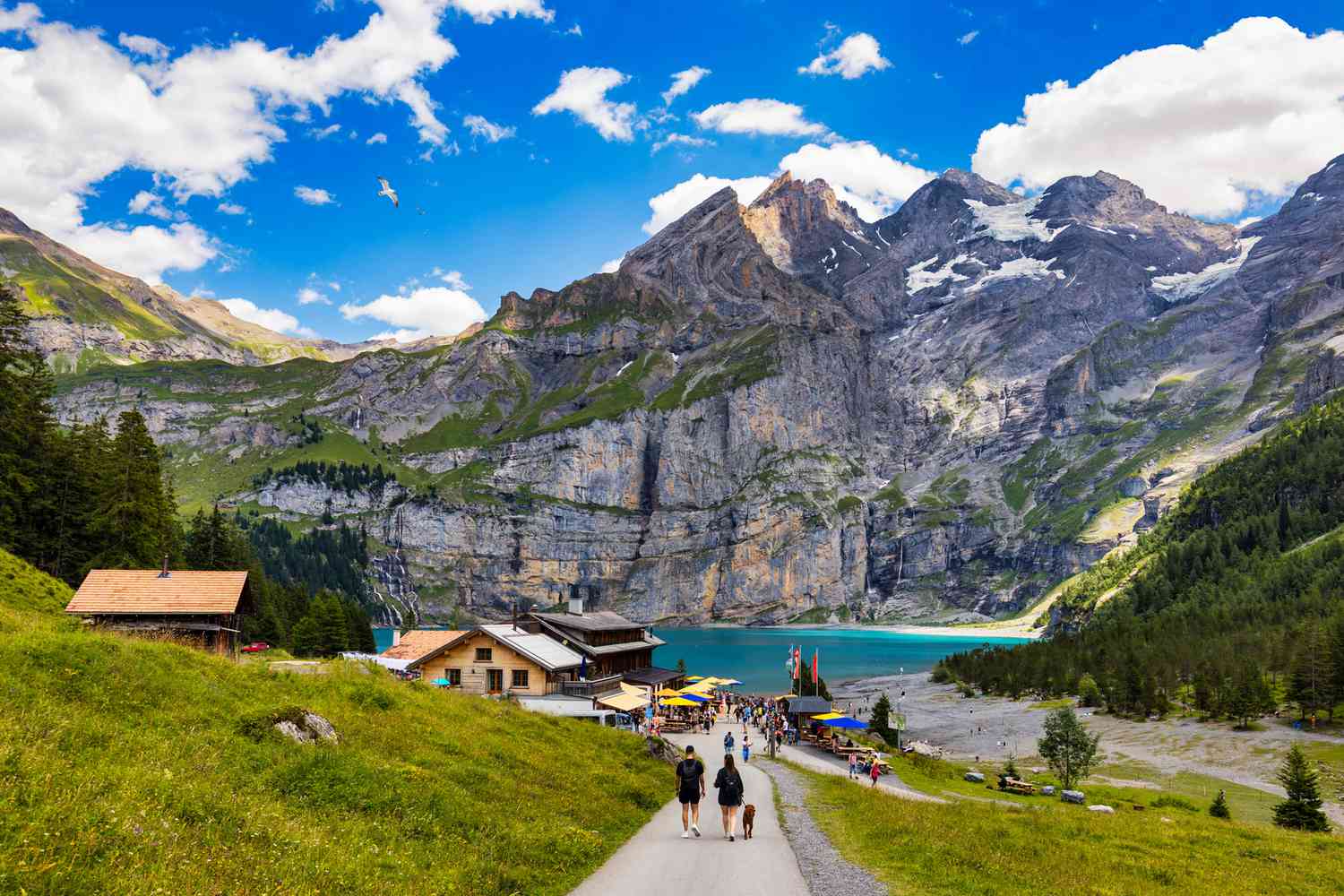
⚡ The TL;DR Verdict
For those craving dramatic, remote wilderness on a budget, Patagonia is an unbeatable choice, expecting to spend $50-100/day. If you prioritize comfort, efficient infrastructure, and pristine, easily accessible beauty, and have a budget of $150-300+/day, the Swiss Alps will deliver an unforgettable, albeit pricier, experience.
- Choose Patagonia: Go for raw, rugged adventure, vast open spaces, incredible wildlife, and a more budget-friendly backpacking experience. Ideal for serious hikers and nature photographers.
- Choose Swiss Alps: Opt for unparalleled infrastructure, pristine villages, diverse activities from skiing to paragliding, and stunning views easily accessible to all fitness levels. Perfect for a comfortable, scenic, and active European escape.
- Choose Both: If you have ample time (4+ weeks) and budget, experience both for the ultimate mountain journey. Patagonia in their summer (Nov-Mar) and Swiss Alps in their summer (Jun-Sep) or winter (Dec-Mar) offer distinct but equally breathtaking experiences.
Quick Comparison
| Category | Patagonia | Swiss Alps | Winner |
|---|---|---|---|
| Nature & Scenery | Wild, dramatic, remote glaciers, jagged peaks, vast steppes, and unique wildlife. | Iconic, picture-perfect peaks, lush valleys, turquoise lakes, and charming alpine villages. | Patagonia |
| Adventure Activities | World-class multi-day trekking, ice trekking, mountaineering, and kayaking. | Hiking, skiing, snowboarding, paragliding, canyoning, and mountain biking for all levels. | Swiss Alps |
| Costs & Budget | Significantly more affordable for accommodation, food, and activities, especially in Argentina. | One of the most expensive destinations globally for almost all aspects of travel. | Patagonia |
| Getting There | Long, multi-leg flights, often requiring domestic connections within Argentina/Chile. | Relatively straightforward flights to major European hubs with excellent onward connections. | Swiss Alps |
| Getting Around | Primarily long-distance buses; less frequent and sometimes slower connections. | World-class train, bus, and cable car network; efficient, punctual, and scenic. | Swiss Alps |
| Accommodation | Range from basic hostels and campsites to boutique hotels; booking ahead is crucial. | Luxurious hotels, charming chalets, quality hostels, and well-equipped campsites, all high-standard. | Swiss Alps |
| Weather & Seasons | Highly unpredictable, strong winds, four seasons in a day; best in austral summer (Nov-Mar). | Distinct summer and winter seasons, generally stable; highly seasonal activities. | Tie |
| Food & Drink | Hearty Patagonian lamb, delicious empanadas, craft beer, good Malbec wine. | Swiss cheese fondue, raclette, rosti, chocolate, and excellent local wines. | Swiss Alps |
| Solo Travel & Safety | Generally safe, friendly locals, but remote areas require caution; language barrier can be a minor issue. | Extremely safe, low crime rates, excellent infrastructure, easy to navigate alone. | Swiss Alps |
| Infrastructure & Comfort | Basic but functional infrastructure, focused on raw adventure; less emphasis on luxury. | Top-tier, modern infrastructure, high comfort levels, and efficient services even in remote areas. | Swiss Alps |
⛰️ Nature & Scenery
Patagonia, hands down, offers a raw, untamed grandeur that feels truly wild. From the granite spires of Torres del Paine (Chile) and Fitz Roy (Argentina) to the immense Perito Moreno Glacier, the scale is simply breathtaking. The landscapes are more varied, encompassing everything from arid steppes to subpolar forests and ice fields. Wildlife encounters with guanacos, condors, and even pumas are more common. The Swiss Alps, while undeniably stunning with their iconic peaks like the Matterhorn and Jungfrau, are often more 'manicured' and accessible, with villages nestled right into the valleys. It’s postcard-perfect, but lacks the same sense of remote wilderness. For pure, jaw-dropping natural drama that feels untouched, Patagonia wins. "Dude, seeing Fitz Roy emerge from the clouds after days of hiking felt like a spiritual experience. Nothing in Europe quite hits that raw level." The sheer variety of ecosystems and the feeling of being at the 'end of the world' make it unmatched.
Winner takeaway
- Winner: Patagonia
- Why: Patagonia's vast, untamed wilderness and dramatic, diverse landscapes offer a more profound sense of adventure and natural grandeur.
- Who this matters for: Hardcore adventurers, photographers, and those seeking true wilderness.
🥾 Adventure Activities
While Patagonia is a trekker's paradise (think W-Trek in Torres del Paine or Laguna de los Tres near El Chaltén), the Swiss Alps offer a broader and more accessible range of adventure activities for varying skill levels. In Switzerland, you can paraglide over Interlaken, go canyoning in Grindelwald, ski world-class slopes in Zermatt, or hike hundreds of well-maintained trails from easy strolls to challenging climbs. Equipment rentals are ubiquitous, and guides are readily available. Patagonia's activities are more focused on strenuous multi-day treks and mountaineering, which require significant physical preparation and commitment. While it offers incredible ice trekking on glaciers and some kayaking, the sheer diversity and ease of access to activities in Switzerland make it more appealing to a wider range of adventure seekers. "Switzerland is like an adventure playground, you can literally go from hiking to paragliding to riding a gondola up a peak all in one day without breaking a sweat, if you choose."
Winner takeaway
- Winner: Swiss Alps
- Why: The Swiss Alps offer a wider, more accessible, and diverse range of adventure activities suitable for all skill levels.
- Who this matters for: Families, casual adventurers, and those seeking varied, easily accessible thrills.
💸 Costs & Budget
This is where Patagonia truly shines for budget-conscious travelers. While flights to South America can be costly (e.g., ~$800-1500 USD from North America), once you're there, daily expenses are considerably lower. A hostel bed in El Chaltén might cost $20-30 USD (20,000-30,000 ARS), a decent meal $15-25 USD (15,000-25,000 ARS), and bus travel is affordable. National park entrance fees (e.g., Torres del Paine ~ $35-49 USD) are manageable. In contrast, Switzerland is consistently ranked among the world's most expensive countries. A basic hostel dorm in Interlaken starts at $50-70 USD (45-65 CHF), a simple restaurant meal can easily be $30-50+ USD (27-45+ CHF), and a single cable car ride to a peak like Jungfraujoch can cost over $200 USD (180 CHF). Even groceries are expensive. "I spent more on one Swiss cable car than I did on three days of food and hostels in El Chaltén. No joke." For travelers watching their wallets, Patagonia offers incredible value for an epic adventure.
Winner takeaway
- Winner: Patagonia
- Why: Patagonia offers a world-class outdoor experience at a significantly lower cost across all major travel categories.
- Who this matters for: Budget travelers, backpackers, and those looking to extend their trip duration.
✈️ Getting There
Reaching Patagonia is an expedition in itself. From North America or Europe, you're looking at 12-18+ hours of flying to Buenos Aires (EZE) or Santiago (SCL), often with a layover, followed by another 3-4 hour domestic flight to regional airports like El Calafate (FTE) or Punta Arenas (PUQ). Total travel time can easily exceed 24-36 hours. The remote nature means fewer direct options and longer journeys. For instance, NYC to El Calafate can take 20+ hours and cost $1200-2000 USD. The Swiss Alps are far more accessible. Fly into Zurich (ZRH) or Geneva (GVA) from major global cities (e.g., NYC to ZRH is ~8 hours, $600-1000 USD), and from there, a highly efficient train system will get you to most alpine villages within 2-4 hours. "Getting to Patagonia felt like a mission, changing planes three times. Switzerland was just one flight and a beautiful train ride straight into the mountains. Easy." The ease, speed, and comfort of reaching Switzerland are unparalleled.
Winner takeaway
- Winner: Swiss Alps
- Why: The Swiss Alps are significantly easier and quicker to access via major international airports and efficient public transport.
- Who this matters for: Travelers with limited time, those who dislike long-haul flights, and families.
🚌 Getting Around
Switzerland's public transportation system is legendary – it's an engineering marvel. The SBB (Swiss Federal Railways) connects virtually every town and village, even deep in the mountains, with punctual trains, postbuses, and an extensive network of cable cars and gondolas. A Swiss Travel Pass can cover most of your journeys, offering convenience and incredible scenic routes (e.g., Interlaken to Zermatt). You rarely need a car. Patagonia relies heavily on long-distance buses (e.g., from El Calafate to El Chaltén, or Puerto Natales to Torres del Paine), which are generally comfortable but less frequent and slower. Some popular trekking hubs, like the Refugios in Torres del Paine, require boat transfers. Renting a car can be expensive and roads are not always paved. "The Swiss trains are so clean and always on time, it makes getting around zero stress. In Patagonia, I was always checking bus schedules and hoping for the best." The efficiency, coverage, and sheer pleasure of Swiss public transport are unmatched.
Winner takeaway
- Winner: Swiss Alps
- Why: The Swiss Alps boast an unparalleled, highly efficient, and integrated public transport system covering trains, buses, and cable cars.
- Who this matters for: All travelers, especially those without a car, families, and those seeking convenience.
🏡 Accommodation
While both offer a range of accommodation, the Swiss Alps excel in consistent quality, variety, and comfort. You can find everything from high-end luxury hotels like the Hotel Matterhorn Focus in Zermatt to charming family-run guesthouses and spotless hostels like Balmer's Herberge in Interlaken. Campsites are immaculate and well-equipped. The standard of cleanliness and amenities is consistently high, reflecting the overall price point. Patagonia offers more rustic options, with a strong focus on hostels (e.g., Hosteria Austral in El Chaltén) and campsites, particularly for trekkers. There are some excellent boutique hotels, especially in larger towns like El Calafate, but the overall range and polished feel are not quite at the Swiss level. "Finding a clean, warm hostel in Switzerland is a given, even for cheap. In Patagonia, it's more hit or miss, and you definitely get what you pay for when it comes to comfort." For a guaranteed comfortable and high-quality stay across all budget points (relative to local costs), Switzerland takes the lead.
Winner takeaway
- Winner: Swiss Alps
- Why: The Swiss Alps offer a consistently high standard of accommodation, from luxury to budget, with excellent amenities and comfort.
- Who this matters for: Travelers prioritizing comfort, families, and those who appreciate high-quality service.
☀️ Weather & Seasons
Both regions are alpine and thus subject to changeable mountain weather, making it a tie but for different reasons. Patagonia's weather is famously unpredictable. Even in peak summer (November-March), you can experience strong winds (up to 100km/h), rain, and sunshine all in one day. Temperatures can swing wildly. This adds to the 'wild' experience but requires careful packing and flexibility. Winter (June-August) is generally too harsh for extensive trekking. The Swiss Alps have more defined seasons. Summer (June-September) offers pleasant temperatures for hiking and sunny days, though afternoon thunderstorms are common. Winter (December-March) is cold and snowy, perfect for skiing and snowboarding, with generally stable conditions. "Patagonia's wind almost blew me off a trail one day, then it was sunny and calm an hour later. Switzerland's weather is way more predictable, you know what you're getting for the season." While Patagonia's unpredictability is part of its charm for some, Switzerland offers more reliable seasonal experiences.
Winner takeaway
- Winner: Tie
- Why: Both regions present unique and challenging weather patterns tied to their distinct seasonal offerings, making predictability a trade-off for adventure.
- Who this matters for: Travelers who love dramatic weather variability (Patagonia) vs. those who prefer predictable seasonal conditions (Swiss Alps).
🍽️ Food & Drink
The Swiss Alps, while expensive, offer a delightful culinary journey focused on quality, comfort, and unique regional specialties. Think creamy fondue, gooey raclette, crispy rösti, and of course, world-famous Swiss chocolate (try Sprüngli in Zurich!). Local wines, especially from the Valais region, are excellent, and the bakeries are heavenly. While prices are high (a fondue dinner for two might be 80-100 CHF/$88-110 USD), the experience and quality are generally superb. Patagonia's food scene is more rustic but equally satisfying. Patagonian lamb (cordero al palo) is a must-try, as are empanadas, delicious beef, and hearty stews. Argentinian Malbec wines are fantastic and affordable. Craft beer scenes are growing in towns like El Chaltén. "Swiss chocolate and cheese are just next level, nothing in Patagonia compares. But man, that Patagonian lamb was incredible after a long hike." While Patagonia's food is hearty and delicious, the Swiss Alps offer a more refined and globally renowned culinary experience, especially for dairy and chocolate lovers.
Winner takeaway
- Winner: Swiss Alps
- Why: The Swiss Alps offer a more diverse, refined, and internationally renowned culinary experience with iconic dishes and high-quality local products.
- Who this matters for: Foodies, those seeking gourmet experiences, and lovers of cheese and chocolate.
🧍 Solo Travel & Safety
Both destinations are generally safe for solo travelers, but the Swiss Alps take the lead for overall ease and peace of mind. Switzerland has one of the lowest crime rates globally, and its efficient public transport makes navigating alone incredibly simple and safe, even at night. English is widely spoken in tourist areas, and help is always readily available. You can hike solo for days with very little concern beyond standard mountain safety. Patagonia is also very safe, with friendly locals, and solo trekking is common. However, the sheer remoteness in some areas means that if something goes wrong, help might be further away. Petty crime can occur in larger cities (Buenos Aires/Santiago) before reaching Patagonia, and the language barrier (Spanish) can be more pronounced outside of tourist hubs. "I felt completely secure hiking solo in the Bernese Oberland, knowing if I got lost, there'd be a mountain hut or well-marked path. Patagonia felt a bit more 'on your own' in the really remote parts, which is great, but needs more prep." For absolute ease, safety, and lack of worry, Switzerland is hard to beat for a solo adventurer.
Winner takeaway
- Winner: Swiss Alps
- Why: The Swiss Alps offer an exceptionally safe environment, highly reliable infrastructure, and minimal language barriers for solo travelers.
- Who this matters for: First-time solo travelers, women traveling alone, and those prioritizing ultimate peace of mind.
🏨 Infrastructure & Comfort
This category is a clear win for the Swiss Alps. Switzerland's infrastructure is world-renowned for its efficiency, modernity, and comfort, extending even into its most remote mountain regions. Pristine roads, impeccably clean and punctual trains, well-maintained trails, abundant potable tap water, and widespread high-speed internet are standard. You can access stunning viewpoints via cogwheel trains, gondolas, and cable cars that operate with clockwork precision. Even mountain huts are well-equipped. Patagonia's infrastructure, while improving, is more basic, reflecting its wilder nature. Roads can be unpaved, internet sporadic, and public transport less frequent. The focus is on embracing the ruggedness. While there are comforts to be found, the overall travel experience demands a higher tolerance for minor inconveniences. "In Switzerland, I felt like I was experiencing nature from a five-star hotel sometimes, everything was so smooth and comfortable. Patagonia is more like 'roughing it, but worth it'." For seamless travel and consistent comfort, the Swiss Alps are unparalleled.
Winner takeaway
- Winner: Swiss Alps
- Why: The Swiss Alps offer unparalleled, modern, and highly efficient infrastructure, ensuring comfort and accessibility even in challenging terrain.
- Who this matters for: Families with young children, elderly travelers, those with mobility concerns, and travelers who prioritize comfort.
❓ Frequently Asked Questions
When is the best time to visit Patagonia vs. Swiss Alps?
For Patagonia, the austral summer (November to March) is ideal for trekking, with longer days and milder temperatures, though winds can be fierce. For the Swiss Alps, summer (June to September) is perfect for hiking and sightseeing, while winter (December to March) offers world-class skiing and snowboarding.
Do I need to speak Spanish for Patagonia or German/French for Switzerland?
In Patagonia, basic Spanish will significantly enhance your experience, especially outside major tourist hubs. Many in tourist-facing roles speak English, but conversational Spanish helps. In Switzerland, English is widely spoken in tourist areas, particularly by younger generations. Knowing a few phrases in German, French, or Italian (depending on the region) is polite but not essential.
Is solo hiking safe in both regions?
Yes, solo hiking is generally safe in both. Switzerland's trails are exceptionally well-marked and maintained, with many hikers around. In Patagonia, trails are also well-trodden in popular areas, but the sheer remoteness means being more self-reliant; always inform someone of your plans and carry emergency gear.
What kind of clothing should I pack for these mountain destinations?
For both, pack layers! Mountain weather is unpredictable. Essential items include waterproof and windproof outer layers, warm mid-layers (fleece/down), moisture-wicking base layers, sturdy hiking boots, and sun protection. Even in summer, bring a hat and gloves for higher elevations.
Are these destinations suitable for families with young children?
The Swiss Alps are arguably more family-friendly due to their excellent infrastructure, easy accessibility via cable cars, and many kid-friendly attractions and shorter, paved walks. Patagonia can be done with older, active children, but the longer treks and more rustic conditions might be challenging for very young kids.
What's the best way to save money in the Swiss Alps?
To save money in Switzerland, utilize the excellent public transport with a Swiss Travel Pass, cook your own meals from supermarket purchases (Coop or Migros), opt for hostels or campsites, and focus on free activities like hiking rather than expensive cable car rides. Avoid eating out frequently.
Can I see glaciers easily in both regions?
Yes, but differently. In Patagonia, you can easily visit the massive Perito Moreno Glacier near El Calafate, even doing ice treks. In Switzerland, you can take a train or cable car up to see glaciers like the Aletsch Glacier from Jungfraujoch, or visit the Gorner Glacier near Zermatt, often from viewing platforms.
What's the internet and connectivity like in these areas?
Switzerland has excellent, reliable internet and mobile coverage almost everywhere, even in many mountain huts. Patagonia's connectivity is more sporadic; expect slower speeds and limited coverage in remote towns and during treks, though major towns like El Calafate usually have decent Wi-Fi in accommodations.
Ready to plan your unforgettable mountain trip?
Get a free custom itinerary for Patagonia, Swiss Alps, or both — built from real traveler insights.
🎟️ Book Tours & Experiences
Hand-picked tours and activities for both destinations — book with free cancellation
Experiences via Viator — free cancellation on most tours