How we built this comparison
This page combines traveler discussion patterns, published price ranges, flight schedules, and seasonal data to help you decide between Peloponnese and Cyclades.
- Reviewed 100+ Reddit threads from r/travel, r/Greece, r/solotravel, r/europetravel for qualitative insights.
- Verified costs and logistics against current booking platforms (Booking.com, Ferryhopper, Skyscanner, rental car sites).
- Cross-referenced seasonal patterns, weather data, and local event calendars to ensure realistic advice.
⚡ The TL;DR Verdict
For those craving authentic history, diverse landscapes, and a more budget-friendly, independent adventure, the Peloponnese is your champion, ideal for a €60-100 ($65-110) daily budget. If your dream involves iconic whitewashed villages, vibrant nightlife, and a focus on island-hopping and beaches, with a budget closer to €120-200+ ($130-220+) per day, the Cyclades will deliver that postcard-perfect Greek experience.
- Choose Peloponnese: Perfect for history buffs, nature lovers, road-trippers, and budget-conscious travelers seeking an authentic Greek experience away from the mass tourist crowds.
- Choose Cyclades: Ideal for first-timers to Greece, honeymooners, party-goers, and those prioritizing stunning beaches, iconic architecture, and a lively, social atmosphere.
- Choose Both: Combine them if you have 14+ days. Start with 5-7 days exploring the Peloponnese (e.g., Nafplio, Olympia, Monemvasia) and then fly/ferry to the Cyclades for another 7+ days (e.g., Mykonos, Santorini, Naxos) for a comprehensive Greek adventure.
Quick Comparison
| Category | Peloponnese | Cyclades | Winner |
|---|---|---|---|
| Culture & History | Unparalleled ancient sites (Olympia, Mycenae, Epidaurus), Byzantine castles, and charming historic towns. | Iconic archaeological sites (Delos, Akrotiri), traditional villages, and rich maritime history. | Peloponnese |
| Beaches & Water Activities | Diverse coastline from sandy bays (Voidokilia) to pebble coves (Stoupa), less crowded, excellent for snorkeling/diving. | Iconic sandy beaches (Elafonissi, Myrtos) with turquoise waters, popular for swimming, sunbathing, and watersports. | Cyclades |
| Costs & Budget | Generally more affordable for accommodation, food, and activities; ideal for budget-conscious travelers. | Significantly higher costs, especially in popular islands (Santorini, Mykonos) for everything from hotels to meals. | Peloponnese |
| Getting There & Around | Best explored by rental car from Athens; efficient road network, diverse scenery. | Relies on flights/ferries from Athens; island hopping by ferry is common but can be time-consuming. | Peloponnese |
| Food & Drink | Hearty, traditional Greek cuisine with strong regional specialties, excellent local wines and olive oil. | Fresh seafood, iconic island dishes, and a vibrant dining scene from casual tavernas to high-end restaurants. | Tie |
| Nightlife & Entertainment | Relaxed evenings in tavernas, local festivals, and quiet walks; no major clubbing scene. | World-famous party scene (Mykonos), vibrant bars, sunset cocktails, and diverse entertainment options. | Cyclades |
| Nature & Landscapes | Dramatic mountains (Taygetus), deep gorges (Vouraikos), lush valleys, caves, and diverse flora/fauna. | Volcanic landscapes (Santorini), unique rock formations, wind-swept hills, and stunning coastal scenery. | Peloponnese |
| Accommodation | Wide range of traditional guesthouses, charming boutique hotels, and villas; better value. | Iconic luxury hotels with caldera views, whitewashed villas, and trendy boutique stays; generally higher prices. | Peloponnese |
| Family Friendliness | Safer, more relaxed pace, educational historical sites, diverse activities for all ages, good value. | Beautiful beaches and safe swimming, but can be crowded, expensive, and some islands are party-focused. | Peloponnese |
| Solo Travel & Vibe | Independent exploration, authentic encounters, peaceful, requires self-sufficiency (car rental). | Easy to meet people, social scene, mix of party and relaxed islands, can be touristy. | Tie |
🏛️ Culture & History
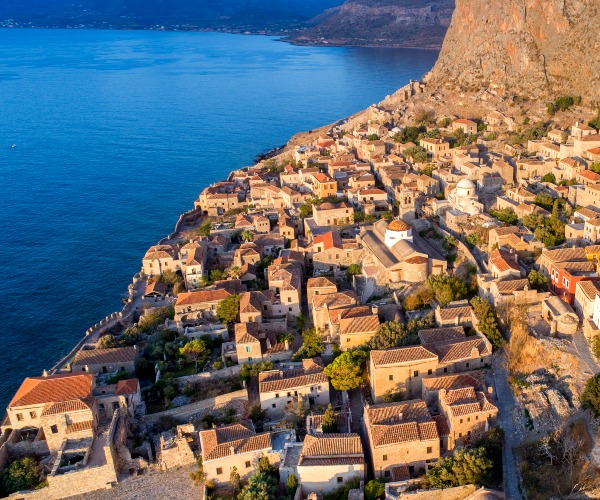
The Peloponnese is an open-air museum. You can literally walk where Olympians competed at Olympia, explore the cyclopean walls of Mycenae, or marvel at the perfect acoustics of the Epidaurus Ancient Theatre, often for an entrance fee of €12-15 ($13-16) per site. Nafplio, the first capital of Greece, offers Palamidi Fortress for €8 ($9) and charming old town strolls. Monemvasia, a medieval fortified town on a rock, feels like stepping back in time. The historical density is astounding, and it's less crowded than Athens' Acropolis. "We spent a whole week in the Peloponnese and barely scratched the surface of all the history, it was incredible and so much more authentic than I expected." The Cyclades, while having significant sites like the sacred island of Delos (accessible via boat from Mykonos for around €50-60/$55-65 including entry) and the Akrotiri archaeological site in Santorini (€15/$16), offer a more dispersed and less intense historical focus, often overshadowed by their natural beauty.
Winner takeaway
- Winner: Peloponnese
- Why: The Peloponnese boasts a higher concentration of world-class ancient and medieval historical sites, offering a deeper, more immersive journey into Greece's past.
- Who this matters for: History buffs, archaeology enthusiasts, and those seeking a profound cultural experience.
🏖️ Beaches & Water Activities
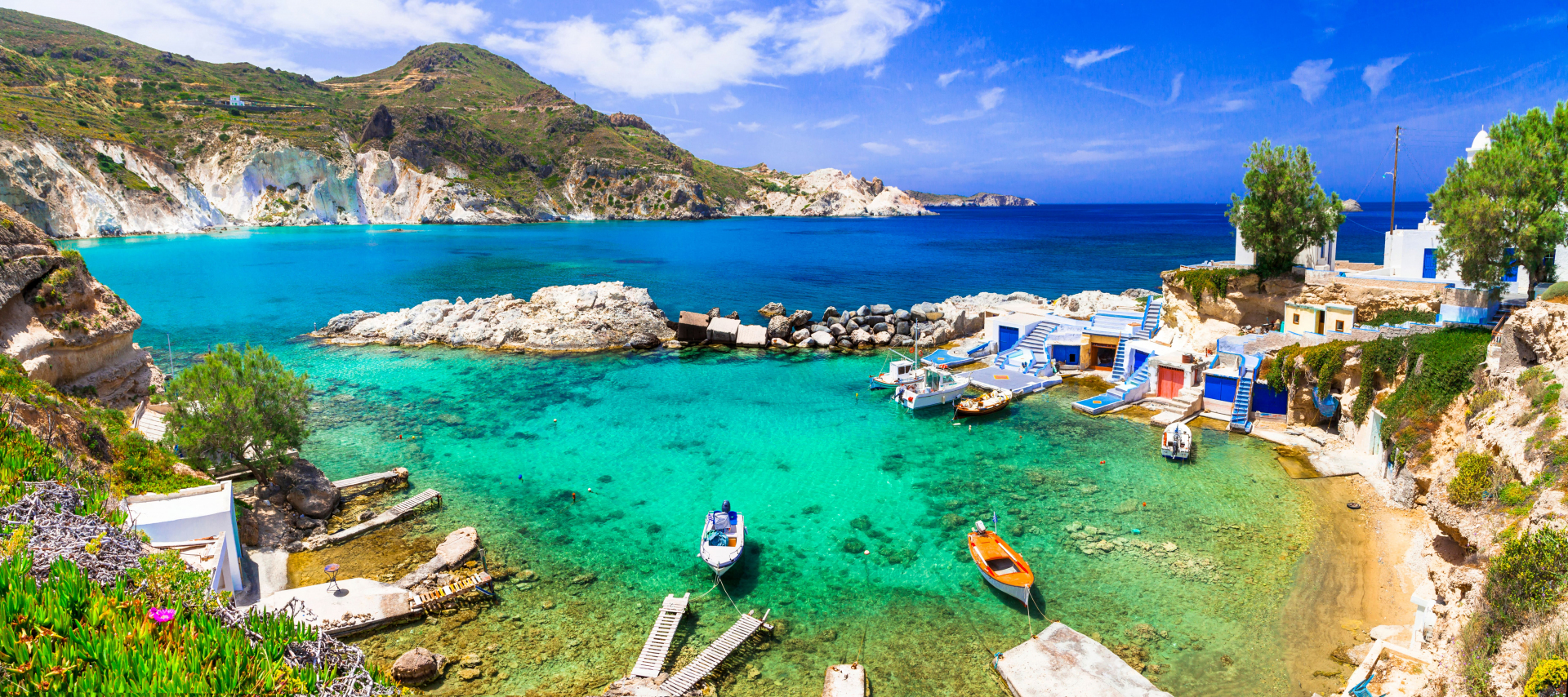
While the Peloponnese has incredible beaches like Voidokilia near Pylos, known for its omega shape, or the rugged beauty of Mani's coastline with swimming spots like Limeni, the Cyclades truly shine here. Mykonos offers lively beach clubs at Paradise and Super Paradise where sunbeds can range from €20-€60 ($22-65) for a set, while Naxos boasts long, golden stretches like Plaka and Agios Prokopios, often with more affordable sunbed options (€10-€20/$11-22). Santorini's unique volcanic beaches like Red Beach and Perissa (black sand) offer a different, dramatic experience. The water quality throughout the Cyclades is generally spectacular – crystal clear and inviting. "Honestly, nothing beats the Aegean blue in the Cyclades. We just spent days hopping from one perfect beach to another in Naxos and Paros." Watersports are more readily available and organized in the Cyclades, from windsurfing in Paros to jet-skiing in Mykonos, making it a clear win for the classic beach holiday experience.
Winner takeaway
- Winner: Cyclades
- Why: The Cyclades offer more iconic, pristine sandy beaches with stunning turquoise waters, better organized facilities, and a wider array of watersports.
- Who this matters for: Beach lovers, sun worshippers, watersports enthusiasts, and those seeking the quintessential Greek island beach experience.
💰 Costs & Budget
The Peloponnese offers excellent value. A decent meal in a taverna in Nafplio or Kalamata can cost €12-20 ($13-22), and a good Airbnb or mid-range hotel often runs €60-90 ($65-98) per night. Car rental is essential but affordable, typically €30-45 ($33-49) per day. Entrance fees to archaeological sites are modest. "We did a 10-day road trip through the Peloponnese for less than we would have spent in 4 days in Santorini, and we ate like kings!" In contrast, the Cyclades can be notoriously expensive. A standard meal in Oia, Santorini, or Mykonos Town can easily hit €30-50 ($33-55) per person. Hotels in Santorini or Mykonos often start at €150-300 ($165-330) a night, even for basic rooms, and can soar into the thousands for caldera views. Even ferry costs between islands add up quickly, with routes like Mykonos to Santorini costing €70-90 ($77-98) per person. Basic necessities like coffee or a small beer are also marked up significantly. For a similar quality of experience, expect to pay 2-3 times more in the Cyclades.
Winner takeaway
- Winner: Peloponnese
- Why: The Peloponnese offers a significantly more budget-friendly travel experience across all categories, from accommodation and food to activities and transportation.
- Who this matters for: Budget travelers, families, students, and anyone looking to maximize their travel funds without compromising on quality.
🚗 Getting There & Around
Getting to the Peloponnese is straightforward: fly into Athens (ATH), pick up a rental car at the airport (book well in advance for best rates, around €30-45/$33-49 per day for an economy car), and drive. The roads are generally good, with a well-maintained highway system (toll roads, e.g., Athens to Nafplio is about €7-10/$8-11 in tolls and 1.5-2 hours drive). Having a car offers immense freedom to explore hidden villages and remote beaches. "Driving through the Peloponnese was so easy, and we loved the freedom to just stop wherever we wanted for photos or a quick swim." The Cyclades, on the other hand, require more logistical planning. You'll either fly from Athens to an island with an airport (Mykonos, Santorini, Naxos, Paros, Milos) or take a ferry. Flights are quick (40-60 mins) but can be pricey (€80-150+/$88-165+). Ferries are the classic island-hopping method, ranging from fast catamarans (2-5 hours, €40-90/$44-98) to slower car ferries (4-8+ hours, €25-50/$27-55). Once on an island, you might need ATVs, scooters, or local buses, which can be less convenient than having your own car.
Winner takeaway
- Winner: Peloponnese
- Why: The Peloponnese offers simpler, more flexible transportation with a rental car, allowing for spontaneous exploration and deeper immersion.
- Who this matters for: Independent travelers, road-trippers, and those who value the freedom and convenience of having their own vehicle.
🍷 Food & Drink
This is a tough one, as both offer incredible culinary experiences, just different flavors. The Peloponnese excels in traditional, rustic, and incredibly flavorful cuisine. Think succulent slow-cooked lamb in Mystras, Kalamata olives and olive oil (the best in the world!), local cheeses like sfela from Messinia, and fantastic regional wines from Nemea. Portions are generous, and prices are excellent. Look for 'magirefta' (cooked dishes) in local tavernas like those in Kardamyli or Dimitsana for an authentic taste. "Every meal in the Peloponnese felt like home cooking, so fresh and wholesome." The Cyclades, naturally, boast an abundance of fresh seafood, often caught that day, alongside island-specific specialties like fava (split pea dip) in Santorini, caper salad in Sifnos, or different types of cheese. The dining scene is more varied, from charming, casual seaside tavernas to Michelin-starred restaurants in Santorini, catering to all tastes and budgets. While pricier, the quality can be outstanding. Both regions offer fantastic local wines and spirits like ouzo or tsipouro.
Winner takeaway
- Winner: Tie
- Why: Both regions offer unique and exceptional culinary experiences, with the Peloponnese excelling in traditional, hearty dishes and the Cyclades in fresh seafood and diverse dining options.
- Who this matters for: Foodies will find delight in both, depending on whether they prefer rustic authenticity or fresh seafood and upscale dining.
💃 Nightlife & Entertainment
If you're looking for vibrant nightlife, the Cyclades are the undisputed champion. Mykonos is globally renowned for its beach clubs (e.g., Cavo Paradiso, Scorpios) and bars in Mykonos Town, with parties often lasting until sunrise. Drinks can be expensive, with cocktails often €15-20 ($16-22). Santorini offers a more sophisticated evening, focused on sunset views with cocktails, particularly in Oia and Fira, where bars line the caldera. Paros and Ios also offer lively bar scenes appealing to younger crowds. "We went to Mykonos specifically for the nightlife, and it absolutely delivered! Expensive, but unforgettable." The Peloponnese, in contrast, offers a much more laid-back evening experience. You'll find charming tavernas with live traditional music (often bouzouki), cozy wine bars in towns like Nafplio, and evening strolls along promenades. While there are local bars, the focus is on good food, conversation, and a relaxed atmosphere rather than clubbing. It's perfect for a quiet, authentic Greek evening.
Winner takeaway
- Winner: Cyclades
- Why: The Cyclades offer a much more vibrant and diverse nightlife, from world-famous clubs to sophisticated cocktail bars with stunning views.
- Who this matters for: Party-goers, social butterflies, and those who want lively evenings and a chance to dance.
⛰️ Nature & Landscapes
The Peloponnese offers an incredible diversity of landscapes. You can hike the dramatic Taygetus mountains, explore the breathtaking Diros Caves (€15/$16 entry), raft down the Lousios River, or traverse the deep Vouraikos Gorge by the historic Odontotos rack railway (€9.50/$10.50 one-way). The Mani Peninsula is rugged and wild, with stone tower houses and a dramatic coastline. The region is green and lush in many parts, especially in spring, with olive groves, citrus orchards, and cypress trees dominating the scenery. "The Peloponnese blew me away with its natural beauty – mountains, rivers, caves, and that wild Mani coast. So much more than just ancient ruins!" The Cyclades, while beautiful, have a more arid, wind-swept appearance, characterized by volcanic rock (Santorini's caldera views are iconic), golden beaches, and dramatic sea cliffs. Islands like Milos offer unique volcanic rock formations (Sarakiniko beach) and sea caves (Kleftiko), which are truly stunning. However, the sheer variety of ecosystems and the scale of natural attractions in the Peloponnese give it the edge for outdoor adventurers.
Winner takeaway
- Winner: Peloponnese
- Why: The Peloponnese provides a far greater diversity of natural landscapes, from towering mountains and deep gorges to lush valleys and impressive cave systems.
- Who this matters for: Hikers, nature photographers, adventure seekers, and those who appreciate varied natural beauty beyond just beaches.
🏨 Accommodation
Accommodation in the Peloponnese offers excellent value and a more authentic feel. You can find charming guesthouses in stone villages like Mystras for €50-80 ($55-88) a night, boutique hotels in Nafplio with sea views for €80-120 ($88-132), or even rent an entire traditional villa in the Mani Peninsula for reasonable rates. Options range from rustic to luxurious, but even luxury is more accessible. For example, a stay at Kinsterna Hotel & Spa near Monemvasia, a truly unique Byzantine fortress hotel, might cost €250-400 ($275-440) per night, which would barely get you a standard room in a prime Cycladic location. "We stayed in this incredible guesthouse in Dimitsana for like €70 a night, with breakfast, and it felt so genuinely Greek and cozy." In the Cyclades, the focus is often on unique, high-end experiences, especially in Santorini and Mykonos. Iconic cave hotels with private plunge pools overlooking the caldera can easily run €400-1000+ ($440-1100+) per night. Even more modest hotels or Airbnbs in popular areas often exceed €150-250 ($165-275). While beautiful, the price point can be a significant barrier for many travelers.
Winner takeaway
- Winner: Peloponnese
- Why: The Peloponnese offers more affordable, diverse, and authentic accommodation options that provide better value for money, often in historically rich settings.
- Who this matters for: Budget-conscious travelers, those seeking authentic guesthouses, and anyone wanting more space or luxury for less money.
👨👩👧👦 Family Friendliness
For families, the Peloponnese is a fantastic choice. The region offers a more relaxed pace, less crowded attractions, and a greater variety of activities that appeal to different age groups. Kids can run freely at archaeological sites like Olympia, explore castles in Mystras, or enjoy hiking. The beaches are generally calmer and less developed, perfect for safe swimming. Accommodation often includes larger apartments or villas that are more budget-friendly. Eating out is easier and more affordable. "Our kids loved exploring the castles and playing on the quiet beaches in the Peloponnese; it felt so safe and welcoming." The Cyclades can be family-friendly, particularly islands like Naxos, Paros, or Milos, which have excellent sandy beaches and more gentle tourism. However, the high costs, crowds, and the often-steep terrain of islands like Santorini can be challenging with small children. Islands like Mykonos are explicitly geared towards adult nightlife, making them less suitable for families. Getting around with strollers on cobblestone streets can also be a hassle.
Winner takeaway
- Winner: Peloponnese
- Why: The Peloponnese offers a more relaxed, budget-friendly, and diverse family vacation with educational sites and fewer crowds, making it ideal for all ages.
- Who this matters for: Families with children of all ages, those seeking a multi-generational trip, and travelers prioritizing safety and value.
🚶♀️ Solo Travel & Vibe
This category really depends on a solo traveler's preference. The Peloponnese offers a fantastic experience for the independent, adventurous solo traveler who enjoys self-driving and exploring off-the-beaten-path. You'll have deeper, more authentic interactions with locals in tavernas or small villages. It's safe and peaceful, but you'll need to be comfortable navigating alone. "I rented a car and had the most incredible solo adventure in the Peloponnese, felt totally safe and loved the freedom to just wander." The vibe is more introspective and authentic. The Cyclades, conversely, are excellent for solo travelers looking to socialize and meet other travelers. Islands like Mykonos, Paros, and Ios have a very active social scene, with hostels, group activities, and readily available tours. Santorini is popular for honeymooners, but solo travelers can still find plenty to do and meet others. The convenience of ferries for island hopping and organized tours makes it easy to connect, though it can feel more tourist-centric. It caters well to those seeking a mix of relaxation and social opportunities without needing a car.
Winner takeaway
- Winner: Tie
- Why: Both regions offer excellent but different solo travel experiences: the Peloponnese for independent, authentic exploration, and the Cyclades for social interaction and ease of meeting others.
- Who this matters for: Depends on the solo traveler's style: adventurous and independent will love Peloponnese; social and seeking ease will love Cyclades.
❓ Frequently Asked Questions
Which is better for a first-time visitor to Greece?
For a classic, postcard-perfect Greek experience with iconic whitewashed villages and stunning beaches, the Cyclades are often recommended for first-timers. However, if you prioritize deep history, diverse landscapes, and a more authentic, less touristy feel, the Peloponnese offers an equally rewarding, albeit different, introduction to Greece.
What's the best time of year to visit each region?
For both, shoulder seasons (April-May and September-October) are ideal, offering pleasant weather, fewer crowds, and better prices. Summer (June-August) is peak season in the Cyclades, meaning higher prices and intense crowds. The Peloponnese is enjoyable year-round, with lush springs and mild winters, making it a great option outside of peak beach season.
Do I need to rent a car in both regions?
A rental car is highly recommended, almost essential, for exploring the Peloponnese to truly appreciate its diverse sites and landscapes. In the Cyclades, a car can be useful on larger islands like Naxos or Crete, but on smaller islands or popular ones like Santorini/Mykonos, ATVs, scooters, local buses, or taxis are often sufficient or preferred due to narrow roads and parking challenges.
Is island hopping a good idea from the Peloponnese?
While the Peloponnese itself isn't traditionally part of the Cycladic island-hopping circuit, you can easily access some islands from its eastern coast. For instance, hydra and Spetses (Saronic Islands) are a short ferry ride from Ermioni or Porto Heli, offering a taste of island life without venturing into the Cyclades proper.
Which region is better for luxury travel?
The Cyclades, particularly Santorini and Mykonos, are world-renowned for their luxury offerings, from five-star cave hotels with private pools to exclusive beach clubs and fine dining. While the Peloponnese has fantastic luxury options (e.g., Amanzoe, Kinsterna Hotel), the Cyclades have a higher concentration and a more established reputation for high-end, aspirational travel.
Are there good hiking opportunities in both regions?
Absolutely! The Peloponnese is a hiker's paradise, with trails ranging from the challenging Menalon Trail in Arcadia to scenic coastal walks in Mani. The Cyclades also offer excellent hiking, particularly on islands like Amorgos, Sifnos, or Naxos, with ancient paths connecting villages and stunning sea views. Both provide rewarding experiences for walkers.
What's the difference in typical tourist crowds?
The Cyclades, especially Santorini and Mykonos, experience significant tourist crowds, particularly during peak summer months, with cruise ship passengers often swelling popular areas. The Peloponnese, while popular, generally sees fewer international mass tourists, offering a more spread-out and authentic experience even in peak season, making it feel less crowded overall.
Can I find direct flights to either region from major European cities?
Yes, many major European cities offer direct flights to Athens (ATH), which is the primary gateway for both regions. From Athens, you can either rent a car for the Peloponnese or take a domestic flight/ferry to various Cycladic islands (e.g., Mykonos, Santorini, Naxos). Some Cycladic islands also have direct seasonal flights from other European cities, but Athens remains the most reliable hub.
Ready to plan your unforgettable Greek adventure?
Get a free custom itinerary for Peloponnese, Cyclades, or both — built from real traveler insights, tailored to your budget and style.
🎟️ Book Tours & Experiences
Hand-picked tours and activities for both destinations — book with free cancellation
Experiences via Viator — free cancellation on most tours