How we built this comparison
This page combines traveler discussion patterns, published price ranges, flight schedules, and seasonal data to help you decide between Pemba and Zanzibar.
- Reviewed 70+ Reddit threads from r/travel, r/solotravel, r/Tanzania, and r/backpacking for authentic traveler experiences and tips.
- Verified costs and logistics against current booking platforms (e.g., Skyscanner, Google Flights, local ferry websites, major hotel chains).
- Cross-referenced seasonal patterns, weather data, and dive site conditions with reputable travel guides and local operators.
⚡ The TL;DR Verdict
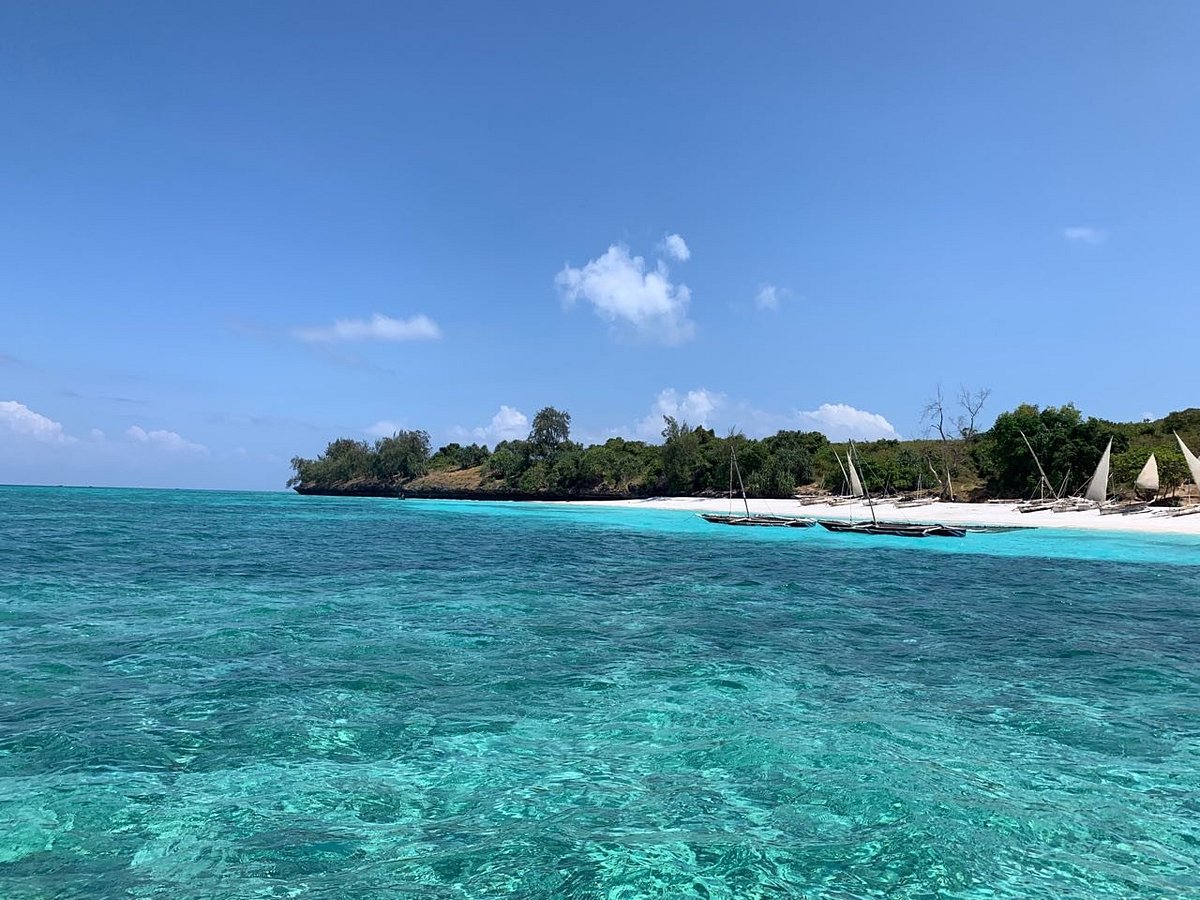
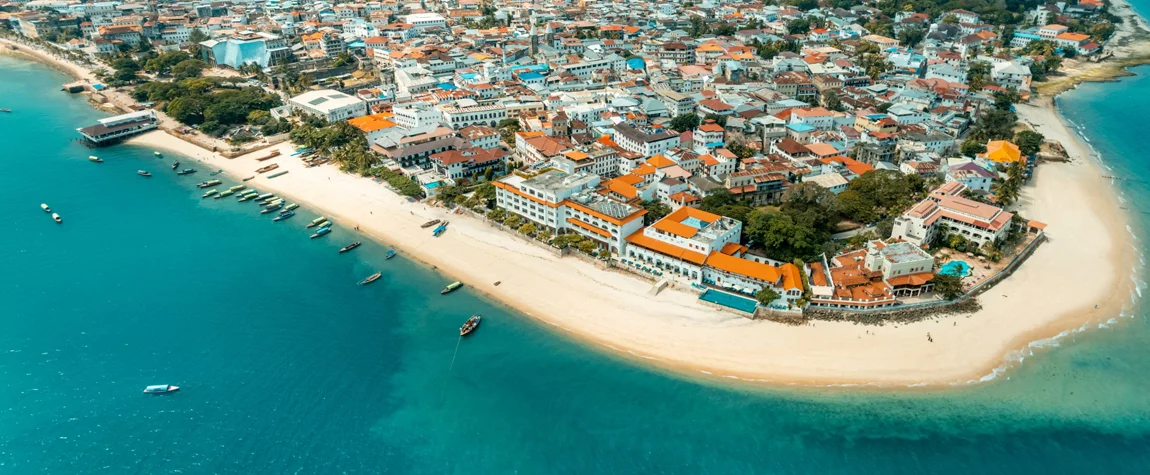
For those craving untouched nature, unparalleled diving, and a truly authentic, quiet escape, Pemba is your soulmate, budgeting around $70-150 USD/day. If you're after a lively mix of history, stunning beaches, diverse dining, and more developed tourism infrastructure, Zanzibar beckons, with daily budgets from $50-200+ USD depending on your style.
- Choose Pemba: Go here if you're a diver, a nature enthusiast, or seeking profound tranquility away from crowds, valuing authenticity over convenience.
- Choose Zanzibar: Pick Zanzibar for its historical charm, varied beaches, vibrant nightlife, easier access, and a wider range of activities and accommodation options.
- Choose Both: Consider doing both if you have 10-14 days; start with Zanzibar for a few days of buzz and history, then unwind in Pemba for a truly secluded experience.
Quick Comparison
| Category | Pemba | Zanzibar | Winner |
|---|---|---|---|
| Beaches & Relaxation | Wild, untouched beaches; often empty. Perfect for solitude and natural beauty. Less infrastructure. | Iconic, picture-postcard beaches like Nungwi and Kendwa; more developed with resorts and activities. Can get crowded. | Tie |
| Culture & History | More traditional Swahili life; less tourist-oriented historical sites. Authentic local interactions. | Stone Town (UNESCO World Heritage site) is a cultural masterpiece. Rich history of trade, sultans, and spice. Tourist-friendly. | |
| Costs & Budget | Flights can be pricier due to fewer options, but local food and transport are cheaper. Mid-range accommodation is limited. | More flight options, competitive hotel market. Street food is cheap, but tourist restaurants and activities can add up. | Pemba |
| Accommodation | Limited options, mostly basic guesthouses or a few high-end eco-lodges. Remote and peaceful. | Vast array from budget hostels to boutique hotels and luxury resorts across various price points and styles. | |
| Food Scene | Authentic local Swahili cuisine; fresh seafood. Limited variety in tourist-oriented restaurants. | Diverse culinary landscape: street food, traditional Swahili, Indian, Italian, and international restaurants. Lively night markets. | |
| Nightlife & Entertainment | Virtually non-existent outside of resort bars. Peaceful, quiet evenings. | Lively beach bars, full moon parties, live music in Nungwi, Kendwa, and Paje. More developed social scene. | |
| Getting There & Around | Fewer flight options, limited ferries. Getting around requires private transport or local daladalas. | Multiple daily flights, frequent fast ferries from Dar es Salaam. Well-established taxi network, many tour operators. | |
| Nature & Activities | Exceptional diving and snorkeling, pristine coral reefs, lush spice farms, mangrove forests. Untamed nature. | Spice tours, Jozani Forest (red colobus monkeys), Prison Island (giant tortoises), snorkeling, diving (more touristy). | Pemba |
| Authenticity & Crowds | Extremely authentic, minimal tourist infrastructure, genuine local interactions. Very few crowds. | Authentic in Stone Town, but many beach areas are heavily tourist-oriented. Can be very crowded, especially Nungwi/Kendwa. | Pemba |
| Safety & Local Etiquette | Very safe, low crime rates. Locals are conservative; dress modestly. | Generally safe, but petty crime (theft, scams) is more common in tourist areas. Modest dress required, especially in Stone Town. | Pemba |
🏖️ Beaches & Relaxation
When it comes to pure, unadulterated natural beauty and solitude, Pemba’s beaches, particularly around Vumawimbi or Fundu Lagoon, are truly breathtaking. You'll find long stretches of white sand with absolutely no one else in sight, making it ideal for quiet reflection or an intimate stroll. However, they often lack the immediate accessibility and amenities found on Zanzibar. Zanzibar, on the other hand, boasts world-famous spots like Nungwi and Kendwa with their vibrant turquoise waters and soft sand, perfect for swimming and sunbathing, often backed by beach bars and resorts. While beautiful, they can be bustling, especially during peak season. Matemwe offers a slightly quieter alternative on Zanzibar's east coast, known for its diving and kiting. For sheer postcard perfection with infrastructure, Zanzibar wins; for raw, untouched tranquility, Pemba is unmatched. "Pemba's beaches felt like I had discovered a secret island. No hawkers, just peace and incredible sunsets." - u/DiveGuy86
Winner takeaway
- Winner: Tie
- Why: It's a tie because they offer different kinds of beach experiences: Pemba for solitude, Zanzibar for vibrancy and amenities.
- Who this matters for: Matters for everyone, depending on whether you seek lively social beaches or serene, empty shores.
📜 Culture & History
Zanzibar truly shines in this category, primarily due to Stone Town, a UNESCO World Heritage site. Its labyrinthine alleys, historic buildings, bustling markets, and grand doors tell tales of Omani sultans, slave trade, and spice empires. You can easily spend days exploring the House of Wonders, the Old Fort, the Forodhani Gardens night market, and various museums. Guides are readily available for about TZS 30,000-50,000 (around $12-20 USD). Pemba, while having its own authentic Swahili culture, is less about grand historical sites and more about observing daily life in towns like Chake Chake or Mkoani. You'll experience traditional markets and local fishing villages, but without the developed tourism infrastructure around specific historical landmarks. "Stone Town felt like stepping back in time, every corner had a story. Pemba felt more like daily life, less of a 'museum'." - u/Traveler_Explorer
Winner takeaway
- Winner: Zanzibar
- Why: Zanzibar's Stone Town offers a globally recognized, rich historical and cultural experience with extensive infrastructure for visitors.
- Who this matters for: History buffs, culture seekers, and those interested in diverse heritage.
💰 Costs & Budget
This is a nuanced category. Getting to Pemba can be more expensive; a return flight from Dar es Salaam often costs TZS 350,000-500,000 ($140-200 USD), compared to Zanzibar's TZS 200,000-350,000 ($80-140 USD). However, once on Pemba, local life is significantly cheaper. A delicious local meal might cost TZS 5,000-10,000 ($2-4 USD), and daladala rides are TZS 1,000-3,000 ($0.40-1.20 USD). Mid-range accommodation is scarce, often jumping from budget guesthouses (TZS 40,000-70,000 / $16-28 USD) straight to luxury resorts like Fundu Lagoon (starting $500+ USD). Zanzibar offers a wider range: hostels for TZS 25,000 ($10 USD), mid-range hotels for TZS 80,000-200,000 ($32-80 USD), and luxury options. While Zanzibar has cheaper flights, the sheer volume of tourist-priced activities, restaurants, and tours often makes the daily spend higher. A spice tour in Zanzibar might be TZS 25,000 ($10 USD), but you'll be constantly tempted by pricier excursions. "Pemba felt truly budget-friendly once I was there, but the flight nearly broke my bank. Zanzibar was easier to get to, but harder to keep costs down once you factor in all the tours." - u/BackpackerBlues
Winner takeaway
- Winner: Pemba
- Why: Pemba wins for overall daily operational costs and local immersion on a budget, despite higher initial transport to the island.
- Who this matters for: Budget travelers and those who prioritize authentic local experiences over tourist amenities.
🏨 Accommodation
Zanzibar is a clear winner here, offering an incredibly diverse range of accommodation to suit every budget and style. In Stone Town, you can find charming boutique hotels like Emerson Spice (starting $150-250 USD) or budget-friendly hostels for TZS 25,000-50,000 ($10-20 USD). Along the beaches of Nungwi, Kendwa, and Paje, options range from lively backpacker hostels (e.g., New Teddy's Place) to mid-range bungalows (TZS 100,000-250,000 / $40-100 USD) and sprawling luxury resorts (e.g., Zuri Zanzibar, starting $400+ USD). Pemba, by contrast, has very few options. You'll find basic guesthouses in towns like Chake Chake (TZS 40,000-70,000 / $16-28 USD) or the occasional mid-range local hotel, but the main draws are the highly exclusive, expensive eco-lodges like Fundu Lagoon (often $500-1000+ USD per night, all-inclusive) or the Manta Resort, famous for its underwater room (starts $1500+ USD). There's a significant gap in the middle. "Finding a decent mid-range hotel in Pemba was tough, it was either super basic or super luxury. Zanzibar had so many great choices." - u/HappyTraveler22
Winner takeaway
- Winner: Zanzibar
- Why: Zanzibar offers a far greater variety of accommodation across all price points, catering to diverse traveler needs.
- Who this matters for: Travelers with specific budget or style preferences, from backpackers to luxury seekers.
🍽️ Food Scene
Zanzibar's food scene is a vibrant tapestry, especially in Stone Town and the popular beach areas. The Forodhani Gardens night market in Stone Town is an absolute must-visit, offering an array of local grilled seafood, Zanzibar pizza, sugarcane juice, and samosas for TZS 2,000-10,000 ($0.80-4 USD) per item. Beyond the market, you'll find charming rooftop restaurants like Emerson Spice Tea House Restaurant (dinner starts at TZS 70,000-120,000 / $28-48 USD) offering exquisite Swahili fusion, along with numerous Italian, Indian, and other international eateries. On the beaches, fresh seafood BBQs are ubiquitous. Pemba offers incredibly fresh, simple, and authentic Swahili food, particularly seafood caught that day, often for very low prices (TZS 5,000-15,000 / $2-6 USD for a full meal). However, the choice of restaurants catering to tourists is extremely limited, mostly confined to the few high-end resorts. Outside of these, you'll be eating at local 'hoteli' (small local eateries). "Zanzibar's food scene was incredible, especially the street food in Stone Town. Pemba's food was fresh and local, but not as much variety." - u/FoodieWanderer
Winner takeaway
- Winner: Zanzibar
- Why: Zanzibar boasts a far more diverse and developed food scene, ranging from vibrant street food to fine dining, with more international options.
- Who this matters for: Foodies, those who enjoy culinary exploration, and travelers seeking diverse dining options.
🕺 Nightlife & Entertainment
If you're looking for any semblance of nightlife, Zanzibar is the only option. The northern beaches of Nungwi and Kendwa are famous for their vibrant beach bars, sunset dhow cruises with music, and occasional full moon parties. Places like Gerry's Bar in Nungwi or the various establishments along Kendwa beach offer cocktails (TZS 10,000-25,000 / $4-10 USD) and music well into the night. Paje, on the east coast, is also known for its kiteboarding scene and associated relaxed beach bars. Stone Town has a few quiet bars and rooftop lounges, but the real party is on the coast. Pemba, in stark contrast, is exceptionally quiet. Nightlife is almost non-existent beyond the occasional bar at one of the few high-end resorts, and even those are typically very subdued. Evenings are best spent stargazing, enjoying a quiet dinner, or simply listening to the sounds of nature. "Zanzibar's beach parties were so much fun, especially in Kendwa. Pemba was dead silent after dark, which was great for relaxing but not for partying." - u/PartyAnimalAbroad
Winner takeaway
- Winner: Zanzibar
- Why: Zanzibar offers a lively and diverse nightlife, especially on its popular beaches, catering to those seeking social evenings and entertainment.
- Who this matters for: Younger travelers, solo travelers looking to socialize, and anyone who enjoys evening entertainment and parties.
✈️ Getting There & Around
Zanzibar is significantly easier to access and navigate. Numerous airlines like Coastal Aviation, Auric Air, and Precision Air offer multiple daily flights from Dar es Salaam (30-minute flight, TZS 200,000-350,000 / $80-140 USD). Fast ferries like Azam Marine also run multiple times a day from Dar es Salaam to Stone Town (TZS 35,000 / $14 USD for economy, 2 hours). Once there, a robust network of taxis (negotiate hard!), daladalas (local minibuses, very cheap, TZS 1,000-4,000 / $0.40-1.60 USD per trip), and ride-hailing apps (like Bolt) makes getting around straightforward. Pemba has fewer flights, primarily from Dar es Salaam and Zanzibar, often just one or two small planes daily (45-minute flight from Zanzibar, TZS 180,000-250,000 / $70-100 USD; 45-minute flight from Dar, TZS 350,000-500,000 / $140-200 USD). Ferries are less frequent and often slower/less comfortable. On Pemba, getting around usually means hiring a private taxi (can be expensive, TZS 50,000-100,000 / $20-40 USD for inter-town trips) or relying on local daladalas, which are infrequent outside main towns. "Getting to Zanzibar was a breeze, and I could easily grab a Bolt or daladala anywhere. Pemba felt much more isolated, I had to pre-arrange everything." - u/IsolatedNomad
Winner takeaway
- Winner: Zanzibar
- Why: Zanzibar offers more frequent, affordable, and varied transport options for both arrival and getting around the island.
- Who this matters for: Travelers on a tighter schedule, those seeking convenience, and anyone who prefers readily available transport.
🌴 Nature & Activities
Pemba is a diver's paradise, boasting some of the healthiest and most vibrant coral reefs in the Indian Ocean. Sites like Misali Island Marine Park offer incredible visibility and abundant marine life, including untouched corals, turtles, and diverse fish species. Diving costs around $50-70 USD per dive, slightly more than Zanzibar but often for a superior experience. Pemba also has dense clove and spice plantations (often more authentic than Zanzibar's tours), lush mangrove forests, and the Ngezi Forest Reserve, home to endemic primate species. It offers a truly wilder, more pristine natural experience. Zanzibar has its highlights: the Jozani Forest is home to the endangered red colobus monkeys, and Prison Island offers giant tortoises. Snorkeling and diving are popular around Mnemba Atoll (snorkeling tour around TZS 50,000-80,000 / $20-32 USD, diving $45-60 USD per dive), but the reefs are generally more heavily trafficked and less pristine than Pemba's. "The diving in Pemba was mind-blowing, genuinely untouched reefs. Zanzibar's diving was good, but felt a bit crowded." - u/DeepBlueDiver
Winner takeaway
- Winner: Pemba
- Why: Pemba offers a more pristine and less crowded natural environment, especially for world-class diving and untouched landscapes.
- Who this matters for: Divers, snorkelers, eco-tourists, and anyone seeking unspoiled natural beauty and wildlife encounters.
🤫 Authenticity & Crowds
Pemba is unequivocally more authentic. It remains largely undiscovered by mass tourism, meaning you'll experience genuine Zanzibari island life. Interactions with locals are more organic, and there's little to no tourist touting. The towns like Chake Chake and Mkoani function as real working towns, not tourist hubs. You'll encounter very few other foreign visitors, offering a profound sense of peace and discovery. Zanzibar, while retaining pockets of authenticity (especially deep within Stone Town's residential areas or lesser-known villages), is largely a well-oiled tourist machine. The popular beaches like Nungwi and Kendwa can be very crowded, especially during peak season, with numerous hawkers and a more commercialized atmosphere. Even popular tours like the Spice Tour or Prison Island can feel a bit staged. "Pemba felt like the 'real' Zanzibar, before all the tourists arrived. I barely saw other foreigners. Zanzibar was beautiful but definitely felt like a tourist destination." - u/AuthenticitySeeker
Winner takeaway
- Winner: Pemba
- Why: Pemba offers a truly authentic, untouristed experience with genuine local interactions and minimal crowds.
- Who this matters for: Travelers seeking deep cultural immersion, solitude, and escaping mass tourism.
🛡️ Safety & Local Etiquette
Both islands are generally safe for tourists, but Pemba feels markedly safer due to its extremely low tourist traffic and close-knit communities. Petty crime, such as bag snatching or pickpocketing, is virtually non-existent. Locals are hospitable and curious. As with all of Zanzibar, it is a predominantly Muslim island, so dressing modestly (shoulders and knees covered, especially outside of resort areas) is essential in both locations, but particularly important in Pemba where visitors are less common and local customs are strictly observed. In Zanzibar, while violent crime is rare, petty theft and scams (e.g., overcharging for taxis, persistent touts) are more prevalent, especially in busy tourist areas like Stone Town and the popular beaches. It's advisable to be more vigilant with your belongings and aware of your surroundings in Zanzibar. Always negotiate taxi prices upfront. "I felt incredibly safe walking around Pemba, even at night. In Zanzibar, I was a bit more on guard for scams or petty theft, especially in Stone Town." - u/SoloFemaleTraveler
Winner takeaway
- Winner: Pemba
- Why: Pemba offers a higher sense of personal safety and less exposure to petty crime due to its untouristed nature.
- Who this matters for: Solo travelers, families, and anyone prioritizing a very relaxed and secure environment.
❓ Frequently Asked Questions
Is Pemba Island worth visiting?
Absolutely, if you are seeking pristine nature, world-class diving, and an escape from mass tourism. Pemba offers an authentic, untamed East African island experience that is increasingly rare to find. It's perfect for those who value tranquility and genuine cultural immersion.
How do you get to Pemba Island?
The easiest way is by small plane from Dar es Salaam or Zanzibar; flights are typically 30-45 minutes and cost $70-200 USD. There are also less frequent and slower ferries from Dar es Salaam and Zanzibar, which are cheaper but less reliable and comfortable.
What is Pemba Island famous for?
Pemba is renowned for its exceptional diving and snorkeling, with some of the healthiest coral reefs in the Indian Ocean. It's also famous for its clove plantations, earning it the nickname 'The Green Island,' and for its deep-sea fishing opportunities. It's truly a diver's and nature lover's paradise.
Is Zanzibar too touristy?
Some popular areas like Nungwi, Kendwa, and parts of Stone Town can feel quite touristy, especially during peak season. However, Zanzibar is a large island, and it's still possible to find quieter beaches (e.g., Matemwe, Jambiani) and experience authentic local life, particularly away from the main resorts.
What's the best time of year to visit Pemba or Zanzibar?
The dry seasons, from June to October and December to February, offer the best weather with less humidity and clear skies, ideal for beach activities and diving. Avoid the long rainy season from March to May, when heavy downpours can occur.
Can I easily travel between Pemba and Zanzibar?
Yes, several small airlines offer daily flights between Zanzibar (ZNZ) and Pemba (PMA), typically taking about 45 minutes. These flights usually cost between $70-100 USD one-way. Ferry services are also available but are less frequent and often take longer.
Are Pemba and Zanzibar good for solo female travelers?
Both islands are generally safe, but common sense and local cultural awareness are key. Pemba, being less touristy, offers a very relaxed and secure atmosphere. In Zanzibar, especially Stone Town and busier beaches, be aware of petty crime and persistent touts, and dress modestly to respect local customs.
What currency is used in Pemba and Zanzibar?
The local currency is the Tanzanian Shilling (TZS). US Dollars are also widely accepted, especially in tourist establishments like hotels and tour operators. It's advisable to carry a mix of both currencies and small denominations for local purchases and tips.
Ready to plan your Tanzanian island trip?
Get a free custom itinerary for Pemba, Zanzibar, or both — built from real traveler insights and tailored to your preferences.
🎟️ Book Tours & Experiences
Hand-picked tours and activities for both destinations — book with free cancellation
Experiences via Viator — free cancellation on most tours