How we built this comparison
This page combines traveler discussion patterns, published price ranges, flight schedules, and seasonal data to help you decide between Peru and Argentina.
- Reviewed 50+ Reddit threads from r/travel, r/solotravel, r/peru, r/argentina, and r/southamerica for authentic traveler experiences and advice.
- Verified costs and logistics against current booking platforms (e.g., Skyscanner, Booking.com, local tour operators) and recent traveler reports (early 2024).
- Cross-referenced seasonal patterns and weather data from meteorological sources to provide accurate timing recommendations for different regions.
⚡ The TL;DR Verdict
Peru is your go-to for ancient wonders, high-altitude adventure, and an incredibly rich indigenous culture, generally on a more budget-friendly daily spend (think $50-100/day for mid-range travel). Argentina, on the other hand, offers European flair, world-class cuisine, stunning Patagonian landscapes, and a vibrant arts scene, often at a higher price point ($80-150+/day, though highly variable due to its economy). Choose based on your priorities and wallet.
- Choose Peru: For history buffs, trekkers, and those seeking deep cultural immersion and ancient mysteries like Machu Picchu, with a more affordable travel budget.
- Choose Argentina: For foodies, wine lovers, city explorers, and nature enthusiasts drawn to glaciers and vast plains, who appreciate a European vibe and don't mind a higher budget.
- Choose Both: If you have at least 3-4 weeks and a significant budget, you can combine the historical magic of Peru with the natural grandeur and urban sophistication of Argentina for an epic South American odyssey.
Quick Comparison
| Category | Peru | Argentina | Winner |
|---|---|---|---|
| Culture & History | Ancient Incan empire, vibrant indigenous traditions, Machu Picchu, Cusco's colonial charm. | European heritage, tango, gaucho culture, rich political history, iconic architecture. | Peru |
| Nature & Landscapes | Andes Mountains, Amazon rainforest, high-altitude lakes, coastal deserts. | Patagonia's glaciers, Andes' peaks, Iguazú Falls, vast pampas, wine regions. | Argentina |
| Food & Drink | Ceviche, lomo saltado, Andean ingredients, world-renowned fine dining, Pisco Sours. | Grass-fed beef, empanadas, Malbec wine, Italian influence, dulce de leche, Fernet. | Argentina |
| Costs & Budget | Generally more affordable, good value for money, especially outside Lima. | Can be expensive, especially Patagonia; currency volatility can offer opportunities. | Peru |
| Getting Around | Extensive bus network, domestic flights for long distances, tourist trains. | Domestic flights for vast distances, comfortable long-distance buses, good public transport in cities. | Argentina |
| Nightlife & Entertainment | Cusco's lively backpacker scene, Lima's upscale clubs, local peñas. | Buenos Aires' world-class tango, vibrant club scene, live music, late dinners. | Argentina |
| Safety & Solo Travel | Generally safe, petty crime common in cities, good for solo female travelers. | Generally safe, petty crime in cities, some areas require more caution, solo travel common. | Tie |
| Accommodation | Wide range from budget hostels to luxury lodges, especially in tourist hubs. | Diverse options, from grand historic hotels to boutique B&Bs and hostels. | Tie |
| Adventure & Activities | Trekking (Inca Trail), white-water rafting, sandboarding, Amazon jungle tours. | Trekking (Patagonia), glacier hiking, horseback riding, skiing, tango lessons. | Peru |
| Weather & Seasons | Dry season (May-Oct) best for Andes; wet season (Nov-Apr) for coast/jungle. | Southern Hemisphere seasons reverse; Patagonia best summer (Dec-Feb), North best winter (Jun-Aug). | Tie |
🏛️ Culture & History
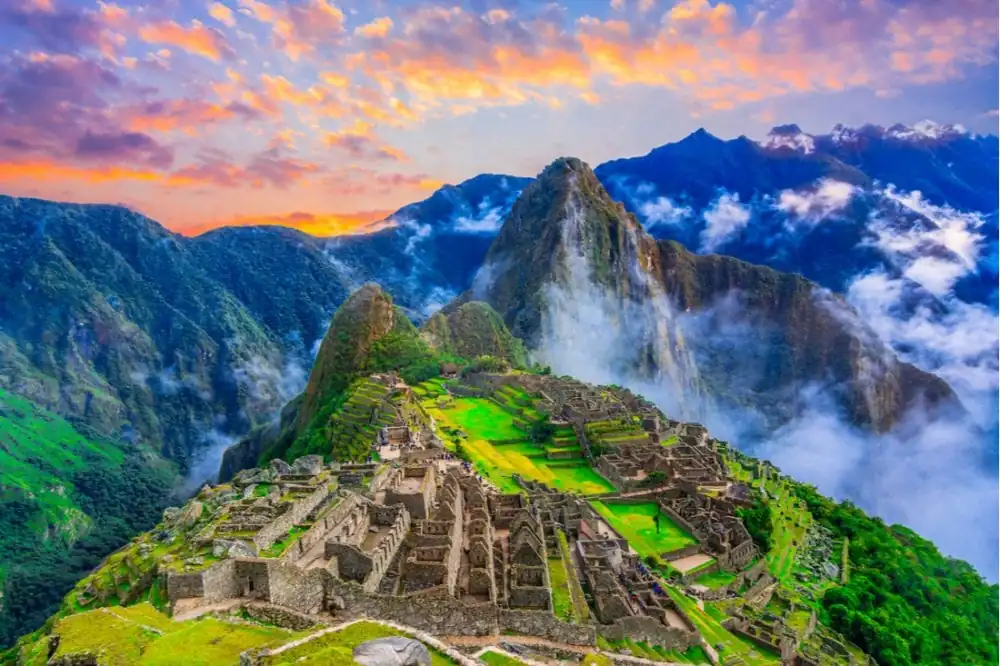
Peru is an undeniable heavyweight when it comes to ancient history and living culture. The Inca Empire's legacy is everywhere, from the iconic Machu Picchu (entry ~S/152-200, or ~$40-55 USD; train from Ollantaytambo can be ~$60-150 RT) and the Sacred Valley to the Inca Trails. Cusco, the former Incan capital, blends pre-Columbian foundations with Spanish colonial architecture beautifully. You'll encounter vibrant indigenous languages, traditional textiles, and a deep connection to ancestral practices. Argentina's cultural tapestry, while rich, leans heavily on its European immigrant past, especially in Buenos Aires, which feels like a grand European capital with its elegant avenues, opera houses like Teatro Colón, and museums showcasing art and political history. The tango embodies its passionate spirit. Rural Argentina offers gaucho culture, but it's a different kind of historical depth. "Honestly, Machu Picchu blew my mind, but Cusco itself was so much more than I expected. The history there is palpable, way different vibe than BA." For sheer ancient mystique and immersion in pre-Columbian civilization, Peru takes the crown.
Winner takeaway
- Winner: Peru
- Why: Peru offers unparalleled access to ancient Incan history and vibrant indigenous cultures that are deeply integrated into daily life.
- Who this matters for: History buffs, archeology enthusiasts, and travelers seeking deep cultural immersion.
🏞️ Nature & Landscapes
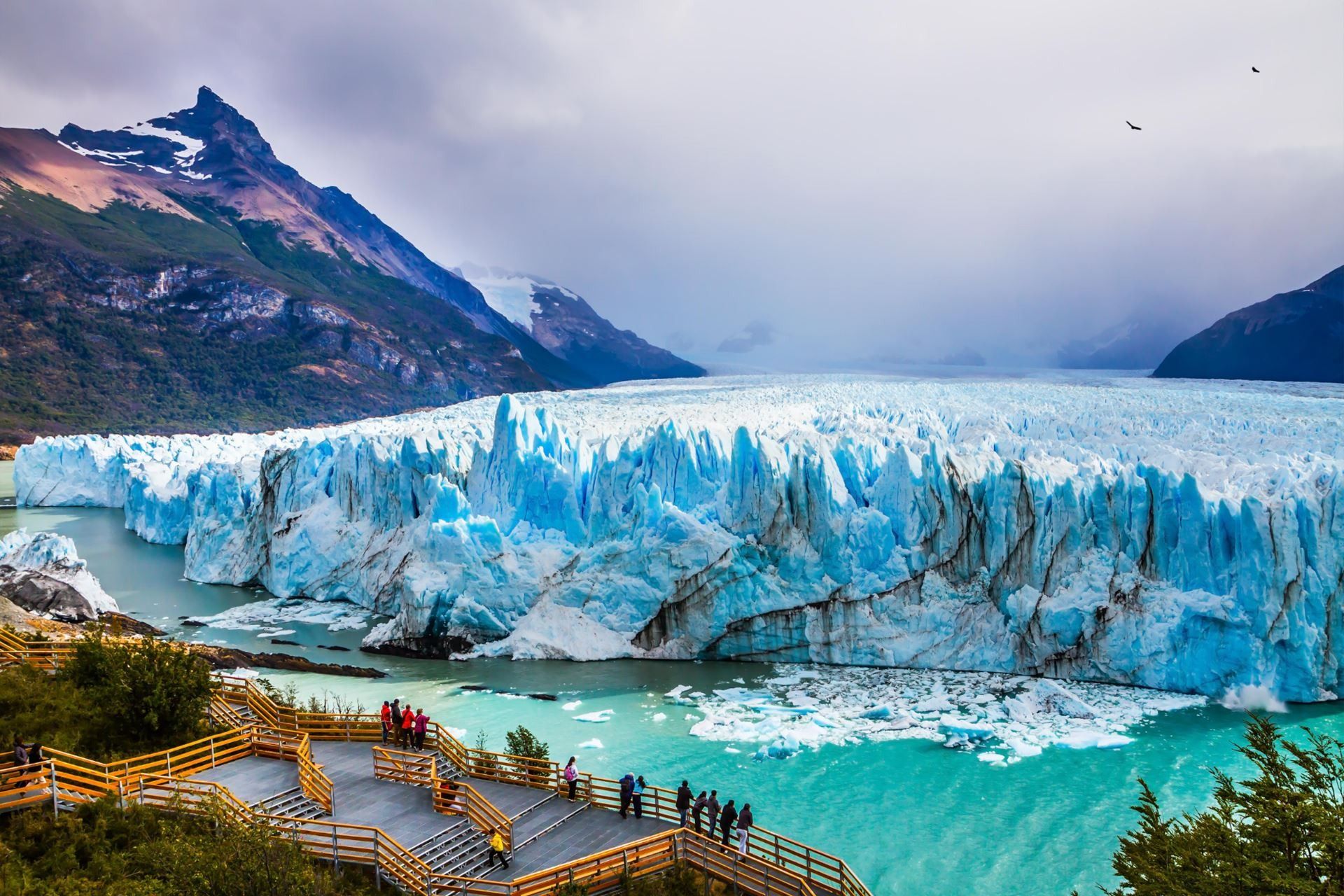
While Peru boasts the majestic Andes, the Amazon rainforest, and the unique Colca Canyon (home to condors), Argentina's sheer diversity and scale of natural wonders are breathtaking. Patagonia alone offers the dramatic Perito Moreno Glacier (boat tours ~USD $80-150), the towering peaks of Fitz Roy and Cerro Torre in El Chaltén, and vast, desolate steppes. Then there's the subtropical Iguazú Falls (entry ~ARS 12,000-20,000 for foreigners, or ~$12-20 USD), a UNESCO World Heritage site shared with Brazil, which is simply jaw-dropping. The diverse landscapes range from the high-altitude deserts and salt flats of Salta to the lush vineyards of Mendoza. Peru's nature is incredible, especially its cloud forests and high-altitude treks, but Argentina’s geographical breadth—from sub-tropical to sub-polar—offers a greater variety of iconic, distinct natural experiences. "Patagonia just hit different. Like, the scale of those mountains and glaciers, nothing in Peru (besides Machu Picchu) felt as grand." For raw, diverse, and iconic natural beauty, Argentina has the edge.
Winner takeaway
- Winner: Argentina
- Why: Argentina's vastness encompasses an incredible range of iconic and dramatic landscapes, from Patagonian glaciers to subtropical waterfalls.
- Who this matters for: Outdoor adventurers, photographers, and those who prioritize diverse, grand natural scenery.
🍽️ Food & Drink
Peru is a global culinary darling, renowned for its sophisticated fusion cuisine, ceviche, lomo saltado, and superfoods like quinoa and lucuma. Lima is a gastronomic capital, home to multiple World's 50 Best Restaurants like Central and Maido (reservations months in advance, tasting menus ~$200-300+ USD). Street food and local markets offer incredible value, with a 'menú del día' often just S/15-25 (~$4-7 USD). Peru's Pisco Sour is also iconic. However, Argentina wins for sheer consistent pleasure, especially for meat lovers and wine aficionados. The quality of grass-fed Argentine beef, prepared as an 'asado' (barbecue), is legendary. A fantastic steak dinner with wine in Buenos Aires can cost ~ARS 25,000-50,000 (~$25-50 USD), depending on the place. Mendoza's Malbec wines are world-class, and empanadas, choripán, and dulce de leche are ubiquitous delights. The Italian influence means great pasta and pizza too. "I love Peruvian food, but after a week, I just wanted a simple, perfectly cooked steak and a glass of Malbec. Argentina delivered every single time." While Peru has its high-end stars, Argentina offers broader, more consistently satisfying culinary experiences for a wider range of palates.
Winner takeaway
- Winner: Argentina
- Why: Argentina's world-famous beef, exceptional Malbec wines, and pervasive European culinary influences offer a consistently delightful food and drink experience.
- Who this matters for: Meat lovers, wine enthusiasts, and those who appreciate hearty, flavorful, and accessible cuisine.
💰 Costs & Budget
Peru is generally more budget-friendly for the average traveler. You can find hostel beds for S/35-70 (~$10-20 USD), mid-range hotels for S/150-300 (~$40-80 USD), and delicious street food or set lunches for S/15-30 (~$4-8 USD). Major attractions like Machu Picchu are the big splurge, but day-to-day costs are low. A comfortable mid-range daily budget often falls around $50-100 USD. Argentina's costs are notoriously volatile due to high inflation and currency fluctuations. While the 'blue dollar' (parallel market exchange rate) can sometimes make things surprisingly cheap for tourists with USD, official prices can be high. A hostel bed in Buenos Aires can range from ARS 10,000-25,000 (~$10-25 USD), mid-range hotels ARS 30,000-70,000 (~$30-70 USD), and a decent meal ARS 8,000-20,000 (~$8-20 USD). Patagonia, in particular, is expensive for tours and accommodation. "Peru was amazing value. I could eat well and stay in nice places for way less than I expected. Argentina felt like I was constantly doing math with the blue dollar and still spending more." While Argentina can offer pockets of affordability with savvy currency exchange, Peru provides more predictable and consistently lower costs.
Winner takeaway
- Winner: Peru
- Why: Peru offers a more consistently affordable travel experience with excellent value for money on accommodation, food, and local transport.
- Who this matters for: Budget-conscious travelers, backpackers, and those seeking to maximize their travel duration.
🚌 Getting Around
Peru's transport system is robust but can be slow due to mountainous terrain. Long-distance buses, like Cruz del Sur or Oltursa, are comfortable and affordable (e.g., Lima-Cusco overnight ~S/80-150, or ~$20-40 USD, 20+ hours). Domestic flights (e.g., Lima-Cusco ~1.5 hrs, ~$50-100) are essential for covering vast distances quickly. Cusco's train to Machu Picchu is unique but pricey. Argentina, due to its sheer size, relies heavily on domestic flights (Aerolíneas Argentinas, Flybondi, JetSMART) to connect major regions like Buenos Aires, Mendoza, and Patagonia (e.g., BA-Ushuaia ~3.5 hrs, ~$100-250+). However, its long-distance bus network is superb, offering 'cama' (bed) class seats that are incredibly comfortable, almost like flying business class, and often include meals (e.g., BA-Mendoza ~13 hrs, ~$40-80 USD depending on class and exchange rate). Urban public transport, particularly Buenos Aires' Subte (subway) and extensive bus lines (using SUBE card), is excellent and cheap. "Argentinian long-distance buses are next level. I could actually sleep on those 'cama' seats, unlike pretty much any other bus I've taken in South America. Made covering huge distances way more bearable." The quality and comfort of Argentina's long-distance transport options, especially the buses, give it the edge.
Winner takeaway
- Winner: Argentina
- Why: Argentina's vast distances are comfortably managed by excellent long-distance buses and a good domestic flight network, with efficient urban public transport.
- Who this matters for: Travelers covering large distances, those prioritizing comfort on long journeys, and city explorers.
💃 Nightlife & Entertainment
Peru has a decent nightlife, especially in Cusco which caters to a young, international crowd with bars and clubs around Plaza de Armas (e.g., Mama Africa, Loki Hostel bar). Lima's Miraflores and Barranco districts offer more upscale clubs, craft breweries, and live music venues. Traditional 'peñas criollas' provide a glimpse into local music and dance. However, Argentina, particularly Buenos Aires, is in a league of its own. It's famous for its 'porteño' culture, where dinner starts late (9-10 PM) and dancing continues until dawn. Tango shows (from touristy dinner shows like Esquina Carlos Gardel, ~$80-150 USD, to local milongas, ~$10-20 USD entry) are a quintessential experience. Palermo Soho and Palermo Hollywood are packed with trendy bars, clubs, and live music venues. Even smaller cities like Córdoba have a vibrant student nightlife. "Buenos Aires nightlife is insane. I went to a milonga at 2 AM and it was just getting started. Nothing I saw in Peru came close to that energy." The sheer variety, late-night culture, and iconic tango scene make Argentina the clear winner for entertainment.
Winner takeaway
- Winner: Argentina
- Why: Buenos Aires offers a world-class, vibrant, and diverse nightlife scene, highlighted by its iconic tango culture and late-night social rhythm.
- Who this matters for: Party-goers, music lovers, dance enthusiasts, and those who thrive on late-night urban energy.
🚶♀️ Safety & Solo Travel
Both Peru and Argentina are generally safe for tourists, especially in well-trafficked areas, but both require common-sense precautions against petty crime. In Peru, Lima and Cusco have reported incidents of bag snatching, pickpocketing, and occasional express kidnappings (though rare for tourists). Solo female travelers often report feeling comfortable in Peru, particularly on the Gringo Trail, due to a strong hostel network and fellow travelers. Altitude sickness is a different kind of 'safety' concern in Peru and needs to be managed seriously. Argentina also has its share of petty crime, particularly in larger cities like Buenos Aires (La Boca, Retiro, and Constitución areas can be riskier) and Mendoza. Pickpocketing and phone snatching are common. However, solo travel is very popular in Argentina, with an excellent hostel culture and easy social opportunities. "I felt super safe backpacking Peru solo, just like any other place, kept my wits about me. Buenos Aires was fine too, but I was definitely more aware of my phone in Palermo." Both countries offer a great experience for solo travelers, but vigilance against petty theft is crucial in urban areas of both. Neither stands out as significantly safer or more dangerous than the other.
Winner takeaway
- Winner: Tie
- Why: Both countries present similar levels of safety concerns (petty crime in cities) and offer good infrastructure for solo travelers.
- Who this matters for: Solo travelers, first-time international travelers, and those concerned about personal security.
🛌 Accommodation
Both Peru and Argentina offer excellent and diverse accommodation options catering to every budget and style. In Peru, you'll find everything from vibrant backpacker hostels in Cusco (e.g., Wild Rover, Pariwana, ~$10-20 USD/night for a dorm) to charming boutique hotels in Lima's Barranco district (e.g., Hotel B, ~$250-400 USD/night), and stunning luxury lodges near Machu Picchu (e.g., Belmond Sanctuary Lodge, often $1000+ USD/night). The quality for value is generally high. Argentina matches this diversity, with Buenos Aires boasting elegant historic hotels (e.g., Alvear Palace Hotel, ~$300-600 USD/night), stylish boutique options in Palermo (e.g., Mine Hotel, ~$100-200 USD/night), and a plethora of design-conscious hostels (e.g., Art Factory, Che Juan, ~$10-25 USD/night for a dorm). Outside the major cities, you'll find cozy estancias (ranches) in the Pampas or rustic cabins in Patagonia. "Hostels in both countries were top-notch for meeting people, but Argentina's boutique hotels felt a bit more polished and stylish than Peru's, though Peru had some incredible luxury lodges near the big sites." Neither country significantly outperforms the other in terms of variety, quality, or value within its respective price points. It's a matter of preference for style rather than availability or quality.
Winner takeaway
- Winner: Tie
- Why: Both countries offer a wide and high-quality range of accommodation, from budget hostels to luxury hotels, catering to all traveler types.
- Who this matters for: All travelers, as both countries provide suitable options for every budget and preference.
🧗♀️ Adventure & Activities
Peru is a mecca for adventure travelers. The iconic Inca Trail to Machu Picchu (4-day trek, requires permits, ~$600-1000 USD including guide/porters) is just the beginning. Other treks like the Salkantay or Lares offer equally stunning views. You can go white-water rafting on the Urubamba River, sandboarding in Huacachina, explore the Amazon basin on jungle tours from Iquitos or Puerto Maldonado, or paraglide over Lima's coast. The variety of high-altitude challenges and unique natural experiences is immense. Argentina also offers incredible adventure, particularly in Patagonia with world-class trekking around El Chaltén and El Calafate (mini-trekking on Perito Moreno Glacier, ~$150-250 USD). Horseback riding with gauchos, skiing in Bariloche, and kayaking are popular. However, Peru's combination of historical trekking, diverse ecosystems (mountains, jungle, coast), and unique activities like Nazca Lines flights (from Pisco ~$80-120 USD) feels more concentrated and distinct. "Peru felt like every other day there was a new 'epic' thing to do. The Inca Trail, then white water rafting, then exploring the Amazon. Argentina was awesome for hiking, but Peru felt like more unique, bucket-list adventures." For sheer density and variety of unique, world-renowned adventure activities, Peru holds a slight edge.
Winner takeaway
- Winner: Peru
- Why: Peru offers a concentrated array of world-famous adventure activities, especially high-altitude trekking and unique historical explorations.
- Who this matters for: Adventure seekers, trekkers, and those looking for iconic, challenging, and diverse outdoor experiences.
☀️ Weather & Seasons
Both countries, being geographically diverse, have complex weather patterns that depend heavily on the region and time of year. Peru has three main climatic zones: the arid coast (Lima is often cloudy May-Nov, sunny Dec-Apr), the Andean highlands (dry, sunny days with cold nights May-Oct; rainy Nov-Apr, which impacts trekking), and the Amazon jungle (hot, humid, rainy year-round). The dry season (May-October) is generally considered the best for the Andes and Inca Trail. Argentina, being a much larger country, has even more pronounced seasonal variations. Patagonia (south) is best visited in their summer (December-February) for hiking and milder weather, though it's always windy. The north (Salta, Iguazú) is best in their winter (June-August) to avoid extreme heat and humidity. Buenos Aires has four distinct seasons, with pleasant spring/fall. "Trying to pack for both Patagonia and Buenos Aires in one trip during shoulder season was a nightmare. Peru felt a bit more predictable if you stick to a region." Neither country has a universally 'perfect' time to visit all regions simultaneously. Planning around specific activities and regions is key for both. Their diverse climates mean you can always find good weather somewhere, depending on your priorities.
Winner takeaway
- Winner: Tie
- Why: Both countries have diverse climates requiring careful planning based on specific regions and activities, with no single 'best' time for the entire country.
- Who this matters for: All travelers, as seasonal planning is critical for optimizing the experience in either destination.
❓ Frequently Asked Questions
What's the best time of year to visit Peru vs. Argentina?
For Peru, May to October is ideal for trekking the Andes and visiting Machu Picchu (dry season). The coast (Lima) is sunniest from December to April. For Argentina, December to February is best for Patagonia, while the northern regions (Iguazú, Salta) are best visited during their winter, June to August. Buenos Aires is pleasant in spring (Sept-Nov) and autumn (Mar-May).
Which country is better for solo female travelers?
Both countries are generally good for solo female travelers, especially within well-established tourist routes and cities. Peru's 'Gringo Trail' (Lima, Cusco, Machu Picchu) is well-trodden and easy to navigate alone. Argentina's strong hostel culture in Buenos Aires and other cities makes meeting people easy. Always exercise common sense precautions like avoiding walking alone at night and being mindful of your belongings.
Can I combine Peru and Argentina in one trip?
Yes, but you'll need at least 3-4 weeks to do justice to both, and ideally a month or more. It involves significant travel time, typically flying between Lima and Buenos Aires (around 4-6 hours direct). Combining the Incan history of Peru with the Patagonian grandeur and urban elegance of Argentina makes for an epic South American adventure.
Which country has better hiking and trekking opportunities?
Both offer incredible hiking. Peru is famous for its high-altitude, historically rich treks like the Inca Trail, Salkantay, and Rainbow Mountain. Argentina excels with its world-class Patagonian trekking in El Chaltén and glacier hikes around El Calafate. If you prefer ancient historical trails, choose Peru; if you're drawn to dramatic glacial landscapes, choose Argentina.
What about altitude sickness in Peru?
Altitude sickness (soroche) is a real concern in Peru's Andes. Cusco is at 3,400m (11,150ft), and Machu Picchu is lower, but many treks go higher. It's crucial to acclimatize for 1-2 days in Cusco, stay hydrated, avoid alcohol initially, and consider medications like Diamox. Many hotels offer coca tea, which can help alleviate mild symptoms.
Do I need a visa for Peru or Argentina as a US citizen?
As a US citizen, you typically do not need a visa for tourist stays up to 90 days in both Peru and Argentina. However, visa requirements can change, so always check the latest information with the respective country's embassy or consulate well before your trip. Other nationalities should verify their specific requirements.
Which country is better for families with kids?
Both can be family-friendly, but for different reasons. Peru offers educational historical sites like Machu Picchu and unique animal encounters (llamas, alpacas) that can fascinate kids, but altitude and extensive trekking might be challenging for very young children. Argentina offers more developed infrastructure, larger cities with parks, and diverse activities like watching tango, visiting Iguazú Falls, or seeing penguins in Patagonia, which can appeal to a wider age range.
What's the language barrier like?
Spanish is the official language in both countries. In major tourist areas (Cusco, Lima, Buenos Aires, Patagonia), you'll find English speakers in hotels, tour agencies, and higher-end restaurants. However, venturing off the beaten path requires some basic Spanish. Learning a few phrases will significantly enhance your experience and interactions with locals in both Peru and Argentina.
Ready to plan your South America trip?
Get a free custom itinerary for Peru, Argentina, or both — built from real traveler insights.
🎟️ Book Tours & Experiences
Hand-picked tours and activities for both destinations — book with free cancellation
Experiences via Viator — free cancellation on most tours