How we built this comparison
This page combines traveler discussion patterns, published price ranges, flight schedules, and seasonal data to help you decide between Peru and Mexico.
- Reviewed 100+ Reddit threads from r/travel, r/solotravel, r/PeruTravel, r/MexicoTravel, etc.
- Verified costs and logistics against current booking platforms like Google Flights, Booking.com, and local tour operators.
- Cross-referenced seasonal patterns, weather data, and safety advisories from government sources.
⚡ The TL;DR Verdict
Peru is your pick if ancient history, epic mountain trekking, and a deep dive into Inca culture on a moderate budget are your priorities. Mexico beckons those seeking diverse culinary adventures, stunning beaches, and a vibrant mix of pre-Hispanic and colonial charm, often with more budget flexibility depending on the region. Aim for $60-100/day in Peru (excluding Machu Picchu tours) and $50-120/day in Mexico (outside high-end resorts).
- Choose Peru: For the history buff and adventurer. If iconic ruins like Machu Picchu, challenging treks (Inca Trail, Salkantay), unique Andean culture, and some of the world's best fine dining in Lima are your top priorities, Peru is unparalleled. Expect a more structured travel experience, often centered around specific tour bookings.
- Choose Mexico: For the food lover, beach bum, and cultural explorer. If you crave diverse cuisine from street tacos to mole, want to relax on world-class beaches (Caribbean or Pacific), explore Mayan ruins, or get lost in bustling colonial cities, Mexico offers an incredibly rich and varied experience. It's often easier for spontaneous travel and caters to a wider range of budgets and styles.
- Choose Both: If you have 4-6 weeks and a healthy budget, doing both is absolutely feasible. Fly into Lima, spend 2 weeks in Peru (Machu Picchu, Cusco, Sacred Valley, perhaps Arequipa), then take a direct flight from Lima to Mexico City (approx. 5.5-6.5 hours). Spend 2-3 weeks exploring CDMX, Oaxaca, and either the Yucatán or Pacific coast. It's an epic journey combining two of Latin America's cultural powerhouses.
Quick Comparison
| Category | Peru | Mexico | Winner |
|---|---|---|---|
| Culture & History | Inca heartland, ancient ruins, Andean traditions, colonial cities. | Mayan & Aztec heritage, vibrant colonial towns, Day of the Dead. | Peru |
| Food & Drink | World-class fine dining, ceviche, lomo saltado, pisco sours. | Street food paradise, regional diversity, tacos, mole, mezcal, tequila. | Mexico |
| Nature & Landscapes | Andes Mountains, Amazon rainforest, high-altitude lakes, Colca Canyon. | Caribbean & Pacific coasts, deserts, volcanoes, cenotes, jungles. | Tie |
| Beaches | Limited well-known beaches, some surfing spots, northern coastline. | World-class Caribbean & Pacific beaches, resort towns, hidden coves. | Mexico |
| Costs & Budget | Affordable outside major tours, mid-range for Machu Picchu treks. | Highly variable, can be very cheap (street food) or expensive (resorts). | Peru |
| Safety & Health | Generally safe in tourist areas, altitude sickness common, food safety. | Varies by region, perception issues, common sense precautions. | Tie |
| Getting Around | Excellent long-distance buses, limited domestic flights, trains to Machu Picchu. | Extensive bus networks, affordable domestic flights, colectivos. | Mexico |
| Accommodation | Good value hostels, boutique hotels, luxury lodges near attractions. | Wide range from budget hostels to all-inclusive resorts and boutique stays. | Mexico |
| Nightlife & Entertainment | Lively Pisco bars in Lima, tourist-focused pubs in Cusco, local peñas. | World-class clubs in resort areas, vibrant city bars, live music, lucha libre. | Mexico |
| Adventure & Activities | Inca Trail, Salkantay Trek, Amazon excursions, white-water rafting, sandboarding. | Cenote diving, surfing, zip-lining, hiking volcanoes, jungle treks. | Tie |
🗿 Culture & History
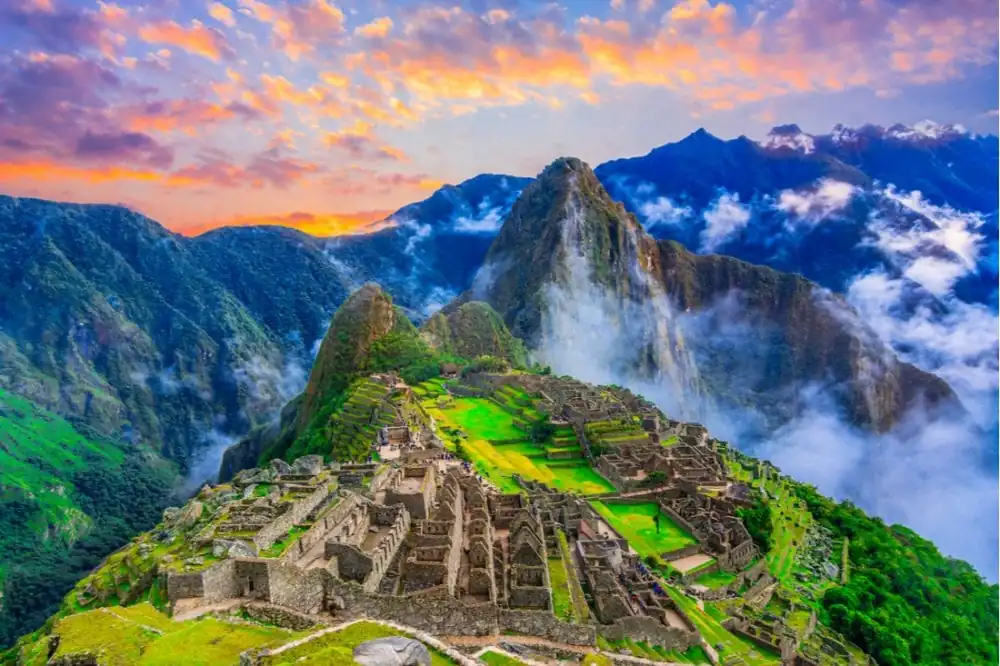
Peru is a living museum of the Inca Empire, dominated by the awe-inspiring Machu Picchu, but also the Sacred Valley, Ollantaytambo, and Cusco, with its stunning colonial architecture built atop Inca foundations. The Andean culture is palpable, from indigenous markets to traditional weaving. Mexico offers an incredible breadth of history, from the Mayan wonders of Chichen Itza and Palenque to the Aztec grandeur of Teotihuacan near Mexico City. Its colonial cities like Oaxaca and San Miguel de Allende are UNESCO gems, buzzing with art and traditions like Día de Muertos. While Mexico's cultural tapestry is broader, Peru's direct link to the Inca Empire and the pervasive Andean influence feels incredibly immersive and unique. "Machu Picchu just hit different, man. Like, you can feel the history in the stones. Mexico's ruins are cool, but the sheer scale and mystery of the Inca stuff is next level." The focus on a single, powerful ancient civilization gives Peru an edge here for those seeking a profound historical experience.
Winner takeaway
- Winner: Peru
- Why: Peru's concentrated Inca heritage and direct cultural lineage offer a uniquely immersive historical experience.
- Who this matters for: History buffs, those seeking profound ancient civilizations, and trekkers.
🌮 Food & Drink
Lima, Peru, is undeniably a global culinary capital, boasting multiple restaurants on 'The World's 50 Best' list, like Central and Maido, offering innovative takes on Peruvian ingredients. Classic dishes like ceviche, lomo saltado, and aji de gallina are fantastic, and the Pisco Sour is iconic. Expect a mid-range meal in Lima to be around S/50-80 ($15-25). However, Mexico's food scene is an absolute explosion of flavors, from the ubiquitous street tacos (try al pastor for MXN $15-25 / $0.75-1.25 each) to the complex moles of Oaxaca and the fresh seafood of the coast. Every region has its specialties, making culinary exploration an endless delight. Mezcal and tequila are cultural staples. "You can eat like royalty in Mexico City for $20 a day just on street food and market eats. Peru has amazing fine dining, but for sheer variety and accessible deliciousness, Mexico wins easily." The sheer diversity, accessibility, and regional variations in Mexico mean you can constantly discover new dishes and flavors, from high-end to incredible street stalls, making it a culinary adventure for every budget.
Winner takeaway
- Winner: Mexico
- Why: Mexico offers an unparalleled diversity of regional cuisine, incredible street food, and a more accessible culinary adventure for all budgets.
- Who this matters for: Foodies, budget travelers, and anyone who loves culinary exploration.
⛰️ Nature & Landscapes
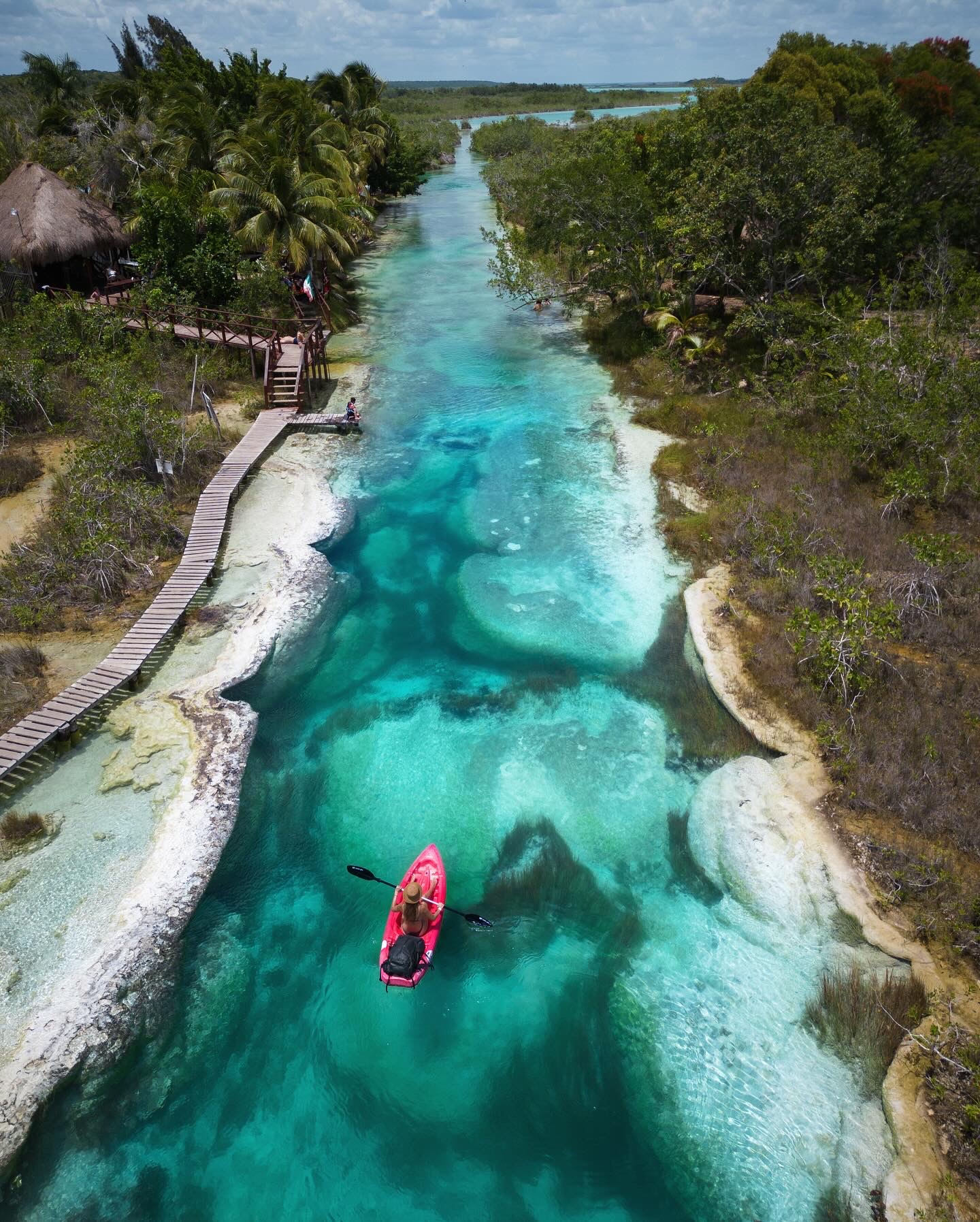
Peru's natural beauty is dominated by the majestic Andes, offering breathtaking treks like the Inca Trail or Salkantay to Machu Picchu, Rainbow Mountain, and the deep Colca Canyon where condors soar. Lake Titicaca, the highest navigable lake, offers unique island cultures. A significant portion of the Amazon rainforest also lies within Peru, providing dense jungle and incredible biodiversity. Mexico, on the other hand, boasts an astonishing range of ecosystems: the lush Caribbean beaches and mystical cenotes of the Yucatán, the rugged Pacific coastline of Oaxaca and Baja California, towering volcanoes near Mexico City, arid deserts, and dense jungles in Chiapas. "Peru's mountains are just epic, nothing like it. But then you have Mexico's cenotes and beaches, totally different vibe. Can't pick one." The choice here truly depends on what kind of natural beauty you prefer – Peru for dramatic mountains and Amazonian wilds, Mexico for stunning coastlines, unique geological formations, and diverse climates. Both offer world-class natural attractions.
Winner takeaway
- Winner: Tie
- Why: Both countries offer incredibly diverse and spectacular natural landscapes, catering to different preferences for mountains, jungles, deserts, or beaches.
- Who this matters for: Outdoor enthusiasts, photographers, and those seeking varied natural beauty.
🏖️ Beaches
Peru isn't really known for its beaches, though it does have a coastline. Mancora in the north is popular for surfing and a relaxed vibe, and Paracas offers some desert-meets-ocean scenery. However, these don't compare to the sheer quantity and quality of Mexico's offerings. Mexico boasts some of the world's most stunning beaches on both its Caribbean and Pacific coasts. Think the white sands and turquoise waters of Tulum, Playa del Carmen, and Cancún in the Yucatán, or the vibrant surf towns of Sayulita and Puerto Escondido on the Pacific. "Peru's beaches are okay for a chill day, but Mexico's Caribbean coast is on another level entirely. Like, postcard perfect blue water." Whether you're looking for bustling resort areas, quiet hidden coves, or excellent surf breaks, Mexico delivers in spades. A decent beach resort in Mexico could range from MXN $2000-5000+ ($100-250+) per night, while a simple guesthouse near a Peruvian beach might be S/80-150 ($20-40).
Winner takeaway
- Winner: Mexico
- Why: Mexico's extensive coastline features an abundance of world-class beaches for every type of traveler, from luxurious resorts to bohemian surf towns.
- Who this matters for: Beach lovers, sun-worshippers, surfers, and resort seekers.
💸 Costs & Budget
Peru can be surprisingly affordable, especially outside of the major Machu Picchu/Inca Trail tours. A budget traveler can manage on S/150-200 ($40-55) a day for hostels (S/40-80/$10-20), local food (S/20-40/$5-10 per meal), and bus transport. The big exception is Machu Picchu, where permits, train, and guide fees can easily add $300-600 to your budget. Mexico's costs vary wildly. You can eat incredible street tacos for MXN $15-25 ($0.75-1.25) each and find hostels in Oaxaca for MXN $200-400 ($10-20). However, resort areas like Cancún or Tulum are significantly more expensive, with hotels easily exceeding MXN $4000 ($200) per night. "Peru feels consistently cheaper once you're past the Machu Picchu ticket shock. Mexico can be cheap, but then you hit Tulum and your wallet cries." For a baseline mid-range trip focusing on culture and nature without heavy resort stays, Peru generally offers better value. An average bus ride from Cusco to Puno is S/60-80 ($15-20), whereas an ADO bus from Cancun to Playa del Carmen is MXN $100-150 ($5-7).
Winner takeaway
- Winner: Peru
- Why: Peru generally offers more consistent affordability for a broad travel experience, with the exception of major tour packages.
- Who this matters for: Budget-conscious travelers, backpackers, and those wary of resort-town price hikes.
⚕️ Safety & Health
Both countries require vigilance and common sense. In Peru, major tourist areas like Cusco, the Sacred Valley, and Arequipa are generally safe, with petty crime (pickpocketing) being the main concern, especially in Lima. The biggest health concern is altitude sickness (Soroche) in the Andes; acclimatization is key. Tap water is generally not safe to drink. "I felt super safe backpacking Peru, just watch your stuff in Lima. Altitude sickness hit me hard though, so plan for that!" Mexico has a more complex safety reputation due to cartel activity in specific regions, but many popular tourist destinations like Oaxaca, San Miguel de Allende, and the Yucatán Peninsula (outside of known hotspots) are generally safe for travelers. It's crucial to research specific areas and follow local advice. As with Peru, tap water is usually unsafe. Both countries have decent private healthcare, but travel insurance is highly recommended. For solo female travelers, both require extra precautions, but neither is inherently 'unsafe' with good planning. For food, be wary of street food that isn't actively cooking or looks unhygienic.
Winner takeaway
- Winner: Tie
- Why: Both countries present similar considerations regarding personal safety and health precautions, requiring informed decision-making based on specific regions.
- Who this matters for: All travelers, particularly solo travelers and those with health considerations.
🚌 Getting Around
Peru's transportation is efficient but often revolves around specific hubs. Long-distance buses like Cruz del Sur and Oltursa are comfortable and affordable (e.g., Lima to Cusco: S/100-150 / $25-40 for 22+ hours, or S/200-300 / $50-80 for a 1.5-hour flight). Trains to Machu Picchu (PeruRail, Inca Rail) are scenic but pricey (approx. $120-200+ round trip). In Mexico, the ADO bus network is extensive, comfortable, and covers most major tourist routes (e.g., Mexico City to Oaxaca: MXN $600-900 / $30-45 for 6-7 hours). Domestic flights are frequent and relatively inexpensive (e.g., Mexico City to Cancún: MXN $1000-2000 / $50-100+ for 2.5 hours). Colectivos (shared vans) are great for short distances. "Mexico's ADO buses are like flying first class for coach prices, seriously good. Peru's buses are solid too, but flights are sometimes the only sane option for distance." Mexico wins for its sheer breadth of options, from budget colectivos to luxury buses and a more robust domestic flight network, making independent exploration more flexible and convenient across its vast territory.
Winner takeaway
- Winner: Mexico
- Why: Mexico offers a more extensive and flexible public transportation network, including affordable and comfortable buses and a wider range of domestic flights.
- Who this matters for: Independent travelers, those on a tighter schedule, and budget-conscious adventurers.
🏨 Accommodation
Peru offers a solid range of accommodation. Hostels are plentiful and affordable (S/40-80/$10-20 per night in Cusco), boutique hotels in colonial cities like Arequipa or Cusco are charming (S/120-250/$30-65), and you'll find luxury lodges near Machu Picchu and in the Amazon. Generally, you get good value for money. Mexico, however, truly offers *everything*. From super-budget hostels (MXN $200-400/$10-20) in bustling cities to world-class all-inclusive resorts in Cancún and Riviera Maya (MXN $4000-10000+/$200-500+ per night) and exquisite boutique hotels in colonial towns like San Miguel de Allende. You can find unique stays like cabañas on the beach in Oaxaca or haciendas in Yucatán. "Mexico just has more options for every budget and style, from a cheap hostel in CDMX to a fancy resort in Tulum. Peru's good, but it's not as diverse." The sheer scale and variety mean that no matter your budget or travel style, Mexico has an accommodation option perfectly suited for you, making it more versatile.
Winner takeaway
- Winner: Mexico
- Why: Mexico's accommodation spectrum is vast, catering to every budget and style, from luxury resorts to unique boutique stays and budget hostels.
- Who this matters for: All travelers, especially those seeking specific types of lodging, from budget to ultra-luxury.
🎉 Nightlife & Entertainment
Peru's nightlife is centered around Lima and Cusco. Lima offers sophisticated Pisco bars and clubs in Miraflores and Barranco, catering to a diverse crowd. Cusco has a more tourist-centric scene with pubs and bars around Plaza de Armas, often closing by 2-3 AM, and some local peñas for traditional music. "Cusco was fun for a few Pisco Sours, but it's not a party destination. Mexico City, though, that's a whole different vibe." Mexico, in contrast, is a nightlife powerhouse. Cancún and Playa del Carmen boast mega-clubs (Coco Bongo, The City) attracting international DJs, while Mexico City's Roma and Condesa neighborhoods are packed with trendy bars, speakeasies, and live music venues that stay open late. Oaxaca offers mezcalerias and cultural performances, and even smaller towns often have lively plazas. Mexico's diverse offerings, from high-energy clubs to intimate jazz bars and unique cultural shows like Lucha Libre (tickets MXN $100-300 / $5-15), make it a clear winner for entertainment.
Winner takeaway
- Winner: Mexico
- Why: Mexico's nightlife is far more diverse and vibrant, offering everything from mega-clubs to sophisticated bars and unique cultural entertainment.
- Who this matters for: Party-goers, social travelers, and those seeking varied evening entertainment.
🚣 Adventure & Activities
Peru is a mecca for high-altitude trekking, with the iconic Inca Trail (permit cost approx. $75, tour package $600-1500) and the challenging Salkantay Trek (tour $300-600) leading to Machu Picchu being prime examples. Beyond that, there's white-water rafting on the Urubamba River, sandboarding in Huacachina, and multi-day Amazon jungle excursions (e.g., Tambopata National Reserve from S/1500-3000 / $400-800 for 3-4 days). Mexico offers a different, but equally thrilling, array of adventures. Exploring cenotes (entrance MXN $80-300 / $4-15) in the Yucatán Peninsula provides unique cave diving and swimming. Surfing in Puerto Escondido, zip-lining through the jungle in Riviera Maya, hiking up volcanoes like Nevado de Toluca, or exploring the Copper Canyon are all incredible options. "Peru's treks are legendary, but Mexico has those insane cenotes and killer surf. Different types of adventure, both amazing." Both countries provide exceptional opportunities for adventure, catering to different preferences – Peru for dramatic mountain and jungle expeditions, Mexico for aquatic and diverse outdoor activities.
Winner takeaway
- Winner: Tie
- Why: Both countries excel in offering a wide range of thrilling adventure activities, catering to different preferences for landscapes and physical challenges.
- Who this matters for: Adrenaline junkies, outdoor enthusiasts, and active travelers.
❓ Frequently Asked Questions
How long should I plan for a trip to Peru or Mexico?
For Peru, aim for at least 10-14 days to comfortably experience Lima, Cusco, the Sacred Valley, and Machu Picchu, allowing for acclimatization. For Mexico, 7-10 days can cover a single region (e.g., Yucatán or Mexico City/Oaxaca), but 2-3 weeks allows for a more comprehensive exploration of its diverse landscapes and cultures.
What's the best time of year to visit Peru vs Mexico?
Peru's dry season (May-October) is ideal for trekking Machu Picchu, though it's peak tourist season. Mexico's dry season (November-April) offers pleasant weather across most regions, avoiding hurricane season on the coasts. Consider shoulder seasons (April-May, Oct-Nov) for fewer crowds and good weather in both.
Are Peru and Mexico good for solo travelers?
Absolutely! Both are popular for solo travelers. Peru has a well-trodden Gringo Trail, making it easy to meet others. Mexico's extensive hostel network and diverse regions also welcome solo adventurers. As always, exercise common sense, be aware of your surroundings, and research specific areas for safety.
Do I need to speak Spanish to travel in Peru or Mexico?
While not strictly necessary in major tourist areas where English is often spoken, knowing some basic Spanish phrases will significantly enhance your experience in both countries. Locals appreciate the effort, and it can help with navigating, ordering food, and connecting with people outside of tourist bubbles. Google Translate is your friend!
What are the visa requirements for US citizens for Peru and Mexico?
US citizens do not require a visa for tourist stays up to 183 days in Peru or 180 days in Mexico. You will typically receive a tourist card (FMM in Mexico, sometimes just a stamp in Peru) upon arrival. Always check the latest requirements before travel, as policies can change.
What are some lesser-known alternatives to the main attractions in each country?
In Peru, consider Arequipa (the 'White City') and Colca Canyon for stunning scenery and condors, or the Amazon lodges near Iquitos or Puerto Maldonado. In Mexico, explore the colonial charm of San Cristobal de las Casas in Chiapas, the archaeological site of Palenque, or the surfing vibes of Sayulita on the Pacific coast for a different experience.
Is it possible to combine a trip to both Peru and Mexico?
Yes, it is definitely possible with enough time (at least 3-4 weeks) and budget. There are direct flights between Lima and Mexico City, making it a relatively straightforward transition. This allows you to experience the best of both Andean and Mesoamerican cultures in one epic journey.
What's the altitude situation in Peru vs. Mexico?
Peru features significant high-altitude destinations like Cusco (3,400m/11,150ft) and Machu Picchu (2,430m/7,970ft). Acclimatization is crucial, often requiring a day or two of rest upon arrival. Mexico has a few high-altitude cities like Mexico City (2,240m/7,350ft) and some impressive volcanoes, but generally, fewer areas require extensive altitude precautions compared to Peru's Andean regions.
Ready to plan your Latin America adventure?
Get a free custom itinerary for Peru, Mexico, or both — built from real traveler insights.
🎟️ Book Tours & Experiences
Hand-picked tours and activities for both destinations — book with free cancellation
Experiences via Viator — free cancellation on most tours