How we built this comparison
This page combines traveler discussion patterns, published price ranges, flight schedules, and seasonal data to help you decide between Peru and Uruguay.
- Reviewed 700+ Reddit threads from r/travel, r/solotravel, r/peru, r/uruguay, etc.
- Verified costs and logistics against current booking platforms (booking.com, Google Flights, bus providers)
- Cross-referenced seasonal patterns and weather data from meteorological services
⚡ Quick Answers
⚡ The TL;DR Verdict
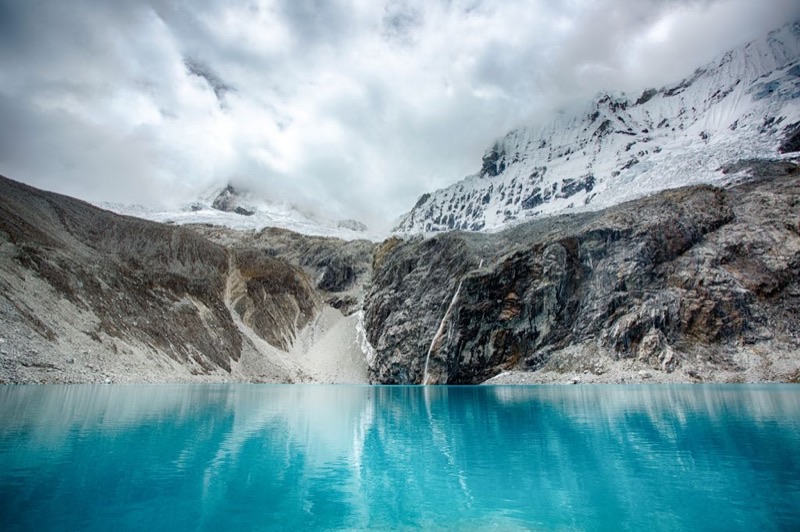
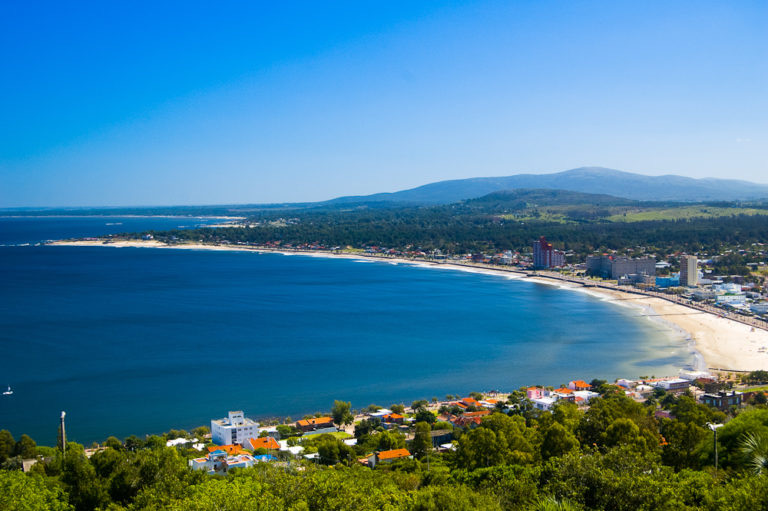
For most travelers seeking epic landscapes, deep history, and budget-friendly exploration, Peru is the stronger choice. If your priority is relaxing on Atlantic beaches, enjoying a slower pace, and European-influenced cities with a higher budget, Uruguay delivers. Expect to spend $35-60 per day in Peru and $70-120 in Uruguay for a comfortable mid-range trip.
- Choose Peru: Travelers prioritizing awe-inspiring historical sites like Machu Picchu, diverse ecosystems from Andes to Amazon, and a lower daily travel budget.
- Choose Uruguay: Travelers looking for laid-back beach towns, sophisticated city experiences, good wine, and a feeling of European calm, with a more substantial budget.
- Choose Both: If you have 4+ weeks and a flexible budget, combine them. Fly into Lima, explore Peru, then take a connecting flight to Montevideo for a different South American experience.
Choose Peru
Choose Peru if you dream of conquering ancient Incan trails to Machu Picchu, exploring the colonial charm of Cusco, and immersing yourself in a rich, vibrant culture. It's best for adventurous history lovers and budget-conscious explorers eager to experience diverse ecosystems, from the Andean peaks to the Amazon rainforest, all while enjoying incredibly flavorful local cuisine.
Choose Uruguay
Opt for Uruguay if you crave sophisticated tranquility, best for travelers seeking laid-back elegance and a European-influenced vibe. Enjoy sun-drenched days on Punta del Este's upscale beaches, wander the cobblestone streets of Colonia del Sacramento, and savor exquisite parrillada with local Tannat wine in Montevideo, all with a more generous budget.
📊 Visual Scorecard
🌤 When to Visit
Average high temperatures (°C). Green = best months, orange = avoid.
Quick Comparison
| Category | Peru | Uruguay | Winner |
|---|---|---|---|
| Costs & Budget | Significantly more affordable for accommodation, food, and transport. Expect $35-60/day for mid-range. | Higher prices, especially for lodging and dining. Expect $70-120/day for mid-range. | Peru |
| Culture & History | Ancient Inca civilization, colonial architecture, Andean traditions, deep indigenous roots. | European-influenced cities, gaucho heritage, Candombe music, recent history of dictatorship. | Peru |
| Natural Landscapes | Andes mountains, Amazon rainforest, Pacific desert coast, Lake Titicaca, Colca Canyon. | Rolling hills, Atlantic coastline, pampas grasslands, a few national parks. | Peru |
| Food & Drink | Known for ceviche, lomo saltado, aji de gallina, diverse regional cuisines, pisco sours. | Famous for asado (BBQ), chivito sandwich, fresh seafood, tannat wine, mate. | Peru |
| Beaches & Coast | Pacific coast, some surf towns (Máncora), desert landscapes. Not a primary draw for beach holidays. | Atlantic coast with popular resorts (Punta del Este), laid-back towns (La Pedrera), and wild, dune-backed beaches (Cabo Polonio). | Uruguay |
| Safety & Ease | Requires vigilance for petty crime, especially in major cities. Altitude sickness a factor in Andes. | Generally considered very safe and laid-back. Lower crime rates than many South American neighbors. | Uruguay |
| Getting There | Direct flights to Lima (LIM) from major North American hubs. Fewer connections needed. | Often requires connecting flights through Santiago, Buenos Aires, or São Paulo to Montevideo (MVD). | Peru |
| Getting Around | Extensive, affordable long-distance bus network. Internal flights common for longer distances. | Reliable bus network, good roads, smaller distances making travel quicker. | Tie |
| Nightlife & Entertainment | Lively clubs and bars in Lima (Barranco, Miraflores), Cusco's tourist nightlife, local peñas. | Sophisticated bars and clubs in Montevideo, high-energy party scene in Punta del Este, candombe music. | Uruguay |
| Solo Travel Suitability | Excellent for solo travelers with extensive hostel networks, tour options, and easy social connections. | Safe and easy to navigate for solo travelers, but smaller hostel scene outside Montevideo and less structured group activities. | Peru |
💸 Costs & Budget
Peru is a clear winner for budget-conscious travelers. Hostels in Cusco or Lima can be found for PEN 40-70 ($10-18 USD). A filling meal at a local 'menu del dia' spot often costs…

Peru
Uruguay
Peru is a clear winner for budget-conscious travelers. Hostels in Cusco or Lima can be found for PEN 40-70 ($10-18 USD). A filling meal at a local 'menu del dia' spot often costs PEN 10-25 ($2.50-6.50 USD). Long-distance buses, like Lima to Arequipa, are about PEN 70-120 ($18-30 USD) for comfortable overnight journeys. Entrance to major sites like Machu Picchu (excluding permits/tours) is around PEN 152 ($40 USD) for foreigners, but overall daily expenses for basic needs remain low. A solid mid-range budget of $35-60 USD per day covers hostels, local food, and some activities.
Uruguay is noticeably pricier, often compared to Western European costs. A mid-range hotel in Montevideo might cost UYU 2,500-4,000 ($65-105 USD) per night. A main course at a decent restaurant runs UYU 600-1,000 ($15-25 USD). Intercity buses, such as Montevideo to Colonia del Sacramento, cost UYU 400-600 ($10-15 USD). While the quality is generally high, your dollar does not stretch as far here. A comfortable mid-range budget in Uruguay would be $70-120 USD per day for lodging, meals, and local transport. Tabiji verdict: Peru offers more value for every dollar, making it easier for extended trips.
- Winner: Peru
- Why: Peru consistently provides lower costs for lodging, food, transport, and activities, allowing budgets to stretch further.
- Who this matters for: Budget travelers, backpackers, and those planning longer trips.
🗿 Culture & History
Peru's historical depth is extensive, centered on the Inca Empire and its precursors. Cusco, the former Inca capital, is filled with Inca walls and colonial buildings. The Sacred…
Peru
Uruguay
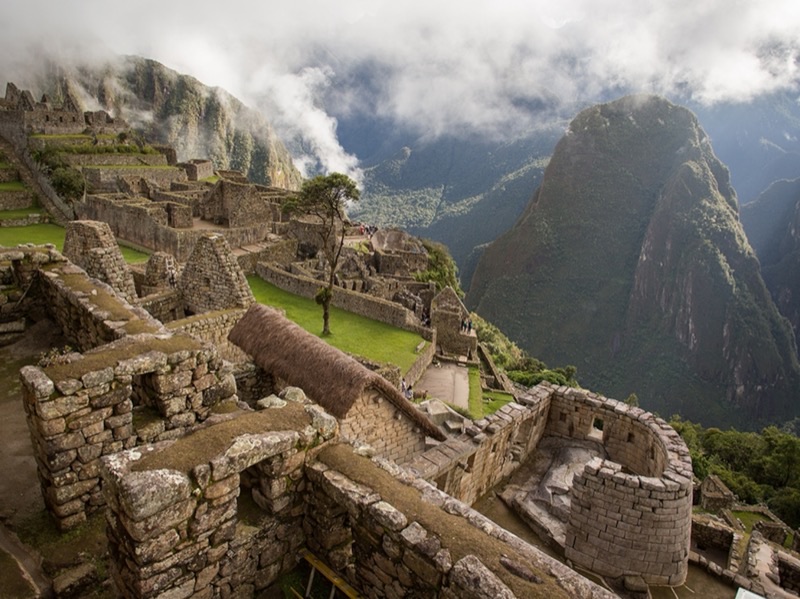
Peru's historical depth is extensive, centered on the Inca Empire and its precursors. Cusco, the former Inca capital, is filled with Inca walls and colonial buildings. The Sacred Valley has Pisac and Ollantaytambo. Machu Picchu stands as the most famous Inca site, a testament to ancient engineering. Lima showcases colonial grandeur with its Plaza Mayor and historic center, along with pre-Inca ruins like Huaca Pucllana. Arequipa boasts unique white sillar stone architecture. Indigenous cultures are still prominent in the Andes, maintaining languages, textiles, and traditions. Visiting a community near Lake Titicaca or attending a local festival offers insight into these enduring ways of life.
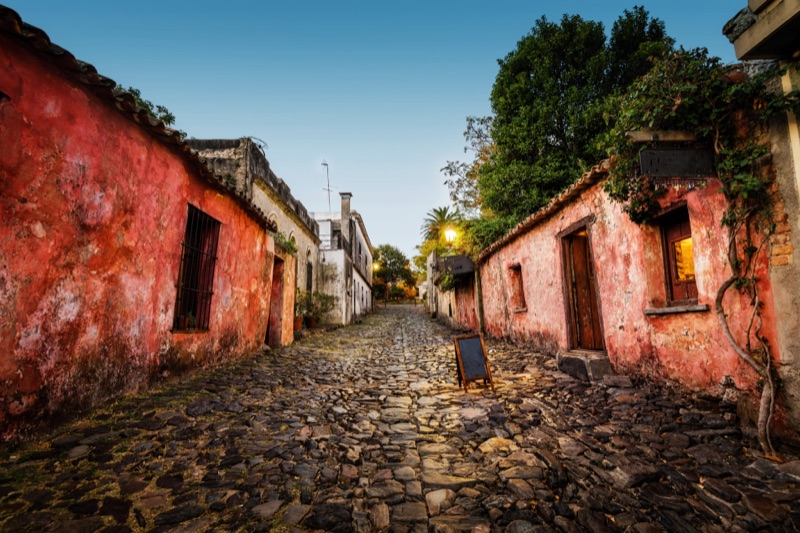
Uruguay's history is more modern and European-influenced. Colonia del Sacramento, a UNESCO site, features Portuguese and Spanish colonial architecture from the 17th century, a stark contrast to Peru's Inca past. Montevideo's Ciudad Vieja offers colonial and Art Deco buildings. The country has a strong gaucho tradition, particularly in the interior, seen in estancias (ranches) and horse riding. Candombe, an Afro-Uruguayan rhythm and dance, is a significant cultural expression, especially during Carnival. While its history is interesting, it does not possess the ancient, large-scale archaeological grandeur of Peru. Tabiji verdict: Peru offers a more profound and ancient historical journey.
- Winner: Peru
- Why: Peru provides access to ancient civilizations like the Inca, with impressive archaeological sites and living indigenous traditions.
- Who this matters for: History buffs, archaeology enthusiasts, and those interested in indigenous cultures.
🏞️ Natural Landscapes
Peru offers a dramatic range of natural settings. The Andes run down its spine, providing high-altitude trekking routes, snow-capped peaks, and deep canyons like Colca Canyon,…
Peru
Uruguay
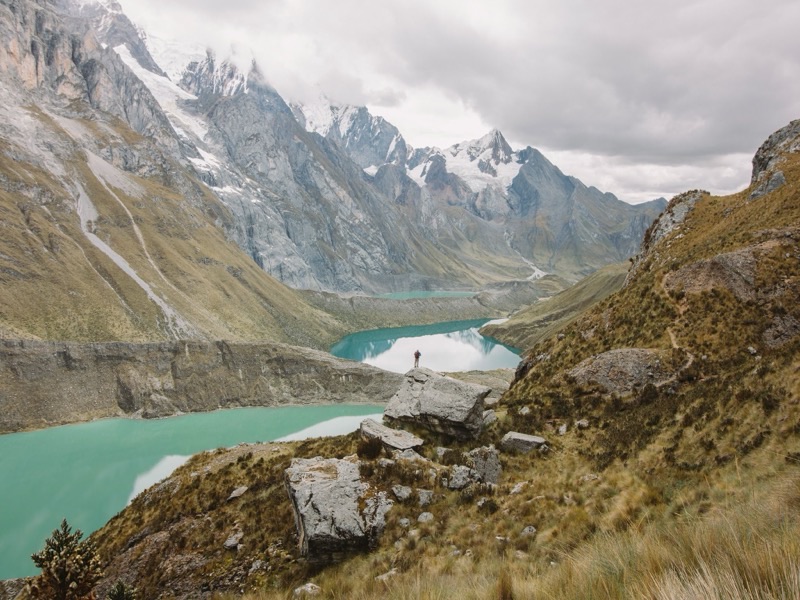
Peru offers a dramatic range of natural settings. The Andes run down its spine, providing high-altitude trekking routes, snow-capped peaks, and deep canyons like Colca Canyon, home to Andean condors. The Amazon rainforest covers over 60% of the country, accessible from places like Iquitos or Puerto Maldonado, offering wildlife spotting and jungle experiences. The Pacific coast has deserts, oases like Huacachina, and wildlife-rich areas such as the Paracas National Reserve. Lake Titicaca, the world's highest navigable lake, sits on the border with Bolivia, with its unique floating Uros islands. This diversity allows for multiple types of outdoor adventures, often within a relatively short distance.
Uruguay's natural scenery is softer and less dramatic. Its Atlantic coast includes popular beach towns like Punta del Este, La Paloma, and the more secluded Cabo Polonio, known for dunes and sea lion colonies. Inland, rolling hills and vast pampas grasslands dominate, dotted with cattle ranches. Protected areas like Quebrada de los Cuervos offer canyons and native forests, but on a smaller scale than Peru's canyons. Wetlands near Rocha provide birdwatching opportunities. While pleasant and peaceful, Uruguay does not have the towering mountains, extensive rainforests, or large-scale desert features that define Peru's landscape. Tabiji verdict: Peru delivers unparalleled natural diversity and grandeur.
- Winner: Peru
- Why: Peru's landscapes include the Amazon, high Andes, deserts, and vast canyons, offering a far greater variety and scale of natural experiences.
- Who this matters for: Adventure seekers, hikers, wildlife photographers, and nature lovers.
🍽️ Food & Drink
Peru is a global culinary destination. Lima's restaurants, like Central or Maido, are regularly ranked among the world's best, though budget travelers can enjoy equally delicious…
Peru
Uruguay
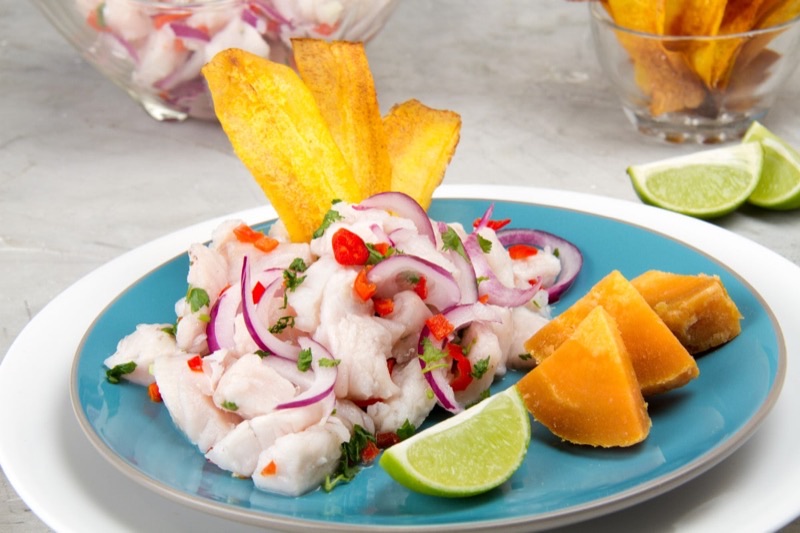
Peru is a global culinary destination. Lima's restaurants, like Central or Maido, are regularly ranked among the world's best, though budget travelers can enjoy equally delicious street food or local eateries. Ceviche (fresh raw fish cured in citrus) is a national dish. Lomo Saltado (stir-fried beef), Aji de Gallina (creamy chicken), and Causa Rellena (potato casserole) are staples. Regional variations are strong; try rocoto relleno in Arequipa or juane in the Amazon. Pisco Sours are the national drink. The combination of indigenous ingredients, Spanish, African, and Asian influences makes Peruvian food incredibly rich and varied. A good meal at a mid-range restaurant in Cusco costs PEN 40-70 ($10-18 USD).
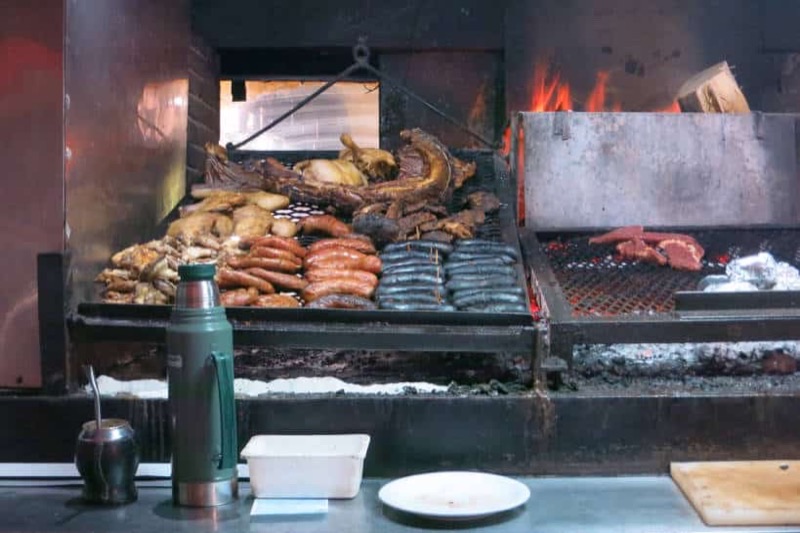
Uruguay's food scene focuses on high-quality meat and simple, flavorful preparations. Asado, a traditional barbecue, is a cornerstone of the cuisine, with parrillas (grill restaurants) serving excellent cuts of beef, pork, and chorizo. The chivito, a massive steak sandwich, is a must-try. Fresh seafood is common along the coast, especially in places like Punta del Este. Uruguay is also known for its Tannat wines, robust reds that pair well with the meat-heavy diet. Mate, a traditional herbal infusion, is consumed everywhere. While the quality of ingredients is high, the culinary range is narrower than Peru's. Expect a quality asado meal for UYU 800-1,500 ($20-38 USD). Tabiji verdict: Peru offers a more experimental and varied culinary journey.
- Winner: Peru
- Why: Peru's cuisine is internationally acclaimed for its diversity, fusion, and innovative use of local ingredients, offering a wider range of flavors.
- Who this matters for: Foodies, culinary explorers, and anyone seeking unique gastronomic experiences.
🏖️ Beaches & Coast
Peru's coastline is primarily rugged desert meeting the Pacific, often shrouded in a grey mist ('garúa') for parts of the year, especially around Lima. While there are surf towns…
Peru
Uruguay
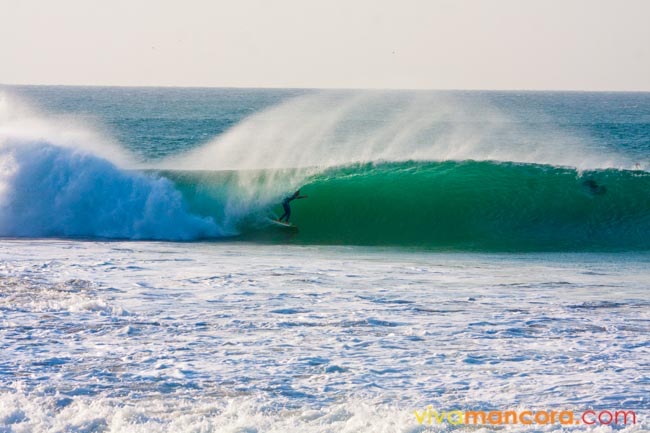
Peru's coastline is primarily rugged desert meeting the Pacific, often shrouded in a grey mist ('garúa') for parts of the year, especially around Lima. While there are surf towns in the north like Máncora and Huanchaco, they are known more for waves than for idyllic beach lounging. Paracas offers coastal desert scenery and wildlife boat tours to the Ballestas Islands, but it is not a swimming beach destination. The waters are cold due to the Humboldt Current. Beaches near Lima like Miraflores are more for strolling and surfing than sunbathing. If your goal is a relaxing beach holiday, Peru is not the ideal pick.
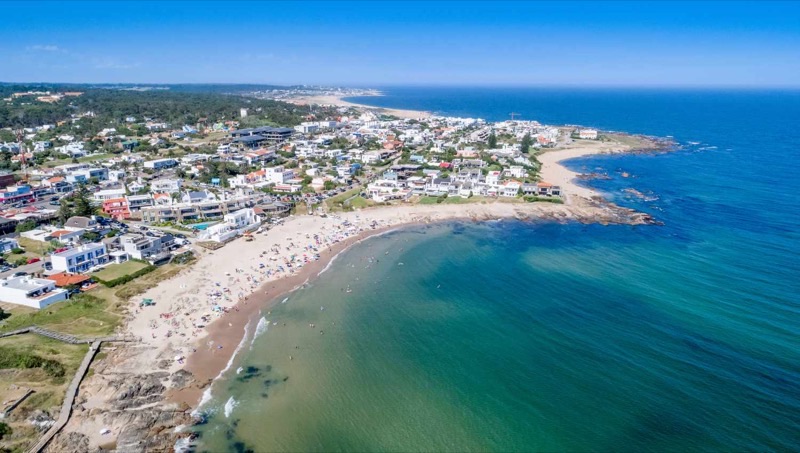
Uruguay excels in its Atlantic coastline. Punta del Este is a glamorous resort town, often called the 'Monaco of South America,' with lively beaches like Playa Brava and Playa Mansa, and a high-energy nightlife. Further east, towns like La Paloma and La Pedrera offer a more relaxed, bohemian beach atmosphere, popular with surfers and families. Cabo Polonio, a national park accessible only by 4x4, provides untouched dunes, a lighthouse, and a sea lion colony, perfect for a rustic, off-grid beach escape. The water is warmer than Peru's Pacific and the climate generally sunnier. Tabiji verdict: Uruguay is the superior choice for a beach-focused vacation.
- Winner: Uruguay
- Why: Uruguay's Atlantic coast provides a range of attractive beach experiences from resort towns to wild, secluded areas, with warmer waters.
- Who this matters for: Beach lovers, sunbathers, surfers, and those seeking coastal relaxation.
👮 Safety & Ease
Peru, while generally safe for tourists, requires awareness, particularly in Lima, Cusco, and Arequipa. Petty theft (pickpocketing, bag snatching) is common in crowded markets,…
Peru, while generally safe for tourists, requires awareness, particularly in Lima, Cusco, and Arequipa. Petty theft (pickpocketing, bag snatching) is common in crowded markets, bus terminals, and tourist areas. Taxis should be official. Express kidnappings occur rarely but are a concern in some areas. Altitude sickness (soroche) is a significant factor when traveling to Cusco or other Andean regions; proper acclimatization is essential. Road safety can be erratic, especially on mountain roads. Solo female travelers generally report positive experiences but advise caution after dark in major cities. Learning basic Spanish helps considerably for navigating.
Uruguay is often cited as one of the safest countries in South America. Major cities like Montevideo and Colonia del Sacramento have low rates of violent crime, although petty theft can still occur, particularly in tourist areas. The general atmosphere is relaxed and orderly. Public transport is reliable. There are no major geographical challenges like high altitude. Solo travelers often feel very comfortable exploring independently. While Spanish is the national language, many people in tourist centers speak some English. The ease of getting around and the generally calm environment make for a stress-free travel experience. Tabiji verdict: Uruguay offers a more relaxed and less demanding travel environment from a safety perspective.
- Winner: Uruguay
- Why: Uruguay has lower crime rates and a more relaxed atmosphere, making it feel safer and easier to navigate for most travelers.
- Who this matters for: Solo travelers, first-time international travelers, and those prioritizing a low-stress trip.
✈️ Getting There
Getting to Peru, specifically Lima (LIM), is relatively straightforward from North America. Direct flights are available from cities like Miami (approx. 5.5-6 hours), Houston…
Getting to Peru, specifically Lima (LIM), is relatively straightforward from North America. Direct flights are available from cities like Miami (approx. 5.5-6 hours), Houston (approx. 7 hours), New York (approx. 6.5-7 hours), and Los Angeles (approx. 8 hours). From Europe, direct flights exist from Madrid or Amsterdam (approx. 11-12 hours). Fares can range from $500-900 USD from the US, depending on the season and booking time. Lima serves as a major hub, making onward connections to Cusco, Arequipa, or Iquitos easy. The journey time tends to be shorter and less complicated for many international travelers.
Traveling to Uruguay typically involves more connections. Most international flights land at Montevideo's Carrasco International Airport (MVD). From North America, direct flights are rare; connections are usually made through major South American hubs like Santiago (SCL), Buenos Aires (EZE), or São Paulo (GRU). Total flight times from the US East Coast can be 10-12 hours including layovers, and 15+ hours from the West Coast. From Europe, direct flights are limited, often connecting through Madrid or São Paulo, taking 12-15 hours. Fares often mirror or exceed those to Peru, in the $600-1000 USD range from the US. The extra layover adds time and potential for delays. Tabiji verdict: Peru offers simpler and shorter international travel logistics.
- Winner: Peru
- Why: Peru benefits from more direct flight options and shorter total travel times from major international hubs, especially North America.
- Who this matters for: Travelers sensitive to long travel times, layovers, and those prioritizing convenience.
🚌 Getting Around
Peru's vast geography means internal travel can take time, but the country has an extensive and generally comfortable long-distance bus network. Companies like Cruz del Sur or…
Peru's vast geography means internal travel can take time, but the country has an extensive and generally comfortable long-distance bus network. Companies like Cruz del Sur or Oltursa offer executive-class buses with reclining seats and meals, costing PEN 70-150 ($18-40 USD) for a 10-15 hour journey. For quicker travel between major cities like Lima and Cusco, internal flights are popular (approx. 1.5 hours, $50-100 USD). Taxis and colectivos (shared vans) are common for shorter distances. Navigating locally is inexpensive, but sometimes requires negotiation. Be mindful of bus safety, especially on overnight routes, by choosing reputable companies.
Uruguay's smaller size makes internal travel relatively fast and easy. The bus network is efficient and well-maintained, connecting all major towns and cities. Buses from Montevideo to Colonia del Sacramento take about 2.5 hours and cost UYU 400-600 ($10-15 USD). Routes along the coast are also frequent. Roads are generally good, making self-driving an option for those who prefer it. Taxis and ride-sharing apps are available in urban areas. While there are fewer long-haul journeys, the distances are manageable, leading to less time spent in transit. Both countries have good internal transport, but for different scales. Tabiji verdict: Both countries offer efficient transport, but Peru for epic distances, Uruguay for shorter hops.
- Winner: Tie
- Why: Both countries offer effective public transport, but for different travel scales. Peru handles large distances well, Uruguay excels in shorter, quicker trips.
- Who this matters for: Travelers who value efficient local transport, regardless of distance.
🎉 Nightlife & Entertainment
Peru offers a good nightlife, particularly in Lima's Barranco and Miraflores districts, with a mix of trendy bars, nightclubs, and live music venues. Expect a craft beer for PEN…
Peru offers a good nightlife, particularly in Lima's Barranco and Miraflores districts, with a mix of trendy bars, nightclubs, and live music venues. Expect a craft beer for PEN 15-25 ($4-6.50 USD) and cocktails for PEN 20-35 ($5-9 USD). Cusco also has a significant tourist-oriented nightlife around the Plaza de Armas, with many bars staying open late. Beyond the main tourist hubs, local 'peñas' offer traditional music and dance, providing a different kind of cultural entertainment. While there is plenty to do, it generally feels more focused on mainstream clubs or traditional experiences, with less of a European-style lounge bar scene.
Uruguay, especially Montevideo and Punta del Este, provides a more developed and sophisticated nightlife. Montevideo's Pocitos and Carrasco neighborhoods have upscale bars and clubs. The Ciudad Vieja offers more relaxed pubs and live music. During summer, Punta del Este transforms into a major party destination, attracting people from across South America with beach clubs and casinos that run until dawn. Candombe performances, particularly during Carnival, offer a unique Afro-Uruguayan musical experience in the streets. Drink prices can be higher, with a local beer UYU 150-250 ($4-6.50 USD) and cocktails UYU 300-500 ($8-13 USD), but the atmosphere is often more polished. Tabiji verdict: Uruguay delivers a more refined and varied nightlife experience.
- Winner: Uruguay
- Why: Uruguay, particularly in Montevideo and Punta del Este, offers a more sophisticated and diverse range of nightlife options, from chic bars to high-energy clubs.
- Who this matters for: Party-goers, those seeking upscale bars, and travelers who enjoy a lively late-night scene.
🚶♀️ Solo Travel Suitability
Peru is a prime destination for solo travelers. It boasts a very established backpacker trail, especially connecting Lima, Cusco, and Arequipa. Hostels are plentiful and often…
Peru is a prime destination for solo travelers. It boasts a very established backpacker trail, especially connecting Lima, Cusco, and Arequipa. Hostels are plentiful and often have social atmospheres, making it easy to meet other travelers. Many tours to major attractions like Machu Picchu, Colca Canyon, or the Amazon are designed for groups, allowing solo travelers to join easily and affordably (e.g., a 4-day Inca Trail tour costs around $600-800 USD, or a Salkantay Trek for $350-500 USD). Local transport is accessible, and the sheer number of solo travelers means you're rarely truly alone. Safety requires awareness, but overall, it's a very manageable and rewarding solo journey.
Uruguay is also very safe and straightforward for solo travel. However, the backpacker infrastructure is less extensive than in Peru. Hostels exist in Montevideo and popular beach towns like La Pedrera, but outside these areas, accommodation might be more geared towards couples or families. While it's easy to get around independently and locals are generally friendly, there are fewer organized group tours that cater specifically to solo travelers seeking to connect. It might feel a bit quieter and less communal for solo adventurers who thrive on meeting many new people. Public transport is excellent, and walking around is generally safe. Tabiji verdict: Peru offers a more established and socially connected solo travel experience.
- Winner: Peru
- Why: Peru has a highly developed backpacker infrastructure and a strong solo travel community, making it easier to meet people and join tours.
- Who this matters for: First-time solo travelers, backpackers, and those keen on meeting other travelers.
🎯 The Decision Framework
Choose Peru If…
- You dream of hiking ancient Inca trails to Machu Picchu.
- You want to explore the Amazon rainforest and spot diverse wildlife.
- Your budget is $35-60 USD per day for a comfortable trip.
- You are interested in ancient civilizations and indigenous cultures.
- You want to try world-renowned cuisine like ceviche and lomo saltado.
- You enjoy dramatic mountain scenery and high-altitude trekking.
- You prefer a destination with a strong backpacker scene to meet other travelers.
- You want a country with extensive options for organized adventure tours.
Choose Uruguay If…
- You seek relaxing beach towns and a coastal lifestyle.
- You prefer a vacation with a very laid-back and safe atmosphere.
- You appreciate European-influenced cities and architecture like Colonia del Sacramento.
- You want to enjoy high-quality grilled meats (asado) and Tannat wines.
- Your budget allows for $70-120 USD per day for a mid-range trip.
- You prefer shorter travel distances between points of interest.
- You are looking for a sophisticated nightlife and dining scene, especially in summer.
- You want to experience gaucho culture on an estancia.
📅 Sample Itineraries
Weekend in Peru (3 Days)
💡 Purchase the 'Boleto Turístico del Cusco' for ~$40-50 if visiting multiple Sacred Valley sites; it saves money compared to individual tickets.
Weekend in Uruguay (3 Days)
💡 For ferry tickets to Colonia del Sacramento, book in advance, especially during peak season, to secure better prices and preferred times.
One Week in Peru (7 Days)
💡 Consider buying a multi-city flight ticket that flies into Lima and out of Cusco to save time and avoid backtracking.
One Week in Uruguay (7 Days)
💡 Uruguay's public bus system is efficient and affordable for intercity travel. Buy tickets directly at terminals or online in advance for popular routes like Montevideo to Punta del Este.
❓ Frequently Asked Questions
Which country is better for a two-week trip?
For a two-week trip, Peru offers a more concentrated and diverse experience. You can realistically cover Lima, Cusco, Machu Picchu, and even a quick trip to Arequipa or the Sacred Valley. Uruguay's smaller size means you could see more of it in two weeks, but Peru's iconic sites are denser and more impactful within that timeframe.
How do flight costs compare from the USA?
Flights to Lima (Peru) from major US cities often range from $500-900 USD round trip, with direct options. Flights to Montevideo (Uruguay) typically cost $600-1000 USD and almost always involve at least one connection, usually through another South American hub, adding to travel time.
Is it possible to combine both countries in one trip?
Yes, but you would need at least three to four weeks to do justice to both. You'd likely fly from Lima to Montevideo (a 4-5 hour flight with a connection, costing around $200-400 USD). A shorter trip trying to combine both would feel rushed, sacrificing depth in either destination.
Which country has better hiking opportunities?
Peru has significantly better and more varied hiking opportunities. From the Inca Trail and Salkantay Trek to Machu Picchu, to multi-day treks in Huaraz (Cordillera Blanca) and the Colca Canyon, Peru is a hiker's paradise. Uruguay offers pleasant walks and coastal trails, but nothing on the scale or altitude of Peru's Andes.
What is the best time of year to visit each country?
For Peru, the dry season (May to October) is ideal for Andean trekking and Machu Picchu. For Uruguay, the summer months (December to February) are best for beaches and coastal towns, with warm weather. Shoulder seasons (April-May, Oct-Nov) can be good for both to avoid crowds and get decent weather.
Which country is better for digital nomads?
Uruguay is often preferred by digital nomads due to its better infrastructure, generally faster internet, safer cities, and a more European feel. Cost of living is higher, but the quality of life, especially in Montevideo, appeals to many. Peru offers lower costs but internet can be less reliable outside major cities, and the safety aspect requires more caution.
Are visas required for US citizens for either country?
US citizens do not require a visa for tourist stays in either Peru (up to 183 days) or Uruguay (up to 90 days). A valid passport with at least six months of validity remaining is sufficient for entry into both nations.
How does the coffee culture compare?
Peru is a coffee-producing nation, and while a strong coffee culture is developing, especially in Lima's specialty cafes (a coffee might cost PEN 8-15 / $2-4 USD), it's not as pervasive as in some other countries. Uruguay has a strong café culture, particularly in Montevideo, influenced by its European heritage, where people gather for coffee, pastries, and conversation (a coffee might cost UYU 120-200 / $3-5 USD).
Ready to plan your South America trip?
Get a free custom itinerary for Peru, Uruguay, or both — built from real traveler insights.
👥 Travelers Also Compared
🎟️ Book Tours & Experiences
Hand-picked tours and activities for both destinations — book with free cancellation
Experiences via Viator — free cancellation on most tours