How we built this comparison
This page combines traveler discussion patterns, published price ranges, flight schedules, and seasonal data to help you decide between Philadelphia and Washington Dc.
- Reviewed 50+ Reddit threads from r/travel, r/solotravel, r/Philadelphia, r/WashingtonDC, and r/USAtravel for authentic traveler perspectives.
- Verified costs and logistics against current booking platforms (e.g., Google Flights, Booking.com, Amtrak, local transit websites) in Q4 2023 / Q1 2024.
- Cross-referenced seasonal patterns and weather data with local tourism boards and meteorological sources to ensure accurate travel advice.
⚡ The TL;DR Verdict
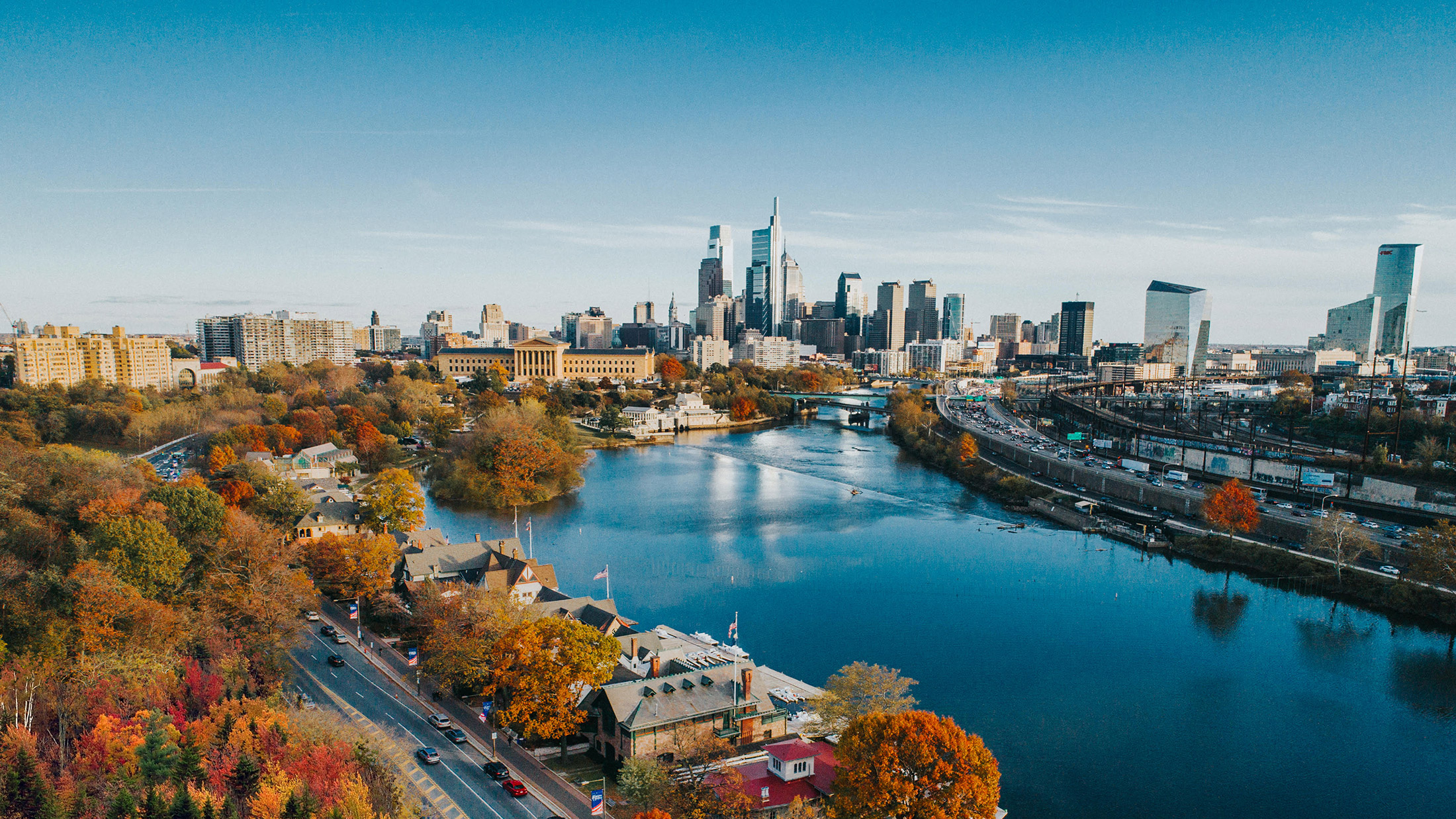
For history buffs on a tighter budget who crave a grittier, walkable city with an incredible food scene, Philadelphia is your pick (budget around $120-180 USD/day). If you're drawn to world-class museums, iconic monuments, and a polished, international vibe, Washington D.C. offers an unparalleled experience, albeit at a slightly higher daily cost ($180-250 USD/day).
- Choose Philadelphia: Choose Philly if you love American history, crave diverse and affordable food (beyond cheesesteaks!), enjoy a vibrant nightlife without the pretension, and prefer a city with a distinct, local character. It's fantastic for solo travelers and couples looking for an authentic urban experience.
- Choose Washington Dc: Pick D.C. for its unparalleled access to free Smithsonian museums, iconic national monuments, and a more polished, international atmosphere. Ideal for families, first-time visitors to the U.S., or anyone interested in politics, art, and grand civic spaces.
- Choose Both: These two cities are only a 2-hour train ride apart, making them a perfect pairing for a longer trip (5-7 days). Start with 2-3 days in Philly for history and food, then hop on Amtrak to D.C. for another 3-4 days of museums and monuments. It's an ideal way to experience a broad spectrum of East Coast culture and history.
Quick Comparison
| Category | Philadelphia | Washington Dc | Winner |
|---|---|---|---|
| Culture & History | Birthplace of America, raw Revolutionary War history, diverse neighborhoods. | National monuments, free Smithsonian museums, political epicenter. | Tie |
| Food Scene | Diverse, affordable, world-class dining beyond cheesesteaks; BYOB culture. | Upscale, international, Michelin-starred; strong Ethiopian and ethnic food. | Philadelphia |
| Nightlife | Lively, diverse bars and clubs in Fishtown, Old City, South Street; craft beer focus. | Sophisticated bars, rooftop lounges, live music venues; U Street Corridor. | Philadelphia |
| Costs | Generally more affordable for accommodation, food, and activities. | Higher cost of living reflected in hotels, dining, and some attractions. | Philadelphia |
| Getting Around | Very walkable downtown, extensive SEPTA system (subway, bus, trolley). | Excellent Metro system, walkable National Mall and central areas. | Washington Dc |
| Accommodation | Good range of historic boutique hotels, budget options, and Airbnbs. | More upscale, business-oriented hotels, limited budget options centrally. | Philadelphia |
| Day Trips | Easy access to Amish Country, Atlantic City, Valley Forge, NYC. | Proximity to charming towns in Virginia/Maryland, Annapolis, Great Falls. | Philadelphia |
| Weather & Seasons | Hot, humid summers; cold, snowy winters; pleasant springs/autumns. | Similar climate, but cherry blossoms in spring are a major draw. | Washington Dc |
| Safety | Generally safe in tourist areas, but awareness needed in some neighborhoods. | Tourist areas are very safe, especially around the National Mall; some areas to avoid. | Washington Dc |
| Family-Friendly | Children's Museum, Franklin Institute, Please Touch Museum; history comes alive. | Free Smithsonian museums, National Zoo, National Mall, interactive exhibits. | Washington Dc |
🏛️ Culture & History
Both cities are absolutely packed with history, but they offer different flavors. Philadelphia is the birthplace of American democracy, home to Independence Hall, the Liberty Bell, and the National Constitution Center. You can walk the same streets as the Founding Fathers, visit Betsy Ross's House, and explore the gritty, authentic neighborhoods that shaped the nation. It's a hands-on, immersive historical experience. Washington D.C., on the other hand, presents a grander, more monumental history. The National Mall alone is a testament to American ideals, lined with iconic memorials like the Lincoln Memorial, Washington Monument, and WWII Memorial. The Smithsonian museums—all free!—offer encyclopedic collections ranging from natural history to space exploration. While Philly feels like you're *in* history, D.C. feels like you're *observing* it on a grand scale. 'Honestly, Philly's history feels more relatable, like you're walking through a living museum, while D.C. is more about the big, impactful moments,' said one Redditor.
Winner takeaway
- Winner: Tie
- Why: It's a tie because they offer equally compelling, yet distinct, historical and cultural experiences.
- Who this matters for: Everyone, as both cities are major historical and cultural hubs.
🍔 Food Scene
Philadelphia wins for its sheer diversity, affordability, and lack of pretension. While everyone knows cheesesteaks (try John's Roast Pork or Dalessandro's for authentic experiences, not Pat's/Geno's!), the city's culinary landscape extends far beyond. Reading Terminal Market is a must-visit for everything from Amish donuts to roast pork sandwiches. Fishtown and South Philly boast incredible BYOB (Bring Your Own Bottle) restaurants where you can enjoy world-class cuisine without paying exorbitant liquor markups – a fantastic budget saver. Expect a great sit-down meal for $25-40 USD per person. D.C. has a strong international dining scene, especially in areas like Adams Morgan (Ethiopian food is a must-try!) and Georgetown, and more Michelin-starred restaurants. However, dining out tends to be pricier, with comparable meals often costing $40-70 USD per person. 'Philly's food scene just hits different. You can eat like royalty on a budget, and the BYOBs are a game changer,' a traveler shared.
Winner takeaway
- Winner: Philadelphia
- Why: Philadelphia offers a more diverse, innovative, and budget-friendly food experience for the average traveler.
- Who this matters for: Foodies, budget travelers, and those seeking authentic local flavors.
🍻 Nightlife
Philadelphia edges out D.C. for its more varied and accessible nightlife, especially for those who enjoy a lively, less formal atmosphere. Neighborhoods like Fishtown are buzzing with trendy bars, gastropubs, and live music venues, while Old City offers a mix of historic pubs and dance clubs. South Street provides a quirky, energetic vibe with bars and alternative spots. Craft beer culture is huge here, with many local breweries offering unique brews for around $7-9 USD a pint. D.C.'s nightlife is more polished and often pricier. The U Street Corridor is famous for its jazz clubs and vibrant atmosphere, and areas like Dupont Circle and Georgetown have sophisticated cocktail bars and lounges. While D.C. certainly has options, Philadelphia feels more like a city where locals go out to have fun without breaking the bank. 'Philly's bars just have more character. You can find anything from a dive bar to a fancy cocktail spot, and it doesn't feel as corporate as D.C.,' a Redditor wisely noted.
Winner takeaway
- Winner: Philadelphia
- Why: Philadelphia offers a more diverse, approachable, and generally more affordable nightlife scene.
- Who this matters for: Younger travelers, solo travelers, and those who prioritize casual fun over upscale experiences.
💰 Costs
When comparing overall travel costs, Philadelphia is distinctly more budget-friendly than Washington D.C. For accommodation, you can find quality hotels in Philly for $120-200 USD per night, whereas similar options in D.C. often start at $180-300 USD. Food, as mentioned, is cheaper in Philly, with excellent meals available for $15-30 USD, while D.C. often pushes past $30-50 USD for a comparable experience. While D.C. boasts free museums, many other attractions and activities, like tours or special exhibits, can add up quickly. Transportation costs are relatively similar, with both cities having decent public transit systems (SEPTA in Philly, Metro in D.C., around $2.50-$3.50 USD per ride). However, D.C.'s overall service sector often commands higher prices. 'My wallet definitely felt happier in Philly. You get a lot more bang for your buck on everything from hotels to dinner,' commented one traveler on Reddit.
Winner takeaway
- Winner: Philadelphia
- Why: Philadelphia offers a significantly better value for money across most travel categories, making it ideal for budget-conscious travelers.
- Who this matters for: Budget travelers, families, and those planning longer trips.
🚶 Getting Around
Both cities are quite walkable in their core areas and boast decent public transportation. Philadelphia's SEPTA system includes subways, trolleys, and buses, effectively covering the city and surrounding areas. A single ride is $2.50 USD, or you can get a 'Key Card' for better value. However, some areas require transfers or longer walks. Washington D.C. takes the lead with its iconic Metro system, which is cleaner, more extensive, and generally easier to navigate for tourists, especially connecting major attractions and neighborhoods. A single Metro ride can range from $2.00-$6.00 USD depending on distance and time. The National Mall itself is designed for walking, and most major monuments are easily accessible on foot. While Philly's walkable core is great, D.C.'s integrated transit system makes exploring further afield more seamless. 'The D.C. Metro is a godsend for tourists. So clean, so efficient, gets you pretty much anywhere you need to go without a car,' said a frequent visitor.
Winner takeaway
- Winner: Washington Dc
- Why: Washington D.C.'s Metro system is more comprehensive, user-friendly, and efficient for tourist navigation.
- Who this matters for: Travelers without a car, families, and those who prefer public transit.
🏨 Accommodation
Philadelphia offers a wider and more affordable range of accommodation options. You can find charming boutique hotels in Old City or Rittenhouse Square for $150-250 USD per night, alongside solid budget hotels starting around $100-150 USD. The Airbnb market also provides good value, especially in neighborhoods like Fishtown or South Philly, where you can find unique stays for $80-150 USD. D.C., being a major political and business hub, has a higher concentration of upscale and business-oriented hotels. Mid-range hotels typically start from $200-300 USD per night, and budget options are scarce in central, tourist-friendly areas, often pushing you further out or into less desirable spots. During peak season or major events, D.C. hotel prices can skyrocket. 'Finding a decent hotel under $200 in D.C. felt like a miracle. Philly had so many more options at that price point,' a budget traveler lamented.
Winner takeaway
- Winner: Philadelphia
- Why: Philadelphia provides more diverse, characterful, and significantly more affordable accommodation choices for various budgets.
- Who this matters for: Budget travelers, solo travelers, and those seeking unique, non-chain hotel experiences.
🚗 Day Trips
Philadelphia offers a fantastic array of day trip options, catering to diverse interests. Within a 1-2 hour drive, you can explore the unique culture of Lancaster County's Amish Country, try your luck at the casinos in Atlantic City, immerse yourself in Revolutionary War history at Valley Forge National Historical Park, or even venture to New York City (just 1.5-2 hours by Amtrak, ~$30-50 USD one-way). The proximity to diverse experiences like beaches, historical battlegrounds, and other major cities gives Philly a slight edge. D.C. also has good day trip potential, with charming towns like Annapolis (Maryland) offering naval history and waterfront views, or Alexandria (Virginia) providing quaint colonial streets. Nature lovers can visit Great Falls Park for scenic views and hiking. However, the sheer variety and distinctiveness of Philly's nearby destinations feel more compelling for a broader range of travelers. 'Philly is perfectly positioned for so many different kinds of day trips. Amish Country was wild, and a quick trip to NYC is always a blast,' a traveler recounted.
Winner takeaway
- Winner: Philadelphia
- Why: Philadelphia provides a wider and more varied selection of easily accessible and distinct day trip destinations.
- Who this matters for: Travelers staying longer, those with a car, and adventurers looking to explore beyond the city limits.
☀️ Weather & Seasons
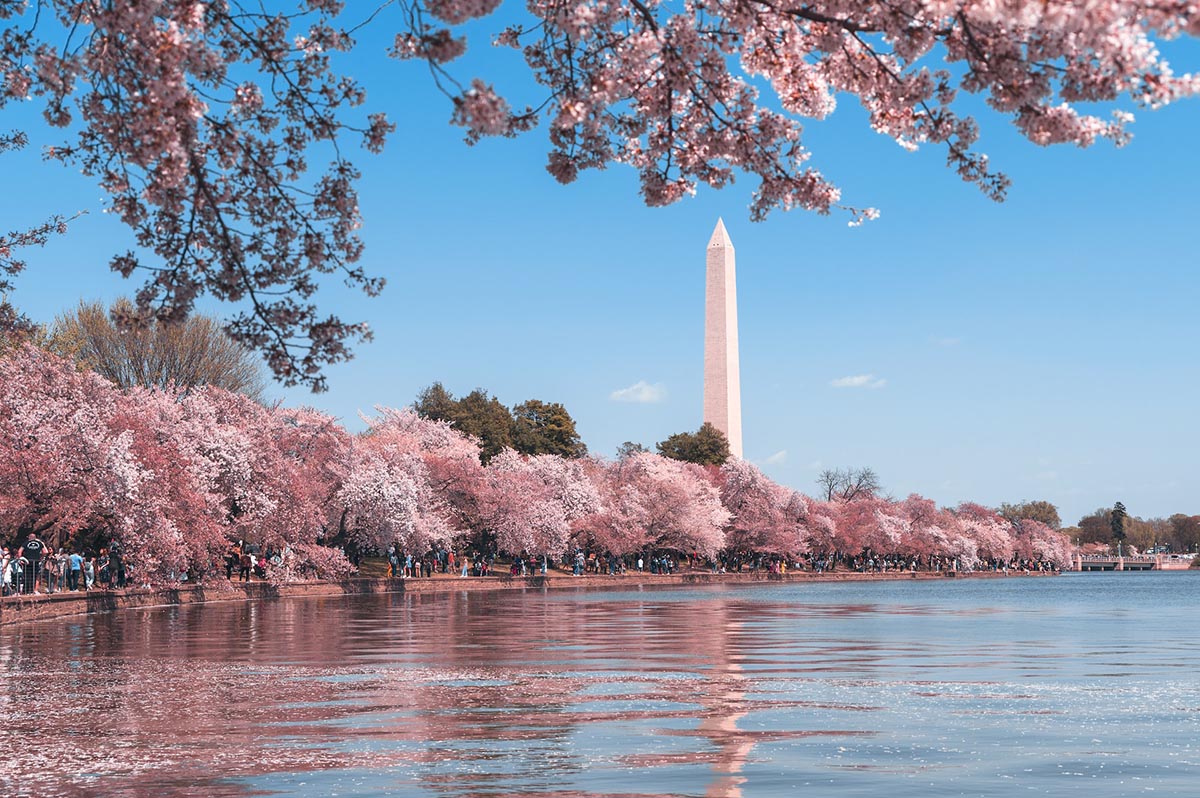
Both Philadelphia and Washington D.C. experience four distinct seasons with very similar weather patterns: hot, humid summers (July-August, often 85-95°F / 30-35°C), cold winters with occasional snow (December-February, 20-40°F / -6-4°C), and pleasant spring and autumn months. However, D.C. wins this category purely for its spectacular cherry blossom season. Usually occurring from late March to early April, the blooming of thousands of cherry trees around the Tidal Basin transforms the city into a breathtaking pink wonderland. This unique natural spectacle is a major draw and adds an unparalleled beauty to D.C.'s spring. While Philly's autumn foliage is lovely, it doesn't quite match the iconic status of D.C.'s cherry blossoms. Both cities are best visited in spring or fall for comfortable temperatures and fewer crowds (outside of D.C.'s cherry blossom peak). 'If you can time it right, D.C.'s cherry blossoms are absolutely magical. Worth planning your whole trip around,' enthused a Redditor.
Winner takeaway
- Winner: Washington Dc
- Why: Washington D.C.'s iconic cherry blossom season in spring offers a unique and world-renowned natural spectacle.
- Who this matters for: Photographers, romantics, and anyone seeking a truly iconic seasonal experience.
🚨 Safety
Both cities generally require typical urban awareness, but Washington D.C. feels marginally safer, especially for first-time visitors or solo travelers. The main tourist areas in D.C., particularly around the National Mall, Smithsonian museums, and well-known neighborhoods like Georgetown or Dupont Circle, are extremely safe due to high police presence and constant foot traffic. Even the Metro is generally very safe. Philadelphia's tourist zones like Old City, Rittenhouse Square, and Museum Mile are also safe during the day and into the evening. However, Philly has more pronounced 'rougher' areas, and it's easier for tourists to accidentally stray into less desirable neighborhoods, particularly further north or south of the main tourist corridors. Overall, both cities are safe with common sense precautions (don't walk alone late at night in unlit areas, be aware of your surroundings, etc.), but D.C.'s central areas offer a slightly higher level of comfort. 'I felt pretty safe walking around D.C. even at night around the monuments. Philly felt a bit more unpredictable outside the main drag,' a solo female traveler shared.
Winner takeaway
- Winner: Washington Dc
- Why: Washington D.C.'s main tourist areas are exceptionally safe and heavily policed, offering slightly more peace of mind.
- Who this matters for: Solo travelers, families with young children, and those prioritizing a high sense of security.
👨👩👧👦 Family-Friendly
Washington D.C. is an unparalleled destination for families, largely thanks to its extensive collection of free Smithsonian museums. The National Air and Space Museum, National Museum of Natural History, and International Spy Museum (paid) offer interactive, educational, and engaging experiences for all ages. The National Zoo (also free!) is another huge hit. Kids can run freely on the vast National Mall, visiting monuments and enjoying open spaces. Philadelphia also has excellent family attractions, including the Please Touch Museum (specifically for young children), the Franklin Institute (science museum), and the Philadelphia Zoo. Its historical sites, like Independence Hall, can be very engaging, making history feel tangible. However, the sheer volume of high-quality, free, and educational attractions in D.C. makes it a clear winner for families, especially those on a budget. 'With three kids, the free museums in D.C. were a lifesaver. We could spend hours and not feel guilty about the cost if they got bored,' a parent explained.
Winner takeaway
- Winner: Washington Dc
- Why: Washington D.C.'s abundance of free, world-class museums and attractions makes it exceptionally family-friendly and budget-conscious.
- Who this matters for: Families with children of all ages, especially those interested in education and interactive learning.
❓ Frequently Asked Questions
Which city is better for a first-time visitor to the USA?
Washington D.C. is often recommended for first-time visitors due to its iconic, easily recognizable landmarks, world-class free museums, and well-organized tourist infrastructure. It provides a comprehensive and impressive introduction to American history and culture.
Can I visit both Philadelphia and Washington D.C. on one trip?
Absolutely! They are perfectly positioned for a combined trip. Amtrak's Northeast Regional line connects the two cities in about 2 hours, with tickets typically ranging from $20-60 USD. A 5-7 day itinerary allows ample time for both.
What's the best way to travel between Philadelphia and Washington D.C.?
Amtrak is by far the most convenient and popular option. Trains run frequently, offering comfortable seats and Wi-Fi. Buses (like Greyhound or Megabus) are a cheaper alternative but take longer and are less comfortable.
Which city has better art museums?
Washington D.C. boasts an incredible array of free art museums under the Smithsonian umbrella, including the National Gallery of Art and the Hirshhorn Museum. Philadelphia has the renowned Philadelphia Museum of Art (with the famous 'Rocky Steps') and the Barnes Foundation, both world-class but with admission fees.
Is public transportation good in both cities?
Yes, both cities have good public transport. D.C.'s Metro is generally considered more extensive and easier for tourists to navigate, connecting major attractions efficiently. Philadelphia's SEPTA system covers the city well but may require more transfers for certain routes.
Which city is better for a romantic getaway?
This depends on your style. D.C. offers grand backdrops for romantic strolls around monuments and upscale dining. Philadelphia, with its charming historic streets, cozy BYOB restaurants, and vibrant arts scene, provides a more intimate and authentic romantic experience, often at a lower cost.
Are there good options for outdoor activities?
Both cities offer green spaces. D.C. has the vast National Mall and nearby Rock Creek Park for hiking and biking. Philadelphia boasts Fairmount Park, one of the largest urban parks in the world, perfect for picnics, biking, and exploring historic mansions.
Which city is more walkable?
Philadelphia's historic core and central neighborhoods are incredibly walkable, allowing you to easily explore many attractions on foot. D.C.'s National Mall area is also very walkable, but the city overall is more spread out, making the Metro essential for covering longer distances between districts.
Ready to plan your Northeast USA trip?
Get a free custom itinerary for Philadelphia, Washington Dc, or both — built from real traveler insights.
🎟️ Book Tours & Experiences
Hand-picked tours and activities for both destinations — book with free cancellation
Experiences via Viator — free cancellation on most tours