How we built this comparison
This page combines traveler discussion patterns, published price ranges, flight schedules, and seasonal data to help you decide between Philippines and Indonesia.
- Reviewed 100+ Reddit threads from r/travel, r/solotravel, r/Philippines, r/Indonesia, and r/Bali.
- Verified costs and logistics against current booking platforms (e.g., Agoda, Skyscanner, Grab, local tour operators).
- Cross-referenced seasonal patterns and weather data for optimal travel times.
- Consulted insights from seasoned expat and digital nomad communities in both regions.
⚡ The TL;DR Verdict
Choose the Philippines for unparalleled island hopping, pristine beaches, and vibrant marine life, ideal for adventure seekers on a mid-range budget ($40-70/day). Opt for Indonesia if you crave diverse landscapes, rich culture, and an established digital nomad scene, suitable for budgets from backpacker to luxury ($30-100+/day).
- Choose Philippines: You're a beach bum, island hopper, and diving enthusiast who loves a good adventure and isn't afraid of slightly less developed infrastructure. Expect stunning natural beauty, friendly locals, and a more raw travel experience.
- Choose Indonesia: You seek cultural immersion, volcanic hikes, world-class surfing, and a well-established tourist trail with excellent amenities. Perfect for solo travelers, digital nomads, and families looking for diverse experiences, from spiritual retreats to bustling nightlife.
- Choose Both: If you have 4+ weeks, combining both offers the best of Southeast Asia – from Palawan's lagoons to Bali's rice paddies. Start with Indonesia for cultural immersion and then head to the Philippines for relaxation and natural wonders, or vice versa, depending on flight routes.
Quick Comparison
| Category | Philippines | Indonesia | Winner |
|---|---|---|---|
| Beaches & Islands | Unrivaled for pristine, picture-perfect white sand beaches and dramatic limestone karst formations. Elite for island hopping. | Stunning volcanic black sand beaches and famous surf breaks, especially in Bali and Lombok. More developed tourist infrastructure. | Philippines |
| Culture & Heritage | A unique blend of indigenous, Spanish colonial, and American influences. Strong Catholic heritage, vibrant festivals. | Incredibly diverse with thousands of ethnic groups. Rich Hindu-Buddhist legacy (Bali), ancient temples (Java), and distinct regional traditions. | Indonesia |
| Food Scene | Hearty, often savory, and meat-centric. Known for dishes like Adobo, Sinigang, and Lechon. Less spicy, strong comfort food vibe. | Incredibly diverse, aromatic, and spicy. Famous for Nasi Goreng, Rendang, Satay, and regional specialties. Excellent street food. | Indonesia |
| Nightlife & Parties | Vibrant party scene in Boracay and some areas of Manila. More relaxed beach bars in other spots. Karaoke is king. | World-renowned party destination in Bali (Kuta, Seminyak, Canggu) with beach clubs, bars, and live music. More subdued elsewhere. | Indonesia |
| Costs & Budget | Generally affordable, especially outside of major tourist hubs. Inter-island flights can add up. Good value for money. | Can be very cheap for basic travel, but also caters to luxury. Bali can be pricier, but local food/transport is cheap. Overall excellent value. | Tie |
| Getting Around | Primarily involves flights for inter-island travel, complemented by ferries, buses, and tricycles. Can be time-consuming. | Well-developed ferry networks, robust bus system on major islands (Java, Sumatra), and ubiquitous scooter rentals. Less reliance on internal flights for short distances. | Indonesia |
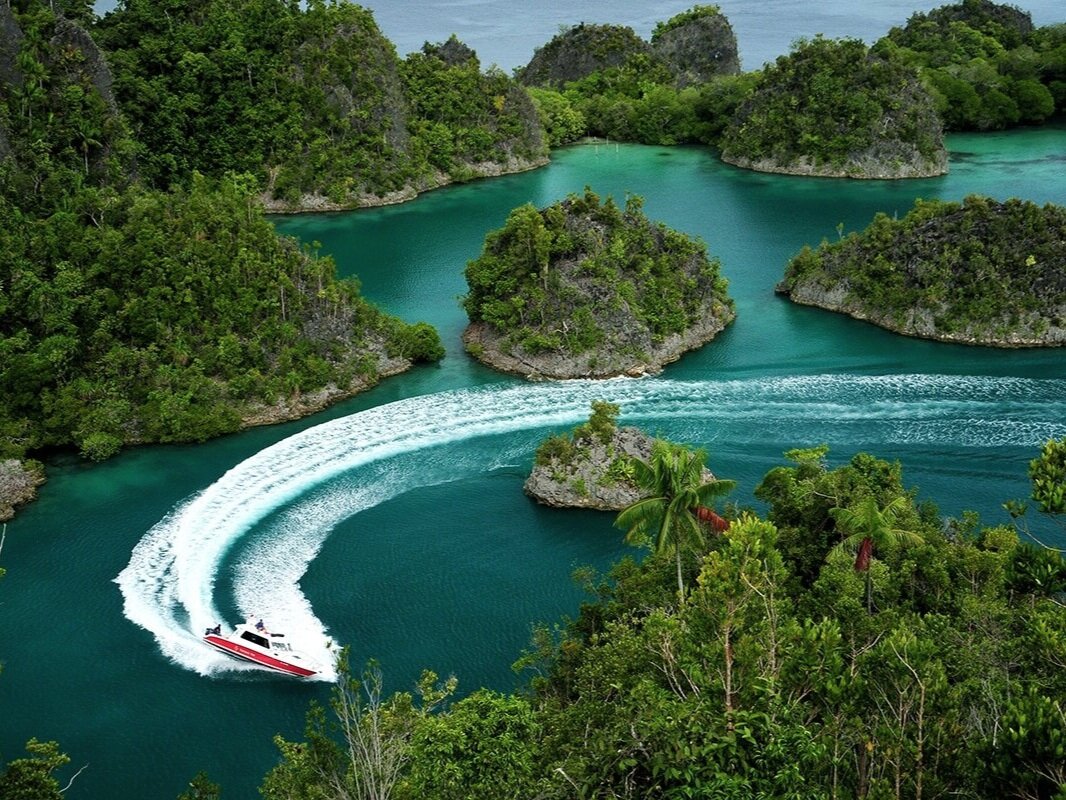
| Nature & Adventure | World-class diving and snorkeling, stunning lagoons, active volcanoes, and vast rice terraces. Excellent for island-based adventures. | Volcano trekking (Bromo, Rinjani), Komodo dragons, diverse diving spots (Raja Ampat, Bali), lush rice paddies, and rainforests. Incredible biodiversity. | Indonesia |
| Accommodation | Ranges from basic hostels to luxury resorts. Local guesthouses offer good value. More limited high-end options outside main areas. | Incredibly diverse, from budget hostels (IDR 100,000 / $7) to world-class luxury resorts and private villas (IDR 1,000,000+ / $70+). Bali is a hub for stylish stays. | Indonesia |
| Solo Travel Friendliness | Very friendly locals, easy to meet other travelers in hostels and tour groups. Some areas are less set up for solo backpackers. | Extremely popular for solo travelers, especially Bali. Well-trodden routes, easy to connect with others, strong digital nomad community. Very safe. | Indonesia |
| Digital Nomad Scene | Emerging scene in places like Siargao and some parts of Palawan. Internet can be unreliable outside major cities. Growing potential. | World-renowned hub for digital nomads, particularly in Bali (Canggu, Ubud). Excellent co-working spaces, strong community, reliable internet, and diverse lifestyle options. | Indonesia |
🏝️ Beaches & Islands
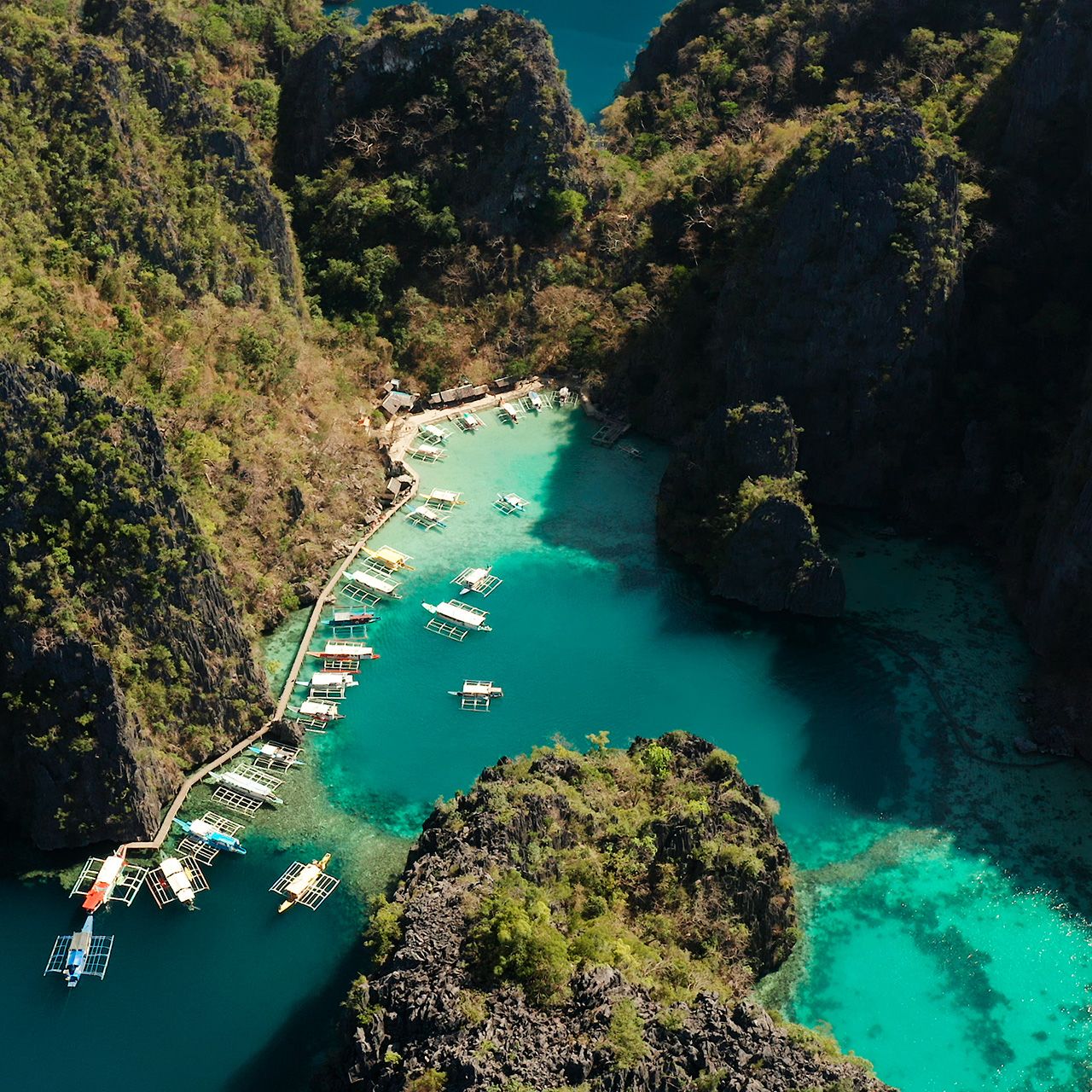
When it comes to sheer, jaw-dropping natural beauty of beaches and islands, the Philippines is simply on another level. Places like El Nido and Coron in Palawan offer surreal limestone lagoons (Big Lagoon, Small Lagoon) and secret beaches (Secret Beach, Hidden Beach) that feel like movie sets. Boracay, despite its commercialization, still boasts some of the world's finest white sands. While Indonesia has gorgeous beaches like those in the Gili Islands or Pink Beach on Komodo, and Bali's famous surf spots like Uluwatu, the variety and sheer 'wow' factor of the Philippines' island-hopping experiences are hard to beat. You can rent a private boat in El Nido for around ₱2,500-3,500 ($45-65) for a full day, exploring multiple pristine spots. "Honestly, Palawan blew Bali out of the water for me – the water is just a different color there," a traveler mentioned on r/Philippines. Indonesia's beaches are fantastic, but the Philippines' are truly world-class, often with fewer crowds outside of Boracay.
Winner takeaway
- Winner: Philippines
- Why: The Philippines offers an unparalleled density of pristine, otherworldly beaches and lagoons, perfect for island-hopping adventures.
- Who this matters for: Beach fanatics, island explorers, and photographers seeking postcard-perfect scenery.
🗿 Culture & Heritage
Indonesia wins hands-down for cultural depth and diversity. From the mystical Hindu traditions of Bali, evident in daily offerings (canang sari) and elaborate temple ceremonies at places like Tanah Lot and Uluwatu, to the ancient wonders of Borobudur and Prambanan temples in Java (entry ~IDR 375,000 / $25 for foreigners), Indonesia offers a profound journey into history and spirituality. The archipelago's vastness means diverse cultures, from the Torajan death rituals in Sulawesi to the vibrant Batak culture in Sumatra. The Philippines, while rich in its own right with its unique blend of Spanish Catholicism (e.g., Intramuros in Manila, centuries-old churches) and indigenous traditions (e.g., Ifugao rice terraces), feels less overtly 'ancient' or 'exotic' in its cultural expression compared to Indonesia. "The sheer variety of cultures you can experience just jumping between islands in Indonesia is insane, not just Bali," a Reddit user noted. For a truly immersive cultural experience, Indonesia's ancient traditions and spiritual heart are unmatched.
Winner takeaway
- Winner: Indonesia
- Why: Indonesia offers a richer, more diverse, and ancient cultural tapestry, from Balinese Hinduism to Javanese temple complexes.
- Who this matters for: History buffs, spiritual seekers, and travelers looking for deep cultural immersion.
🍜 Food Scene
Indonesia's food scene is a culinary adventure, bursting with flavors and spices. Staples like Nasi Goreng (fried rice) and Mie Goreng (fried noodles) are found everywhere, from street carts (warungs) for IDR 20,000-30,000 ($1.5-2) to upscale restaurants. The Rendang from West Sumatra is a slow-cooked, rich curry that's a global favorite. Balinese specialities like Babi Guling (suckling pig) or Betutu (slow-roasted chicken/duck) are must-tries. Street food is vibrant and cheap, offering satay skewers, bakso (meatball soup), and martabak (sweet or savory pancakes). The Philippines, while having its own delicious comfort foods like Adobo (vinegar-soy stew), Sinigang (sour soup), and the famed Lechon (roasted pig), tends to be less spicy and has a smaller range of globally recognized dishes. Many travelers find Filipino food can be a bit heavy and less varied day-to-day. "I love Filipino food, but Indonesian street food just hits different – so much flavor for so little money," a backpacker commented on r/travel. For culinary exploration and a wider palate of flavors, Indonesia takes the crown.
Winner takeaway
- Winner: Indonesia
- Why: Indonesia's cuisine offers unparalleled diversity, aromatic spices, and a vibrant street food culture that caters to all tastes.
- Who this matters for: Foodies, adventurous eaters, and budget travelers seeking delicious and affordable meals.
🍻 Nightlife & Parties
While the Philippines has its party hotspots, particularly Boracay with its beach bars and fire dancers, and specific areas in Manila like Poblacion or Bonifacio Global City, Indonesia, primarily Bali, dominates the nightlife scene in Southeast Asia. Bali offers an incredible range, from massive beach clubs like Potato Head Beach Club and Finns Beach Club in Canggu/Seminyak (expect cocktails around IDR 100,000-150,000 / $7-10) to trendy bars, live music venues, and underground clubs. Kuta, though more touristy, still has plenty of late-night options. For electronic music, house parties, or just laid-back sunset cocktails with a DJ, Bali provides endless choices. The Philippines' nightlife outside of Boracay can feel more localized, often revolving around karaoke (which is huge!) or smaller bars. "Bali's party scene is just another level – you can find anything from chill reggae bars to massive techno clubs," a seasoned traveler shared on r/solotravel. For consistent, diverse, and high-energy nightlife, Indonesia, specifically Bali, is the clear winner.
Winner takeaway
- Winner: Indonesia
- Why: Bali's established, diverse, and globally recognized nightlife scene, from beach clubs to underground bars, surpasses that of the Philippines.
- Who this matters for: Party-goers, social butterflies, and those who enjoy vibrant evening entertainment.
💸 Costs & Budget
Both countries offer incredible value, making this category a tie. In the Philippines, a budget traveler can get by on ₱2,000-3,000 ($35-55) per day, covering hostel beds (₱500-800 / $10-15), local meals (₱100-200 / $2-4), and local transport. Inter-island flights are the main expense, often costing ₱1,500-3,000 ($25-55) per leg. In Indonesia, a similar budget could range from IDR 400,000-700,000 ($25-45) per day, with hostel beds around IDR 100,000-200,000 ($7-14) and delicious street food meals for IDR 20,000-50,000 ($1.5-3.5). While Bali can be more expensive for Western-style cafes and high-end accommodation, local warungs and homestays keep costs low. Activities like diving might be slightly cheaper in the Philippines (e.g., fun dive for ₱1,500-2,000 / $27-37), but scooter rental in Indonesia is often cheaper (IDR 60,000-80,000 / $4-5 per day). "Both countries are super affordable if you eat local and stay in guesthouses. The main difference is flight costs if you're island hopping a lot," a user noted on r/travel. Ultimately, your spending depends heavily on your travel style.
Winner takeaway
- Winner: Tie
- Why: Both countries offer excellent value for money across various budget levels, with local prices being very affordable.
- Who this matters for: Budget travelers and anyone looking to maximize their travel funds in Southeast Asia.
🛵 Getting Around
Indonesia generally offers a smoother and more diverse experience for getting around, especially on its main islands. A well-established network of buses, trains (particularly in Java), and ferries connects many major destinations. Scooter rental is incredibly popular and affordable (IDR 60,000-80,000 / $4-5 per day) for exploring areas like Bali, Lombok, or Java, offering great flexibility. Ride-hailing apps like Grab and Gojek are also widespread and efficient in urban areas. The Philippines, being an archipelago of over 7,000 islands, heavily relies on domestic flights for efficient inter-island travel (e.g., Manila to Cebu is ~1.5 hours, ₱1,500-3,000 / $27-55). While ferries connect nearby islands, and tricycles/jeepneys are common local transport, the sheer number of islands makes long-distance travel more complex and time-consuming without flights. "Getting around Bali on a scooter or with Gojek is ridiculously easy; in the Philippines, I spent half my time at airports or waiting for slow boats," shared a frequent traveler on r/solotravel. For ease and variety of transport, Indonesia edges out.
Winner takeaway
- Winner: Indonesia
- Why: Indonesia provides a more integrated and efficient transport system with diverse options for inter-island and local travel.
- Who this matters for: Independent travelers, those on tighter schedules, and scooter enthusiasts.
⛰️ Nature & Adventure
While the Philippines boasts incredible natural beauty, especially its marine ecosystems and island landscapes, Indonesia offers a broader and more diverse range of natural wonders and adventure activities. From trekking active volcanoes like Mount Bromo (Sunrise tour ~IDR 500,000 / $35) or the multi-day hike up Mount Rinjani in Lombok, to encountering Komodo dragons on Komodo Island (entrance fee ~IDR 300,000 / $20 plus guide), Indonesia's landscapes are incredibly varied. Raja Ampat offers some of the world's best diving, and even Bali has diverse scenery with its rice paddies (Tegallalang Rice Terrace) and waterfalls. The Philippines shines with its lagoons and karst formations in Palawan, whale shark encounters (Oslob, Donsol), and the Banaue Rice Terraces. Diving in Coron's wreck dives and Tubbataha Reef is phenomenal. However, Indonesia's mix of volcanoes, unique wildlife, and broader terrestrial ecosystems gives it a slight edge. "Indonesia just has more 'epic' natural experiences beyond just beaches – those volcanoes are insane," a Reddit comment highlighted. For a holistic nature adventure, Indonesia delivers more.
Winner takeaway
- Winner: Indonesia
- Why: Indonesia provides a wider array of unique natural landscapes and adventure opportunities, from volcanoes to unique wildlife.
- Who this matters for: Adventure seekers, hikers, wildlife enthusiasts, and those wanting diverse natural experiences.
🏨 Accommodation
Indonesia generally offers superior accommodation options across all price points, especially in established tourist areas like Bali. Here, you can find everything from charming, affordable guesthouses (homestays for IDR 250,000-500,000 / $17-35) with pools and lush gardens, to designer boutique hotels and extravagant private villas for every budget, often with stunning views and amenities. The sheer competition drives quality up. Even budget hostels often come with amenities like pools and cafes. The Philippines has good accommodation, ranging from basic fan rooms (₱800-1,200 / $15-22) to luxury resorts in places like El Nido or Boracay. However, outside of these main hubs, options can be more limited or of varying quality compared to Indonesia. While you can find great deals, the consistency and luxury offerings in Indonesia, particularly Bali, are hard to match. "The villas you can get in Bali for $50 a night are just unbelievable value. Philippines has good places, but not at that level for the price," a traveler remarked on r/Bali. For quality, variety, and value in accommodation, Indonesia excels.
Winner takeaway
- Winner: Indonesia
- Why: Indonesia, particularly Bali, boasts an exceptional range of high-quality accommodation from budget to ultra-luxury, often offering superior value.
- Who this matters for: Travelers seeking comfort, luxury, or stylish yet affordable boutique stays.
🚶♀️ Solo Travel Friendliness
Both countries are generally safe and welcoming for solo travelers, but Indonesia, particularly Bali, has a much more established infrastructure and community for solo adventurers. In places like Canggu, Ubud, or Seminyak, it's incredibly easy to meet other travelers in hostels, co-working spaces, cafes, and surf camps. The routes are well-trodden, making logistics simple, and there's a huge ex-pat and digital nomad community. Language (English) is widely spoken in tourist areas. The Philippines is also very welcoming; locals are incredibly friendly, and you'll easily find companions on island-hopping tours or in popular hostels. However, outside of major spots like El Nido, Coron, or Boracay, the solo traveler 'scene' can be less robust. Getting around might also require more planning. "As a solo female traveler, I felt completely safe and met so many amazing people in Bali without even trying. Philippines was great too, but felt a bit more 'on my own' sometimes," a user posted on r/solotravel. For a seamless and social solo travel experience, Indonesia provides more opportunities.
Winner takeaway
- Winner: Indonesia
- Why: Indonesia, especially Bali, offers a highly developed solo travel infrastructure and a thriving community, making it exceptionally easy to connect with others.
- Who this matters for: Solo travelers looking to easily socialize, make friends, and navigate independently.
💻 Digital Nomad Scene
Indonesia, specifically Bali, is arguably the world's premier digital nomad destination, and it's not even close. Areas like Canggu and Ubud are purpose-built for remote workers, offering an abundance of co-working spaces (like Dojo Bali, monthly membership around IDR 2,000,000 / $130), fast and reliable Wi-Fi, affordable healthy food options, a massive international community, and a perfect work-life balance with surfing, yoga, and vibrant social events. The visa situation is also becoming more favorable. The Philippines has an emerging digital nomad scene, particularly in Siargao, El Nido, and some parts of Cebu. However, internet speeds can be inconsistent and slower, co-working spaces are fewer, and the community, while growing, isn't as established or extensive as in Bali. "If you're serious about working remotely and want a real community, Bali is just leagues ahead. Philippines is cool for a short stay, but internet stresses me out there," commented a digital nomad on r/digitalnomad. For infrastructure, community, and ease of living as a remote worker, Indonesia is the undeniable champion.
Winner takeaway
- Winner: Indonesia
- Why: Indonesia, especially Bali, offers a highly developed infrastructure, robust community, and optimal environment for digital nomads.
- Who this matters for: Remote workers, freelancers, and entrepreneurs seeking a vibrant and supportive expat community.
❓ Frequently Asked Questions
Which country is better for diving and snorkeling?
Both offer world-class diving. The Philippines is renowned for its diverse marine life, wreck diving (Coron), and whale shark encounters (Donsol). Indonesia boasts incredible biodiversity, with Raja Ampat often cited as the global epicenter, and fantastic spots around Komodo, Bali, and the Gilis. For sheer variety, especially macro life and pristine coral, Indonesia (Raja Ampat) edges out, but for large pelagics and unique wreck sites, the Philippines is hard to beat.
Is it easy to communicate in English in both countries?
Yes, English is widely spoken in both, especially in tourist areas. In the Philippines, English is an official language, and most Filipinos are fluent, making communication very easy. In Indonesia, English is common in Bali and major tourist hubs, though less so in rural areas. You'll generally have no trouble getting by in either.
What's the best time to visit each country?
The dry season for the Philippines is generally from November to May, with March to May being the hottest. For Indonesia, the dry season typically runs from April to October, with July and August being peak tourist months. Aim for these periods to avoid heavy rains and enjoy sunny skies, but be aware of crowds.
Which country is safer for travelers?
Both countries are generally safe for tourists, with common sense precautions applying. Pickpocketing and petty theft can occur in crowded areas. Some regions in Mindanao (Philippines) and isolated parts of Papua (Indonesia) have travel advisories due to security concerns, but these are far from major tourist routes. Bali in Indonesia has a very low crime rate against tourists, making it feel very safe. Overall, both are safe with typical traveler awareness.
Are visas required for most tourists?
Many nationalities, including US, UK, EU, and Australian citizens, can enter the Philippines visa-free for up to 30 days. Indonesia offers visa-on-arrival (VOA) or visa-free entry for many countries, typically for 30 days. Always check the latest visa requirements for your specific nationality before traveling, as policies can change.
Which has better opportunities for surfing?
Indonesia, especially Bali (Uluwatu, Canggu, Seminyak) and Lombok (Gerupuk, Desert Point), is widely regarded as one of the world's top surfing destinations, catering to all skill levels from beginners to pros. The Philippines has growing surf spots like Siargao (Cloud 9), which is internationally recognized, but the consistency and variety of breaks across Indonesia are generally superior.
Can I combine a trip to both countries easily?
Yes, it's feasible but requires planning. Direct flights between major cities like Manila (Philippines) and Jakarta/Denpasar (Indonesia) exist. Consider budget airlines like AirAsia or Cebu Pacific. A minimum of 3-4 weeks is recommended to enjoy both without rushing. Factor in travel time between islands within each country as well.
What are the main differences in local transport?
In the Philippines, local transport includes tricycles, jeepneys, and Grab. Inter-island travel relies heavily on domestic flights and ferries. In Indonesia, you'll find ubiquitous scooter rentals, Bemos (minivans), ride-hailing apps (Gojek, Grab), and a more developed bus/train network on larger islands like Java. Indonesia's options often feel more integrated and efficient for overland travel.
Ready to plan your Southeast Asia trip?
Get a free custom itinerary for Philippines, Indonesia, or both — built from real traveler insights.
🎟️ Book Tours & Experiences
Hand-picked tours and activities for both destinations — book with free cancellation
Experiences via Viator — free cancellation on most tours