How we built this comparison
This page combines traveler discussion patterns, published price ranges, transit details, and seasonal data to make the Philippines vs Thailand decision easier to resolve.
- Reviewed Reddit discussions from r/travel, r/Philippines_Expats, r/femaletravels, r/digitalnomad, and r/backpacking
- Sourced cost data from Numbeo and recent Reddit trip reports (2025–2026)
- Weather data from Open-Meteo climate archives
- No affiliate bias in section verdicts — we pick the winner based on data
⚡ The TL;DR Verdict
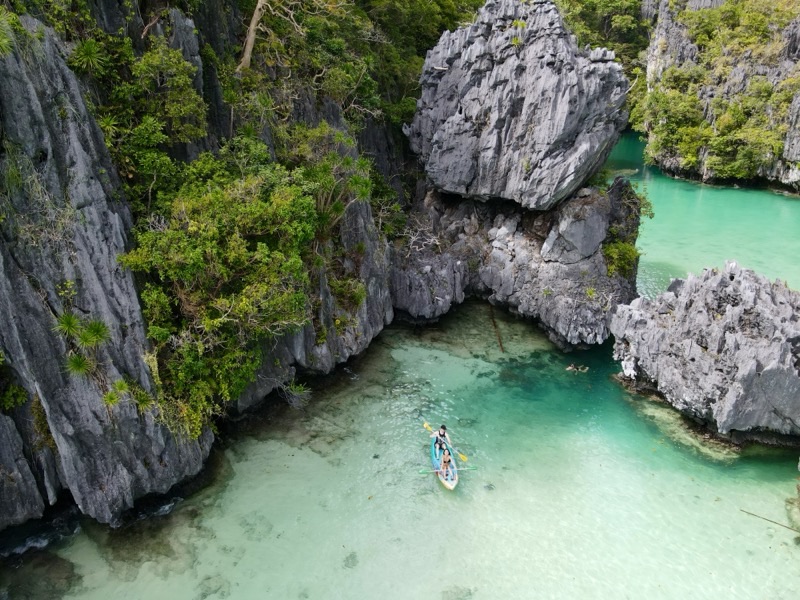
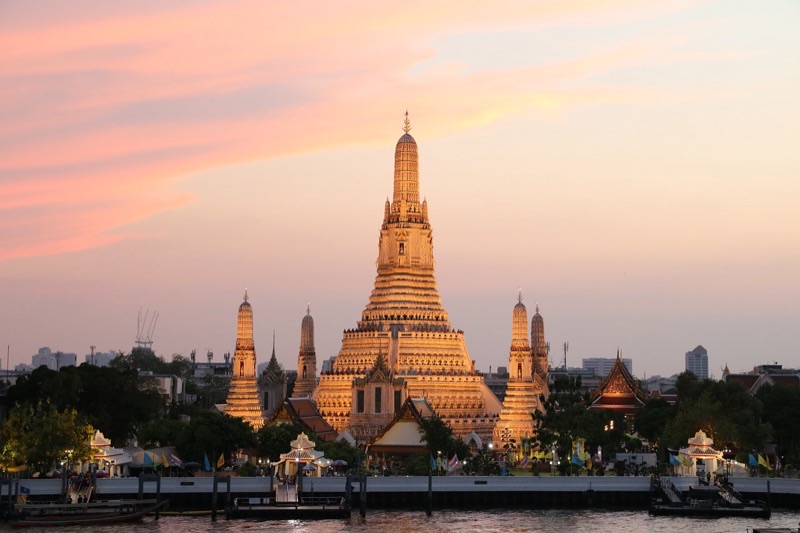
Philippines wins for beaches. Thailand wins for food, ease, and diversity. Budget: Philippines $50–90/day mid-range, Thailand $50–90/day mid-range.
- Choose Philippines: Best beaches in Southeast Asia (El Nido, Boracay, Siargao), English everywhere, island-hopping adventures, diving.
- Choose Thailand: World-class food, easy transport, diverse regions (city + mountains + beach), established tourism infrastructure, first-timer-friendly.
- Do both: Doable in 3+ weeks — fly Bangkok–Manila or Bangkok–Cebu. Many travelers do Thailand first to ease into SEA, then Philippines for raw natural beauty.
🏖️ Best Beaches
Philippines — El Nido and Boracay are world-class in ways Thailand can't fully match.
🍜 Best Food
Thailand — Thai cuisine is globally celebrated. Filipino food has high points but can't compete overall.
🚌 Easier to Travel
Thailand — metro, cheap flights, trains, and ferries. Philippines logistics require patience.
🌐 English
Philippines — official language. Thailand ranks 106th in English proficiency globally.
Quick Comparison
| Category | 🇵🇭 Philippines | 🇹🇭 Thailand | Winner |
|---|---|---|---|
| Daily Budget (mid-range) | $50–90 per person | $50–90 per person | Tie |
| Beaches | El Nido, Boracay, Siargao — world-class | Railay, Ko Lipe, Similan — excellent | Philippines |
| Food Scene | Lechon, sinigang, seafood; limited street food variety | World-class: pad thai, green curry, khao soi, street stalls | Thailand |
| Getting Around | Domestic flights, slow ferries, tricycles | MRT, cheap flights, trains, tuk-tuks, Grab | Thailand |
| English Fluency | Official language — very high proficiency | Very low — 106th globally (EPI index) | Philippines |
| Infrastructure | Developing — inconsistent outside major cities | Strong — reliable roads, electricity, telecoms | Thailand |
| Safety (tourist areas) | Generally safe; some cities need awareness | Very safe — one of SEA's safest for tourists | Thailand |
| Internet / WiFi | Inconsistent; improving in cities | Fast and reliable; Bangkok world-class | Thailand |
| Visa for Most Nationalities | 30 days on arrival (many passports) | 30–60 days on arrival (many passports) | Tie |
| Cultural Depth | Spanish-colonial, Catholic, island cultures | Buddhist temples, hill tribes, ancient kingdoms | Tie |
| Diving & Snorkeling | World-class — Tubbataha, Coron wrecks, sea turtles | Ko Tao (budget PADI), Similan Islands | Philippines |
| First-Timer Friendliness | Moderate — logistics need planning | Excellent — easy entry point into SEA | Thailand |
🏖️ Beaches & Islands
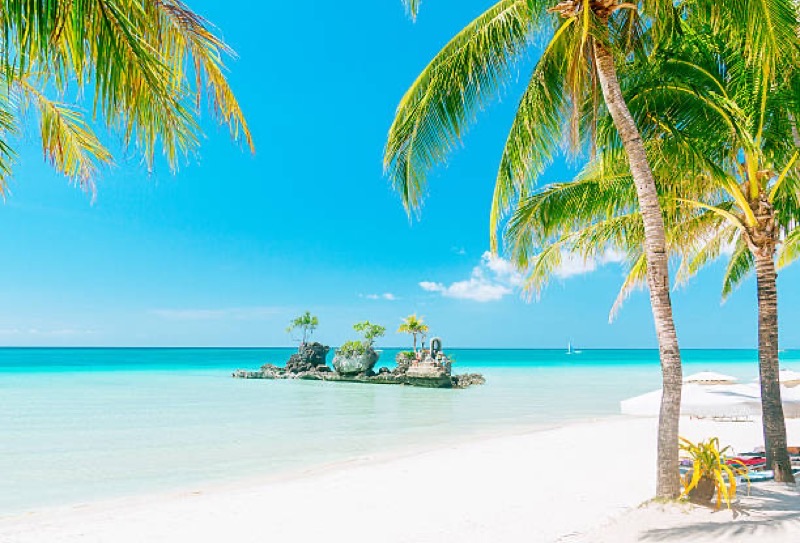
The Philippines doesn't just compete on beaches — it dominates. El Nido, Palawan is routinely voted one of the world's best destinations: soaring limestone karst cliffs tower over impossibly blue lagoons, reached only by boat on island-hopping tours. The Big Lagoon, Small Lagoon, and Secret Lagoon offer experiences that feel genuinely untouched. Boracay's White Beach is a 4km stretch of powdery white sand with water warm enough to swim in year-round — the kind of beach that ends up as someone's phone screensaver. Siargao has become Southeast Asia's surf capital: Cloud 9 is a world-famous reef break, and the island has an effortless cool-town vibe that Bali had before Instagram found it. Coron offers some of Asia's best wreck diving, with Japanese WWII ships now encrusted in coral at 10–30 meters depth.
Thailand's beaches are excellent, but they compete at a different level. Railay Beach (Krabi) is boat-access-only, with 300-meter limestone cliffs — genuinely stunning. Ko Lipe has turquoise water and a laid-back vibe. The Similan Islands (open November–April) are arguably Thailand's best snorkeling and diving. Ko Tao is the world's most popular budget dive training destination. The problem: Thailand's famous beaches have become very crowded. Phi Phi Island has cruise ship-level foot traffic. Phuket's Patong Beach is a party strip. The gems exist, but finding them requires more research.
Island hopping logistics
Philippines island hopping requires planning but rewards effort: El Nido island tours cost PHP 1,200–1,800 ($21–32) for a full day. Ferries between El Nido and Coron take 4 hours (fast boat, $50–70). Getting to Siargao requires a domestic flight (₱1,500–4,000/$26–70 from Cebu or Manila). Thailand's islands are better connected: Krabi–Ko Lanta by ferry takes 1.5 hours ($10–15). Ko Tao–Ko Phangan–Ko Samui are linked by regular Songserm ferries.
Winner takeaway
- Winner: Philippines
- Why: El Nido's karst lagoons and Boracay's White Beach are genuinely world-class in ways Thailand's busiest beaches no longer are. Siargao is one of Southeast Asia's most exciting emerging destinations. Thailand has excellent beaches but they're better-known and more crowded. If pristine natural beauty is your primary goal, Philippines wins.
- Who this matters for: Matters most if beaches are your #1 reason for going — the Philippines is worth the extra logistics for the best sand and water in Southeast Asia.
🍜 Food & Dining
Thai food is one of the world's great cuisines — and Thailand lets you eat magnificently at every budget. Bangkok street stalls serve pad thai, boat noodles, and mango sticky rice for THB 50–100 ($1.40–$2.80). Chiang Mai's Sunday Walking Street has northern specialties: khao soi (coconut curry noodles), sai ua (herb sausage). Bangkok has Michelin-starred restaurants that cost under $30. At 2am, you can still find incredible noodle carts on most Bangkok side streets. The variety across regions — central, northern, Isan, southern — means a 2-week Thailand trip is a completely different food experience depending on where you are.
Filipino food has devoted fans, but it doesn't have Thailand's global reputation — and Reddit is fairly blunt about it. Lechon (roasted pig) in Cebu is genuinely world-class. Sinigang (sour tamarind soup) and kare-kare (oxtail peanut stew) are excellent. Seafood, especially in fishing communities, is fresh and cheap. But Filipino food lacks the street food culture that makes Bangkok eating magical: sit-down restaurants dominate, and non-Filipino travelers often find the food heavy, sweet, or unfamiliar. Manila's restaurant scene has improved dramatically — BGC and Bonifacio Global City have excellent options — but it's not a food tourism destination the way Bangkok or Chiang Mai is.
Street food cost comparison
Street meal: Philippines PHP 60–150 ($1–$2.65) at a turo-turo or carinderia vs Thailand THB 50–100 ($1.40–$2.80). Beer: Philippines San Miguel PHP 55–80 ($1–$1.40) vs Thailand Chang/Leo THB 55–80 ($1.50–$2.20). Mid-range restaurant: both $8–$20 per person. Both are cheap for food. Thailand wins on variety, not just price.
Winner takeaway
- Winner: Thailand
- Why: Thai cuisine is globally celebrated for good reason — the variety, freshness, and accessibility of excellent food at low prices is unmatched in Southeast Asia. Filipino food has highlights (lechon, sinigang, fresh seafood) but lacks the street food culture and consistent depth that makes Thailand a food travel destination.
- Who this matters for: Matters most if food is a primary reason for travel — Thailand should rank higher if you eat to travel.
💰 Cost Comparison
Both destinations are roughly comparable in overall cost, but the breakdown differs significantly. The Philippines has lower base accommodation costs outside Manila, but island-hopping transport and domestic flights add up fast. Thailand's cities (Bangkok, Chiang Mai) offer exceptional value; island resorts are more expensive.
| Expense | 🇵🇭 Philippines | 🇹🇭 Thailand |
|---|---|---|
| Hostel dorm | $7–14/night | $7–15/night |
| Budget hotel/guesthouse | $20–50/night | $20–50/night |
| Mid-range hotel | $50–120/night | $45–100/night |
| Street/local meal | $1–$2.65 (turo-turo) | $1.40–$2.80 (street stall) |
| Mid-range restaurant | $8–$20 | $8–$20 |
| Beer (local) | $1–$1.40 (San Miguel) | $1.50–$2.20 (Chang/Leo) |
| Transport in city | PHP 10–30 jeepney; Grab $1.50–$5 | BTS/MRT $0.50–$1.50; Grab $2–$6 |
| Domestic flight | $25–80 (Manila–Cebu, Manila–El Nido) | $20–60 (Bangkok–Phuket, Bangkok–Chiang Mai) |
| Island hop tour | $21–32/day (El Nido tours) | $15–40/day (group boat tours) |
| Scooter rental | $5–9/day | $5–9/day |
| Daily total (mid-range) | $50–90 | $50–90 |
The Philippines flight tax: The Philippines' geography forces domestic flights. A 2-week trip covering Manila + El Nido + Boracay + Siargao could easily cost $200–300 in domestic flights alone. Thailand's overland and ferry connections are far cheaper for covering multiple destinations. Budget the flights as a core cost when comparing.
Winner takeaway
- Winner: Tie (slight edge Thailand for multi-destination trips)
- Why: Daily costs are comparable, but Thailand's transportation infrastructure makes multi-destination travel cheaper. Philippines domestic flights are often unavoidable and add to your budget. For a single-destination stay (just El Nido, just Boracay), Philippines costs are competitive. For a 2-week multi-island trip, Thailand's overland connections save real money.
- Who this matters for: Matters most if you're planning to visit multiple areas — Thailand's transport network significantly reduces travel costs.
🚌 Getting Around
Thailand's transport infrastructure is one of Southeast Asia's best. Bangkok has the BTS Skytrain and MRT metro (clean, air-conditioned, THB 17–59 / $0.50–$1.65 per trip), river ferries, and ubiquitous Grab. Domestic flights between Bangkok, Chiang Mai, Phuket, Ko Samui, and Krabi are frequent and cheap (often $20–50 on AirAsia or Nok Air). Overnight trains Bangkok–Chiang Mai take 13 hours with sleeper berths from $15–25 — a classic Thailand experience. Ferries between the southern islands are reliable and well-scheduled. Moving around Thailand is easy and rarely stressful for first-timers.
The Philippines is a different story. The country comprises 7,641 islands, which means domestic flights are often mandatory. Manila's traffic is among Asia's worst — Google Maps says 45 minutes, reality says 2–3 hours. There's no mass transit connecting the islands; even the inter-island ferry network has reliability issues. In tourist areas, transport is tricycles (motorbike + sidecar), jeepneys, Grab (where available), and bangka boats. Between major islands, you're flying or taking long overnight ferries. Missing a flight is a serious risk because Philippine Airlines and Cebu Pacific have cancellation rates that would raise eyebrows in Europe.
Practical tips for Philippines logistics
Never book tight connections in the Philippines. Leave a full day buffer before international departures. Book domestic flights through Cebu Pacific or Philippine Airlines directly (not always on aggregators). Consider Manila as a transit only — flying directly to Cebu or Palawan saves time. Some inter-island routes have no flights and require 8–24 hour ferries (2GO Travel).
Winner takeaway
- Winner: Thailand
- Why: Thailand wins by a wide margin. The combination of metro rail, cheap domestic flights, overnight trains, and reliable ferries makes multi-destination trips easy. The Philippines' island geography and infrastructure limitations make getting around genuinely challenging — it's part of the adventure, but it's real. Factor logistics carefully when planning a Philippines trip.
- Who this matters for: Matters most if you want to visit multiple regions or if smooth, predictable transport is important to you.
☀️ Best Time to Visit
Both countries are tropical, but their weather patterns have important differences — particularly for beach trips.
Data: Open-Meteo climate averages. Philippines weather varies significantly by island — Palawan is most sheltered. Thailand's Gulf and Andaman coasts have inverse monsoon seasons.
The Philippines typhoon risk
The Philippines sits in the Pacific typhoon belt — typically 20 typhoons per year pass through or affect the archipelago. June–October is typhoon season, with August–September peak risk. Typhoons can be catastrophic (Haiyan/Yolanda in 2013 killed 6,300 people). El Nido and Palawan are relatively sheltered, but Siargao, Samar, and Leyte are in the direct path. Always check weather when booking June–October Philippines travel. Thailand doesn't have typhoon exposure.
Thailand's two-coast advantage
Thailand's Andaman coast (Phuket, Krabi, Ko Lanta) is best November–April. The Gulf coast (Ko Samui, Ko Phangan, Ko Tao) runs February–September. This means you can find great beach weather in Thailand almost year-round by picking the right coast — a major flexibility advantage over the Philippines' more seasonal patterns.
Winner takeaway
- Winner: Thailand (for flexibility); Philippines (for peak season)
- Why: Thailand's two-coast structure allows year-round beach travel by choosing the right region. The Philippines' November–April dry season is superb, but June–October typhoon risk genuinely limits visit windows for certain islands. If you have flexible dates, Thailand is more forgiving. Philippines in December–March is exceptional.
- Who this matters for: Critical if you have fixed travel dates that fall in June–October — the Philippines may be risky while Thailand offers alternatives.
🏨 Where to Stay
Philippines bases
El Nido, Palawan — The Philippines' crown jewel. Stay in town for budget guesthouses (₱800–2,000/$14–35/night) or splurge on a beachfront resort (₱5,000–15,000/$88–265/night). The real draw is the boat tours: 4 routes with different lagoons and snorkeling spots. Book 3–5 nights minimum. See the El Nido island-hopping tours guide for which tours to book.
Boracay — White Beach is party central but has cleaned up significantly after the 2018 government-mandated closure. Station 1 is quiet luxury, Station 2 is the lively main strip, Station 3 is budget-friendly. Accommodation: ₱1,200–5,000/night ($21–$88) for mid-range. Direct flights from Manila (1hr) or Cebu (45min) via Caticlan airport.
Siargao — Cloud 9 surf town. Bungalows and surf camps: ₱800–2,500/night ($14–44). The island has a Canggu-before-Instagram vibe — now busier but still excellent. Best October–April (dry and waves). Flights from Cebu or Manila.
Cebu City — Good base for southern Philippines. IT Park area has modern hotels, good restaurants, co-working spaces. Day trips to Kawasan Falls (canyoneering), Oslob whale sharks, Bohol (tarsiers, Chocolate Hills). See Cebu City lechon guide.
Thailand bases
Bangkok — The entry point for most SEA itineraries. Sukhumvit for nightlife/dining (BTS access), Silom for business, Riverside for Chao Phraya views. Budget guest houses in Khao San Road area from $10–20/night; modern hotels $40–120. Plan 3–4 days minimum. See Bangkok rooftop bars and cheap eats in Bangkok.
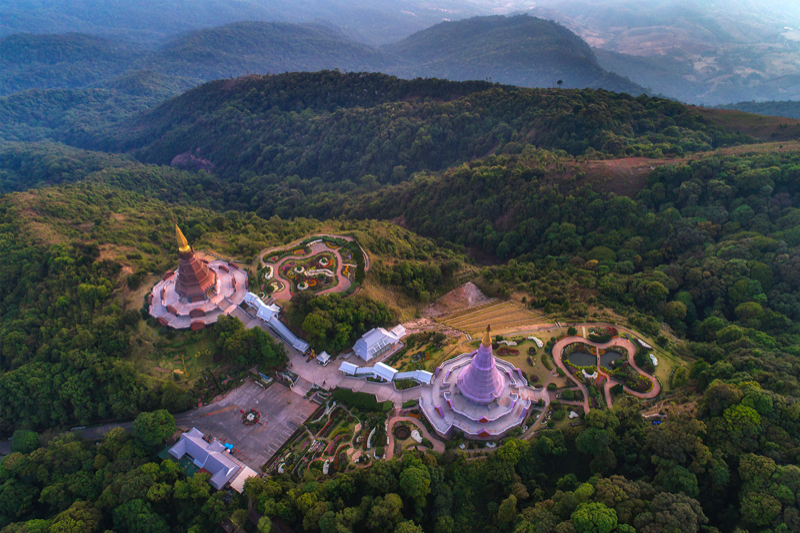
Chiang Mai — Northern gem, 1-hour flight from Bangkok. Old City area has temple-dense culture and excellent night markets. Nimman Road is the modern café/bar district. Accommodation: $15–60/night for good options. See Chiang Mai cooking classes and khao soi spots.
Krabi / Railay Beach — Andaman coast access point. Railay is boat-only (no road) — stay beachside in bungalows ($30–100/night). Krabi town is a cheap base for day trips to four islands and kayaking. AO Nang is more developed with more hotel options.
Winner takeaway
- Winner: Depends on your base preference
- Why: Philippines bases are more remote and require more planning to access — but places like El Nido and Siargao have a raw, undeveloped charm that Thailand's most-visited destinations have lost. Thailand's Bangkok and Chiang Mai are worldclass city bases that make multi-day exploration easy. Choose Philippines bases if you want natural beauty and quieter environments; Thailand if you want a mix of city and beach.
- Who this matters for: Matters most if your daily routine (co-working, nightlife, city vs nature) will define enjoyment of the trip.
🌐 English & Culture
The Philippines is the only country in Southeast Asia where English is an official language alongside Filipino. This has profound practical implications: menus are in English, signs are in English, taxi drivers speak English, government forms are in English. Filipinos have been educated in English since the American colonial period (1898–1946). The English Proficiency Index ranks the Philippines in the top 20 globally — Thailand ranks 106th out of 116 (classified "Very Low Proficiency"). This isn't a knock on Thailand — it just means that outside tourist bubbles, communication requires patience, translation apps, or learning basic Thai phrases. In the Philippines, you can have a detailed conversation with a random tricycle driver about your travel plans.
Culturally, both destinations are fascinating but very different. Filipino culture is a Spanish-Catholic-Asian blend: 500 years of Spanish colonialism followed by American occupation left a distinctly Western-influenced culture. Fiestas are Catholic-infused, family is everything, and there's a warmth toward foreigners that Reddit consistently describes as genuine (not transactional). The bayanihan spirit — community helping community — shows up in how strangers treat visitors. Thai culture is deeply Buddhist, with a distinctive graceful etiquette (wai greeting, head/feet protocol, temple dress codes). Thais are famously polite — but this politeness can feel formal to Westerners accustomed to Filipino directness.
Friendliness to foreigners
Reddit is fairly consistent: Filipinos are among the friendliest people in Southeast Asia. Genuine curiosity about where you're from, willingness to help, and a culture of hospitality make solo travel feel less isolated. Thais are polite and pleasant but the language barrier means interactions can stay surface-level. Travelers doing long-term stays in the Philippines consistently note how much easier it is to form friendships outside the expat bubble compared to Thailand.
Winner takeaway
- Winner: Philippines
- Why: The Philippines wins on both English fluency (dramatically higher) and the warmth/openness of interactions with locals. Thailand's language barrier is a real consideration for travelers who want to engage beyond tourist interactions. This edge matters most for long-term stays, solo travelers, and anyone who finds meaningful connection with locals important to travel enjoyment.
- Who this matters for: Matters most for solo travelers, long-term stays, or anyone who finds language barriers frustrating in daily interactions.
🛡️ Safety
Both destinations are safe for tourists in their main areas, but with different risk profiles. Thailand is considered one of Southeast Asia's safest countries for visitors: 40 million tourists per year, well-established tourist infrastructure, low violent crime against foreigners. The main risks are petty theft (crowded markets, tuk-tuk scams), road accidents (high fatality rate on scooters), and some areas of the Deep South (Pattani, Yala, Narathiwat provinces) with insurgency history — irrelevant for most tourist itineraries. Bangkok is far safer for solo female travelers than many major Western cities.
The Philippines is generally safe in tourist areas but requires more situational awareness. Manila has neighborhoods with genuinely high crime rates (Tondo, parts of Ermita/Malate at night). Davao and Mindanao have US State Department travel advisories for some zones. In contrast, El Nido, Boracay, Cebu City, Siargao, and Palawan are considered very safe for tourists. Petty crime (pickpocketing, motorcycle theft) occurs more in cities. Express kidnapping was a concern in Metro Manila historically — book airport transfers in advance from your hotel. The key is: the Philippines' safety variance is higher. Tourist islands are fine; some city areas need awareness.
Female solo travel
Thailand is consistently rated as one of Asia's best countries for female solo travel: good transport, well-worn backpacker trails, and a culture of hospitality. The Philippines is also considered safe for solo female travelers in tourist areas — the English fluency helps enormously. Both have the usual caution-required areas (specific bar districts, tuk-tuk operators). Siargao and El Nido are commonly cited by female travelers as comfortable and friendly solo destinations.
Winner takeaway
- Winner: Thailand (slight edge)
- Why: Thailand's consistently low violent crime rate against tourists and highly developed tourist infrastructure give it a slight edge. The Philippines is safe in tourist areas but the variance between safe zones and riskier city areas is higher. If you're going to Manila, more awareness is needed. If you're going straight to Palawan or Siargao, safety concerns are minimal. For first-timers who may not know which areas to avoid, Thailand is more reliably safe throughout.
- Who this matters for: Most relevant for solo travelers, first-timers, and those spending significant time in major cities.
💻 Digital Nomad & Remote Work
Thailand is the clear leader for digital nomads who need reliable internet as a baseline requirement. Bangkok has world-class co-working infrastructure (The Hive, HUBBA, Mango Eis), fiber internet at $20–40/month, and a metro system that makes commuting painless. Chiang Mai is the legendary nomad hub: all-in monthly costs of $600–$1,200 are achievable, and the community infrastructure (Punspace, MANA, Camp at Maya Mall) has been there for 15+ years. Internet speeds in Chiang Mai consistently test at 50–200 Mbps. The AIS/DTAC mobile networks are reliable throughout the country.
The Philippines has improved significantly but still trails on internet reliability. BGC (Bonifacio Global City) in Manila has fast fiber internet and a growing startup community, but Manila's traffic makes daily life exhausting. Cebu IT Park is the second major option — better city scale, reasonable internet, lower cost than BGC. Outside major business districts, internet reliability drops. El Nido has 4G (patchy) and guesthouse WiFi that works for emails but not video calls. Siargao internet has improved but is not reliable enough for client calls without a backup SIM. Reddit's digital nomad community is clear: for work-critical connectivity, Thailand beats Philippines outside the main CBDs.
Visa situation
Philippines: Most nationalities get 30 days on arrival, extendable at Bureau of Immigration for BI 500–2,000 ($9–35). Extensions are straightforward — the Philippines is very foreigner-friendly on long stays. No digital nomad visa exists, but the extension system is flexible. Total stay possible: up to 3 years with regular extensions. Thailand: Tourist visa gives 30 days (60 days with consular visa). Thailand Privilege Visa (formerly Thailand Elite) gives 5–20 years for $10,000–$30,000. The Long-Term Resident (LTR) Visa exists for digital nomads ($80k+ annual income). Thailand has been cracking down on serial border runners — don't rely on the old "border hop every 30 days" strategy indefinitely.
Winner takeaway
- Winner: Thailand (for most nomads); Philippines (for visa flexibility)
- Why: Thailand wins on internet reliability, nomad community infrastructure, and cost in Chiang Mai. Philippines wins on visa ease (can stay longer without complex paperwork) and English fluency for client communication. Your work style drives the choice: need bulletproof internet and an established nomad scene → Chiang Mai. Want easy long-term stay, English everywhere, and beaches → Philippines.
- Who this matters for: Critical decision factor for anyone planning a work-from-travel stay of 1+ month.
🎯 The Decision Framework
Choose Philippines If…
- Beaches are your #1 priority — El Nido and Boracay are world-class
- English fluency matters — you want to communicate effortlessly with locals
- You want to dive or snorkel in world-class conditions (Coron wrecks, Tubbataha)
- Siargao's surf culture and island vibe is appealing
- You prefer a less-touristed, rawer experience (especially outside Manila)
- You want a long-term stay with easy visa extensions
- You're willing to deal with logistics for exceptional natural rewards
- You're going Dec–April (dry season, best conditions)
Choose Thailand If…
- Food is a primary reason for travel — Thai cuisine is exceptional
- You want maximum variety: city + mountains + multiple beach regions
- This is your first Southeast Asia trip — Thailand is beginner-friendly
- Easy, reliable transport between destinations matters
- You want digital nomad infrastructure (internet, co-working, community)
- Safety predictability is important (especially female solo travel)
- You have 2+ weeks and want to cover multiple distinct regions
- You're going June–October (typhoon season in Philippines — Thailand is safer)
❓ Frequently Asked Questions
Is the Philippines or Thailand better for beaches?
The Philippines wins for beaches. El Nido's limestone karst lagoons, Boracay's powdery White Beach, and Siargao's surf breaks are consistently ranked among Southeast Asia's best. Thailand has excellent beaches (Railay, Ko Lipe, Similan Islands), but Reddit consensus is clear: "Philippines has the best beaches, no contest." Thailand's most famous beaches (Phi Phi, Patong) have suffered from overtourism. The trade-off is logistics — the Philippines requires more planning to reach those world-class beaches.
Is it easier to travel in Thailand or the Philippines?
Thailand is significantly easier. It has Bangkok's BTS/MRT metro, cheap domestic flights to all regions, overnight trains, and reliable ferries. The Philippines requires multiple domestic flights or long ferry rides between islands — logistics are more complex, and transport can be unreliable. For first-time Southeast Asia travelers, Thailand is the clearer choice.
Which is cheaper, Philippines or Thailand?
Both are roughly comparable. Budget travelers: Philippines $30–50/day, Thailand $35–55/day. Mid-range: both $50–90/day. The Philippines' domestic flights and mandatory boat tours add to costs. Thailand's city living (Bangkok/Chiang Mai) offers excellent value. For beach destinations specifically, costs are similar. Thailand tends to be slightly cheaper for multi-destination trips due to better transport networks.
Do people speak English in the Philippines vs Thailand?
The Philippines has a massive English advantage — it's an official language. Menus, signs, and everyday conversations are in English. Thailand ranks 106th globally on the English Proficiency Index ("Very Low Proficiency"). Outside tourist bubbles, communication in Thailand requires translation apps or Thai phrases. If English fluency matters to you, the Philippines is dramatically easier.
Which has better food, Philippines or Thailand?
Thailand wins convincingly. Thai cuisine is globally celebrated — pad thai, green curry, khao soi, mango sticky rice. Filipino food has highlights (lechon in Cebu, sinigang, fresh seafood), but Reddit is blunt: Thailand's street food scene is exceptional at every price point. Travelers who prioritize food should strongly favor Thailand.
Is the Philippines safe for tourists?
Generally safe in tourist areas. El Nido, Boracay, Cebu, and Siargao are considered safe for most travelers. Manila requires more awareness in some neighborhoods. Some areas of Mindanao have active travel advisories — check your government's current warnings. Thailand's main tourist areas are considered very safe. For first-timers, Thailand is more consistently safe throughout.
When is the best time to visit the Philippines vs Thailand?
Philippines: Best November–April (dry season). June–October is typhoon season — El Nido and Siargao can be significantly affected. Thailand: Best November–April for Andaman coast (Phuket, Krabi). Gulf coast (Ko Samui, Ko Tao) is good February–September. Thailand's two coasts allow year-round beach travel by picking the right region — a major flexibility advantage over the Philippines.
Can you do both the Philippines and Thailand in one trip?
Yes — with 3+ weeks and budget for flights. A classic routing: fly into Bangkok, spend 4–5 days in Thailand (Bangkok + Chiang Mai), then fly Bangkok–Manila or Bangkok–Cebu and spend 10–12 days in the Philippines. Return via Manila or Cebu. Both countries have good international connections. Note: there's no direct ferry between the Philippines and Thailand — you need a flight.
Ready to plan your Southeast Asia adventure?
Get a free custom itinerary for the Philippines, Thailand, or both — built from real traveler insights, not generic templates.
🎟️ Book Tours & Experiences
Hand-picked tours and activities for both destinations — book with free cancellation
Experiences via Viator — free cancellation on most tours