How we built this comparison
This page combines traveler discussion patterns, published price ranges, flight schedules, and seasonal data to help you decide between Phoenix and Tucson.
- Reviewed 50+ Reddit threads from r/travel, r/solotravel, r/phoenix, r/tucson, and r/arizona for authentic traveler perspectives and tips.
- Verified costs for accommodations, attractions, and dining against current booking platforms and official websites (e.g., Expedia, TripAdvisor, park services, restaurant menus).
- Cross-referenced seasonal weather patterns and average temperatures from NOAA and local tourism boards to provide accurate climate advice.
⚡ The TL;DR Verdict
Phoenix is your pick if you crave upscale resorts, professional sports, and a more polished urban experience, typically requiring a daily budget of $150-$300 USD. Tucson offers a more authentic, artsy, and laid-back desert vibe with incredible natural beauty, often achievable on a $100-$250 USD daily budget.
- Choose Phoenix: For those seeking a luxurious resort stay, world-class golf, high-end dining, and easy access to major sporting events and concerts, Phoenix delivers a sophisticated desert getaway.
- Choose Tucson: Opt for Tucson if you prefer a quirky, cultural experience, stunning iconic saguaro landscapes, a vibrant food scene focused on Sonoran cuisine, and a generally more relaxed pace with a bohemian edge.
- Choose Both: If you have at least 5-7 days, combining both cities is highly recommended. Drive 1.5-2 hours between them, starting with Phoenix for 2-3 days of upscale city life, then heading south to Tucson for 3-4 days of cultural immersion and natural exploration.
Quick Comparison
| Category | Phoenix | Tucson | Winner |
|---|---|---|---|
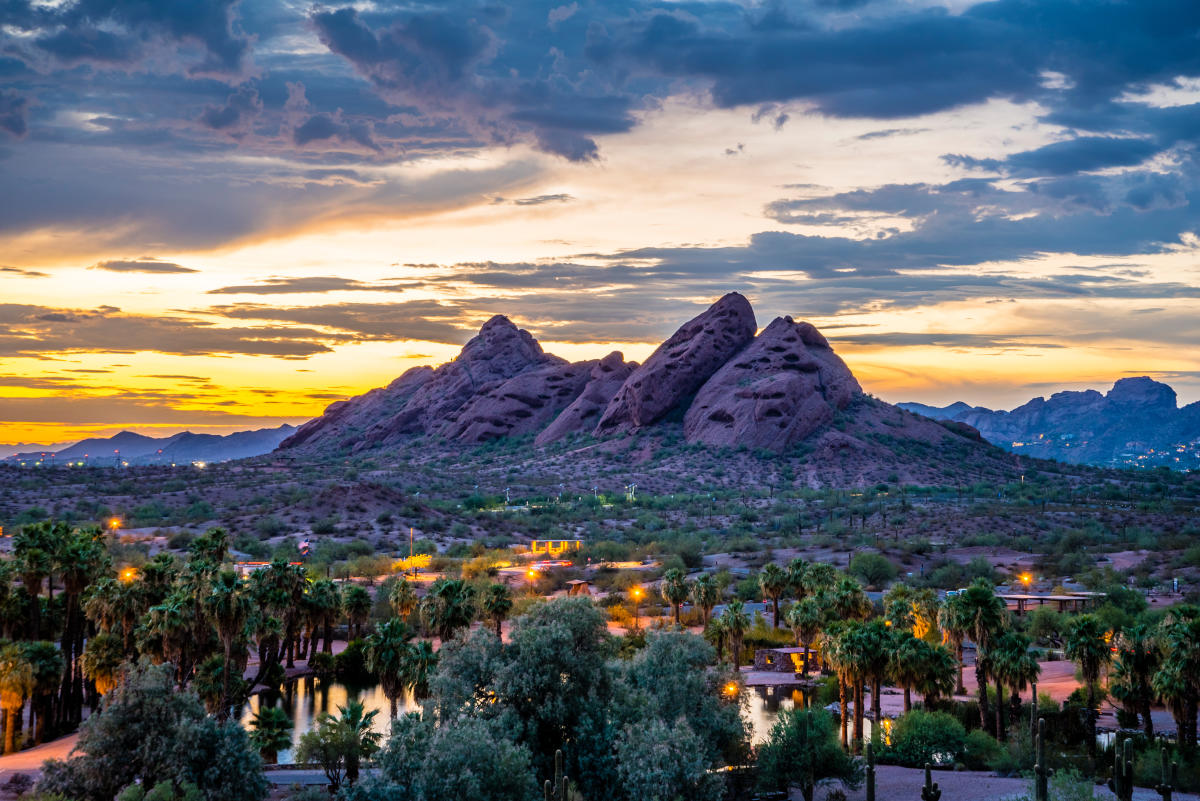
| Nature & Outdoors | Urban parks (South Mountain, Papago), scenic hikes (Camelback), Desert Botanical Garden. | Iconic Saguaro National Park, Catalina State Park, Sabino Canyon, Mount Lemmon. | Tucson |
| Food & Drink | Upscale dining, diverse international cuisine, trendy brunch spots, craft breweries. | Unesco City of Gastronomy, authentic Sonoran Mexican food, vibrant local scene, craft cocktails. | Tucson |
| Costs & Budget | Generally higher prices for luxury accommodation, upscale dining, and activities. | More budget-friendly options for lodging, dining, and attractions, good value. | Tucson |
| Getting Around | Car is essential due to sprawl, decent freeway system, light rail in downtown/Tempe. | Car recommended, but a more walkable downtown, bike-friendly, slower pace. | Tie |
| Accommodation | Abundant luxury resorts, boutique hotels, chain options, Scottsdale emphasis. | Unique boutique hotels, historic inns, mid-range chains, charming B&Bs. | Phoenix |
| Culture & History | Frank Lloyd Wright's Taliesin West, Heard Museum, Western Spirit Scottsdale. | Rich Native American, Spanish, Mexican heritage; historic districts, mission San Xavier del Bac. | Tucson |
| Nightlife & Entertainment | Vibrant bar scene (Old Town Scottsdale), live music venues, casinos, professional sports. | Eclectic live music, craft cocktail bars, brewery scene, more laid-back. | Phoenix |
| Day Trips & Excursions | Sedona, Grand Canyon (longer), Prescott, small mining towns (Jerome). | Bisbee, Tombstone, Organ Pipe Cactus National Monument, Nogales (Mexico). | Phoenix |
| Weather & Seasons | Hotter summers, mild winters, less elevation, more extreme heat. | Slightly cooler summers (higher elevation), mild winters, more monsoon activity. | Tucson |
| Family Travel | Children's Museum, Zoo, Aquarium, Legoland, larger water parks. | Arizona-Sonora Desert Museum, Pima Air & Space Museum, smaller family attractions. | Phoenix |
🌵 Nature & Outdoors
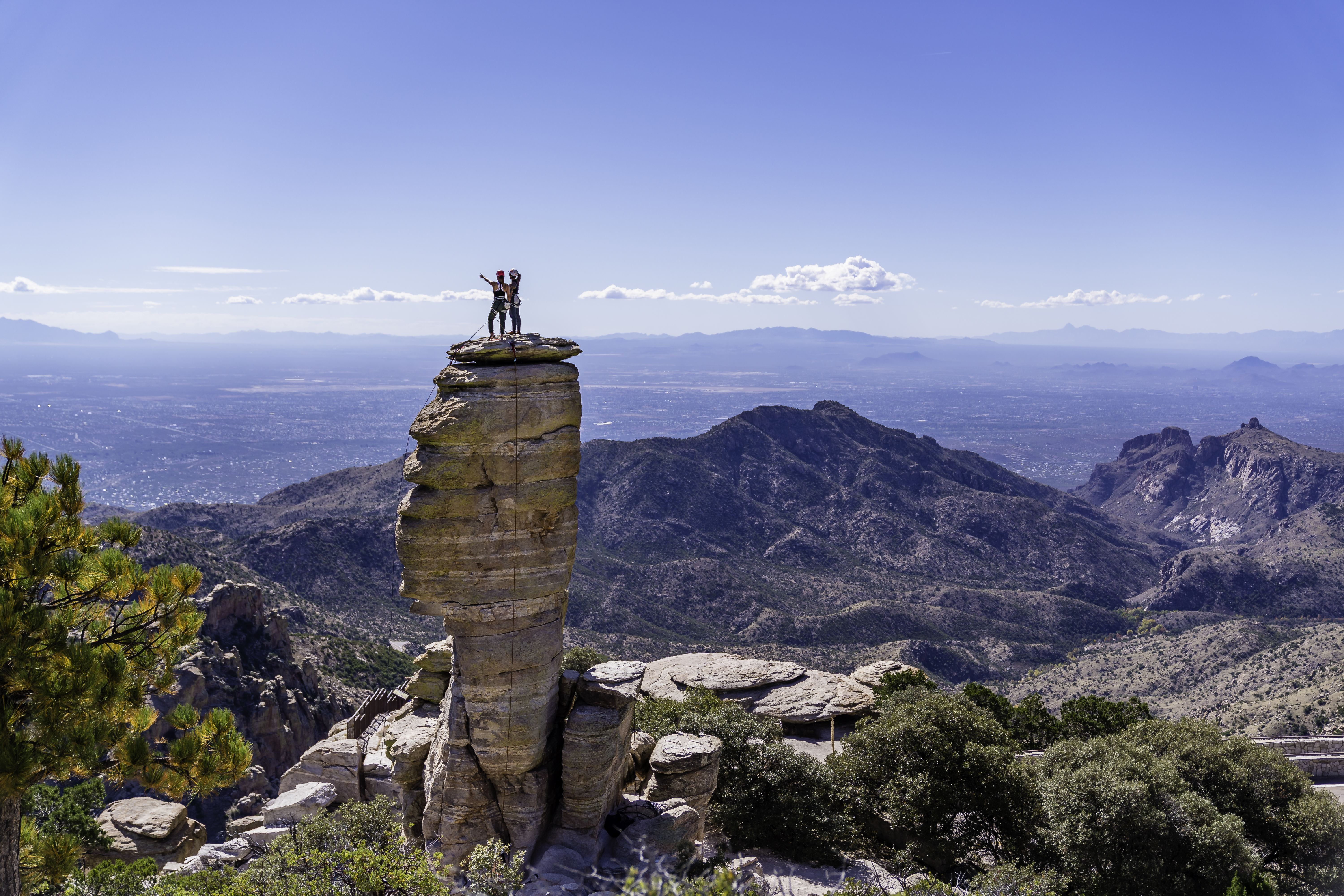
Phoenix offers fantastic urban hiking with panoramic city views at spots like Camelback Mountain (Echo Canyon Trail can be intense, plan 2-3 hours) or South Mountain Park, one of the largest municipal parks in the US. The Desert Botanical Garden is a must-see, showcasing incredible desert flora for about $30 USD entry. However, Tucson truly shines with its access to the quintessential Sonoran Desert. Saguaro National Park (east and west districts, each requiring a $25 USD vehicle entry fee for 7 days) is breathtaking, featuring dense forests of the iconic saguaro cacti – a truly unique landscape you won't find anywhere else in this density. Catalina State Park and Sabino Canyon offer beautiful trails and riparian areas, while a drive up Mount Lemmon (the 'Sky Island') takes you from desert floor to pine forests, a remarkable change in elevation and temperature. You're practically guaranteed to see more wildlife and feel more immersed in raw nature in Tucson. One traveler commented, "Honestly, Saguaro National Park in Tucson felt like stepping onto another planet. Phoenix hiking is good, but it's not *this*." Tucson's natural beauty feels more expansive and iconic.
Winner takeaway
- Winner: Tucson
- Why: Tucson provides more immediate and iconic access to the Sonoran Desert's most unique landscapes, particularly Saguaro National Park.
- Who this matters for: Nature lovers, hikers, photographers, and those seeking truly unique desert ecosystems.
🌮 Food & Drink
Phoenix, particularly Scottsdale, boasts an impressive array of high-end restaurants, celebrity chef outposts, and trendy spots like Olive & Ivy or Steak 44, where entrees can easily run $40-70 USD. You'll find a broader range of international cuisines, from fantastic Vietnamese to modern American. However, Tucson is a UNESCO City of Gastronomy, renowned for its distinct Sonoran Mexican cuisine. This isn't just good Mexican food; it's a unique regional style that originated here. Must-trys include the Sonoran hot dog (El Guero Canelo, about $5-7 USD), carne asada at El Charro Café (the oldest family-run Mexican restaurant in the US), and breakfast burritos at Seis Kitchen. The local ingredients and culinary heritage run deep. Tucson's downtown also has a burgeoning craft cocktail scene and excellent independent coffee shops. A Reddit user put it perfectly: "You *have* to try a Sonoran hot dog in Tucson. It's a game changer, Phoenix doesn't have anything quite like it." While Phoenix offers variety and luxury, Tucson offers a truly unique and delicious culinary identity.
Winner takeaway
- Winner: Tucson
- Why: Tucson's designation as a UNESCO City of Gastronomy and its unparalleled Sonoran Mexican cuisine make it a unique culinary destination.
- Who this matters for: Foodies, those seeking authentic regional flavors, and travelers who prioritize unique culinary experiences over fine dining diversity.
💸 Costs & Budget
Phoenix, especially areas like Scottsdale, tends to be pricier across the board. High-end resorts can easily cost $300-$600+ USD per night, and even mid-range hotels often fall into the $150-$250 range. Dining at popular spots can quickly add up, with a nice dinner for two averaging $80-$150 without drinks. Car rentals are essential and can be $50-$100+ per day. Tucson offers better value without sacrificing quality. You can find charming boutique hotels or B&Bs for $120-$200 USD per night, and budget-friendly hotels are readily available for under $100. The food scene, while exceptional, is often more affordable, particularly for its famous Sonoran Mexican fare where a delicious meal might cost $10-$20. Many outdoor activities, like hiking in Saguaro National Park, are also very reasonably priced or free (beyond the park entrance fee). One traveler shared, "We saved a ton in Tucson. Got a fantastic Airbnb near the university for way less than anything comparable in Phoenix, and the food was incredible and cheap." Your dollar will stretch further in Tucson.
Winner takeaway
- Winner: Tucson
- Why: Tucson generally provides more budget-friendly options for accommodation, dining, and activities, offering better value for money.
- Who this matters for: Budget-conscious travelers, backpackers, and families looking to maximize their travel funds.
🚗 Getting Around
Both cities are incredibly car-dependent, reflecting the vastness of the American Southwest. In Phoenix, the sheer sprawl makes a car virtually non-negotiable for exploring beyond a single neighborhood. While the Valley Metro light rail connects downtown Phoenix, Tempe, and Mesa, it doesn't cover the main tourist areas like Scottsdale or many hiking trails. Driving is straightforward with a well-developed freeway system, but traffic can be significant during rush hours. Parking is usually ample but can be paid in urban cores. Tucson, while also requiring a car for most attractions outside the city center (like Saguaro National Park or Mount Lemmon), has a more compact and walkable downtown area (4th Avenue, Congress Street) connected by the Sun Link streetcar ($1.75 per ride). It also boasts a more established bike culture with numerous paths and lanes. A tourist noted, "Phoenix traffic during rush hour is no joke, but Tucson feels a bit more chill to drive in, even if you still need a car for everything." Ultimately, if you're comfortable driving, both are manageable, but the necessity of a car is universal.
Winner takeaway
- Winner: Tie
- Why: Both cities are designed for car travel, making a personal vehicle almost mandatory for a comprehensive visit, despite minor differences in walkability or public transit.
- Who this matters for: Travelers who prefer to rent a car and drive, as well as those who don't mind navigating larger urban areas by vehicle.
🏨 Accommodation
Phoenix, particularly Scottsdale, is a resort paradise. You'll find an unparalleled selection of luxurious resorts with multiple pools, golf courses, and spas like The Phoenician, Hyatt Regency Scottsdale Resort & Spa at Gainey Ranch, or the Fairmont Scottsdale Princess. These high-end options often come with price tags starting from $350-$600+ USD per night, but also offer incredible amenities and service. There are also plenty of mid-range chain hotels and budget-friendly options scattered throughout the larger metro area. Tucson offers a different, more eclectic range of accommodations. You'll discover charming historic inns like the Arizona Inn (starting around $250-400), unique boutique hotels such as The Hotel Congress (from $150), and a strong selection of mid-range hotels and B&Bs. While luxury exists (e.g., Ritz-Carlton Dove Mountain), it's less concentrated than in Phoenix. A traveler mentioned, "If you want that classic 'desert resort' experience with all the bells and whistles, Phoenix just has way more options." Phoenix wins for sheer volume and variety of high-end resort experiences.
Winner takeaway
- Winner: Phoenix
- Why: Phoenix offers a wider and more concentrated selection of world-class luxury resorts, catering to travelers seeking high-end amenities and services.
- Who this matters for: Luxury travelers, spa enthusiasts, golf tourists, and those prioritizing resort-style vacations.
🏛️ Culture & History
Phoenix has notable cultural institutions like the Heard Museum ($25 USD entry), showcasing Native American art and culture, and Frank Lloyd Wright's Taliesin West ($49 USD for a basic tour), a UNESCO World Heritage site. Old Town Scottsdale offers a glimpse into Western history with its art galleries and souvenir shops. However, Tucson's cultural roots run deeper and feel more authentic. It boasts a unique blend of Native American (Tohono O'odham), Spanish, and Mexican influences that are evident everywhere. Mission San Xavier del Bac, 'The White Dove of the Desert,' is a stunning example of Spanish colonial architecture and still an active church, free to visit. Historic barrios like Barrio Viejo feature colorful adobe houses. The city also has a thriving arts scene, with numerous galleries and public art installations, and a strong sense of local identity. As one Reddit user commented, "Tucson just feels more authentic, you can really see and feel the history in the architecture and the vibe." Tucson's cultural narrative is richer and more palpable.
Winner takeaway
- Winner: Tucson
- Why: Tucson offers a deeper, more integrated cultural and historical experience, with strong influences from Native American, Spanish, and Mexican heritage.
- Who this matters for: History buffs, art enthusiasts, those interested in diverse cultural heritage, and travelers seeking authentic local character.
🌃 Nightlife & Entertainment
Phoenix, particularly Old Town Scottsdale, is the undisputed king of nightlife in Arizona. You'll find a high concentration of trendy nightclubs, lively bars, and upscale lounges with DJs, bottle service, and a bustling party atmosphere, especially on weekends. Popular spots like Bottled Blonde or W Scottsdale's Living Room often have cover charges of $10-30 USD. Beyond the clubs, Phoenix hosts major sporting events (NBA Suns, MLB Diamondbacks, NFL Cardinals) and big-name concerts at venues like the Footprint Center or State Farm Stadium. There are also several casinos (Talking Stick Resort, Gila River Resorts & Casinos) offering gambling and entertainment. Tucson's nightlife is more low-key and eclectic. Downtown and 4th Avenue offer a good selection of craft cocktail bars, breweries, and live music venues (e.g., Hotel Congress, Club Congress, where local bands and touring acts play, sometimes with small cover fees ~$10-20). It's more about quality conversations and unique experiences than big parties. A local remarked, "If you want to dance until 2 AM and hit up a few clubs, Scottsdale is where it's at. Tucson is more for a good beer and some live jazz." Phoenix caters to a broader, more energetic entertainment crowd.
Winner takeaway
- Winner: Phoenix
- Why: Phoenix, especially Old Town Scottsdale, offers a significantly more vibrant, diverse, and upscale nightlife and entertainment scene.
- Who this matters for: Party-goers, sports fans, concert-goers, and those seeking a high-energy urban evening out.
🗺️ Day Trips & Excursions
From Phoenix, the most popular day trip is undoubtedly Sedona (approx. 2-hour drive), famous for its stunning red rock formations, spiritual vortexes, and hiking. A visit to Jerome, a historic mining town perched on a hillside, pairs well with Sedona. Another popular, albeit longer, day trip is to the Grand Canyon South Rim (approx. 3.5-4 hour drive one-way), which is manageable but makes for a very long day. Prescott (1.5-hour drive) offers a historic downtown and a cooler climate. Tucson's day trip options lean into Southern Arizona's unique history and landscapes. Bisbee (1.5-hour drive) is a quirky, artsy former mining town with a distinct charm and copper mine tours ($15-20 USD). Tombstone (1-hour drive) is famous for the O.K. Corral shootout and Wild West reenactments ($10-20 USD for various attractions). Organ Pipe Cactus National Monument (2-hour drive) offers a different type of desert landscape with rare organ pipe cacti. You can also cross the border into Nogales, Mexico (1-hour drive), for a taste of international culture. A Reddit user commented, "From Phoenix, hitting Sedona is a no-brainer. The Grand Canyon is also just barely doable as a super long day trip. Tucson's day trips are cool but more niche." Phoenix offers access to more iconic, globally recognized destinations.
Winner takeaway
- Winner: Phoenix
- Why: Phoenix offers easier access to world-renowned natural wonders like Sedona and the Grand Canyon, making for more iconic day trips.
- Who this matters for: First-time Arizona visitors, those with a broader interest in iconic natural landmarks, and travelers wanting diverse scenic drives.
☀️ Weather & Seasons
Both Phoenix and Tucson share Arizona's infamous desert climate, characterized by extremely hot summers (June-September) and pleasant, mild winters (October-April). Phoenix generally runs a few degrees hotter than Tucson due to its lower elevation. Summer daytime temperatures in Phoenix often exceed 110°F (43°C), while Tucson might hover around 100-105°F (38-40°C), which is still scorching but slightly more bearable. The monsoon season (July-September) brings dramatic thunderstorms to both, but Tucson often experiences more intense and frequent downpours, which can be a welcome relief from the heat. Winters are glorious in both, with Phoenix averaging 65-75°F (18-24°C) and Tucson slightly cooler, 60-70°F (15-21°C). The slightly higher elevation of Tucson (around 2,400 ft vs. Phoenix's 1,100 ft) provides a subtle but noticeable difference, especially in summer. As one local noted, "It's still hot as hell in Tucson summer, but those 5 degrees lower make a real difference, and the monsoon storms are epic." For year-round comfort, Tucson has a slight edge.
Winner takeaway
- Winner: Tucson
- Why: Tucson's slightly higher elevation results in marginally cooler temperatures, making its summers (while still hot) a tiny bit more tolerable than Phoenix's.
- Who this matters for: Travelers sensitive to extreme heat, those who appreciate dramatic summer thunderstorms, and anyone seeking slightly milder desert conditions.
👨👩👧👦 Family Travel
Phoenix offers a broader range of attractions specifically geared towards families, especially with younger children. The Phoenix Zoo ($30-35 USD per adult, $20-25 per child), the OdySea Aquarium ($45-50 USD adult, $35-40 child), and Legoland Discovery Center ($25-30 USD per person) provide full days of entertainment. There's also the Arizona Science Center ($25 USD adult, $20 child) and several large water parks like Six Flags Hurricane Harbor during summer months. Many resorts are also highly family-friendly with elaborate pools and kids' clubs. Tucson's family offerings are excellent but fewer in number. The Arizona-Sonora Desert Museum ($29.95 USD adult, $19.95 child) is a world-class zoo, botanical garden, and natural history museum rolled into one, a must-visit for all ages. The Pima Air & Space Museum ($19.50 USD adult, $12 child) is fantastic for aviation enthusiasts. Old Tucson Studios offers a historical Wild West experience but is currently closed with an uncertain future. One parent commented, "Phoenix has so many options to keep the kids busy, especially if they're into standard kid attractions like zoos and aquariums. Tucson's Desert Museum is amazing, but after that, the options get a bit more spread out." Phoenix has more concentrated, traditional family entertainment.
Winner takeaway
- Winner: Phoenix
- Why: Phoenix offers a greater quantity and variety of traditional, large-scale family attractions like zoos, aquariums, and theme parks.
- Who this matters for: Families with young children, those seeking easily accessible and diverse entertainment options for all ages.
❓ Frequently Asked Questions
Is it worth visiting both Phoenix and Tucson on one trip?
Absolutely, if you have 5-7 days or more. The cities are distinct enough to warrant separate exploration and are only about a 1.5 to 2-hour drive apart. Start with Phoenix for its urban amenities, then head south to Tucson for a contrasting, more historic desert experience.
Which city has better hiking trails?
While Phoenix offers excellent urban hikes like Camelback Mountain and South Mountain Park, Tucson is often preferred for more iconic desert landscapes. Saguaro National Park (both districts) provides unparalleled access to the majestic saguaro cacti forests and feels more immersed in raw nature.
Is public transportation good in Phoenix or Tucson?
Both cities are largely car-dependent due to their sprawl. Phoenix has a light rail connecting downtown, Tempe, and Mesa, but it doesn't reach many tourist areas like Scottsdale. Tucson has a streetcar downtown, but a rental car is highly recommended for exploring beyond the immediate city centers in both locations.
Which city is better for foodies?
Tucson, a UNESCO City of Gastronomy, wins for its unique and authentic Sonoran Mexican cuisine, including the famous Sonoran hot dog. Phoenix (especially Scottsdale) offers a broader range of upscale dining and diverse international options, but Tucson's culinary identity is unparalleled.
What's the best time of year to visit either city?
The best time to visit both Phoenix and Tucson is during their mild winter months, from October to April. Temperatures are pleasant for outdoor activities, typically ranging from 60-80°F (15-27°C). Summers (June-September) are extremely hot and best avoided for extensive outdoor exploration.
Which city is more luxurious?
Phoenix, particularly Scottsdale, is significantly more luxurious. It boasts a higher concentration of world-class resorts, high-end spas, championship golf courses, and upscale shopping and dining experiences compared to Tucson's more laid-back charm.
Are there good options for solo travelers in Phoenix or Tucson?
Both cities are safe and offer unique experiences for solo travelers. Phoenix provides more opportunities for organized tours, resort amenities, and social nightlife. Tucson's vibrant downtown, arts scene, and easy access to nature make it great for independent exploration and connecting with locals.
Which city is closer to the Grand Canyon?
Phoenix is closer to the Grand Canyon South Rim than Tucson. From Phoenix, it's roughly a 3.5 to 4-hour drive. From Tucson, it's about a 4.5 to 5-hour drive, making it a very long day trip or better suited for an overnight stay.
Ready to plan your Arizona trip?
Get a free custom itinerary for Phoenix, Tucson, or both — built from real traveler insights.
🎟️ Book Tours & Experiences
Hand-picked tours and activities for both destinations — book with free cancellation
Experiences via Viator — free cancellation on most tours