How we built this comparison
This page combines traveler discussion patterns, published price ranges, flight schedules, and seasonal data to help you decide between Plovdiv and Bucharest.
- Reviewed 50+ Reddit threads from r/travel, r/solotravel, r/Bulgaria, r/Romania, r/europe, and r/digitalnomad.
- Verified costs and logistics against current booking platforms (e.g., Booking.com, Skyscanner, Rome2Rio, local transport sites).
- Cross-referenced seasonal patterns and weather data for optimal travel timing.
⚡ The TL;DR Verdict
If you're chasing ancient history, a relaxed pace, and unbeatable value, Plovdiv is your clear winner with a daily budget around $50-80. But for vibrant city life, grand architecture, and a buzzing nightlife that keeps giving, Bucharest takes the crown, typically requiring $70-120 per day.
- Choose Plovdiv: Choose Plovdiv if you're a history buff, prefer a slower pace, love charming cobblestone streets, and want your travel budget to stretch further. It's perfect for cultural immersion and serene exploration.
- Choose Bucharest: Opt for Bucharest if you thrive in bustling capitals, enjoy diverse dining and an epic nightlife, appreciate grand Belle Époque and Communist-era architecture, and want more direct international access and big-city amenities.
- Choose Both: Why not both? Combine them for a comprehensive Eastern European experience. Fly into Bucharest, spend 3-4 days, then take a bus to Sofia (around 8 hours, ~80-100 RON / $18-22), and from Sofia, a quick bus to Plovdiv (2 hours, ~16-20 BGN / $9-11) for another 2-3 days. A 7-10 day trip allows you to contrast their unique charms perfectly.
Quick Comparison
| Category | Plovdiv | Bucharest | Winner |
|---|---|---|---|
| Culture & History | Ancient Roman ruins, Thracian heritage, UNESCO Old Town, European Capital of Culture fame. | Grand Communist architecture, Belle Époque palaces, poignant museums, rich 19th/20th-century history. | Plovdiv |
| Food & Drink Scene | Traditional Bulgarian cuisine, Kapana's trendy eateries, local wines, rakia. | Diverse international and traditional Romanian, bustling Old Town restaurants, vibrant café culture, craft beer scene. | Bucharest |
| Nightlife & Entertainment | Cozy bars in Kapana, relaxed pubs, occasional live music, more intimate scene. | Vibrant Old Town clubs and bars, diverse music venues, late-night parties, a true party capital reputation. | Bucharest |
| Cost of Living & Travel | Excellent value for accommodation, food, and transport; budget-friendly overall. | Still affordable by Western standards, but slightly higher costs for dining, drinks, and some activities. | Plovdiv |
| Getting There & Around | Smaller international airport (via Sofia), highly walkable city center, good local bus network. | Major international hub, extensive public transport (metro, tram, bus), convenient ride-sharing options. | Bucharest |
| Accommodation Options | Charming boutique guesthouses, budget hostels, authentic Old Town stays. | Wide range of hotels from budget to luxury, numerous hostels, serviced apartments, international brands. | Bucharest |
| Day Trips & Nature | Rila Monastery (via Sofia), Bachkovo Monastery, Koprivshtitsa, Rhodope Mountains. | Bran Castle, Peleș Castle, Brașov, Sinaia, Therme București (relaxation/pools). | Bucharest |
| Vibe & Ambiance | Relaxed, artistic, ancient, charming, bohemian, friendly local feel. | Bustling, grand, dynamic, sometimes chaotic, 'Little Paris' meets Communist concrete. | Plovdiv |
| Safety & Solo Travel | Generally very safe, small city feel, low crime rates, comfortable for solo female travelers. | Generally safe in tourist areas, but like any capital, requires more awareness, some petty crime, busy at night. | Plovdiv |
| Digital Nomad & Long Stays | Lower cost of living, slower pace, good cafes, smaller expat scene. | More co-working spaces, larger expat community, faster internet, diverse amenities, better international connectivity. | Bucharest |
🏛️ Culture & History
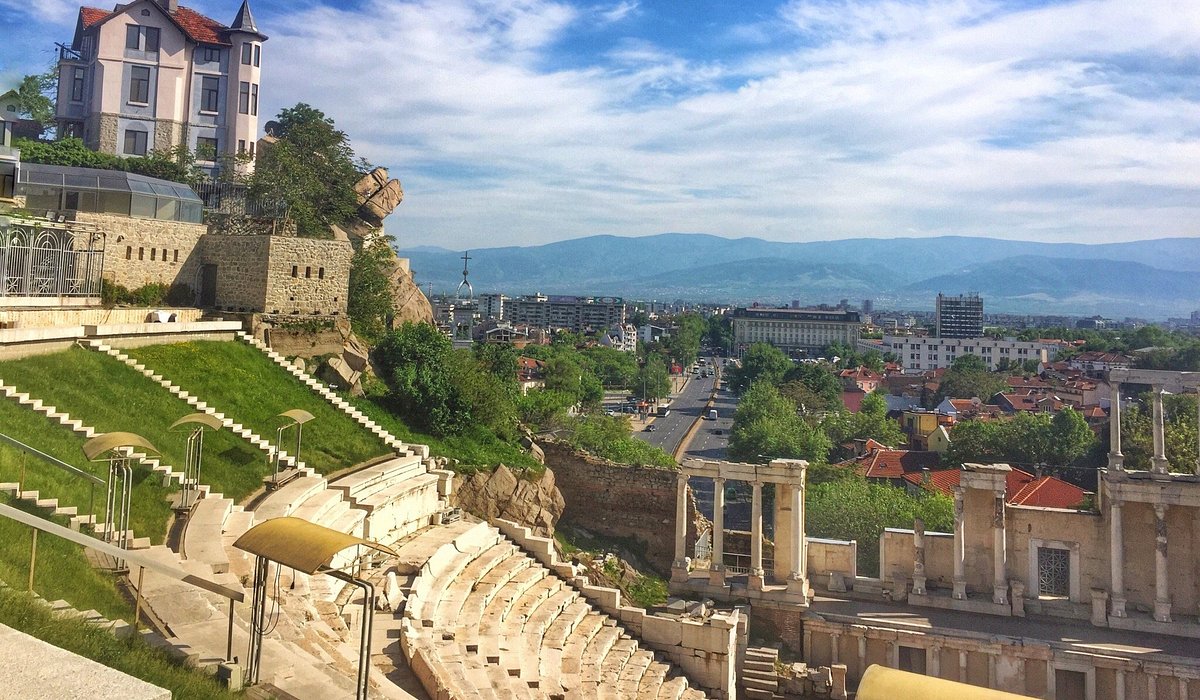
Plovdiv, often hailed as one of the oldest continually inhabited cities in Europe, truly shines with its layered history. You're walking through millennia here. The Roman Amphitheatre, still hosting events today, and the Roman Stadium beneath the main pedestrian street are incredible. The Old Town, with its colourful National Revival houses and cobbled streets, feels like stepping into a painting. Don't miss the Ancient Theatre, a UNESCO World Heritage site, offering breathtaking views. Compare that to Bucharest, which boasts impressive, albeit more modern, historical markers. The colossal Palace of the Parliament, a relic of Ceaușescu's megalomania, is undeniably impactful. The Stavropoleos Monastery is a stunning example of Brâncovenesc architecture, and the National Museum of Art of Romania houses royal collections. While Bucharest's history is fascinating, especially its 19th and 20th-century narrative, it lacks the tangible, ancient layers that Plovdiv effortlessly displays. "Plovdiv's Old Town just hits different, like every stone has a story. Bucharest felt more about grand statements than ancient whispers." - u/Traveller_Gal. Plovdiv offers a more immersive and accessible journey through time, from Thracian settlements to the Ottoman Empire.
Winner takeaway
- Winner: Plovdiv
- Why: Plovdiv's ancient Roman and Thracian heritage, combined with its perfectly preserved Old Town, offers a more profound and accessible historical experience.
- Who this matters for: Serious history buffs, archaeologists, and those who love exploring ancient ruins and charming old towns.
🍽️ Food & Drink Scene
Bucharest's food scene is a delightful sprawl of options, ranging from traditional Romanian fare to cutting-edge international cuisine. The Old Town is packed with restaurants, though some can be tourist traps. For authentic Romanian, try Caru' cu Bere, a historic beer hall with hearty portions of sarmale (cabbage rolls) and mici (grilled minced meat sausages) for around 50-80 RON ($11-18). Beyond the Old Town, areas like Dorobanți and Floreasca offer upscale dining, while university districts have budget-friendly gems. The craft beer scene is burgeoning, with places like Fabrica de Bere Bună. Plovdiv, on the other hand, excels in quality within a smaller radius, particularly in the Kapana Creative District. Here, you'll find charming bistros like Pavaj or Aylyakriya offering delicious Bulgarian dishes and craft beer for around 20-40 BGN ($11-22). While Plovdiv's local wine culture is strong and its traditional food is excellent, Bucharest simply offers more variety, more trend-setting spots, and a wider range of international flavors. "Bucharest's food scene felt like a proper capital city, so many choices beyond just local stuff, even if Plovdiv had some really cozy spots." - u/FoodieExplorer. If you're looking for culinary exploration with endless choices, Bucharest wins; for concentrated charm and authentic local tastes, Plovdiv shines.
Winner takeaway
- Winner: Bucharest
- Why: Bucharest offers a broader, more diverse, and dynamic culinary landscape with extensive international options and a robust café/craft beer culture.
- Who this matters for: Foodies, those seeking culinary variety, and travelers who enjoy exploring different dining experiences from traditional to modern.
🕺 Nightlife & Entertainment
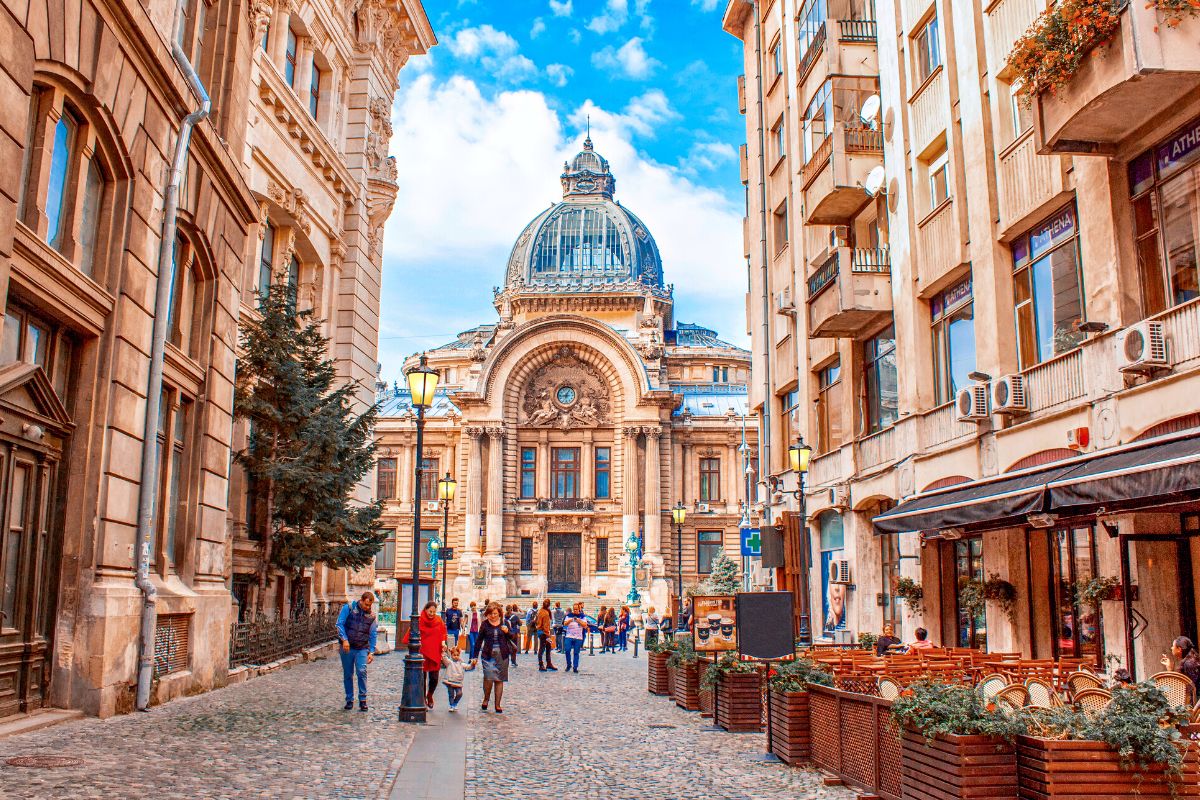
When it comes to nightlife, Bucharest leaves Plovdiv in the dust. Bucharest's Old Town (Centrul Vechi) transforms into a pulsating hub after dark, with countless bars, clubs, and pubs spilling onto the cobbled streets. From trendy cocktail lounges to underground techno clubs like Expirat or Control (entry often 20-50 RON / $4.50-11), there's something for every taste. The party often goes until dawn, especially on weekends. Beyond the Old Town, areas like Lipscani and Universitate offer more sophisticated bars and live music venues. Plovdiv's nightlife is charming but significantly more subdued. The Kapana Creative District has a good selection of cozy bars and pubs, many with outdoor seating, perfect for a relaxed evening drink. Places like Basa Coffee & Wine or Beerlogia offer craft beers and a chill atmosphere. You might find live music, but it's not the high-energy club scene of Bucharest. "If you want to party, Bucharest is it. Plovdiv is more 'sit and chat over a beer', which is fine, but not the same vibe at all." - u/PartyAnimalAbroad. For an electrifying, diverse, and extensive nightlife experience, Bucharest is the undisputed champion, offering more options for dancing, bar-hopping, and late-night revelry.
Winner takeaway
- Winner: Bucharest
- Why: Bucharest boasts a far more extensive, diverse, and energetic nightlife scene, particularly in its Old Town, catering to all party preferences until the early hours.
- Who this matters for: Party-goers, young travelers, those seeking vibrant social scenes, and anyone who loves a lively night out with many options.
💰 Cost of Living & Travel
Plovdiv consistently offers better value for money across almost all categories, making it a dream for budget-conscious travelers. You can find a comfortable hostel bed for 25-40 BGN ($14-22), and a pleasant mid-range hotel like Gallery 38 or Old Plovdiv House for 80-150 BGN ($45-85). A hearty meal in a nice restaurant will set you back 15-30 BGN ($8-17), and a local beer is typically 4-6 BGN ($2.20-3.30). Public transport is cheap, and many attractions in the Old Town are free or very low cost (e.g., Roman Amphitheatre entry 5 BGN / $2.80). Bucharest is also affordable compared to Western European capitals, but it's a step up from Plovdiv. Hostel beds range from 50-80 RON ($11-18), and mid-range hotels like Hotel Cismigiu or The Marmorosch can cost 200-400 RON ($45-90). A decent meal often costs 40-70 RON ($9-16), and a beer in the Old Town around 10-15 RON ($2.20-3.30). Transport, like a metro ticket, is cheap at 3 RON ($0.65), but taxis and Ubers can add up if you're crisscrossing the city. "My budget just stretched so much further in Plovdiv. Like, I could eat out every meal without feeling guilty, compared to Bucharest where I was more conscious." - u/ThriftyNomad. For those prioritizing an affordable yet high-quality travel experience, Plovdiv is the clear winner.
Winner takeaway
- Winner: Plovdiv
- Why: Plovdiv offers significantly better value for money on accommodation, dining, and activities, allowing travelers to enjoy more for less.
- Who this matters for: Budget travelers, backpackers, long-term travelers, and anyone who wants to maximize their travel funds without sacrificing quality.
✈️ Getting There & Around
Bucharest, as a capital city, has a significant advantage in terms of international accessibility. Henri Coandă International Airport (OTP) is a major hub, with numerous direct flights from across Europe and beyond, often at very competitive prices (e.g., London to Bucharest for $50-150 round trip). Once you're in Bucharest, the public transport system is extensive and efficient, featuring a metro, trams, and buses that can get you almost anywhere. A metro ticket costs around 3 RON ($0.65), and a daily pass is 8 RON ($1.75). Ride-sharing apps like Uber and Bolt are also readily available and affordable. Plovdiv has a smaller international airport, but flights are less frequent and often require a layover or flying into Sofia (SOF) and taking a bus (approx. 2 hours, 16-20 BGN / $9-11). Within Plovdiv, the city center and Old Town are incredibly walkable, making local transportation largely unnecessary for sightseeing. "Getting to Bucharest was super easy, direct flight, then just hopped on the metro. Plovdiv meant a whole extra bus trip from Sofia which added time." - u/JetsetterMike. While Plovdiv is easy to navigate on foot, Bucharest's superior international connectivity and comprehensive urban transit system give it the edge for overall travel logistics, especially for first-time visitors to the region.
Winner takeaway
- Winner: Bucharest
- Why: Bucharest's status as a major international airport hub with excellent direct flight connections and a comprehensive public transport network makes it easier to reach and navigate.
- Who this matters for: International travelers seeking direct flights, those who prefer efficient public transport, and visitors planning to explore beyond the city center.
🛌 Accommodation Options
Bucharest offers a significantly broader and more diverse range of accommodation options to suit every budget and preference. From high-end international chains like JW Marriott Bucharest Grand Hotel or InterContinental Athénée Palace Bucharest to boutique luxury like The Marmorosch Bucharest, Autograph Collection, you'll find plenty of upscale choices. For mid-range, Hotel Cismigiu provides excellent value and location. The city also has a plethora of well-regarded hostels (e.g., Little Bucharest Old Town Hostel, The Cozyness Downtown Hostel) with beds typically ranging from 50-80 RON ($11-18). Serviced apartments and Airbnbs are also abundant. Plovdiv, while offering charming and authentic stays, has a more limited selection, particularly in the luxury segment. Its strength lies in boutique guesthouses within the Old Town (e.g., Old Plovdiv House, Residence City Garden) and a good selection of budget-friendly hostels (e.g., Hostel Old Plovdiv, Plovdiv Guesthouse) with prices around 25-40 BGN ($14-22). "Bucharest just had *everything*. I could pick a fancy hotel for a splurge, or a cheap, clean hostel without hassle. Plovdiv was lovely but fewer choices." - u/HotelHopper. While Plovdiv's unique guesthouses are wonderful, Bucharest's sheer volume and variety, particularly at the higher end, make it the winner here for catering to a wider audience.
Winner takeaway
- Winner: Bucharest
- Why: Bucharest provides a much wider array of accommodation options, from luxury international brands to numerous hostels and apartments, catering to all budgets and travel styles.
- Who this matters for: Travelers with specific accommodation preferences, those seeking luxury stays, and groups or families needing diverse room configurations.
⛰️ Day Trips & Nature
Both cities offer fantastic day trip opportunities, but Bucharest edges out Plovdiv due to the iconic nature and variety of its nearby attractions. From Bucharest, you can easily visit the stunning Peleș Castle in Sinaia, a true architectural masterpiece, and the famous (or infamous) Bran Castle, often associated with Dracula, both within a 2-3 hour drive. Combining these with the charming medieval city of Brașov makes for an excellent and popular day or overnight trip. For a different kind of escape, Therme București offers a massive, modern wellness and relaxation complex with pools and saunas, just a short drive from the city center (entry from 70 RON / $15 for 3 hours). Plovdiv's day trips are also compelling, including the spiritual serenity of Bachkovo Monastery, the architectural preservation of Koprivshtitsa, and the possibility of visiting the magnificent Rila Monastery (though this typically requires transiting through Sofia, adding to travel time). The Rhodope Mountains offer hiking and natural beauty. "Seeing Bran Castle and Peleș was on my bucket list, and it was so easy to do from Bucharest. Plovdiv's trips were cool, but less 'wow' factor for me." - u/CastleChaser. Bucharest wins for offering more world-renowned, easily accessible, and diverse day trip destinations that cater to a wider range of interests, from history and folklore to relaxation.
Winner takeaway
- Winner: Bucharest
- Why: Bucharest provides access to more iconic and diverse day trip destinations, including world-famous castles and a large wellness complex, within easy reach.
- Who this matters for: Travelers interested in famous landmarks, fairytale castles, and those seeking a blend of historical and recreational day trips.
✨ Vibe & Ambiance
Plovdiv radiates a uniquely relaxed, artistic, and ancient charm that is hard to beat. Its pedestrian-friendly center and the compact Kapana Creative District invite leisurely strolls, coffee breaks, and soaking in the atmosphere. The Old Town, with its cobbled lanes and beautifully preserved houses, feels like a living museum, yet it's entirely unpretentious. Locals are generally friendly and welcoming, contributing to a warm, inviting feel. There's a palpable sense of history interwoven with modern bohemian culture. Bucharest, in contrast, offers a dynamic and grand ambiance. It's a bustling capital city with wide boulevards, impressive architecture (from Belle Époque to Communist-era giants), and a vibrant energy. However, it can also feel sprawling, and some areas are less picturesque than others. Traffic can be intense, and the sheer scale of the city means it lacks the intimate, cozy feel of Plovdiv. "Plovdiv felt like a warm hug, super chill and beautiful without trying too hard. Bucharest was exciting, but also a bit overwhelming at times." - u/ChillVibesOnly. For travelers seeking a tranquil yet culturally rich experience, Plovdiv's ambiance is simply more captivating and coherent.
Winner takeaway
- Winner: Plovdiv
- Why: Plovdiv offers a more coherent, relaxed, and charming ambiance with its ancient history, artistic district, and friendly, walkable streets.
- Who this matters for: Travelers seeking a relaxed pace, romantic getaways, cultural immersion, and an authentic, friendly local atmosphere.
🛡️ Safety & Solo Travel
Both Plovdiv and Bucharest are generally considered safe destinations for tourists, but Plovdiv takes the edge for its more intimate, small-city feel. In Plovdiv, walking alone at night, especially in the central areas and the Old Town, feels very safe. Crime rates are low, and the local population is typically helpful and non-intrusive. For solo female travelers, Plovdiv often inspires a higher sense of comfort due to its relaxed atmosphere and manageable size. Bucharest, as a larger capital, naturally comes with the usual big-city caveats. While the main tourist areas and the Old Town are well-lit and busy, especially at night, it's wise to be more vigilant about pickpocketing, particularly in crowded places or on public transport. Taxis can sometimes try to overcharge, so using ride-sharing apps like Uber or Bolt is recommended for fair pricing. "I felt completely at ease exploring Plovdiv by myself, even after dark. Bucharest was fun, but I was definitely more on guard, especially with my bag in the Old Town." - u/SoloF_Traveler. Plovdiv's calmer, more contained environment makes it feel inherently safer and less demanding for solo travelers who prioritize peace of mind.
Winner takeaway
- Winner: Plovdiv
- Why: Plovdiv's smaller size and relaxed atmosphere contribute to a generally lower crime rate and a higher sense of personal safety, particularly for solo travelers.
- Who this matters for: Solo travelers (especially solo female travelers), families, and those who prioritize a very safe and low-stress environment.
💻 Digital Nomad & Long Stays
For digital nomads and those planning longer stays, Bucharest offers a more robust infrastructure and a larger community to tap into. The city boasts numerous dedicated co-working spaces like Impact Hub Bucharest or The Institute, offering reliable high-speed internet (Romania has some of the fastest internet in Europe) and networking opportunities for around 100-200 RON ($22-45) for a day pass, or monthly memberships. The expat community is significant and active, making it easier to connect with like-minded individuals. There's a greater variety of cafes with good Wi-Fi, diverse international grocery stores, and more options for leisure activities outside of work. Plovdiv is a charming and much cheaper option, with a very appealing low cost of living. It has a growing number of laptop-friendly cafes and a nascent co-working scene, but it's not as developed as Bucharest's. The internet is good, and the slow pace can be a huge draw for focused work. "Bucharest was just easier for working remotely. More co-working options, better meetups, and generally more international amenities. Plovdiv was cheaper but a bit too quiet for my long-term hustle." - u/DigitalWanderer. While Plovdiv is excellent for budget and tranquility, Bucharest's comprehensive infrastructure, faster pace, and larger international community make it the more practical and stimulating choice for digital nomads.
Winner takeaway
- Winner: Bucharest
- Why: Bucharest provides superior infrastructure for digital nomads, including more co-working spaces, a larger expat community, and diverse amenities for long-term stays.
- Who this matters for: Digital nomads, remote workers, long-term travelers, and anyone looking to settle into a city for an extended period.
❓ Frequently Asked Questions
Which city is better for a weekend trip?
For a pure weekend trip, Plovdiv might be slightly better due to its compact, walkable center and concentrated historical sites. You can get a strong sense of the city in 2-3 days. Bucharest requires a bit more time to truly explore its sprawling attractions and diverse neighborhoods.
Is it easy to travel between Plovdiv and Bucharest?
Direct travel isn't straightforward. The most common route is to take a bus from Bucharest to Sofia (approx. 8 hours, ~80-100 RON / $18-22), and then another bus from Sofia to Plovdiv (approx. 2 hours, ~16-20 BGN / $9-11). It's a full travel day, so consider an overnight stay in Sofia if combining the two.
Which city has better weather for visiting?
Both cities share similar continental climates. Spring (April-May) and Autumn (September-October) are ideal for both, with pleasant temperatures and fewer crowds. Summers can be very hot (often 30°C+), and winters are cold with potential for snow.
Do I need to speak the local language in Plovdiv or Bucharest?
No, not necessarily. In tourist areas, hotels, restaurants, and main attractions in both cities, English is widely spoken, especially by younger generations. Learning a few basic phrases in Bulgarian or Romanian is always appreciated, but you'll manage fine with English.
Which city is better for families with children?
Plovdiv might offer a more relaxed experience for families, with its safe, walkable Old Town and less traffic. Bucharest has more specific attractions like Cismigiu Gardens and the Grigore Antipa National Museum of Natural History, but its larger size can be more demanding with kids.
Are there any hidden gems in Plovdiv or Bucharest that aren't widely known?
In Plovdiv, seek out the Nebet Tepe hill for stunning sunset views over the city, or explore the small, family-run artisan shops in Kapana. In Bucharest, the Carturesti Carusel bookstore is a well-known beauty, but also explore the charming backstreets of Cotroceni neighborhood or the serene Botanical Garden for a quieter escape from the city bustle.
What's the best currency to use in Plovdiv and Bucharest?
In Plovdiv, the local currency is the Bulgarian Lev (BGN). In Bucharest, it's the Romanian Leu (RON). While some larger establishments might accept Euros, it's always best to use the local currency for better exchange rates and to avoid potential scams. ATMs are widely available, and credit cards are accepted in most places.
Which city offers better souvenir shopping?
Bucharest offers a wider range of shopping, from large malls to traditional craft markets and modern boutiques, providing more diverse souvenir options like traditional Romanian textiles or locally designed items. Plovdiv excels in unique artisan crafts, local wines, and rose oil products, particularly in the Kapana district and Old Town, for a more curated, authentic souvenir experience.
Ready to plan your Eastern Europe trip?
Get a free custom itinerary for Plovdiv, Bucharest, or both — built from real traveler insights.
🎟️ Book Tours & Experiences
Hand-picked tours and activities for both destinations — book with free cancellation
Experiences via Viator — free cancellation on most tours