How we built this comparison
This page combines traveler discussion patterns, published price ranges, flight schedules, and seasonal data to help you decide between Porto and Buenos Aires.
- Reviewed 50+ Reddit threads from r/travel, r/solotravel, r/Portugal, r/BuenosAires, and r/digitalnomad
- Verified costs and logistics against current booking platforms (e.g., Google Flights, Booking.com, Numbeo) and recent traveler reports
- Cross-referenced seasonal patterns, weather data, and local event calendars for optimal timing
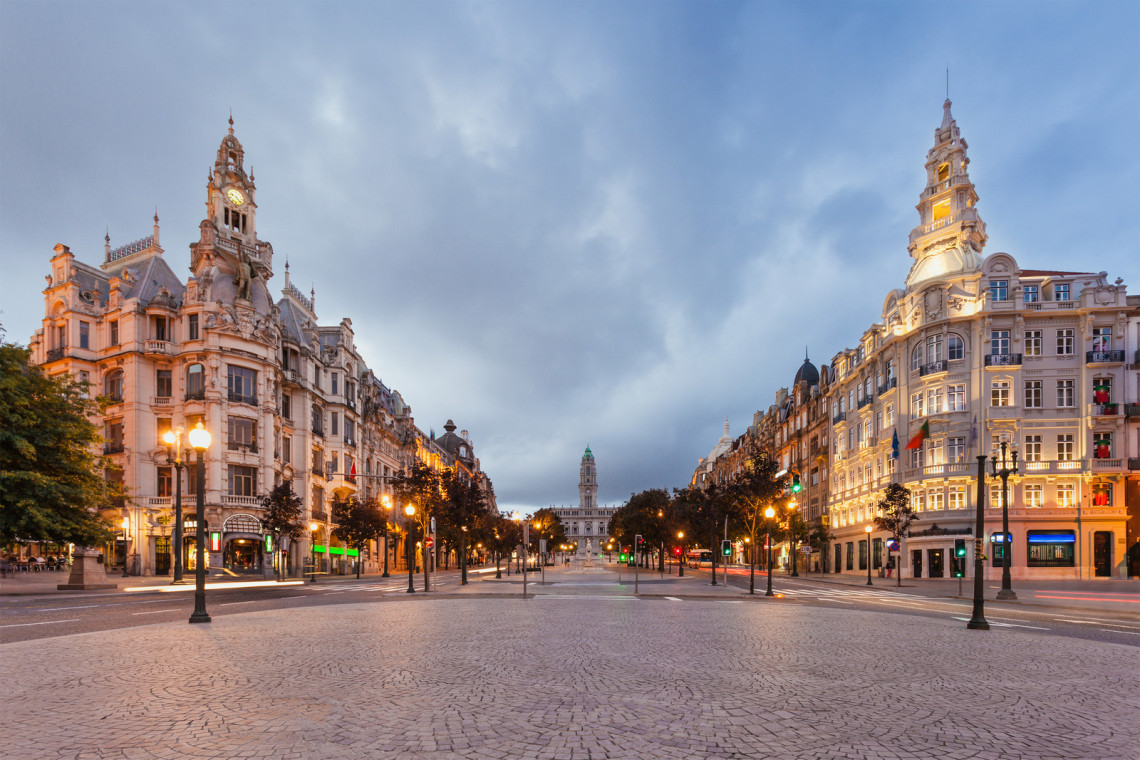
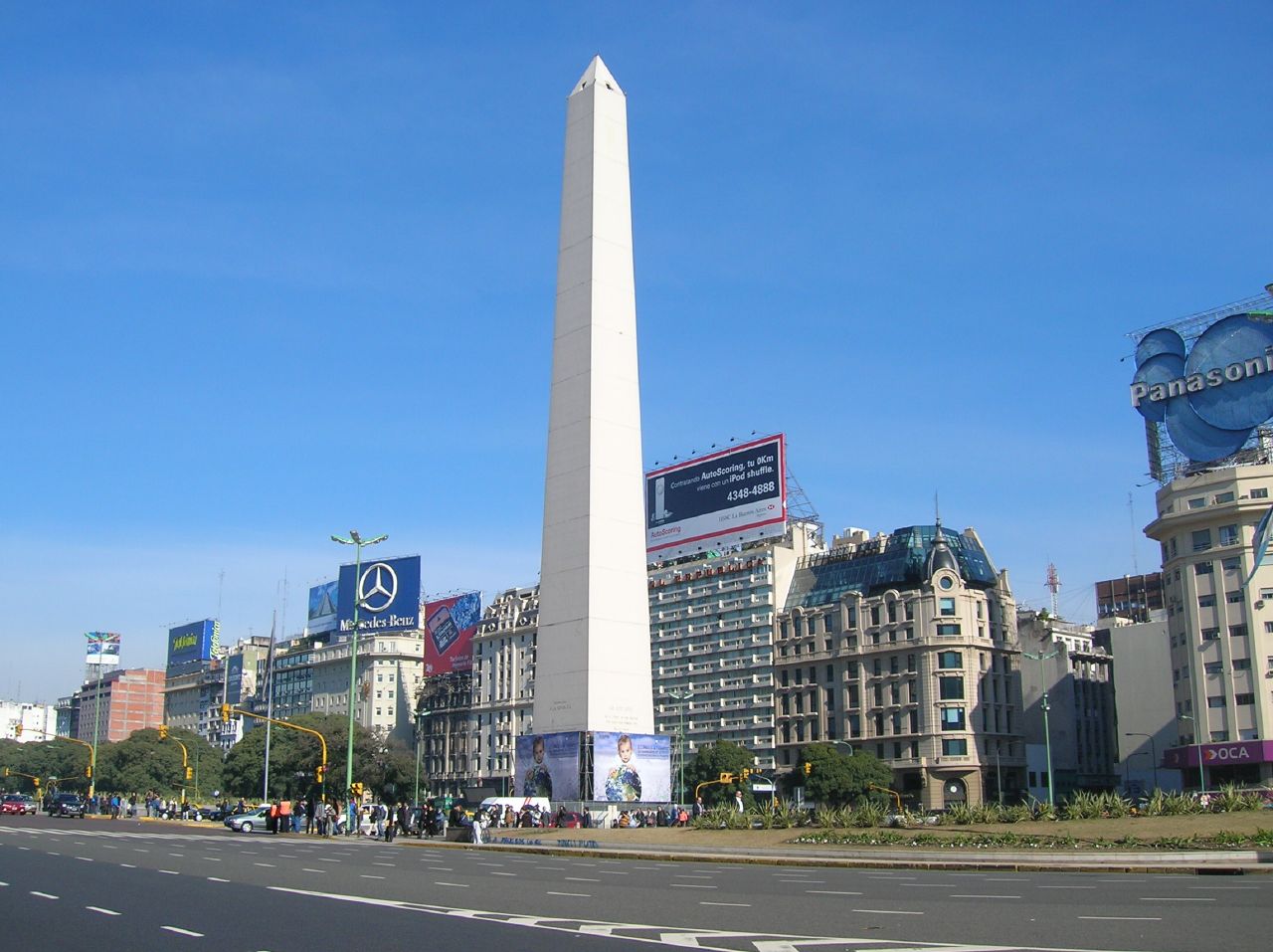
⚡ The TL;DR Verdict
Choose Porto for an effortlessly charming, safe, and culturally rich European getaway with fantastic food and wine, ideal for a budget of €60-€100 ($65-$110) a day. Opt for Buenos Aires if you crave a vibrant, passionate, and incredibly affordable city experience, ready to embrace late nights, tango, and a more adventurous budget of AR$20,000-AR$40,000 ($20-$40) a day, excluding flights.
- Choose Porto: Best for those seeking a picturesque, walkable European city, exceptional food and wine, a relaxed pace, and high safety, without breaking the bank.
- Choose Buenos Aires: Ideal for travelers who want an exhilarating, culturally immersive, and incredibly budget-friendly urban adventure, filled with late-night energy, tango, and world-class steak.
- Choose Both: For the truly adventurous with 3-4 weeks to spare and a love for diverse urban experiences. Spend a week in each, plus travel time, to compare two of the world's most unique cities.
Quick Comparison
| Category | Porto | Buenos Aires | Winner |
|---|---|---|---|
| Costs & Budget | Affordable for Western Europe, but costs are rising. Expect €60-€100 ($65-$110) daily for comfortable travel. | Extremely budget-friendly due to favorable exchange rates for tourists. A comfortable daily budget can be as low as AR$20,000-AR$40,000 ($20-$40 USD) if you're savvy. | Buenos Aires |
| Food & Drink | Rich, comforting Portuguese cuisine, world-renowned Port wine, and fresh seafood. Michelin-starred options alongside rustic tavernas. | Epic steak, Malbec wine, empanadas, and a strong Italian influence. Late-night dining culture is key. | Buenos Aires |
| Culture & History | Ancient Roman roots, maritime history, stunning azulejo tiles, Fado music, and a strong sense of Portuguese identity. | A 'Paris of South America' feel with grand European architecture, passionate tango culture, rich political history, and vibrant street art. | Tie |
| Nightlife | More relaxed, centered around wine bars, Fado houses, and riverside pubs. Lively but not overly boisterous, typically winding down earlier than BA. | Legendary for its late-night energy. Diverse clubs, bars, milongas (tango halls), and a culture of dining and socializing past midnight. | Buenos Aires |
| Safety | Generally very safe, even for solo travelers at night. Common sense precautions apply, but serious crime is rare. | Requires more vigilance. Petty crime (pickpocketing, bag snatching) is common, and certain areas should be avoided, especially at night. Scams targeting tourists are also prevalent. | Porto |
| Getting There | Well-connected to major European hubs with direct flights. Long-haul from North America/Asia typically involves one layover. Average flight time from NYC is ~8-10 hours with layover. | A true long-haul destination. Typically requires one or two layovers from North America/Europe. Average flight time from NYC is ~12-15+ hours with layover. | Porto |
| Getting Around | Highly walkable city with an efficient, clean metro system, trams, and funiculars. Easy to navigate on foot or public transport. | Extensive public transport (Subte, colectivos), but the city is vast. Traffic can be intense, and walking long distances requires planning. | Porto |
| Day Trips | Offers world-class day trips to the Douro Valley wine region, historic Braga, Guimarães, and charming coastal towns. | Limited truly standout day trip options compared to Porto. Tigre Delta is popular, but other nearby attractions are less iconic. | Porto |
| Accommodation | Excellent range of charming boutique hotels, guesthouses, and apartments. High standards of cleanliness and comfort at reasonable prices. | Wide variety from luxury to hostels, often with good value. Quality can be inconsistent, but excellent deals are available in neighborhoods like Palermo or Recoleta. | Porto |
| Digital Nomads | A growing hub with excellent infrastructure, fast internet, safe environment, and a welcoming expat community. Schengen visa limits stay to 90/180 days for many. | Extremely affordable, vibrant culture, but can be challenging due to hyperinflation, safety concerns, and sometimes inconsistent internet. Long-term visa options exist. | Porto |
💰 Costs & Budget
When it comes to stretching your dollar, Buenos Aires is an undeniable champion. While Porto offers fantastic value for a Western European city – a delicious Francesinha might set you back €12-€15 ($13-$16), a nice glass of wine €4 ($4.30), and a metro ticket €1.20 ($1.30) – Buenos Aires operates on a different level. Due to Argentina's economic situation and favorable 'blue dollar' exchange rates for tourists (using Western Union or similar transfers), your money goes incredibly far. A world-class steak dinner with wine in Palermo can be AR$15,000-AR$25,000 ($15-$25 USD), a subte (metro) ticket just AR$180 ($0.18 USD), and a delicious empanada from a street vendor around AR$1000 ($1 USD). Accommodation in BA is also generally cheaper for comparable quality. "I ate like royalty in BA for less than I'd spend on groceries at home. It's almost unbelievable how far your money goes there." While Porto is budget-friendly, BA is a paradise for frugal travelers looking for luxury on a shoestring.
Winner takeaway
- Winner: Buenos Aires
- Why: Buenos Aires offers unparalleled value for money, allowing travelers to enjoy high-quality experiences for a fraction of European prices.
- Who this matters for: Budget-conscious travelers, backpackers, and anyone who loves getting incredible bang for their buck.
🍷 Food & Drink
Both cities are culinary powerhouses, but they excel in different arenas. Porto's food scene is deeply traditional, comforting, and focused on fresh, local ingredients. You'll find iconic dishes like the Francesinha (a monstrous sandwich), Bacalhau à Brás (codfish), and incredible seafood at places like Marisqueria Antunes or fresh produce at Mercado do Bolhão. The Douro Valley is on its doorstep, making Port wine tastings a must. However, Buenos Aires, for many, offers a more impactful and unique culinary experience, especially if you're a meat lover. The quality and affordability of Argentine beef (bife de lomo, ojo de bife) paired with a robust Malbec at a parrilla like Don Julio or La Cabrera is legendary. The Italian influence brings fantastic pasta and gelato (helado artesanal), and street food like empanadas and choripán are ubiquitous. "Honestly, the steak and wine in BA just blew my mind. I'm still dreaming of that ojo de bife from Don Julio." It’s less about refined dining and more about passionate, hearty, and utterly delicious food that's deeply ingrained in the culture and incredibly affordable.
Winner takeaway
- Winner: Buenos Aires
- Why: Buenos Aires takes the crown for its iconic, high-quality, and incredibly affordable steak and wine culture, offering a distinct and memorable culinary experience.
- Who this matters for: Meat lovers, wine enthusiasts, and those who enjoy a vibrant, late-night dining scene.
🏛️ Culture & History
This category is a tough call as both cities are dripping with character and history, just different kinds. Porto, a UNESCO World Heritage site, boasts a rich tapestry of medieval streets, baroque churches adorned with intricate azulejos, and a palpable connection to its maritime past, especially along the Douro Riverfront (Ribeira). Exploring the Livraria Lello or Clérigos Tower gives you a sense of its old-world charm, and a Fado show is deeply moving. Buenos Aires, on the other hand, is a grand dame of a city, often dubbed the 'Paris of South America' due to its neoclassical architecture, wide avenues, and distinct European influence. From the grandeur of Teatro Colón and the colorful houses of La Boca's Caminito to the passionate displays of tango in San Telmo, BA offers a different kind of intensity. Its political history, evident in Plaza de Mayo and Recoleta Cemetery, adds another layer. "Porto felt like stepping into a fairytale, but BA's energy, history, and tango just captivated me in a different way." Both offer profound cultural immersion, whether you prefer ancient charm or passionate urbanity, making it a true tie.
Winner takeaway
- Winner: Tie
- Why: Both cities offer incredibly rich and distinct cultural and historical experiences, catering to different preferences for atmosphere and historical periods.
- Who this matters for: Anyone interested in history, art, and local traditions – it depends on whether you prefer old-world European charm or passionate Latin flair.
🕺 Nightlife
If you live for the night, Buenos Aires is your playground. The city truly comes alive after midnight, with locals often not heading out to dinner until 9 or 10 PM, and clubs (boliches) not filling up until 2 or 3 AM. Palermo Soho and Palermo Hollywood are teeming with trendy bars, speakeasies, and diverse clubs playing everything from cumbia to electronic music. The milongas, where you can watch or participate in tango, are an unforgettable experience, often running until the early hours. Porto's nightlife is charming but more subdued. It's centered around the Galeria de Paris and Rua Cândido dos Reis, offering a good selection of bars, traditional Fado houses, and student-friendly spots. You'll find places to dance, but the vibe is generally more relaxed and European, with things winding down around 2-3 AM. "BA's nightlife is insane, I literally saw people dancing tango in the street at 3 AM. Porto was fun but definitely more chill." For sheer energy, variety, and the late-night cultural immersion, Buenos Aires is the clear winner.
Winner takeaway
- Winner: Buenos Aires
- Why: Buenos Aires boasts a far more vibrant, diverse, and famously late-night nightlife scene, deeply intertwined with its cultural identity.
- Who this matters for: Party-goers, night owls, social butterflies, and anyone looking for a truly immersive and energetic evening experience.
🛡️ Safety
Safety is a significant differentiator between these two fantastic cities. Porto consistently ranks as one of Europe's safest cities. You can comfortably walk through most neighborhoods, even at night, without feeling overly concerned. While petty theft like pickpocketing can occur in crowded tourist areas (like anywhere), it's relatively rare, and violent crime is exceptionally low. The atmosphere is generally relaxed and welcoming. Buenos Aires, unfortunately, requires a higher degree of awareness and caution. Petty crime is much more prevalent, particularly in tourist hotspots like La Boca, San Telmo, and around major transport hubs. Pickpocketing, 'motochorros' (thieves on motorcycles snatching bags/phones), and elaborate scams (like the 'bird poop' scam or fake taxi drivers) are common. While most visits are trouble-free with precautions, you'll need to be constantly aware of your surroundings, avoid flashing valuables, and be wary of distractions. "Porto felt incredibly safe, I walked everywhere alone at night without a second thought. In BA, I was always clutching my bag a bit tighter." For peace of mind and effortless exploration, Porto is the clear victor.
Winner takeaway
- Winner: Porto
- Why: Porto offers a significantly higher level of safety and peace of mind, allowing for more relaxed and carefree exploration.
- Who this matters for: Solo travelers, families with young children, and anyone prioritizing a sense of security during their trip.
✈️ Getting There
The journey to these cities is a significant factor. Porto's Francisco Sá Carneiro Airport (OPO) is a major hub for low-cost carriers and national airlines, offering excellent connectivity across Europe. From North America, you'll typically have one layover in Lisbon, Madrid, or another major European city, with total travel time from New York (JFK) averaging 8-10 hours, and from London (LHR) around 2-3 hours direct. Buenos Aires, served by Ezeiza International Airport (EZE), is a much more substantial journey. From North America or Europe, you're looking at a true long-haul flight, often with one or two layovers depending on your starting point. A typical flight from New York (JFK) to EZE will take 12-15+ hours, often with layovers in Miami or São Paulo. From London, it's usually 14-16+ hours with one stop. While both are accessible, Porto's connections are generally shorter and more numerous for many international travelers, especially from Europe and the East Coast of the US, making it less of a travel commitment. "Getting to Porto felt like a breeze compared to the odyssey to BA. That extra 5 hours really makes a difference." For ease and speed of access, Porto takes the lead.
Winner takeaway
- Winner: Porto
- Why: Porto is generally easier and quicker to access from many major international hubs, particularly for European and North American travelers.
- Who this matters for: Travelers with limited vacation time, those who dislike long flights, and anyone looking for a more straightforward travel day.
🚇 Getting Around
Porto is a dream for walkers and public transport users. Its historic center is compact and best explored on foot, albeit with some steep hills that add to its charm. For longer distances, the Porto Metro is clean, efficient, and covers all major areas, costing around €1.20-€2 ($1.30-$2.20) per trip with a rechargeable Andante card. Iconic trams (like Line 1) and funiculars add to the experience. Getting around is largely stress-free. Buenos Aires is a sprawling metropolis, and while it boasts an extensive public transport system including the historic Subte (metro) and numerous colectivos (buses), navigating it can be more challenging. You'll need a Sube card (around AR$900 or $0.90 USD) to use public transport, with rides costing as little as AR$180 ($0.18 USD). However, traffic can be horrendous, making bus journeys slow, and while taxis/ride-shares (Uber, Cabify) are affordable, the sheer size of the city means you'll spend more time commuting. "Porto felt like I could just wander and stumble upon everything. In BA, I was constantly checking Google Maps and calculating Subte routes." For sheer ease, pleasantness, and walkability, Porto is superior.
Winner takeaway
- Winner: Porto
- Why: Porto's compact, walkable nature and excellent, user-friendly public transport make it far easier and more pleasant to navigate.
- Who this matters for: Walkers, those who prefer public transport over taxis, and travelers who enjoy a relaxed pace without traffic stress.
🏞️ Day Trips
Porto truly shines when it comes to the quality and variety of its day trip options. The most famous is undoubtedly the Douro Valley, a UNESCO World Heritage site known for its terraced vineyards and stunning river cruises. You can easily spend a day or more exploring wineries, enjoying scenic drives, and tasting Port wine. Historic cities like Braga (with its Bom Jesus do Monte sanctuary) and Guimarães (Portugal's birthplace, a UNESCO site) are also just a short train ride away, offering deep dives into Portuguese history and architecture. Charming coastal towns like Aveiro ('Venice of Portugal') are also within easy reach. Buenos Aires, while magnificent, doesn't quite match this caliber of nearby excursions. The most popular day trip is to the Tigre Delta, a picturesque network of waterways and islands where you can take boat tours. Colonia del Sacramento in Uruguay is a popular ferry trip, but it's an international journey. Other options like San Antonio de Areco offer a taste of the Pampas cowboy culture, but lack the 'wow' factor of Porto's offerings. "The Douro Valley trip from Porto was one of the most beautiful things I've ever seen. BA's day trips felt a bit less impactful." For truly iconic and diverse day trip experiences, Porto is the winner.
Winner takeaway
- Winner: Porto
- Why: Porto offers a richer array of globally recognized and diverse day trip options, including a UNESCO World Heritage wine region and historic cities.
- Who this matters for: Travelers who love exploring beyond the main city, wine lovers, and history buffs.
🏨 Accommodation
Both cities offer a broad spectrum of accommodation, but Porto generally provides a more consistent and charming experience for the price. Porto's lodging scene is characterized by beautifully restored historic buildings converted into boutique hotels, stylish guesthouses, and well-appointed apartments. You can find a high-quality, centrally located double room for €70-€120 ($75-$130) per night at places like The House Ribeira Porto Hotel or Exmo Hotel. The standards of service and cleanliness are consistently high, and many offer characterful decor. Buenos Aires also has a massive selection, from grand historic hotels to vibrant hostels. You can find incredible deals for AR$40,000-AR$70,000 ($40-$70 USD) in trendy Palermo or upscale Recoleta for a comfortable room. However, the quality can be more inconsistent, and older properties might show more wear. While BA offers amazing value, finding that consistent charm and reliable quality often takes more searching. "Every guesthouse I stayed in Porto felt so thoughtfully designed and clean, even the cheaper ones. In BA, it was more hit-or-miss, though the hits were great deals." For overall charm, consistent quality, and reliability across price points, Porto is slightly ahead.
Winner takeaway
- Winner: Porto
- Why: Porto offers more consistently charming, high-quality, and well-maintained accommodation options across various price points.
- Who this matters for: Travelers prioritizing aesthetic appeal, consistent quality, and a comfortable, hassle-free stay.
💻 Digital Nomads
For digital nomads, Porto has steadily become a top contender. It offers fantastic infrastructure, reliable high-speed internet (often fiber optic, 100-500 Mbps download speeds are common), a very safe environment, and a rapidly growing, supportive expat community. Co-working spaces like Porto i/o and Selina Porto are plentiful, and the city's compact size means less commute stress. While the Schengen visa limits non-EU citizens to 90 days within a 180-day period (unless a D7 or new Digital Nomad visa is obtained), it's an ideal short-to-medium term base. Buenos Aires is incredibly enticing due to its low cost of living and vibrant culture, but it presents more challenges. While internet can be good in upscale areas like Palermo (e.g., Fibertel/Telecentro), it can be spottier elsewhere. The constant worry about hyperinflation, safety concerns, and the need to always have local cash on hand can be stressful. While BA has a lively nomad scene and offers longer-term visas, the day-to-day friction is higher. "I loved my time as a nomad in BA, but the constant money stress and being more cautious felt draining. Porto was just so easy and chill." For a smoother, less stressful, and more 'plug-and-play' remote work experience, Porto is the winner.
Winner takeaway
- Winner: Porto
- Why: Porto offers superior infrastructure, higher safety, greater stability, and a more seamless experience for digital nomads, despite Schengen limitations.
- Who this matters for: Remote workers, freelancers, and anyone needing reliable infrastructure, a low-stress environment, and a strong sense of security.
❓ Frequently Asked Questions
Which city is better for solo travelers?
Porto is generally better for solo travelers, especially women, due to its exceptional safety and ease of navigation. You can explore freely and comfortably, even at night. Buenos Aires is vibrant but requires more vigilance, particularly with personal belongings, which can add a layer of stress for solo adventurers.
What's the best time to visit each city?
For Porto, late spring (April-May) and early autumn (September-October) offer pleasant weather, fewer crowds, and vibrant festivals. Summers can be hot but are lively. For Buenos Aires, spring (September-November) and autumn (March-May) are ideal, with comfortable temperatures, less humidity, and beautiful foliage, avoiding the intense summer heat and winter chill.
Do I need to speak Portuguese or Spanish?
In Porto, many locals, especially in tourist areas, speak English. However, learning a few basic Portuguese phrases (hello, thank you, please) is always appreciated. In Buenos Aires, while English is spoken in tourist-heavy areas, knowing some basic Spanish will significantly enhance your experience, especially for interacting with locals, ordering food, and navigating outside the main tourist bubbles.
What's the visa situation for US citizens?
US citizens can enter Portugal (Schengen Area) visa-free for up to 90 days within any 180-day period. For Argentina, US citizens can also enter visa-free for up to 90 days for tourism. Always check the latest requirements before travel, as policies can change.
Which city offers better shopping?
Buenos Aires offers a more diverse and unique shopping experience, especially for leather goods, local fashion, and artisan crafts at markets like San Telmo. Porto has good shopping for local crafts, cork products, and typical European high street brands, but it's less unique than BA.
How do the vibes compare?
Porto has a charming, laid-back, and historical European vibe – think cobblestone streets, riverside cafes, and Fado music. Buenos Aires is a passionate, energetic, and sophisticated Latin American metropolis with a strong European influence, known for its late-night culture, tango, and grand boulevards. Porto feels cozy; BA feels grand and alive.
Is internet connectivity reliable for remote work?
Porto offers excellent and reliable internet connectivity, especially in urban areas and accommodations, making it highly suitable for remote work. Buenos Aires generally has good internet in major neighborhoods, but it can be less consistent than Porto, and power outages can occasionally occur. You'll also want to consider time zone differences for work.
Which city has better outdoor activities and nature close by?
Porto wins for immediate access to diverse natural beauty and outdoor activities. The stunning Douro Valley is an easy day trip for hiking and river cruises, and the Atlantic coast offers beautiful beaches and surfing opportunities a short drive away. Buenos Aires is surrounded by flat plains (Pampas), with the most prominent 'nature' day trip being the unique Tigre Delta, which is more about waterways than dramatic landscapes.
Ready to plan your unforgettable trip?
Get a free custom itinerary for Porto, Buenos Aires, or both — built from real traveler insights.
🎟️ Book Tours & Experiences
Hand-picked tours and activities for both destinations — book with free cancellation
Experiences via Viator — free cancellation on most tours