How we built this comparison
This page combines traveler discussion patterns, published price ranges, flight schedules, and seasonal data to help you decide between Porto and Seville.
- Reviewed 50+ Reddit threads from r/travel, r/solotravel, r/Portugal, r/Spain, r/Porto, and r/Seville for real traveler experiences and advice.
- Verified costs for accommodation, food, transport, and attractions against current booking platforms (Booking.com, Skyscanner, Omio) and official attraction websites.
- Cross-referenced seasonal patterns, weather data (AccuWeather, NOAA), and flight/train schedules for logistical accuracy.
⚡ The TL;DR Verdict
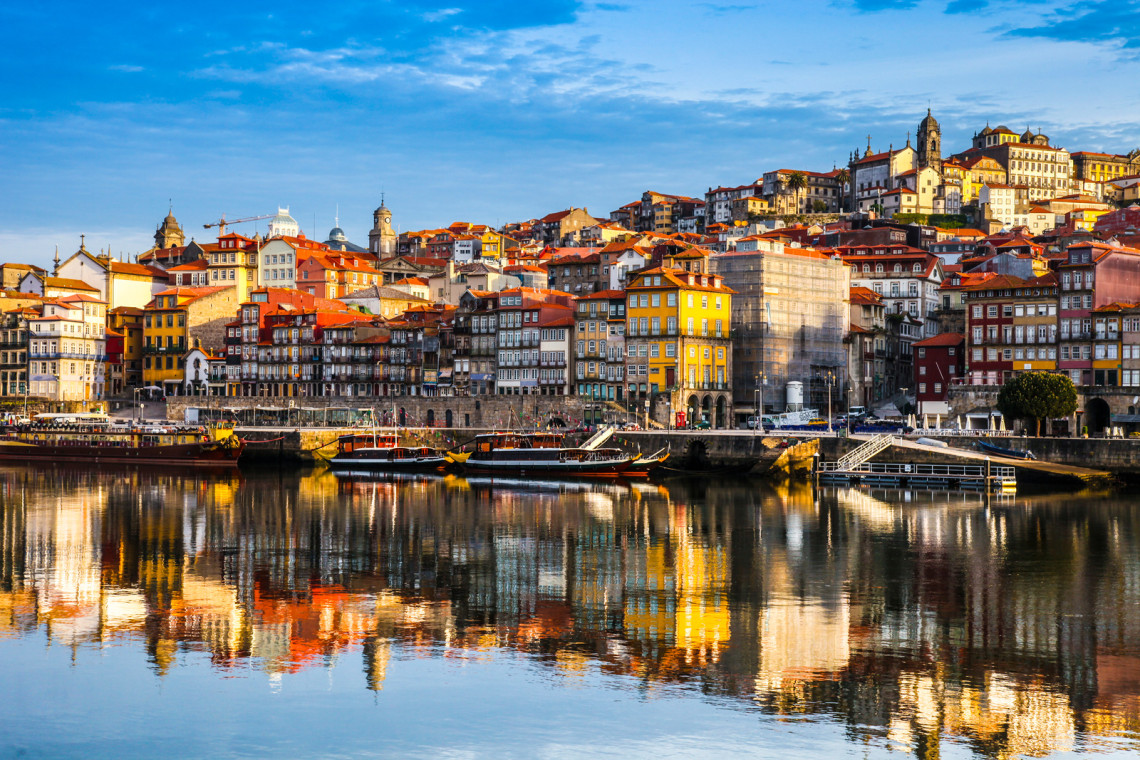
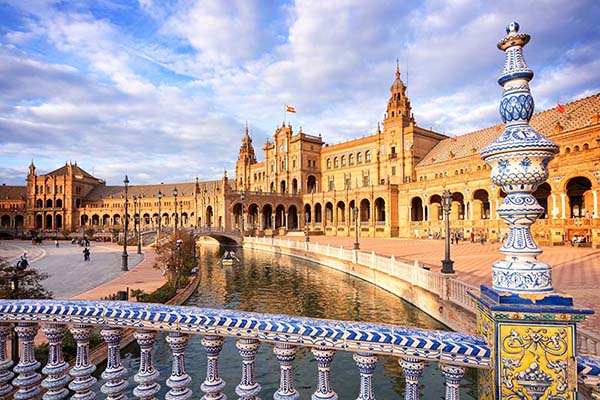
For those craving dramatic riverfronts, port wine, and a slightly more relaxed pace, Porto is your pick, budget around €70-€100 ($75-$110) daily. If you're after intense sunshine, fiery flamenco, and a bustling tapas scene, Seville calls your name, expect to spend €80-€120 ($85-$130) daily. Both offer incredible value compared to many Western European hotspots.
- Choose Porto: You're a fan of charming, hilly cities, dramatic riverside views, world-class wine tasting, and a slightly cooler climate. Perfect for foodies who appreciate seafood and unique local dishes.
- Choose Seville: You crave sunshine, passionate flamenco shows, grand Moorish architecture, and an unparalleled tapas culture that keeps the streets buzzing late into the night. Ideal for history buffs and those who love a vibrant, energetic atmosphere.
- Choose Both: If you have 10-14 days and want to experience the best of both Iberian worlds, combining them via a flight or train/bus journey (e.g., Seville to Faro, then train to Porto) is absolutely doable and highly recommended for a diverse trip.
Quick Comparison
| Category | Porto | Seville | Winner |
|---|---|---|---|
| Food & Drink | Port wine, Francesinha, fresh seafood, bacalhau. More traditional, hearty Portuguese cuisine. | Tapas culture, jamón, sherry, gazpacho, olive oil. Lighter, shareable, and intensely flavorful. | Seville |
| Culture & History | Medieval streets, Livraria Lello, Clérigos Tower, Fado music, Baroque churches, Douro River history. | Moorish architecture (Alcázar, Giralda), Flamenco, Roman heritage, Baroque art, vibrant festivals. | Seville |
| Nightlife | Lively bars in the city center, student scene, riverside terraces, Fado houses. | Bustling tapas bars, late-night discotecas, rooftop terraces, flamenco tablaos, vibrant street life. | Seville |
| Costs & Budget | Generally slightly cheaper for accommodation and main meals. Public transport is very affordable. | Slightly higher for accommodation, but food (tapas) and transport remain very budget-friendly. | Porto |
| Getting There & Around | Well-connected airport (OPO), efficient metro/bus system, walkable city, fun trams. | Well-connected airport (SVQ), excellent bus network, highly walkable, cycling options. | Tie |
| Accommodation | Wide range from boutique hotels to charming guesthouses. Good value for money. | Extensive selection of hotels, apartments, and traditional patios. Can be pricier in peak season. | Porto |
| Day Trips | Douro Valley wine region, Guimarães, Braga, Aveiro. Varied and scenic options. | Córdoba (Mezquita), Ronda (clifftop town), Cádiz (coastal city), White Villages. Diverse and iconic. | Seville |
| Weather & Seasons | Mild winters, warm but not scorching summers. More rain, especially in winter. Pleasant spring/fall. | Hot, dry summers (can be extreme). Mild, pleasant winters. Long, sunny shoulder seasons. | Seville |
| Solo Travel | Safe, easy to navigate, friendly locals, good hostel scene for meeting others. | Highly sociable, vibrant hostel scene, easy to join tapas tours, safe for walking. | Seville |
| Vibe & Atmosphere | Romantic, charming, hilly, slightly melancholic, 'old-world' feel, laid-back. | Passionate, lively, grand, elegant, energetic, 'fiery' Andalusian spirit. | Seville |
🍷 Food & Drink
Seville truly shines for its food scene, specifically the unparalleled tapas culture. You can spend evenings hopping between bars like El Rinconcillo (Seville's oldest bar, established 1670) or Bodeguita Romero, grazing on small plates of jamón ibérico, espinacas con garbanzos, and patatas bravas, all paired with local sherry or a caña (small beer). A typical tapas plate costs €3-€6 ($3.20-$6.50), making it incredibly affordable to sample widely. Porto, while fantastic, offers a heavier, more traditional experience. The Francesinha, a monster sandwich, is famous, and the fresh seafood at Matosinhos is divine, but it lacks the dynamic, social eating ritual of Seville's tapas. Port wine cellars across the Douro river (e.g., Graham's, Taylor's) offer incredible tastings for €15-€30 ($16-$32), but it's a different vibe. As one Redditor put it, "Seville's tapas scene just hits different, you can eat like a king for €20 a night moving between bars. Porto's food is great, but it's more about the experience of a sit-down meal or a specific dish." Seville feels like a continuous culinary adventure.
Winner takeaway
- Winner: Seville
- Why: Seville's vibrant, social tapas culture offers a wider variety of affordable, shareable dishes and an unparalleled dining experience.
- Who this matters for: Foodies, social eaters, and those who love to graze and explore different flavors.
🏛️ Culture & History
Seville is an absolute powerhouse of culture and history, largely due to its unique blend of Moorish, Christian, and Roman influences. The Real Alcázar, a stunning royal palace, and the massive Seville Cathedral with its Giralda bell tower are UNESCO World Heritage sites that demand hours of exploration, with entry fees around €13-€15 ($14-$16). The city is the birthplace of flamenco, and experiencing a raw, authentic show at a tablao like Casa de la Memoria (€22-€25 / $24-$27) is non-negotiable. Porto has a deep history too, with its medieval Ribeira district, the iconic Livraria Lello (often cited as a Harry Potter inspiration, entry €5 / $5.40, redeemable on books), and numerous stunning Baroque churches. However, Seville's historical footprint feels grander and more distinctively layered, especially with its Islamic heritage. A traveler on r/travel commented, "Seville’s Alcázar alone is worth the trip. The history you feel walking through those gardens is just incredible, Porto's charm is different, more European old-town pretty, but Seville is unique." The sheer scale and distinctiveness of Seville's cultural offerings give it the edge.
Winner takeaway
- Winner: Seville
- Why: Seville's grand scale of Moorish and Christian heritage, combined with its status as the birthplace of flamenco, offers a richer, more unique cultural immersion.
- Who this matters for: History buffs, architecture enthusiasts, and those seeking iconic cultural experiences like flamenco.
🥂 Nightlife
Seville's nightlife is truly infectious, fueled by the Spanish tradition of late dinners and even later starts. The city comes alive after 9 PM, with tapas bars in Triana or Alameda de Hércules buzzing until the early hours. You can easily transition from a lively bar with cheap drinks (€3-€5 / $3.20-$5.40 for a cocktail) to a discoteca like Hoyo 19 or Sala Custom. Rooftop bars, such as those at Hotel Doña María, offer stunning views of the Giralda. Porto's nightlife is also vibrant, especially around the Galerias de Paris street, packed with bars catering to students and tourists. The Ribeira district has charming riverside spots. While Porto offers Fado shows (often starting around €15-€25 / $16-$27), which are a unique cultural experience, Seville's general 'buzz' and variety of late-night options feel more expansive and deeply integrated into the city's social fabric. "Seville just feels like it never sleeps, in the best way possible," noted a user on r/Spain. "Every plaza is alive until 2 AM, and then the clubs pick up. Porto is good for a few drinks, but Seville is an all-nighter." For sheer energy and variety, Seville takes the crown.
Winner takeaway
- Winner: Seville
- Why: Seville offers a more vibrant, later, and diverse nightlife scene, seamlessly blending social tapas culture with energetic bars and clubs.
- Who this matters for: Party-goers, night owls, and those who thrive on late-night social interactions and entertainment.
💰 Costs & Budget
Porto generally offers a slight edge in terms of overall affordability, though both cities are excellent value compared to major Western European capitals. You can find quality hostel beds in Porto for €20-€35 ($22-$38) and mid-range hotels for €70-€120 ($75-$130). A hearty Francesinha can be had for €10-€15 ($11-$16), and a glass of Port wine for €3-€6 ($3.20-$6.50). Public transport (metro, bus, tram) is efficient and cheap, with a single ride around €1.20 ($1.30). Seville's accommodation can be a bit pricier due to higher demand, with hostels starting around €25-€40 ($27-$43) and hotels from €80-€150 ($85-$160). However, Seville's tapas culture means you can eat incredibly well and affordably, often spending just €15-€25 ($16-$27) for a full dinner with drinks. Entry fees to attractions are comparable. One Redditor mentioned, "I found Porto slightly cheaper overall, especially for a nice sit-down dinner. Seville's hostels were a bit more, but the tapas kept my food budget happy." The cost difference isn't massive, but Porto will likely shave a few euros off your daily spend, particularly on accommodation and more traditional restaurant meals.
Winner takeaway
- Winner: Porto
- Why: Porto offers a marginally lower cost of living and accommodation, making it slightly more budget-friendly overall.
- Who this matters for: Budget-conscious travelers and those looking to maximize their travel funds without sacrificing quality.
✈️ Getting There & Around
Both cities boast excellent connectivity and ease of getting around. Porto's Francisco Sá Carneiro Airport (OPO) is a major hub for low-cost carriers (e.g., Ryanair, EasyJet) from across Europe, and direct flights from NYC (e.g., TAP Air Portugal, 6-7 hours) are common. From the airport, a metro ride to the city center costs around €2.70 ($2.90) and takes about 30 minutes. Porto itself is very walkable, though hilly, with an efficient metro and bus system, plus charming historic trams. Seville's San Pablo Airport (SVQ) is also well-connected to European cities, though fewer direct intercontinental flights than Porto. An airport bus (EA line) takes you to the city center for €4 ($4.30) in about 30 minutes. Seville is notoriously flat and incredibly walkable, making it a joy to explore on foot. Its public bus network is comprehensive, and cycle lanes are plentiful. "Honestly, both are super easy to navigate. Porto's hills are a workout but you can walk everywhere. Seville's flatness is a dream for walking, and the airport bus is so convenient," a user shared on r/solotravel. For international travelers, Porto might have a slight edge in direct long-haul flights, but locally, both are equally user-friendly.
Winner takeaway
- Winner: Tie
- Why: Both cities offer excellent airport connectivity and highly efficient, visitor-friendly public transport and walkable centers.
- Who this matters for: All travelers, as both cities excel in accessibility and internal mobility.
🏨 Accommodation
Porto generally offers slightly better value for accommodation, with a fantastic array of boutique hotels, charming guesthouses (pensões), and modern hostels. You can find stylish mid-range hotels like Hotel Cristal Porto for €80-€120 ($85-$130) or top-rated hostels like The House of Sandeman Hostel & Suites (with river views!) for €30-€50 ($32-$54) per night. The supply seems to keep up with demand, maintaining competitive prices outside of major events. Seville also has an extensive selection, from luxury hotels (e.g., Hotel Alfonso XIII, €300+ / $320+) to budget-friendly hostels (e.g., Oasis Backpackers' Hostel for €30-€50 / $32-$54). However, during peak seasons (spring, particularly Semana Santa or Feria de Abril) or major holidays, prices in Seville can skyrocket, and availability can be tight. Even standard hotels can easily jump to €150-€200 ($160-$215). "Porto felt like I got more bang for my buck on accommodation," a traveler noted. "I stayed in a really stylish guesthouse near the center for less than a decent hotel in Seville would have cost me." While both have great options, Porto provides consistent value.
Winner takeaway
- Winner: Porto
- Why: Porto generally offers better value and more consistent pricing across its wide range of charming and high-quality accommodation options.
- Who this matters for: Budget-conscious travelers and those seeking stylish stays without premium price tags.
🏞️ Day Trips
Seville truly excels in its day trip potential, offering access to some of Andalusia's most iconic destinations. A high-speed train to Córdoba (45 min, ~€20-€30 / $22-$32 return) allows you to explore the breathtaking Mezquita-Cathedral and the Jewish Quarter. The stunning clifftop town of Ronda and the picturesque White Villages (Pueblos Blancos) are easily reachable by bus or organized tour (~€50-€80 / $54-$85 for a tour). Cádiz, one of Europe's oldest cities, provides a refreshing coastal escape. Porto's day trip options are also fantastic, particularly the UNESCO-listed Douro Valley, famous for its terraced vineyards and port wine production (river cruises & tastings from €60-€120 / $65-$130). Historic Guimarães and Braga (both reachable by train, ~€3-€5 / $3.20-$5.40 return, 1 hour) offer rich history. However, the sheer variety and 'iconic' status of Seville's surrounding attractions give it the edge. As one Redditor shared, "Córdoba from Seville is a must-do, the Mezquita is just unbelievable. And Ronda's views are something else. Porto has the Douro, which is amazing, but Seville's day trips feel more diverse and culturally significant." The choice between ancient cities, dramatic landscapes, and coastal beauty makes Seville's day trip game stronger.
Winner takeaway
- Winner: Seville
- Why: Seville offers access to a wider array of iconic and historically significant day trips, including Córdoba, Ronda, and the White Villages.
- Who this matters for: Explorers, history lovers, and those who enjoy venturing beyond the main city to see diverse landscapes and cultures.
☀️ Weather & Seasons
Seville generally offers more consistent sunshine and warmer temperatures, especially during the spring and fall, which are ideal for visiting. Summers in Seville are famously hot, often exceeding 40°C (104°F) in July and August, making afternoon siestas a necessity. However, from March to June and September to November, Seville boasts glorious sunshine, with average temperatures ranging from 20-30°C (68-86°F), perfect for outdoor exploration. Winters are mild and pleasant, rarely dropping below 10°C (50°F). Porto has a more Atlantic climate. Summers are warm but rarely stifling (avg. 25-28°C / 77-82°F), offering a comfortable escape from the heat of inland Spain. However, Porto experiences significantly more rainfall, particularly from October to April, and winters can be damp and chilly. "If you hate extreme heat, Porto's summer is more pleasant," a user advised. "But for consistent sunshine and truly beautiful shoulder seasons, Seville wins hands down. Just avoid Seville in July/August unless you love sweat." For travelers who prioritize warmth and sun, Seville is the clear winner, with strategic timing.
Winner takeaway
- Winner: Seville
- Why: Seville offers longer periods of warm, sunny weather, making its shoulder seasons (spring/fall) exceptionally pleasant for travel, despite scorching summers.
- Who this matters for: Sun-seekers, those who prefer warmer climates, and travelers planning trips in spring or fall.
🚶♀️ Solo Travel
Both Porto and Seville are excellent destinations for solo travelers, but Seville nudges ahead due to its inherently social culture and bustling atmosphere. The tapas scene in Seville is a solo traveler's dream; it's perfectly acceptable and common to eat alone at a bar, striking up conversations with locals or other tourists. Hostels like La Banda Rooftop Hostel or Oasis Backpackers' Hostel are incredibly vibrant, organizing daily activities and pub crawls that make meeting people effortless. The city's flat terrain and lively streets mean walking around at night feels very safe and engaging. Porto is also extremely safe and friendly, with a strong hostel network (e.g., Gallery Hostel, Oporto House). Its more relaxed pace can be appealing, but the opportunities for spontaneous social interaction, particularly around food, are somewhat less frequent than in Seville. "Seville felt like it was built for solo travelers," a r/solotravel user commented. "Between the tapas bars and hostel events, I was never alone unless I wanted to be. Porto was great, but a bit more introverted for a solo trip." For those looking to easily connect with others, Seville's social magneticism is hard to beat.
Winner takeaway
- Winner: Seville
- Why: Seville's highly social tapas culture and vibrant hostel scene make it exceptionally easy for solo travelers to meet people and feel integrated.
- Who this matters for: Solo travelers looking to easily make friends, experience local social life, and feel safe and engaged.
✨ Vibe & Atmosphere
Seville's atmosphere is an intoxicating blend of passion, grandeur, and lively street energy that is truly unique. It’s a city that feels perpetually vibrant, with flamenco music echoing from courtyards, the scent of orange blossoms in the air, and squares constantly bustling with people enjoying tapas and conversation. There’s an undeniable 'fiery' Andalusian spirit that permeates everything, from the architecture to the late-night social scene. Porto, by contrast, offers a more understated, romantic, and charming 'old-world' vibe. Its hilly, narrow streets, dramatic river views, and historic tiled buildings evoke a sense of nostalgic beauty, often described as melancholic or 'saudade'. It’s excellent for leisurely strolls and quiet moments. "Seville just has this energy, this buzz that pulls you in. It feels grand and alive," said a traveler on r/travel. "Porto is beautiful, very charming and picturesque, but Seville grabs you by the heartstrings." While Porto's charm is undeniable, Seville's vibrant, passionate, and energetic atmosphere is more distinctive and immersive, offering a constant sensory feast.
Winner takeaway
- Winner: Seville
- Why: Seville's unique blend of passionate energy, grand architecture, and vibrant street life creates a more distinct and immersive atmosphere.
- Who this matters for: Travelers seeking a lively, energetic, and culturally immersive experience with a strong sense of place.
❓ Frequently Asked Questions
Which city is better for a romantic getaway?
Porto often edges out Seville for pure romance, with its dramatic river views, charming hilly streets, and cozy wine cellars. It offers more opportunities for intimate moments and picturesque strolls. Seville is romantic in a more passionate, grand way, but its lively energy might be better for an active couple than a quiet retreat.
What's the best time of year to visit Porto vs Seville?
For Seville, spring (April-May) and fall (October-November) are ideal for pleasant temperatures and fewer crowds. Avoid July and August due to extreme heat. For Porto, late spring (May-June) and early fall (September-October) offer warm, comfortable weather with less rain. Summers are also pleasant and less scorching than Seville.
Which city has better public transport?
Both cities have excellent public transport. Porto benefits from a modern metro system that connects the airport and key areas, alongside buses and historic trams. Seville relies on an extensive and efficient bus network, as the city center is largely flat and highly walkable, making walking or cycling popular.
Is English widely spoken in Porto and Seville?
Yes, in both cities, English is widely spoken in tourist areas, hotels, restaurants, and by younger generations. You'll generally have no trouble communicating. However, learning a few basic phrases in Portuguese for Porto and Spanish for Seville will always be appreciated by locals.
Which city is better for art and museums?
Seville probably has a slight edge here, particularly with its stunning Moorish art and the Fine Arts Museum, home to a significant collection of Spanish masters. Porto has excellent contemporary art (Serralves Museum) and traditional Portuguese art, but Seville's historical art context is more prominent.
Can I easily travel between Porto and Seville?
Direct flights between Porto (OPO) and Seville (SVQ) are common and quick (around 1h 20m). Alternatively, you can take a bus or train, which involves a longer journey and often a change in Faro or Lisbon. A train journey from Porto to Seville would typically take 10+ hours with multiple changes, so flying is recommended for speed.
Which city is better for families with children?
Both are family-friendly, but Porto might have a slight advantage with its charming trams, accessible riverside activities, and generally milder weather. Seville's intense summer heat can be challenging for young children, though its parks (like Maria Luisa Park) and attractions like the Alcázar are wonderful for all ages outside of peak heat.
Are there good beaches near either city?
Porto has several easily accessible beaches just a short tram or bus ride away (e.g., Foz do Douro, Matosinhos). These are Atlantic beaches, good for walking and surfing but not tropical swimming. Seville is inland, so the closest significant beaches are about an hour's drive to the south (e.g., Matalascañas, or further to Cádiz province), requiring a dedicated day trip.
Ready to plan your Iberian adventure?
Get a free custom itinerary for Porto, Seville, or both — built from real traveler insights.
🎟️ Book Tours & Experiences
Hand-picked tours and activities for both destinations — book with free cancellation
Experiences via Viator — free cancellation on most tours