How we built this comparison
This page combines traveler discussion patterns, published price ranges, flight schedules, and seasonal data to help you decide between Portugal and Serbia.
- Reviewed 50+ Reddit threads from r/travel, r/solotravel, r/Portugal, r/Serbia, and r/EuropeTravel.
- Verified costs and logistics against current booking platforms like Booking.com, Skyscanner, and local transport sites.
- Cross-referenced seasonal patterns and weather data for optimal travel times.
⚡ The TL;DR Verdict
For most first-time European travelers prioritizing beaches, widely recognized history, and a generally smooth experience, Portugal is the clear choice, budgeting around $80-120 USD per day. Those seeking a more unconventional, budget-friendly journey with a focus on nightlife, hearty cuisine, and recent history should head to Serbia, which can be done on $45-75 USD per day.
- Choose Portugal: Travelers prioritizing established tourist infrastructure, diverse landscapes from beaches to historic cities, and a generally higher level of service and familiarity for Western audiences should choose Portugal. Its appeal lies in its Atlantic coastline, culinary scene, and accessible historical sites.
- Choose Serbia: Travelers on a tighter budget, seeking a less touristed experience, and with a particular interest in energetic nightlife, rich meat-based cuisine, and exploring a country with a complex recent past should pick Serbia. It offers a gritty authenticity and a rewarding depth for those willing to look past superficialities.
- Choose Both: If you have at least 3-4 weeks and want to experience both the Atlantic coast and the Balkan interior, combining these two countries offers a comprehensive European journey. Start in Portugal for 10-14 days, then fly to Serbia for 7-10 days, experiencing contrasting cultures and costs.
Choose Portugal
Choose Portugal if you dream of sun-kissed Atlantic beaches in the Algarve, exploring Lisbon's historic Alfama district, and savoring delicious pastéis de nata. It's best for first-time European travelers seeking a smooth, visually stunning journey with established tourism infrastructure and a comfortable budget of around $100 per day.
Choose Serbia
Choose Serbia for an electrifying, budget-friendly adventure, best suited for those craving authentic Balkan grit and vibrant nightlife on Belgrade's splavovi. Explore its complex history through gritty street art and enjoy hearty cevapi, all while experiencing a less-traveled path for around $60 a day.
Quick Comparison
| Category | Portugal | Serbia | Winner |
|---|---|---|---|
| Cost of Travel | More expensive, but still good value for Western Europe. Expect €80-120 ($88-132 USD) per day. | Very affordable, one of Europes best budget destinations. Expect €40-70 ($44-77 USD) per day. | Serbia |
| Food and Drink | Seafood focused, bacalhau, pastel de nata, port wine. Portuguese cuisine is recognized. | Hearty, meat-centric, grilled dishes, rakija. Balkan comfort food. | Tie |
| Nightlife | Bairro Alto in Lisbon, Fado houses, casual bars, later closing times. | Belgrade known for splavovi (river clubs), diverse electronic music scene, late-night parties. | Serbia |
| Culture and History | Maritime history, Age of Discoveries, Moorish influence, Fado music, grand monasteries. | Orthodox Christianity, Ottoman and Habsburg legacy, recent history from Yugoslav wars, brutalist architecture. | Portugal |
| Nature and Outdoors | Atlantic coast, diverse beaches, dramatic cliffs, lush valleys, national parks. | River canyons, national parks with mountains and forests, caves, less coastal access. | Portugal |
| Beaches | Extensive Atlantic coastline, world-renowned beaches in Algarve, surfing spots, golden sands. | No sea access. River beaches along the Sava/Danube and lake resorts are the alternatives. | Portugal |
| Safety | Generally safe, low violent crime. Pickpocketing in tourist areas of Lisbon/Porto is a concern. | Relatively safe, low crime. Be aware of surroundings, especially late at night in certain areas. | Portugal |
| Getting There and Around | Well-connected international airports, extensive train and bus network, easy domestic flights. | Belgrade main hub, fewer direct long-haul flights. Buses are primary intercity transport. | Portugal |
| Accommodation | Diverse range: hostels, guesthouses, boutique hotels, apartments. Good quality, higher prices. | Affordable options: hostels, modern hotels, apartments. Excellent value for money. | Serbia |
| Digital Nomad Suitability | Established nomad hubs (Lisbon, Porto), good internet, specific visa options, higher cost of living. | Emerging scene, very low cost of living, good internet, less formal nomad infrastructure. | Portugal |
💰 Cost of Travel
Portugal, while generally more affordable than countries like France or Italy, still falls into the Western European price range. A hostel bed in Lisbon or Porto costs around…
Portugal
Serbia
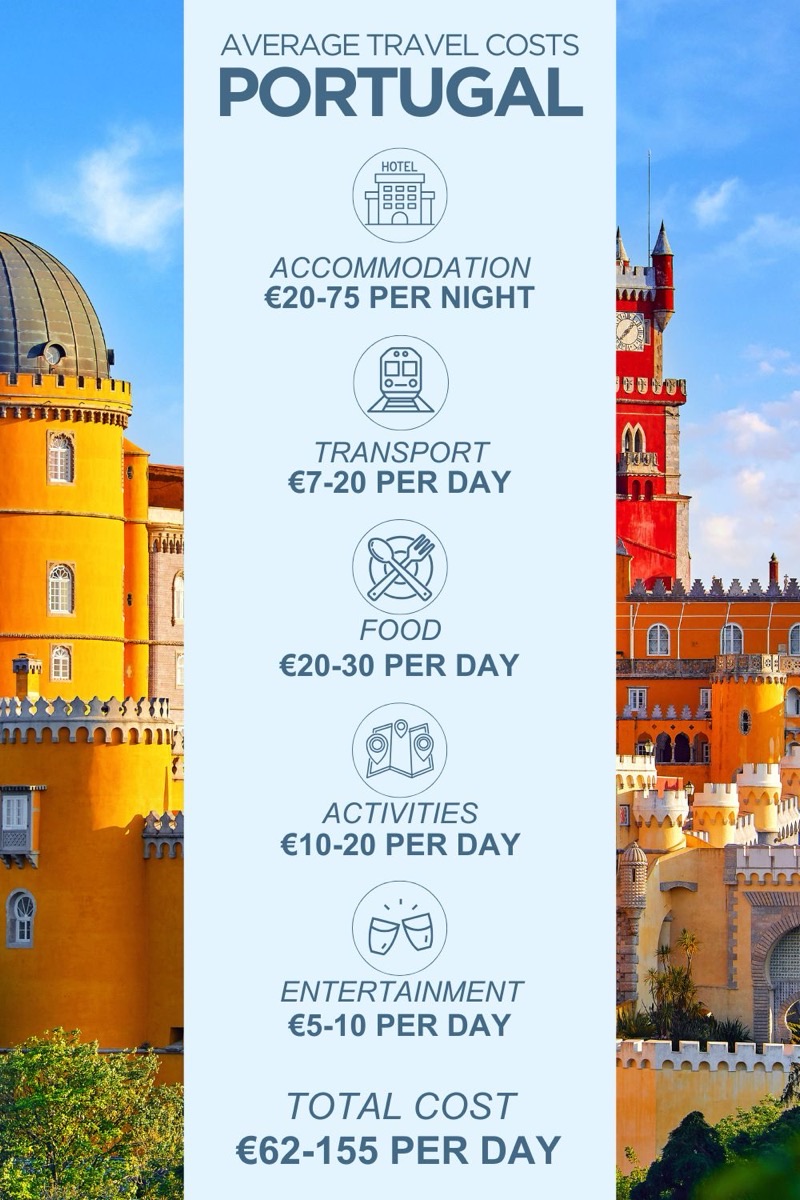
Portugal, while generally more affordable than countries like France or Italy, still falls into the Western European price range. A hostel bed in Lisbon or Porto costs around €25-40 ($27-44 USD) per night. A sit-down meal with a drink can be €12-20 ($13-22 USD) in cities, though you can find cheaper bifanas for €4-6 ($4.40-6.60 USD). Public transport like the Lisbon metro is €1.50 ($1.65 USD) per ride. Expect to spend approximately €80-120 ($88-132 USD) daily for mid-range travel, excluding major tours or long-distance transport.
Serbia presents a significantly lower cost of travel. A hostel bed in Belgrade or Novi Sad typically ranges from €15-25 ($16.50-27.50 USD) per night. A substantial meal at a local restaurant, like a plate of cevapi with a drink, might only be €7-12 ($7.70-13.20 USD). Local beers are often €2-3 ($2.20-3.30 USD). Public bus tickets are around €0.80-1.20 ($0.88-1.32 USD) for a single ride. A daily budget of €40-70 ($44-77 USD) allows for comfortable travel, making it an excellent choice for budget-conscious explorers. Serbia offers a deeper discount for every aspect of travel.
- Winner: Serbia
- Why: Serbia consistently offers lower prices for accommodation, food, activities, and transport, making it the better choice for budget travelers.
- Who this matters for: This matters most for backpackers, long-term travelers, and anyone prioritizing maximizing their trip duration on a fixed budget.
🍽️ Food and Drink
Portugal excels with its Atlantic-influenced cuisine, heavily featuring fresh seafood. Codfish, or bacalhau, appears in hundreds of preparations, from Bacalhau à Brás to grilled…
Portugal
Serbia
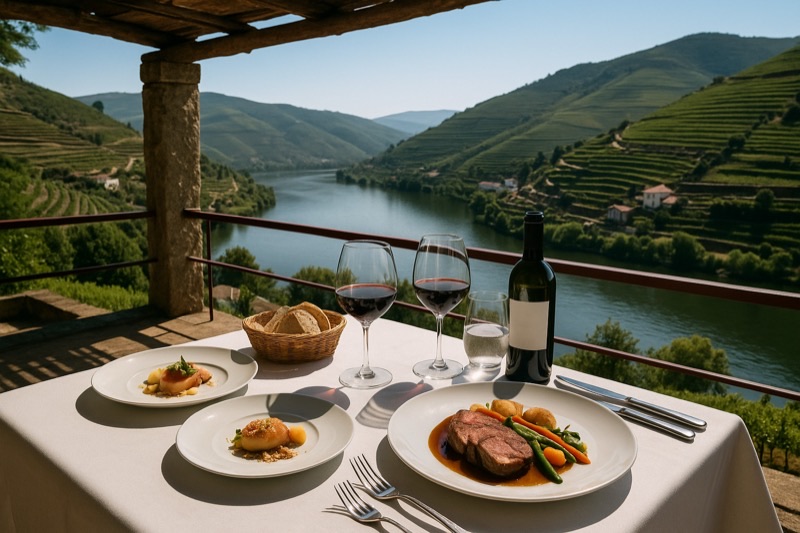
Portugal excels with its Atlantic-influenced cuisine, heavily featuring fresh seafood. Codfish, or bacalhau, appears in hundreds of preparations, from Bacalhau à Brás to grilled fillets. Other staples include grilled sardines, arroz de marisco (seafood rice), and caldo verde soup. Sweet pastries like pastel de nata are ubiquitous and excellent, costing around €1.20 ($1.30 USD) each. The Douro Valley produces acclaimed port wine, and local Vinho Verde is a crisp, refreshing choice. Consider trying a meal at Cervejaria Ramiro in Lisbon for seafood, or Taberna da Rua das Flores for traditional fare.
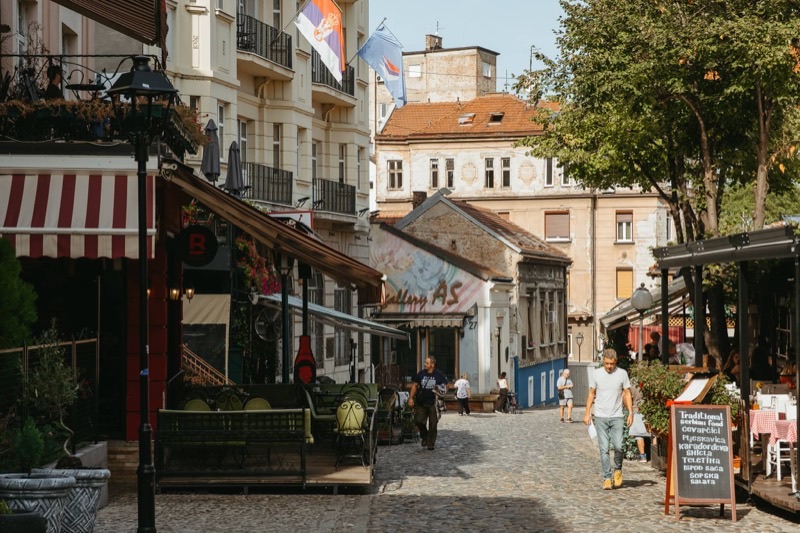
Serbian food is robust, meat-heavy, and comforting. Grilling is central, with dishes like cevapi (grilled minced meat sausages), pljeskavica (grilled meat patty), and sarma (cabbage rolls) widely available. Kaymak, a creamy dairy product, accompanies many meals. Serbian rakija, a strong fruit brandy, is a staple drink, offered in various fruit forms like plum (šljivovica) or quince (dunjevača). Bakeries sell burek, a flaky pastry with meat or cheese, for around €2-3 ($2.20-3.30 USD). Explore the restaurants along Skadarlija street in Belgrade for traditional Serbian dining. Both countries offer distinct, satisfying culinary experiences based on their regional influences.
- Winner: Tie
- Why: Both destinations offer distinct and delicious culinary experiences, catering to different palates without one clearly outshining the other.
- Who this matters for: This matters for travelers who enjoy exploring local food culture; seafood lovers lean Portugal, meat lovers lean Serbia.
🍻 Nightlife
Portugal offers a social and lively nightlife, particularly in Lisbon and Porto. Lisbon’s Bairro Alto district becomes a pedestrian party zone after dark, with small bars spilling…
Portugal
Serbia
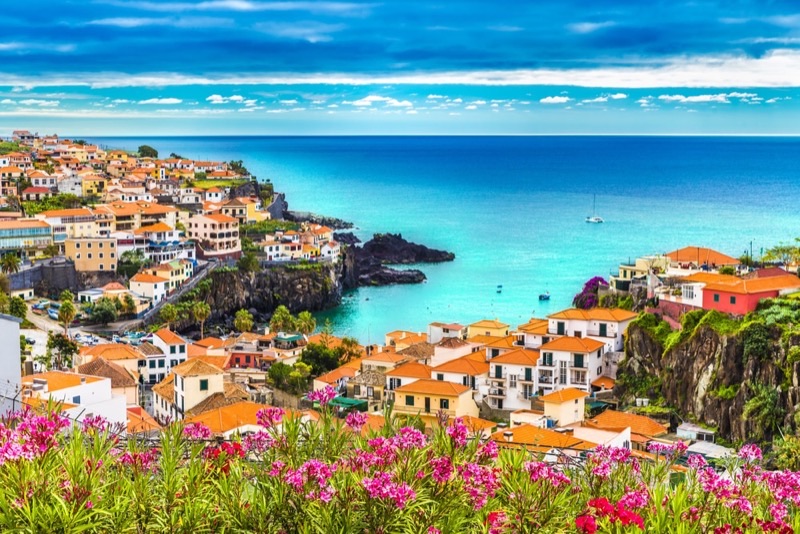
Portugal offers a social and lively nightlife, particularly in Lisbon and Porto. Lisbon’s Bairro Alto district becomes a pedestrian party zone after dark, with small bars spilling onto the streets. Expect casual drinks, conversation, and late-night revelry, typically starting around 10 PM and going until 3-4 AM. Fado houses, like Clube de Fado or Tasca do Chico, provide a unique cultural evening with melancholic traditional music. Prices for a beer range from €3-5 ($3.30-5.50 USD). Porto also has a good bar scene, especially around the Galerias de Paris street.
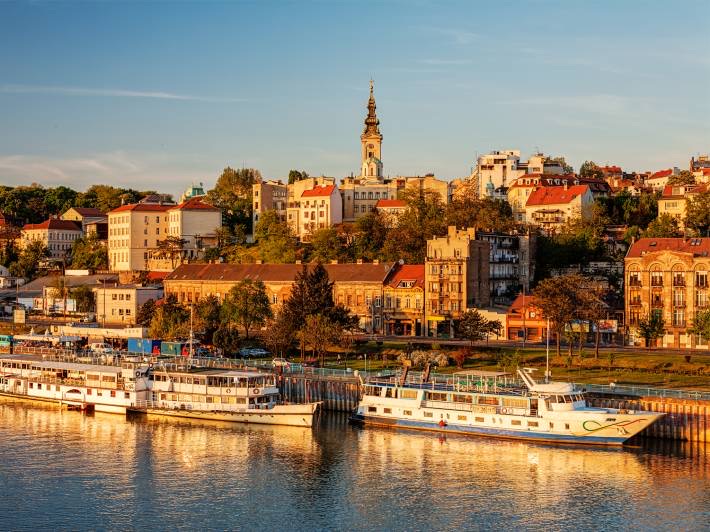
Belgrade is widely recognized for its intense and diverse nightlife, especially its 'splavovi' or river clubs on the Sava and Danube. These clubs offer electronic music, pop, and live acts, often operating until dawn, especially during warmer months. Beyond the splavovi, areas like Beton Hala and Cetinjska Street house numerous bars, pubs, and smaller clubs catering to different tastes. The city has a strong techno and house music scene. Drink prices are notably lower than in Portugal, with beers often €2-3 ($2.20-3.30 USD) and cocktails €6-10 ($6.60-11 USD). For serious clubbing and electronic music, Belgrade is a premier destination in Europe. Serbia offers a more intense and varied clubbing experience.
- Winner: Serbia
- Why: Belgrade holds a reputation for its vibrant, late-night electronic music scene, particularly its unique river clubs, offering a more dedicated party experience.
- Who this matters for: This matters most for younger travelers, solo travelers looking to meet people, and anyone prioritizing an intense clubbing or bar-hopping scene.
🏛️ Culture and History
Portugal possesses a long and well-documented history, largely centered around its Age of Discoveries. Sites like the Jeronimos Monastery in Lisbon, a UNESCO site, and the Tower…
Portugal
Serbia
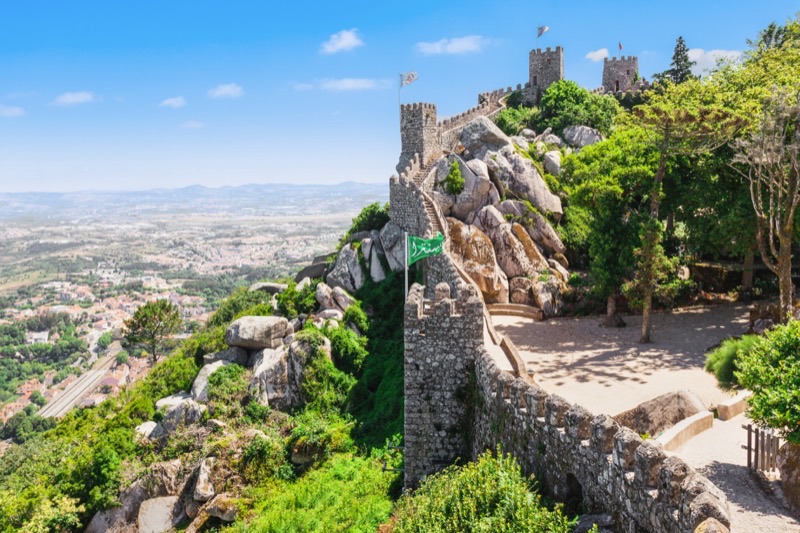
Portugal possesses a long and well-documented history, largely centered around its Age of Discoveries. Sites like the Jeronimos Monastery in Lisbon, a UNESCO site, and the Tower of Belém showcase its maritime past and Manueline architecture. The Moorish influence is visible in regions like the Algarve. Fado music, recognized by UNESCO, offers a melancholic expression of Portuguese soul, heard in Lisbon Fado houses. Ancient Roman ruins at Conimbriga or medieval castles like Guimarães add layers to the historical narrative. The country's narrative is largely one of past glory and cultural influence on a global scale, presented in a very accessible way for tourists.
Serbia offers a different kind of historical depth, shaped by its position at a crossroads of empires. Orthodox monasteries like Studenica and Žiča (both UNESCO sites) showcase medieval Serbian art and religious heritage. Belgrade itself bears marks of Roman, Ottoman, and Austro-Hungarian rule, alongside a substantial amount of Brutalist architecture from the Yugoslav era. The Museum of Yugoslavia and the Nikola Tesla Museum offer insights into its 20th-century story. While its history is complex and sometimes difficult, it provides a powerful experience for those interested in understanding the Balkans and recent European conflicts. Portugal offers a more overtly grand and easily digestible historical narrative.
- Winner: Portugal
- Why: Portugal has a more globally recognized and easily accessible historical narrative, particularly its Age of Discoveries and grand architectural landmarks.
- Who this matters for: This matters for travelers who want to visit prominent historical sites and learn about global historical events that shaped the world.
🏞️ Nature and Outdoors
Portugal boasts a remarkable range of natural settings. Its Atlantic coastline is a major draw, from the dramatic cliffs and caves of the Algarve (like Benagil Cave) to the…
Portugal
Serbia
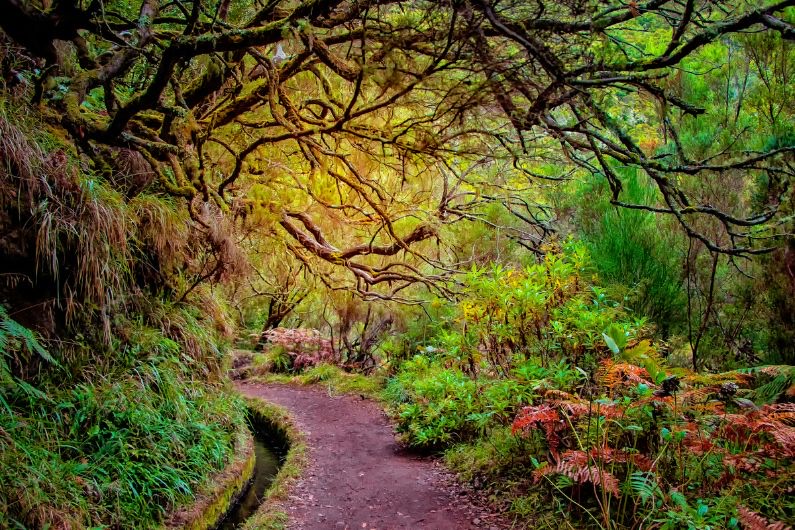
Portugal boasts a remarkable range of natural settings. Its Atlantic coastline is a major draw, from the dramatic cliffs and caves of the Algarve (like Benagil Cave) to the expansive surfing beaches around Ericeira and Nazaré. Inland, the Douro Valley presents terraced vineyards and a scenic river. Peneda-Gerês National Park offers mountains, forests, and waterfalls in the north. Sintra-Cascais Natural Park combines lush forests, palaces, and coastal views near Lisbon. Activities include hiking, surfing, kayaking, and coastal walks, providing a wide array of options for outdoor enthusiasts. The varied landscapes are generally well-maintained and offer ample opportunity for exploration.
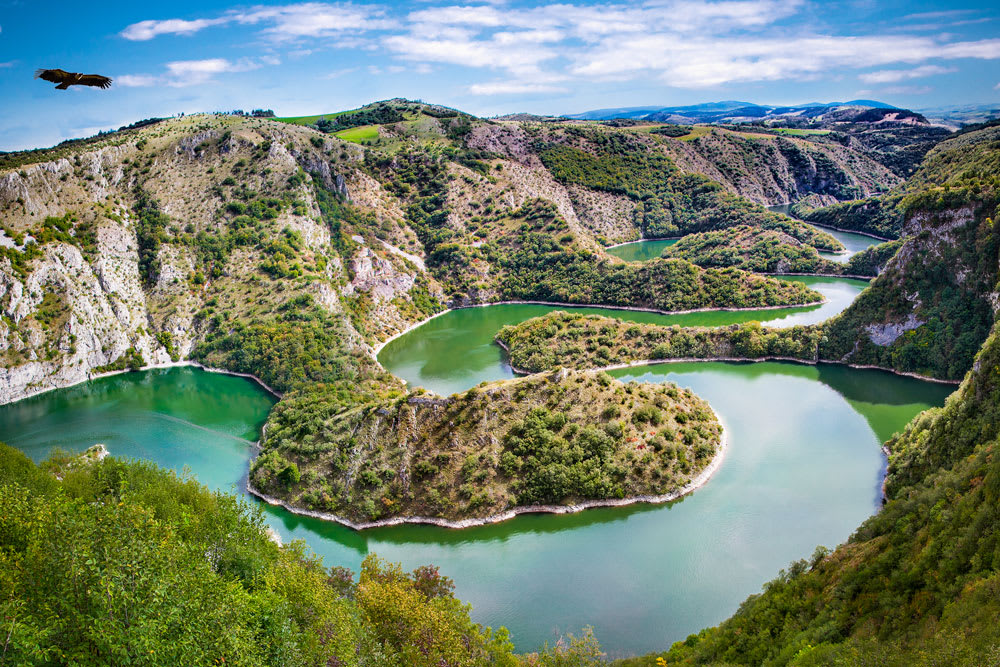
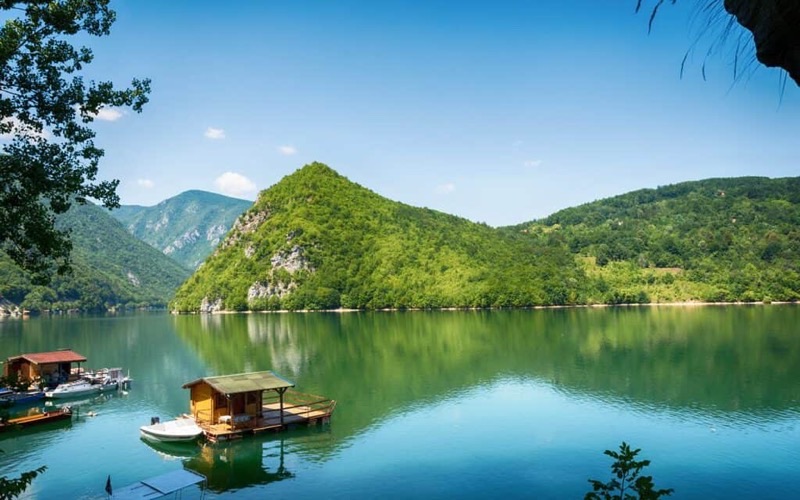
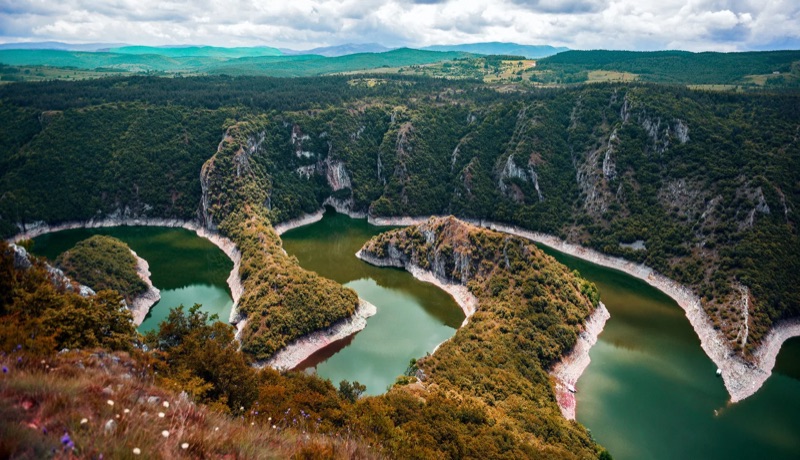
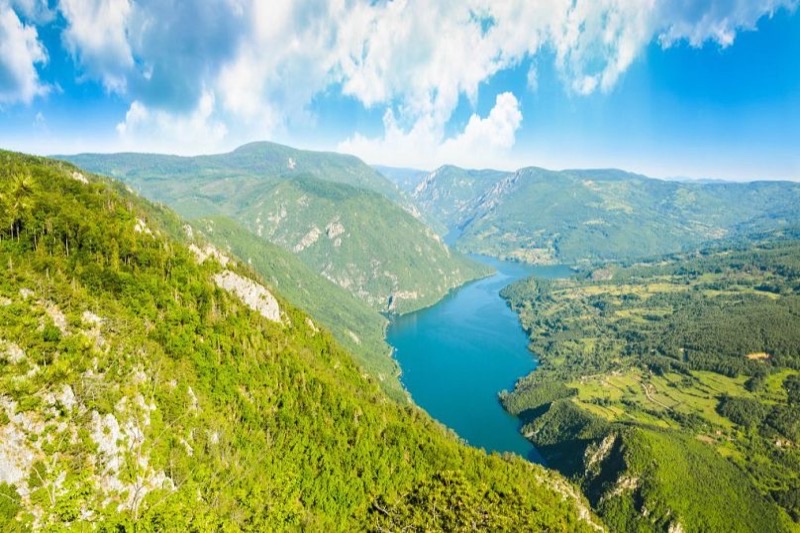
Serbia, being landlocked, lacks coastal access but compensates with its interior landscapes. Tara National Park in the west is known for its dense forests, deep canyons (like the Drina River Gorge), and opportunities for hiking and rafting. Uvac Canyon, with its winding meanders, is a geological marvel and a prime spot for birdwatching (especially griffon vultures). Fruška Gora National Park, near Novi Sad, combines rolling hills with historical monasteries. While lacking beaches, Serbia offers rugged beauty and a less crowded experience for hikers and nature lovers. Portugal simply has more diverse and iconic natural features, especially its coastline.
- Winner: Portugal
- Why: Portugal offers a greater diversity of natural landscapes, including iconic coastlines, dramatic cliffs, and acclaimed wine regions alongside its inland parks.
- Who this matters for: This matters for travelers who seek beach activities, coastal hikes, scenic drives, and a generally warmer, sunnier climate for outdoor pursuits.
🏖️ Beaches
Portugal is a prime European destination for beaches. The Algarve region in the south is famed for its golden sands, dramatic limestone cliffs, and clear waters at places like…
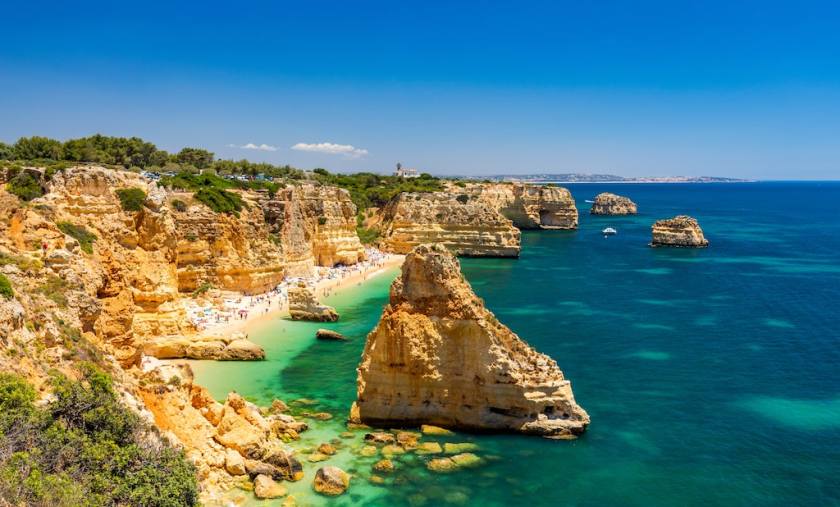
Portugal is a prime European destination for beaches. The Algarve region in the south is famed for its golden sands, dramatic limestone cliffs, and clear waters at places like Praia da Marinha and Praia de Benagil. The west coast, from Costa da Caparica near Lisbon to the wilder beaches further north, is a magnet for surfers with consistent Atlantic swells. Even near major cities, accessible urban beaches like those in Cascais provide relaxation. The countrys extensive coastline ensures a beach type for nearly every preference, from calm coves to expansive, windswept shores. Expect amenities and generally clean conditions, with lifeguards often present during peak season.
Serbia is a landlocked country and therefore has no sea beaches. Its alternatives include river beaches along the Sava and Danube rivers, particularly in and around Belgrade. Ada Ciganlija, a river island in Belgrade, has been developed into a recreational zone with pebble and concrete beaches, water sports, and cafes, drawing crowds in summer. Lake Palic in northern Serbia also offers lakefront recreation. While these provide places to swim and relax, they cannot compare to the scale, natural beauty, and variety of an ocean coastline. For any traveler prioritizing ocean beaches, Portugal is the only viable option.
- Winner: Portugal
- Why: Portugal possesses thousands of kilometers of Atlantic coastline with diverse, iconic, and well-developed ocean beaches, which Serbia entirely lacks.
- Who this matters for: This matters for any traveler whose trip priorities include swimming in the ocean, sunbathing on sandy shores, or participating in water sports like surfing.
👮 Safety
Portugal is consistently ranked among the safest countries globally, with low rates of violent crime. Tourists generally feel secure across the country. The primary concern,…
Portugal is consistently ranked among the safest countries globally, with low rates of violent crime. Tourists generally feel secure across the country. The primary concern, especially in crowded tourist areas of Lisbon (like Baixa, Alfama, and around Rossio Square) and Porto, is petty theft and pickpocketing. Exercise normal precautions: be aware of belongings, avoid flashing valuables, and be cautious of distractions. Taxis and public transport are safe. Solo female travelers report feeling comfortable. The police presence in major cities is visible, contributing to a sense of order.
Serbia is also considered a safe country for tourists, with low instances of violent crime. Most visits are trouble-free. Standard urban precautions apply, particularly in Belgrade, such as being mindful of your bag in crowded public spaces or while using public transport. While not common, minor incidents like inflated taxi fares can occur, so using ride-sharing apps or agreed-upon prices is advisable. Nightlife areas are generally safe, but common sense dictates avoiding isolated streets late at night. Solo travelers, including women, usually find Serbia welcoming and safe. Portugal wins due to its consistently higher global safety rankings and established tourist-friendly environment.
- Winner: Portugal
- Why: Portugal consistently ranks higher in global safety indices and has a very low incidence of violent crime, providing a reassuring environment for travelers.
- Who this matters for: This matters most for solo travelers, families with young children, and those who prioritize a very secure and low-stress travel experience.
✈️ Getting There and Around
Portugal is very accessible, especially from Europe and North America. Lisbon (LIS) and Porto (OPO) have major international airports with numerous direct flights. From the US,…
Portugal is very accessible, especially from Europe and North America. Lisbon (LIS) and Porto (OPO) have major international airports with numerous direct flights. From the US, direct flights to Lisbon can be around 7-8 hours. Once in the country, an efficient and affordable train network (CP - Comboios de Portugal) connects major cities like Lisbon, Porto, and Faro. Intercity buses (Rede Expressos) offer extensive coverage to smaller towns. Within cities, public transport like metros, trams, and buses is good; a Viva Viagem card in Lisbon costs €0.50 and can be loaded. Renting a car is practical for exploring rural areas, though city driving can be challenging.
Serbia’s main international gateway is Belgrade Nikola Tesla Airport (BEG). While well-connected to European cities, direct long-haul flights are less common, often requiring a layover from North America. Domestic flights within Serbia are rare due to its size. The primary mode of intercity transport is the bus network, which is extensive and generally reliable, connecting Belgrade to Novi Sad, Niš, and other towns. Train services are less developed and often slower than buses, though new routes are emerging. Within Belgrade, trams, trolleybuses, and buses cover the city, with tickets costing around €1.20 ($1.30 USD) if bought on board. Portugal offers a more convenient overall travel experience.
- Winner: Portugal
- Why: Portugal has more extensive direct international flight connections, a more developed and efficient rail network, and generally smoother internal transit options.
- Who this matters for: This matters for travelers seeking convenience, direct flights from more global locations, and efficient public transport within the country.
🏨 Accommodation
Portugal offers a wide array of accommodation choices, generally of high quality. Hostels in Lisbon like Lisbon Destination Hostel or Home Lisbon Hostel cost €25-40 ($27-44 USD)…
Portugal offers a wide array of accommodation choices, generally of high quality. Hostels in Lisbon like Lisbon Destination Hostel or Home Lisbon Hostel cost €25-40 ($27-44 USD) for a dorm bed. Mid-range hotels in cities, such as Hotel Santa Justa in Lisbon or Hotel Infante Sagres in Porto, can be €90-150 ($99-165 USD) per night. Boutique guesthouses and apartment rentals are also popular and widely available, particularly on platforms like Airbnb. While prices are higher than in Eastern Europe, the standard of service and facilities is consistently good, especially in established tourist centers. Booking in advance, particularly for peak season, is advisable to secure preferred options.
Serbia provides excellent value for money in accommodation. A dorm bed in a well-regarded Belgrade hostel like Hedonist Hostel or Balkan Soul Hostel typically costs €15-25 ($16.50-27.50 USD). Mid-range hotels in Belgrade, such as Hotel Moskva or Hotel Majestic, can be found for €70-120 ($77-132 USD) per night. Private apartments are abundant and often offer more space and amenities for a lower price than a comparable hotel room in Western Europe. Luxury options, like Square Nine Hotel Belgrade, also exist but at prices still below their Western counterparts. Serbia clearly offers more bang for your buck across all accommodation types.
- Winner: Serbia
- Why: Serbia provides significantly better value for accommodation across all segments, from budget hostels to mid-range and even luxury hotels.
- Who this matters for: This matters for travelers who want to stretch their budget further, stay in higher quality places for less money, or simply prefer more affordable lodging.
💻 Digital Nomad Suitability
Portugal has become a significant hub for digital nomads, especially Lisbon and Porto. It offers a dedicated Digital Nomad Visa, which simplifies long-term stays. Internet…
Portugal has become a significant hub for digital nomads, especially Lisbon and Porto. It offers a dedicated Digital Nomad Visa, which simplifies long-term stays. Internet infrastructure is excellent, with reliable fiber optics and widespread Wi-Fi in cafes and coworking spaces. The nomad community is large and active, providing ample networking opportunities. However, the cost of living has been rising, with monthly rent for a decent one-bedroom apartment in Lisbon averaging €800-1200 ($880-1320 USD) and coworking spaces around €100-200 ($110-220 USD) per month. The pleasant climate and European location are strong draws, but increased popularity means increased competition for housing and higher prices.
Serbia, particularly Belgrade and Novi Sad, is an emerging destination for digital nomads, primarily due to its extremely low cost of living. Monthly rent for a one-bedroom apartment in Belgrade can be €400-700 ($440-770 USD), and coworking spaces are often €50-100 ($55-110 USD) per month. Internet speeds are generally good and reliable. The nomad community is smaller but growing, offering a more intimate atmosphere. While Serbia does not have a specific digital nomad visa, the ability to stay for 90 days as a tourist (for many nationalities) and options for temporary residency permit extensions make it feasible for longer stays. Portugal wins for established infrastructure and dedicated visa, despite higher costs.
- Winner: Portugal
- Why: Portugal has a more established digital nomad infrastructure, a dedicated visa program, and a larger, more integrated international community.
- Who this matters for: This matters for remote workers and long-term travelers seeking a strong expat community, clear visa pathways, and a wide array of dedicated coworking spaces.
🎯 The Decision Framework
Choose Portugal If…
- You want extensive, golden sand beaches and dramatic coastal cliffs.
- You are seeking historically significant sites related to global exploration.
- You prefer a well-developed tourism infrastructure with clear English accessibility.
- You enjoy high-quality seafood and acclaimed regional wines like Port and Vinho Verde.
- You value a consistently warm climate and abundant sunshine for outdoor activities.
- You are looking for a relatively calm and safe European travel experience with low violent crime.
- You prefer convenient, direct flights from North America and major European hubs.
- You appreciate a mix of charming historic cities and picturesque countryside.
Choose Serbia If…
- You are traveling on a strict budget and want to maximize your travel days.
- You are looking for an intense, late-night electronic music and clubbing scene.
- You prefer hearty, meat-centric cuisine and strong local brandies like rakija.
- You are interested in exploring less touristed parts of Europe with a different cultural flavor.
- You want to delve into complex 20th-century history and see Brutalist architecture.
- You enjoy outdoor activities like hiking in national parks and canyon landscapes.
- You appreciate a more raw, authentic experience away from mainstream tourist trails.
- You are a digital nomad seeking a very low cost of living with good internet speeds.
❓ Frequently Asked Questions
Which country is better for a solo female traveler?
Portugal is generally considered a safer and more comfortable option for solo female travelers, consistently ranking high in global safety indices. While Serbia is also safe, Portugal has a more established tourist infrastructure and lower rates of petty crime in tourist areas compared to some parts of the Balkans. Many solo female travelers report feeling very secure in Portugal.
What are the typical flight times from New York to each country?
A direct flight from New York to Lisbon, Portugal (LIS) typically takes around 7-8 hours. For Belgrade, Serbia (BEG), direct flights are rare from New York; most routes involve a layover and total travel time is generally 10-14 hours or more, depending on the connection.
Can I use English in both countries?
In Portugal, English is widely spoken in tourist areas, hotels, and major cities like Lisbon and Porto, especially among younger generations. In Serbia, English proficiency is also good among younger people and in the service industry in Belgrade and Novi Sad, though less so in rural areas. You will manage well with English in both, but having a few local phrases helps in Serbia.
Which country offers better outdoor adventure opportunities?
Portugal offers more varied outdoor adventures, particularly with its extensive Atlantic coastline for surfing, coastal hiking, and water sports. Inland, there are national parks for hiking and scenic river valleys. Serbia offers rugged mountain hiking in national parks like Tara, unique canyon experiences at Uvac, and rafting on rivers like the Drina, but it lacks the coastal element.
How do public transportation costs compare?
Public transportation is generally more affordable in Serbia. A single bus or tram ride in Belgrade costs around €1.20 ($1.32 USD). In Lisbon, a single metro or bus ride costs €1.50 ($1.65 USD), and you need to factor in a €0.50 card purchase. Intercity bus and train tickets are also proportionally cheaper in Serbia, offering greater value for longer distances.
What is the best time of year to visit each destination?
For Portugal, late spring (April-May) and early autumn (September-October) offer pleasant weather, fewer crowds, and good prices, with temperatures around 18-25°C (64-77°F). Summer (June-August) is popular but hot and crowded. For Serbia, late spring (May-June) and early autumn (September) are ideal, with comfortable temperatures around 20-28°C (68-82°F) for exploring cities and nature. Winters in both can be cold and wet, especially in Portugal, or snowy in Serbia.
Which country is easier to get around without renting a car?
Portugal is generally easier to navigate without a rental car due to its more developed and efficient intercity train network connecting major hubs. Its bus network is also extensive. Serbia relies heavily on its bus network for intercity travel, as train services are less developed and often slower, making it slightly less convenient without a car for exploring beyond major cities.
Are there any specific cultural experiences I should seek out in each?
In Portugal, definitely experience a Fado show in Lisbon or Porto for traditional melancholic music, and visit a port wine cellar in Vila Nova de Gaia. In Serbia, consider spending an evening in Belgrades Skadarlija bohemian quarter for traditional music and food, and if possible, visit an Orthodox monastery like Studenica for a glimpse into medieval Serbian history and art.
Ready to plan your European trip?
Get a free custom itinerary for Portugal, Serbia, or both — built from real traveler insights.
🎟️ Book Tours & Experiences
Hand-picked tours and activities for both destinations — book with free cancellation
Experiences via Viator — free cancellation on most tours