How we built this comparison
This page combines traveler discussion patterns, published price ranges, flight schedules, and seasonal data to help you decide between Portugal and Slovenia.
- Reviewed 50+ Reddit threads from r/travel, r/solotravel, r/Portugal, r/Slovenia, and r/europetravel.
- Verified costs and logistics against current booking platforms like Google Flights, Booking.com, and local transport sites.
- Cross-referenced seasonal patterns and weather data from meteorological sources to inform best travel times.
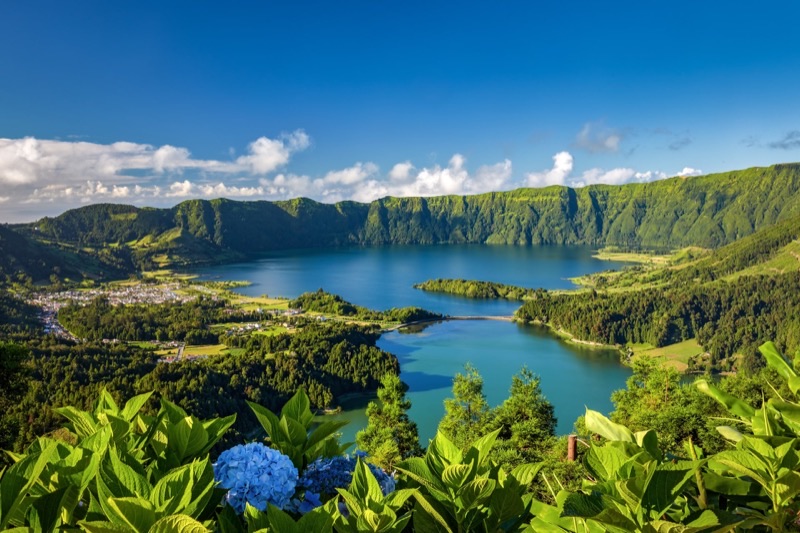
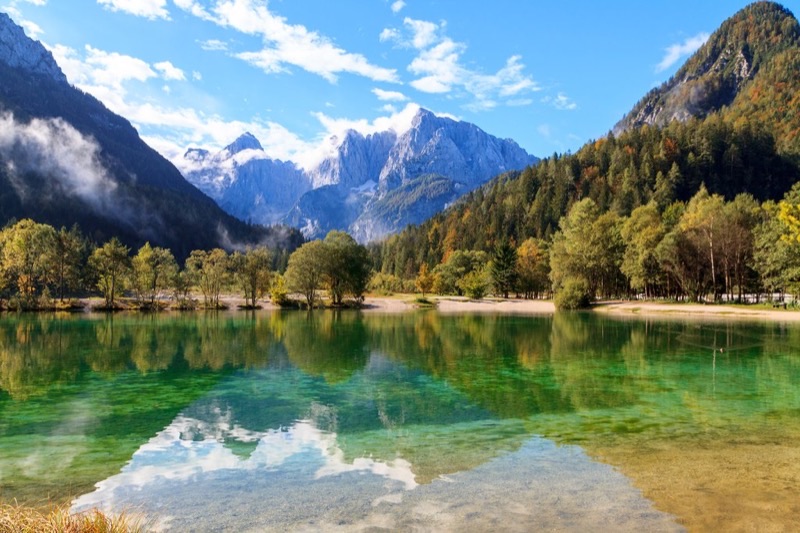
⚡ Quick Answers
⚡ The TL;DR Verdict
For most travelers seeking sun, historic cities, and an ocean presence, Portugal is the stronger choice, with daily budgets averaging $70-120. If quiet mountain landscapes, outdoor activities, and a smaller, greener country appeal more, Slovenia, at $60-100 per day, offers a refreshing contrast.
- Choose Portugal: You prioritize beaches, ocean activities, larger city atmospheres, diverse historical sites, and a generally warmer climate. You're fine with more tourist activity in popular spots.
- Choose Slovenia: You prefer mountains, lakes, caves, extensive hiking, smaller capital cities, and a more pronounced focus on outdoor and nature pursuits. You enjoy a quieter, less crowded experience.
- Choose Both: If you have at least 3 weeks and want to experience both coastal and mountain Europe, combine them. Fly into Lisbon, explore Portugal, then take a budget flight (e.g., EasyJet, Wizz Air) to Venice or Milan, rent a car, and drive to Slovenia. This split offers a full European spectrum.
Choose Portugal
Opt for Portugal if you crave sun-drenched beaches, bustling historic cities like Lisbon and Porto, and an unbeatable combination of culture, cuisine, and Atlantic beauty. It's best for those who enjoy vibrant nightlife, exploring diverse historical sites from Moorish castles to maritime museums, and indulging in fresh seafood, all while benefiting from daily budgets around $70-120.
Choose Slovenia
Slovenia is your ideal pick if you yearn for pristine alpine landscapes, emerald rivers, and a refreshing escape into a world of outdoor adventure. It's perfect for hikers keen on exploring Triglav National Park, kayakers on Lake Bled, and nature enthusiasts seeking charming towns like Ljubljana, all within a more intimate and less crowded setting, typically on a budget of $60-100 per day.
📊 Visual Scorecard
🌤 When to Visit
Average high temperatures (°C). Green = best months, orange = avoid.
Quick Comparison
| Category | Portugal | Slovenia | Winner |
|---|---|---|---|
| Food & Drink | Abundant seafood, pastries, port wine, and diverse regional dishes at good value. | Hearty Central European food, fresh ingredients, good wines, but less variety. | Portugal |
| Nature & Outdoors | Atlantic coast, diverse beaches, national parks like Peneda-Gerês, arid Alentejo landscapes. | Julian Alps, glacial lakes (Bled, Bohinj), extensive caves, Soca River Valley, Triglav National Park. | Slovenia |
| Culture & History | Age of Discoveries, Moorish heritage, Fado music, Roman ruins, vibrant city culture. | Habsburg influence, Slavic heritage, castles, Baroque architecture, rich folk traditions. | Portugal |
| Costs & Budget | Generally affordable for Western Europe, but popular cities can be pricier. | Good value for Central Europe, similar to Portugal in many aspects, but can feel slightly higher for food. | Portugal |
| Getting There & Away | Direct flights from North America, many budget flight connections within Europe. | Fewer direct long-haul flights, typically requires connections, good regional rail/bus. | Portugal |
| Getting Around | Good public transport in cities, intercity trains/buses, driving offers flexibility. | Excellent for road trips, efficient bus network, limited train routes, very walkable cities. | Tie |
| Nightlife | Thriving in Lisbon (Bairro Alto, Cais do Sodré) and Porto, with Fado houses and clubs. | Centered in Ljubljana, generally more relaxed, with pubs and some clubs. | Portugal |
| Beaches | Extensive Atlantic coastline, diverse beaches for surfing, sunbathing, and dramatic cliffs. | Very short Adriatic coast, limited beach options, more for swimming than classic beach days. | Portugal |
| Accommodation | Wide range from hostels to luxury hotels, charming guesthouses, good value. | Boutique hotels, guesthouses, farm stays, often smaller, personal, and good value. | Tie |
| Crowds & Atmosphere | Can be very crowded in major cities and popular regions during peak season. | Generally less crowded, even in popular spots like Lake Bled, offers more tranquility. | Slovenia |
🍽️ Food & Drink
Portugal's food scene is expansive and generally approachable. Fresh seafood is a staple, with bacalhau (codfish) prepared in hundreds of ways; a typical bacalhau dish might cost…
Portugal
Slovenia
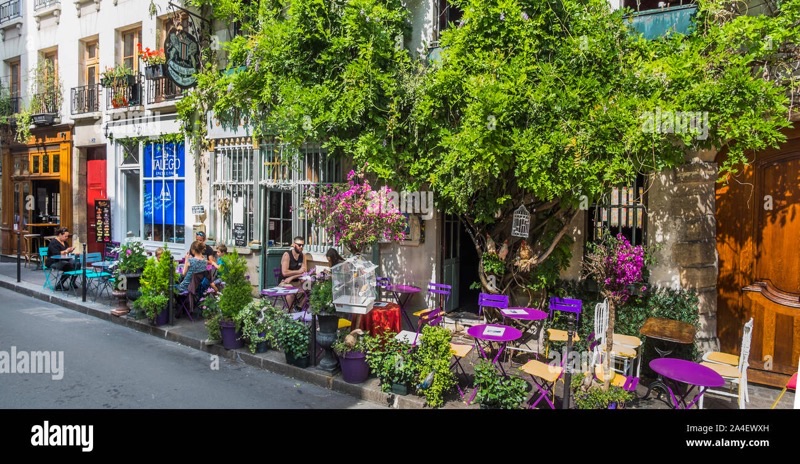
Portugal's food scene is expansive and generally approachable. Fresh seafood is a staple, with bacalhau (codfish) prepared in hundreds of ways; a typical bacalhau dish might cost €12-18 ($13-20). Pastel de nata, the custard tart, costs around €1.20 ($1.30) from shops like Manteigaria. Lisbon and Porto have many tascas offering a main course, drink, and coffee for €8-12 ($9-13) at lunch. Alentejo wines are well-regarded, and a glass of house wine is often €3-4 ($3.20-4.30). Markets like Mercado da Ribeira (Time Out Market) in Lisbon offer various options, though prices there are higher.
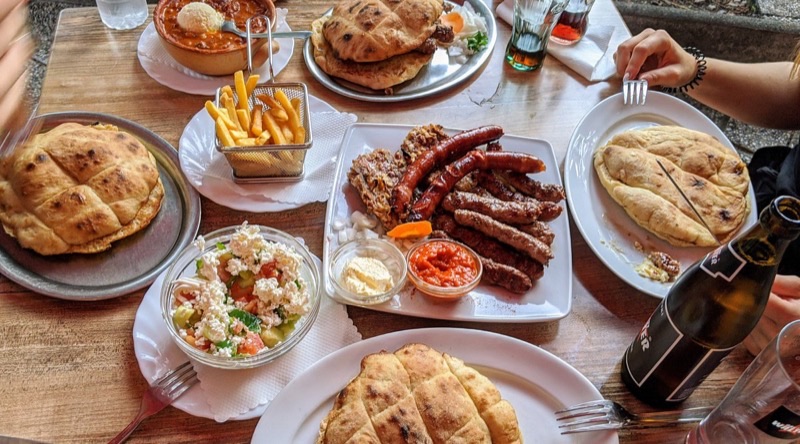
Slovenia's cuisine leans Central European, with Austrian, Italian, and Balkan influences. Expect dishes like kranjska klobasa (Carniolan sausage, €5-8 or $5.40-8.60), štruklji (rolled dumplings), and local cheeses. Ljubljana's restaurant scene offers good quality, with a main course in a mid-range restaurant costing €15-25 ($16-27). A glass of local wine, particularly from the Goriška Brda region, might be €3-5 ($3.20-5.40). While Slovenia has good, fresh food, it lacks the sheer variety and specific culinary identity that Portugal offers. For most palates, Portugal presents more exciting and budget-friendly food experiences.
Tabiji verdict: Portugal offers a more varied and memorable food experience, especially for those who appreciate seafood and pastries.
- Winner: Portugal
- Why: Portugal provides greater culinary diversity, particularly with seafood and pastries, often at better value.
- Who this matters for: Travelers who prioritize eating well and trying new dishes without spending excessively.
🌳 Nature & Outdoors
Portugal’s nature is defined by its Atlantic coastline, offering dramatic cliffs in the Algarve, expansive surf beaches like Nazaré, and the wild beauty of Costa Vicentina.…
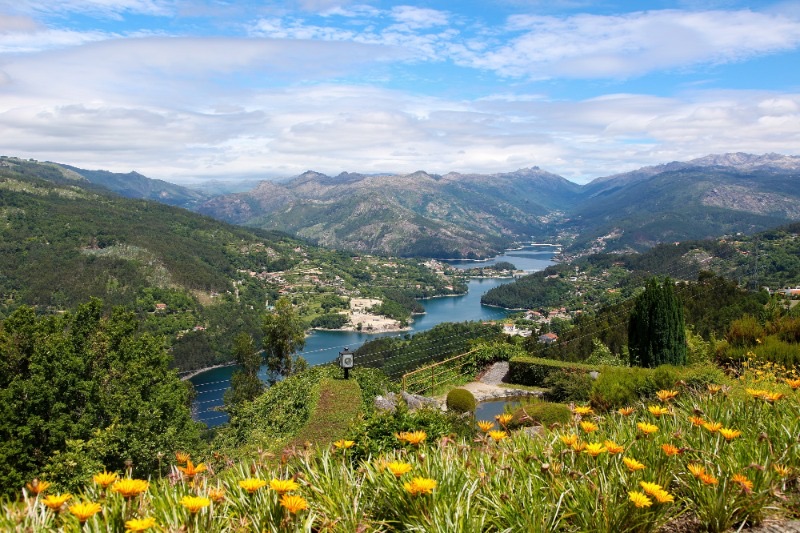
Portugal
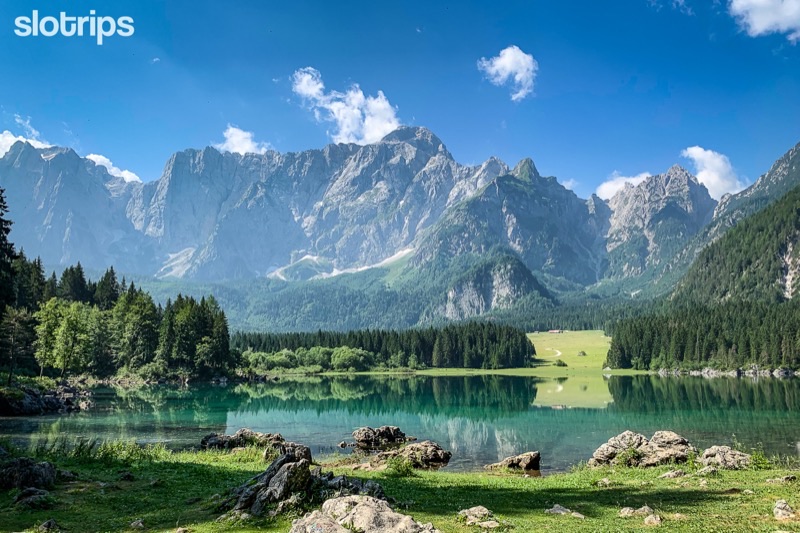
Slovenia
Portugal’s nature is defined by its Atlantic coastline, offering dramatic cliffs in the Algarve, expansive surf beaches like Nazaré, and the wild beauty of Costa Vicentina. Inland, Peneda-Gerês National Park provides mountains, forests, and waterfalls, suitable for hiking. The Alentejo region features rolling plains and cork oak forests. The country has a range of landscapes, from the volcanic Azores and Madeira islands (not mainland Portugal) to the Douro Valley's terraced vineyards. Accessing these areas often requires a car, but coastal towns are well-served by public transport.
Slovenia is a land of mountains, forests, and water. The Julian Alps dominate the north, home to Triglav National Park, where visitors find Lake Bled, Lake Bohinj, and numerous hiking trails suitable for various skill levels. Postojna Cave (€28 or $30) and Škocjan Caves (€22 or $24) are major geological attractions. The Soca River Valley is a hub for rafting, kayaking, and canyoning, with clear turquoise waters. Slovenia is compact, making it easy to drive between different natural sites, often within an hour or two. The focus is heavily on outdoor activity and preserved environments.
Tabiji verdict: Slovenia is the clear winner for nature enthusiasts seeking active outdoor pursuits and dramatic mountain scenery.
- Winner: Slovenia
- Why: Slovenia’s concentrated mountain, lake, and cave environments offer a more direct and cohesive outdoor experience.
- Who this matters for: Hikers, adventure sports enthusiasts, and those who prioritize pristine natural landscapes over beaches.
🏛️ Culture & History
Portugal’s history is extensive and deeply embedded in its cities. Lisbon and Porto showcase centuries of maritime exploration, with Jerónimos Monastery (€12 or $13) and Belém…
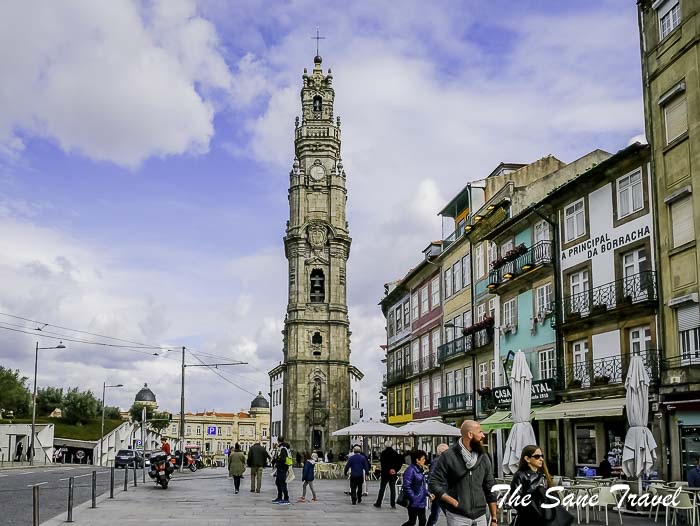
Portugal
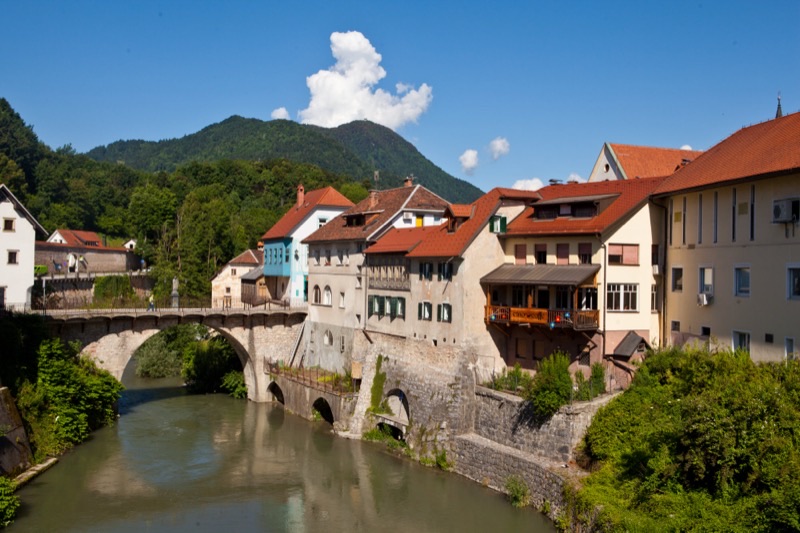
Slovenia
Portugal’s history is extensive and deeply embedded in its cities. Lisbon and Porto showcase centuries of maritime exploration, with Jerónimos Monastery (€12 or $13) and Belém Tower (€6 or $6.50) in Lisbon as prime examples. Roman ruins exist, notably in Évora. The Moorish influence is visible in the architecture of the Algarve and parts of Alentejo. Fado music, a melancholic genre, is an integral part of Lisbon's cultural scene; a Fado show with dinner might cost €40-60 ($43-65). Portugal also has a strong tradition of azulejos (painted tiles), seen on buildings across the country. Sintra's palaces, like Pena Palace (€14 or $15) and Quinta da Regaleira (€10 or $11), offer a distinct romanticism.
Slovenia's history reflects its position at the crossroads of Central Europe. Ljubljana Castle (€16 or $17) is a central landmark, and Piran offers Venetian Gothic architecture. The country has many smaller castles and churches. Its cultural heritage is influenced by both Germanic (Habsburg) and Slavic traditions, evident in its architecture, folk music, and customs. While Slovenia has a compelling history, it feels less grand and less globally impactful than Portugal's Age of Discoveries narrative. The cultural output is more focused on local traditions and a quieter, understated charm. Access to historical sites is generally good, often less crowded than in Portugal.
Tabiji verdict: Portugal offers a grander, more diverse, and globally significant historical narrative that feels more expansive.
- Winner: Portugal
- Why: Portugal's history of exploration and diverse architectural influences provides a richer, more globally resonant cultural experience.
- Who this matters for: History buffs, architecture enthusiasts, and those interested in a country's historical impact on the world.
💰 Costs & Budget
Portugal remains one of Western Europe’s more budget-friendly destinations. A reasonable daily budget for a mid-range traveler in Lisbon or Porto is €70-100 ($75-108), covering a…
Portugal
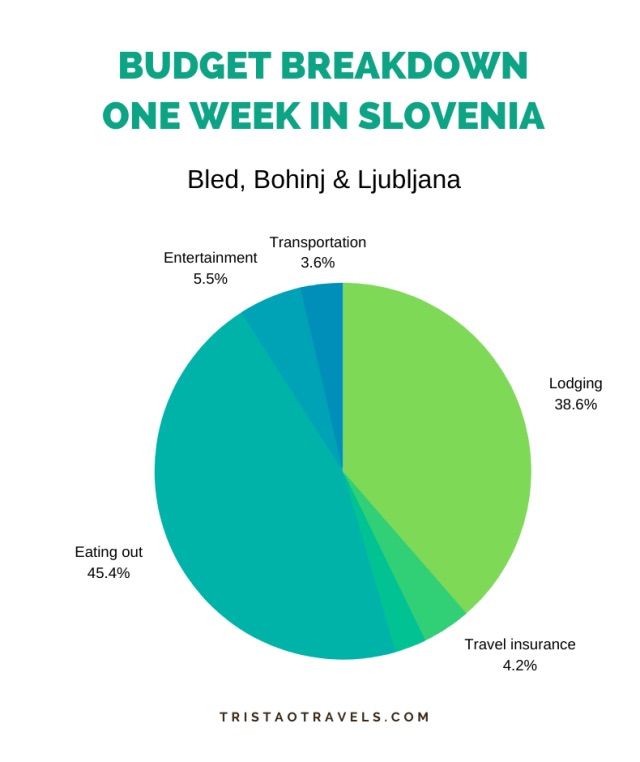
Slovenia
Portugal remains one of Western Europe’s more budget-friendly destinations. A reasonable daily budget for a mid-range traveler in Lisbon or Porto is €70-100 ($75-108), covering a decent hostel/guest house, food, and attractions. Outside major cities, this drops to €50-80 ($54-86). A metro ticket in Lisbon is €1.50 ($1.60), a main dish at a local restaurant €10-18 ($11-20), and a local beer €2.50-3 ($2.70-3.20). Car rental can be around €25-40 ($27-43) per day in the low season. Accommodation, particularly hostels or guesthouses, is plentiful and reasonably priced, with a good hostel bed costing €20-35 ($22-38) in a city.
Slovenia is also a good value destination, often slightly above Eastern European prices but below Western Europe. A daily budget in Ljubljana for a mid-range traveler is €60-90 ($65-97). Outside the capital, expect €45-75 ($49-81). A local bus ticket in Ljubljana is €1.30 ($1.40) with Urbana card, a main dish €15-25 ($16-27), and a local beer €3-4 ($3.20-4.30). Car rental is comparable to Portugal, around €25-45 ($27-49) per day. Hostel beds in Ljubljana are €25-40 ($27-43). While both are affordable, Portugal edges out slightly due to lower food prices in traditional establishments and a more competitive accommodation market in popular areas.
Tabiji verdict: Portugal offers a slightly more favorable overall cost for travelers, particularly regarding food and city experiences.
- Winner: Portugal
- Why: Portugal's everyday expenses, especially for food and some local transport, are marginally lower.
- Who this matters for: Budget-conscious travelers looking to maximize their experience for less money.
✈️ Getting There & Away
Getting to Portugal from North America is relatively straightforward. Lisbon (LIS) and Porto (OPO) are major hubs, with direct flights from cities like New York, Boston, and…
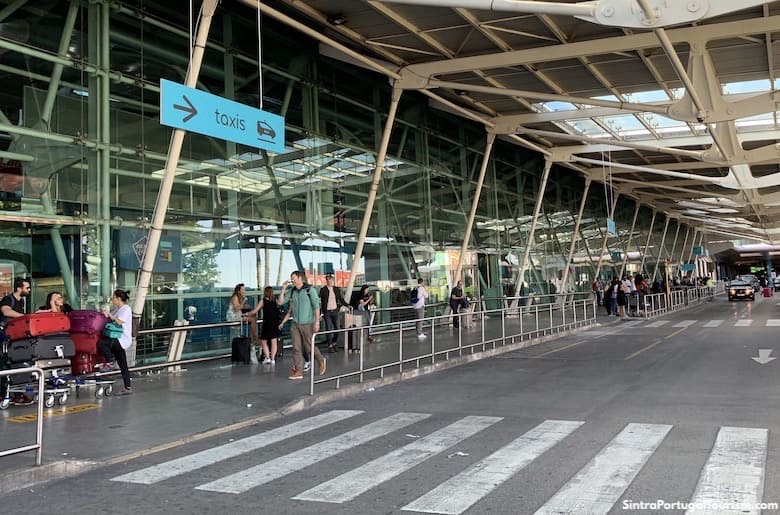
Portugal
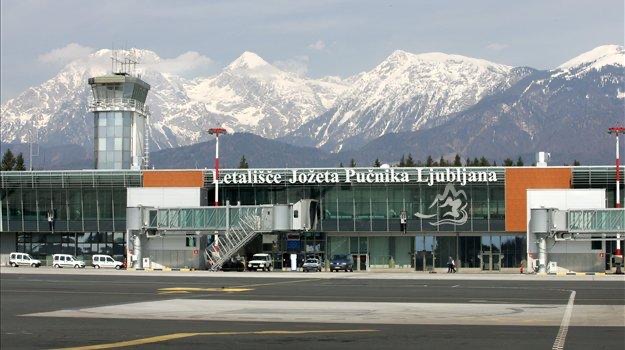
Slovenia
Getting to Portugal from North America is relatively straightforward. Lisbon (LIS) and Porto (OPO) are major hubs, with direct flights from cities like New York, Boston, and Toronto. A direct flight from JFK to LIS takes approximately 6.5-7.5 hours. Within Europe, Ryanair, EasyJet, and TAP Portugal offer numerous budget connections to other European cities, making it easy to combine Portugal with other destinations. A flight from Lisbon to Paris might cost €30-80 ($32-86) on a budget airline, depending on booking time. Both airports are well-connected to their respective city centers via metro or bus.
Slovenia's main international airport is Ljubljana (LJU). Direct long-haul flights from North America are uncommon; most travelers connect through major European hubs like Frankfurt, Munich, Vienna, or Zurich. Total travel time from JFK to LJU, including a layover, typically ranges from 10-14 hours. Within Europe, connections are available, but fewer budget carriers operate directly into LJU compared to Portugal's major airports. Travelers often fly into Venice (VCE) or Trieste (TRS) in Italy, or Zagreb (ZAG) in Croatia, then take a bus or rent a car to enter Slovenia, as these airports often have cheaper or more frequent flights. A bus from Venice Marco Polo to Ljubljana costs around €25-30 ($27-32).
Tabiji verdict: Portugal is significantly easier and quicker to access for most international travelers, especially from North America.
- Winner: Portugal
- Why: Portugal has more direct long-haul flight options and a greater network of budget European connections.
- Who this matters for: International travelers, especially those from North America, who value convenience and shorter travel times.
🚗 Getting Around
In Portugal, Lisbon and Porto have efficient metro systems, trams, and buses. A 24-hour public transport pass in Lisbon is around €6.80 ($7.30). Intercity travel is covered by a…
In Portugal, Lisbon and Porto have efficient metro systems, trams, and buses. A 24-hour public transport pass in Lisbon is around €6.80 ($7.30). Intercity travel is covered by a decent train network (CP - Comboios de Portugal) and an extensive bus system (Rede Expressos). Trains are generally faster for major routes like Lisbon to Porto (€25-35 or $27-38), while buses serve smaller towns. Renting a car is practical for exploring regions like the Algarve, Alentejo, or the Douro Valley, but city driving can be challenging with narrow streets and parking. Tolls on Portuguese highways can add up.
Slovenia is well-suited for road trips due to its compact size and scenic routes. Renting a car is a popular choice, typically costing €30-50 ($32-54) per day (plus a €15 or $16 vignette for highway use). Its bus network is comprehensive and reliable, connecting most towns and attractions, often preferred over the limited train system. Ljubljana is very walkable, and most towns like Bled or Piran are easily explored on foot. While trains exist, they are not as developed for tourist routes as in Portugal. For specific mountain access or rural exploration, a car is often necessary. Both countries offer distinct but effective ways to navigate depending on the itinerary.
Tabiji verdict: Both countries offer good options for getting around, with Portugal's public transport being slightly more comprehensive for cities, and Slovenia excelling for self-drive touring.
- Winner: Tie
- Why: Both countries offer good options, with Portugal having better city transit and Slovenia being ideal for car travel.
- Who this matters for: Travelers who prioritize either city public transport (Portugal) or self-drive exploration (Slovenia).
🌃 Nightlife
Portugal, especially Lisbon and Porto, has a lively nightlife scene. Lisbon’s Bairro Alto comes alive after dark with numerous bars and Fado houses, where a glass of wine might be…
Portugal, especially Lisbon and Porto, has a lively nightlife scene. Lisbon’s Bairro Alto comes alive after dark with numerous bars and Fado houses, where a glass of wine might be €4-6 ($4.30-6.50). Cais do Sodré, particularly 'Pink Street,' offers more clubs and late-night venues. Porto’s Galerias de Paris area provides a similar setup. Fado performances are a key cultural experience, often found in smaller, intimate venues. Drinks are reasonably priced, and many establishments stay open until late, particularly on weekends. The atmosphere is generally social and energetic, with people often spilling out onto the streets.
Slovenia’s nightlife is primarily concentrated in Ljubljana. The capital offers a good selection of pubs, bars along the Ljubljanica River, and a few clubs. Metelkova Mesto, an autonomous cultural center, is known for its alternative scene and unique venues. A local beer in Ljubljana might cost €3-4 ($3.20-4.30). While enjoyable, the scale and intensity of Slovenia's nightlife do not match Portugal's major cities. It is generally more relaxed and less about large-scale clubbing. Outside Ljubljana, nightlife is minimal, typically limited to local pubs. For those seeking extensive late-night options and a diverse array of venues, Portugal offers significantly more.
Tabiji verdict: Portugal offers a more extensive, diverse, and energetic nightlife, especially in its larger cities.
- Winner: Portugal
- Why: Portugal's major cities offer a more varied and intense nightlife experience with more options.
- Who this matters for: Younger travelers, those who enjoy late nights, and people seeking diverse social entertainment.
🏖️ Beaches
Portugal boasts an extensive and varied coastline along the Atlantic Ocean. The Algarve region is renowned for its golden sandy beaches, dramatic cliffs, and clear waters, with…
Portugal boasts an extensive and varied coastline along the Atlantic Ocean. The Algarve region is renowned for its golden sandy beaches, dramatic cliffs, and clear waters, with famous spots like Praia da Marinha and Praia da Falésia. Surfing is a major draw, particularly in places like Ericeira and Nazaré. The Costa Vicentina offers wilder, less developed beaches. Even near Lisbon, Cascais and Estoril provide accessible beach options. Beach infrastructure ranges from full-service resorts to secluded coves accessible only by hike or boat. Water temperatures are cooler than the Mediterranean but pleasant in summer.
Slovenia has a tiny coastline on the Adriatic Sea, measuring only about 47 kilometers. Its main coastal towns are Piran, Portorož, and Koper. Beaches here are generally small, often pebbly or concrete platforms, more suited for swimming and sunbathing rather than expansive sandy stretches. Portorož has the country's only sandy beach, which is man-made. The coastal area is pleasant for a day trip or a quiet stay, but it does not offer the classic beach holiday experience found in Portugal. The focus is more on charming coastal towns and fresh seafood by the sea. For a dedicated beach holiday, Slovenia simply cannot compete with Portugal's offerings.
Tabiji verdict: Portugal is an undeniable winner for anyone prioritizing beaches, ocean activities, and diverse coastal landscapes.
- Winner: Portugal
- Why: Portugal's vast Atlantic coastline offers far more diverse, expansive, and iconic beaches for various activities.
- Who this matters for: Sun-seekers, surfers, ocean lovers, and those wanting a traditional beach holiday.
🏨 Accommodation
Portugal offers a broad spectrum of accommodation options. In major cities, you'll find numerous hostels with beds from €20-35 ($22-38), comfortable guesthouses (casas de…
Portugal offers a broad spectrum of accommodation options. In major cities, you'll find numerous hostels with beds from €20-35 ($22-38), comfortable guesthouses (casas de hóspedes) and boutique hotels from €60-120 ($65-130), and international luxury chains. Rural areas offer charming quinta (farm stay) and agroturismo options. Booking in advance is necessary for peak season in popular areas like Lisbon, Porto, and the Algarve, where prices can increase. Airbnbs are widely available, though regulation has increased in certain cities. The quality for value is generally high, with many historic buildings converted into appealing stays.
Slovenia also provides excellent accommodation value, leaning towards boutique hotels, family-run guesthouses (turistična kmetija), and mountain huts. In Ljubljana, a mid-range hotel might cost €70-130 ($75-140), while hostels are €25-40 ($27-43). Rural areas excel in offering charming farm stays and self-catering apartments, which are perfect for experiencing local life. Around Lake Bled or Bohinj, options range from hotels overlooking the lake to cozy apartments. While the sheer volume of options might be lower than in Portugal's larger cities, the quality and character of Slovenian accommodation are consistently good. Both countries offer good value and diverse choices, appealing to different travel styles.
Tabiji verdict: Both countries provide excellent accommodation options and value, catering to different preferences and travel styles.
- Winner: Tie
- Why: Both countries offer diverse and good value accommodation, suiting different traveler preferences from city hostels to rural farm stays.
- Who this matters for: Travelers looking for good value across various accommodation types, whether city-centric or rural.
🚶♀️ Crowds & Atmosphere
Portugal’s major cities like Lisbon and Porto, and the Algarve region, can experience significant crowds, especially from June to September. Historic districts in Lisbon, such as…
Portugal’s major cities like Lisbon and Porto, and the Algarve region, can experience significant crowds, especially from June to September. Historic districts in Lisbon, such as Alfama and Baixa, can feel very busy, and popular attractions often have queues. Even Sintra, a short train ride from Lisbon, sees thousands of visitors daily, making Pena Palace quite packed. Outside of these hotspots, and in the shoulder seasons (April-May, October-November), the country feels more relaxed. The energy is lively and social in cities, but it can sometimes verge on overwhelming in peak tourist areas.
Slovenia, being a smaller country with a lower population density, generally offers a more tranquil experience. Even its most famous spots, like Lake Bled, while popular, rarely feel overwhelmingly crowded compared to major Western European destinations. Ljubljana's city center is pedestrian-friendly and has a relaxed pace. Triglav National Park and other natural areas allow for solitude, especially on less-trafficked hiking trails. The overall atmosphere is calmer, focused on appreciating nature and local life without constant throngs of tourists. For travelers who prefer a more serene and less commercially saturated experience, Slovenia is a clear preference.
Tabiji verdict: Slovenia provides a significantly more relaxed and less crowded travel experience, particularly for those seeking peace.
- Winner: Slovenia
- Why: Slovenia offers a consistently quieter and less tourist-saturated environment, even in its main attractions.
- Who this matters for: Travelers who dislike crowds, prefer a calmer pace, and seek a more intimate experience with local life and nature.
🎯 The Decision Framework
Choose Portugal If…
- You want direct flights from North America.
- You crave extensive Atlantic beaches and world-class surfing.
- You appreciate historic cities with a rich maritime past.
- You enjoy lively nightlife and late-night social scenes.
- You're looking for abundant, affordable seafood and pastries.
- You prefer a warmer climate and more sunshine.
- You want diverse experiences from city breaks to coastal relaxation.
- You're interested in Fado music and unique cultural performances.
Choose Slovenia If…
- You dream of hiking in the Julian Alps and pristine lakes.
- You prefer a quieter, less crowded travel experience.
- You're keen on exploring extensive cave systems.
- You enjoy outdoor sports like rafting, kayaking, and cycling.
- You want a compact country that's easy to explore by car.
- You appreciate fresh, hearty Central European cuisine.
- You seek a green, environmentally conscious destination.
- You prefer charming, smaller capital cities over large metropolises.
📅 Sample Itineraries
Weekend in Portugal (3 Days)
💡 Purchase a Viva Viagem card in Lisbon for public transport; loading it with Zapping credit saves money on individual tickets and can be used on trains to Sintra.
Weekend in Slovenia (3 Days)
💡 For Lake Bled, consider renting a rowboat for about $20-25 per hour to reach the island, offering a more private experience than the pletna boats.
One Week in Portugal (7 Days)
💡 Book train tickets between Lisbon and Porto in advance for better prices, often saving 20-40% compared to same-day purchases.
One Week in Slovenia (7 Days)
💡 Renting a car in Slovenia offers the most flexibility for exploring the Julian Alps and coastal towns; prices start around $30-40 per day.
❓ Frequently Asked Questions
What's the typical daily budget difference between Portugal and Slovenia?
For mid-range travelers, Portugal generally averages €70-120 ($75-130) per day, while Slovenia is slightly less at €60-100 ($65-108) per day. Food in Portugal can be cheaper, while activities and rural accommodation in Slovenia can offer good value.
Which country is better for a family trip?
Portugal often offers more direct family-friendly attractions like sandy beaches, water parks in the Algarve, and interactive historical sites. Slovenia is great for active families who enjoy hiking, swimming in lakes, and exploring nature, but might appeal less to younger children.
Is it easy to travel between both countries?
Not directly. There are no direct flights or trains between Portugal and Slovenia. You would typically need to take a budget flight (e.g., Ryanair, Wizz Air) from Lisbon or Porto to an airport near Slovenia, like Venice (VCE) or Milan (MXP), and then connect via bus or car.
What are the best times to visit each country?
For Portugal, spring (April-May) and fall (September-October) offer pleasant weather and fewer crowds. Summer (June-August) is warm but very busy. For Slovenia, summer (June-August) is ideal for mountain activities and lakes, while spring and early fall are also good for hiking with fewer people.
Do I need to rent a car in either country?
In Portugal, a car is not essential for city-hopping between Lisbon and Porto, but it is very beneficial for exploring regions like the Algarve, Alentejo, or the Douro Valley. In Slovenia, renting a car is highly recommended for maximizing your visit, as it allows easy access to national parks, lakes, and caves.
Which country offers more for solo travelers?
Portugal, especially Lisbon and Porto, has a more developed hostel culture and a more active social scene, making it easier to meet other travelers. Slovenia is safe and welcoming for solo travelers, but the social opportunities might be less frequent outside of Ljubljana's main hostels.
What's the language situation for tourists?
In both countries, English is widely spoken in tourist areas, hotels, and restaurants, particularly by younger generations. Learning a few basic phrases in Portuguese or Slovenian will always be appreciated by locals, but it's not strictly necessary for common interactions.
Which country has better wine regions to visit?
Portugal is a stronger destination for wine enthusiasts, with renowned regions like the Douro Valley (Port wine), Alentejo, and Vinho Verde producing diverse and recognized wines. Slovenia has excellent local wines, especially from Goriška Brda and Vipava Valley, but they are less globally recognized and the touring infrastructure is smaller.
Ready to plan your European trip?
Get a free custom itinerary for Portugal, Slovenia, or both — built from real traveler insights.
👥 Travelers Also Compared
🎟️ Book Tours & Experiences
Hand-picked tours and activities for both destinations — book with free cancellation
Experiences via Viator — free cancellation on most tours