How we built this comparison
This page combines traveler discussion patterns, published price ranges, flight schedules, and seasonal data to help you decide between Portugal and Uruguay.
- Reviewed 50+ Reddit threads from r/travel, r/solotravel, r/Portugal, r/Uruguay, etc.
- Verified costs and logistics against current booking platforms like Booking.com, Skyscanner, and local transport sites.
- Cross-referenced seasonal patterns and weather data for optimal visit times.

⚡ Quick Answers
⚡ The TL;DR Verdict
For most travelers seeking a well-rounded, accessible European experience with diverse landscapes and a budget that stretches, Portugal is the clear winner. Uruguay offers a slower, more niche appeal for those prioritizing safety, high quality beef, and a relaxed beach scene without large crowds. Expect to spend $70-120/day in Portugal versus $60-110/day in Uruguay.
- Choose Portugal: Travelers wanting a diverse trip with history, city life, beaches, and good value food and wine. It suits first-time international travelers well.
- Choose Uruguay: Those seeking a quiet, laid-back South American experience, with excellent meat, safe cities, and a slower pace. Ideal for repeat South America visitors.
- Choose Both: If you have 4+ weeks and are combining with a larger Europe or South America tour, using budget airlines for connections. Both offer unique qualities.
Choose Portugal
Opt for Portugal if you crave a vibrant, accessible European adventure offering incredible value. Explore Lisbon's historic Alfama district, relax on the stunning Algarve beaches, or indulge in Port wine tastings in Porto. It's best for first-time international travelers seeking a rich blend of culture, diverse scenery, and excellent cuisine without breaking the bank.
Choose Uruguay
Uruguay is your perfect match for a tranquil, authentic South American escape, offering a slower pace and unmatched safety. Savor world-class parrillada in Montevideo, wander the charming streets of Colonia del Sacramento, or unwind on the uncrowded beaches of Punta del Este. It's ideal for discerning travelers prioritizing superb gastronomy and a genuinely relaxed atmosphere away from major crowds.
📊 Visual Scorecard
🌤 When to Visit
Average high temperatures (°C). Green = best months, orange = avoid.
Quick Comparison
| Category | Portugal | Uruguay | Winner |
|---|---|---|---|
| Costs & Budget | Generally affordable for Western Europe, with cheap food and accommodation outside major tourist hubs. | Surprisingly higher costs than some South American neighbors, but still good value compared to North America or Europe. | Portugal |
| Food & Drink | Hearty, seafood-focused cuisine with excellent pastries and widely available, affordable wine. | Meat-centric cuisine with fantastic beef, a national sandwich, and a strong mate culture. | Portugal |
| Beaches & Coastlines | Extensive Atlantic coastline with dramatic cliffs, golden sands, and excellent surfing conditions. | Long, flat sandy beaches along the Rio de la Plata and Atlantic, often less crowded. | Portugal |
| Culture & History | Deep history as a maritime power, Roman and Moorish influences, Fado music, and ancient architecture. | Younger nation with strong European immigrant influences, tango, candombe, and a laid-back, literary culture. | Portugal |
| Safety | Generally safe, but petty crime like pickpocketing is common in crowded tourist areas. | One of the safest countries in South America, with low violent crime rates. | Uruguay |
| Getting There & Flights | Excellent air connections from North America and Europe, with many direct and budget options. | Fewer direct international flights, often requiring connections through Brazil or Argentina. | Portugal |
| Getting Around | Excellent public transport, walkable cities, and an efficient intercity train/bus network. | Reliant on buses for intercity travel; within cities, taxis/ride-shares and walking are common. | Portugal |
| Nightlife | Lively bar and club scenes, especially in Lisbon and Porto, with late closing times. | More relaxed nightlife, often centered around bars, pubs, and cultural events, especially in Montevideo. | Portugal |
| Nature & Outdoors | Diverse landscapes from mountains to Atlantic coast, national parks, and unique rock formations. | Rolling plains, extensive grasslands (pampas), tranquil rivers, and a flatter coastal environment. | Portugal |
| Digital Nomad Suitability | Established nomad hubs, good infrastructure, friendly visa policies, and low cost of living. | Emerging nomad scene, safe, reliable internet, but a higher cost of living for South America. | Portugal |
💰 Costs & Budget
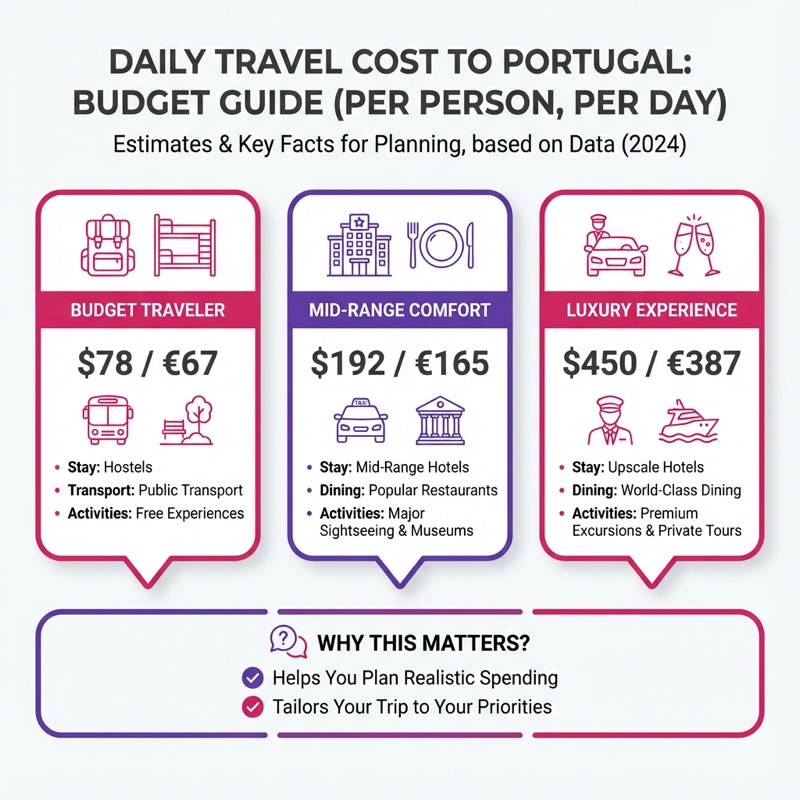
Portugal offers excellent value for a Western European country. A budget traveler can easily get by on 60-80 EUR ($65-85 USD) per day, staying in hostels (20-30 EUR/$22-33 USD),…
Portugal
Uruguay
Portugal offers excellent value for a Western European country. A budget traveler can easily get by on 60-80 EUR ($65-85 USD) per day, staying in hostels (20-30 EUR/$22-33 USD), eating local meals (8-15 EUR/$9-17 USD), and using public transport (1.50 EUR/$1.65 USD per metro ride in Lisbon). Mid-range travelers will find comfortable hotels for 70-100 EUR ($77-110 USD) and good restaurant meals for 20-30 EUR ($22-33 USD). Groceries are inexpensive, making self-catering a good option.
Uruguay is often considered one of the priciest countries in South America, largely due to high taxes and import costs. A budget daily spend is around 50-70 USD, covering hostel beds (20-35 USD), local eateries (10-20 USD for a chivito or parrillada), and local buses (1-2 USD). Mid-range accommodation in Montevideo or Colonia can run 70-120 USD, with restaurant meals costing 25-40 USD. Alcohol and imported goods are particularly costly. Meat is a relative bargain, but other staples add up. Portugal provides more overall value and stretches your money further.
Tabiji verdict: Portugal offers a more accessible and overall cheaper travel experience for most budgets.
- Winner: Portugal
- Why: Portugal provides better value across accommodation, food, and activities compared to Uruguay's generally higher price points.
- Who this matters for: Budget travelers, long-term travelers, and those seeking good value for money.
🍽️ Food & Drink
Portuguese food is comfort food at its best, often centered around seafood. Bacalhau (codfish) appears in hundreds of preparations, from bacalhau à Brás to grilled. Grilled…

Portugal

Uruguay
Portuguese food is comfort food at its best, often centered around seafood. Bacalhau (codfish) appears in hundreds of preparations, from bacalhau à Brás to grilled. Grilled sardines are a summer staple. Lisbon's Pasteis de Nata (custard tarts) are found everywhere; a single tart costs about 1-1.50 EUR ($1.10-1.65 USD). Porto is known for Francesinha, a hearty meat sandwich. Local wines are excellent and inexpensive, with a decent bottle costing 3-8 EUR ($3.30-8.80 USD) in a supermarket. Eating out in local tascas is affordable and authentic, with a main dish often under 12 EUR ($13 USD).
Uruguayan cuisine is dominated by meat. Parrillada (barbecue) is a national institution, with cuts like asado, vacío, and chorizo being stars. A full parrillada for two at a good restaurant like El Palenque in Montevideo can be 50-70 USD. The chivito is Uruguay's national sandwich, a massive steak sandwich with various toppings, costing around 10-20 USD. Mate tea is consumed everywhere, a cultural ritual. While the meat quality is exceptional, the variety of cuisine is less extensive than Portugal's. For non-meat eaters, options are more limited. Portugal offers broader culinary diversity.
Tabiji verdict: Portugal wins with its diverse, flavorful, and budget-friendly cuisine, offering more range than Uruguay's meat-focused fare.
- Winner: Portugal
- Why: Portugal offers a broader and more diverse culinary experience, including seafood, pastries, and affordable wine, appealing to more palates.
- Who this matters for: Foodies, those seeking variety, and travelers who enjoy fresh seafood and pastries.
🏖️ Beaches & Coastlines
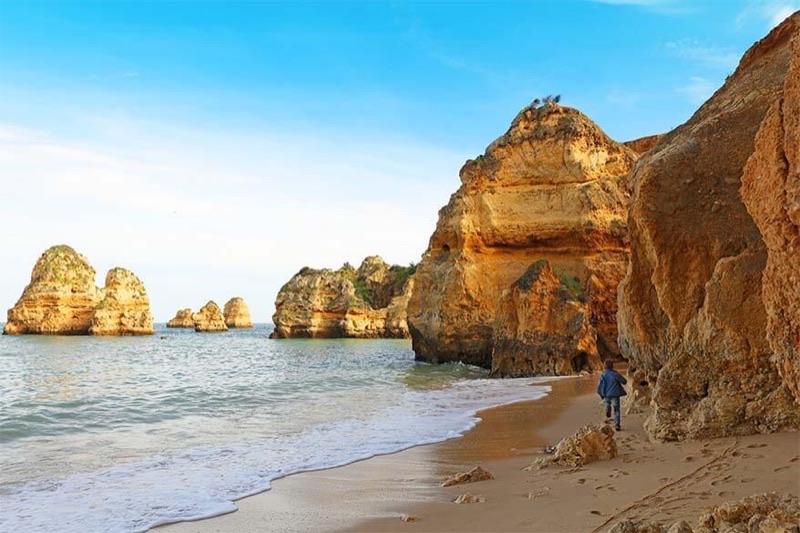
Portugal's coastline is arguably its biggest draw for many. The Algarve region in the south features dramatic limestone cliffs, sea caves, and golden sand beaches like Praia da…
Portugal
Uruguay
Portugal's coastline is arguably its biggest draw for many. The Algarve region in the south features dramatic limestone cliffs, sea caves, and golden sand beaches like Praia da Marinha and Praia da Falesia. These are popular for sunbathing, swimming, and boat tours. The west coast, particularly around Peniche and Nazaré, is famous for its powerful Atlantic waves, attracting surfers from around the globe. Even near Lisbon, Cascais and Estoril offer pleasant, easily accessible beaches. The variety of beaches, from secluded coves to vast stretches of sand, is extensive.
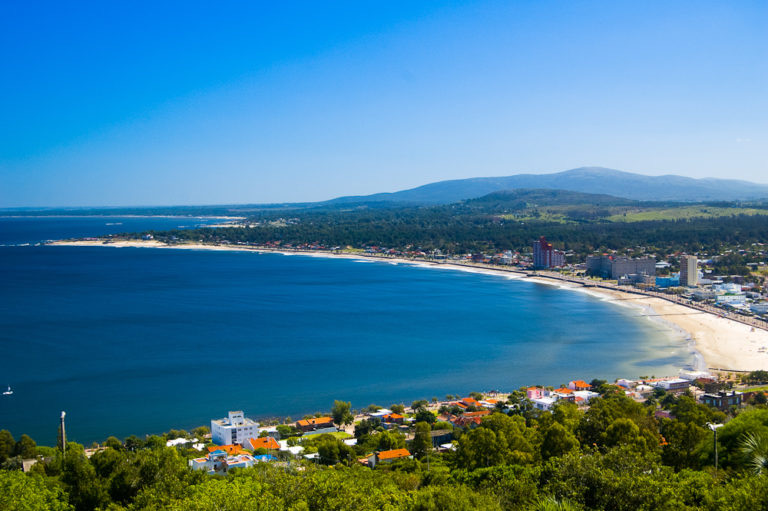
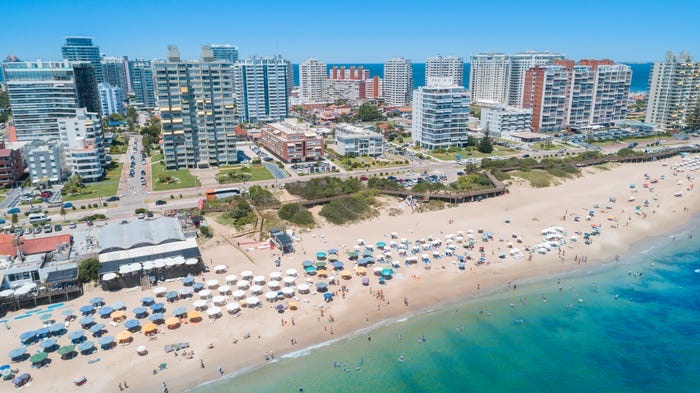
Uruguay has a lengthy coastline, primarily along the Rio de la Plata estuary and a smaller Atlantic stretch. Punta del Este is the most well-known beach destination, often compared to the Hamptons for its upscale feel. Beaches like Playa Mansa and Playa Brava offer softer sands and calmer waters. East of Punta del Este, places like José Ignacio and La Paloma provide a more bohemian, relaxed atmosphere with wide, less developed beaches. The water in the Rio de la Plata can be brownish due to sediment, not always clear blue like the ocean. While pleasant, Uruguay's beaches lack the dramatic geological features and surfing fame of Portugal's coast. Portugal provides more striking scenery and activity.
Tabiji verdict: Portugal offers a more dramatic and varied beach experience with truly memorable landscapes and better surf.
- Winner: Portugal
- Why: Portugal's beaches present more diverse landscapes, dramatic cliffs, and better surfing opportunities than Uruguay's generally flatter shores.
- Who this matters for: Beach lovers, surfers, photographers, and those seeking dramatic coastal scenery.
🏛️ Culture & History
Portugal's history stretches back millennia, with significant Roman, Moorish, and ultimately, a powerful Age of Discoveries legacy. Lisbon's Alfama district retains its Moorish…
Portugal
Uruguay
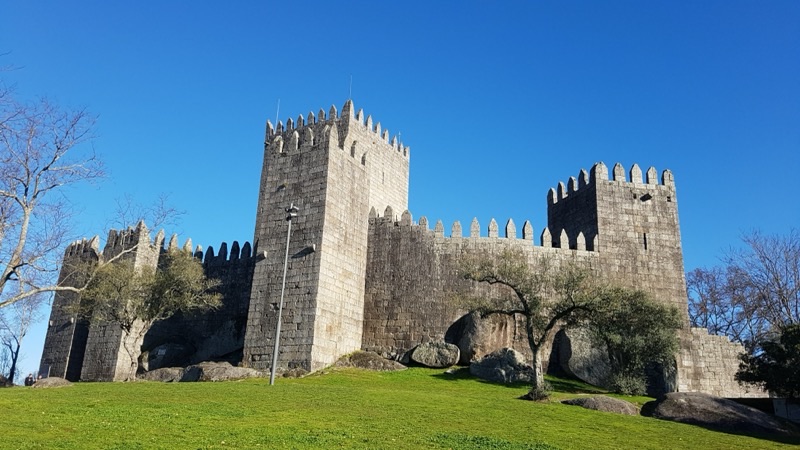
Portugal's history stretches back millennia, with significant Roman, Moorish, and ultimately, a powerful Age of Discoveries legacy. Lisbon's Alfama district retains its Moorish layout. Belém Tower and Jerónimos Monastery showcase Manueline architecture from the explorer era. Sintra's palaces (Pena Palace, Quinta da Regaleira) offer fairytale-like history. Fado music, often heard in traditional Lisbon restaurants, tells melancholic stories of saudade. The country feels old, with layers of history visible in its cobbled streets and ancient castles.
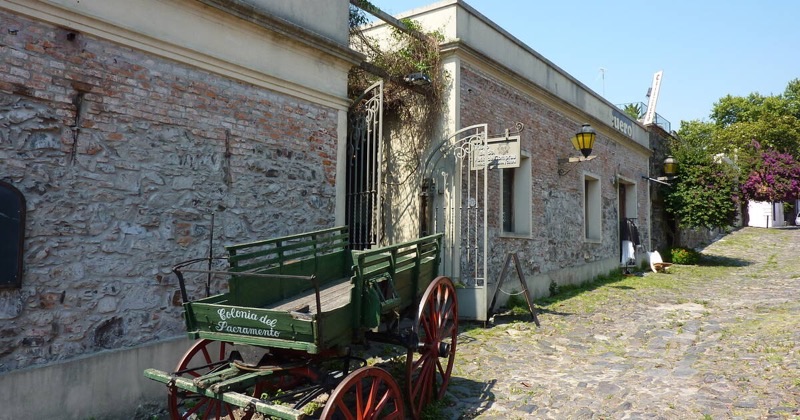
Uruguay, as a younger nation, has a different kind of history, marked by its position between colonial powers Spain and Portugal, and later, Argentina and Brazil. Its history is less about ancient ruins and more about 19th and 20th-century development, European immigration (especially Italian and Spanish), and political struggles. Montevideo's Ciudad Vieja (Old City) has colonial architecture, but it is not as extensive or ancient as Lisbon's. Candombe, an Afro-Uruguayan drumming and dance tradition, is a significant cultural expression. Tango, while associated with Argentina, also has roots in Montevideo. While Uruguay has its cultural depth, Portugal's historical footprint is simply much larger and more visibly preserved.
Tabiji verdict: Portugal offers a much deeper and more tangible historical and cultural experience with centuries of layered influences.
- Winner: Portugal
- Why: Portugal has a significantly longer and more visible history with ancient architecture, diverse influences, and deep-rooted cultural traditions like Fado.
- Who this matters for: History enthusiasts, architecture buffs, and travelers seeking ancient traditions and historical sites.
👮 Safety
Portugal is considered a safe destination, especially outside of major cities. However, in Lisbon and Porto, pickpocketing is a common issue, particularly in crowded trams (like…
Portugal
Uruguay
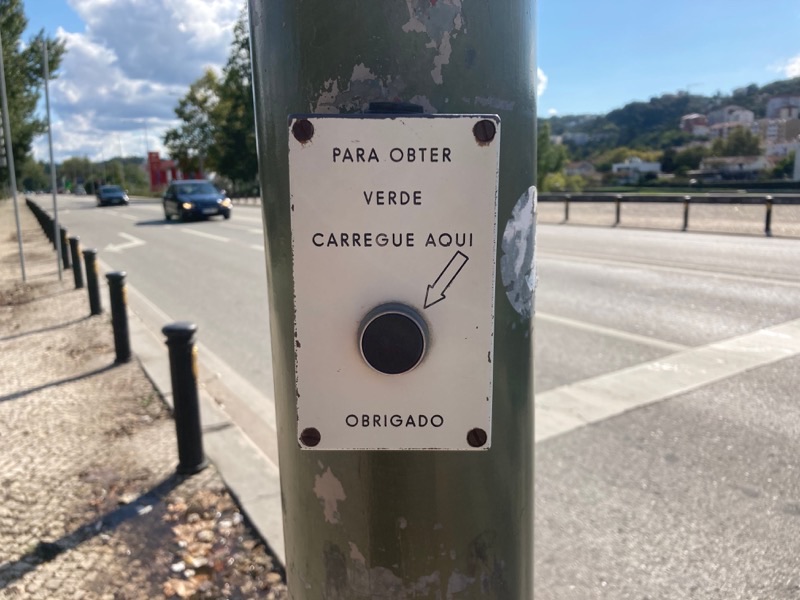
Portugal is considered a safe destination, especially outside of major cities. However, in Lisbon and Porto, pickpocketing is a common issue, particularly in crowded trams (like Tram 28 in Lisbon), metro stations, and popular tourist spots. Bag snatching can also occur. Violent crime against tourists is rare, but travelers should remain aware of their belongings, particularly in nightlife districts like Bairro Alto. Avoiding unlit streets late at night is sensible.
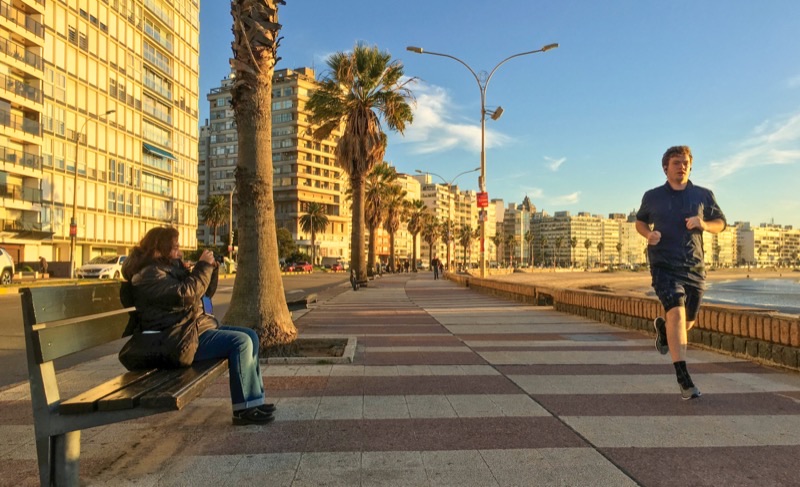
Uruguay consistently ranks as one of the safest countries in South America, with a lower crime rate than many of its neighbors. Violent crime is uncommon, especially in tourist areas. Pickpocketing and minor theft can occur, but it is less prevalent than in Portugal's larger cities. Montevideo, even in its downtown areas, generally feels safe to walk at night, though caution is always advised. The overall relaxed atmosphere contributes to a greater sense of security. For solo travelers or those with safety as a top priority, Uruguay provides a more worry-free experience.
Tabiji verdict: Uruguay is the safer choice, offering a noticeably lower risk of petty crime compared to Portugal's busy tourist areas.
- Winner: Uruguay
- Why: Uruguay has significantly lower rates of petty crime and violent crime, providing a more relaxed and secure travel environment.
- Who this matters for: Solo travelers, families, and those for whom personal safety is a paramount concern.
✈️ Getting There & Flights
Portugal is exceptionally well-connected, especially from North America and Europe. Direct flights from major North American hubs like New York (JFK/EWR) to Lisbon (LIS) or Porto…
Portugal is exceptionally well-connected, especially from North America and Europe. Direct flights from major North American hubs like New York (JFK/EWR) to Lisbon (LIS) or Porto (OPO) typically take 6.5-7.5 hours. From Europe, direct flights are plentiful and often inexpensive with carriers like Ryanair and EasyJet, taking 2-3 hours from cities like London or Paris. TAP Air Portugal is the national carrier, offering numerous routes. Round-trip flights from North America can range from $500-800 USD off-season, to $900-1400 USD in peak summer.
Uruguay's main international airport is Carrasco International (MVD) near Montevideo. Direct flights from North America are rare; most travelers connect through hubs like Sao Paulo (Brazil), Buenos Aires (Argentina), or Santiago (Chile). A flight from New York to Montevideo typically takes 10-14 hours with a layover. From Europe, flights are even longer, often 12-16 hours with at least one connection. Round-trip flights from North America typically cost $800-1500 USD, often more during peak season. Connectivity is a major factor, and Portugal is far easier and quicker to reach for most international travelers.
Tabiji verdict: Portugal is much easier, faster, and often cheaper to reach from major international hubs, making it the better choice for accessibility.
- Winner: Portugal
- Why: Portugal offers more direct, shorter, and often cheaper flights from major international airports in North America and Europe.
- Who this matters for: Travelers with limited time, those seeking convenience, and budget-conscious fliers.
🚗 Getting Around
Portugal boasts a well-developed and affordable transport system. Lisbon and Porto have efficient metro systems, trams (Lisbon's Tram 28 is iconic but crowded), and buses. A…
Portugal boasts a well-developed and affordable transport system. Lisbon and Porto have efficient metro systems, trams (Lisbon's Tram 28 is iconic but crowded), and buses. A single metro ride in Lisbon is 1.50 EUR ($1.65 USD). For intercity travel, Comboios de Portugal (CP) provides comfortable and relatively fast train services, like Lisbon to Porto (3 hours, ~30 EUR/$33 USD). Buses cover areas not served by trains. Renting a car is also popular for exploring rural areas and the Algarve coast. Cities are very walkable, though hilly.
Uruguay does not have an extensive train network for passengers; intercity travel is primarily by bus. Companies like COT and Turil offer comfortable and reliable services between major cities like Montevideo, Colonia del Sacramento (2.5 hours, ~10-15 USD), and Punta del Este (2 hours, ~10-15 USD). Within Montevideo, local buses are cheap and plentiful (1-2 USD per ride), and ride-sharing apps like Uber are readily available and affordable. Colonia del Sacramento is very walkable. While functional, Uruguay's public transport is less diverse and integrated than Portugal's, making certain journeys longer or less convenient.
Tabiji verdict: Portugal's comprehensive and varied transport infrastructure makes getting around more efficient and versatile.
- Winner: Portugal
- Why: Portugal offers a superior public transport network including metro, trams, and an extensive intercity train system, making travel easier.
- Who this matters for: Travelers without a car, those relying on public transport, and people who prioritize efficiency.
🌃 Nightlife
Portuguese cities, particularly Lisbon and Porto, have a reputation for energetic and late-night revelry. Lisbon's Bairro Alto district comes alive after midnight with dozens of…
Portuguese cities, particularly Lisbon and Porto, have a reputation for energetic and late-night revelry. Lisbon's Bairro Alto district comes alive after midnight with dozens of small bars spilling out onto the streets; drinks are affordable, often 5-8 EUR ($5.50-8.80 USD) for a cocktail. Cais do Sodré has larger clubs like Musicbox and Pink Street. Porto also offers a buzzing scene, especially around Galerias de Paris. The party often continues until sunrise.
Uruguay's nightlife is more subdued but still active. Montevideo has areas like Pocitos and Ciudad Vieja with bars and pubs. La Rambla offers evening strolls and street performers. During summer, Punta del Este transforms into a major party destination, attracting Argentinians and Brazilians with upscale clubs and beach parties, though prices there can be high. Outside of peak season and Punta del Este, the scene is more about enjoying drinks with friends in a relaxed setting rather than late-night clubbing. Portugal provides a more consistently lively and diverse nightlife experience.
Tabiji verdict: Portugal offers a more consistently energetic and varied nightlife scene, with more options for late-night entertainment.
- Winner: Portugal
- Why: Portugal's major cities offer a more intense, diverse, and consistently late-night party scene compared to Uruguay's generally calmer options.
- Who this matters for: Younger travelers, party-goers, and those seeking extensive late-night entertainment.
🌳 Nature & Outdoors
Portugal's natural beauty is varied. Serra da Estrela is the highest mountain range, good for hiking and winter sports. The Peneda-Gerês National Park in the north offers…
Portugal's natural beauty is varied. Serra da Estrela is the highest mountain range, good for hiking and winter sports. The Peneda-Gerês National Park in the north offers waterfalls, ancient villages, and wilderness for hiking. The Douro Valley is famous for its terraced vineyards and river cruises. The Algarve's dramatic cliffs and sea caves are natural wonders. From the volcanic landscapes of the Azores to the dense forests of Madeira, Portugal has a wide array of natural environments that allow for many outdoor activities like hiking, surfing, and kayaking.
Uruguay's landscape is characterized by rolling plains and extensive grasslands (pampas), making it excellent for horseback riding and experiencing gaucho culture. The country is relatively flat, and its rivers, like the Uruguay River, are a major feature. Coastal wetlands and lagoons, such as those around Rocha department, are important birdwatching sites. While it has a quiet, pastoral beauty, Uruguay lacks the dramatic mountain ranges, deep river gorges, or the striking coastal rock formations found in Portugal. Its outdoor offerings are more focused on rural activities and serene waters.
Tabiji verdict: Portugal offers a more diverse and visually striking range of natural landscapes, appealing to a broader array of outdoor enthusiasts.
- Winner: Portugal
- Why: Portugal provides more diverse and dramatic natural landscapes, from mountains and cliffs to national parks, offering a wider range of outdoor activities.
- Who this matters for: Hikers, nature photographers, adventure seekers, and those who appreciate varied natural beauty.
💻 Digital Nomad Suitability
Portugal has become a top destination for digital nomads. Lisbon and Porto are established hubs with many coworking spaces (e.g., Second Home in Lisbon costs around 200 EUR/$220…
Portugal has become a top destination for digital nomads. Lisbon and Porto are established hubs with many coworking spaces (e.g., Second Home in Lisbon costs around 200 EUR/$220 USD/month), cafes with good Wi-Fi, and a large expat community. The digital nomad visa makes long-term stays straightforward. Internet speeds are fast and reliable. The time zone is also convenient for those working with European or East Coast US clients. The relatively low cost of living, good weather, and accessible travel make it very appealing for remote workers.
Uruguay is gaining recognition as a digital nomad destination, primarily due to its safety, good internet infrastructure, and relaxed lifestyle. Montevideo has some coworking spaces, though fewer than Lisbon (e.g., Sinergia costs around 150-250 USD/month). The cost of living is higher than in many other South American countries, which can be a drawback for nomads on a tighter budget. Visa requirements can be more complex for longer stays compared to Portugal's dedicated nomad visa. While it offers a peaceful environment and good quality of life, it lacks the established ecosystem and large nomad community that Portugal provides.
Tabiji verdict: Portugal is a more developed and welcoming environment for digital nomads, offering better infrastructure and a stronger community.
- Winner: Portugal
- Why: Portugal offers a more mature digital nomad ecosystem with dedicated visas, more coworking spaces, and a larger community.
- Who this matters for: Remote workers, freelancers, and anyone planning an extended stay while working online.
🎯 The Decision Framework
Choose Portugal If…
- You want affordable and diverse European cuisine, especially seafood.
- You crave historic cities, ancient castles, and Fado music.
- You plan on surfing or exploring dramatic coastal cliffs.
- You need excellent flight connections from North America or Europe.
- You are a digital nomad seeking a well-established community and visa.
- You prefer an extensive and efficient public transport system.
- You enjoy lively nightlife with many bars and late-night clubs.
- You appreciate varied natural landscapes, from mountains to beaches.
Choose Uruguay If…
- You prioritize safety and a generally low crime rate.
- You are a meat lover seeking top-tier beef and parrillada.
- You prefer a quiet, relaxed pace of travel without large crowds.
- You want to experience authentic gaucho culture and pampas landscapes.
- You are looking for a less tourist-heavy South American experience.
- You enjoy long, peaceful beach strolls rather than dramatic coastlines.
- You value friendly locals and a low-key social scene.
- You seek a destination where English is less common, encouraging Spanish practice.
📅 Sample Itineraries
Weekend in Portugal (3 Days)
💡 Purchase a 'Lisboa Card' for 24, 48, or 72 hours for public transport and discounts on attractions, saving about 15-20% on entry fees.
Weekend in Uruguay (3 Days)
💡 Use a prepaid 'STM card' for public transport in Montevideo to save on bus fares, costing less than $1 per ride compared to cash fares.
One Week in Portugal (7 Days)
💡 Book train tickets between Lisbon and Porto in advance online to secure better prices, often saving 20-30% compared to last-minute purchases.
One Week in Uruguay (7 Days)
💡 When in Punta del Este, consider renting a car for a day (from $50) to explore the surrounding coastline, including Casapueblo, at your own pace.
❓ Frequently Asked Questions
Which country is better for a solo female traveler?
Uruguay generally provides a greater sense of security for solo female travelers due to its notably lower rates of petty crime and street harassment. While Portugal is safe, awareness of pickpocketing in crowded areas is necessary. Uruguay offers a more relaxed, worry-free environment for independent exploration.
What are the typical flight costs from the USA to each destination?
From major US cities like New York, round-trip flights to Lisbon, Portugal (LIS) typically range from $500-800 USD off-season and $900-1400 USD in peak season. Flights to Montevideo, Uruguay (MVD) usually cost $800-1500 USD, often more during summer months in South America, due to fewer direct routes and longer travel times.
Which destination has better infrastructure for tourists?
Portugal has more developed tourist infrastructure overall, including a wider range of accommodation options, more extensive public transport, and more English speakers in tourist-facing roles. Uruguay's infrastructure is good but less extensive, particularly outside of Montevideo and Punta del Este.
What is the best time of year to visit each country?
For Portugal, spring (April-May) and fall (September-October) offer pleasant weather and fewer crowds. Summer (June-August) is popular but hot. For Uruguay, summer (December-February) is ideal for beaches, though it can be hot. Spring (October-November) and fall (March-April) are good for city exploration with milder temperatures.
Is English widely spoken in either country?
English is more widely spoken in Portugal, especially in tourist areas of Lisbon, Porto, and the Algarve. Younger generations and those in the service industry often communicate in English. In Uruguay, English is less common; knowing some basic Spanish phrases will significantly improve your experience, especially outside of Montevideo.
Which country offers more adventure activities?
Portugal offers a wider array of adventure activities, including world-class surfing (Peniche, Nazaré), hiking in national parks (Peneda-Gerês), kayaking along the Algarve coast, and canyoning. Uruguay's outdoor activities are more focused on horseback riding, birdwatching in wetlands, and relaxed beach sports.
Can I easily combine a trip to Uruguay with other South American countries?
Yes, Uruguay is frequently combined with Argentina, particularly Buenos Aires, which is just a short (1-3 hour) ferry ride away across the Rio de la Plata. It also connects well with Southern Brazil. This makes it a good addition to a broader South American itinerary, leveraging its unique charm and excellent safety.
What are the typical daily food costs for a mid-range traveler?
In Portugal, a mid-range traveler can expect to spend 25-40 EUR ($27-44 USD) per day on food, including a mix of local eateries and some nicer sit-down meals. In Uruguay, this budget would be higher, around 35-55 USD per day, primarily due to higher restaurant prices and imported goods.
Ready to plan your next adventure?
Get a free custom itinerary for Portugal, Uruguay, or both — built from real traveler insights.
👥 Travelers Also Compared
🎟️ Book Tours & Experiences
Hand-picked tours and activities for both destinations — book with free cancellation
Experiences via Viator — free cancellation on most tours