How we built this comparison
This page combines traveler discussion patterns, published price ranges, flight schedules, and seasonal data to help you decide between Potosi and Cusco.
- Reviewed 100+ Reddit threads from r/travel, r/solotravel, r/bolivia, r/peru, and r/backpacking.
- Verified costs and logistics against current booking platforms (Booking.com, Skyscanner, local tour operators).
- Cross-referenced seasonal patterns and weather data from meteorological sources.
- Incorporated personal travel experiences and insights from extensive South American journeys.
⚡ The TL;DR Verdict
If you crave raw history, a deep dive into mining culture, and a truly budget-friendly, off-the-beaten-path experience, Potosi is your pick (daily budget: $30-50). For breathtaking Inca history, stunning landscapes, world-class trekking, and a more developed, comfortable tourist infrastructure, Cusco wins (daily budget: $50-100+, excluding Machu Picchu).
- Choose Potosi: Choose Potosi if you're a history buff, a budget traveler, or someone who values authentic, sometimes challenging, experiences over comfort and tourist amenities. It's for those who want to feel the weight of history and witness a way of life deeply tied to the land.
- Choose Cusco: Opt for Cusco if you're passionate about ancient civilizations, enjoy a vibrant city atmosphere, and want access to world-renowned treks and sites like Machu Picchu. It's ideal for travelers seeking a balance of adventure, culture, and convenience, willing to pay a bit more for comfort and variety.
- Choose Both: Doing both is absolutely feasible for a comprehensive Andean experience, offering a stark contrast between Bolivia's rugged charm and Peru's majestic grandeur. Allocate at least 2-3 days for Potosi (including travel) and 5-7 days for Cusco and the Sacred Valley to fully appreciate each.
Quick Comparison
| Category | Potosi | Cusco | Winner |
|---|---|---|---|
| Culture & History | UNESCO site, silver mining capital, Casa de la Moneda, Cerro Rico, colonial architecture. | Inca capital, Qorikancha, Sacsayhuaman, Spanish colonial influence, vibrant traditions. | Cusco |
| Costs & Budget | Significantly cheaper for accommodation, food, and local transport. Excellent value. | More expensive due to established tourism, especially for Machu Picchu and Sacred Valley tours. | Potosi |
| Getting There & Around | Requires bus travel, high altitude. Local transport via micros and taxis. | Direct flights from Lima, well-connected by bus. Walkable city, taxis for longer distances. | Cusco |
| Accommodation | Basic, charming hostels and guesthouses. Fewer luxury options. | Wide range from budget hostels to boutique hotels and luxury resorts. | Cusco |
| Food & Drink | Hearty, traditional Bolivian fare. Focus on local specialties and markets. | Diverse culinary scene, Andean fusion, international cuisine, bustling food markets. | Cusco |
| Nightlife & Entertainment | Very limited, low-key scene. Few bars, mostly local hangouts. | Vibrant and diverse, with many bars, clubs, live music, and cultural performances. | Cusco |
| Day Trips & Excursions | Limited options, mainly focused on the city's historical sites and mine tours. | Unparalleled access to the Sacred Valley, Machu Picchu, Rainbow Mountain, and numerous treks. | Cusco |
| Weather & Seasons | High altitude, cold year-round nights, dry and wet seasons. Extreme UV. | High altitude, distinct dry and wet seasons. Generally milder than Potosi, but still cold nights. | Tie |
| Safety & Vibe | Authentic, gritty, less tourist-centric. Requires more awareness, but generally safe. | More tourist-friendly, bustling, generally safe but common tourist scams. | Tie |
| Overall Authenticity vs. Tourist Polish | Rugged, raw, deeply authentic. Less English, fewer tourist amenities. | Polished, well-developed for tourism. Balance of authentic culture and modern conveniences. | Potosi |
🏛️ Culture & History
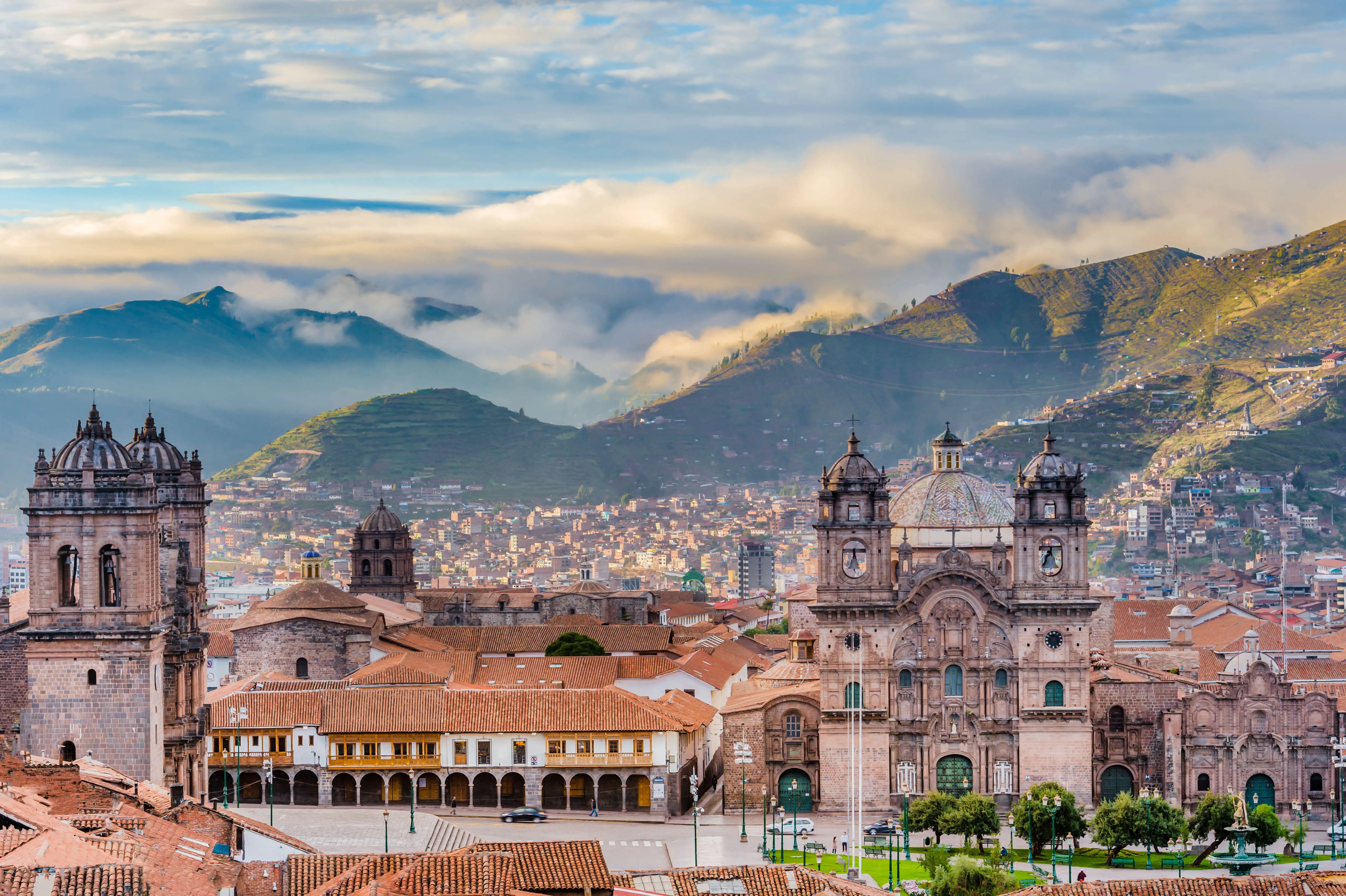
Potosi stands as a stark monument to colonial exploitation, centered around its incredibly rich silver mines of Cerro Rico. The Casa de la Moneda Nacional is a must-visit, offering a sobering look at the minting process and the human cost. The highlight for many is the infamous mine tour, a gritty, immersive experience where you can meet working miners, offering unparalleled insight into a harsh reality for about 100-150 BOB (~$15-22). Cusco, on the other hand, is the heart of the Inca Empire, a city where ancient stone walls meet Spanish colonial grandeur. Sites like Qorikancha (Temple of the Sun) and the fortress of Sacsayhuaman (entry with Boleto Turistico, S/130 or ~$35 for all sites) are awe-inspiring. The city itself feels like an open-air museum, alive with Quechua culture, colorful textiles, and daily parades. While Potosi offers a raw, visceral history, Cusco presents a grand, accessible narrative of two empires. As one Redditor put it, "Potosi felt like stepping into a historical documentary, while Cusco was living history in technicolor."
Winner takeaway
- Winner: Cusco
- Why: Cusco offers a broader, more accessible, and visually stunning array of historical sites, blending Inca and colonial narratives seamlessly.
- Who this matters for: History enthusiasts, culture seekers, and those who appreciate architectural marvels.
💰 Costs & Budget
Potosi is a dream for budget travelers. A decent hostel bed can be found for 60-80 BOB (~$9-12), and a hearty 'almuerzo' (set lunch) will only set you back 20-35 BOB (~$3-5). Local transport, like a taxi across town, is rarely more than 10-15 BOB (~$1.50-2.20). Activities like the Casa de la Moneda entry are around 40-50 BOB (~$6-7). Cusco is a different ballgame. While still affordable compared to Western countries, it's notably pricier than Potosi. Hostel dorms typically range from S/40-60 (~$11-16), and a good restaurant meal can easily be S/30-60 (~$8-16). The biggest expense is definitely Machu Picchu; budget at least $200-500+ for the train, entry, and potentially a guide. Sacred Valley tours start around S/70 (~$19) plus Boleto Turistico. "I stretched my dollar so much further in Potosi, felt like a king! Cusco was still affordable, but I was constantly calculating prices." Potosi offers incredible value for an immersive experience.
Winner takeaway
- Winner: Potosi
- Why: Potosi is significantly more budget-friendly across almost all categories, allowing travelers to experience deep history without breaking the bank.
- Who this matters for: Backpackers, long-term travelers, and anyone prioritizing budget above all else.
✈️ Getting There & Around
Getting to Potosi usually involves flying into Sucre (SRE) from La Paz (LPB) – flights are typically $50-100 – and then taking a 3-4 hour bus ride (30-50 BOB / ~$4-7) over winding, high-altitude roads. Direct long-distance buses from La Paz can take 10-12 hours. Once there, Potosi is reasonably walkable, though the steep hills and extreme altitude (4,090m / 13,420 ft) make it challenging. Micros (local minibusses, 2-3 BOB) and taxis (5-10 BOB) are readily available. Cusco, on the other hand, boasts an international airport (CUZ) with direct flights from Lima (typically $60-120), Arequipa, and La Paz, making arrival much smoother. The city center is compact and very walkable, with most major attractions within easy reach. Taxis are abundant and affordable (S/5-15 / ~$1.50-4.00 within the city). For day trips to the Sacred Valley, there's a well-developed network of tour buses and collective taxis. "Cusco's airport was a godsend after a long flight, Potosi felt like a journey just to get there. But both are worth it!" Cusco's infrastructure for arrivals and local transit is simply superior.
Winner takeaway
- Winner: Cusco
- Why: Cusco offers easier international and domestic air access, a more walkable city center, and better organized options for regional travel.
- Who this matters for: Travelers with limited time, those sensitive to long bus rides, and those prioritizing convenience.
🏨 Accommodation
Potosi's accommodation scene is more functional and authentic, reflecting its less developed tourism. You'll find charming, often family-run hostels and guesthouses like Hostal Colonial or Hostal La Casona Potosi, typically offering private rooms for 100-180 BOB (~$15-26) or dorms for 60-80 BOB (~$9-12). While comfortable and clean, they rarely offer extensive amenities beyond hot water and basic breakfast. Luxury options are virtually non-existent. Cusco, as a major tourist hub, caters to every budget and taste. From lively backpacker hostels like Pariwana Hostel or Wild Rover Cusco (dorms S/40-70 / ~$11-19) to boutique hotels in renovated colonial mansions like Hotel Rumi Punku or luxury options such as Belmond Hotel Monasterio (S/1000+ / ~$270+), you'll find it all. Many accommodations offer excellent service, tours, and additional comforts like oxygenated rooms. "Potosi's hostels were perfectly fine, but after a week, I was ready for Cusco's boutique hotel scene. My bed felt like a cloud." Cusco's variety and quality of lodging significantly elevate the travel experience.
Winner takeaway
- Winner: Cusco
- Why: Cusco provides a vastly wider range of accommodation options, from budget-friendly to luxury, with higher standards of comfort and amenities.
- Who this matters for: Travelers seeking comfort, variety, or a more upscale experience, as well as digital nomads needing good facilities.
🍽️ Food & Drink
Potosi offers a true taste of traditional Bolivian food, which is hearty and designed to sustain against the cold and altitude. Expect dishes like 'Pique Macho' (a massive platter of meat, sausages, fries, and vegetables), 'Salteñas' (savory baked empanadas), and various soups. The Mercado Central is the best place for cheap, authentic meals (20-35 BOB / ~$3-5). Restaurant options are limited, focusing on local eateries. For drinks, local beers like Paceña are common. Cusco, however, has blossomed into a culinary hotspot. Beyond traditional Peruvian staples like 'Lomo Saltado' or 'Aji de Gallina,' you'll find an explosion of Andean fusion cuisine, high-end restaurants like Cicciolina or Chicha by Gastón Acurio (main courses S/60-120 / ~$16-32), and a plethora of international options. San Pedro Market offers an authentic and affordable food experience, while the city's cafes and bars are plentiful and vibrant. "Potosi fed me well, but Cusco blew my mind with its food scene. Every meal was an adventure!" Cusco's culinary diversity and quality are simply unmatched.
Winner takeaway
- Winner: Cusco
- Why: Cusco offers a far more diverse and sophisticated culinary scene, from traditional Andean fare to international and fusion cuisine, catering to all tastes.
- Who this matters for: Foodies, travelers seeking variety in dining, and those who enjoy a vibrant cafe and restaurant culture.
🍻 Nightlife & Entertainment
Potosi's nightlife is minimal and revolves around a few local 'peñas' (folkloric music venues) and modest bars, often closing relatively early. The focus here is not on partying but on experiencing the city's history and unique atmosphere during the day. Don't expect buzzing clubs or late-night entertainment; it's more about a quiet beer or conversation at a local spot. Cusco, conversely, is a vibrant hub for nightlife. The area around Plaza de Armas comes alive after dark with numerous bars, pubs, and clubs catering to tourists and locals alike. You'll find everything from Irish pubs (Paddy's Irish Pub) to salsa clubs (Mama Africa) and places with live Andean music (Ukukus). Drinks are reasonably priced, with beers starting around S/10-15 (~$2.70-4.00) and cocktails S/20-35 (~$5.40-9.50). "Potosi was great for quiet evenings, but after a mine tour, I definitely wanted to let loose, and Cusco delivered big time!" Cusco provides significantly more options for evening entertainment and a much livelier social scene.
Winner takeaway
- Winner: Cusco
- Why: Cusco offers a dynamic and varied nightlife, from live music to dance clubs, providing ample options for entertainment after dark.
- Who this matters for: Younger travelers, solo travelers looking to socialize, and those who enjoy vibrant evening entertainment.
⛰️ Day Trips & Excursions
Potosi's primary excursion is the Cerro Rico mine tour, a profound and challenging experience. Beyond that, options are quite limited. You could visit the nearby Tarapaya Hot Springs (about 30 minutes by taxi, 50-70 BOB / ~$7-10 round trip + entry) for relaxation, or explore the local markets more extensively. However, Potosi is largely a destination for its intrinsic city experience. Cusco is the undisputed king of day trips and multi-day excursions. It's the gateway to the Sacred Valley, with iconic Inca sites like Pisac, Ollantaytambo, and Chinchero (covered by Boleto Turistico). Of course, it's the jumping-off point for Machu Picchu, whether via train (from S/200 / ~$55) or multi-day treks like the Inca Trail or Salkantay. Other popular excursions include Rainbow Mountain (Vinicunca, tours S/80-120 / ~$22-32) and Humantay Lake. "Potosi had the mine, which was unforgettable, but Cusco opened up a whole world of ancient wonders and treks. It was a no-brainer for adventure." The sheer volume and world-class quality of excursions from Cusco are overwhelming.
Winner takeaway
- Winner: Cusco
- Why: Cusco offers an incredible array of world-renowned day trips and multi-day excursions, including Machu Picchu and the Sacred Valley, catering to all adventure levels.
- Who this matters for: Adventure seekers, trekkers, history buffs interested in the Inca Empire, and those wanting diverse outdoor activities.
☀️ Weather & Seasons
Both Potosi and Cusco are high-altitude cities, meaning cold nights are a given year-round, even in summer. Potosi (4,090m / 13,420 ft) is significantly higher than Cusco (3,400m / 11,150 ft), making it generally colder and windier. Potosi's dry season (May to October) sees clear, sunny days but temperatures often drop below freezing at night. The wet season (November to April) brings afternoon showers and slightly warmer, but still chilly, nights. Cusco experiences a similar dry season (May to October) with sunny days and cool nights (avg. 1-18°C / 34-64°F), which is considered the best time to visit. The wet season (November to April) brings rain, particularly in Jan-Feb, but also lush green landscapes. "Potosi's cold hit different, you really feel that altitude. Cusco was chilly but manageable, especially with a good jacket." While Cusco is slightly milder, both require careful acclimatization and layering. There's no clear 'winner' as both present similar high-altitude challenges, just to different degrees.
Winner takeaway
- Winner: Tie
- Why: Both destinations present high-altitude weather challenges with distinct dry and wet seasons, requiring similar preparation for cold nights and strong sun.
- Who this matters for: Travelers sensitive to altitude, those planning treks, and anyone needing to pack appropriately for extreme weather variations.
🤝 Safety & Vibe
Potosi offers a more raw, authentic Bolivian experience. It's less polished for tourism, which means fewer tourist-focused scams but also less English spoken and a more 'on your own' feeling. Basic precautions against pickpocketing, especially in crowded markets or on buses, are advisable. The vibe is serious, reflecting its arduous history, yet locals are generally welcoming. Cusco is a much more established tourist destination, leading to a vibrant, international atmosphere. While generally safe, common tourist issues like inflated taxi prices, aggressive vendors, and petty theft (especially around Plaza de Armas or crowded areas) are more prevalent. It feels more 'managed' for visitors. "Potosi felt genuine, like I was really seeing Bolivia. Cusco felt like a well-oiled machine, still great, but different." Both cities require common sense and awareness; neither is inherently 'unsafe' compared to major global cities, but the type of vigilance differs. Potosi is less likely to have tourist scams due to fewer tourists, while Cusco's popularity makes it a target.
Winner takeaway
- Winner: Tie
- Why: Both cities are generally safe with common travel precautions, but the nature of potential issues differs, making them a tie in overall safety for an aware traveler.
- Who this matters for: Solo travelers, those concerned about petty crime, and anyone sensitive to the overall 'feel' of a city.
✨ Overall Authenticity vs. Tourist Polish
Potosi is the embodiment of raw authenticity. Its streets, markets, and the very air you breathe tell a story of hard labor, colonial wealth, and enduring traditions. There's minimal tourist gloss; what you see is what you get. English is not widely spoken outside of major hostels, forcing a deeper immersion. The Cerro Rico mine tour isn't just an attraction; it's a stark, real-life experience. This makes it challenging for some, but incredibly rewarding for those seeking a less mediated cultural encounter. Cusco, while undeniably rich in culture and history, has a significant layer of tourist polish. From English menus to countless tour operators and souvenir shops, it's designed for ease of travel. While you can still find authentic experiences, especially away from the main plazas, the overall vibe is distinctly more geared towards international visitors. "Potosi felt like a punch to the gut, in the best way – completely real. Cusco was beautiful, but felt a bit like a theme park after a while." If you crave unvarnished reality and cultural immersion, Potosi delivers.
Winner takeaway
- Winner: Potosi
- Why: Potosi offers a significantly more raw, less tourist-polished, and deeply authentic cultural experience, demanding more immersion from the traveler.
- Who this matters for: Authenticity seekers, adventurous travelers, those looking to step outside their comfort zone, and cultural anthropologists at heart.
❓ Frequently Asked Questions
What about altitude sickness in Potosi vs Cusco?
Potosi is at 4,090m (13,420 ft), significantly higher than Cusco at 3,400m (11,150 ft). Acclimatization is crucial for both, but Potosi will likely hit harder. Take it easy for the first 24-48 hours, stay hydrated, and avoid alcohol. Coca leaves are widely available and can help.
Is it easy to travel between Potosi and Cusco?
Traveling between them is feasible but takes time. The most common route involves taking a bus from Potosi to La Paz (10-12 hrs), then a flight from La Paz to Cusco (or a long bus via Copacabana/Puno). It's a journey, not a quick hop, so factor in at least 1-2 full travel days.
Which city is better for trekking and outdoor activities?
Cusco is undeniably superior for trekking and outdoor activities. It's the gateway to world-famous treks like the Inca Trail and Salkantay to Machu Picchu, as well as day hikes to Rainbow Mountain and Humantay Lake. Potosi offers very limited trekking options.
Are there good options for vegetarian/vegan food in Potosi or Cusco?
Cusco has a burgeoning vegetarian/vegan scene, with many restaurants catering to plant-based diets and even dedicated vegan eateries. Potosi, being more traditional, will be challenging; your best bet is usually market stalls or asking for simple vegetable-based dishes, but options are limited.
Which city is better for solo female travelers?
Both cities are generally safe for solo female travelers with standard precautions. Cusco's larger tourist infrastructure and more hostels make it easier to meet other travelers. Potosi requires a bit more independence and Spanish skills, but solo female travelers regularly visit without major issues.
What's the best time of year to visit Potosi and Cusco?
The dry season (May to October) is generally considered the best time for both. This offers clearer skies and less rain, ideal for trekking and sightseeing. However, nights are colder, especially in Potosi. The shoulder months (April, November) can also be good with fewer crowds.
Can I visit Machu Picchu from Potosi?
No, you cannot visit Machu Picchu directly from Potosi. Machu Picchu is located in Peru, and Cusco is the required base city for all visits. If you wish to visit both Potosi and Machu Picchu, you'll need to travel from Bolivia to Peru, making Cusco your next major stop.
Are local markets a good place to buy souvenirs in Potosi or Cusco?
Yes, local markets in both cities are excellent for souvenirs! Potosi's markets offer authentic Bolivian textiles, silver crafts, and mining-related curios. Cusco's San Pedro Market and artisan markets are famous for Alpaca wool products, colorful textiles, ceramics, and Inca-inspired crafts, often at better prices than tourist shops.
Ready to plan your Andean trip?
Get a free custom itinerary for Potosi, Cusco, or both — built from real traveler insights.
🎟️ Book Tours & Experiences
Hand-picked tours and activities for both destinations — book with free cancellation
Experiences via Viator — free cancellation on most tours