How we built this comparison
This page combines traveler discussion patterns, published price ranges, flight schedules, and seasonal data to help you decide between Puerto Rico and Dominican Republic.
- Reviewed 100+ Reddit threads from r/travel, r/solotravel, r/PuertoRicoTravel, r/Dominican
- Verified costs and logistics against current booking platforms (Expedia, Google Flights, Airbnb, local tour operators)
- Cross-referenced seasonal patterns and weather data from NOAA and local tourism boards
⚡ The TL;DR Verdict
For a hassle-free, diverse, and slightly more upscale Caribbean experience with all the comforts of home (USD, easy travel), Puerto Rico is your winner, typically budgeting $150-300/day. If you're seeking a more authentic, often more affordable, and sprawling Caribbean immersion with world-class resorts and vibrant local life, the Dominican Republic offers incredible value at $80-200/day.
- Choose Puerto Rico: Choose PR if you prioritize ease of travel (no passport for US citizens), diverse landscapes (rainforests to bioluminescent bays), fantastic food, and a more developed infrastructure. Great for first-time Caribbean travelers or those seeking a blend of adventure and familiarity, especially in the $150-300+ daily budget range.
- Choose Dominican Republic: Opt for DR if you're looking for incredible value, pristine all-inclusive resorts, a deeper dive into Latin Caribbean culture (merengue, bachata), and a more 'foreign' feel. It's perfect for budget-conscious travelers, families seeking resort luxury, or adventurous backpackers, with daily budgets often $80-200+.
- Choose Both: While distinct, a longer 10-14 day trip could allow for exploring both. Start with PR for 4-5 days to experience San Juan and nature, then fly to DR (e.g., San Juan to Santo Domingo is a short, affordable flight, ~1hr, $100-200) for another 5-7 days of beaches and cultural immersion. This offers a comprehensive taste of the Greater Antilles.
Quick Comparison
| Category | Puerto Rico | Dominican Republic | Winner |
|---|---|---|---|
| Beaches & Water Activities | Incredibly diverse, from world-ranked calm waters to surf breaks. Bio bays are unique. | Expansive, often pristine beaches, especially on the east coast. Great for resorts and water sports. | Puerto Rico |
| Food & Drink | Rich, flavorful Criolla cuisine, blending Spanish, African, and Taíno influences. Vibrant dining scene. | Hearty, comforting Creole cuisine with strong Spanish roots. Excellent fresh seafood, especially outside resorts. | Puerto Rico |
| Nightlife & Entertainment | Electric and diverse, especially in San Juan. Live music, dancing, and bustling bars. | Lively and rhythmic, heavily influenced by Merengue and Bachata. Resort entertainment dominates outside cities. | Puerto Rico |
| Culture & History | Rich Spanish colonial history, vibrant arts, strong Taíno and African influences. US cultural blend. | Deep Spanish colonial roots, birthplace of Merengue and Bachata. Strong African heritage. First city of the Americas. | Dominican Republic |
| Costs & Value | Generally higher, comparable to continental US cities. USD currency simplifies budgeting. | More affordable overall, offering excellent value, especially outside of high-end resorts. Dominican Peso (DOP). | Dominican Republic |
| Getting There & Around | Easy access for US citizens (no passport). Good road infrastructure. Rental cars recommended. | Well-connected internationally, but local travel requires more planning. Rental cars possible, but chaotic. | Puerto Rico |
| Nature & Adventure | Lush rainforests, bioluminescent bays, diverse hiking, and stunning coastlines. | Dramatic mountains, vast national parks, spectacular waterfalls, and whale watching. | Dominican Republic |
| Safety & Vibe | Generally safe, with common-sense precautions. Friendly, lively, and welcoming atmosphere. | Generally safe in tourist areas, but requires more awareness in non-touristy zones. Vibrant, but can feel more intense. | Puerto Rico |
| Accommodation Options | Diverse range, from boutique hotels to major chains and excellent Airbnbs. Less all-inclusive focus. | Dominated by all-inclusive resorts, especially in Punta Cana. Also boutique hotels in cities and budget guesthouses. | Tie |
| Family Friendliness | Great for families with diverse activities, good infrastructure, and easy access for US citizens. | Excellent for families seeking all-inclusive resort experiences with kid-friendly amenities and activities. | Tie |
🏖️ Beaches & Water Activities
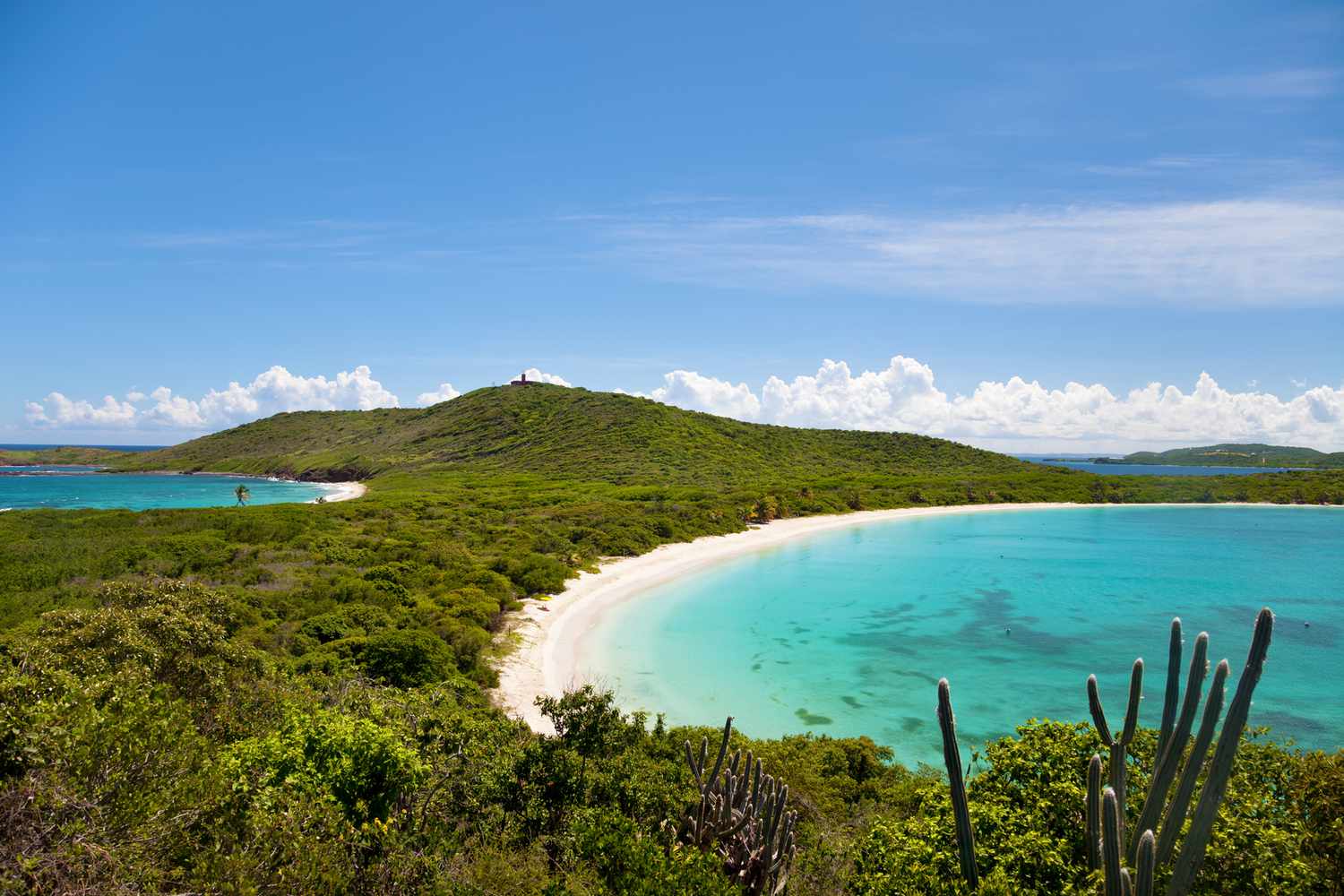
Puerto Rico truly shines with its sheer variety of beaches and unique water activities. You have the iconic Flamenco Beach on Culebra, consistently ranked among the world's best with its powdery white sand and turquoise waters – accessible via ferry from Fajardo for about $4.50 one-way. Then there's Luquillo Beach, perfect for families with calm, shallow waters, and the dramatic surfing waves of Rincón on the west coast. But the real game-changer is the bioluminescent bays in Vieques (Mosquito Bay) and Fajardo (Laguna Grande), where the water glows with microscopic organisms. A kayak tour in Laguna Grande costs around $50-65 USD and is an absolute bucket-list item. The DR's beaches, particularly in Punta Cana, are stunningly beautiful and extensive, perfect for resort-goers, but they often feel more homogeneous and less 'wild.' While you have world-class snorkeling and diving off places like Bayahibe, the unique natural phenomena like PR's bio bays are unparalleled. "Flamenco Beach alone makes the Culebra ferry trip worth it, it's unreal," a Redditor noted. PR offers more distinct coastal experiences.
Winner takeaway
- Winner: Puerto Rico
- Why: Puerto Rico offers unparalleled diversity in its beaches and unique natural phenomena like the bioluminescent bays.
- Who this matters for: Beach connoisseurs, adventure seekers, and nature lovers looking for unique experiences.
🍽️ Food & Drink
Puerto Rico's culinary scene is a vibrant explosion of flavors, often feeling more refined and diverse than the DR, especially in San Juan. You'll find incredible mofongo (fried plantain dish) everywhere, from casual kiosks to upscale restaurants. Try the mofongo relleno at Raíces in Old San Juan (around $20-30 USD) or the incredible lechón (roast pork) from Guavate in the central mountains, where a pound can cost $10-15 USD. The rum distilleries, like Casa Bacardí (tours from $20 USD), add another layer to the drink scene. San Juan boasts a thriving cocktail culture and excellent fusion restaurants. The Dominican Republic offers delicious, comforting food, with staples like 'La Bandera' (rice, beans, meat) and sancocho (hearty stew). While you can find amazing fresh seafood and local eateries, especially in Santo Domingo's Zona Colonial or fishing villages like Bayahibe (grilled fish for DOP 400-800, ~$7-14 USD), the overall variety and gastronomic innovation feel a step behind PR. "The food trucks in Santurce, PR are a game-changer for cheap, amazing eats," a traveler once said, highlighting the accessible quality.
Winner takeaway
- Winner: Puerto Rico
- Why: Puerto Rico's culinary scene is more diverse, refined, and innovative, offering a wider range of high-quality dining experiences.
- Who this matters for: Foodies, gourmands, and travelers who prioritize a vibrant and varied dining scene.
💃 Nightlife & Entertainment
Puerto Rico takes the crown for its dynamic and accessible nightlife, particularly in San Juan. The Placita de Santurce transforms into a massive street party every weekend, with live salsa bands, DJs, and crowds dancing in the streets (drinks are affordable, think $5-8 USD for a beer or cocktail). Old San Juan also offers numerous historic bars, elegant cocktail lounges, and pulsating reggaeton clubs. You can easily find live music any night of the week. The Dominican Republic has its own vibrant nightlife, especially in Santo Domingo's Zona Colonial with its merengue and bachata clubs, and the high-energy discotheques within Punta Cana's all-inclusive resorts (e.g., Coco Bongo, entry around $80-100 USD, often including open bar). However, outside of these specific zones, local nightlife can be more challenging to navigate for tourists. PR's scene feels more integrated and approachable for independent travelers. "La Placita is just pure energy, nothing like it," commented a frequent visitor to PR, capturing the infectious atmosphere.
Winner takeaway
- Winner: Puerto Rico
- Why: Puerto Rico offers a more diverse, easily accessible, and integrated nightlife scene for independent travelers.
- Who this matters for: Party-goers, music lovers, and those looking for spontaneous, authentic local entertainment.
🏛️ Culture & History
While both islands share a deep Spanish colonial past, the Dominican Republic truly excels in cultural immersion and historical significance, primarily due to Santo Domingo's Zona Colonial, a UNESCO World Heritage site and the oldest continuously inhabited European-established settlement in the Americas. Here, you can walk through centuries-old streets, visit the first cathedral, first hospital, and first university in the New World. Entry to Alcázar de Colón is around DOP 150 (~$2.50 USD). The DR is also the undeniable birthplace of merengue and bachata, and you'll hear and see these dances everywhere, from street corners to grand ballrooms. Puerto Rico's Old San Juan is breathtakingly beautiful and historically rich, with forts like El Morro and San Cristóbal (entry fee for both is $10 USD for 7 days), and its colorful streets are a joy to explore. However, the DR's sheer scale of historical 'firsts' and its stronger, more pervasive cultural identity rooted in its music and dance give it the edge for a truly immersive historical and cultural journey. "Santo Domingo's Colonial Zone felt like stepping back in time, way more than anywhere else in the Caribbean," a history buff shared.
Winner takeaway
- Winner: Dominican Republic
- Why: The Dominican Republic offers a deeper and more extensive dive into foundational New World history and indigenous musical culture.
- Who this matters for: History buffs, cultural explorers, and those passionate about Latin music and dance.
💲 Costs & Value
The Dominican Republic is undeniably the winner when it comes to costs and value for money. While high-end resorts in Punta Cana can be pricey (expect $300-800+ USD/night for all-inclusive luxury), once you step outside, your money stretches significantly further. A hearty local meal (e.g., 'La Bandera') can cost DOP 200-500 (~$3.50-9 USD) at a 'comedor.' Public transport via 'guaguas' is incredibly cheap, often less than DOP 100 (~$1.75 USD) for a short ride. Puerto Rico, being a US territory and using USD, has prices more akin to Florida or a mid-sized US city. A casual meal might be $12-25 USD, and a craft beer $7-9 USD. Accommodation outside of basic hostels is typically $150-300+ USD per night for a decent hotel. While you can find deals in PR, the baseline cost of living and tourism is simply higher. "DR is definitely cheaper if you're willing to eat local and skip the resort bubble," a budget traveler emphasized. For travelers seeking to maximize their budget without sacrificing experience, DR offers superior value.
Winner takeaway
- Winner: Dominican Republic
- Why: The Dominican Republic provides significantly better value for money across accommodation, food, and local transport.
- Who this matters for: Budget travelers, families seeking all-inclusive deals, and those who want their money to go further.
✈️ Getting There & Around
For US citizens, Puerto Rico is a clear winner for ease of access: no passport required, domestic flights, and USD currency. Major airlines like American, Delta, and Southwest offer frequent flights to San Juan (SJU) from major US hubs, with flights from Miami (MIA) taking around 2.5 hours and from NYC (JFK) about 3.5-4 hours, typically costing $200-400 round trip. Once there, renting a car (expect $40-70 USD/day) is highly recommended for exploring beyond San Juan, and roads are generally well-maintained. Uber is readily available in the capital. The Dominican Republic has excellent international connectivity, with major airports in Punta Cana (PUJ), Santo Domingo (SDQ), and Santiago (STI). Flights from MIA to PUJ are similar in duration (~2.5 hrs) and cost ($250-500 RT). However, navigating within the DR can be more challenging. While rental cars are available, driving can be chaotic, and local public transport (guaguas) requires cultural understanding. Many tourists opt for pre-arranged resort transfers or private taxis, which add to costs. "Renting a car in PR was a breeze, made seeing the whole island so much easier," a traveler noted, highlighting the self-sufficiency PR offers.
Winner takeaway
- Winner: Puerto Rico
- Why: Puerto Rico offers unmatched ease of access for US citizens and simpler, safer self-navigation around the island.
- Who this matters for: US citizens, independent travelers, and those who prefer self-driving and seamless travel logistics.
🏞️ Nature & Adventure
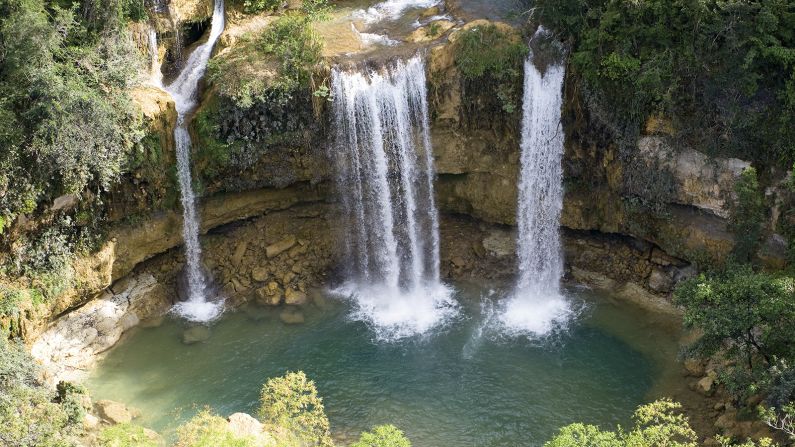
While Puerto Rico boasts the unique El Yunque National Forest (the only tropical rainforest in the US National Forest System, entry often free but requires reservation for main trails), hiking trails like La Mina and popular waterfalls like La Coca, and the famed bioluminescent bays, the Dominican Republic offers a grander scale of natural adventure. The DR is home to Pico Duarte, the Caribbean's highest peak (3,098m), offering multi-day, challenging treks with guides (around $300-500 USD for a 3-day trip). The Samaná Peninsula is world-renowned for humpback whale watching from January to March (tours $50-100 USD). You'll find stunning waterfalls like Salto El Limón (horseback riding tour around $30-50 USD), vast national parks like Jaragua with diverse ecosystems, and incredible caves. The sheer size and varied topography of the DR mean more extreme and diverse outdoor adventures, from serious mountaineering to extensive caving and incredible biodiversity. "Pico Duarte was easily the most challenging and rewarding hike I've done in the Caribbean," a hiker shared. PR is beautiful, but DR's natural offerings feel more epic.
Winner takeaway
- Winner: Dominican Republic
- Why: The Dominican Republic provides a wider array of large-scale, dramatic natural landscapes and more intense adventure opportunities.
- Who this matters for: Serious hikers, extreme sports enthusiasts, and wildlife watchers (especially whales).
🚨 Safety & Vibe
Puerto Rico generally feels safer and more relaxed for tourists, particularly outside of specific urban areas in San Juan that you'd avoid anywhere. The vibe is incredibly welcoming and laid-back, especially in Old San Juan or smaller towns. While petty crime exists, it's less pervasive than in some parts of the DR. The presence of US laws and infrastructure also provides a certain level of familiarity and perceived safety for many international visitors. The Dominican Republic, while largely safe in major tourist zones like Punta Cana (where resorts have their own security), requires a higher degree of street smarts and awareness when venturing into cities like Santo Domingo or non-touristy areas. There's a noticeable economic disparity that can lead to more aggressive street vendors or petty theft. The energy is vibrant and infectious, but can sometimes feel a bit overwhelming for those not used to it. "I felt totally comfortable walking around Old San Juan at night, even solo," a female traveler mentioned, underscoring the relaxed atmosphere. While both destinations require vigilance, PR edges out DR for a more consistently comfortable and secure feeling for independent travelers.
Winner takeaway
- Winner: Puerto Rico
- Why: Puerto Rico offers a more consistently relaxed and secure environment for independent travelers, with less need for heightened vigilance.
- Who this matters for: Solo travelers, families with young children, and those prioritizing a generally worry-free atmosphere.
🏨 Accommodation Options
Both Puerto Rico and the Dominican Republic offer excellent, though distinct, accommodation options. In Puerto Rico, you'll find a fantastic mix: high-end luxury hotels like The St. Regis Bahia Beach Resort (starting $800+ USD/night), charming boutique hotels in Old San Juan (e.g., Hotel El Convento, $200-400 USD/night), reliable chain hotels in Condado, and a robust selection of Airbnbs and guesthouses across the island, perfect for independent exploration. The focus isn't primarily on all-inclusive. The Dominican Republic, conversely, is famous for its sprawling, luxurious all-inclusive resorts, particularly in Punta Cana, offering incredible value for families and those seeking a pampered, hassle-free vacation (e.g., Hard Rock Hotel & Casino Punta Cana, $350-700+ USD/night). However, outside of these resorts, you can find charming boutique hotels in Santo Domingo's Zona Colonial (e.g., Hodelpa Nicolás de Ovando, $150-300 USD/night) and very affordable guesthouses ('apartahotels') in local towns. Each caters to a different travel style. "Punta Cana resorts are insane value if you just want to relax and not think about anything," a resort-lover shared, while another praised PR's unique boutique stays. It's a tie because each excels in its preferred niche.
Winner takeaway
- Winner: Tie
- Why: Both destinations offer excellent accommodation options, each excelling in distinct niches (PR for variety, DR for all-inclusive resorts).
- Who this matters for: Travelers with specific accommodation preferences – whether it's all-inclusive luxury or boutique, independent stays.
👨👩👧👦 Family Friendliness
Both Puerto Rico and the Dominican Republic offer fantastic family vacation opportunities, just in different ways. Puerto Rico shines for families who want to explore beyond a resort. With no passport required for US citizens, it's a seamless entry. Kids will love exploring El Yunque Rainforest, building sandcastles at Luquillo Beach, kayaking in the bioluminescent bays (though some tours have age limits), and discovering the forts of Old San Juan. The infrastructure is familiar, and access to pharmacies and medical care is comparable to the US. The Dominican Republic excels for families desiring an all-inclusive resort experience, especially in Punta Cana. These resorts often have dedicated kids' clubs, water parks, multiple pools, and endless activities, allowing parents to relax while children are entertained. Many offer family suites and babysitting services. Outside resorts, the DR can be a bit more challenging for families due to less familiar infrastructure and language barriers, but places like Santo Domingo's Colonial Zone are still great for older kids. "For young kids, the all-inclusive in DR was a lifesaver, zero planning needed," a parent mentioned. Conversely, another loved "the freedom of exploring PR with our older kids." It's a tie because they cater to different family travel styles equally well.
Winner takeaway
- Winner: Tie
- Why: Both destinations are highly family-friendly, catering to different family travel styles (PR for independent exploration, DR for all-inclusive resorts).
- Who this matters for: Families with children of all ages, depending on whether they prefer independent adventure or resort-based relaxation.
❓ Frequently Asked Questions
Do US citizens need a passport to visit Puerto Rico or the Dominican Republic?
US citizens do NOT need a passport to visit Puerto Rico, as it is a US territory. A valid government-issued ID like a driver's license is sufficient for entry. For the Dominican Republic, a valid passport is required for entry.
What's the best time of year to visit either destination?
The best time to visit both Puerto Rico and the Dominican Republic is generally from December to May. This period avoids hurricane season (June-November) and offers cooler, drier weather with pleasant temperatures. However, it's also peak tourist season, so expect higher prices and larger crowds.
Is English widely spoken in Puerto Rico and the Dominican Republic?
In Puerto Rico, English is widely spoken, especially in tourist areas and major cities, as it's an official language alongside Spanish. In the Dominican Republic, English is common in all-inclusive resorts and major tourist hubs like Punta Cana, but less so in local towns or rural areas where Spanish is dominant. Learning some basic Spanish phrases is always appreciated.
Which destination is better for solo female travelers?
Both destinations require common sense and awareness for solo female travelers. Puerto Rico is often perceived as slightly safer and easier to navigate solo due to its US territory status and more familiar infrastructure. The Dominican Republic is also doable, but requires a bit more vigilance, especially outside of resort areas, and comfort with navigating in a more distinctly Latin American culture where catcalling can be more prevalent.
What are the key cultural differences to be aware of?
Puerto Rico blends US influences with a vibrant Spanish-Caribbean 'Criolla' culture, feeling very familiar yet distinctly Latin. The Dominican Republic offers a deeper dive into traditional Caribbean culture, being the birthplace of merengue and bachata, with a stronger emphasis on family, music, and a more pronounced 'foreign' feel due to its independent status and unique history as the first European settlement in the Americas.
Can I use US dollars in both places?
Yes, you can use US dollars in Puerto Rico as it is the official currency. In the Dominican Republic, the official currency is the Dominican Peso (DOP), but US dollars are widely accepted in tourist areas, hotels, and major establishments. However, you'll generally get a better exchange rate and avoid inflated tourist prices by paying in pesos for local transactions.
Which has better opportunities for off-the-beaten-path exploration?
While both offer hidden gems, the Dominican Republic probably edges out Puerto Rico for truly 'off-the-beaten-path' exploration due to its larger size and less developed tourist infrastructure outside of major hubs. You can find more remote mountain villages, pristine national parks, and untouched beaches, though this often requires more adventurous travel and local guidance. Puerto Rico's 'hidden gems' are often more accessible and well-known among independent travelers.
How do the healthcare systems compare for travelers?
Puerto Rico's healthcare system is part of the US system, meaning US citizens can use their health insurance, and facilities generally meet US standards. This provides a significant comfort level for travelers. The Dominican Republic has a developing healthcare system; while there are good private hospitals in major cities like Santo Domingo and Punta Cana, travel insurance with medical coverage is highly recommended for all visitors.
Ready to plan your Caribbean trip?
Get a free custom itinerary for Puerto Rico, Dominican Republic, or both — built from real traveler insights.
🎟️ Book Tours & Experiences
Hand-picked tours and activities for both destinations — book with free cancellation
Experiences via Viator — free cancellation on most tours