How we built this comparison
This page combines traveler discussion patterns, published price ranges, flight schedules, and seasonal data to help you decide between Puglia and Sicily.
- Reviewed 50+ Reddit threads from r/travel, r/solotravel, r/ItalyTravel, and region-specific forums.
- Verified costs and logistics against current booking platforms (Booking.com, Rentalcars.com, Skyscanner) for accuracy.
- Cross-referenced seasonal patterns, weather data, and local event calendars for optimal travel timing.
⚡ The TL;DR Verdict
Puglia is ideal for those seeking rustic charm, stunning beaches, and authentic slow travel with a slightly lower budget (expect €80-€150/$85-$160 daily). Sicily offers a deeper dive into history, dramatic landscapes, and a vibrant, albeit sometimes chaotic, cultural experience, often costing a bit more (€100-€200/$105-$215 daily).
- Choose Puglia: If you dream of picturesque white-washed towns, unique trulli stays, olive groves stretching to the sea, and delicious, simple food without the crowds of northern Italy. Perfect for relaxed road trips.
- Choose Sicily: For history buffs, adventurers craving volcanic landscapes (Etna!), and foodies wanting a complex blend of Mediterranean cultures. Expect bigger island-hopping distances and more intense city experiences.
- Choose Both: If you have at least 3 weeks and want a comprehensive Southern Italy experience. Fly into Bari, spend 10-12 days exploring Puglia, then fly from Bari/Brindisi to Catania/Palermo for another 10-12 days in Sicily. It's ambitious but rewarding.
Quick Comparison
| Category | Puglia | Sicily | Winner |
|---|---|---|---|
| Beaches & Coastline | Caribbean-like Salento beaches, dramatic cliffside towns, accessible coves. | Iconic white cliffs, volcanic black sand, stunning island escapes, turquoise bays. | Tie |
| Food & Wine | Simple, rustic, farm-to-table cuisine; incredible olive oil, burrata, orecchiette. | Rich, complex flavors; Arab-influenced street food, seafood, cannoli, arancini. | Sicily |
| Culture & History | Baroque architecture, unique trulli, Romanesque churches, medieval castles. | Ancient Greek temples, Roman villas, Norman cathedrals, Arab markets, Byzantine mosaics. | Sicily |
| Costs & Budget | Generally more affordable, especially for accommodation and local food. | Can be pricier, particularly in tourist hotspots like Taormina, but good value outside main cities. | Puglia |
| Getting Around | Easier to navigate with a car, good road quality, shorter distances between key sights. | Larger island, longer drives, more challenging roads, limited public transport outside cities. | Puglia |
| Accommodation | Unique trulli, charming masserie, boutique hotels in historic centers. | Historic palazzos, agriturismi, villas with stunning views, diverse city hotels. | Puglia |
| Nightlife & Entertainment | Relaxed aperitivo culture, lively beach clubs in summer, local sagre (festivals). | Vibrant urban nightlife, live music, diverse bars in major cities, summer festivals. | Sicily |
| Nature & Outdoors | Olive groves, karst landscapes, coastal reserves, cave systems. | Active volcano, stunning island archipelagos, dramatic gorges, diverse hiking. | Sicily |
| Family Travel | Safe, relaxed pace, accessible beaches, unique trulli stays, farm experiences. | Engaging history, adventurous activities, longer travel times, more bustling cities. | Puglia |
| Safety & Solo Travel | Generally very safe, relaxed, welcoming, easy to navigate as a solo traveler. | Safe but requires more street smarts in big cities, driving can be intense, warm hospitality. | Puglia |
🏖️ Beaches & Coastline
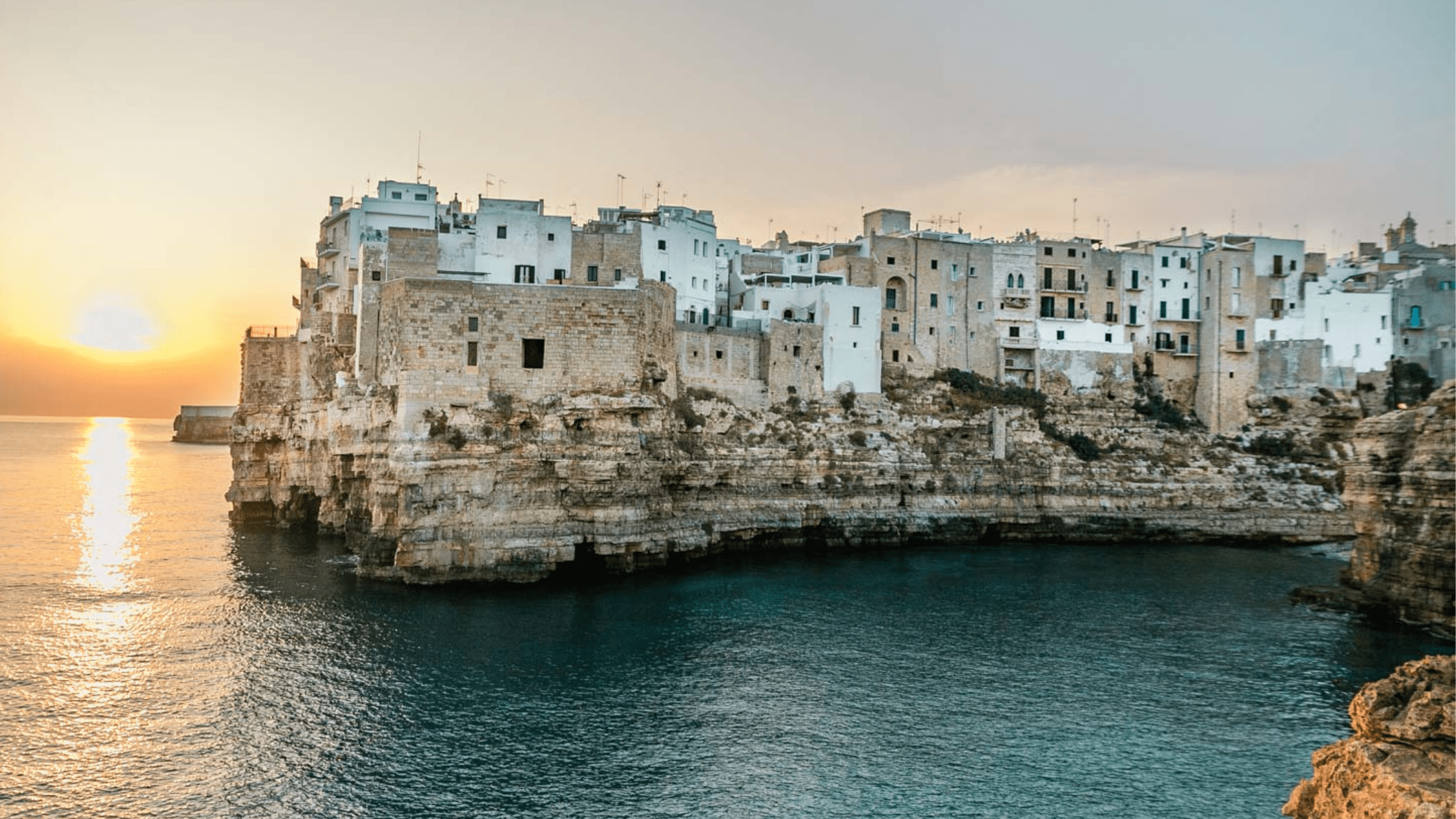
Both regions boast some of Italy's most breathtaking coastlines, making this category a true tie, depending on your preference. Puglia's Salento peninsula is famed for its 'Maldives of Salento' beaches like Pescoluse and Punta Prosciutto, offering fine white sand and incredibly clear, shallow waters perfect for families. The iconic Polignano a Mare features dramatic cliffs and the famous Lama Monachile cove. You can rent a beach chair and umbrella for around €20-€30 ($21-$32) a day. Sicily counters with the stunning Scala dei Turchi near Agrigento, a white marl cliff formation that looks otherworldly. The Zingaro Nature Reserve offers pristine, untouched coves accessible only by foot or boat, and the Aeolian Islands (especially Lipari and Stromboli) provide dramatic volcanic landscapes and unique black sand beaches. San Vito Lo Capo is a classic, large sandy beach. "Honestly, I still dream about the water clarity in Salento, but Etna looming over Taormina's coast was something else entirely." Both offer fantastic boat tours, from exploring sea caves in Puglia's Gargano to circumnavigating the Aeolian Islands in Sicily (expect €50-€100/$55-$105 per person for a full-day tour).
Winner takeaway
- Winner: Tie
- Why: Both offer diverse and spectacular coastal experiences, from sandy paradises to dramatic cliff formations, catering to all tastes.
- Who this matters for: Beach lovers, families, photographers, and those seeking coastal relaxation or adventure.
🍝🍷 Food & Wine
While Puglia's cucina povera (peasant cooking) is incredibly delicious and authentic, Sicily edges it out for sheer variety and historical influences. Puglia excels in fresh, simple ingredients: handmade orecchiette pasta, creamy burrata cheese, friselle, and an abundance of seafood (ricci di mare, octopus). The region is the largest producer of olive oil in Italy, and tasting tours are a must, often costing €20-€40 ($21-$42). Sicily, however, is a culinary melting pot with Greek, Arab, Norman, and Spanish influences. Think arancini (fried rice balls), pasta alla Norma (eggplant, ricotta salata), panelle (chickpea fritters), and incredible seafood like swordfish. Their pastries (cannoli, cassata) are world-famous and a street food culture in Palermo and Catania is vibrant, offering delicious bites for just a few euros. "The street food in Palermo blew my mind, felt like a whole different country compared to the rest of Italy." Wine in Sicily, particularly Etna Rosso, is also gaining international acclaim, offering a more diverse oenological experience than Puglia's Primitivo and Negroamaro, good as they are.
Winner takeaway
- Winner: Sicily
- Why: Sicily offers a more diverse and historically influenced culinary landscape, from complex street food to unique wines.
- Who this matters for: Serious foodies, culinary adventurers, and those who appreciate a rich blend of cultural influences in their meals.
🏛️ Culture & History
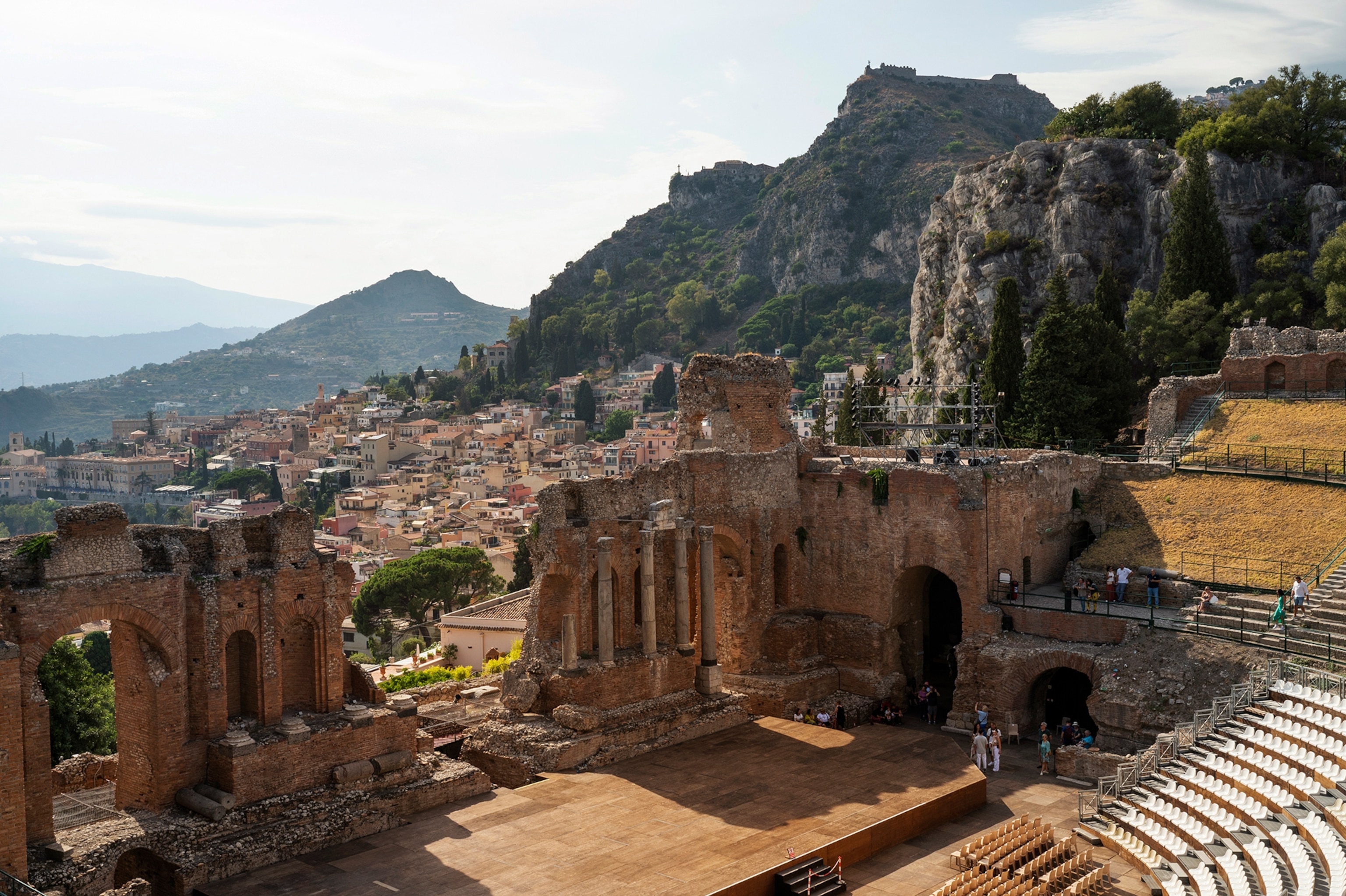
Sicily is an open-air museum, undeniably winning this category due to its millennia of diverse rulers. The Valley of the Temples in Agrigento (entrance ~€12-€15/$13-$16) rivals anything in Greece itself. Syracuse boasts Greek and Roman theaters, and the Villa Romana del Casale contains some of the world's best-preserved Roman mosaics (entrance ~€10/$11). Palermo is a chaotic masterpiece of Norman cathedrals, Arab markets, and Baroque churches. Puglia's historical offerings are beautiful but less varied. Lecce is a Baroque gem, often called the 'Florence of the South,' with stunning facades. Alberobello's trulli (UNESCO site, free to wander) are unique and charming. Castel del Monte, an octagonal fortress, is another UNESCO highlight (€7/$7.50 entrance). While Puglia offers a distinct Italian experience, Sicily's layers of Greek, Roman, Byzantine, Arab, and Norman history provide an unparalleled depth of cultural immersion. "After seeing the Greek temples in Agrigento and then Palermo's crazy mix, Puglia's history felt a little less epic, though Lecce is gorgeous."
Winner takeaway
- Winner: Sicily
- Why: Sicily offers an unparalleled depth and variety of ancient history and diverse cultural influences, from Greek to Arab.
- Who this matters for: History buffs, archaeology enthusiasts, and those seeking a profound cultural journey.
💰 Costs & Budget
Puglia generally offers better value for money, making it the winner for budget-conscious travelers. Accommodation, particularly masserie (fortified farmhouses) or trulli in the Valle d'Itria, can be found for €70-€150 ($75-$160) per night, even in high season if booked in advance. A good pasta dish in a local osteria might cost €10-€15 ($11-$16), and a glass of local wine €4-€6 ($4.50-$6.50). Car rental is essential for both, but fuel prices are similar. Sicily, while not exorbitantly expensive, has higher price points in its most popular areas like Taormina, where a decent hotel can easily run €150-€300+ ($160-$320+) and restaurant meals are slightly inflated. Outside these hotspots, Sicily can be very affordable, but the average cost per day tends to be higher due to potentially pricier activities (e.g., Etna tours at €60-€100/$65-$105) and longer distances increasing fuel costs. "Puglia felt like I could actually afford a really nice dinner and a cool Airbnb without breaking the bank, unlike some parts of Sicily."
Winner takeaway
- Winner: Puglia
- Why: Puglia offers a consistently lower cost of living and travel, especially for unique accommodations and authentic dining experiences.
- Who this matters for: Budget travelers, those seeking value, and travelers who prefer rustic charm over luxury resorts.
🚗 Getting Around
Puglia is significantly easier to navigate by car, making it the winner for hassle-free travel. The distances between its charming towns like Ostuni, Locorotondo, Alberobello, and Lecce are relatively short (30-60 minute drives), allowing you to base yourself in one or two spots and do easy day trips. Roads are generally well-maintained, and parking, while sometimes tricky in historic centers, is manageable. A compact car rental typically costs €30-€50 ($32-$55) per day. Sicily, being a much larger island, requires more driving and often on less forgiving roads. The Autostrada (highway) network is decent between major cities, but venturing into mountainous or coastal areas can mean narrow, winding roads and aggressive drivers. Public transport is unreliable outside of the main city-to-city routes. You'll spend more time in the car covering longer distances, for example, Palermo to Syracuse is a 3-hour drive. "Driving in Puglia was a breeze compared to Sicily, especially around Etna and those tiny mountain towns. Felt less stressful." For an efficient trip in Sicily, expect to change bases more frequently or embrace long driving days.
Winner takeaway
- Winner: Puglia
- Why: Puglia offers a more relaxed and efficient driving experience with shorter distances between major attractions and better road conditions.
- Who this matters for: Road trippers, families, older travelers, and anyone who prefers less stressful navigation.
🏠 Accommodation
Puglia takes the lead in unique and charming accommodation experiences. The region's iconic trulli, whitewashed cone-roofed houses, offer a truly distinctive stay, especially in Alberobello or Locorotondo, with prices from €80-€200 ($85-$215) depending on size and amenities. Masserie, fortified farmhouses converted into luxurious guesthouses or hotels, provide an authentic rural escape, often with pools and farm-to-table dining, costing €120-€400+ ($130-$430+). These options are deeply integrated into the local culture. Sicily offers a wider range of standard hotel options and beautiful agriturismi (farm stays) which are fantastic, particularly around Mount Etna or in the countryside. You can find stunning villas, especially around Taormina or Syracuse, but they tend to be pricier. Historic palazzos in Palermo and Catania offer grand experiences. "Staying in a trullo was seriously one of the coolest travel experiences I've ever had. So unique." While Sicily has excellent options, Puglia's signature accommodations like trulli and masserie offer a more distinctly regional and memorable stay.
Winner takeaway
- Winner: Puglia
- Why: Puglia offers more uniquely regional and charming accommodation types, like trulli and masserie, providing a distinct travel experience.
- Who this matters for: Travelers seeking unique stays, honeymooners, and those who prioritize local charm in their lodging.
🎉 Nightlife & Entertainment
Sicily, particularly its major cities, offers a more robust and diverse nightlife scene. Palermo and Catania come alive after dark with numerous bars, pubs, live music venues, and clubs catering to a younger, energetic crowd. You can find everything from sophisticated cocktail bars to student hangouts. Taormina also has a more upscale, albeit tourist-focused, evening buzz. Puglia's nightlife is generally more relaxed and seasonal. In summer, coastal towns like Gallipoli, Monopoli, and Polignano a Mare buzz with beach clubs and outdoor bars, particularly on weekends. Lecce has a charming aperitivo culture and some nice wine bars. However, outside of peak summer, the options diminish significantly. "We hit up Catania after a day on Etna, and the energy in the streets with all the bars open was just amazing, totally unexpected." While Puglia offers pleasant evenings, Sicily provides more consistent and varied options for those looking to stay out late, especially if you're not visiting during the peak beach season.
Winner takeaway
- Winner: Sicily
- Why: Sicily offers a more vibrant and diverse urban nightlife, particularly in Palermo and Catania, catering to a broader range of preferences.
- Who this matters for: Younger travelers, solo travelers looking to socialize, and those who enjoy vibrant city evenings.
⛰️ Nature & Outdoors
Sicily takes the crown for its dramatic and varied natural landscapes, largely thanks to Mount Etna. Hiking on an active volcano is an unparalleled experience, with various tours available ranging from easy walks to challenging ascents (guided tours often €60-€150/$65-$160). The Aeolian Islands offer volcanic beaches, hot springs, and opportunities for island hopping. The Alcantara Gorges provide unique basalt formations and a chance for river trekking. The Zingaro Nature Reserve on the west coast is fantastic for hiking and swimming in pristine coves. Puglia's natural beauty is more understated but still charming: the rugged Gargano Peninsula with its dense forests and sea stacks, the grottoes of Castellana (entrance ~€18/$19), and the vast olive groves of the Valle d'Itria. "Hiking Etna was literally breathtaking, nothing in Puglia really compares to that raw power and lunar landscape." While Puglia offers beautiful rural scenery and coastal walks, Sicily's volcanic terrain and island archipelagos provide a more adventurous and diverse outdoor playground.
Winner takeaway
- Winner: Sicily
- Why: Sicily's active volcano, Mount Etna, and diverse island archipelagos offer more dramatic and unique outdoor adventure opportunities.
- Who this matters for: Adventure seekers, hikers, geology enthusiasts, and those looking for unique natural phenomena.
👨👩👧👦 Family Travel
Puglia is generally a more relaxed and family-friendly destination. Its stunning, shallow Salento beaches are perfect for children, and the slower pace of life in its white-washed towns like Ostuni and Locorotondo is less overwhelming. Staying in a trullo or a masseria often means access to a pool and plenty of space for kids to run around, offering a unique and memorable experience. The food is simple, fresh, and generally appealing to younger palates. Distances between attractions are shorter, reducing travel fatigue. "Puglia felt so easy with our kids. The beaches were perfect, and they loved staying in a trullo!" Sicily, while also great for families, can be more challenging. Long driving distances, busier cities (Palermo, Catania), and more complex historical sites might be less engaging for very young children. However, older kids might love the adventure of Etna, the Roman chariot races in Piazza Armerina (Via Romana del Casale), or exploring ancient temples. Its natural beauty and history are enriching, but require more planning and potentially more patience from younger travelers.
Winner takeaway
- Winner: Puglia
- Why: Puglia offers a more relaxed pace, very accessible family-friendly beaches, and unique, spacious accommodation options ideal for children.
- Who this matters for: Families with young children, those seeking a less stressful vacation, and travelers who enjoy rural, charming settings.
🚶♀️ Safety & Solo Travel
Puglia takes the edge for safety and ease of solo travel due to its generally more relaxed atmosphere and smaller, charming towns. Violent crime is rare in both regions, but petty crime like pickpocketing is more prevalent in Sicily's larger cities like Palermo and Catania, particularly around crowded markets or tourist attractions. Puglia's towns feel very welcoming and safe to wander alone, even at night. The smaller scale means it's easier to strike up conversations and feel connected. "As a solo female traveler, I felt incredibly safe and comfortable exploring Puglia on my own, even driving around after dark." While Sicily is generally safe for solo travelers, the intensity of city driving, the larger distances, and the need for more vigilance in urban areas can be a bit more daunting for someone traveling alone. However, Sicilians are famously hospitable, and solo travelers will find a warm welcome and plenty of opportunities for interaction outside of the major tourist hubs. Both offer excellent culinary experiences for solo diners, often in casual, friendly trattorias.
Winner takeaway
- Winner: Puglia
- Why: Puglia offers a slightly more relaxed and inherently safer feel for solo travelers, especially in its charming, smaller towns.
- Who this matters for: Solo female travelers, first-time solo travelers, and those seeking a very relaxed and secure environment.
❓ Frequently Asked Questions
Which region has better beaches: Puglia or Sicily?
It's a tie, depending on your preference! Puglia's Salento peninsula boasts 'Maldives-like' fine white sand and shallow turquoise waters, ideal for families (e.g., Pescoluse). Sicily offers more dramatic coastlines like Scala dei Turchi's white cliffs, volcanic black sand beaches, and the pristine coves of Zingaro Nature Reserve. Both are spectacular.
Is it easy to get between Puglia and Sicily?
Direct travel isn't super quick. You'll likely need to fly. Bari or Brindisi in Puglia have connections to Catania or Palermo in Sicily. Otherwise, a very long train journey with a ferry crossing at Messina is an option, but not recommended for efficiency. Flying is the best choice, taking about 1.5-2 hours.
Which region is more expensive for a holiday?
Puglia is generally more affordable. Accommodation, especially unique stays like trulli and masserie, can be found for good value. Food is also a bit cheaper. Sicily can be more expensive, particularly in popular spots like Taormina, and activities like Etna tours can add up. Expect to spend 15-20% more in Sicily on average.
Do I need a car to visit Puglia or Sicily?
Absolutely, a car is highly recommended for both regions to truly explore. Public transport outside of major cities is very limited and unreliable. A car gives you the freedom to discover hidden coves, rural villages, and remote historical sites that are otherwise inaccessible.
Which region is better for a honeymoon?
Puglia wins for a romantic, laid-back honeymoon. Its charming masserie with pools, exquisite local food, and picturesque white towns like Ostuni create a serene, intimate atmosphere. Sicily offers adventure and history but might feel a bit more chaotic for a purely romantic escape, although Taormina is a popular honeymoon spot.
What's the best time of year to visit Puglia or Sicily?
Late spring (April-May) or early autumn (September-October) are ideal for both. The weather is pleasant, crowds are thinner, and prices are lower than peak summer (July-August). In summer, both can be very hot and crowded, especially coastal areas, though the sea is perfect for swimming.
Which region has better food?
Both have incredible food! Puglia is known for its simple, fresh 'cucina povera' – think orecchiette, burrata, and abundant olive oil. Sicily, however, offers a more diverse and complex culinary landscape, with strong Arab, Greek, and Norman influences, reflected in its arancini, cannoli, and seafood dishes. Sicily wins on sheer variety and unique street food.
Is solo travel safe in Puglia and Sicily?
Yes, both are generally safe for solo travelers. Puglia feels slightly more relaxed due to its smaller towns and slower pace. Sicily is safe, but requires a bit more street smarts in bustling cities like Palermo and Catania, where petty crime can occur. Both offer warm hospitality and plenty of opportunities to meet locals.
Ready to plan your Southern Italy trip?
Get a free custom itinerary for Puglia, Sicily, or both — built from real traveler insights.
🎟️ Book Tours & Experiences
Hand-picked tours and activities for both destinations — book with free cancellation
Experiences via Viator — free cancellation on most tours