How we built this comparison
This page combines traveler discussion patterns, published price ranges, flight schedules, and seasonal data to help you decide between Pyongyang and Seoul.
- Reviewed 50+ Reddit threads from r/travel, r/solotravel, r/SouthKoreaTravel, and r/NorthKorea for real traveler experiences and advice.
- Verified costs and logistics against current booking platforms for flights, hotels, and authorized tour operators.
- Cross-referenced seasonal patterns and weather data for optimal travel timing and activity recommendations.
⚡ The TL;DR Verdict
For those seeking an unparalleled, highly controlled glimpse into a unique political system and monumental architecture, Pyongyang offers a truly once-in-a-lifetime (and expensive) experience at $800-1500+ per day. However, for a vibrant, modern, and freely explorable cultural powerhouse with world-class food, nightlife, and shopping, Seoul is the undisputed champion, with daily budgets ranging from a budget-friendly $70-100 to luxurious $300+.
- Choose Pyongyang: Choose Pyongyang if your primary goal is a highly organized, deeply unique, and politically significant travel experience, where freedom is traded for unparalleled access to a society unlike any other. Best for history buffs, political science enthusiasts, or those seeking extreme novelty.
- Choose Seoul: Choose Seoul if you crave dynamic city life, incredible food, diverse culture, efficient infrastructure, and the freedom to explore at your own pace. Perfect for foodies, K-pop fans, tech enthusiasts, and solo adventurers seeking convenience and endless entertainment.
- Choose Both: Doing both isn't really an option in one continuous trip due to border restrictions. However, if you are drawn to both the historical depth and modern vibrancy of the Korean Peninsula, consider separate, distinct trips: perhaps a 4-7 day organized tour to Pyongyang, and a more extensive 7-14 day exploration of Seoul and its surrounding areas.
Quick Comparison
| Category | Pyongyang | Seoul | Winner |
|---|---|---|---|
| Accessibility & Getting There | Highly restricted; requires tour group, specific flights/trains, often via Beijing. Visa process is complex. | Extremely accessible via major international airlines to Incheon (ICN). Visa-free for many nationalities. Easy onward travel. | Seoul |
| Cost of Travel | Very expensive due to mandatory all-inclusive tour packages (flights, guides, accommodation, food, activities). No budget options. | Wide range from budget to luxury. Excellent value for money, especially for food, transport, and mid-range hotels. | Seoul |
| Cultural Immersion | Highly curated, monumental, and propaganda-driven experience. Focus on national identity, historical sites, and carefully managed interactions. | Dynamic mix of ancient traditions and hyper-modern trends. Rich historical sites, vibrant arts, K-pop, tech culture, and everyday local life. | Seoul |
| Food Scene | Meals are pre-arranged and often basic, but can include local specialties like Pyongyang cold noodles. Limited choice and flexibility. | World-class, diverse, and affordable. From street food to Michelin-starred restaurants, K-BBQ, bibimbap, tteokbokki, and endless cafes. | Seoul |
| Accommodation | Limited to tourist-designated hotels like the Koryo Hotel or Yanggakdo International Hotel. Basic amenities, controlled environment. | Vast range from luxury hotels to boutique guesthouses, design hotels, traditional hanok stays, and budget hostels. High standards of service. | Seoul |
| Local Transport & Freedom | Movement is entirely controlled by guides and tour vehicles. No independent exploration or public transport use. Pyongyang Metro access is limited and supervised. | Incredibly efficient, affordable, and extensive public transport (subway, buses). Freedom to explore independently. Taxis readily available. | Seoul |
| Safety & Regulations | Extremely safe in terms of personal crime, but strict rules, surveillance, and potential for severe consequences for infractions. No freedom. | One of the safest major cities globally with very low crime rates. Freedom with general urban safety precautions. Strict adherence to local laws. | Seoul |
| Nightlife & Entertainment | Virtually non-existent for tourists beyond hotel bars or pre-arranged performances. No independent nightlife scene. | World-renowned nightlife districts (Hongdae, Gangnam, Itaewon), K-pop concerts, PC bangs, karaoke (noraebang), late-night cafes, and diverse cultural performances. | Seoul |
| Shopping & Souvenirs | Limited to tourist shops in hotels or designated sites, offering propaganda art, ginseng, and basic curios. Cash only (USD/EUR/CNY). | World-class shopping from luxury brands to K-beauty, fashion, tech gadgets, traditional crafts, and bustling markets. Tax-free options available. | Seoul |
| Day Trips & Nature | Limited, pre-arranged excursions to sites like the DMZ (Panmunjom), Myohyangsan mountains, or Nampo. No independent nature exploration. | Extensive options for day trips to historical sites (Suwon Fortress), beautiful national parks (Bukhansan, Seoraksan), coastal towns, and theme parks. | Seoul |
✈️ Accessibility & Getting There
Getting to Pyongyang is an adventure in itself, primarily handled by a handful of authorized tour agencies like Koryo Tours or Young Pioneer Tours. You'll typically fly via Air Koryo from Beijing Capital International Airport (PEK), which costs around €300-€500 (~$320-$540) round trip, or take a 24-hour train journey, also from Beijing, for a similar price. The entire process, including visa approval, is managed by your tour operator and can take weeks. There's no independent travel here. Conversely, Seoul is one of the most connected cities globally. Major airlines fly directly into Incheon International Airport (ICN), a multi-award-winning hub. A flight from Los Angeles (LAX) might cost $800-$1200, from London (LHR) $700-$1100, and from Tokyo (NRT) $200-$400, depending on the season. Most Western nationalities enjoy visa-free entry for up to 90 days, making spontaneous trips entirely feasible. Once you land at ICN, the AREX Express train will whisk you to Seoul Station in 43 minutes for just KRW 9,500 (~$7). "Honestly, landing in Incheon felt like stepping into the future, everything was so seamless from the plane to the city center." The ease and freedom of access to Seoul are simply unparalleled.
Winner takeaway
- Winner: Seoul
- Why: Seoul is vastly superior in accessibility, offering easy direct flights, simple visa procedures, and excellent airport transfer options for global travelers.
- Who this matters for: This matters most for any traveler prioritizing convenience, flexibility, and direct global connectivity.
💰 Cost of Travel
Travel to Pyongyang is almost exclusively through pre-booked, all-inclusive tour packages, meaning there are no 'budget' options. A typical 4-day tour package, including flights from Beijing, accommodation, all meals, transport, and guides, starts from around €1200 (~$1300) and can easily go up to €2500+ (~$2700+) for longer or more specialized tours. On top of that, you'll need spending money for souvenirs, drinks, and tips, which can add another €100-€300. There's virtually no opportunity to save money by finding cheaper food or accommodation; it's all part of the package. Seoul, on the other hand, is remarkably versatile for all budgets. A budget traveler can easily get by on KRW 70,000-100,000 (~$50-$75) per day by staying in hostels (dorms from KRW 20,000/$15), eating street food (KRW 5,000-10,000/$4-$8 per meal) or local eateries, and using the incredible subway system (KRW 1,250/$1 per ride). Mid-range travelers can enjoy comfortable hotels (KRW 80,000-150,000/$60-$110), trendy cafes, and diverse restaurants for KRW 150,000-250,000 (~$110-$185) daily. Even luxury experiences are reasonably priced compared to Western capitals. "I seriously ate like a king in Seoul for less than I'd spend on groceries at home. The street food scene is a lifesaver for the wallet!" The sheer variety and value for money make Seoul an undisputed winner.
Winner takeaway
- Winner: Seoul
- Why: Seoul offers an incredible range of options for every budget, providing excellent value and freedom of choice, whereas Pyongyang is exclusively high-cost and inflexible.
- Who this matters for: This is crucial for budget-conscious travelers and those who prefer to control their spending and travel style.
🎭 Cultural Immersion
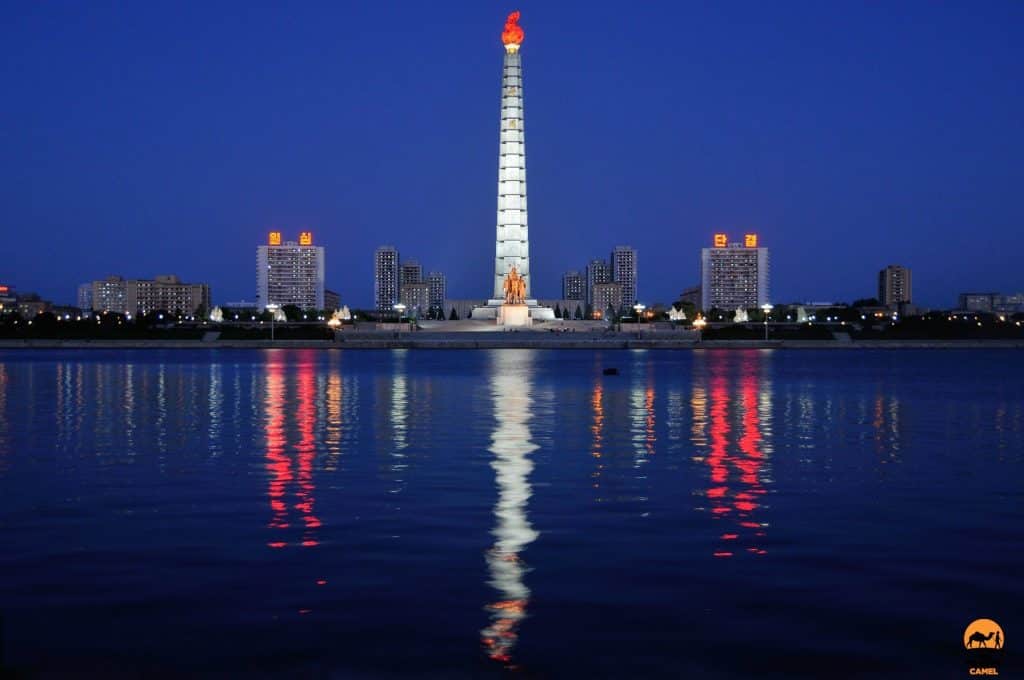
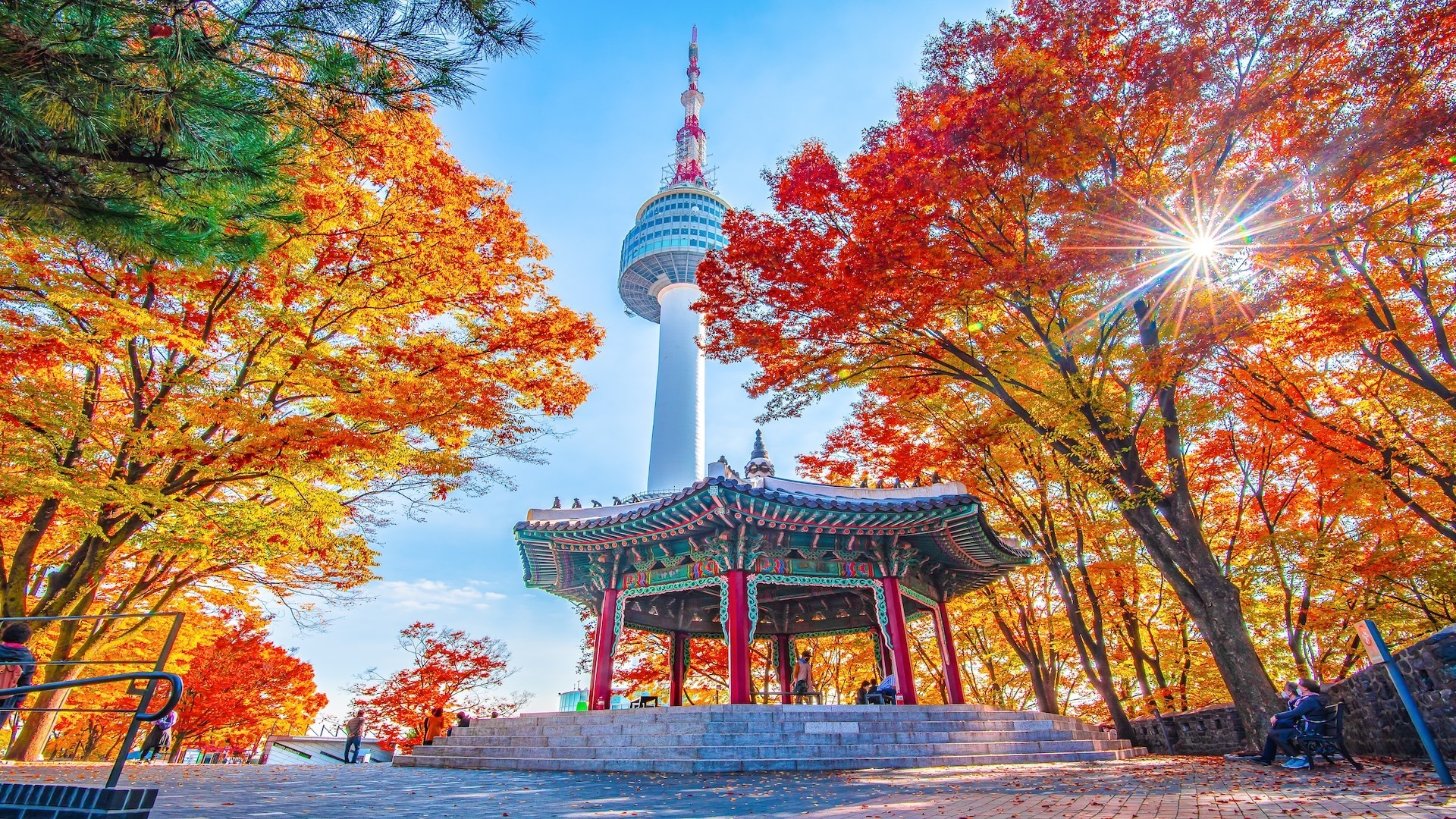
Pyongyang offers a profound, albeit highly controlled, cultural immersion. Your experience will be guided, focusing on monumental architecture like the Juche Tower, Mansu Hill Grand Monument, and the Arch of Triumph. Visits to the Kumsusan Palace of the Sun and the War Museum are deeply impactful, showcasing the DPRK's narrative. Interactions with locals are limited and usually pre-arranged, often with model citizens or performers, offering a unique but not 'authentic' slice of everyday life. You'll witness mass dances and performances, but always from a guided perspective. "It's surreal, like walking through a living museum curated with meticulous precision – fascinating but you never forget you're an outsider." Seoul, by contrast, throws you into a whirlwind of culture. You can wander through ancient palaces like Gyeongbokgung and Changdeokgung, explore traditional Bukchon Hanok Village, and then dive into the latest K-pop trends in Gangnam or 홍대 (Hongdae). The street art in Ihwa Mural Village, the contemporary art at Leeum, Samsung Museum of Art, and the vibrant performing arts scene offer endless discovery. You can participate in temple stays, learn to make kimchi, or simply observe the bustling daily life at a local market like Gwangjang Market. The freedom to explore, interact, and discover truly diverse cultural facets makes Seoul's immersion experience far richer and more personal.
Winner takeaway
- Winner: Seoul
- Why: Seoul provides a truly diverse, dynamic, and freely explorable cultural experience, from ancient traditions to cutting-edge trends, allowing for genuine immersion.
- Who this matters for: Ideal for travelers seeking genuine local interactions, a wide spectrum of cultural experiences, and the freedom to explore independently.
🍜 Food Scene
In Pyongyang, your meals are typically part of your tour package and are pre-determined. While you'll get to try local staples like 'Pyongyang naengmyeon' (cold noodles) at the famous Okryu-gwan, or Korean BBQ at designated restaurants, the variety is limited, and the quality can be inconsistent. You don't have the freedom to just wander into a local eatery or try street food. Portions are generally hearty, but it’s more about sustenance than culinary exploration. "The cold noodles were good, but after a few days, I really missed having options beyond what the tour provided." Seoul, however, is a foodie paradise. It's not just about K-BBQ; the city boasts an incredible array of flavors. You can feast on delicious street food like tteokbokki (spicy rice cakes) and gyeranppang (egg bread) in Myeongdong or Gwangjang Market for just KRW 3,000-10,000 (~$2-$8). For a sit-down meal, try a hearty kimchi jjigae (kimchi stew) or bibimbap (mixed rice) for KRW 8,000-15,000 (~$6-$12). There are countless trendy cafes in areas like Yeonnam-dong and Garosu-gil, and a growing number of Michelin-starred restaurants if you're looking to splurge. The sheer diversity, accessibility, and affordability of Seoul's food scene are unmatched, catering to every palate and budget imaginable.
Winner takeaway
- Winner: Seoul
- Why: Seoul's food scene is infinitely more diverse, accessible, affordable, and offers unparalleled culinary exploration from street food to fine dining.
- Who this matters for: Essential for foodies, adventurous eaters, and travelers who value gastronomic exploration and variety.
🏨 Accommodation
In Pyongyang, tourists are typically assigned to one of a few designated hotels, with the most common being the Yanggakdo International Hotel or the Koryo Hotel. These are large, somewhat dated hotels from the Soviet era, located on islands or peninsulas for easier monitoring. Rooms are basic but clean, often featuring a mini-fridge, TV with limited channels, and a private bathroom. Amenities might include a rotating restaurant, a small shop, and sometimes a swimming pool, but exploring beyond the hotel grounds without your guides is strictly prohibited. Expect to pay effectively 'included' prices for this, so no direct booking prices are available for tourists. Seoul offers an overwhelming array of accommodation options for every taste and budget. You can find luxury stays like The Shilla Seoul (KRW 400,000+/$300+) or the Four Seasons Hotel Seoul (KRW 500,000+/$370+). For mid-range, design-focused hotels like L7 Myeongdong (KRW 120,000-200,000/$90-$150) offer excellent value. Unique experiences include staying in a traditional hanok guesthouse in Bukchon Hanok Village (KRW 80,000-150,000/$60-$110). Budget travelers have abundant choices in clean, modern hostels, with dorm beds starting at KRW 20,000 (~$15) and private rooms from KRW 50,000 (~$37). "I stayed in a hanok in Bukchon, and it was such a peaceful escape after bustling Seoul. Highly recommend for a unique cultural experience!" The variety, quality, and freedom of choice in Seoul are incomparable.
Winner takeaway
- Winner: Seoul
- Why: Seoul provides a vastly superior range of high-quality accommodation options across all price points, catering to diverse preferences and offering genuine freedom of choice.
- Who this matters for: Important for all travelers, from budget backpackers to luxury seekers, who value comfort, choice, and independent lodging.
🚇 Local Transport & Freedom
In Pyongyang, independent movement is strictly forbidden. You will be escorted by your local guides and driver in a designated tour vehicle at all times. While you might visit certain stations of the Pyongyang Metro – often the grandest ones like Puhung Station or Yonggwang Station – this is a curated experience, not a means of independent travel. You cannot simply hop on and off, or explore the city on foot by yourself. There's no concept of hailing a taxi or using a ride-sharing app. Your itinerary is fixed, and deviations are not permitted. "It's like being in a very exclusive, very managed bubble. You see a lot, but you don't 'explore'." Seoul's public transport system is a marvel of efficiency and convenience. The subway network is extensive, impeccably clean, and incredibly easy to navigate with English signage, covering virtually every corner of the city. A single ride costs around KRW 1,250 (~$1) with a T-Money card. Buses are equally efficient, and taxis are plentiful and affordable, with base fares around KRW 3,800 (~$2.80). Ride-sharing apps like Kakao T are also popular. The freedom to wander, get lost in an alleyway, discover a hidden cafe, or hop on a train to a new neighborhood is fundamental to the Seoul experience. This independent mobility is completely absent in Pyongyang.
Winner takeaway
- Winner: Seoul
- Why: Seoul offers unparalleled freedom of movement and an incredibly efficient, affordable, and accessible public transport system for independent exploration.
- Who this matters for: Crucial for independent travelers, explorers, and anyone who values spontaneity and the ability to navigate a city on their own terms.
👮 Safety & Regulations
Pyongyang is incredibly safe from street crime – you won't encounter pickpockets or muggings, as surveillance and control are pervasive. However, 'safety' here comes with a different kind of risk: violating local laws or customs can lead to severe consequences, including detention. There are strict rules about photography (especially military personnel or unfinished buildings), interacting with locals, and showing disrespect to the leadership. Your guides are always present, enforcing these rules. Freedom of speech and movement are non-existent. "You're safe from crime, but you're constantly aware of the rules and the potential for a misstep. It’s a very different kind of 'safe'." Seoul is consistently ranked as one of the safest large cities in the world. Violent crime is extremely rare, and petty crime like pickpocketing is minimal, especially compared to other major global capitals. You can walk alone at night, use public transport, and leave your belongings unattended in cafes with a high degree of confidence. While general urban precautions are advised, the sense of personal safety and freedom is immense. The rule of law is transparent and predictable. You can express yourself freely and explore without constant fear of reprisal. The critical difference is the freedom to be yourself without inherent risk, which tips the scales heavily in Seoul's favor.
Winner takeaway
- Winner: Seoul
- Why: Seoul offers a high degree of personal safety combined with the fundamental freedom to explore and express oneself without undue fear of legal or political repercussions.
- Who this matters for: Vital for all travelers, particularly solo travelers, families, and anyone prioritizing personal liberty and peace of mind over a controlled environment.
🌃 Nightlife & Entertainment
Pyongyang's nightlife for tourists is essentially limited to the bars within your designated hotel, which might offer local beers like Taedonggang Beer and imported spirits. Sometimes, your tour might include a visit to a bowling alley, a funfair, or a performance, but these are always planned activities and not part of a spontaneous nightlife scene. Independent exploration after dark is not permitted. There are no clubs, live music venues you can just walk into, or local bars to discover. "We had a beer at the hotel bar, and that was pretty much it for 'nightlife'. Interesting, but definitely not a party city." Seoul, on the other hand, is a city that truly comes alive after dark. Iconic districts like Hongdae, Gangnam, and Itaewon buzz with energy until the early hours. You can find everything from trendy cocktail bars and craft breweries to thumping clubs, live music venues, and countless noraebangs (karaoke rooms) where locals and tourists sing their hearts out for KRW 20,000-30,000 (~$15-$22) per hour. Late-night cafes are common, and PC bangs (gaming cafes) are open 24/7. K-pop concerts, cultural performances, and evening markets like Dongdaemun Night Market offer diverse entertainment. The options are endless, catering to every mood and preference, making Seoul a true entertainment hub.
Winner takeaway
- Winner: Seoul
- Why: Seoul boasts a vibrant, diverse, and accessible nightlife and entertainment scene, offering endless options for social interaction and late-night fun, a stark contrast to Pyongyang's near non-existent offerings.
- Who this matters for: Perfect for younger travelers, solo adventurers, and anyone who enjoys social experiences, music, dancing, and late-night activities.
🛍️ Shopping & Souvenirs
Shopping in Pyongyang is a highly controlled experience, confined to designated souvenir shops found within your hotels or at major tourist sites like the Pyongyang Department Store No. 1. You'll find items like propaganda posters, ginseng products, stamps, coins, and basic curios. Prices are typically in Euros, USD, or Chinese Yuan, and cash is usually required. There's no bargaining, and no opportunity to browse local markets or independent stores. The selection is small, and the focus is on items that reflect the state's ideology or local produce. "I bought some stamps and a propaganda poster, mostly for the novelty, but you can't just 'shop' like anywhere else." Seoul, however, is a shopper's paradise. From the high-end luxury boutiques in Gangnam's Apgujeong Rodeo Street to the trendy fashion districts of Myeongdong and Hongdae, you'll find everything imaginable. K-beauty products are a huge draw, with brands like Innisfree, Etude House, and Olive Young offering affordable (KRW 5,000-30,000 / ~$4-$22) and innovative cosmetics. Dongdaemun Design Plaza hosts massive fashion malls, while Namdaemun Market offers traditional crafts and household goods. Duty-free shops are plentiful, and tax refunds for tourists are easily processed. Whether you're looking for global brands, unique Korean fashion, cutting-edge electronics, or handmade souvenirs, Seoul delivers on all fronts with variety and value.
Winner takeaway
- Winner: Seoul
- Why: Seoul offers an unparalleled shopping experience with immense variety, quality, and choice across all categories and budgets, from luxury to K-beauty and traditional crafts.
- Who this matters for: A must for fashionistas, K-beauty enthusiasts, tech lovers, and anyone who enjoys exploring diverse retail landscapes.
🏞️ Day Trips & Nature
From Pyongyang, day trips are part of your controlled itinerary. The most common and impactful day trip is to Panmunjom, the Joint Security Area (JSA) within the Demilitarized Zone (DMZ), offering a chilling glimpse into inter-Korean relations. Other potential trips include the scenic Myohyangsan mountains, home to the International Friendship Exhibition, or the port city of Nampo to see the West Sea Barrage. These are always guided, with strict rules about photography and behavior. You cannot spontaneously decide to hike a mountain or visit a remote village. "Visiting the DMZ from the North Korean side was surreal and intense, a truly unique experience. But you're definitely not going on a casual hike." Seoul, by contrast, is a fantastic base for exploring South Korea's diverse landscape and history. A popular day trip is to the South Korean side of the DMZ, which offers a different perspective and sites like the Third Infiltration Tunnel and Dora Observatory (tours typically KRW 50,000-80,000 / ~$37-$60). For nature lovers, Bukhansan National Park is a stunning mountain escape accessible directly by subway, offering fantastic hiking trails. Further afield, but still doable as a day trip by train, is the UNESCO-listed Hwaseong Fortress in Suwon (train fare KRW 3,000/$2.20). For a more extensive nature fix, Seoraksan National Park, often called the 'Alps of Korea,' is reachable in about 2.5-3 hours by bus. Theme parks like Everland or Lotte World are also popular options. The sheer variety and ease of accessing both historical sites and stunning natural beauty from Seoul are incomparable.
Winner takeaway
- Winner: Seoul
- Why: Seoul offers a vastly greater and more accessible array of diverse day trip options, from historical sites and vibrant theme parks to stunning natural parks, all explorable independently.
- Who this matters for: Ideal for adventurers, history buffs, nature lovers, and families seeking varied excursions beyond the city limits.
❓ Frequently Asked Questions
Can I travel to Pyongyang independently?
No, independent travel to Pyongyang (and North Korea in general) is not permitted for tourists. All foreign visitors must travel as part of an organized tour group, accompanied by official North Korean guides at all times. This ensures your itinerary is pre-approved and your movements are monitored.
Is it ethical to travel to Pyongyang?
This is a complex and highly debated question. Supporters argue that tourism allows for limited interaction and provides a window into a closed society, while critics contend that tourist money indirectly supports the regime. Travelers must weigh their personal ethics against the desire for a unique experience. Researching reputable tour operators that focus on cultural exchange might be a consideration.
What's the best time of year to visit Seoul?
The best times to visit Seoul are spring (April-May) for cherry blossoms and mild weather, and autumn (September-November) for vibrant fall foliage and comfortable temperatures. Summers (June-August) can be hot and humid with monsoon rains, while winters (December-March) are cold with occasional snow.
How do I get around Seoul efficiently?
Seoul boasts one of the world's best public transportation systems. The subway is incredibly efficient, clean, and has extensive English signage. Purchase a T-Money card for seamless travel on both subways and buses. Taxis are also plentiful and reasonably priced, and ride-hailing apps like Kakao T are widely used.
What kind of visa do I need for South Korea vs. North Korea?
For South Korea, many nationalities (e.g., US, EU, Canada) can enter visa-free for up to 90 days. For North Korea, a visa is always required and is obtained through your authorized tour operator as part of your package, typically taking several weeks for approval.
Can I use my credit card everywhere in Seoul?
Yes, credit card usage is widespread in Seoul, from major department stores and restaurants to smaller cafes and taxis. However, it's always wise to carry some cash (KRW) for street food vendors, small local shops, or emergencies.
What are the rules for photography in Pyongyang?
Photography in Pyongyang is heavily restricted. You generally cannot photograph military personnel, unfinished buildings, or anything that could be perceived as showing the country in a negative light. Your guides will instruct you on what is permissible, and it's crucial to follow their directions precisely to avoid serious issues.
Is Seoul expensive for a solo traveler?
Seoul can be very affordable for solo travelers, especially if you opt for hostels (dorms around $15-25/night), eat street food or local eateries ($5-10/meal), and use public transport ($1-2/ride). There are also plenty of free attractions like parks and walking tours. A comfortable solo budget could be around $70-100 per day.
Ready to plan your Korean Peninsula adventure?
Get a free custom itinerary for Pyongyang, Seoul, or both — built from real traveler insights.
🎟️ Book Tours & Experiences
Hand-picked tours and activities for both destinations — book with free cancellation
Experiences via Viator — free cancellation on most tours