How we built this comparison
This page combines traveler discussion patterns, published price ranges, flight schedules, and seasonal data to help you decide between Quebec City and Montreal.
- Reviewed 100+ Reddit threads from r/travel, r/solotravel, r/Montreal, r/Quebec, r/CanadaTravel
- Verified costs and logistics against current booking platforms (e.g., Expedia, Booking.com, VIA Rail)
- Cross-referenced seasonal patterns and weather data from Environment Canada and local tourism boards
⚡ The TL;DR Verdict
If you dream of cobblestone streets, historic architecture, and a slower pace with a distinctly European feel, Quebec City (daily budget CAD$150-250 / USD$110-180) is your winner. For a bustling, multicultural city with diverse nightlife, world-class food, and a more urban vibe, Montreal (daily budget CAD$100-200 / USD$75-150) will captivate you. Both offer unique slices of French-Canadian culture.
- Choose Quebec City: Choose Quebec City if you're seeking a romantic getaway, a deep dive into history, a slower pace, and don't mind a slightly higher price tag for a truly picturesque experience.
- Choose Montreal: Choose Montreal if you crave a vibrant city atmosphere, diverse culinary scene, bustling nightlife, excellent public transport, and a more budget-friendly yet still rich cultural experience.
- Choose Both: Experience both if you have at least 5-7 days and want the full Quebec experience. The train ride between them is scenic and efficient (3 hours, ~CAD$40-60/USD$30-45), offering a perfect contrast.
Quick Comparison
| Category | Quebec City | Montreal | Winner |
|---|---|---|---|
| Culture & History | UNESCO World Heritage site, unparalleled European charm, historic forts, French-Canadian heritage. | Historic Old Montreal, vibrant arts scene, diverse neighborhoods, blend of French and Anglo cultures. | Quebec City |
| Food Scene | Traditional French-Canadian cuisine, fine dining, maple products, cozy bistros. | Diverse international cuisine, poutine, bagels, smoked meat, thriving foodie scene. | Montreal |
| Nightlife | Relaxed pubs, wine bars, casino, limited late-night options. | Vibrant club scene, live music, diverse bars, late-night dining. | Montreal |
| Costs | Higher accommodation and fine dining, overall slightly more expensive for tourists. | More budget-friendly options, diverse food prices, excellent public transit value. | Montreal |
| Getting There | Fewer direct international flights, often requires connecting through Montreal/Toronto. | Major international hub, numerous direct flights, excellent train/bus connections. | Montreal |
| Getting Around | Highly walkable Old Town, limited public transport outside, taxis/rideshares needed. | Excellent, extensive metro system, very walkable neighborhoods, bike-friendly. | Montreal |
| Accommodation | Historic inns, boutique hotels in Old Quebec, iconic luxury. | Diverse options from budget hostels to luxury, trendy Airbnbs, major hotel chains. | Montreal |
| Day Trips | Montmorency Falls, Île d'Orléans, Jacques-Cartier National Park, Canyon Sainte-Anne. | Mont-Tremblant, Eastern Townships, Parc national d'Oka, Laurentian Mountains. | Quebec City |
| Weather & Seasons | Magical winter wonderland, vibrant fall foliage, pleasant but shorter summers. | Lively summer festivals, milder winters, beautiful fall colors, hot humid summers. | Tie |
| Solo Travel | Safe, easy to navigate on foot, peaceful, friendly locals, ideal for introspection. | Safe, excellent public transport, vibrant social scene, diverse activities, easy to meet people. | Montreal |
🏛️ Culture & History
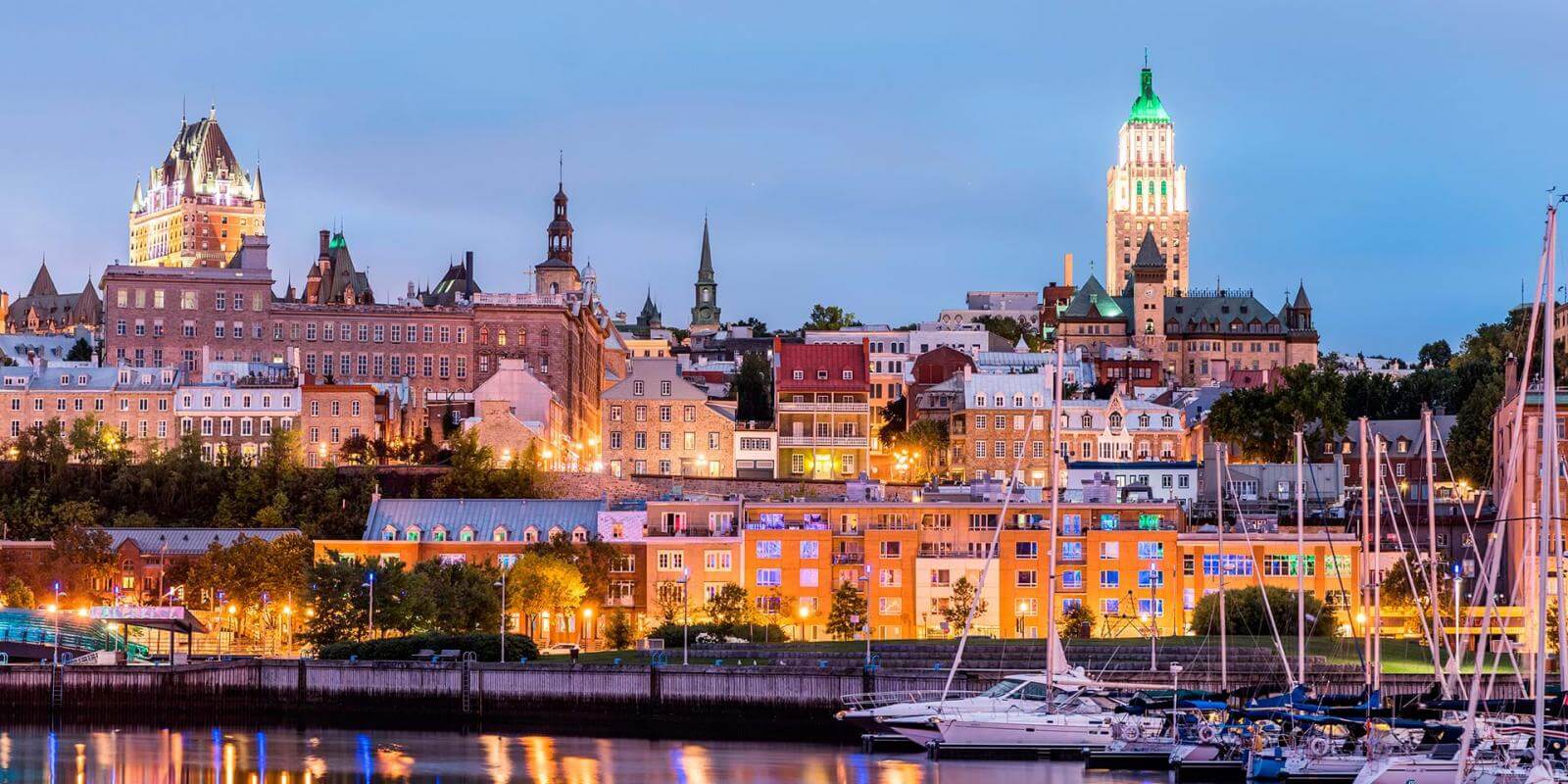
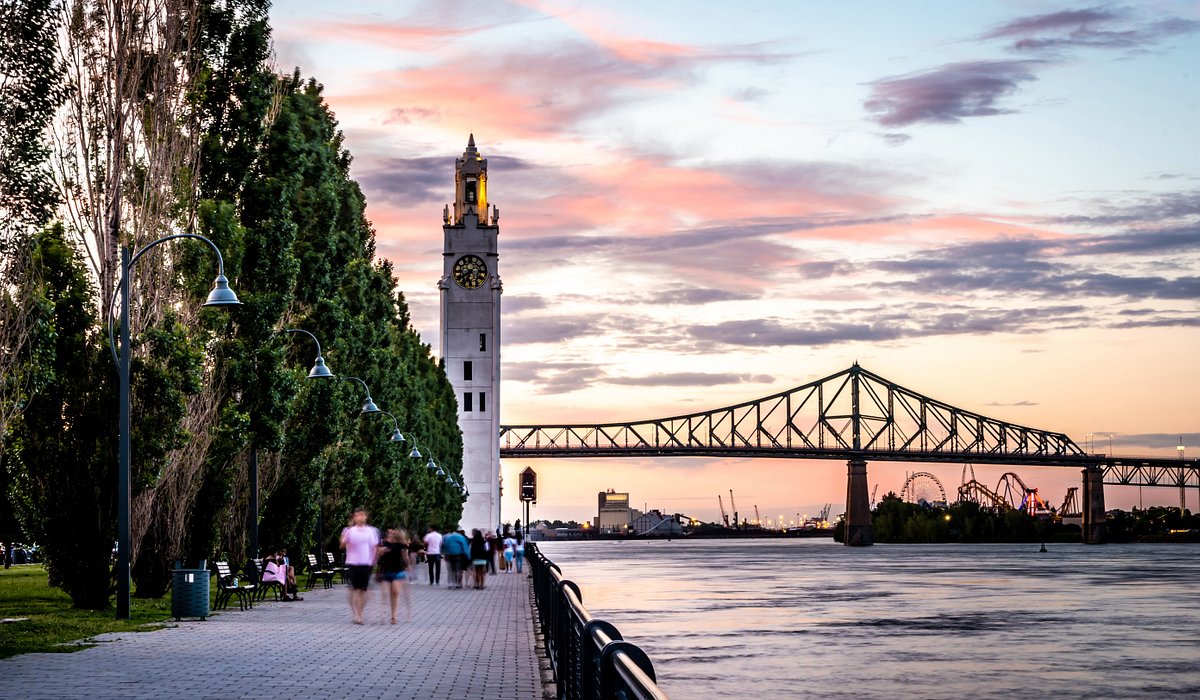
Quebec City is truly a step back in time, feeling more European than any other city in North America. Its Old Town, a UNESCO World Heritage site, is meticulously preserved with its fortified walls, cobblestone streets, and iconic landmarks like the Fairmont Le Château Frontenac and the Citadelle. You can easily spend days just wandering, imagining life centuries ago. The Plains of Abraham, site of a pivotal battle, offers both history and beautiful parkland. Montreal, on the other hand, offers a broader, more diverse cultural tapestry. Old Montreal boasts the stunning Notre-Dame Basilica and cobblestone streets, but beyond that, you'll find a vibrant arts scene in the Plateau, diverse ethnic neighborhoods, and a modern, multicultural vibe. "Honestly, QC felt like stepping into a postcard, every corner was a photo op. Montreal was more gritty, but the museums and street art were incredible," remarked one Redditor. While Montreal has its historical gems like the Pointe-à-Callière archaeology museum, Quebec City’s concentrated historical charm is simply unmatched.
Winner takeaway
- Winner: Quebec City
- Why: Quebec City's perfectly preserved Old Town and deep immersion in French-Canadian history provide an unmatched historical experience.
- Who this matters for: History buffs, couples seeking romance, and those who prioritize picturesque old-world charm.
🍽️ Food Scene
Montreal is a bona fide foodie paradise, offering an incredible range of culinary experiences for every budget. From the iconic smoked meat at Schwartz's (a sandwich is around CAD$12-15 / USD$9-11) to the legendary bagels from St-Viateur or Fairmount (a dozen for CAD$10-12 / USD$7.5-9), and of course, endless variations of poutine at places like La Banquise (CAD$15-20 / USD$11-15 for a hearty portion), the city's unique culinary staples are a must-try. Beyond the classics, you'll find Michelin-starred quality dining, vibrant ethnic eateries in diverse neighborhoods like the Plateau or Mile End, and a buzzing brunch scene. Quebec City certainly has its charm with traditional French-Canadian fare – think tourtière, poutine, and maple-infused dishes – at places like Aux Anciens Canadiens (mains CAD$30-45 / USD$22-34). There are excellent fine dining options, particularly within the Old City, but the sheer diversity and innovation of Montreal's food scene, coupled with more accessible price points, make it the clear winner. "Montreal's food scene just slaps different, you can eat like a king for way less than you'd expect," a traveler shared.
Winner takeaway
- Winner: Montreal
- Why: Montreal boasts a far more diverse, innovative, and accessible food scene with iconic specialties that are world-renowned.
- Who this matters for: Foodies, budget travelers who want great food, and those seeking culinary adventure beyond traditional fare.
🎉 Nightlife
If you're looking to party, Montreal is hands down the place to be. The city comes alive after dark with a dynamic array of options, from thumping nightclubs along Rue Sainte-Catherine and Crescent Street to trendy cocktail bars in the Plateau and Mile End, and cozy pubs in the Latin Quarter. Live music venues are plentiful, catering to all tastes, and many spots stay open until 3 AM or later. There's a youthful energy here, especially during the summer festivals. "Montreal has so many hidden gem bars, you can literally find a vibe for any mood until the wee hours," a recent visitor noted. Quebec City, by contrast, offers a much more subdued nightlife. You'll find charming wine bars, traditional pubs, and a few lively spots on Grande Allée, but it's more about enjoying a sophisticated drink or a cozy evening rather than hitting the dance floor. The Casino de Charlevoix is a bit of a drive, and options within the Old City are generally limited to hotel bars or quiet bistros closing around midnight. While lovely for a romantic evening, it doesn't compare to Montreal's energy.
Winner takeaway
- Winner: Montreal
- Why: Montreal offers a significantly more vibrant, diverse, and extensive nightlife catering to all preferences, with options open much later.
- Who this matters for: Younger travelers, party-goers, live music fans, and those who enjoy a bustling nocturnal scene.
💰 Costs
Overall, Montreal tends to be more budget-friendly than Quebec City, especially when it comes to dining and accommodation. In Montreal, you can find a decent Airbnb or hotel room outside the immediate tourist core for CAD$100-180 / USD$75-135 per night, and public transport passes are excellent value (e.g., 3-day pass for CAD$21.25 / USD$16). Food options range from cheap eats to fine dining, allowing for flexibility. A casual meal might cost CAD$15-25 / USD$11-19. Quebec City, while not exorbitantly expensive, generally sees higher prices, particularly within the Old City. Basic hotel rooms can start around CAD$150-250 / USD$110-180, and dining, especially in tourist-focused areas, can quickly add up. A mid-range dinner might be CAD$30-50+ / USD$22-37+. Transportation is also more reliant on taxis or walking, as the bus system is less comprehensive for tourists than Montreal's metro. "My Quebec City hotel was cute but tiny and cost way more than my Montreal spot that was twice the size," one Reddit user lamented. If you're watching your wallet, Montreal offers more bang for your buck without sacrificing quality or experience.
Winner takeaway
- Winner: Montreal
- Why: Montreal offers a wider range of budget-friendly options for accommodation, dining, and transportation, providing better overall value.
- Who this matters for: Budget-conscious travelers, backpackers, and those seeking more affordable luxury.
✈️ Getting There
Montreal's Pierre Elliott Trudeau International Airport (YUL) is a major North American hub, offering numerous direct flights from cities across the US, Canada, and internationally. For example, a direct flight from NYC (JFK/LGA) to YUL is typically 1.5 hours, costing around CAD$200-350 / USD$150-260 roundtrip. From Toronto (YYZ), it's about 1 hour flying, or a 5.5-hour VIA Rail train ride for CAD$60-100 / USD$45-75. Quebec City's Jean Lesage International Airport (YQB) is smaller, with fewer direct international routes. Most travelers flying into Quebec City from outside Canada will connect through Montreal or Toronto, adding significant travel time and often cost. For instance, flying from NYC to Quebec City usually means a layover in Montreal, extending total travel time to 4-5 hours. If arriving in Montreal first, you can easily take a VIA Rail train (2.5-3 hours, ~CAD$40-60 / USD$30-45) or bus (3 hours, ~CAD$30-45 / USD$22-34) to Quebec City. "Flying directly into Montreal and then training to QC was way easier and cheaper than trying to get a direct flight into YQB," a traveler shared. Montreal simply offers better accessibility and more frequent, often cheaper, transport options.
Winner takeaway
- Winner: Montreal
- Why: Montreal, as a major international hub, offers significantly more direct flights and convenient ground transportation options, making it easier and often cheaper to reach.
- Who this matters for: International travelers, those with limited time, and anyone seeking the most straightforward travel logistics.
🚇 Getting Around
Montreal boasts an excellent and efficient public transportation system, centered around its extensive metro. The subway covers most major attractions and neighborhoods, making it incredibly easy and affordable to navigate the city. A single metro ride costs CAD$3.75 / USD$2.80, and multi-day passes are available (e.g., 3-day for CAD$21.25 / USD$16). Many neighborhoods are also very walkable, and the city is increasingly bike-friendly with dedicated lanes and BIXI bike-sharing. "Montreal's metro is a lifesaver, you can get anywhere quickly and it's super clean," noted a frequent visitor. Quebec City's Old Town is incredibly walkable, which is its main charm. You can explore almost everything within the fortified walls on foot. However, once you venture outside the Old Town, public transport (bus system) becomes less convenient for tourists, and taxis or rideshares are often necessary to reach attractions like Montmorency Falls or other parts of the city. While charming for walking, its lack of efficient connectivity beyond the core gives Montreal the edge for overall ease of movement.
Winner takeaway
- Winner: Montreal
- Why: Montreal's comprehensive and efficient metro system, combined with walkability, makes getting around effortless and accessible.
- Who this matters for: Budget travelers, those who prefer not to drive, and anyone who wants to explore widely and easily.
🏨 Accommodation
Montreal offers a much wider and more varied range of accommodation options to suit every budget and style. You can find everything from lively hostels (CAD$30-60 / USD$22-45 per night for a dorm bed), charming Airbnbs in neighborhoods like the Plateau or Mile End (CAD$80-200 / USD$60-150 per night), to boutique hotels in Old Montreal and major international chains downtown (CAD$150-400+ / USD$110-300+). There's a competitive market, which often translates to better value. Quebec City, while featuring some incredibly charming and unique options, tends to be pricier, especially within the sought-after Old Quebec area. Iconic hotels like the Fairmont Le Château Frontenac (CAD$350-800+ / USD$260-600+) offer a luxurious experience, but smaller inns and boutique hotels in the heart of the action (like Auberge Saint-Antoine) also command premium prices (CAD$200-500+ / USD$150-375+). "Finding a decent, affordable hotel in Old Quebec that wasn't booked solid was tough; Montreal had so many more options for my budget," a traveler mentioned. While Quebec City offers unparalleled historic ambiance, Montreal wins on sheer choice and value.
Winner takeaway
- Winner: Montreal
- Why: Montreal provides a broader selection of accommodation types and price points, offering better value and more flexibility for travelers.
- Who this matters for: Budget travelers, families needing more space, and those seeking modern amenities or specific neighborhood vibes.
🏞️ Day Trips
Quebec City offers a more concentrated and easily accessible array of spectacular day trips, especially those focused on nature and charming countryside. Montmorency Falls, a stunning waterfall taller than Niagara, is just a 15-minute bus ride (CAD$3.75 / USD$2.80) from the city center and offers incredible views and a suspension bridge. The picturesque Île d'Orléans, known for its farms, art galleries, and scenic drives, is a short drive (20-30 minutes) and perfect for a half-day exploration. For hiking and outdoor adventure, Jacques-Cartier National Park is about 45 minutes north, offering stunning glacial valleys and wildlife. Canyon Sainte-Anne, with its impressive gorges and bridges, is also easily reachable. "Montmorency Falls and Île d'Orléans were so easy to do from QC, felt like a whole different trip," a Redditor commented. Montreal's day trip options, while excellent, often require a longer drive. Mont-Tremblant, a popular ski resort and village, is a 1.5-2 hour drive. The Eastern Townships, known for their wineries and charming towns, are also a 1.5-2 hour drive. While both cities offer great escapes, Quebec City's natural wonders are closer and more impactful for a short excursion.
Winner takeaway
- Winner: Quebec City
- Why: Quebec City's proximity to spectacular natural attractions like Montmorency Falls and scenic countryside makes for easier and more impactful day trips.
- Who this matters for: Nature lovers, photographers, and those who want accessible escapes from the city without long travel times.
☀️ Weather & Seasons
Both Quebec City and Montreal experience distinct four seasons, each offering a unique charm, making this category a tie depending on what you're looking for. Winter in Quebec City (Dec-Mar, avg -10 to -20°C / 14 to -4°F) is truly magical, transformed into a postcard-perfect snowy wonderland, especially during the Carnaval de Québec. However, it can be brutally cold. Montreal's winters (avg -5 to -15°C / 23 to 5°F) are slightly milder but still cold and snowy, with extensive underground city access for comfort. Summers (Jun-Aug, avg 20-28°C / 68-82°F) in Montreal are incredibly vibrant, packed with world-class festivals like the Jazz Fest, making it an electrifying time to visit, though it can get hot and humid. Quebec City's summers are equally pleasant but often a bit cooler and less humid. Fall (Sep-Oct) is spectacular in both cities with breathtaking foliage, but Quebec City's surrounding countryside arguably offers slightly more dramatic views. Spring (Apr-May) can be a bit rainy and slushy as snow melts. "QC in winter is straight out of a Disney movie, but Montreal in summer with all the festivals? Unbeatable energy," a traveler perfectly summarized. Your preference for a snowy fairytale or a bustling summer festival city will dictate the 'winner' here.
Winner takeaway
- Winner: Tie
- Why: Both cities offer distinct and appealing experiences across their four seasons, catering to different traveler preferences.
- Who this matters for: Travelers who have a strong preference for either winter wonderland aesthetics or vibrant summer festival atmospheres.
🚶♀️ Solo Travel
Both Quebec City and Montreal are exceptionally safe and welcoming for solo travelers, but Montreal edges out Quebec City due to its sheer diversity of activities and ease of meeting people. In Montreal, the extensive metro system makes solo exploration effortless, and there are countless cafes, bars, and cultural events where you can comfortably mingle or enjoy your own company. Hostels are plentiful and often organize social activities, making it easy to connect with other travelers. The city's diverse neighborhoods offer endless opportunities for discovery. "I felt super safe walking around Montreal alone at night, and there were always cool events to check out if I felt like being social," a solo female traveler shared. Quebec City is also incredibly safe and wonderful for solo travelers, especially if you're seeking a more reflective, peaceful trip. Its compact Old Town is perfect for solo walking tours and soaking in the atmosphere. However, it's generally a quieter city, and while locals are friendly, it might be harder to strike up casual conversations or find organized social events compared to Montreal's bustling scene. It's fantastic for introspection and history, but less so for spontaneous social interaction.
Winner takeaway
- Winner: Montreal
- Why: Montreal offers more diverse activities, a more vibrant social scene, and easier opportunities for solo travelers to connect with others.
- Who this matters for: Solo travelers who enjoy a dynamic social scene, diverse activities, and ease of meeting new people.
❓ Frequently Asked Questions
Is Quebec City or Montreal better for a first-time visitor to Quebec?
For a first-time visitor wanting a quintessential 'French Canada' experience with old-world charm, Quebec City is often recommended first. However, if you prefer a larger, more cosmopolitan city with a diverse culture and buzzing nightlife, Montreal offers a broader introduction to modern Quebec.
How long should I spend in each city?
For Quebec City, 2-3 full days are usually sufficient to explore the Old Town and perhaps a day trip to Montmorency Falls. For Montreal, plan at least 3-4 full days to experience its diverse neighborhoods, museums, and culinary scene. If doing both, aim for 5-7 days total.
Is English widely spoken in both cities?
Yes, in both Quebec City and Montreal, you will find English widely spoken, especially in tourist areas, hotels, and restaurants. Montreal is more bilingual overall, but you will have no trouble navigating Quebec City in English. Learning a few basic French phrases (like 'Bonjour' and 'Merci') is always appreciated.
Which city is more family-friendly?
Both cities are family-friendly. Quebec City's pedestrian-friendly Old Town, historical sites, and nearby Montmorency Falls are great for families. Montreal offers more diverse attractions like the Biodome, Science Centre, and numerous parks, alongside a more robust public transport system, which can be advantageous for families.
What's the best way to travel between Quebec City and Montreal?
The most popular and convenient way is by VIA Rail train, which takes approximately 2.5-3 hours and offers scenic views. Tickets typically cost CAD$40-60 (USD$30-45) one-way. Buses are a slightly cheaper, similar-duration alternative. Driving is also an option, taking about 3 hours.
Which city has better shopping?
Montreal offers a superior shopping experience with a wider range of options. You'll find everything from high-end boutiques along Rue Sainte-Catherine, trendy shops in the Plateau, to unique artisan markets. Quebec City has charming souvenir shops and local artisan crafts in Old Quebec, but less variety in general retail.
Are there any major events or festivals to consider?
Montreal is famous for its summer festival season, including the International Jazz Festival and Just for Laughs. Quebec City hosts the Carnaval de Québec in winter and the Festival d'été de Québec (Summer Festival) with major music acts. Always check event calendars when planning your trip!
Is it worth renting a car for these cities?
For exploring the cities themselves, a car is not recommended due to parking difficulties and excellent public transport (especially in Montreal). However, if you plan on extensive day trips or exploring the surrounding regions like the Eastern Townships or Laurentians, a rental car offers more flexibility.
Ready to plan your Quebec adventure?
Get a free custom itinerary for Quebec City, Montreal, or both — built from real traveler insights.
🎟️ Book Tours & Experiences
Hand-picked tours and activities for both destinations — book with free cancellation
Experiences via Viator — free cancellation on most tours