How we built this comparison
This page combines traveler discussion patterns, published price ranges, flight schedules, and seasonal data to help you decide between Queenstown and Chamonix.
- Reviewed 70+ Reddit threads from r/travel, r/solotravel, r/newzealand, r/france, r/alps, and r/skiing.
- Verified costs and logistics against current booking platforms like Booking.com, Skyscanner, and activity operators.
- Cross-referenced seasonal patterns and weather data from official tourism boards and meteorological sites.
⚡ The TL;DR Verdict
Choose Queenstown if you're seeking diverse, high-octane adventure and a vibrant social scene, with a daily budget of NZD $150-300+ (USD $90-180+). Opt for Chamonix if your heart beats for classic Alpine pursuits, stunning European mountain culture, and proximity to other European gems, budgeting EUR €120-250+ (USD $130-270+). Both offer incredible experiences, but cater to slightly different travel styles and budgets.
- Choose Queenstown: For the ultimate 'adventure capital' experience with bungee jumping, jet boating, and a bustling lakeside atmosphere, perfect for backpackers and thrill-seekers looking for a lively social scene. Best from November-April for summer activities, or June-September for skiing.
- Choose Chamonix: For unparalleled access to world-class mountaineering, skiing, and hiking in the shadow of Mont Blanc, combined with a charming French Alpine town vibe. Ideal for serious outdoor enthusiasts and those looking to explore a wider European region. Best from December-April for skiing, or June-September for hiking.
- Choose Both: If you have ample time (3+ weeks) and budget, and crave both Southern Hemisphere and European mountain adventures. Consider combining a NZ trip with a wider Europe itinerary, ensuring you factor in significant travel time and cost between the two vastly different locations.
Quick Comparison
| Category | Queenstown | Chamonix | Winner |
|---|---|---|---|
| Costs & Budget | Generally more expensive due to remoteness; activities add up quickly. NZD $150-300+ / day for mid-range. | Competitive with other European mountain towns; food and accommodation can vary widely. EUR €120-250+ / day for mid-range. | Chamonix |
| Getting There & Around | Long, expensive flights to NZ. Queenstown Airport (ZQN) serves domestic & Australia. Car recommended for wider exploration. | Easy access via Geneva Airport (GVA). Excellent bus/train links. Town is walkable; good local bus network. | Chamonix |
| Nature & Scenery | Stunning lake (Wakatipu) and mountain vistas, dramatic fiords nearby (Milford Sound). Lush and green. | Iconic Mont Blanc backdrop, glaciers, dramatic granite peaks. Classic Alpine beauty, stark and majestic. | Tie |
| Adventure Activities | The 'Adventure Capital of the World': bungee, jet boat, skydiving, rafting, canyoning, skiing, hiking. | World-class mountaineering, skiing, climbing, paragliding, hiking. More focused on traditional Alpine sports. | Queenstown |
| Food & Drink | Modern Kiwi cuisine, great cafes, craft beer, good steak houses. Diverse but can be pricey. | Classic French Alpine cuisine, Savoyard specialties (fondue, raclette), excellent wine. Diverse and authentic. | Chamonix |
| Accommodation | Wide range from backpacker hostels to luxury hotels. High prices, especially in peak season. | Charming chalets, apartments, hotels for all budgets. Can book up fast in ski season. | Tie |
| Nightlife & Social Scene | Lively, buzzing, backpacker-friendly bars, late-night options. Very social. | Good apres-ski scene, traditional pubs, quieter evenings outside peak. More relaxed. | Queenstown |
| Weather & Seasons | Southern Hemisphere seasons. Hot summers (Dec-Feb), cold winters (Jun-Aug) for skiing. | Northern Hemisphere seasons. Warm summers (Jun-Aug) for hiking, cold snowy winters (Dec-Mar) for skiing. | Tie |
| Day Trips & Exploration | Iconic Milford Sound, scenic Wanaka, historic Arrowtown. Requires driving or tours. | Annecy, Geneva, Courmayeur (Italy), Zermatt (Switzerland). Excellent international options. | Chamonix |
| Safety & Local Etiquette | Very safe, friendly locals, relaxed atmosphere. General travel precautions apply. | Extremely safe, polite and reserved locals. Mountain safety awareness is crucial. | Tie |
💸 Costs & Budget
Queenstown, while incredible, often feels pricier, especially for activities. A bungee jump with AJ Hackett starts around NZD $279 (USD $170), and a Shotover Jet boat ride is NZD $189 (USD $115). Groceries are high (Countdown or Pak'nSave are best), and eating out can easily hit NZD $30-50 (USD $18-30) per meal. Hostels like Nomads are NZD $40-60 (USD $25-37) per night, while mid-range hotels are NZD $200-400+ (USD $120-245+). Chamonix offers more flexibility; a lift pass for Aiguille du Midi is EUR €75 (USD $82), but hiking is free. A decent meal can be found for EUR €15-25 (USD $16-27), and a baguette and cheese for a picnic is cheap. Hostels like QC Terme Chamonix or Co-Centric are EUR €30-60 (USD $33-65) and mid-range hotels EUR €150-300+ (USD $160-330+). 'Chamonix felt like I could stretch my budget further, especially on food. Queenstown was amazing but my wallet took a serious hit every day with all the activities.'
Winner takeaway
- Winner: Chamonix
- Why: Chamonix offers more options for budget travelers, particularly regarding food and less expensive activities like hiking, compared to Queenstown's high-cost adventure tourism.
- Who this matters for: Budget-conscious travelers and those who prefer self-catering or free outdoor pursuits.
✈️ Getting There & Around
Reaching Queenstown is a journey. From North America or Europe, expect 20-30+ hours of flying, often with multiple layovers, costing USD $1200-2500+. Once there, Queenstown Airport (ZQN) is small and convenient. While the town center is walkable, exploring beyond requires a car rental (NZD $60-120/day, USD $37-75) or relying on expensive tour buses. Chamonix, on the other hand, is remarkably accessible. Geneva Airport (GVA) is just over an hour away, with frequent, affordable bus transfers (e.g., AlpyBus, EasyBus for EUR €25-40 / USD $27-44 round trip). The Mont Blanc Express train connects it to other towns, and the local 'Chamonix Bus' is often free with a guest card. 'Seriously, flying into Geneva and being in Chamonix in under 90 minutes is a game-changer compared to the trek to NZ.' The town itself is easily navigable on foot, and buses connect all major lift stations.
Winner takeaway
- Winner: Chamonix
- Why: Chamonix's proximity to a major international airport (Geneva) and excellent public transport makes it significantly easier and cheaper to reach and navigate than Queenstown.
- Who this matters for: Travelers prioritizing easy, efficient, and affordable transportation, especially those on a shorter trip from Europe.
⛰️ Nature & Scenery
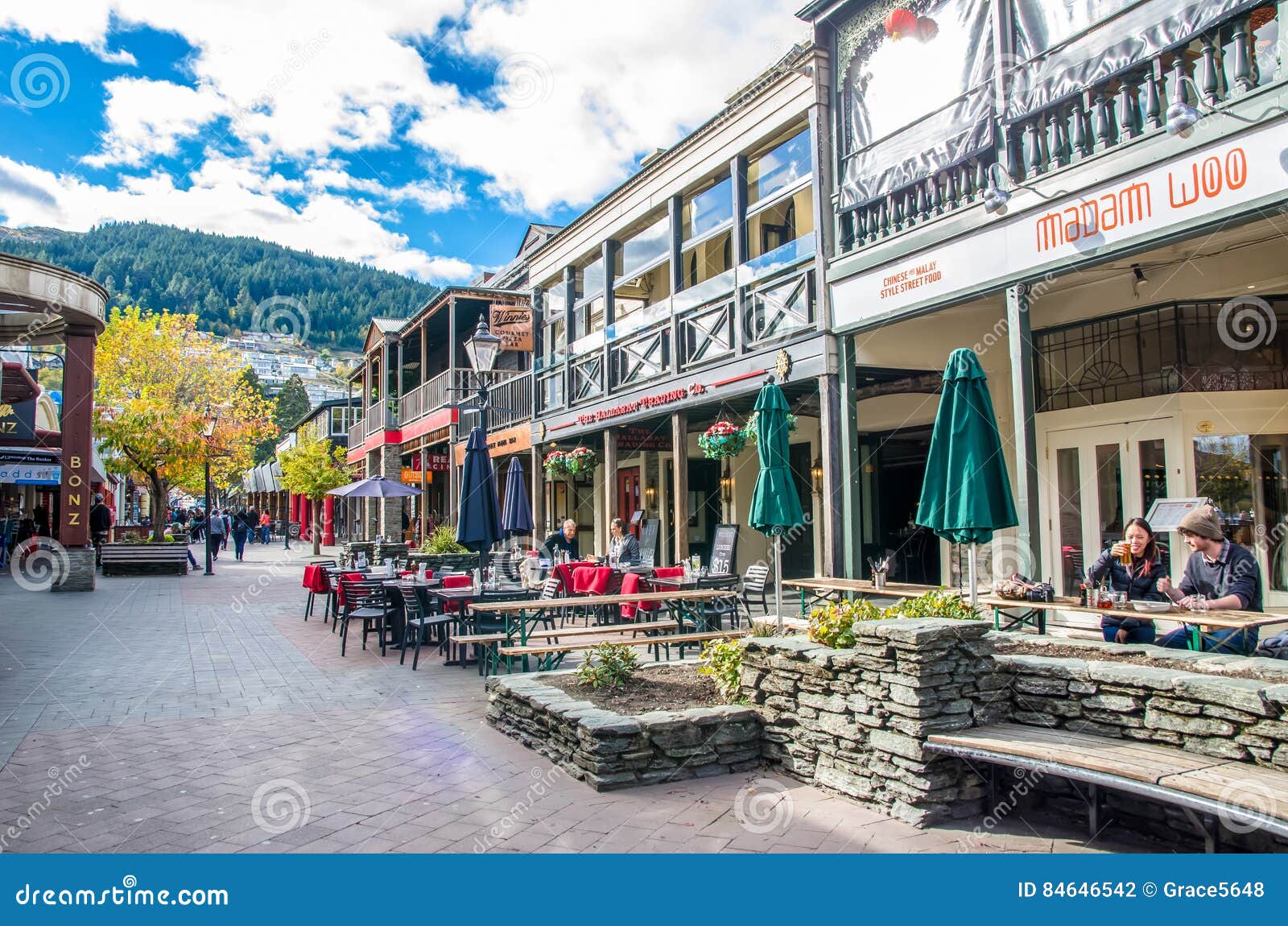
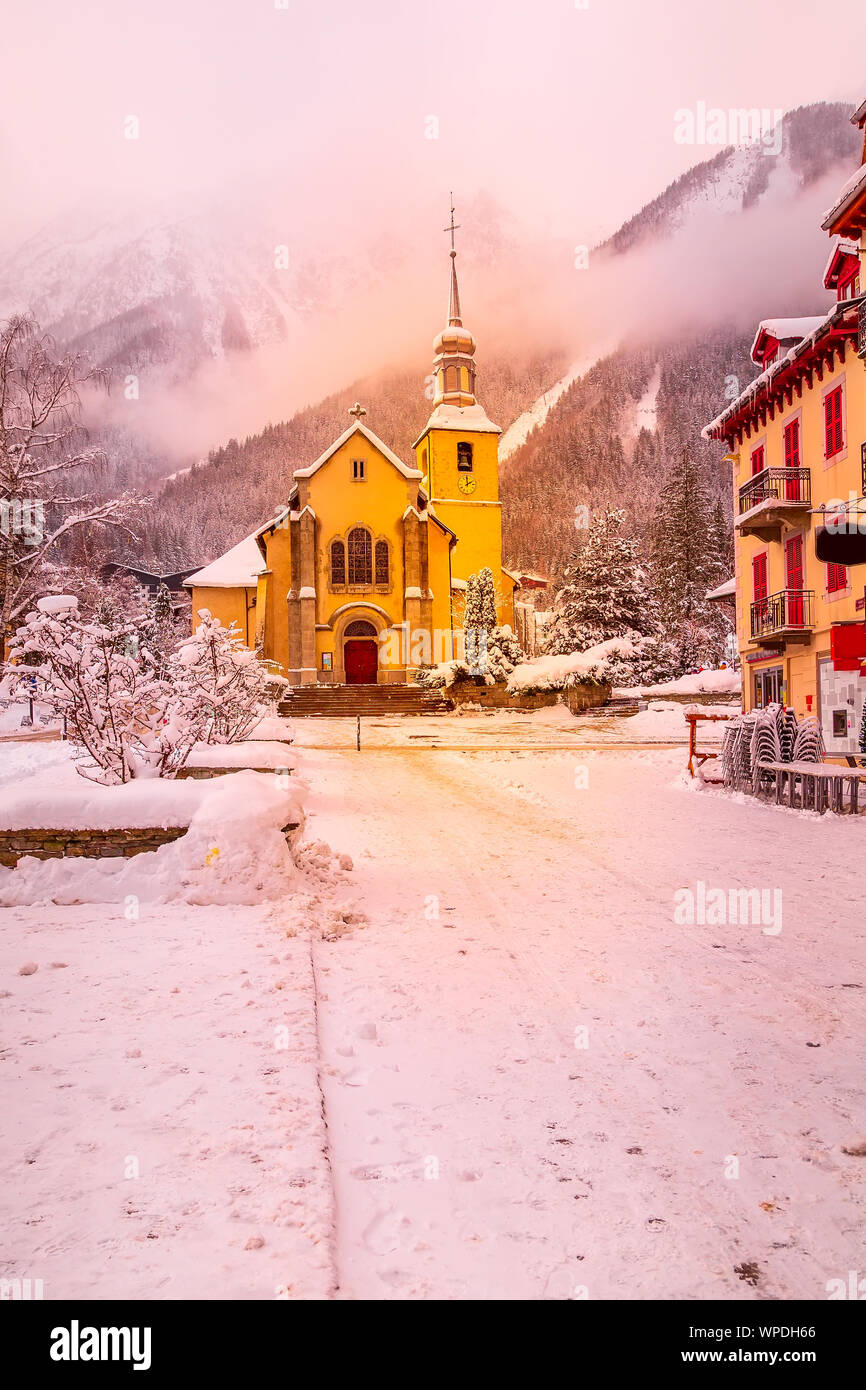
Both destinations are breathtaking, offering vastly different yet equally stunning natural beauty. Queenstown boasts the serene, deep blue waters of Lake Wakatipu framed by The Remarkables mountain range, with lush green landscapes and the iconic adventure playground vibe. Day trips to Milford Sound (Fiordland National Park) reveal ancient fiords, waterfalls, and dense rainforest – a truly unique landscape. Chamonix, however, is dominated by the sheer scale and raw power of the Mont Blanc massif, Europe's highest peak. The jagged granite peaks, vast glaciers like the Mer de Glace, and the dramatic verticality of the Aiguille du Midi (accessed by cable car for unparalleled views) offer a more rugged, stark, and undeniably 'Alpine' experience. 'Queenstown's beauty is vibrant and accessible, but Chamonix's raw, towering peaks and glaciers just hit different for sheer scale and awe.' It truly depends on whether you prefer the serene lake and lush fiordland or the dramatic, icy grandeur of the high Alps.
Winner takeaway
- Winner: Tie
- Why: Both offer world-class, distinct natural beauty; Queenstown with its lake and fiords, Chamonix with its towering glaciers and Mont Blanc, making it impossible to pick a single winner.
- Who this matters for: Everyone, as the choice comes down purely to personal aesthetic preference for lake/fiord vs. high-altitude glaciated mountains.
🪂 Adventure Activities
Queenstown truly earns its 'Adventure Capital' title. It offers a mind-boggling array of adrenaline-pumping activities, many pioneered here. You can bungee jump off the Kawarau Bridge (the world's first commercial bungee), ride the Shotover Jet through narrow canyons, skydive over Lake Wakatipu, go whitewater rafting on the Kawarau River, or try canyoning. In winter, it's a gateway to ski fields like Coronet Peak and The Remarkables. Chamonix excels in its traditional Alpine offerings: unparalleled skiing and snowboarding, world-class mountaineering (from beginner guided ascents to extreme expeditions), rock climbing, and paragliding from high peaks. While both have hiking, Queenstown's 'adventure menu' is simply broader and more readily accessible for a wider range of tourists seeking novel thrills. 'If you want to try every crazy thing under the sun, Queenstown is your spot. Chamonix is amazing, but it's more about epic skiing or serious climbing.'
Winner takeaway
- Winner: Queenstown
- Why: Queenstown's sheer variety and accessible nature of its high-octane adventure activities give it the edge for a broader thrill-seeking audience.
- Who this matters for: Adrenaline junkies, first-time adventure seekers, and those looking to try multiple unique extreme sports.
🍽️ Food & Drink
Chamonix offers an authentic, rich culinary experience rooted in French Alpine traditions. Expect hearty Savoyard dishes like tartiflette (potatoes, bacon, cheese), raclette, and fondue, perfectly paired with local wines. Bakeries are a delight, with fresh croissants and pain au chocolat. Restaurants range from cozy, traditional eateries like La Calèche to Michelin-starred dining. A good meal can be EUR €20-40 (USD $22-44). Queenstown boasts a vibrant, modern food scene with excellent cafes (e.g., Vudu Cafe & Larder), craft breweries (Canyon Brewing), and top-notch steakhouses like Botswana Butchery. It's diverse, but often leans towards tourist prices, and the focus isn't as distinctly regional as Chamonix. While Queenstown has great options, Chamonix provides a more culturally immersive and often higher-quality gastronomic journey, especially for those who appreciate classic European fare. 'Chamonix for sure. The cheese, the bread, the wine, the fondue... it's just on another level. Queenstown is good, but it's more global.'
Winner takeaway
- Winner: Chamonix
- Why: Chamonix's authentic French Alpine cuisine, high-quality local produce, and traditional dining experiences offer a more distinctive and often superior culinary journey.
- Who this matters for: Foodies, those interested in regional European cuisine, and wine lovers.
🏨 Accommodation
Both Queenstown and Chamonix offer a comprehensive range of accommodation options, from budget-friendly hostels to opulent luxury hotels and rental apartments. In Queenstown, you'll find popular backpacker hostels like Absoloot Value Accommodation (NZD $40-70/night, USD $25-43) and mid-range hotels such as Novotel Queenstown Lakeside (NZD $250-500/night, USD $155-310). Luxury options like The Rees or Matakauri Lodge can easily exceed NZD $800+ (USD $500+). Chamonix also caters to diverse tastes, with well-regarded hostels like QC Terme Chamonix (EUR €30-60/night, USD $33-65) and charming mid-range hotels such as Hotel Le Faucigny (EUR €150-300/night, USD $160-330). Luxury chalets and hotels like Hameau Albert 1er can be EUR €500+ (USD $550+). Both destinations experience significant price surges during peak seasons (skiing and summer holidays). 'Finding a good deal in either place requires booking well in advance, especially if you're not planning to stay in a hostel.' The availability and quality are comparable, making it a draw.
Winner takeaway
- Winner: Tie
- Why: Both destinations offer a similarly broad spectrum of accommodation types at comparable price points relative to their respective regions, making neither a clear winner.
- Who this matters for: All travelers, as both destinations effectively cater to varying budget and comfort levels with adequate planning.
🍻 Nightlife & Social Scene
Queenstown is renowned for its vibrant and bustling nightlife, a huge draw for backpackers and young travelers. The town center is packed with bars like The World Bar, Rhino's Ski Shack, and Cowboys, offering a lively atmosphere well into the early hours. There's always a buzz, whether it's après-ski in winter or post-adventure drinks in summer. It's incredibly easy to meet people here, with many establishments designed for mingling. Chamonix certainly has an après-ski scene, especially after a big powder day, with popular spots like Chambre Neuf and Moo Bar. However, outside of peak ski season, the nightlife tends to be more subdued, focusing on traditional pubs and restaurants rather than late-night clubs. 'Queenstown's nightlife is just more consistent and buzzing. Chamonix is great for après, but it quietens down faster.' If you're looking for a party, Queenstown delivers with more energy and options.
Winner takeaway
- Winner: Queenstown
- Why: Queenstown offers a consistently more energetic and diverse nightlife, making it easier to socialize and find late-night entertainment compared to Chamonix's more seasonal and subdued scene.
- Who this matters for: Solo travelers, backpackers, and anyone prioritizing a lively party atmosphere and easy social interaction.
☀️ Weather & Seasons
Both destinations offer distinct four-season experiences, but their timing differs due to being in opposite hemispheres. Queenstown's summer runs from December to February, with temperatures averaging 20-30°C (68-86°F), perfect for lake activities, hiking, and biking. Winter (June to August) brings snow and skiing, with temperatures often around 0-8°C (32-46°F). Chamonix's summer is from June to August, ideal for hiking and climbing, with temperatures typically 15-25°C (59-77°F). Its winter, from December to March, is prime ski season, with abundant snow and temperatures often below freezing. 'The biggest difference is just planning your trip around the right hemisphere. If you want summer skiing, obviously Chamonix is out for NZ's winter.' Both have their charm and ideal activities depending on the season, so it's more about personal preference and when you're available to travel. Neither is objectively 'better' in terms of weather, just different timing.
Winner takeaway
- Winner: Tie
- Why: Both destinations offer excellent and distinct seasonal experiences tailored to specific activities, simply aligning with opposite hemispheres' timing, resulting in a tie.
- Who this matters for: Travelers planning their trip around specific activities (e.g., skiing vs. hiking) and those with fixed travel dates.
🗺️ Day Trips & Exploration
Queenstown offers spectacular day trips, primarily focused on New Zealand's South Island. The absolute must-do is Milford Sound (NZD $150-300+ for a bus/cruise tour, USD $90-180+), a majestic fiord that's a 4-hour drive away. Other popular trips include the charming gold mining town of Arrowtown (30 mins drive) and the beautiful lake town of Wanaka (1 hour drive). These require either renting a car or booking organized tours. Chamonix, however, excels in its international day trip potential. You can easily visit the picturesque lakeside city of Annecy in France (1 hour drive), the bustling international city of Geneva in Switzerland (1 hour drive/bus), or even drive through the Mont Blanc Tunnel to Courmayeur in Italy (30-40 mins drive), experiencing a completely different culture and cuisine. 'Chamonix wins for day trips hands down. Being able to pop over to Italy for lunch or Geneva for a city break is just unmatched.' The variety and international flavor make Chamonix a superior base for wider exploration.
Winner takeaway
- Winner: Chamonix
- Why: Chamonix offers a greater diversity of day trip options, including accessible international destinations in Switzerland and Italy, providing a richer cultural exploration.
- Who this matters for: Travelers who enjoy exploring neighboring cities, countries, and diverse cultural experiences from a single base.
✅ Safety & Local Etiquette
Both Queenstown and Chamonix are remarkably safe destinations for travelers, with very low crime rates. In Queenstown, locals are known for their relaxed, friendly 'Kiwi' hospitality; a smile and a 'kia ora' (hello in Māori) go a long way. General common-sense precautions against petty theft apply, especially in busy tourist areas or bars. Chamonix also boasts a very safe environment. The locals are typically polite and reserved, reflecting French mountain culture, and while English is widely spoken in tourist areas, a few French phrases are always appreciated. Crucially, both locations demand a high level of respect for mountain safety. 'Honestly, I felt completely safe walking around both towns alone at night. The main thing is to be smart in the mountains, know your limits, and check conditions.' This means understanding weather conditions, carrying appropriate gear, and informing others of your plans if heading into the backcountry. Neither destination presents significant safety concerns beyond standard travel wisdom and mountain awareness.
Winner takeaway
- Winner: Tie
- Why: Both destinations are exceptionally safe with friendly locals, requiring similar levels of general awareness and specific mountain safety precautions, resulting in a tie.
- Who this matters for: All travelers, as both destinations offer peace of mind regarding personal safety.
❓ Frequently Asked Questions
Which destination is better for a family trip with young children?
Chamonix might edge out Queenstown for families with young children due to its slightly more relaxed pace, charming pedestrianized areas, and access to gentler hikes and easier cable car rides for stunning views without extreme thrills. Queenstown, while offering family fun, is more geared towards older children and teenagers who can participate in more adventure activities.
How do the ski conditions compare between Queenstown and Chamonix?
Chamonix offers a more extensive and challenging ski domain, renowned for its off-piste and expert terrain, with higher altitudes ensuring better snow reliability. Queenstown's ski fields (Coronet Peak, The Remarkables) are excellent for intermediates and beginners, with good infrastructure, but generally smaller and at lower altitudes than Chamonix, meaning snow conditions can be more variable.
Is it possible to visit both Chamonix and Queenstown on the same trip?
While possible, it's not practical for most travelers due to the immense distance and travel time. Flying from France to New Zealand involves 24+ hours of travel and significant cost. It's better to plan separate trips to truly appreciate each destination without feeling rushed or exhausted by transit.
Which destination is better for solo travelers?
Queenstown is arguably better for solo travelers, especially those looking to socialize and meet new people. Its vibrant backpacker scene, numerous group activities, and lively nightlife make it incredibly easy to connect with others. Chamonix is also welcoming, but its social scene tends to be more subdued, focusing more on serious outdoor pursuits.
What's the best time of year to visit if I want to avoid crowds?
To avoid crowds in Queenstown, aim for the shoulder seasons (October-November or April-May), where the weather is still pleasant but tourist numbers are lower. For Chamonix, early June or late September can offer beautiful hiking weather with fewer people, avoiding the peak summer and winter holiday rush.
Are there good options for non-skiers in winter in both locations?
Yes, both offer excellent options for non-skiers. In Queenstown, winter activities include scenic gondola rides, ice skating, hot pools, wine tours, and day trips to Milford Sound. In Chamonix, non-skiers can enjoy the Aiguille du Midi cable car, Mer de Glace train, snowshoeing, ice skating, charming town exploration, and access to spas.
Which destination offers a more unique cultural experience?
Chamonix offers a more distinct and immersive cultural experience with its deep roots in French Alpine traditions, Savoyard cuisine, and historic European charm. Queenstown, while in New Zealand, has a more globally influenced, modern adventure tourism culture, though Māori cultural experiences are accessible elsewhere in NZ.
How do prices for guided activities (e.g., hiking, climbing) compare?
Guided activities are generally expensive in both. In Queenstown, a guided hike can be NZD $150-300+ (USD $90-180+). In Chamonix, hiring a mountain guide for a day can be EUR €300-600+ (USD $330-650+), reflecting the higher skill and risk involved in mountaineering. Queenstown's activities are typically more 'packaged' for tourists, while Chamonix's are often more bespoke and technical.
Ready to plan your mountain adventure?
Get a free custom itinerary for Queenstown, Chamonix, or both — built from real traveler insights.
🎟️ Book Tours & Experiences
Hand-picked tours and activities for both destinations — book with free cancellation
Experiences via Viator — free cancellation on most tours