How we built this comparison
This page combines traveler discussion patterns, published price ranges, flight schedules, and seasonal data to help you decide between Raja Ampat and Palawan.
- Reviewed 100+ Reddit threads from r/travel, r/solotravel, r/Philippines, r/Indonesia, r/scuba, and r/backpacking.
- Verified costs and logistics against current booking platforms (e.g., Booking.com, Agoda, Skyscanner, dive operator websites).
- Cross-referenced seasonal patterns and weather data from meteorological sources and traveler reports.

⚡ The TL;DR Verdict
Choose Raja Ampat if you're a serious diver or nature enthusiast with a healthy budget, seeking unparalleled marine biodiversity and solitude, expecting to spend $150-400+ daily. Opt for Palawan if you crave stunning accessible beaches, diverse activities, a vibrant backpacker scene, and a more budget-friendly adventure, typically ranging from $40-150 daily.
- Choose Raja Ampat: For the ultimate, world-class diving and snorkeling experience amidst untouched nature, away from crowds. Ideal for those prioritizing marine life and willing to pay a premium for remoteness.
- Choose Palawan: For breathtaking limestone landscapes, pristine lagoons, diverse island-hopping tours, and a more developed tourist infrastructure with options for all budgets. Perfect for beach lovers, adventure seekers, and social travelers.
- Choose Both: If you have 3+ weeks, a substantial budget, and a passion for both vibrant underwater worlds and iconic island hopping. Start with Palawan for 7-10 days, then fly to Raja Ampat for 7-10 days of diving.
Quick Comparison
| Category | Raja Ampat | Palawan | Winner |
|---|---|---|---|
| Costs & Budget | Significantly more expensive, especially for diving and remote logistics. Budget $150-$400+ USD/day. | More budget-friendly with options from hostels to luxury. Budget $40-$150 USD/day. | Palawan |
| Getting There & Around | Requires multiple flights and boat transfers, long travel days. Getting around is mostly by private boat. | Easier access via direct flights to main hubs. Accessible via vans, ferries, tricycles, and island-hopping boats. | Palawan |
| Diving & Snorkeling | World's epicenter of marine biodiversity. Unrivaled soft corals, huge schools of fish, pelagics. | Excellent diving with WWII wrecks, coral gardens, and diverse marine life, but not world-class. | Raja Ampat |
| Beaches & Scenery | Secluded, pristine beaches on remote islands, often part of dive resorts or homestays. Dramatic karst landscapes. | Iconic, stunning white-sand beaches, towering limestone karsts, secret lagoons, and vibrant island-hopping routes. | Palawan |
| Accommodation | Primarily eco-homestays and dedicated dive resorts; limited luxury, rustic charm. | Wide range from budget hostels to boutique hotels and luxury resorts; something for every taste and budget. | Palawan |
| Food & Drink | Simple, local Indonesian cuisine, often included in homestay/resort packages. Fresh fish and rice. | Diverse Filipino cuisine, fresh seafood, international options, and a growing cafe/bar scene. | Palawan |
| Culture & Local Experience | Remote indigenous Papuan communities, traditional village life, limited tourist interaction. | Accessible Filipino culture, friendly locals, more integrated tourism, and historical sites. | Tie |
| Safety & Health | Generally safe with low crime, but medical facilities are extremely basic and far. | Generally safe, but petty crime can occur in tourist areas. Better, but still limited, medical facilities. | Raja Ampat |
| Best Time to Visit | Generally good year-round, but October-April is peak dry season with calmer seas. | Dry season (November-May) is ideal; June-October is wet season with typhoons possible. | Tie |
| Crowds & Tourism Infrastructure | Minimal crowds, very undeveloped infrastructure, focus on sustainable eco-tourism. | Can be crowded in peak season, well-developed but sometimes strained infrastructure. | Raja Ampat |
💰 Costs & Budget
Raja Ampat is undeniably a premium destination. Expect to pay around IDR 700,000 (approx. $45 USD) for the marine park entry permit alone. Homestays might start from IDR 300,000-700,000 ($20-50 USD) per night, often including basic meals, but organized dive trips and resort stays can easily push daily costs into the $150-400+ USD range per person, especially if you're doing multiple dives (IDR 500,000-1,000,000 or $35-70 USD per dive). Liveaboards are even pricier, often $2000-5000+ USD for a week. Palawan, on the other hand, offers incredible value. A bed in a hostel like Spin Designer Hostel in El Nido can be as low as PHP 500-1000 ($10-20 USD). Mid-range hotels in El Nido or Coron average PHP 2000-5000 ($40-100 USD). Island hopping tours (A, B, C, D) typically cost PHP 1200-2000 ($25-40 USD) including lunch. Local meals are cheap, around PHP 100-300 ($2-6 USD). "Honestly, Palawan was way cheaper than I expected for how stunning it was. Could easily do $50 a day if you're smart about food and don't do a tour every single day," shared one Redditor.
Winner takeaway
- Winner: Palawan
- Why: Palawan offers a far broader range of budget accommodations, food, and activities, making it accessible to more travelers.
- Who this matters for: Budget travelers, backpackers, and those seeking value for money.
✈️ Getting There & Around
Reaching Raja Ampat is an adventure in itself. You'll typically fly internationally into Jakarta (CGK) or Bali (DPS), then take a domestic flight to Sorong (SOQ) in West Papua. From Sorong, it's a 2-hour public ferry (IDR 100,000-130,000 or $7-9 USD) or a private speedboat to Waisai, the capital of Raja Ampat, followed by another boat transfer to your specific island homestay or resort. The entire journey can easily take 2-3 days from major international hubs. Once there, getting around is almost exclusively by pre-arranged private boat charters, which are costly and depend on your accommodation. Palawan is significantly more straightforward. You can fly directly from Manila (MNL) or Cebu (CEB) to Puerto Princesa (PPS) or El Nido (ENI). From PPS, vans or buses (PHP 500-700 or $10-14 USD) take 5-6 hours to El Nido. Inter-island ferries connect El Nido and Coron. Within towns, tricycles are abundant and cheap (PHP 20-100 or $0.40-2 USD per ride). "Getting to Raja Ampat was exhausting but worth it. Palawan felt like a breeze after that, just hopped off the plane and into a van," commented a traveler.
Winner takeaway
- Winner: Palawan
- Why: Palawan boasts much simpler and more diverse transportation options, making it far more accessible and less time-consuming to reach and explore.
- Who this matters for: Travelers with limited time, those on a tighter budget, and anyone preferring less complex logistics.
🐠 Diving & Snorkeling
Raja Ampat stands alone as the global benchmark for marine biodiversity. It boasts over 75% of the world's coral species and 1,500 species of reef fish. Dive sites like Cape Kri, Blue Magic, and Manta Ridge consistently deliver encounters with manta rays, wobbegong sharks, pygmy seahorses, and pristine, vibrant soft coral gardens that will simply blow your mind. The sheer quantity and health of the coral reefs are unparalleled, offering an experience that even seasoned divers call life-changing. Visibility is generally excellent, and the currents can be exhilarating. Palawan offers fantastic diving, particularly around Coron with its famous Japanese WWII wrecks (e.g., Akitsushima Maru, Irako), which are incredible for wreck divers. El Nido also has some decent coral reefs and smaller marine life, but it simply cannot compete with the sheer abundance and diversity found in Raja Ampat. "Raja Ampat diving isn't just good, it's like diving in an aquarium on steroids. Palawan was great, but nowhere near that level," noted a diver on Reddit.
Winner takeaway
- Winner: Raja Ampat
- Why: Raja Ampat offers an unmatched, world-class diving and snorkeling experience due to its extraordinary marine biodiversity and pristine ecosystems.
- Who this matters for: Serious divers, underwater photographers, and marine enthusiasts seeking the best in the world.
🏖️ Beaches & Scenery
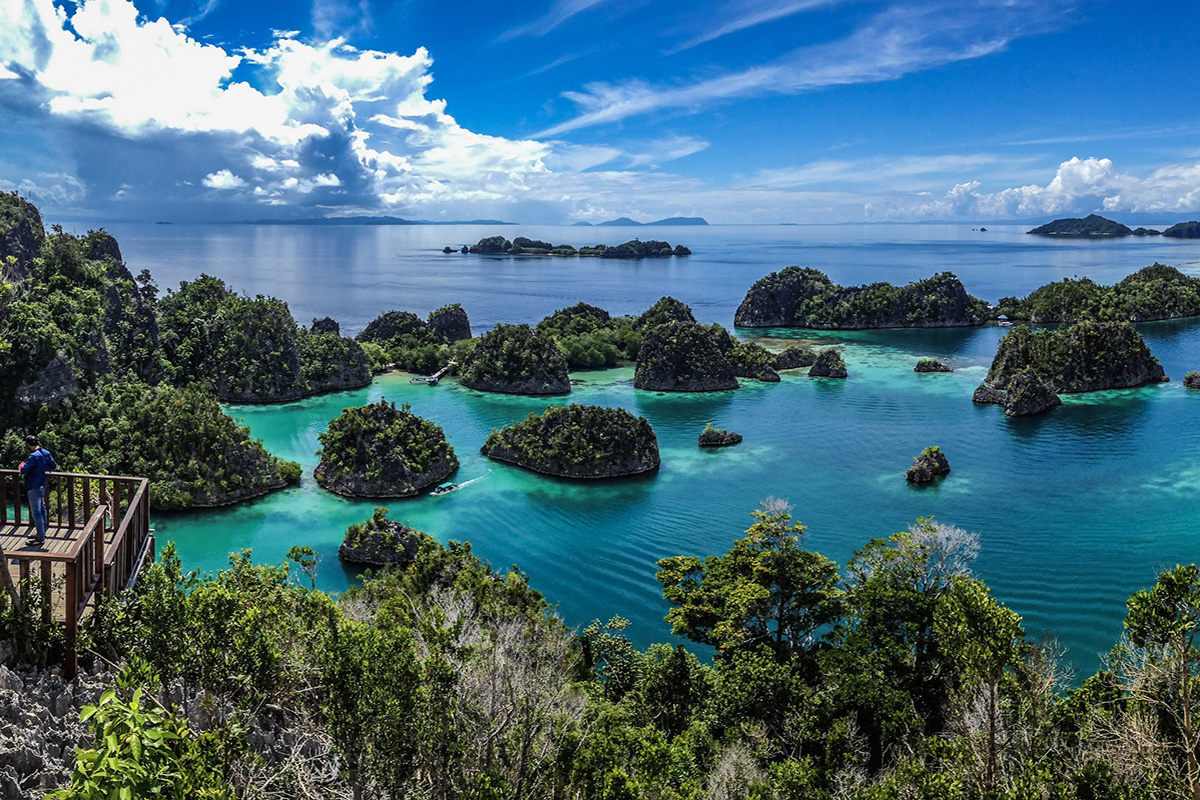
While Raja Ampat has incredibly beautiful, untouched white-sand beaches, often completely deserted and fringed by lush jungle, they are typically less accessible and experienced as part of a dive trip or homestay stay. The scenery is rugged, volcanic, and spectacular, with iconic viewpoints like Piaynemo offering panoramic vistas of mushroom-shaped islands. However, Palawan's beaches and scenery are more varied, iconic, and easily explored. El Nido's Bacuit Bay is famous for its towering limestone karsts, secret lagoons (Big Lagoon, Small Lagoon), and stunning beaches like Nacpan Beach (often ranked among the world's best) and Las Cabanas. Coron's Kayangan Lake (often called the cleanest lake in Asia) and Barracuda Lake offer unique freshwater and brackish water swimming spots amidst dramatic cliffs. The sheer number of accessible, breathtaking beaches and lagoons, perfect for swimming, sunbathing, and photography, gives Palawan the edge. "Palawan's landscapes are just unreal. Every island hopping stop felt like a postcard, especially Big Lagoon in El Nido," a traveler recounted.
Winner takeaway
- Winner: Palawan
- Why: Palawan offers a more diverse, iconic, and accessible range of stunning beaches, lagoons, and dramatic limestone karsts that are easily explored via popular island-hopping tours.
- Who this matters for: Beach lovers, photographers, and those seeking iconic, easily accessible natural beauty.
🛌 Accommodation
Accommodation in Raja Ampat is largely geared towards divers and eco-tourism. You'll find a strong emphasis on locally-run homestays, often basic but charming, offering a truly immersive experience with minimal environmental impact. These typically include three meals a day and cost around IDR 300,000-700,000 ($20-50 USD) per night. There are also a handful of dedicated dive resorts like Papua Paradise Eco Resort or Misool Resort (a high-end eco-luxury option), which can be quite expensive but offer incredible facilities and access to dive sites. Luxury options are extremely limited and often liveaboards. Palawan, conversely, has a highly developed tourism infrastructure. In El Nido, you can choose from lively hostels like Spin Designer Hostel or Our Melting Pot, mid-range boutique stays like El Nido Resorts' Lagen Island (luxury, but with multiple tiers) or Las Cabanas Beach Resort, and everything in between. Coron offers similar diversity, with many hotels around Coron Town Proper. This variety ensures that every traveler, from the tightest budget backpacker to the luxury seeker, can find suitable lodging. "Finding a good hostel in Palawan was super easy, even last minute. Raja Ampat was more about picking a dive resort and sticking with it, not much choice," stated a backpacker.
Winner takeaway
- Winner: Palawan
- Why: Palawan offers a far greater variety of accommodation options catering to all budgets and travel styles, from hostels to luxury resorts.
- Who this matters for: All travelers, especially those who value choice, specific amenities, or budget flexibility.
🍽️ Food & Drink
Food in Raja Ampat is generally simple but fresh. At homestays, meals (typically rice, local fish, and vegetables) are often included in the nightly rate. While delicious and authentic, variety can be limited, especially outside of larger resorts. There aren't many standalone restaurants; most dining happens at your accommodation. Expect lots of freshly caught fish, often grilled or fried, and basic Indonesian staples. Soft drinks and bottled water are available, but alcohol options can be scarce and expensive. Palawan, particularly El Nido and Coron, boasts a much more vibrant and diverse culinary scene. You'll find countless local eateries serving classic Filipino dishes like adobo, sinigang, and kinilaw (ceviche), with fresh seafood readily available at markets and grilled to order. There's also a strong presence of international restaurants (Italian, Western, Asian fusion), cozy cafes like The Coffee Shop in El Nido, and lively bars for evening drinks, such as Pukka Bar or SAVA Beach Bar. "The food in Palawan was a highlight, so much good seafood and plenty of options for different cuisines. Raja Ampat was tasty but repetitive after a few days," mentioned a foodie.
Winner takeaway
- Winner: Palawan
- Why: Palawan offers a richer and more diverse culinary experience with a wider range of local and international dining options, plus a more developed bar scene.
- Who this matters for: Foodies, those seeking variety, and travelers who enjoy a vibrant evening social scene.
🤝 Culture & Local Experience
Raja Ampat offers a profoundly authentic, albeit less structured, cultural experience. Interacting with the indigenous Papuan communities, especially when staying in a homestay, provides a glimpse into traditional village life, fishing practices, and local customs that are largely untouched by mass tourism. The remote nature means these interactions are genuine and often organized directly through your accommodation or local guides. It's a quieter, more personal connection to the land and its people. Palawan offers a different but equally rich cultural tapestry. You'll encounter friendly Filipino hospitality everywhere, from the bustling markets of Puerto Princesa to the tricycles of El Nido. There are historical sites, like the Immaculate Conception Cathedral or Plaza Cuartel in Puerto Princesa, and a vibrant local art and music scene. While tourism is more integrated, opportunities for cultural exchange are abundant, from trying local dishes at a carinderia to participating in local festivals. "Both places gave me a unique cultural feel. Raja Ampat felt like stepping back in time, while Palawan was more about everyday Filipino warmth and vibrancy," a traveler observed.
Winner takeaway
- Winner: Tie
- Why: Both destinations offer distinct and valuable cultural experiences, one deeply remote and traditional, the other more integrated and accessible, appealing to different preferences.
- Who this matters for: Travelers seeking either deeply immersive, remote cultural experiences (Raja Ampat) or more accessible, vibrant local interactions (Palawan).
🏥 Safety & Health
Raja Ampat is incredibly safe regarding crime. The local communities are welcoming, and serious incidents are very rare. The main safety concern here is health-related, particularly for divers. Emergency medical facilities are virtually non-existent on the islands; serious injuries or decompression sickness require evacuation to Sorong or even further to Makassar or Jakarta, which can be costly and time-consuming. Malaria is also a concern in some areas, so precautions are necessary. Palawan is also generally safe for tourists, though petty crime like pickpocketing or bag snatching can occasionally occur in crowded tourist hubs like El Nido town or Puerto Princesa. More developed towns have basic clinics and hospitals, but for serious medical emergencies, evacuation to Manila is often necessary. The accessibility of basic pharmacies and clinics gives Palawan an edge for minor ailments, but the absolute remoteness and low crime rate in Raja Ampat make it feel incredibly secure, provided you plan for medical emergencies. "I felt super safe in Raja Ampat, almost too safe. But you definitely need good travel insurance there because if something goes wrong, you're on your own for a bit," a Redditor advised.
Winner takeaway
- Winner: Raja Ampat
- Why: Despite the remote medical facilities, Raja Ampat's extremely low crime rate and peaceful environment make it feel incredibly safe for visitors.
- Who this matters for: Travelers prioritizing personal safety and tranquility above readily available advanced medical care.
☀️ Best Time to Visit
Raja Ampat generally experiences a relatively consistent tropical climate, making it a viable destination almost year-round. However, the 'peak' dry season, offering the calmest seas and best visibility for diving, typically runs from October to April. The 'wet' season, May to September, brings more rain and potentially choppier waters, but diving is still excellent, and marine life remains abundant; it's also less crowded. Water temperatures are consistently warm, around 28-30°C (82-86°F). Palawan has a more distinct dry and wet season. The dry season, from November to May, is considered the best time to visit, with sunny skies, calm seas, and perfect conditions for island hopping and beach activities. Temperatures average 26-32°C (79-90°F). The wet season, from June to October, brings heavier rainfall, increased humidity, and the possibility of typhoons, which can disrupt travel plans and tour operations. While both destinations have their optimal windows, Raja Ampat's 'shoulder' seasons are often still fantastic, whereas Palawan's wet season can be quite restrictive. "For Palawan, seriously avoid typhoon season if you can. It just rains all the time. Raja Ampat was fine even in what they called 'wet season' – just some afternoon showers," a traveler posted.
Winner takeaway
- Winner: Tie
- Why: Both destinations offer distinct 'best' seasons, with Raja Ampat providing slightly more flexibility across its 'shoulder' periods, while Palawan's dry season is undeniably superior for its specific activities.
- Who this matters for: Travelers whose schedules dictate when they can travel, needing to align with optimal weather for specific activities.
🚶♀️ Crowds & Tourism Infrastructure
Raja Ampat remains largely untouched by mass tourism. The remote location and higher costs naturally filter out casual visitors, resulting in minimal crowds even in peak season. Infrastructure is basic – think small villages, limited electricity, and patchy internet. This undeveloped nature is precisely its charm, offering an escape from the modern world and preserving its pristine environment. Tourism here is primarily focused on small-scale eco-lodges, homestays, and liveaboards, emphasizing sustainable practices. Palawan, on the other hand, is a major tourist destination in the Philippines. El Nido and Coron, in particular, can get extremely crowded during the dry season (November-May), especially around popular island-hopping spots like Big Lagoon or Kayangan Lake. The infrastructure is more developed with numerous hotels, restaurants, and tour operators, but it can still feel strained, with occasional power outages or limited water supply in some areas. "Raja Ampat was a breath of fresh air, felt like we had entire islands to ourselves. Palawan was beautiful but sometimes felt like an amusement park queue for the lagoons," an experienced traveler recounted.
Winner takeaway
- Winner: Raja Ampat
- Why: Raja Ampat offers an unparalleled sense of remoteness and solitude, with very few crowds and minimal impact from mass tourism, preserving its pristine environment.
- Who this matters for: Travelers seeking solitude, pristine nature, and an escape from crowded tourist traps.
❓ Frequently Asked Questions
Which destination is better for non-divers?
Palawan is generally better for non-divers due to its incredible island-hopping opportunities, stunning beaches for swimming and sunbathing, and diverse land-based activities like exploring caves or waterfalls. While Raja Ampat offers amazing snorkeling and beautiful scenery, its primary appeal and infrastructure are centered around diving, making it less varied for those not interested in underwater exploration.
Is Raja Ampat safe for solo female travelers?
Yes, Raja Ampat is considered very safe for solo female travelers. Crime rates are extremely low, and local communities are welcoming. The main challenges are logistical – the remoteness means you'll spend more time alone during transfers, and medical facilities are basic. Stick to reputable homestays or resorts and inform them of your travel plans.
Can I combine Raja Ampat and Palawan in one trip?
Combining both is ambitious but doable if you have 3+ weeks and a flexible budget. It involves significant travel time and multiple flights (e.g., Palawan -> Manila -> Jakarta/Bali -> Sorong -> Raja Ampat). It's best suited for those passionate about both diving and island hopping and not constrained by time or cost.
Which destination is more environmentally friendly?
Both destinations have areas facing environmental challenges due to tourism. However, Raja Ampat's tourism model is more heavily geared towards low-impact, sustainable eco-tourism, with strict marine park regulations and a strong emphasis on preservation. Palawan, while having eco-initiatives, faces greater pressure from higher tourist numbers and more extensive development.
What are the visa requirements for each country?
For Indonesia (Raja Ampat), many nationalities can enter visa-free for up to 30 days or obtain a Visa on Arrival (VOA) for 30-60 days. For the Philippines (Palawan), most Western nationalities can enter visa-free for up to 30 days. Always check the latest visa policies for your specific nationality before traveling, as rules can change.
What should I pack for Raja Ampat vs. Palawan?
For Raja Ampat, focus on light, quick-drying clothing, reef-safe sunscreen, a good hat, insect repellent (especially for malaria zones), a dry bag, and essential diving/snorkeling gear. For Palawan, similar items, but you might also want a nice outfit or two for evenings out, and comfortable sandals for walking around towns. Both require good water shoes.
Is WiFi readily available in Raja Ampat or Palawan?
WiFi is generally very limited and slow in Raja Ampat, often only available in specific resorts and homestays, sometimes for a fee. Don't expect to work remotely easily. Palawan, especially in El Nido and Coron, has more widely available WiFi in hotels and cafes, though it can still be unreliable outside of major establishments. Consider purchasing local SIM cards in both countries for better connectivity.
Are there any specific health precautions I should take for Raja Ampat?
For Raja Ampat, definitely consult your doctor about anti-malarial medication, as it is a malaria-prone area. Ensure your routine vaccinations are up to date. Bring a comprehensive first-aid kit, as medical facilities are extremely basic and far. Divers should ensure they have appropriate dive insurance like DAN, covering potential evacuations for decompression sickness.
Ready to plan your Southeast Asia trip?
Get a free custom itinerary for Raja Ampat, Palawan, or both — built from real traveler insights.
🎟️ Book Tours & Experiences
Hand-picked tours and activities for both destinations — book with free cancellation
Experiences via Viator — free cancellation on most tours