How we built this comparison
This page combines traveler discussion patterns, published price ranges, flight schedules, and seasonal data to help you decide between Rajasthan and Kerala.
- Reviewed 50+ Reddit threads from r/travel, r/solotravel, r/India, r/Rajasthan, r/Kerala for firsthand experiences and tips.
- Verified costs and logistics against current booking platforms like MakeMyTrip, Booking.com, and local tour operators.
- Cross-referenced seasonal patterns and weather data from the Indian Meteorological Department (IMD) for optimal visit times.
⚡ The TL;DR Verdict
For those craving a vibrant cultural immersion, grand history, and desert landscapes, Rajasthan is your calling. Budget-conscious travelers will find it slightly easier here, with daily spends from ₹2,500-₹5,500 ($30-$65). If tranquility, lush greenery, spice plantations, and pristine beaches are your dream, Kerala offers a more relaxed, nature-centric experience, typically costing ₹3,000-₹6,500 ($35-$80) a day for mid-range travel.
- Choose Rajasthan: You're a history buff, love grand palaces and forts, enjoy vibrant markets, want desert experiences, and are looking for a visually stunning cultural journey that's a bit more budget-friendly.
- Choose Kerala: You seek relaxation, natural beauty, pristine beaches, serene backwaters, Ayurvedic wellness, delicious seafood, and a greener, more laid-back pace, often perceived as 'God's Own Country'.
- Choose Both: If you have 3-4 weeks and a decent budget, combining both offers an incredible contrast of Indian experiences – start with Rajasthan's dynamism, then unwind in Kerala's calm. Fly from Jaipur (JAI) or Udaipur (UDR) to Kochi (COK) or Thiruvananthapuram (TRV) via Mumbai or Bangalore, typically 4-6 hours with a layover, costing ₹7,000-₹12,000 ($85-$145).
Quick Comparison
| Category | Rajasthan | Kerala | Winner |
|---|---|---|---|
| Culture & History | A living museum of majestic forts, opulent palaces, and a rich Rajput heritage; vibrant festivals and folk traditions are everywhere. | Influenced by various traders and religions, Kerala offers a blend of ancient temples, churches, mosques, and a unique Kathakali dance tradition. | Rajasthan |
| Nature & Scenery | Dominated by the Thar Desert, Rajasthan offers unique arid landscapes, sand dunes, and sparse scrubland, with some wildlife sanctuaries. | Kerala is a lush paradise of backwaters, tea plantations, mountains, spice gardens, and tropical beaches, earning it the moniker 'God's Own Country'. | Kerala |
| Food & Cuisine | Known for rich, vegetarian dishes, often spicy and ghee-laden, like Dal Baati Churma, Laal Maas, and delicious street snacks. | A paradise for seafood lovers, with coconut-infused curries, appams, stews, and a variety of unique vegetarian preparations. | Kerala |
| Beaches | Rajasthan is landlocked and has no beaches; desert landscapes are its equivalent. | Kerala boasts a long coastline with beautiful, often less crowded beaches like Kovalam, Varkala, and Marari. | Kerala |
| Costs & Budget | Generally slightly more affordable for accommodation, transport, and food, especially outside major tourist hubs. | Can be slightly pricier, especially for unique experiences like houseboats and Ayurvedic treatments, but still budget-friendly overall. | Rajasthan |
| Getting Around | Well-connected by trains, buses, and a good network of private taxis/drivers; distances between major cities are significant. | Efficient bus network, trains connect major cities, and taxis/auto-rickshaws are readily available; shorter distances generally. | Tie |
| Accommodation | Known for heritage hotels in palaces and Havelis, alongside guesthouses and modern hotels for all budgets. | Offers unique houseboat stays, Ayurvedic resorts, charming homestays, and beachfront guesthouses. | Tie |
| Nightlife & Entertainment | More focused on cultural shows, traditional music and dance, and evening bazaars; fewer conventional bars/clubs. | Generally more laid-back, with beachfront shacks, some casual bars, and cultural performances like Kathakali. | Rajasthan |
| Safety & Comfort | Generally safe but requires awareness of touts, pickpockets in crowded areas; cultural differences can be a factor. | Often perceived as one of India's safest states, particularly for solo female travelers, with a more relaxed atmosphere. | Kerala |
| Shopping | A shopper's paradise with vibrant bazaars offering textiles, jewelry, handicrafts, leather goods, and spices. | Known for spices, Ayurvedic products, traditional Kerala sarees, and local handicrafts like coir products and wooden carvings. | Rajasthan |
👑 Culture & History
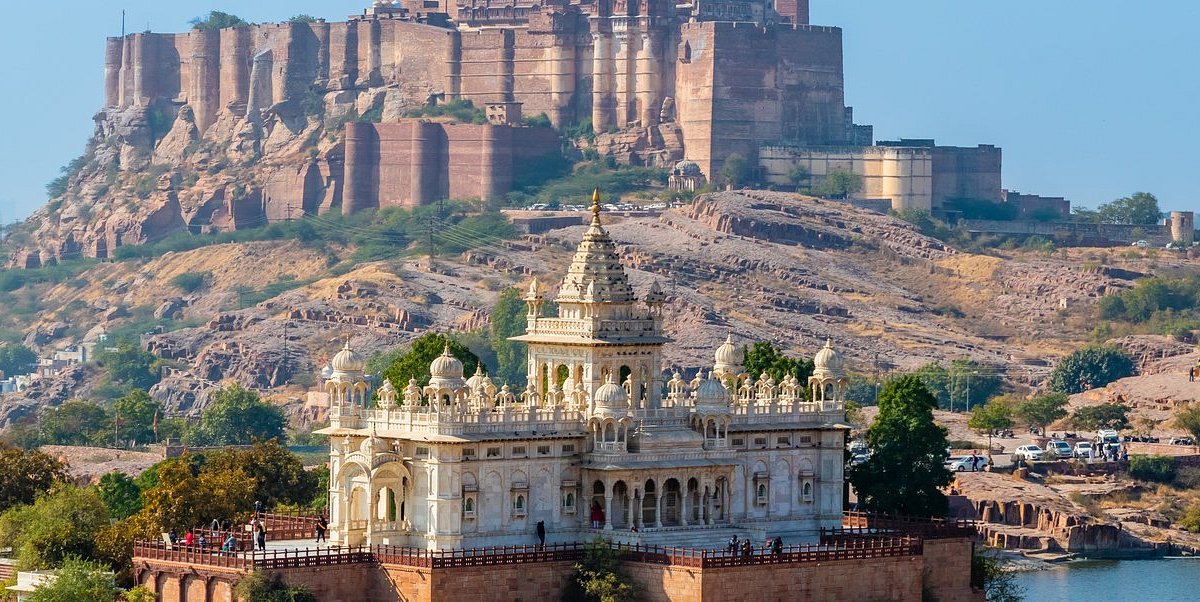
Rajasthan is an undisputed king when it comes to culture and history. Its landscape is dotted with architectural marvels like Jaipur's Amber Fort, Udaipur's City Palace, and Jodhpur's Mehrangarh Fort – each narrating centuries of Rajput valor and luxury. Entrance fees typically range from ₹200-₹600 ($2.50-$7.50) for Indian nationals and ₹500-₹1,500 ($6-$18) for foreigners. You can experience a desert safari in Jaisalmer, stay in a heritage hotel, or witness a folk music and dance performance, often including dinner, for around ₹1,000-₹2,500 ($12-$30). Kerala, while rich in its own right with ancient temples like Padmanabhaswamy Temple in Thiruvananthapuram, colonial architecture in Fort Kochi, and vibrant Kathakali performances (tickets ₹300-₹700 / $3.50-$8.50), offers a different, more subdued historical narrative. Its history is more about trade routes and religious synthesis than grand kingdoms and battlefield heroics. "Honestly, Rajasthan just hits different with its forts; you feel like you're stepping back in time around every corner." The sheer scale and preservation of historical sites in Rajasthan are unparalleled, making it a must for history buffs.
Winner takeaway
- Winner: Rajasthan
- Why: Rajasthan's grand palaces, formidable forts, and pervasive Rajput heritage offer an unmatched historical and cultural immersion.
- Who this matters for: History buffs, architecture enthusiasts, and those seeking vibrant traditional experiences.
🌴 Nature & Scenery
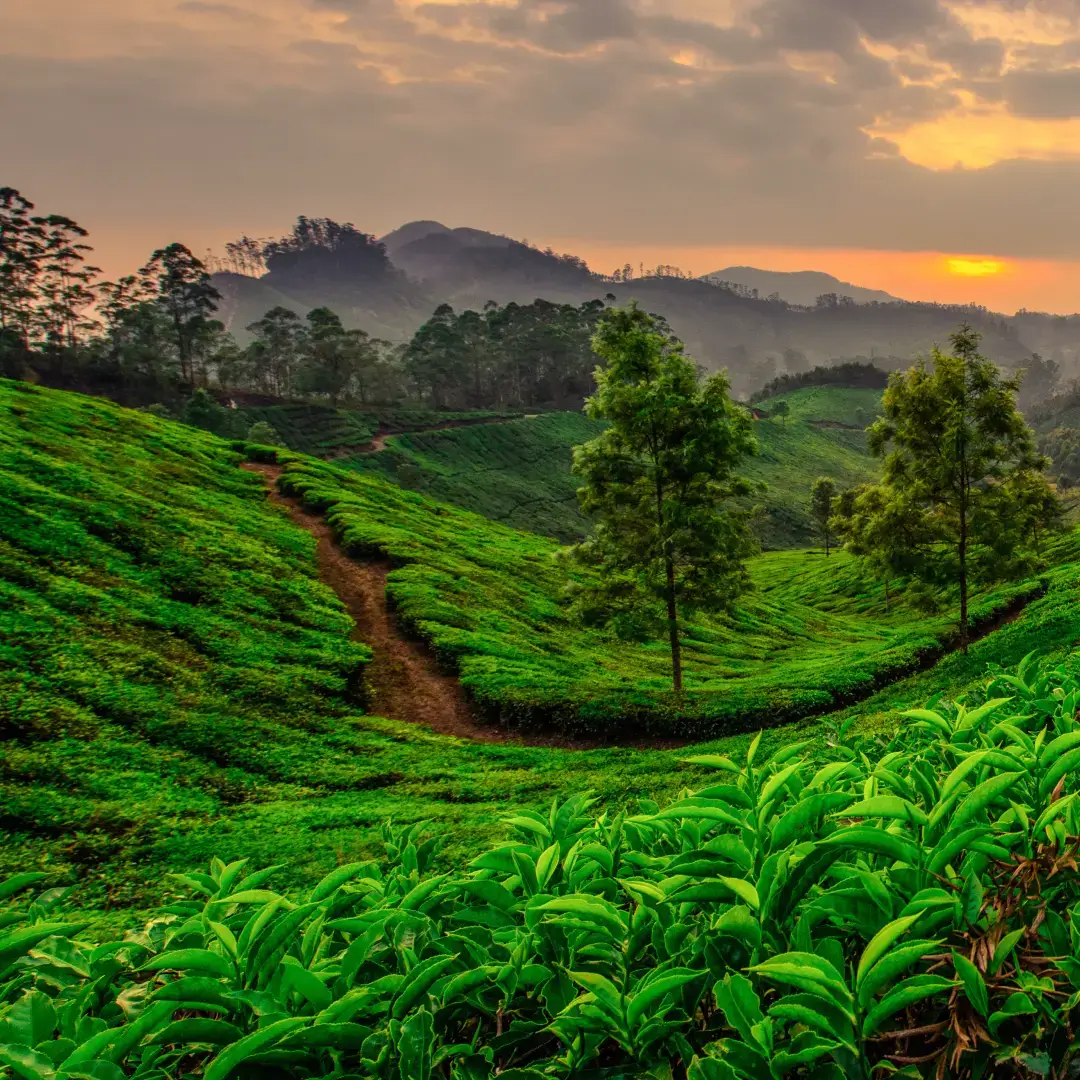
Kerala is a verdant wonderland, a stark contrast to Rajasthan's arid beauty. The backwaters of Alleppey (Alappuzha) are iconic, where you can cruise on a traditional houseboat, surrounded by coconut groves and local life, with overnight stays starting from ₹8,000-₹20,000 ($95-$240) for a private boat. The hill stations like Munnar boast sprawling tea plantations, misty mountains, and cool climates, offering excellent hiking opportunities and stunning vistas. You can visit a tea museum for around ₹100 ($1.20) or explore spice plantations. The Periyar National Park in Thekkady provides opportunities for jungle treks and boat safaris (entry ₹450 / $5.50 for foreigners). Rajasthan's natural beauty, while unique, is primarily defined by the golden sands of the Thar Desert, particularly around Jaisalmer for dune bashing and camel safaris (₹1,500-₹3,000 / $18-$35 for half-day). Ranthambore National Park offers tiger safaris (₹1,800-₹2,500 / $22-$30 per person for a shared jeep), but the overall diversity of ecosystems is limited compared to Kerala. "The sheer greenery and water in Kerala are just breathtaking after all the desert dust; it's like a different country." For lush, diverse, and abundant natural beauty, Kerala truly stands out.
Winner takeaway
- Winner: Kerala
- Why: Kerala offers an incredible diversity of lush landscapes, from serene backwaters and pristine beaches to misty mountains and spice plantations.
- Who this matters for: Nature lovers, photographers, those seeking relaxation amidst greenery, and hikers.
🌶️ Food & Cuisine
While Rajasthan boasts unique, hearty, and often vegetarian cuisine adapted to its arid climate – think the iconic Dal Baati Churma (a must-try, often ₹200-₹400 / $2.50-$5 per thali), Gatte ki Sabzi, and the fiery Laal Maas (a mutton curry) – Kerala's food scene offers a broader, more nuanced palate, especially for non-vegetarians. Kerala cuisine is characterized by its liberal use of coconut, fresh spices, and an abundance of seafood. You can feast on a traditional Sadhya (vegetarian meal served on a banana leaf) for ₹150-₹300 ($1.80-$3.50), savor fresh fish moilee, or enjoy appams with stew. Street food like pazham pori (banana fritters) is cheap and delicious. In Fort Kochi, you can pick your fresh catch and have it cooked right in front of you at the Chinese fishing nets area, with a meal for two costing around ₹800-₹1,500 ($10-$18). Rajasthan's street food like Kachoris and Mirchi Bada in Jodhpur (₹30-₹50 / $0.35-$0.60 each) are fantastic, but the overall variety of flavors and ingredients in Kerala, particularly with its coastal influence, makes it incredibly appealing. "The seafood in Kerala is just next level, so fresh and so many different curries. Rajasthan was good, but I missed the fish after a while." The sheer freshness, diversity, and often healthier preparations give Kerala the edge.
Winner takeaway
- Winner: Kerala
- Why: Kerala's cuisine offers a wider variety of flavors, especially its fresh seafood and coconut-infused curries, appealing to diverse palates.
- Who this matters for: Foodies, seafood lovers, and those who appreciate a balance of spice and richness.
🏖️ Beaches
This is a straightforward win for Kerala, as Rajasthan is a landlocked state with no access to the sea. Its 'beaches' are literally sand dunes in the Thar Desert. Kerala, on the other hand, is blessed with a stunning Arabian Sea coastline, offering a range of beach experiences. Varkala is famous for its dramatic cliffside setting, yoga retreats, and lively shacks where a meal can cost ₹400-₹800 ($5-$10). Kovalam is more developed with various resorts and activities. Marari Beach offers a much quieter, more serene village experience, perfect for relaxation. You can find beachfront accommodation in Varkala starting from ₹1,500 ($18) for a decent guesthouse. While Rajasthan offers unique desert experiences, including camel safaris and stargazing in the dunes, these are not comparable to traditional beach activities like swimming, sunbathing, or watersports. "If you want proper beaches and chill vibes, Kerala is where it's at. Rajasthan is amazing, but you won't find sand and waves there." For anyone wanting a coastal escape, Kerala is the only choice here.
Winner takeaway
- Winner: Kerala
- Why: Kerala offers miles of beautiful coastline with diverse beach experiences, from lively cliffsides to serene village shores, a feature Rajasthan simply doesn't have.
- Who this matters for: Beach lovers, sun worshippers, surfers, and those seeking coastal relaxation.
💰 Costs & Budget
Both states offer excellent value for money compared to Western destinations, but Rajasthan generally allows your rupee to stretch a bit further. Budget guesthouses in Rajasthan cities like Pushkar or Udaipur can be found for ₹800-₹1,500 ($10-$18) per night, with mid-range options around ₹2,000-₹4,000 ($24-$48). Local transport like auto-rickshaws are cheap (₹50-₹150 / $0.60-$1.80 for short rides), and delicious street food is abundant (₹50-₹150 / $0.60-$1.80 per meal). Train travel across Rajasthan is also very economical. Kerala can be a bit more expensive, particularly for signature experiences. A decent guesthouse in Varkala or Fort Kochi might start at ₹1,200-₹2,000 ($14-$24), and a good homestay around ₹2,500-₹4,500 ($30-$55). Houseboat stays in Alleppey, while iconic, are a significant expense. Food costs are comparable to Rajasthan, but if you're frequently opting for seafood, it can add up. "Rajasthan felt like I could always find a cheaper place to stay or eat, even in the main cities. Kerala was still cheap, but a bit more for the same quality sometimes." While both can be done on a budget, the baseline cost for quality accommodation and experiences often leans slightly lower in Rajasthan, making it a better choice for truly shoestring travelers.
Winner takeaway
- Winner: Rajasthan
- Why: Rajasthan generally offers slightly lower prices for accommodation, food, and local transport, making it more accessible for budget travelers.
- Who this matters for: Budget-conscious travelers, backpackers, and those looking to maximize their travel duration.
🚗 Getting Around
Both Rajasthan and Kerala offer robust and varied transportation options, making internal travel relatively straightforward, though with different nuances. In Rajasthan, distances between major cities like Jaipur, Jodhpur, Udaipur, and Jaisalmer can be quite substantial (e.g., Jaipur to Jodhpur is ~6 hours by road). Trains are an excellent and economical option (sleeper class tickets ₹300-₹600 / $3.50-$7.50 for long distances), as are private car hires with a driver (₹2,500-₹4,500 / $30-$55 per day). Local city travel is dominated by auto-rickshaws. Kerala also has a very efficient state bus system (KSRTC) connecting virtually every town and village, which is incredibly cheap. Trains connect the major coastal cities, and taxis/auto-rickshaws are everywhere. The average distances between popular spots like Fort Kochi, Alleppey, and Munnar are generally shorter than Rajasthan's sprawling circuit. "I found both easy to get around, but Rajasthan's distances felt huge, while Kerala felt more compact for hopping between places." For those who prefer the flexibility of a private driver or enjoy long scenic train rides, Rajasthan's infrastructure is great. For short hops and excellent bus connectivity, Kerala shines. Ultimately, neither truly 'wins' as they both cater well to their respective geographies.
Winner takeaway
- Winner: Tie
- Why: Both regions offer diverse and efficient transport options tailored to their geography, making internal travel convenient and accessible for different preferences.
- Who this matters for: Travelers who prioritize efficient transit, whether by train, bus, or private vehicle.
🏨 Accommodation
Accommodation choices in both Rajasthan and Kerala are incredibly diverse, catering to every budget and taste, hence a tie. Rajasthan is world-renowned for its heritage hotels, where you can stay in former palaces or intricately designed Havelis, offering a regal experience. Places like the Jaiwana Haveli in Udaipur (₹3,000-₹6,000 / $35-$70) or Samode Haveli in Jaipur (₹10,000+ / $120+) provide unique cultural immersion. Beyond this, there are countless guesthouses, budget hotels, and international chains. Kerala's accommodation scene is equally compelling, but with different highlights. The iconic houseboat stays on the Alleppey backwaters range from rustic to luxurious, with a private AC boat for one night starting at ₹8,000-₹20,000 ($95-$240). Charming homestays, especially in Fort Kochi (₹1,500-₹3,500 / $18-$42), offer a personal touch and authentic local experience. Ayurvedic resorts in places like Kovalam combine wellness with comfort, though these can be pricier. "I loved the heritage feel of the hotels in Rajasthan, but the homestays in Kerala gave such a warm, local vibe. Both excellent in their own way." While Rajasthan excels in 'royal' stays, Kerala's unique offerings like houseboats and a strong homestay culture provide equally memorable and distinct experiences.
Winner takeaway
- Winner: Tie
- Why: Both states offer distinct, high-quality accommodation experiences, from Rajasthan's heritage palaces to Kerala's unique houseboats and charming homestays.
- Who this matters for: All travelers, as both offer diverse options from budget to luxury, with unique local flavors.
🎉 Nightlife & Entertainment
When it comes to evening entertainment that truly captures the local spirit, Rajasthan offers a more vibrant and distinct experience. Instead of typical bars and clubs, the nightlife here revolves around cultural performances. Imagine watching a folk dance and puppet show with dinner in Jaisalmer's desert camps (₹1,500-₹2,500 / $18-$30), or enjoying live music on a rooftop overlooking Udaipur's Lake Pichola. Evening bazaars like Johari Bazaar in Jaipur or the Clock Tower Market in Jodhpur are bustling until late, offering a lively atmosphere for shopping and street food. While there are modern bars in cities like Jaipur, the real charm lies in its traditional offerings. Kerala's nightlife is generally much more subdued and relaxed. You'll find pleasant beachfront shacks in Varkala and Kovalam where you can enjoy a drink and fresh seafood, or a few casual bars in Fort Kochi. Kathakali performances are a popular evening activity (tickets ₹300-₹700 / $3.50-$8.50), but there isn't the same widespread, lively evening buzz found in Rajasthan. "Rajasthan's evening cultural shows and busy markets felt so much more alive than the few beach bars in Kerala." For those seeking immersive cultural entertainment and lively evening markets, Rajasthan provides a more exciting 'nightlife' experience.
Winner takeaway
- Winner: Rajasthan
- Why: Rajasthan's evening scene is richer with vibrant cultural shows, traditional music, and bustling night markets offering unique entertainment.
- Who this matters for: Culture seekers, families, and those who prefer traditional entertainment over clubbing.
🛡️ Safety & Comfort
While both states are generally safe for tourists, Kerala consistently ranks as one of India's safest and most welcoming states, especially for solo female travelers, giving it a clear win in comfort and perceived safety. The literacy rate is high, and the overall atmosphere is more relaxed and less prone to aggressive touting than some parts of Rajasthan. You can comfortably walk around Fort Kochi or Varkala after dark. Local interactions often feel genuinely friendly and respectful. Rajasthan is also safe, but in bustling cities like Jaipur and Jodhpur, you might encounter more persistent touts, rickshaw drivers trying to overcharge, and crowded areas requiring heightened awareness for pickpocketing. Solo female travelers often report feeling a bit more stared at or needing to be more assertive in Rajasthan. "I felt incredibly safe in Kerala, even walking alone at night in Varkala. In Rajasthan, I was always a bit more on guard, especially in markets." While incidents are rare in both, the general sense of ease and a less intense cultural experience make Kerala a more comfortable choice for many, especially those new to India or traveling solo.
Winner takeaway
- Winner: Kerala
- Why: Kerala is consistently rated as one of India's safest and most welcoming states, offering a more relaxed and comfortable experience, particularly for solo female travelers.
- Who this matters for: Solo travelers (especially women), first-time visitors to India, and those prioritizing a relaxed and hassle-free environment.
🛍️ Shopping
Rajasthan is undeniably a shopper's paradise, offering an overwhelming array of traditional goods that are distinctive and beautiful, securing its win. Its bustling bazaars like Jaipur's Johari Bazaar (jewelry, gemstones), Bapu Bazaar (textiles, Mojari shoes), and Sardar Market in Jodhpur are sensory overloads of vibrant colors and intricate craftsmanship. You can find exquisite block-printed textiles (a saree can range from ₹800-₹5,000 / $10-$60), silver jewelry (₹500-₹5,000+ / $6-$60+), camel leather bags, miniature paintings, and intricate lacquerware. Haggling is expected and part of the experience. Kerala, while offering unique items, has a more niche shopping scene. It's famous for its fresh spices (cardamom, pepper, cinnamon - a small bag for ₹100-₹300 / $1.20-$3.50), Ayurvedic products, traditional Keralan Kasavu sarees (starting ₹1,500 / $18), and local handicrafts like wooden carvings and coir products. "I literally ran out of space in my luggage after Rajasthan; the textiles and jewelry were irresistible! Kerala was good for spices, but not on the same level for unique crafts." For variety, vibrancy, and unique traditional items, Rajasthan's shopping experience is simply unmatched and an adventure in itself.
Winner takeaway
- Winner: Rajasthan
- Why: Rajasthan's vibrant bazaars offer an unparalleled variety of unique textiles, jewelry, handicrafts, and traditional goods, making it a dream for shoppers.
- Who this matters for: Serious shoppers, souvenir collectors, and those seeking unique traditional crafts.
❓ Frequently Asked Questions
What's the best time to visit Rajasthan vs Kerala?
Rajasthan is best visited from October to March to avoid extreme desert heat, with pleasant cool weather. Kerala is also ideal during its dry season from October to March, but its lushness can be enjoyed during the monsoon (June-September) for a different, rain-kissed experience.
Is solo travel, especially for women, safe in both regions?
Both regions are generally safe for solo travelers. Kerala is often perceived as slightly safer and more comfortable for solo women due to its higher literacy rates and less intense cultural interactions. In Rajasthan, being aware of your surroundings and assertive with touts is advisable, particularly in crowded areas.
How many days are recommended for each region?
For a good introduction to Rajasthan, aim for 7-10 days to cover Jaipur, Jodhpur, Udaipur, and potentially Jaisalmer. For Kerala, 7-10 days would allow you to experience Fort Kochi, the Alleppey backwaters, and a hill station like Munnar or a beach like Varkala comfortably.
What are the main cultural differences I should be aware of?
Rajasthan's culture is deeply rooted in Rajput history, with a focus on kings, forts, and desert traditions. Dress modestly, especially in religious sites. Kerala has a more diverse cultural fabric, influenced by various religions and trade, with a generally more progressive and relaxed social atmosphere. Both respect modest dress.
What should I pack for each destination?
For Rajasthan, pack light, breathable cotton clothes for daytime, but also a light jacket/shawl for cool desert evenings (especially Oct-Feb). For Kerala, light, breathable clothing is essential due to humidity. Both require comfortable walking shoes, sun protection, and insect repellent. Modest clothing is respectful in both.
Can I combine an Ayurvedic experience with my trip?
Absolutely! Kerala is the undisputed home of Ayurveda. You'll find numerous reputable Ayurvedic centers and resorts, especially in places like Kovalam and Fort Kochi, offering treatments and wellness packages. While Rajasthan has some wellness centers, it's not its primary focus for authentic Ayurveda.
Are there good options for adventure tourism?
Rajasthan offers desert safaris (camel, jeep), hot air ballooning in Jaipur, and wildlife safaris in Ranthambore. Kerala provides trekking in the Western Ghats (Munnar, Wayanad), bamboo rafting in Periyar, and watersports on its beaches. Both offer different kinds of adventures.
What's the typical visa process for India?
Most foreign travelers require an e-Visa for India, which can be applied for online (indianvisaonline.gov.in) before your trip. It's a relatively straightforward process, usually taking a few days to process, but always check the latest requirements for your nationality.
Ready to plan your unforgettable Indian journey?
Get a free custom itinerary for Rajasthan, Kerala, or both — built from real traveler insights and tailored to your unique preferences.
🎟️ Book Tours & Experiences
Hand-picked tours and activities for both destinations — book with free cancellation
Experiences via Viator — free cancellation on most tours