How we built this comparison
This page combines traveler discussion patterns, published price ranges, flight schedules, and seasonal data to help you decide between Recife and Fortaleza.
- Reviewed 50+ Reddit threads from r/travel, r/solotravel, r/Brazil, and r/brasil for firsthand traveler experiences and opinions.
- Verified costs and logistics against current booking platforms (Booking.com, Skyscanner, Uber, local tour operators) for accuracy.
- Cross-referenced seasonal patterns and weather data from meteorological sources to provide reliable 'best time to visit' advice.
⚡ The TL;DR Verdict
For history buffs, foodies seeking authenticity, and those wanting a more 'gritty' but culturally rich experience, Recife (daily budget R$150-300 / $30-60 USD) is your pick. Beach lovers, kitesurfers, and nightlife seekers will gravitate towards Fortaleza (daily budget R$200-400 / $40-80 USD) for its more modern, resort-like feel and access to iconic beaches like Jericoacoara.
- Choose Recife: Choose Recife if you prioritize culture, colonial history (especially Olinda), authentic regional cuisine, and a slightly more 'local' and less tourist-centric vibe. It's fantastic for solo travelers interested in deep dives into history and art, or couples seeking romantic, historic settings.
- Choose Fortaleza: Opt for Fortaleza if you're chasing sun-drenched city beaches, vibrant nightlife, water sports (especially kitesurfing), and a more bustling, modern city atmosphere. It's a great base for accessing legendary Ceará beaches like Jericoacoara and Cumbuco, perfect for groups, young travelers, or families wanting resort amenities.
- Choose Both: If you have 10-14 days, combining both is definitely doable! Fly into one (e.g., REC), spend 4-5 days, then take a connecting flight (approx. 1 hour, R$200-400 / $40-80 USD) or an overnight bus (approx. 12-14 hours, R$150-250 / $30-50 USD) to the other. This allows you to experience both cultural depth and stunning coastal beauty.
Quick Comparison
| Category | Recife | Fortaleza | Winner |
|---|---|---|---|
| Beaches & Nature | Recife's Boa Viagem is iconic but shark-prone; true gems are nearby: Porto de Galinhas, Praia dos Carneiros with natural pools. | Fortaleza boasts urban beaches like Praia do Futuro and Iracema, but its main draw is gateway access to world-famous Jericoacoara and kitesurfing haven Cumbuco. | Fortaleza |
| Culture & History | Recife is a historical powerhouse with Dutch colonial architecture, vibrant Frevo music, and the UNESCO site of Olinda next door. | Fortaleza has some cultural centers like Dragão do Mar, but its historical footprint is smaller, focusing more on contemporary art and local traditions like forró. | Recife |
| Food & Drink | Recife's cuisine is a flavorful journey into Pernambuco's culinary traditions, known for seafood, bolo de rolo, and tapioca. | Fortaleza offers excellent fresh seafood, crab shacks on Praia do Futuro, and modern dining, but leans slightly more into tourist-friendly options. | Recife |
| Nightlife & Entertainment | Recife's nightlife centers around Recife Antigo, with more intimate bars, live music (often Frevo or Samba), and a relaxed vibe. | Fortaleza boasts a more extensive and varied nightlife, especially along Praia de Iracema and Centro Dragão do Mar, with big clubs, bars, and plenty of forró. | Fortaleza |
| Costs & Budget | Recife is generally more budget-friendly, with slightly lower prices for food, accommodation, and local transport, offering great value. | Fortaleza, while not expensive by international standards, can be slightly pricier due to its more developed tourist infrastructure and higher demand for services. | Recife |
| Getting There & Around | Recife's Guararapes Airport (REC) is well-connected. Getting around locally is easy with Uber/taxis; the metro is useful too. | Fortaleza's Pinto Martins Airport (FOR) also has good national connections. Uber/taxis are prevalent, but public transport can be less intuitive for tourists. | Tie |
| Accommodation | Recife offers a range from modern hotels in Boa Viagem to charming pousadas in historic Olinda, catering to different styles. | Fortaleza's accommodation scene is dominated by high-rise hotels along Beira Mar, with options ranging from budget hostels to luxury resorts. | Tie |
| Safety & Vibe | Recife has a more 'real' Brazilian feel, which can be grittier but authentic. Standard urban safety precautions are essential. | Fortaleza often feels more tourist-oriented with visible security in popular areas, but also requires awareness, especially at night. | Tie |
| Day Trips & Excursions | Recife offers easy access to the stunning colonial town of Olinda, the natural pools of Porto de Galinhas, and the picturesque Praia dos Carneiros. | Fortaleza is the primary gateway to the legendary Jericoacoara, a world-famous beach village, and also offers closer kitesurfing spots like Cumbuco. | Fortaleza |
| Adventure & Outdoors | Recife offers opportunities for natural pool snorkeling near Porto de Galinhas and exploring mangroves, but less extreme sports. | Fortaleza is a major hub for kitesurfing and windsurfing in nearby Cumbuco and Jericoacoara, with dune buggy rides and off-roading. | Fortaleza |
🏖️ Beaches & Nature
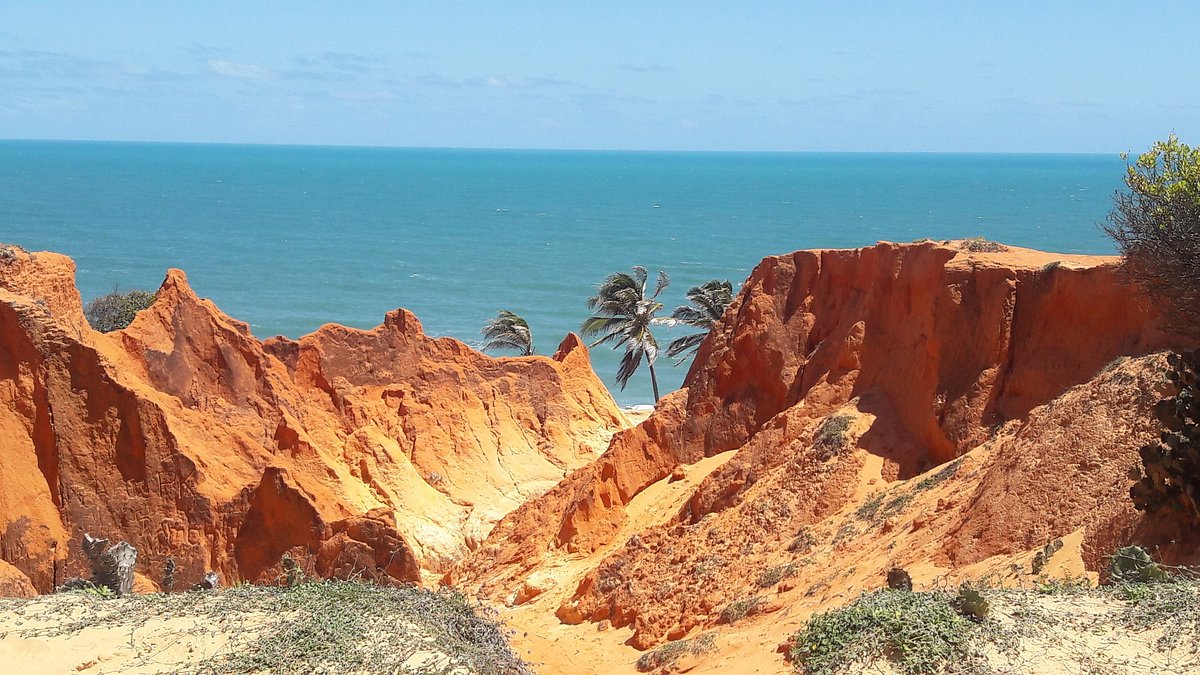
While Recife's urban beach, Boa Viagem, is famous for its natural reef pools at low tide, it comes with a serious shark warning, making swimming generally ill-advised outside protected areas. The true beach treasures are an hour or two south: the stunning natural pools of Porto de Galinhas (day trips around R$100-150 / $20-30 USD per person) and the picturesque Praia dos Carneiros with its iconic church on the sand. These are undeniably beautiful, but require dedicated travel. Fortaleza, on the other hand, offers more immediately accessible urban beaches like Praia do Futuro, which is lively with barracas (beach shacks) serving fresh seafood, and the bustling Praia de Iracema. However, Fortaleza's real ace is its position as the primary gateway to the legendary Jericoacoara, consistently ranked among the world's best beaches. Tours to Jeri from Fortaleza typically cost R$250-400 / $50-80 USD for a day trip or R$600-1000 / $120-200 USD for a multi-day package, involving bumpy rides but delivering unparalleled beauty. Kitesurfing enthusiasts flock to Cumbuco, just 30km away, offering prime conditions. "Look, Jeri is a whole different level. Recife's beaches are nice, especially Porto de Galinhas, but Fortaleza just has that 'wow' factor with its surrounding coast, even if the city beaches are just okay." The sheer variety and quality of accessible surrounding beaches give Fortaleza the edge for nature and beach lovers.
Winner takeaway
- Winner: Fortaleza
- Why: Fortaleza wins for its direct access to globally recognized beaches like Jericoacoara and its vibrant water sports scene.
- Who this matters for: Beach fanatics, kitesurfers, and those seeking iconic natural landscapes.
🏛️ Culture & History
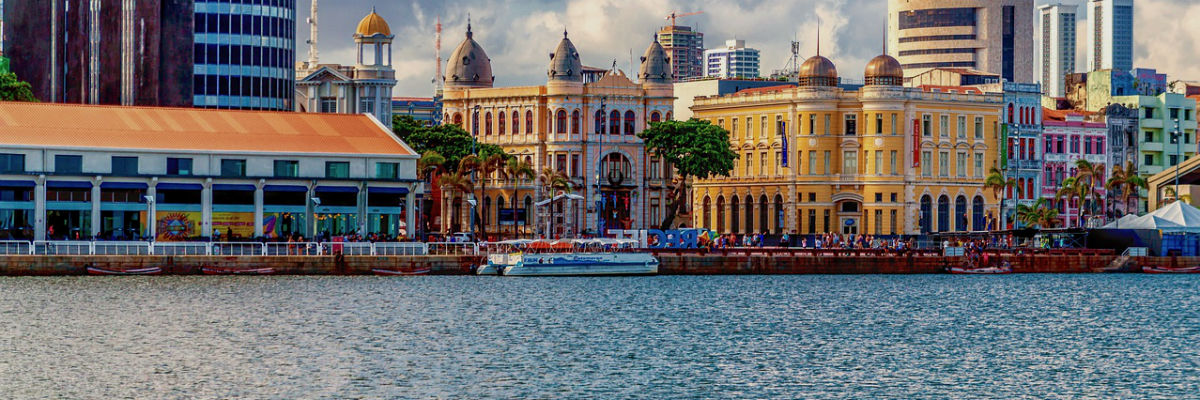
Recife, often called the 'Venice of Brazil' due to its many bridges and canals, is steeped in history. Its Recife Antigo district boasts beautifully restored colonial buildings, like those around Marco Zero, telling tales of Dutch occupation and a rich sugar cane past. The heart of its cultural offering, however, lies in Olinda, a stunning UNESCO World Heritage site just a short (R$30-50 / $6-10 USD Uber) ride away. Olinda's colorful, hilly streets, Baroque churches, and artisan workshops are a living museum. Recife is also the birthplace of Frevo, a high-energy musical style and dance, especially vibrant during Carnival. You can find Frevo schools and performances throughout the city. Fortaleza, while having a pleasant Centro, lacks the same historical depth. Its cultural hub, the Centro Dragão do Mar de Arte e Cultura, is a modern complex with cinemas, theaters, and museums, showcasing contemporary Ceará art and performance. "Recife and Olinda hit different for history buffs. Every corner has a story, you can feel it. Fortaleza is more modern, less about the past." For those craving a deep dive into Brazil's colonial past and vibrant traditional arts, Recife is undeniably superior.
Winner takeaway
- Winner: Recife
- Why: Recife, especially with Olinda, offers a far richer and more immersive historical and cultural experience.
- Who this matters for: History buffs, architecture enthusiasts, and those seeking authentic regional cultural immersion.
🍤 Food & Drink
Recife's food scene is a delightful exploration of Northeastern flavors, often more authentic and less geared towards mass tourism. You must try bolo de rolo (a thin, rolled guava cake), tapioca (savory or sweet crepes), and the rich seafood stews like moqueca or peixada. Restaurants like Leite (traditional, a bit pricey, R$80-150 / $16-30 USD per dish) or Parraxaxá (Nordestino buffet, around R$60-80 / $12-16 USD per person) offer fantastic local experiences. Street food in Recife Antigo is vibrant, especially on Friday nights. Fortaleza also excels in fresh seafood, particularly crab (caranguejo), which is a Friday night tradition at the barracas along Praia do Futuro. However, much of its dining scene along Avenida Beira Mar caters to tourists, with many chain-like establishments. While places like Coco Bambu (a successful local chain, R$100-200 / $20-40 USD per dish for two) offer excellent upscale seafood, Recife's food feels more rooted and unique to its region. "Honestly, Recife's street food and those little local spots felt more authentic and way more flavorful. Fortaleza was good, but a bit more generic seafood." For those truly wanting to taste the heart of Northeastern Brazilian cuisine, Recife offers a more profound experience.
Winner takeaway
- Winner: Recife
- Why: Recife provides a more authentic, distinct, and diverse culinary journey rooted in regional traditions.
- Who this matters for: Foodies, culinary adventurers, and those seeking local flavors over international options.
💃 Nightlife & Entertainment
Fortaleza takes the crown for sheer variety and energy in its nightlife. The area around Praia de Iracema and Centro Dragão do Mar is bustling every night, offering everything from large outdoor clubs playing electronic music and sertanejo to more traditional forró houses like Pirata Bar (famous 'Monday's Most Insane Party', R$80-120 / $16-24 USD cover). There are countless bars, live music venues, and street performances. On weekends, the beach barracas at Praia do Futuro also come alive with music and dancing. Recife's nightlife is charming but more contained, largely concentrated in Recife Antigo. Here you'll find cozy bars, some playing live Frevo, samba, or rock, especially on Friday and Saturday nights. Places like Cais do Sertão often have cultural events. While enjoyable, it's generally less sprawling and less overtly party-focused than Fortaleza. "Fortaleza just has more options, plain and simple. If you want to party till dawn, Iracema is where it's at. Recife felt more chill, good for a drink, but not for dancing all night." For those looking for a diverse and energetic party scene, Fortaleza is the clear winner.
Winner takeaway
- Winner: Fortaleza
- Why: Fortaleza offers a broader, more energetic, and more diverse nightlife scene with options for various tastes.
- Who this matters for: Party-goers, young travelers, and those looking for lively evening entertainment.
💰 Costs & Budget
When comparing daily expenses, Recife often comes out slightly ahead for budget travelers. A decent meal at a local restaurant in Recife might cost R$30-60 ($6-12 USD), whereas in a touristy area of Fortaleza, it could be R$40-80 ($8-16 USD). Hostel dorm beds in Recife typically range from R$60-100 ($12-20 USD), while in Fortaleza they might start from R$80-130 ($16-26 USD). Mid-range hotels in both cities hover around R$200-400 ($40-80 USD), but Recife tends to offer slightly better value for the same quality. Local transport (bus, Uber) is comparable, but tours and excursions from Fortaleza, especially to Jericoacoara, can be a significant expense. "I found my money stretched a bit further in Recife. Meals, beers, even some of the souvenir shops felt less inflated than in Fortaleza, especially around the main beaches." Overall, for the budget-conscious traveler looking to make their reais go further without sacrificing quality, Recife offers a more economical experience. Expect a comfortable daily budget in Recife to be around R$150-300 ($30-60 USD), while Fortaleza might require R$200-400 ($40-80 USD).
Winner takeaway
- Winner: Recife
- Why: Recife generally offers better value for money across accommodation, food, and local experiences.
- Who this matters for: Budget travelers, backpackers, and anyone looking to maximize their travel funds.
✈️ Getting There & Around
Both cities boast major international airports (Recife/Guararapes - REC and Fortaleza/Pinto Martins - FOR) with excellent domestic connections to São Paulo (GRU/CGH, approx. 3.5-4 hours flight, R$400-1000 / $80-200 USD return) and Rio de Janeiro (GIG/SDU). Flight times and costs are very similar, making either an equally accessible entry point to the Northeast. Once in the city, ride-sharing apps like Uber and 99 are widely available and reasonably priced (short trips R$15-30 / $3-6 USD) in both. Recife benefits from a more developed metro system, which can be useful for reaching areas like the city center or Olinda (though buses or Ubers are more direct to Olinda). Fortaleza's public transport system is extensive but can be more challenging for non-Portuguese speaking tourists to navigate effectively. "Honestly, both airports are fine, easy Ubers from either. In the city, I felt a bit more comfortable grabbing a local bus in Recife, but Uber works everywhere." For intercity travel, a flight between them is about 1 hour (R$200-400 / $40-80 USD), while an overnight bus is a long 12-14 hour journey (R$150-250 / $30-50 USD). Both are equally good for arrival, but Recife offers slightly more diverse local transport options.
Winner takeaway
- Winner: Tie
- Why: Both cities offer comparable ease of access via major airports and convenient ride-sharing services, with minor differences in local transit.
- Who this matters for: All travelers, as ease of access and intra-city travel are universally important.
🏨 Accommodation
Both Recife and Fortaleza offer a broad spectrum of accommodation options, largely depending on your preferred style and budget. In Recife, you'll find modern, international-chain hotels clustered along Boa Viagem beach, offering amenities like pools and ocean views (e.g., Grand Mercure Recife Boa Viagem, R$350-600 / $70-120 USD per night). For a more boutique and character-filled experience, the charming pousadas (guesthouses) in Olinda (e.g., Pousada do Amparo, R$250-500 / $50-100 USD) are highly recommended, though they require a short commute to Recife's main areas. Fortaleza's accommodation landscape is heavily concentrated along the Avenida Beira Mar, featuring numerous high-rise hotels and apartments, many with ocean views (e.g., Hotel Praia Centro, R$250-450 / $50-90 USD, or more upscale options like Gran Marquise). There's also a good selection of hostels catering to backpackers in both cities (dorm beds R$60-130 / $12-26 USD). "Recife/Olinda had those quaint, historic spots I loved, but Fortaleza's beach hotels felt more resort-y if that's what you're into. Really just depends on your vibe." The choice between them comes down more to preference: historic charm versus modern beach-front convenience, making it a tie for overall quality and variety.
Winner takeaway
- Winner: Tie
- Why: Both cities offer diverse accommodation choices, from budget hostels to luxury hotels, catering to different preferences and travel styles.
- Who this matters for: All travelers, as accommodation needs vary greatly by individual preference and budget.
🚨 Safety & Vibe
Safety in both Recife and Fortaleza, like any large Brazilian city, requires vigilance and common sense. Neither city is inherently 'unsafe' for tourists if precautions are taken, but both have areas to avoid. Recife, with its historical depth and less polished feel, can sometimes feel a bit more 'gritty' or 'real.' Tourists generally stick to Boa Viagem, Recife Antigo, and Olinda, where visible policing is present. Walking alone at night in less-trafficked areas is discouraged. Fortaleza's main tourist zones, particularly along Beira Mar and Praia do Futuro, often have a more overt security presence and a generally more 'resort-like' atmosphere that can feel safer to some, especially first-time visitors to Brazil. However, petty crime (pickpocketing, bag snatching) is prevalent in both cities, and flashing valuables is ill-advised. "Honestly, both felt about the same – use your head, don't walk around with your phone out at night, and take Ubers. I didn't have issues in either, but I heard stories." The perceived safety often comes down to individual comfort levels and adherence to standard travel safety advice. Neither is significantly safer than the other; they simply present different urban environments that demand similar levels of awareness.
Winner takeaway
- Winner: Tie
- Why: Both cities require similar levels of awareness and caution for travelers; perceived safety often depends on personal comfort and experience.
- Who this matters for: All travelers, particularly solo travelers and families, for whom safety is a primary concern.
🚗 Day Trips & Excursions
While Recife boasts fantastic day trip options, Fortaleza's star attraction, Jericoacoara, is a destination in itself that often outshines others. From Recife, a day trip to Olinda (R$30-50 / $6-10 USD Uber round trip) is a must for its UNESCO heritage and vibrant art scene. Porto de Galinhas (tours R$100-150 / $20-30 USD) offers incredible natural pools and beautiful beaches. Praia dos Carneiros (tours R$120-180 / $24-36 USD) is another idyllic escape. These are all high-quality and diverse. However, Fortaleza's position as the hub for Jericoacoara, with its iconic sunsets, sand dunes, and lagoons, makes it a powerful draw. While it's often a 2-3 day trip to fully appreciate (R$600-1000 / $120-200 USD package), one-day excursions are also possible. Additionally, the kitesurfing paradise of Cumbuco is just 30km away (Uber R$50-80 / $10-16 USD), offering different types of adventure. "If you're coming all the way to Ceará, you HAVE to go to Jeri. It's just non-negotiable. Recife's day trips are great, but Jeri is next level." The sheer allure and global reputation of Jericoacoara give Fortaleza the edge for truly iconic excursions.
Winner takeaway
- Winner: Fortaleza
- Why: Fortaleza's access to the iconic, world-renowned Jericoacoara makes its day trip offerings more compelling for many travelers.
- Who this matters for: Adventure seekers, photographers, and those chasing 'bucket list' beach experiences.
🏄 Adventure & Outdoors
For those seeking adrenaline and outdoor sports, Fortaleza is a clear winner. Its proximity to Cumbuco (a renowned kitesurfing spot) and Jericoacoara (another world-class wind and kitesurfing destination) makes it a magnet for water sports enthusiasts. You can easily find schools and gear rental in Cumbuco for around R$200-400 / $40-80 USD for a beginner lesson. Dune buggy rides (R$300-500 / $60-100 USD for a private tour) through the coastal landscapes around Jericoacoara or Cumbuco offer thrilling experiences. The expansive sand dunes provide opportunities for sandboarding and quad biking. Recife, while offering beautiful natural pools for snorkeling (e.g., Porto de Galinhas, gear rental R$30-50 / $6-10 USD), and boat trips through mangroves, doesn't have the same robust infrastructure or natural conditions for high-octane adventure sports. "If you're into kitesurfing or just generally like getting off-road and exploring dunes, Fortaleza and its surroundings are unmatched. Recife is more about chilling by the pools." For the active traveler looking for wind, waves, and off-road thrills, Fortaleza is the undisputed champion.
Winner takeaway
- Winner: Fortaleza
- Why: Fortaleza's natural environment and infrastructure make it a premier destination for kitesurfing, windsurfing, and dune-based adventures.
- Who this matters for: Adrenaline junkies, water sports enthusiasts, and active travelers.
❓ Frequently Asked Questions
What's the best time of year to visit Recife or Fortaleza?
The best time for both is typically during the dry season, from August to January. Temperatures are consistently warm (around 28-32°C / 82-90°F), and rainfall is minimal, perfect for beaches and outdoor activities. Avoid April to July if possible, as it's the rainy season for both, though showers are often brief.
Which city is better for solo female travelers?
Both cities require similar precautions for solo female travelers – avoid walking alone at night, be mindful of your belongings, and use ride-sharing apps. Fortaleza's more tourist-centric areas can feel slightly safer due to higher visibility, but Recife's laid-back vibe in places like Olinda is also very welcoming. Trust your gut in both.
How many days should I allocate for each city?
For Recife, 3-4 full days is ideal to explore Recife Antigo, Olinda, and maybe a day trip to Porto de Galinhas. For Fortaleza, 3-4 days allows you to experience the city beaches, nightlife, and a day trip to Cumbuco. If you plan to visit Jericoacoara from Fortaleza, add at least 2-3 extra days for that excursion alone.
Is it easy to combine Recife and Fortaleza into one trip?
Yes, it's quite common. The quickest way is a 1-hour flight between REC and FOR, typically costing R$200-400 ($40-80 USD). A more budget-friendly but lengthy option is an overnight bus (12-14 hours, R$150-250 / $30-50 USD). Combining them over 10-14 days gives a great overview of the region.
What are some must-try local dishes in each city?
In Recife, try Bolo de Rolo (guava roll cake), Tapioca (savory or sweet crepes), and seafood moqueca. In Fortaleza, Caranguejo (crab) is a Friday night tradition on Praia do Futuro, and also enjoy fresh fish stews and cachaça (sugarcane liquor).
Which city is better for families with young children?
Fortaleza might be slightly better for families due to its generally more developed resort infrastructure, calmer city beaches with barracas, and easy access to family-friendly activities like dune buggy rides (with careful drivers). Recife's charm is more historical and cultural, which might appeal less to very young kids, though Porto de Galinhas is excellent for all ages.
Are English speakers common in either city?
English is not widely spoken outside of major hotels and dedicated tourist services in either city. Learning a few basic Portuguese phrases (hello, thank you, please, numbers) will greatly enhance your experience. Google Translate is an invaluable tool.
Which city offers better shopping for local crafts and souvenirs?
Recife, particularly its proximity to Olinda, offers a richer array of local crafts, art, and souvenirs. Olinda's artisan shops are famous for their clay figures, paintings, and traditional items. In Recife Antigo, you'll also find craft markets. Fortaleza has some craft markets (Feirinha da Beira Mar), but they can be more tourist-oriented with less unique local artistry.
Ready to plan your Northeast Brazil trip?
Get a free custom itinerary for Recife, Fortaleza, or both — built from real traveler insights.
🎟️ Book Tours & Experiences
Hand-picked tours and activities for both destinations — book with free cancellation
Experiences via Viator — free cancellation on most tours