How we built this comparison
This page combines traveler discussion patterns, published price ranges, flight schedules, and seasonal data to help you decide between Reykjavik and Bergen.
- Reviewed 50+ Reddit threads from r/travel, r/solotravel, r/Iceland, r/Norway, and city-specific subreddits.
- Verified costs and logistics against current booking platforms like Booking.com, Kayak, and local tour operators (e.g., Reykjavík Excursions, Norway in a Nutshell).
- Cross-referenced seasonal patterns, weather data, and major event calendars for both destinations.
⚡ The TL;DR Verdict
If your dream trip involves otherworldly volcanic landscapes, a vibrant capital nightlife, and don't mind a higher price tag (budgeting $150-250+ USD/day), Reykjavik is your pick. For those craving classic fjord beauty, charming city vibes, and slightly more manageable costs (think $120-200+ USD/day), Bergen is the clear winner. Both offer incredible natural beauty, but with distinct flavors.
- Choose Reykjavik: Choose Reykjavik if you're seeking dramatic, unique natural phenomena (geysers, volcanoes, glaciers), vibrant city nightlife, and are comfortable with a higher travel budget, especially for epic road trips or Northern Lights chases.
- Choose Bergen: Opt for Bergen if you dream of picturesque fjords, charming harbor towns, a rich maritime history, and a more relaxed pace. It's also a fantastic base for exploring Western Norway's iconic scenery without needing to rent a car for everything, and offers slightly better value.
- Choose Both: Consider doing both if you have 10-14 days and a generous budget. Fly into Reykjavik (3-4 days), then catch a direct flight to Bergen (3-4 days), potentially extending to explore more of Norway's fjords or Iceland's Ring Road. It's ambitious but offers a comprehensive Nordic experience.
Quick Comparison
| Category | Reykjavik | Bergen | Winner |
|---|---|---|---|
| Costs & Value | Notoriously expensive for everything from food to tours. Expect high prices for quality. | Also pricey, especially for alcohol, but generally offers better value than Iceland. | Bergen |
| Nature & Scenery | Unparalleled, unique landscapes: volcanoes, geysers, glaciers, black sand beaches, geothermal pools. | Stunning fjordland, majestic mountains, waterfalls, and picturesque coastal views. | Reykjavik |
| Food & Drink Scene | Focus on fresh seafood, lamb, and surprisingly good hot dogs. Modern Nordic cuisine. | World-class seafood, traditional Norwegian dishes, and a growing gourmet scene. | Bergen |
| Nightlife & Social Scene | Famous for its vibrant, late-night weekend party scene in a compact city center. | More relaxed pub and bar culture, with fewer late-night clubs but cozy options. | Reykjavik |
| Culture & History | Viking sagas, modern art, and a unique contemporary Icelandic identity. Hallgrímskirkja. | Rich maritime history, Hanseatic League legacy (Bryggen), and a deep artistic heritage. | Bergen |
| Getting Around & Logistics | Reykjavik itself is walkable, but exploring Iceland requires a car rental or organized tours. | Bergen city center is very walkable; public transport and fjord tours are excellent. | Bergen |
| Accommodation Comfort & Price | Wide range from hostels to luxury, but all are significantly expensive, especially hotels. | Good selection of hotels and guesthouses, generally slightly better value than Reykjavik. | Bergen |
| Day Trips & Excursions | Unbeatable day trips to Golden Circle, South Coast, Snaefellsnes, Blue Lagoon, or even glaciers. | Iconic fjord cruises, Flåm Railway, and charming coastal towns like Odda or Rosendal. | Tie |
| Weather & Best Seasons | Unpredictable, generally cool and windy year-round. Summers mild, winters dark with Northern Lights potential. | Known for rain, but milder winters and pleasant, though often wet, summers. Fjords stunning in all weather. | Tie |
| Solo Travel Appeal | Very safe, easy to meet people in hostels and nightlife. Tours are common for solo explorers. | Extremely safe, welcoming locals, easy to navigate, and great for independent exploration. | Reykjavik |
💰 Costs & Value
When it comes to your wallet, Bergen generally offers a bit more breathing room than Reykjavik, though both are firmly in the 'expensive Nordic' category. In Reykjavik, a basic restaurant meal can easily set you back 4,000-7,000 ISK ($30-50 USD), with a pint of local beer around 1,500 ISK ($11 USD). Tours like the Golden Circle start at 10,000 ISK ($75 USD), and a modest guesthouse might be 20,000 ISK ($150 USD) a night. Bergen isn't cheap, but you might find a decent lunch for 250-450 NOK ($25-45 USD), and a beer for 100-120 NOK ($9-11 USD). A ride on the Fløibanen funicular is about 150 NOK ($15 USD) round trip, and a standard hotel room often falls in the 1500-2000 NOK ($140-190 USD) range. Rental cars and fuel are also marginally cheaper in Norway. As one Reddit user put it, "Iceland felt like every single thing was designed to extract maximum krona from tourists. Bergen was expensive, but at least felt like a real city where locals also live and spend money." If budget is a major concern, Bergen will stretch your dollars further, especially for everyday expenses and dining.
Winner takeaway
- Winner: Bergen
- Why: Bergen, while still expensive, offers comparatively better value for accommodation, dining, and activities compared to the notoriously high costs in Reykjavik.
- Who this matters for: Budget-conscious travelers, long-term visitors, and those who prefer to eat out frequently.
🏔️ Nature & Scenery
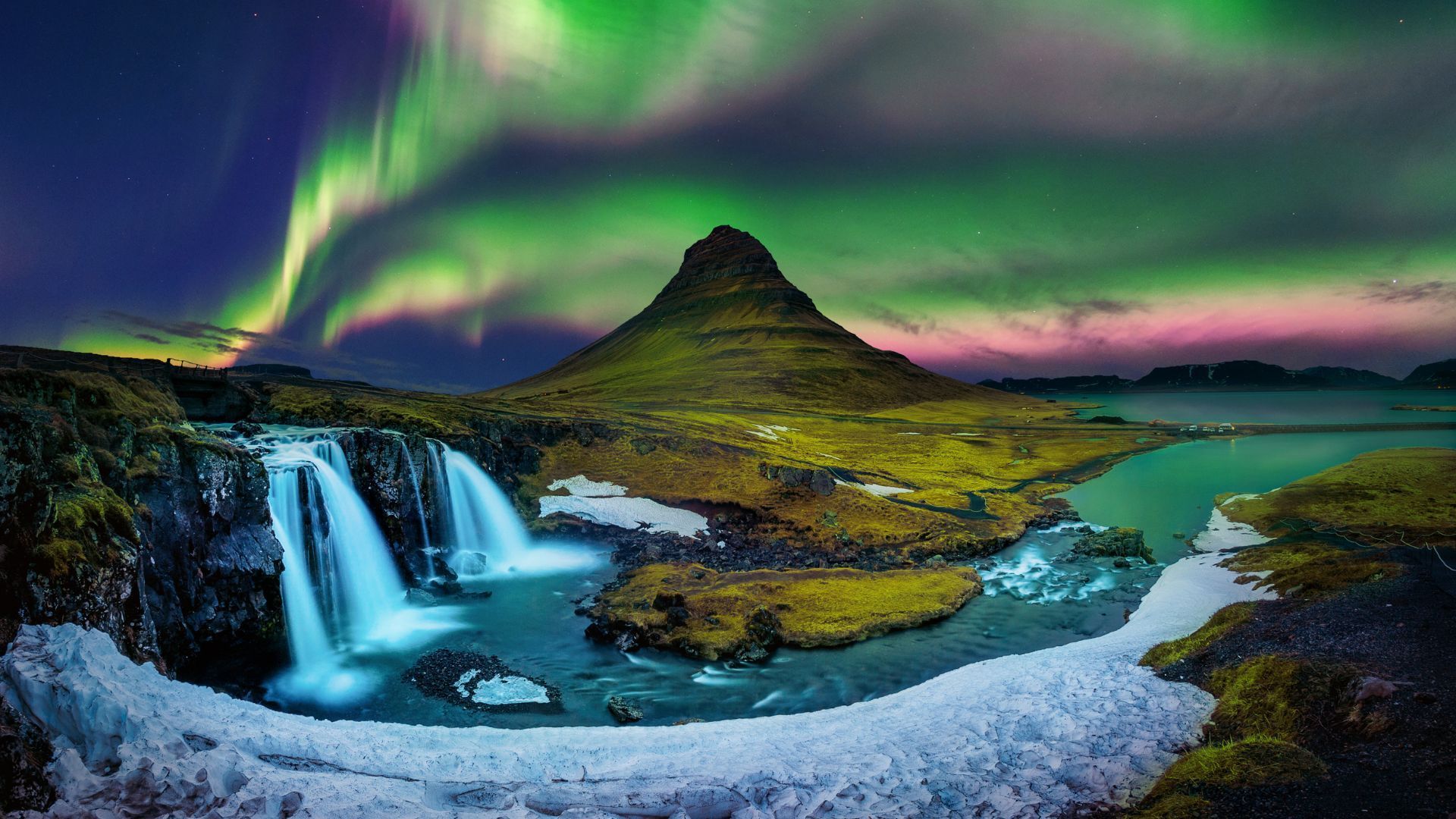
This is a tough one, as both destinations are absolute powerhouses of natural beauty, but Reykjavik and its surroundings offer a truly unique, almost alien landscape that's hard to beat. From the explosive power of Strokkur geyser and the tectonic rift at Þingvellir, to the vibrant blue waters of the Blue Lagoon and the haunting beauty of the Sólheimasandur plane wreck, Iceland feels like another planet. You can hike on glaciers, walk behind waterfalls like Seljalandsfoss, and marvel at the basalt columns of Reynisfjara beach. Bergen, on the other hand, is the gateway to Norway's iconic fjords – think dramatic cliffs plunging into deep blue waters, picturesque villages nestled along the shores, and lush green mountains. Views from Mount Fløyen or Ulriken are breathtaking, and a fjord cruise into Hardangerfjord or Sognefjord is an unforgettable experience. However, Iceland's raw, volcanic, and diverse topography gives it a slight edge for sheer 'wow' factor and variety. A Reddit user perfectly summarized it: "Bergen's fjords are picture-perfect postcard beautiful, but Iceland's landscape makes you feel like you've stepped into a National Geographic documentary about Earth's creation."
Winner takeaway
- Winner: Reykjavik
- Why: Reykjavik wins for its utterly unique, dramatic, and diverse volcanic landscapes that are unlike almost anywhere else on Earth.
- Who this matters for: Adventure seekers, photographers, geology enthusiasts, and those looking for truly 'otherworldly' natural experiences.
🍽️ Food & Drink Scene
Bergen, as a historic trading port and gateway to the fjords, has a long-standing reputation for incredible seafood, and it lives up to it. The Bergen Fish Market (Fisketorget) is iconic, offering everything from fresh shrimp and salmon to whale meat (if you're adventurous). Restaurants like Enhjørningen or Bryggeloftet & Stuene serve traditional Norwegian fare, including 'raspeballer' (potato dumplings) and 'fårikål' (mutton stew), alongside exquisitely prepared fish dishes. Expect a quality seafood main for 350-550 NOK ($35-55 USD). Reykjavik has a burgeoning modern Nordic food scene, with places like Dill Restaurant leading the way (though very pricey). Don't miss the famous Bæjarins Beztu Pylsur hot dog stand for a budget-friendly and iconic bite (around 600 ISK / $4.50 USD). While Reykjavik offers unique dishes like fermented shark (hákarl), Bergen's culinary scene feels more established, diverse, and consistently high-quality, especially for seafood lovers. "Bergen's seafood was just next level fresh, like straight off the boat. Reykjavik had some great spots, but you had to really search and pay a lot more for that caliber," shared a Redditor. For a broader and more accessible range of excellent dining, Bergen takes the crown.
Winner takeaway
- Winner: Bergen
- Why: Bergen offers a more established, diverse, and consistently high-quality food scene, particularly excelling in fresh, world-class seafood.
- Who this matters for: Foodies, seafood lovers, and those looking for authentic local cuisine experiences.
🍻 Nightlife & Social Scene
Reykjavik, despite its small size, punches well above its weight when it comes to nightlife, especially on weekends. The main street, Laugavegur, transforms into a lively pedestrian party zone with numerous bars and clubs clustered closely together, making it easy to hop between venues like Kaffibarinn, Prikið, or Lebowski Bar. Locals and tourists mingle, and the party often goes well into the early morning hours (3-5 AM). A beer can cost 1,200-1,800 ISK ($9-14 USD) but happy hour deals are essential. Bergen has a more laid-back, sophisticated pub and bar culture. While there are a few nightclubs, the scene is generally focused on cozy pubs, craft beer bars like Apollon Platebar, and venues with live music. Popular spots include Victoria Pub and Folk & Røvere. Expect to pay 90-120 NOK ($8-11 USD) for a beer. The vibe is more about enjoying a good conversation over drinks rather than an all-out dance party, and closing times are typically earlier than in Reykjavik. "Reykjavik on a Saturday night is wild, you really don't expect it from such a small city. Bergen was nice for a quiet drink, but not if you want to dance," a traveler noted. If you're looking to party and socialize late into the night, Reykjavik is the undisputed champion.
Winner takeaway
- Winner: Reykjavik
- Why: Reykjavik's compact city center comes alive with a famously vibrant, late-night party scene, offering more options for dancing and socializing than Bergen.
- Who this matters for: Younger travelers, solo travelers looking to meet people, and those who enjoy lively weekend nightlife.
🏛️ Culture & History
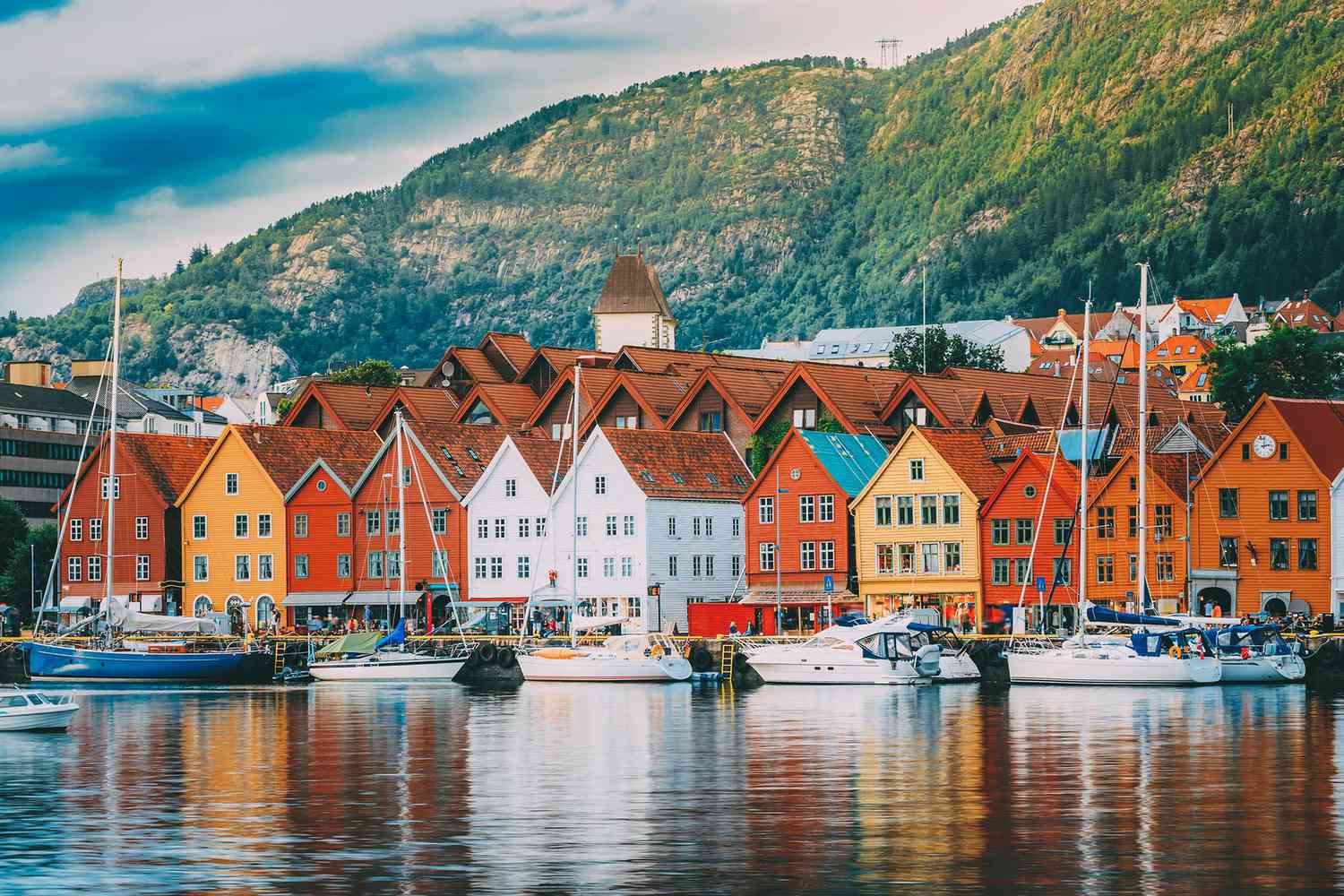
Bergen boasts a much richer and more visibly preserved history and culture. Its UNESCO-listed Bryggen wharf, with its colorful wooden houses dating back to the Hanseatic League, is a tangible link to medieval trade and offers a fascinating glimpse into the past. You can explore the Hanseatic Museum and Schøtstuene, or dive into Bergen's artistic past at the KODE Art Museums. The city's history is steeped in its role as a major port and former capital of Norway. Reykjavik's cultural identity is strong but perhaps less overtly historical in its architecture. It leans into its Viking heritage through museums like the National Museum of Iceland and the Saga Museum, but also embraces modern art, music, and design, evident in places like Harpa Concert Hall and numerous galleries. The iconic Hallgrímskirkja church offers stunning views and a modern architectural marvel. While Iceland's sagas are compelling, Bergen's physical history is more palpable and expansive. "Walking through Bryggen felt like stepping back in time, it's so incredibly well-preserved and full of stories. Reykjavik's history is there, but it's more conceptual or in museums rather than literally in the streets like Bergen," observed a Reddit user. For a deep dive into centuries of European history and maritime culture, Bergen is the clear victor.
Winner takeaway
- Winner: Bergen
- Why: Bergen offers a more tangible and deeply preserved historical experience, particularly with its UNESCO-listed Bryggen wharf and Hanseatic legacy.
- Who this matters for: History buffs, architecture enthusiasts, and those interested in maritime heritage.
🚗 Getting Around & Logistics
Bergen is incredibly easy to navigate. The city center, including Bryggen, the Fish Market, and the Fløibanen funicular, is compact and entirely walkable. For further distances within the city, a reliable bus system is available. To explore the fjords, numerous boat tours depart directly from the harbor (e.g., 'Norway in a Nutshell' or direct fjord cruises to Mostraumen, costing 700-1500 NOK / $65-140 USD), and train connections (like the famous Flåm Railway) are efficient. You can easily see the highlights of Bergen and its immediate fjord region without ever needing to rent a car. Reykjavik, while small and walkable in its core, is just a starting point for exploring Iceland's vast natural wonders. To truly experience the Golden Circle, the South Coast, or Snaefellsnes Peninsula, you either need to rent a car (budget 5,000-15,000 ISK / $38-115 USD per day, plus fuel) or rely on organized bus tours, which can be expensive and restrictive. "In Bergen, I felt like I could effortlessly explore so much by just walking or hopping on a boat. In Iceland, every major sight outside Reykjavik felt like a whole expedition requiring a car or a costly tour," a traveler remarked. For ease of movement and less reliance on a private vehicle or pricey tours, Bergen is more convenient.
Winner takeaway
- Winner: Bergen
- Why: Bergen offers superior ease of getting around its city center by foot and excellent public transport/tour options for fjord exploration without needing a rental car.
- Who this matters for: Travelers who prefer not to drive, those on a tighter schedule, and visitors prioritizing convenience.
🏨 Accommodation Comfort & Price
Accommodation in both cities is expensive, but Bergen tends to offer a bit more bang for your buck and a wider range of mid-range options that feel like good value. In Bergen, you can find a comfortable, well-located hotel like Thon Hotel Rosenkrantz Bergen or Clarion Hotel Admiral for around 1500-2200 NOK ($140-200 USD) per night, often including a decent breakfast. Hostels like Citybox Bergen offer budget-friendly, modern stays for 500-800 NOK ($45-75 USD). Reykjavik, on the other hand, often sees prices for comparable hotels starting at 20,000-30,000 ISK ($150-225 USD), with budget options like Oddsson Hotel still commanding 10,000-15,000 ISK ($75-115 USD) for a private room. The demand in Reykjavik, especially during peak season, inflates prices across the board. While both have excellent Airbnbs, the overall market in Bergen feels slightly more competitive and thus offers better value. As one traveler put it, "I found a really nice, central hotel in Bergen for what I'd pay for a basic guesthouse outside Reykjavik. It just felt like better value." If you're looking for comfortable lodging without completely breaking the bank, Bergen is likely to be kinder to your budget.
Winner takeaway
- Winner: Bergen
- Why: Bergen typically offers slightly better value and a wider range of quality accommodation options at a more accessible price point compared to Reykjavik.
- Who this matters for: Travelers prioritizing comfort and value in their lodging, families, and those on a moderate budget.
🗺️ Day Trips & Excursions
This category is a true tie, as both cities serve as phenomenal bases for unforgettable day trips, each offering distinct types of beauty. From Reykjavik, the Golden Circle is a classic: Thingvellir National Park, Gullfoss waterfall, and the Strokkur geyser – easily done in a day by car or tour (approx. 10,000-15,000 ISK / $75-115 USD). The South Coast offers Seljalandsfoss, Skógafoss, and the black sand beaches of Reynisfjara. You can also visit the Blue Lagoon or even go glacier hiking. Bergen is the gateway to some of Norway's most iconic fjords. The 'Norway in a Nutshell' tour (combining train, bus, and boat, around 2,000-2,500 NOK / $185-230 USD) takes you through stunning landscapes, including the Nærøyfjord and the Flåm Railway. Shorter fjord cruises to Mostraumen are equally breathtaking. You can also explore charming towns like Voss or take a ferry to Rosendal and its Barony. "Both places have so many incredible day trip options, it's impossible to pick a favorite. Iceland has the dramatic, otherworldly stuff, while Bergen has the classic, postcard-perfect fjords. You really can't go wrong either way," stated one avid traveler. The choice truly depends on your preferred type of natural wonder.
Winner takeaway
- Winner: Tie
- Why: Both destinations offer an exceptional array of diverse and iconic day trips, each showcasing distinct and breathtaking natural beauty.
- Who this matters for: Anyone who loves exploring beyond the city limits and seeking out natural wonders.
☀️ Weather & Best Seasons
Both Reykjavik and Bergen are known for their notoriously unpredictable weather, making this a true tie. In Reykjavik, expect cool temperatures (10-15°C / 50-59°F) and strong winds even in summer (June-August). Winters (November-March) are dark, cold (0-5°C / 32-41°F), often snowy, and offer the best chance for Northern Lights. Spring and autumn are transitional and highly variable. Bergen, on the other hand, is famous for its rain – it sees an average of 230 rainy days a year! However, its winters are milder than Reykjavik's, rarely dropping below freezing due to the Gulf Stream (2-7°C / 36-45°F). Summers are pleasant (15-20°C / 59-68°F), but rain is always a possibility. The good news is that Bergen's fjords are stunning even in the rain, often appearing more dramatic. "Iceland's weather is wild, you get all four seasons in an hour. Bergen is just... wet. But honestly, the fjords look moody and beautiful even under grey skies," a Redditor shared. If sunshine is your priority, neither is a sure bet, but summer offers the best odds for both, though rain gear is essential for Bergen any time of year.
Winner takeaway
- Winner: Tie
- Why: Both cities are known for their highly unpredictable and often challenging weather, making it difficult to definitively declare a 'winner' based on climate alone.
- Who this matters for: Travelers who are flexible with their plans, come prepared for all conditions, and appreciate dramatic weather rather than constant sunshine.
🚶♀️ Solo Travel Appeal
Both Reykjavik and Bergen are excellent choices for solo travelers, ranking among the safest cities in the world. However, Reykjavik edges out Bergen for its slightly more pronounced solo travel appeal, particularly if you're looking to meet other travelers. Reykjavik's compact city center, vibrant hostel scene (e.g., Kex Hostel, HI Reykjavik Downtown Hostel), and lively nightlife make it incredibly easy to strike up conversations and find companions for a night out or even a day trip. The prevalence of organized tours in Iceland means many solo travelers naturally gravitate towards these, offering a built-in social opportunity. Bergen is also incredibly safe and easy to navigate on your own; its walkability and efficient public transport mean you won't feel isolated. Locals are friendly, and there are many opportunities for independent exploration of the city and fjords. However, its nightlife is generally less boisterous, which might make spontaneous social interactions slightly less common than in Reykjavik. "I traveled solo to both, and while Bergen was wonderful and felt incredibly safe, Reykjavik's hostel common rooms and weekend bar scene made it so much easier to connect with other solo travelers," reported a solo female traveler. If a balance of independence and social opportunities is key, Reykjavik has a slight advantage.
Winner takeaway
- Winner: Reykjavik
- Why: Reykjavik's vibrant hostel scene, compact city, and lively nightlife make it marginally easier for solo travelers to meet other people and socialize.
- Who this matters for: Solo adventurers looking to easily connect with other travelers, those seeking a balance of independence and social interaction.
❓ Frequently Asked Questions
Which city is better for seeing the Northern Lights?
Reykjavik and Iceland generally offer better opportunities for viewing the Northern Lights due to its higher latitude and less light pollution outside the capital. The best time is typically between September and April, away from city lights, with a clear sky.
Is it worth renting a car in Reykjavik vs Bergen?
Yes, renting a car is highly recommended for Reykjavik if you want to explore Iceland's natural wonders independently. In Bergen, it's less necessary; the city is walkable, and excellent public transport and tours cover the fjords.
Which city is more family-friendly?
Both cities are very family-friendly. Reykjavik offers unique nature experiences (geothermal pools, waterfalls) that kids love, while Bergen provides charming city exploration, funicular rides, and beautiful fjord cruises suitable for all ages. Bergen might have a slight edge for ease of getting around with strollers.
What's the best time of year to visit each city?
For Reykjavik, summer (June-August) offers the mildest weather and endless daylight. For Northern Lights, winter (September-April). For Bergen, late spring to early autumn (May-September) provides the best weather for fjord cruises and hiking, though rain is always possible.
Which city has better hiking opportunities?
Both offer fantastic hiking. Iceland's hikes range from volcanic landscapes to hot springs trails. Bergen is surrounded by 'Seven Mountains,' offering numerous trails directly accessible from the city, with stunning fjord views. It's a tie, depending on your preferred scenery.
Are English speakers common in Reykjavik and Bergen?
Yes, English is widely spoken in both Reykjavik and Bergen. Most locals, especially those in tourism, hospitality, and younger generations, are fluent in English, so communication will not be an issue in either city.
How many days are recommended for each city?
For Reykjavik and its immediate surroundings, 3-5 days is a good start to cover the Golden Circle and South Coast. For Bergen, 2-3 days are sufficient to see the city's highlights, with an additional 1-2 days if you plan an in-depth fjord cruise.
Which city offers better souvenir shopping?
Reykjavik offers unique Icelandic wool products, volcanic rock souvenirs, and local art. Bergen provides traditional Norwegian sweaters, trolls, and local crafts, often found around Bryggen and the Fish Market. Both have unique offerings, depending on your taste.
Ready to plan your Nordic trip?
Get a free custom itinerary for Reykjavik, Bergen, or both — built from real traveler insights.
🎟️ Book Tours & Experiences
Hand-picked tours and activities for both destinations — book with free cancellation
Experiences via Viator — free cancellation on most tours